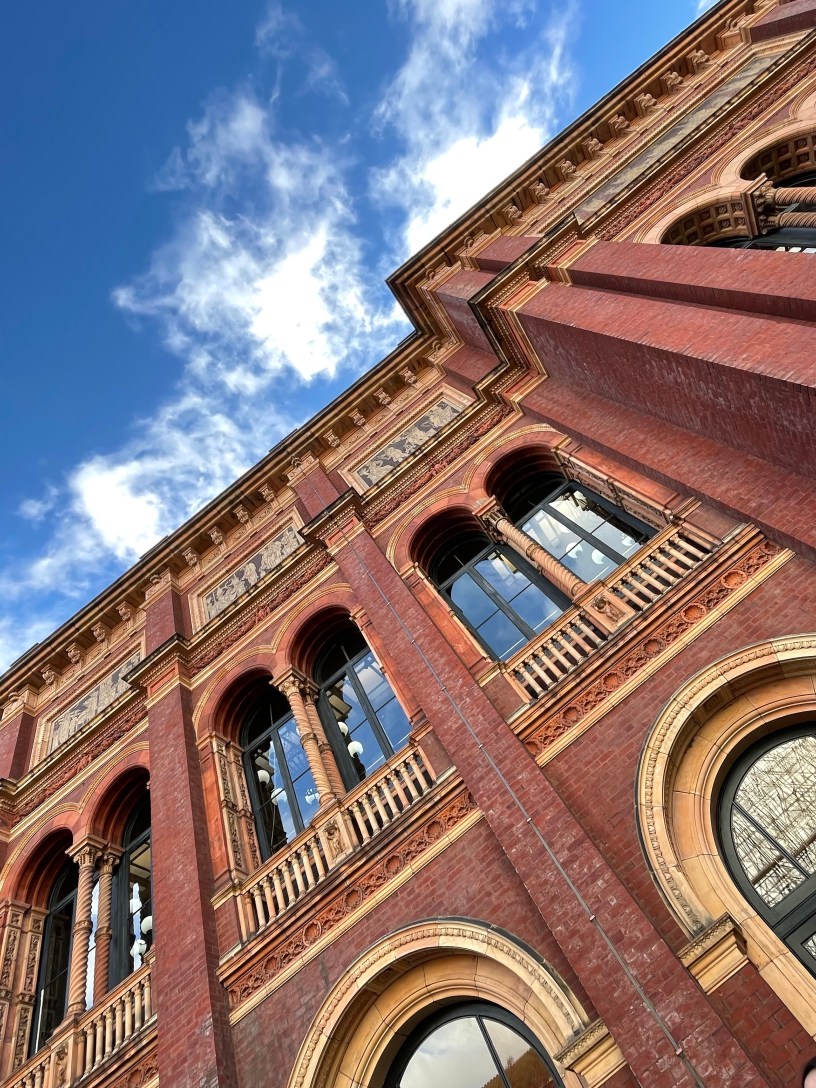
For a look at Victorian decoration at its finest, where better than a visit to the Victoria & Albert Museum, established in the mid-1800’s to promote and inspire British manufacturing.
First stop? A cup of tea or a meal in the world’s oldest museum restaurant.
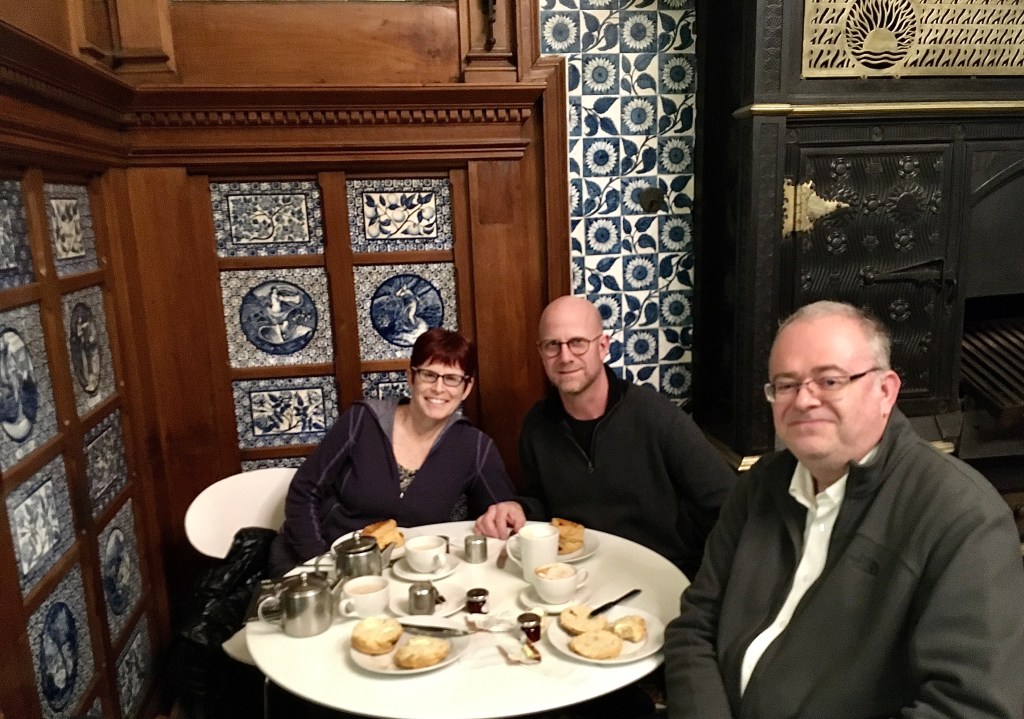
Opened in 1868, all 3 rooms of the refreshment area are both beautiful and over-the-top Victorian. The Gamble Room is covered in the English tin-glazed majolica tiles that were introduced to Britains at the 1851 Crystal Palace Exhibition. Besides their beauty, the tiles were fire, steam, and odor resistant, plus hygienic and to easy to clean.

The Poynter room has stained glass and Dutch-inspired blue tiles painted by female students from a local art training school. There is also an original cast iron range where chops and steaks were once grilled to order for diners (alas, no longer in use).
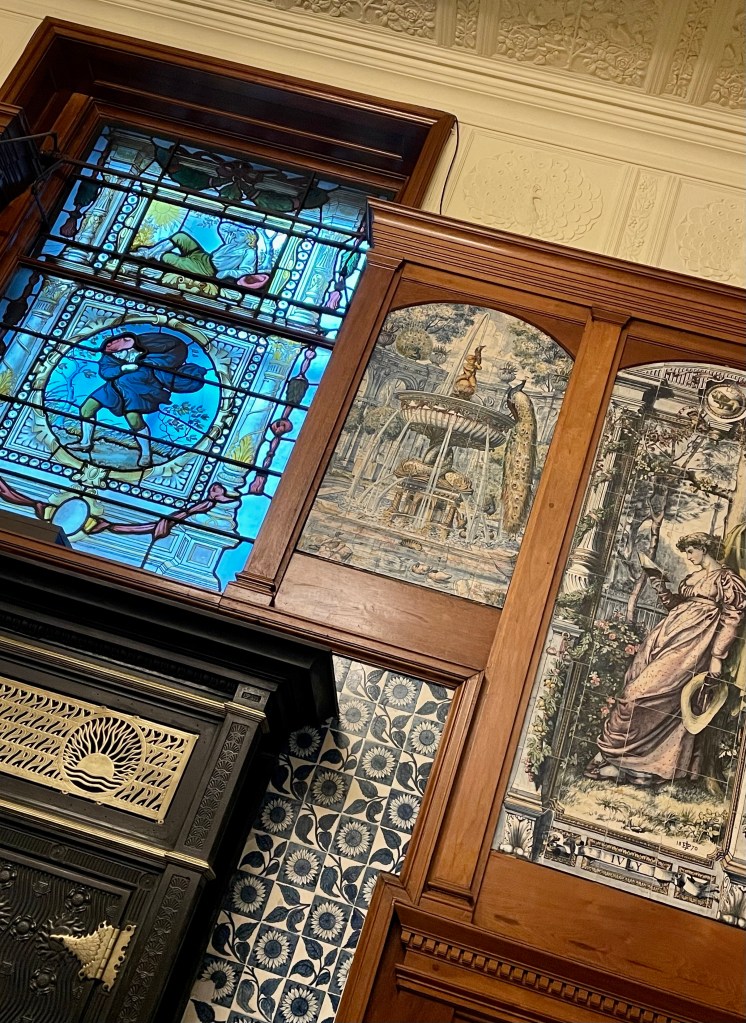
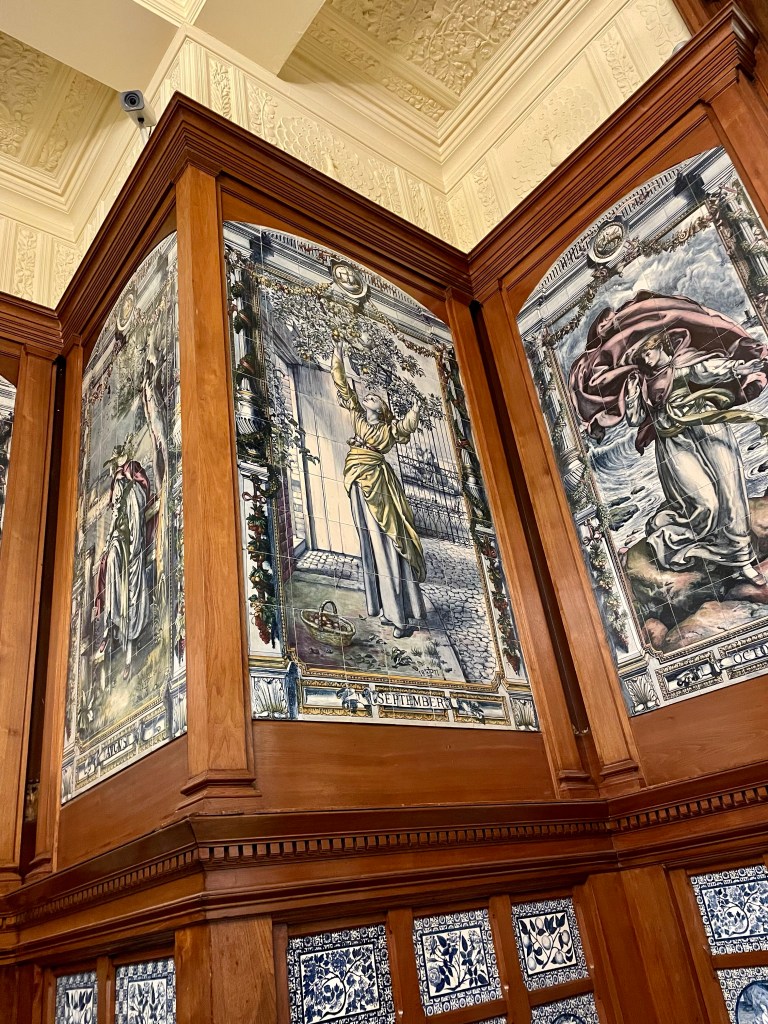
The third room was designed by William Morris when he was young and relatively unknown, yet the friezes, paintings and paneling still reflect the distinctive nature-inspired aesthetic style he would become famous for.
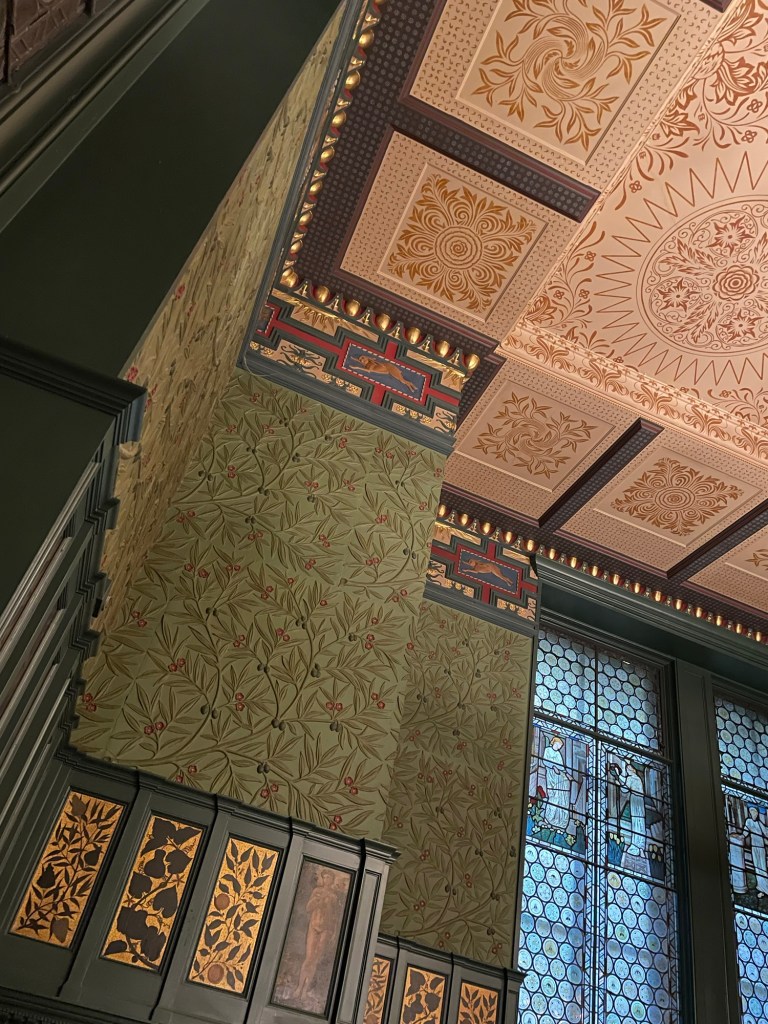
Victorian-era museum visitors were offered three different menus, dependent on social status. The 1867 first-class menu included jugged hare, steak pudding, and seasonal tarts. Second-class diners were served veal cutlets, poached egg with spinach, buns, and sponge cake. Alas, working class visitors had to dine elsewhere in the museum. Today, everyone can enjoy the offerings from the cafe. Food is available cafeteria-style from counters in the hall, and the dining areas are seat yourself.
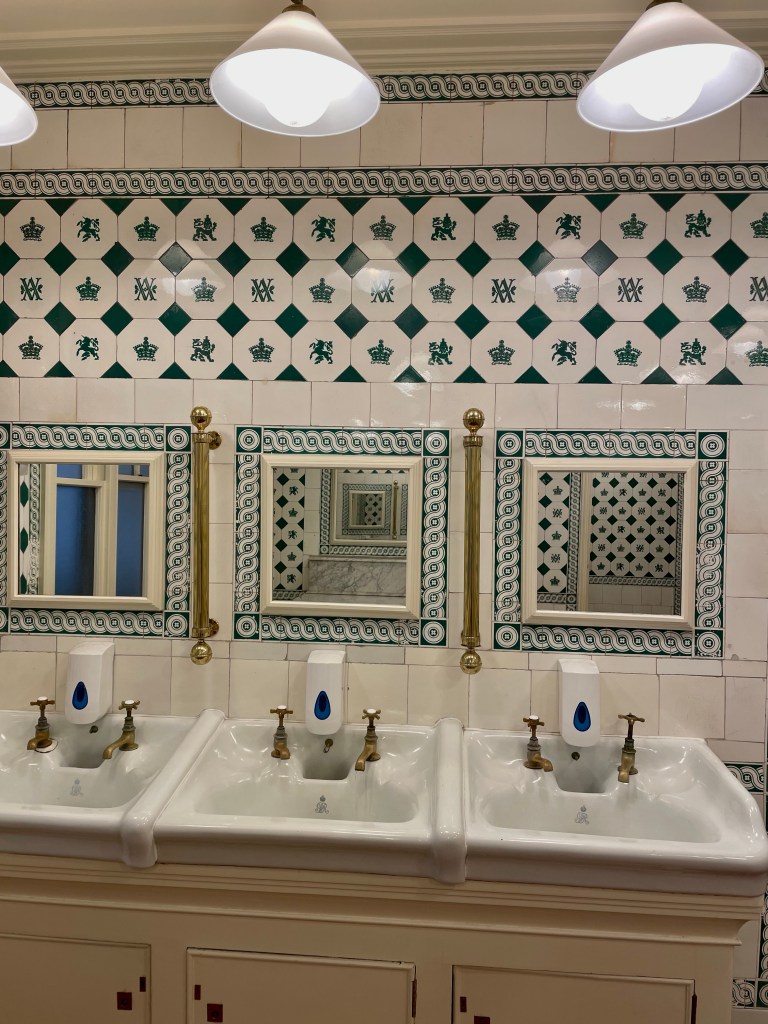
Next up is a peek behind the adjacent, modern wood door… and a chance to appreciate (or use!) the original Victorian toilets.
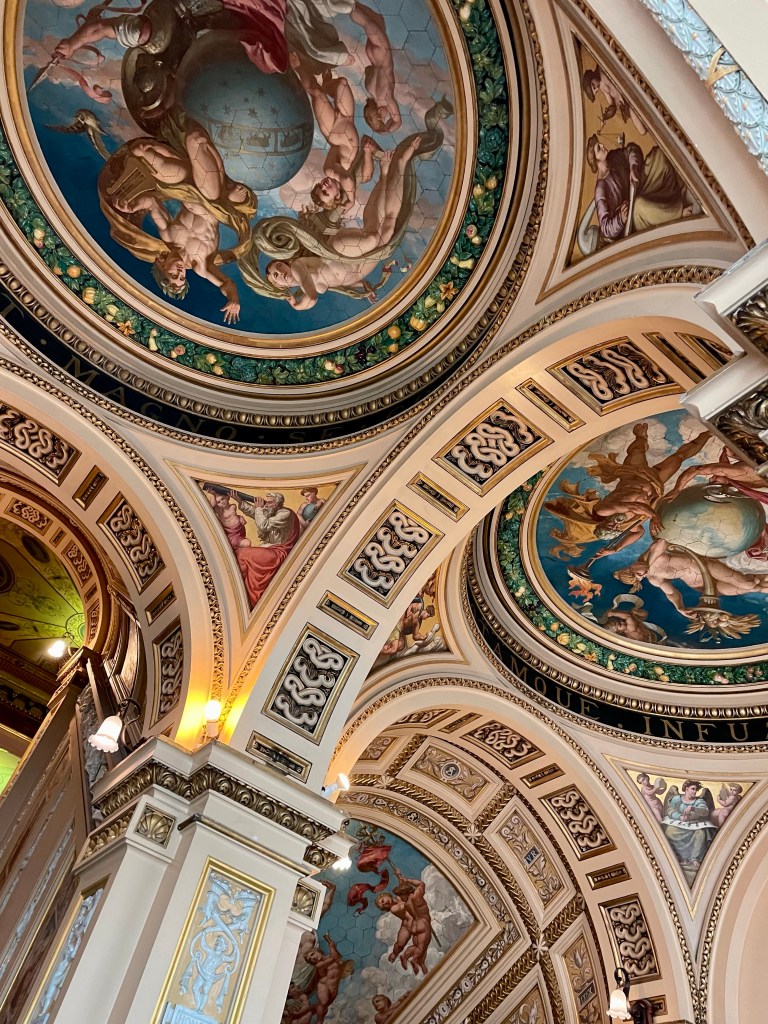
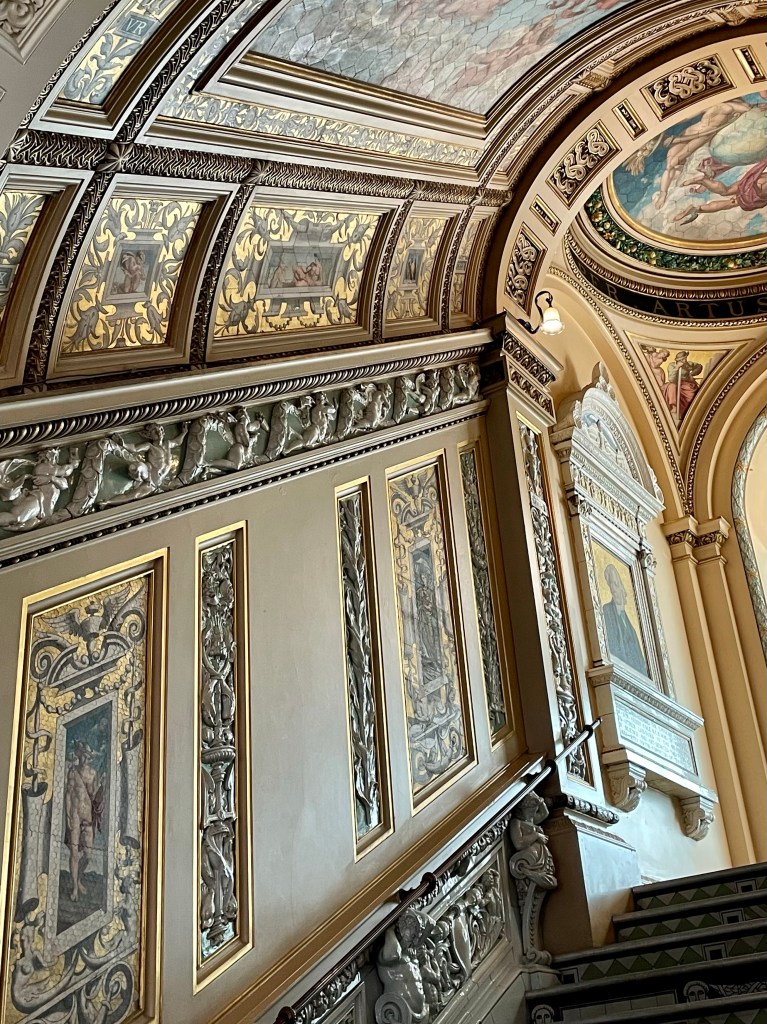
For more Victorian amazingness, head to the ceramic staircase to appreciate the Renaissance-inspired terracotta moldings, the ceramic painted tiles (including the hexagonal ceiling tiles that were created specifically for use on these curved ceilings), and stained glass windows leading up to the recently restored silver galleries.
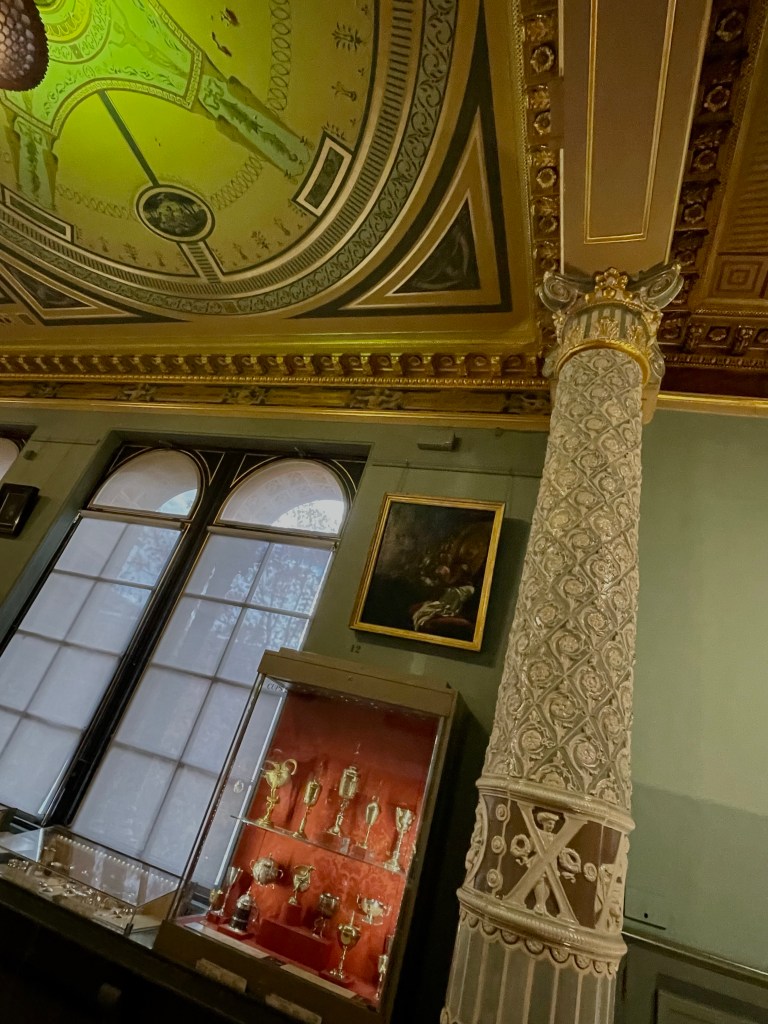
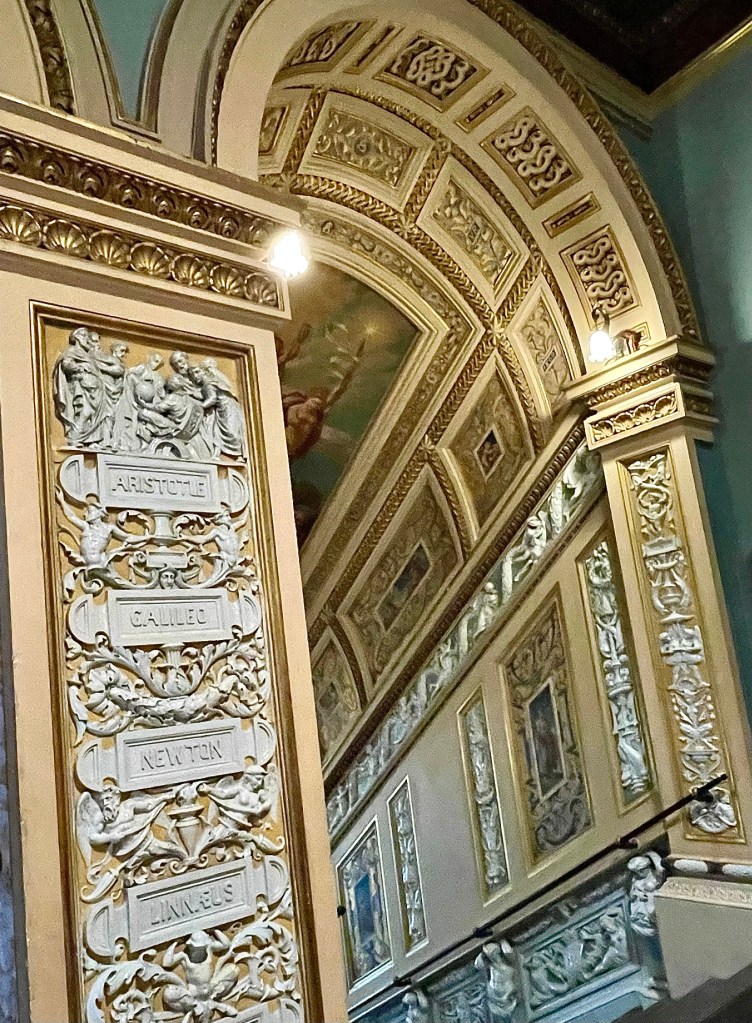
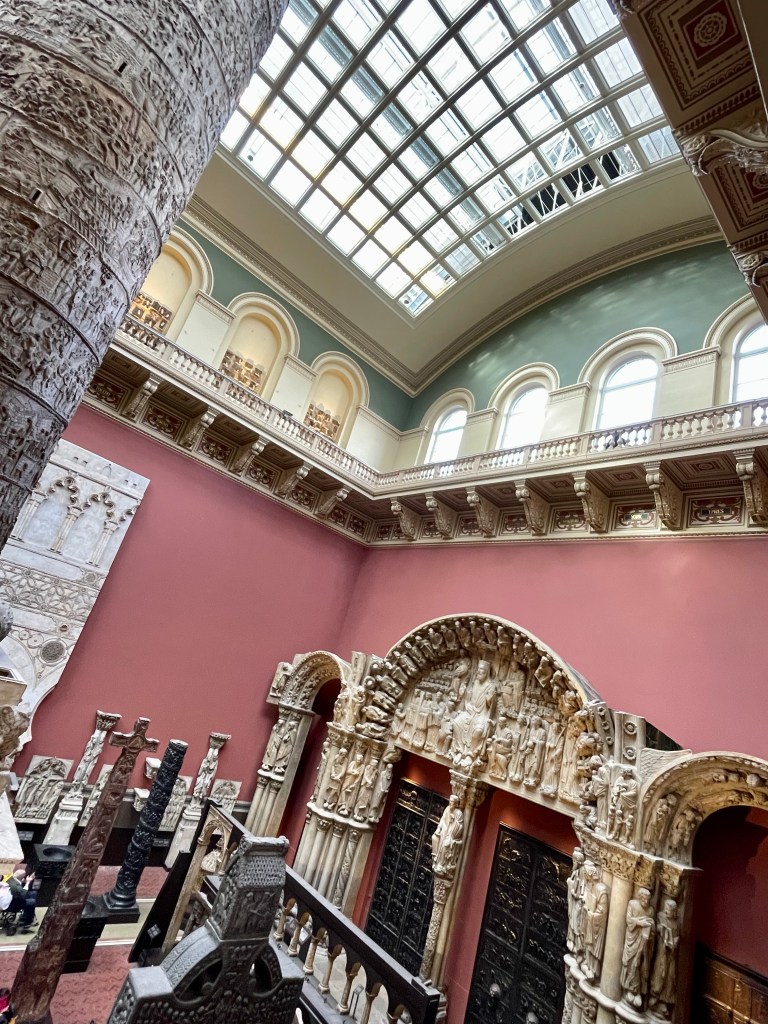
The Cast Hall has also been restored to its former glory.
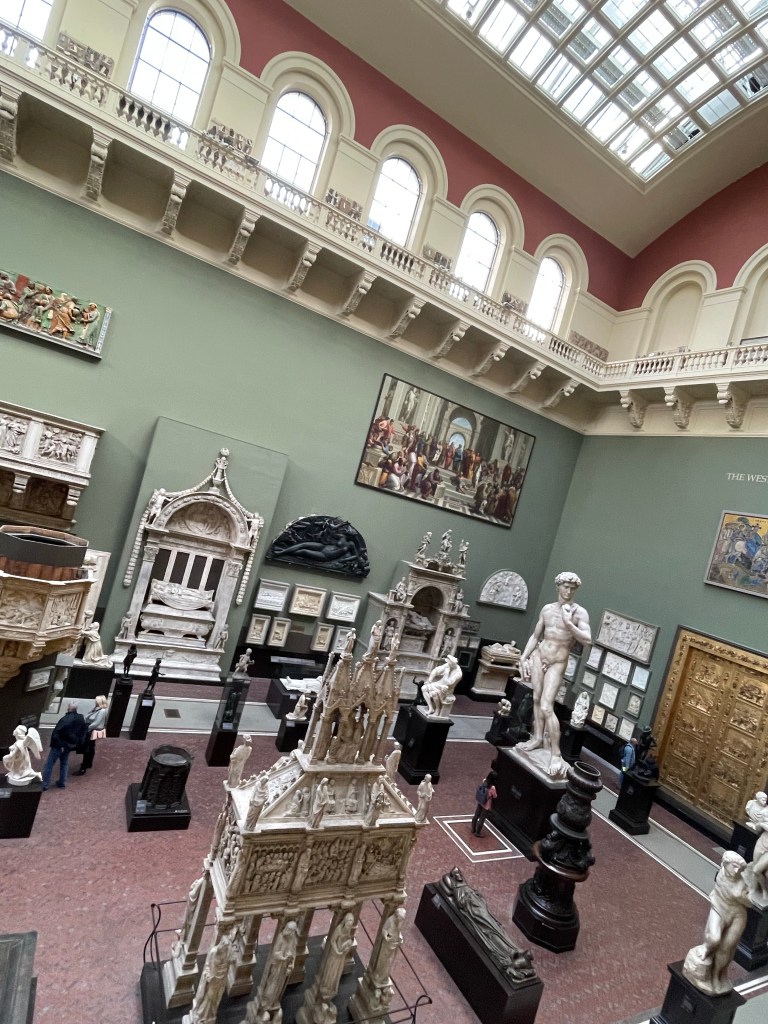
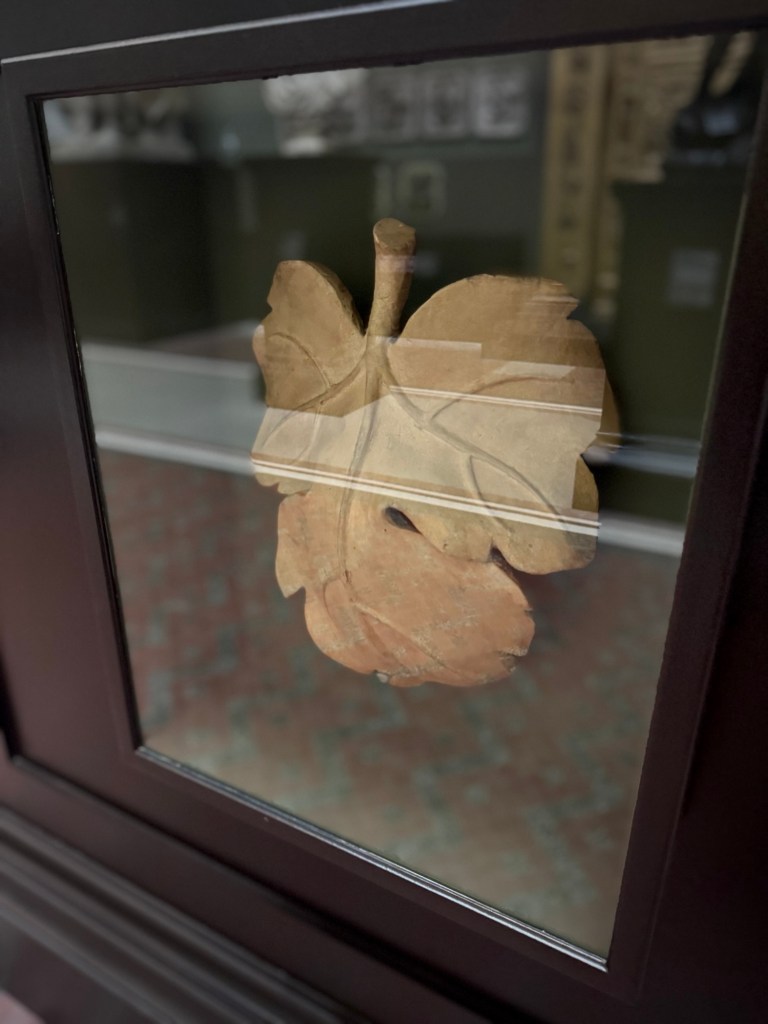
Like Adam and Eve after being expelled from the garden of Eden, the V&A’s Victorian-era cast of David also had a modesty problem. His original fig leaf is long gone, but a new one was made when the cast went on display in 1857. He’s shown sporting his fig leaf in this 1860 photo from the museum’s website:
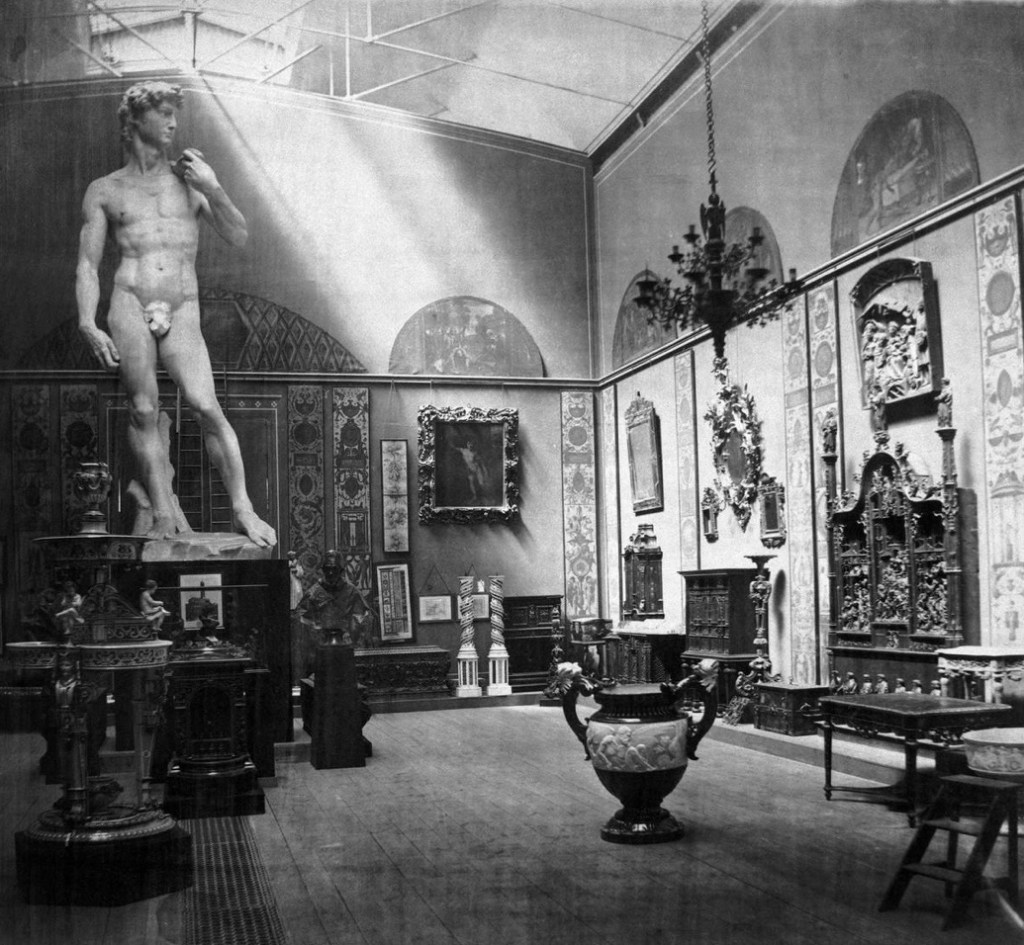
Today, David hangs out in all his Michelangelo glory and the fig leaf hangs in a case on his pedestal.
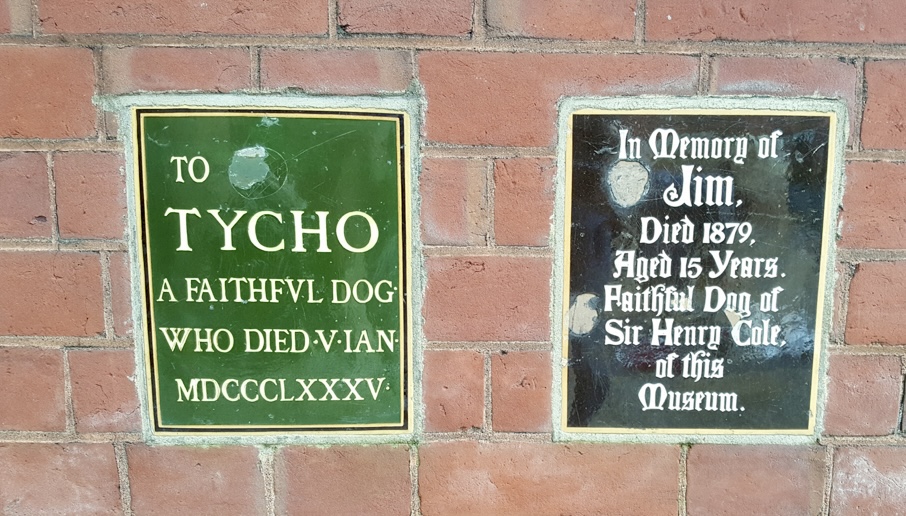
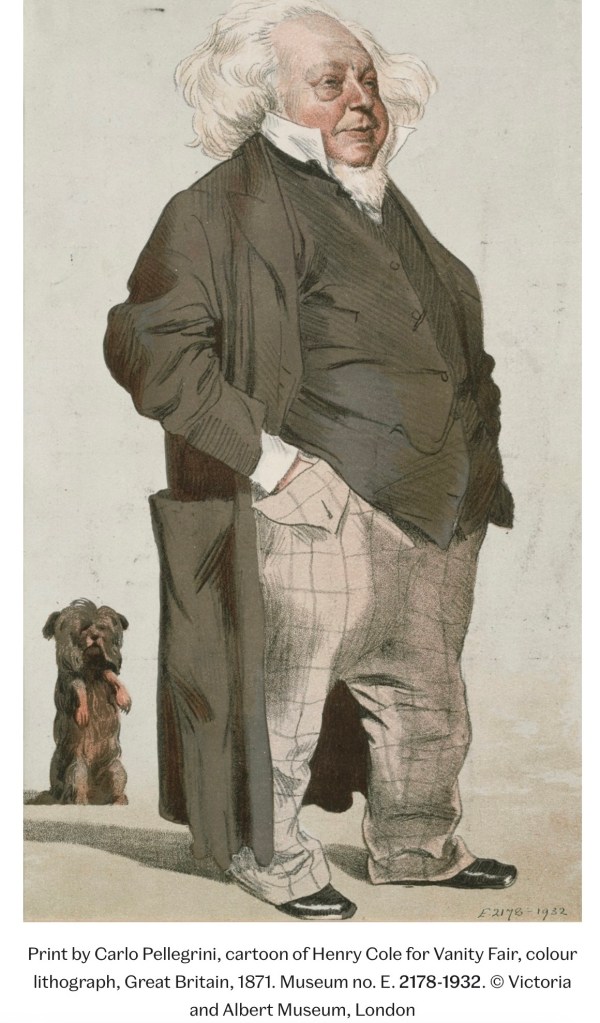
Even dogs were recognized by the sentimental Victorians. Tucked away in the courtyard are memorial plaques commemorating the lives of two of them – a Yorkshire terrier called Jim, who was was companion to the V&A’s first director, Sir Henry Cole, and Tycho who belonged to his son.
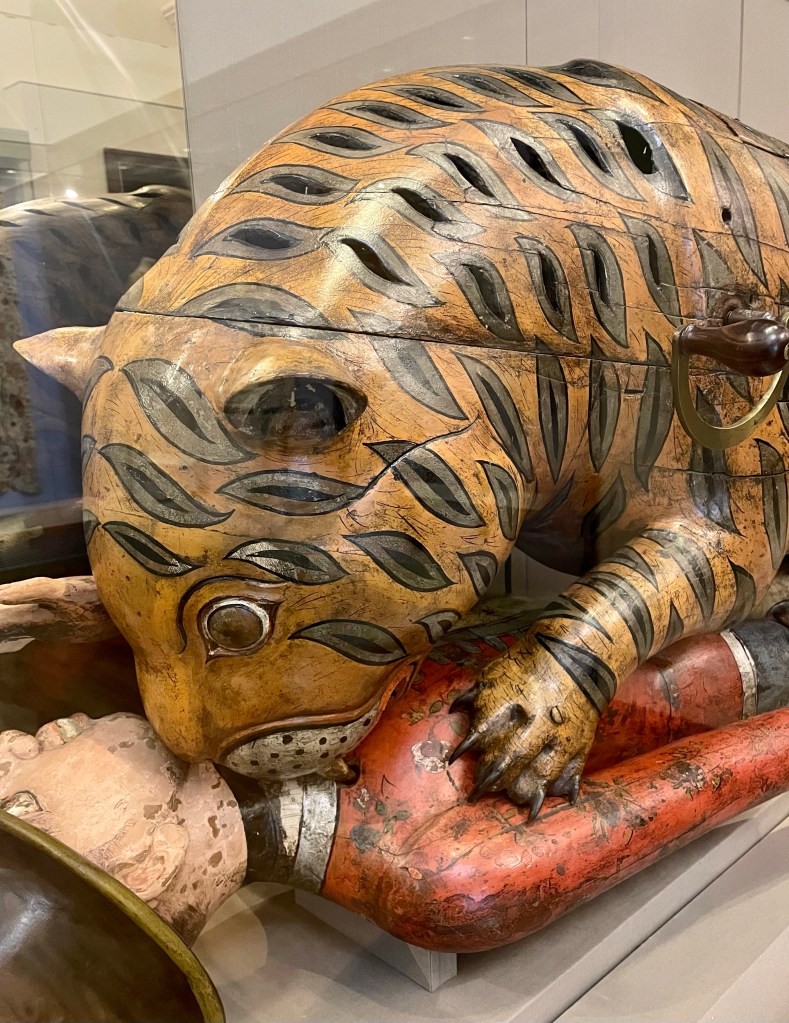
Although pre-Victorian, no visit to the V&A is complete without saying hello to Tippoo’s Tiger, perhaps the greatest piece of anti-imperial art.
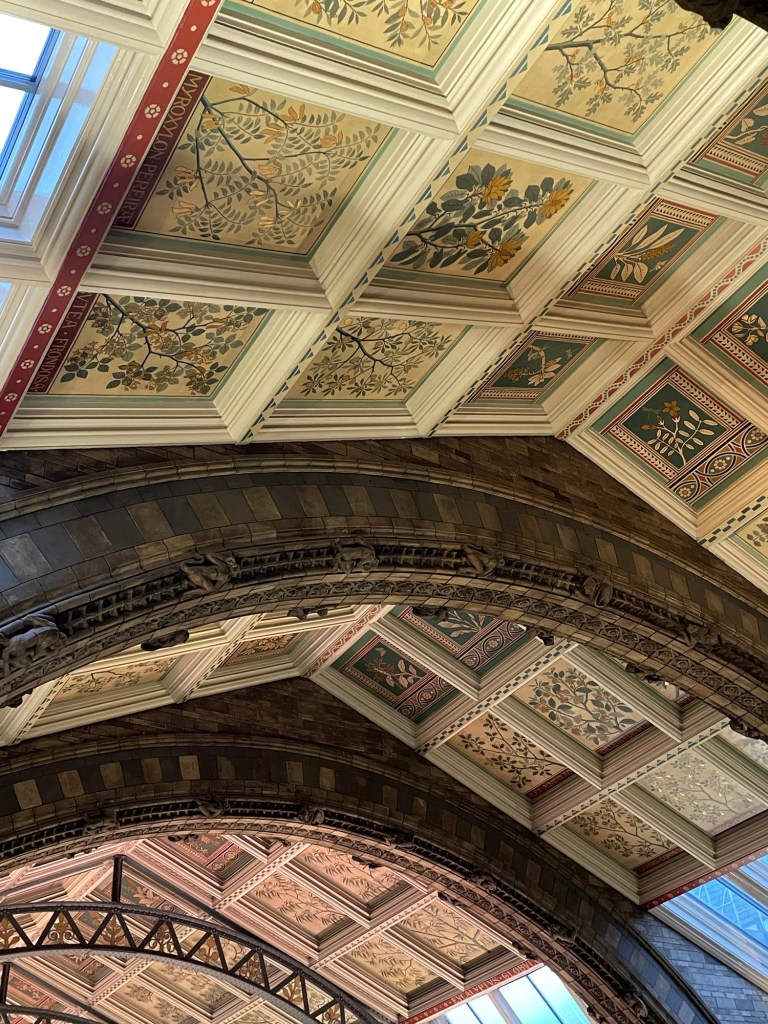
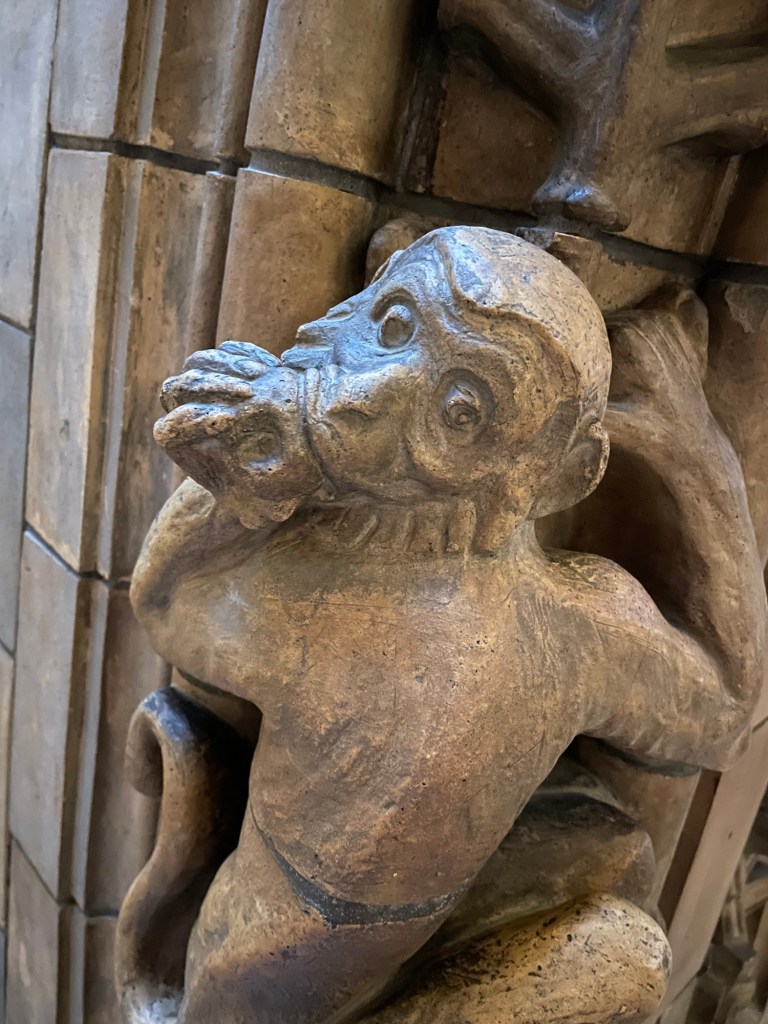
If you are up for more Victorian amazingness, head next door to the Natural History Museum, where the decoration was inspired by the natural world, including extinct animals, fossils, and plants of economic, medicinal and horticultural importance to England.
 Secrets of Philadelphia