
There’s no escaping Florence’s Medici balls…


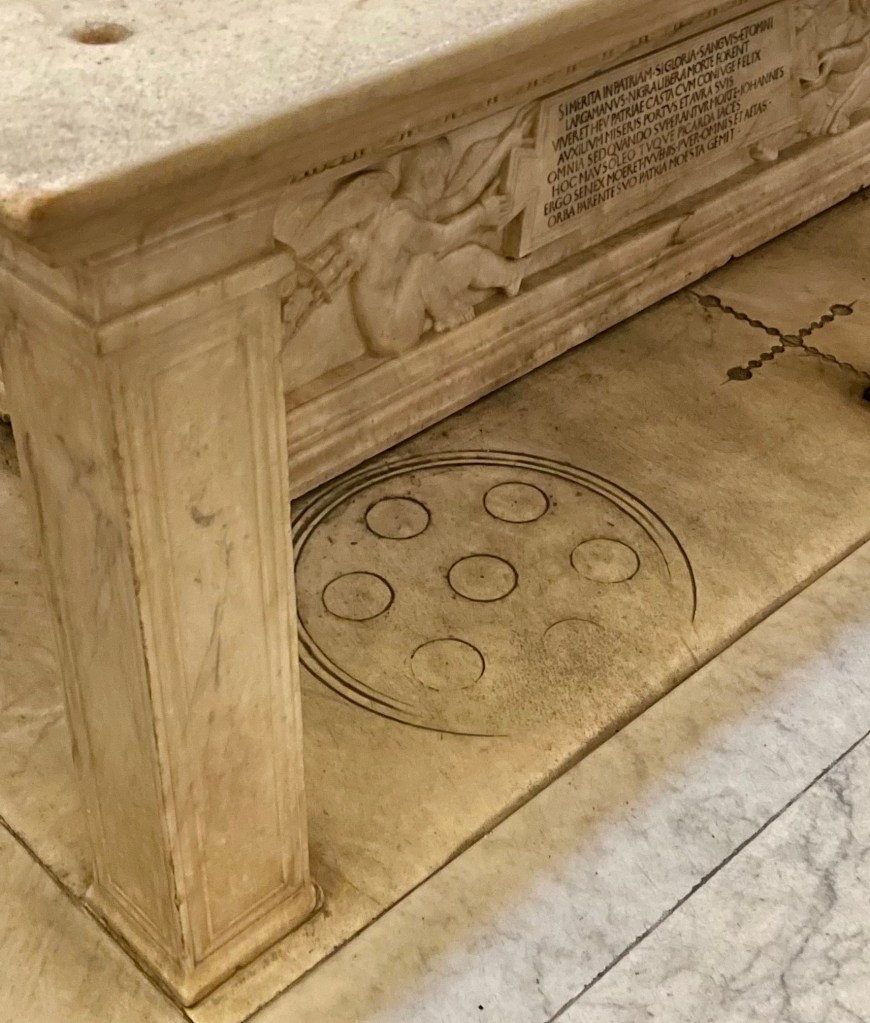
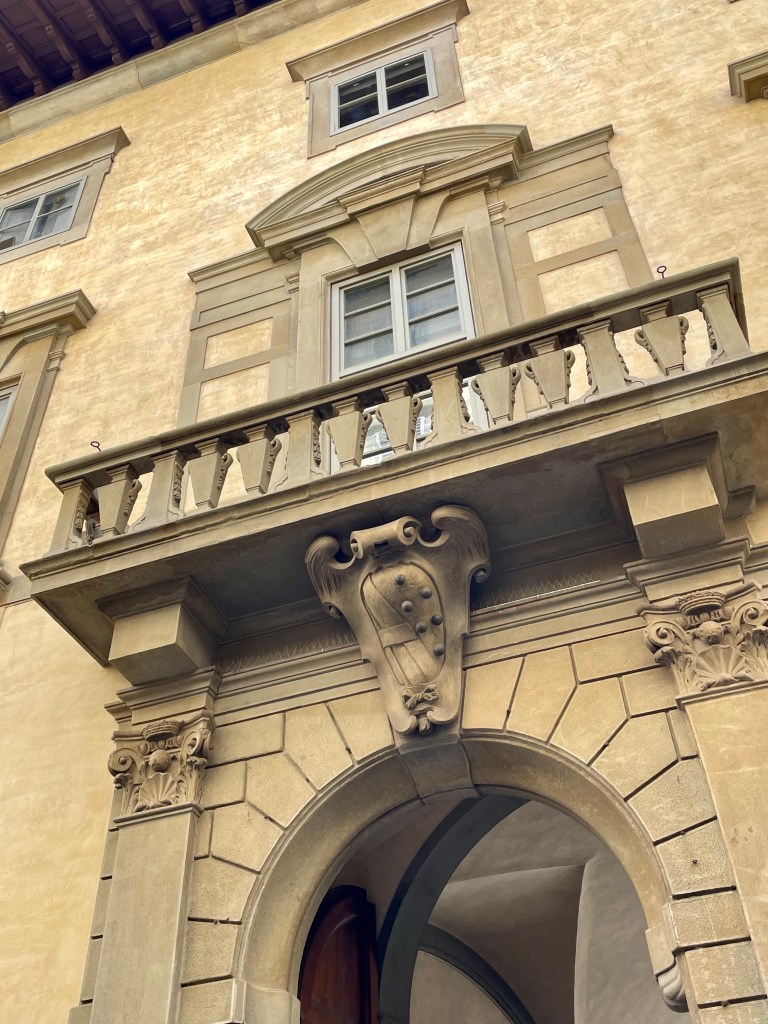

The origin of these famous balls is a bit of a mystery, in fact no one is quite sure what the balls symbolize or why they are on the Medici family crest. There are usually six, but sometimes five or seven. However, despite this uncertainty, it is a fact that the most famous names of the Renaissance can be traced to the patronage of this Florentine family.
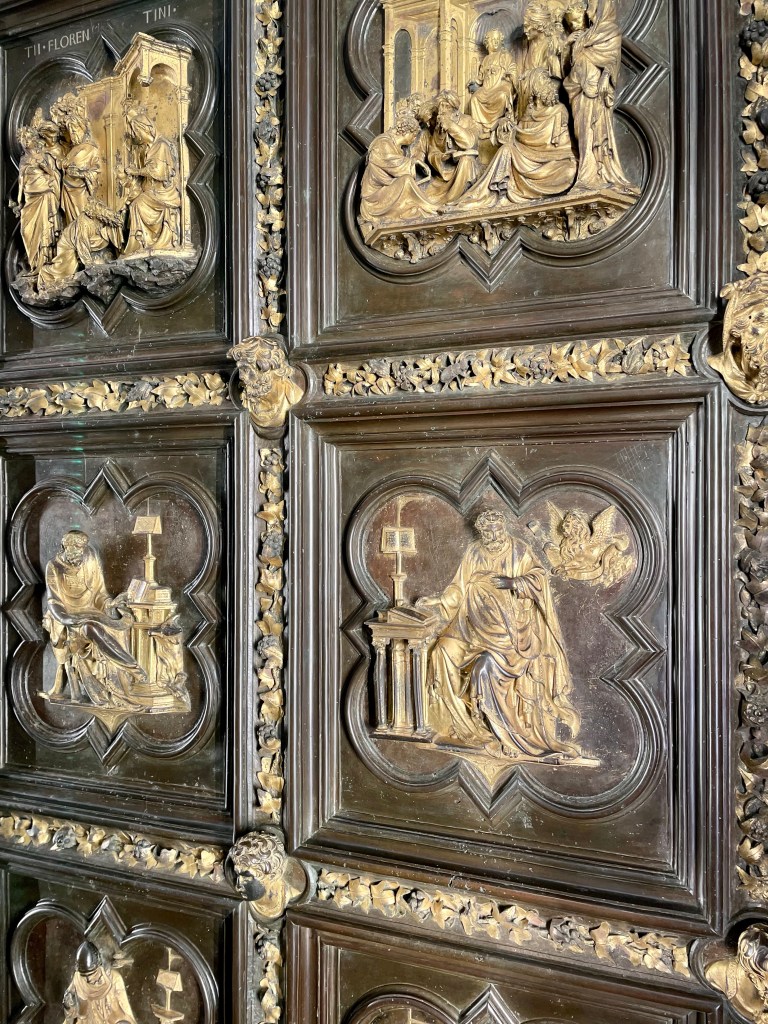
The Medici family patriarch, Giovanni (1360-1439), founded the Medici bank. It was he who set his family on the path to becoming one of the richest dynasties in Europe and helped usher in the Renaissance with Florence as its epicenter. Giovanni was one of the judges that selected Ghilberti’s design for the Baptistery doors – considered to be one of the first Renaissance masterpieces. He also funded the reconstruction of San Lorenzo church, hiring Brunelleschi (of Florence Duomo fame) as architect and Donatello as its lead sculpture.
Sites: Baptistry Doors: Although the building is still in its original glory, the doors are replicas, with the originals across the street in the Opera del Duomo.
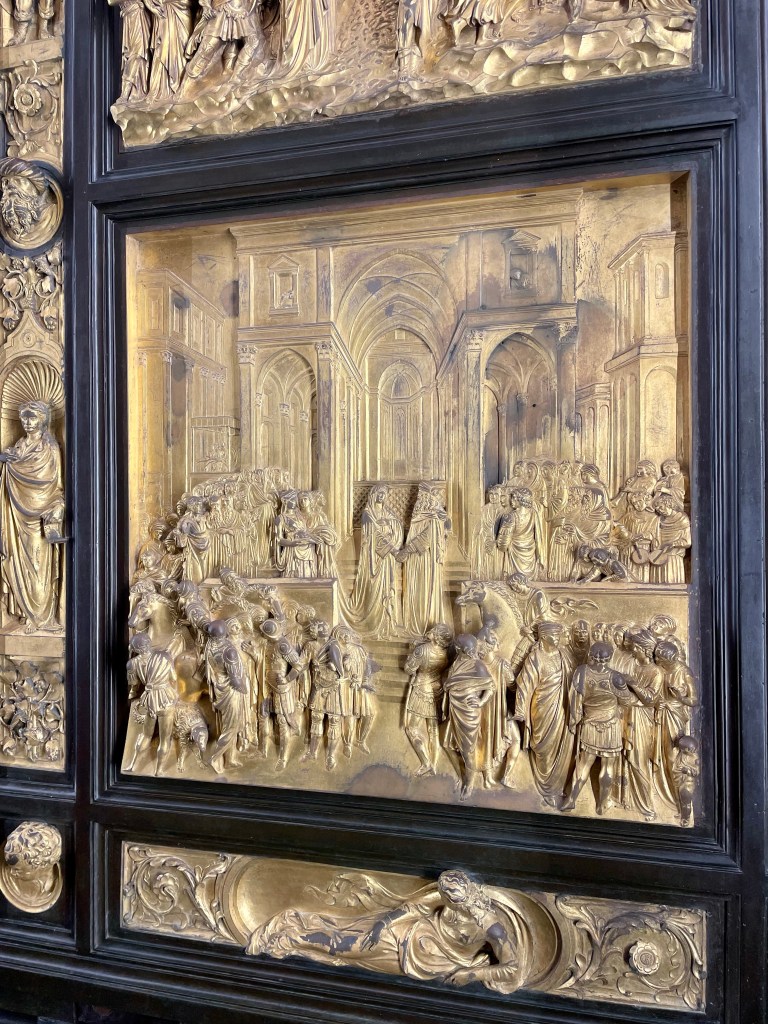
The original competition models are at the Bargello. Basilica of San Lorenzo: Giovanni’s tomb is in the Old Sacristy, in a space of perfect Renaissance proportions: a cube topped by a sphere, which Michelangelo later copied in his design for the Medici Chapel’s New Sacristy.


Note: Saints are often symbolized by the method of their martyrdom. Lorenzo was killed by burning on a grill (apparently he declared: “I’m well done on this side. Turn me over!”). He is now the patron saint of chefs…
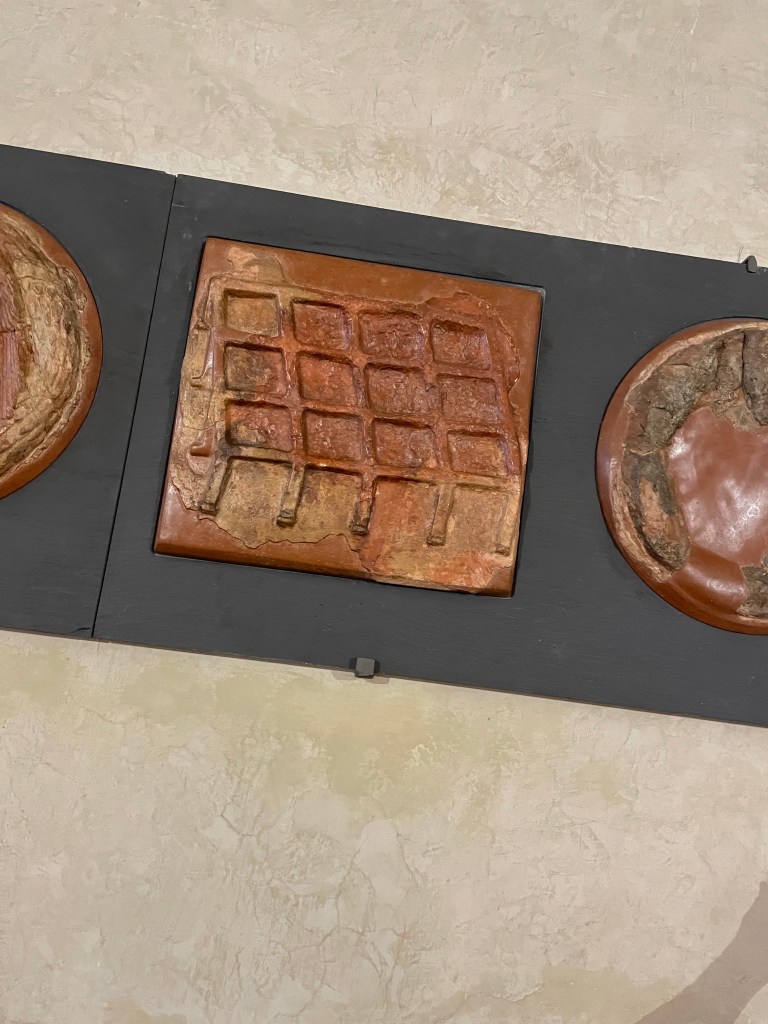

Giovanni’s son, Cosimo the Elder (1434-64), established the Medici as the ruling family in Florence for much of the Renaissance. He expanded the banking empire throughout Western Europe, and it was he that purchased Donatello’s David (also in the Bargello), the first freestanding nude created since the fall of Rome. The Medici Bank became the bank of the papacy, and four family members later became pope.
Sites: Palazzo Medici Riccardi: This oldest existing Medici palace, built by Cosimo, was one of the first Renaissance buildings in Florence and remained the Medici family home until 1658. In the chapel is the fresco “Journey of the Magi,” with members of the Medici family (including Cosimo and Lorenzo) in the group of knights following the Magi. Convent of San Marco: Rebuilt through Cosimo’s patronage, many of the frescoes were painted by Fra Angelico, including those in the cell used by Cosimo for prayer. Basilica of San Lorenzo: By the alter is a plaque commemorating Cosimo. His actual tomb is in the crypt, with Donatello buried nearby. If you enjoy reliquaries, check out the treasures exhibit, many of which were donated by the Medici family.


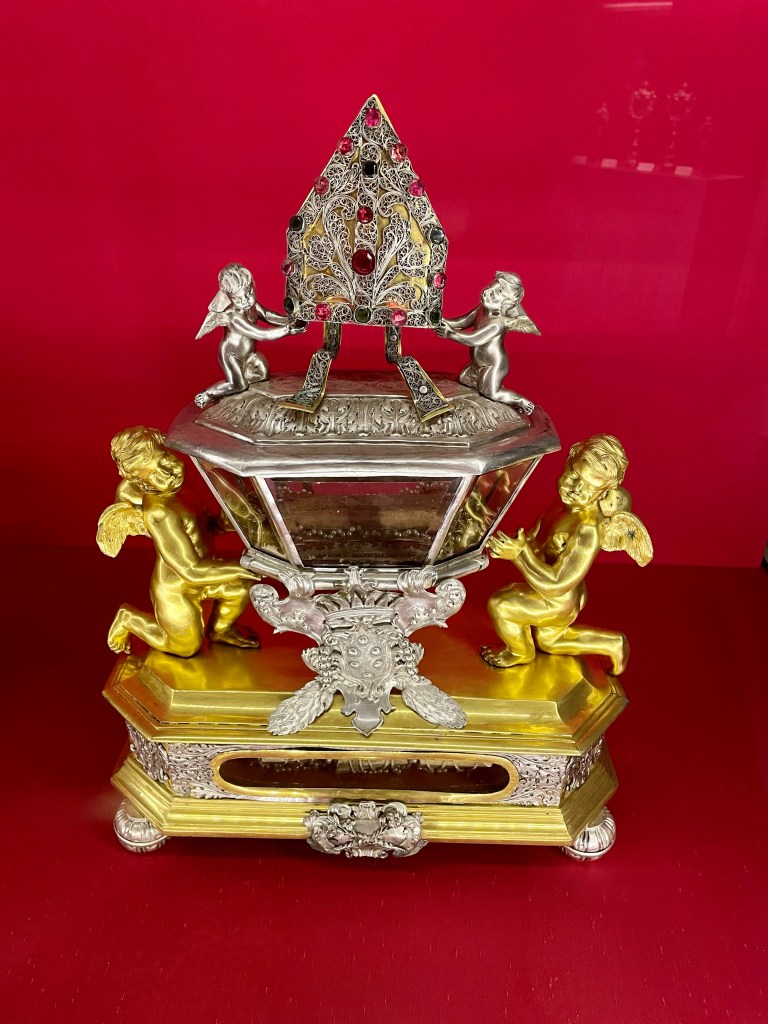
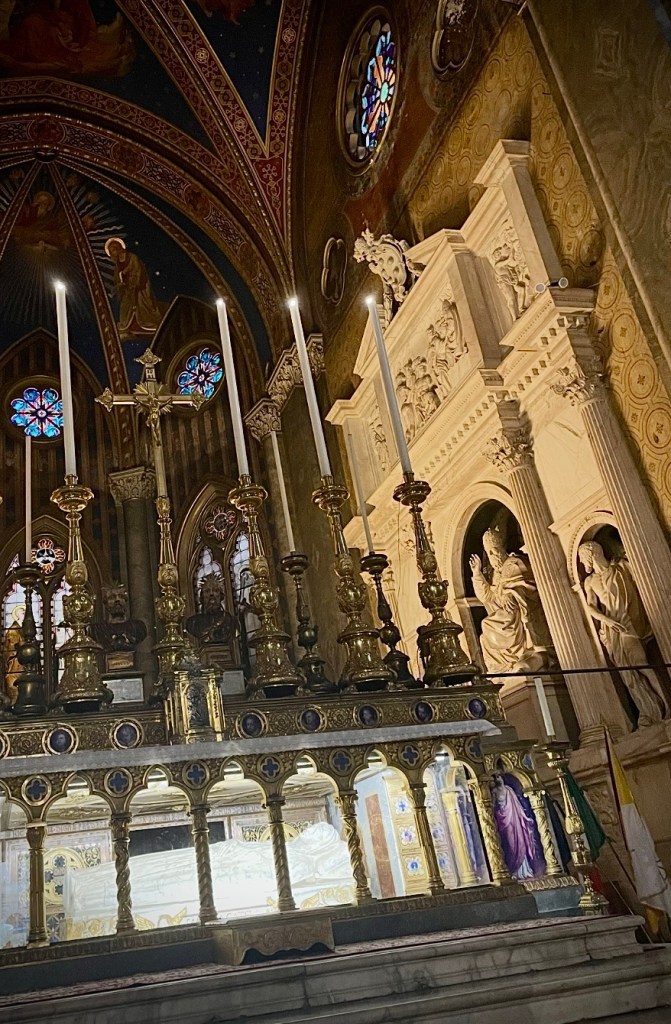
Cosimo’s grandson, Lorenzo the Magnificent (1469-92), continued to both expand the family’s political influence and patronize the arts. Michelangelo lived with Lorenzo for three years, and Lorenzo promoted other artists including Botticelli and da Vinci. Lorenzo’s son became Pope Leo X, and his nephew/adopted son became Pope Clement VII. Both popes are buried in Rome Santa Maria sopra Minerva, with their Medici balls on display:
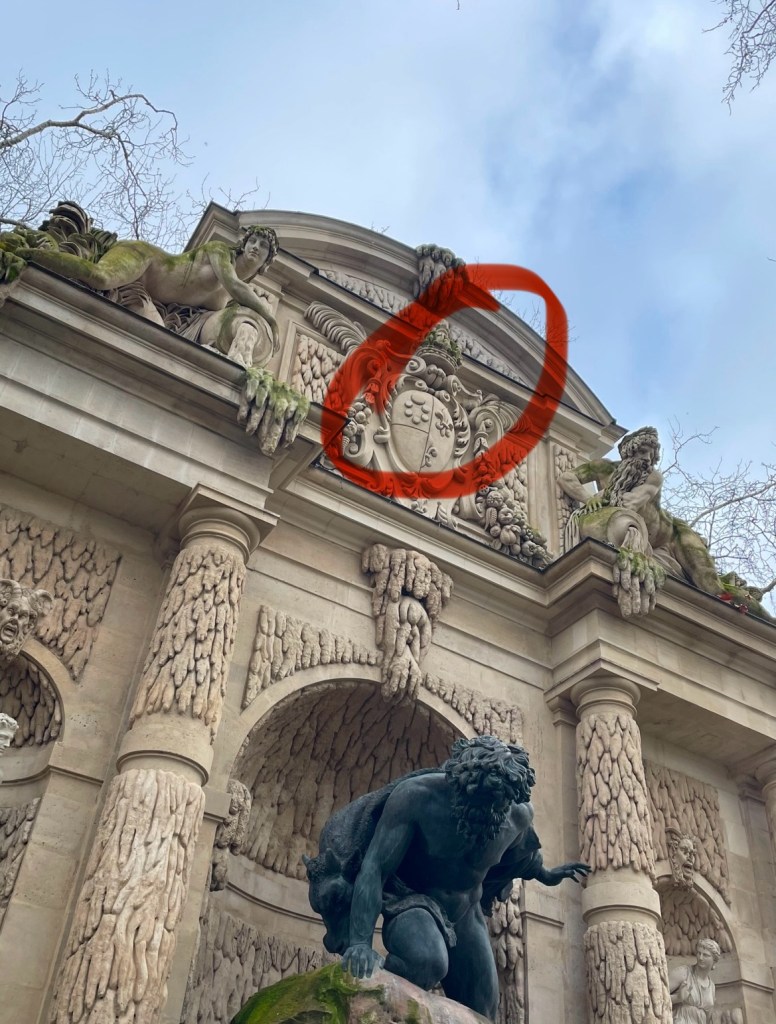
His great granddaughter Catherine became Queen of France, bringing the Medici into France’s royal bloodline, where she became mother to 3 French kings. Another Medici relative, Marie, was also a Queen of France. This is why you can find Medici balls in Paris:
Sites: Palazzo Medici Riccardi: It was here that Michelangelo lived with the family for several years. Medici Chapels: Originally buried in the basilica, Lorenzo and his brother were reburied in the Michelangelo-designed New Sacristy. Only the sculpture of the Madonna over their tomb was done by Michelangelo, but the other tombs in the chapel are his work.


After several decades of exile and political instability, the Medicis returned to even greater power. With help from a Medici pope, Cosimo (Giovanni’s brother’s great-great-grandson) became duke of Florence and then grand duke of Tuscany, taking the title Cosimo I (1519-1574). I will admit that despite all of the amazing Medici art and history in Florence, my favorite is this painting at the Philadelphia Museum of Art. Cosimo had it commissioned for his future bride Eleanor of Toledo. In it, he has put his face on to the body of the Greek hero Orpheus.

There’s no escaping Cosimo I in Florence as many of its top sites are associated with him.
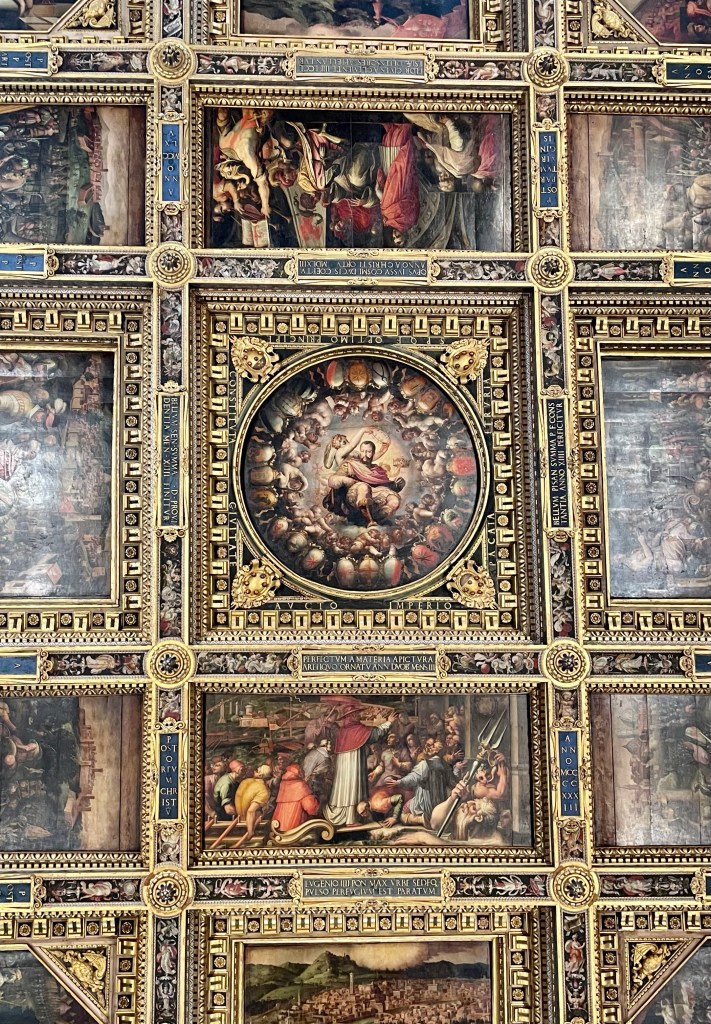
Sites: Palazzo Vecchio: Dating back to 1299, this was the seat of Florence’s government until Cosimo I took control of the city, kicking out the city council and moving himself in. Its Hall of the Five Hundred is where murals by da Vinci and Michelangelo were to have decorated the walls, but were never completed. Today’s art mainly dates back to Cosimo’s tenure. Be sure to check out the map room, and if you’re lucky, take a tour of the secret passages.


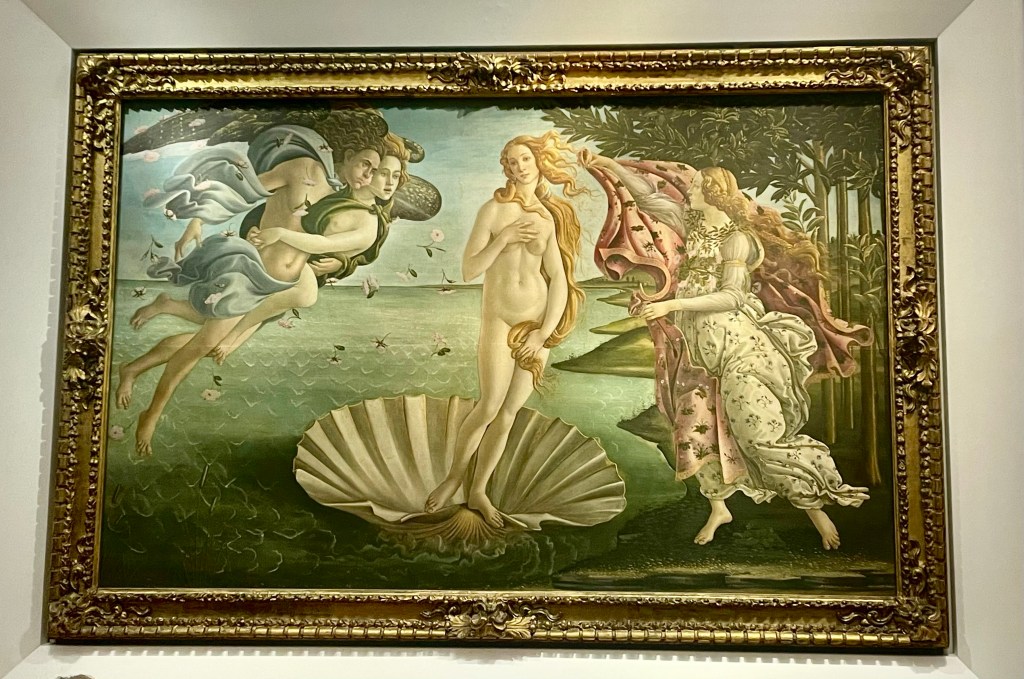
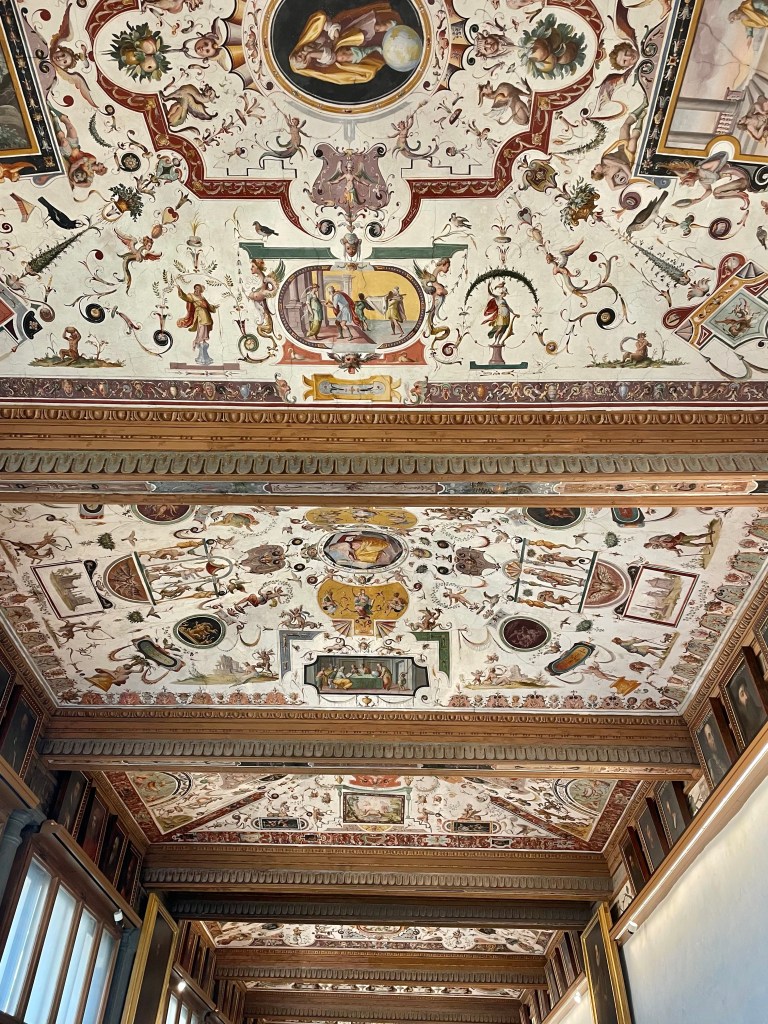
Uffizi: Now one of the world’s greatest art museums and home to Botticelli’s “Birth of Venus,” this palace was originally built by Cosimo to house his government offices and also used to display parts of his vast art collection.
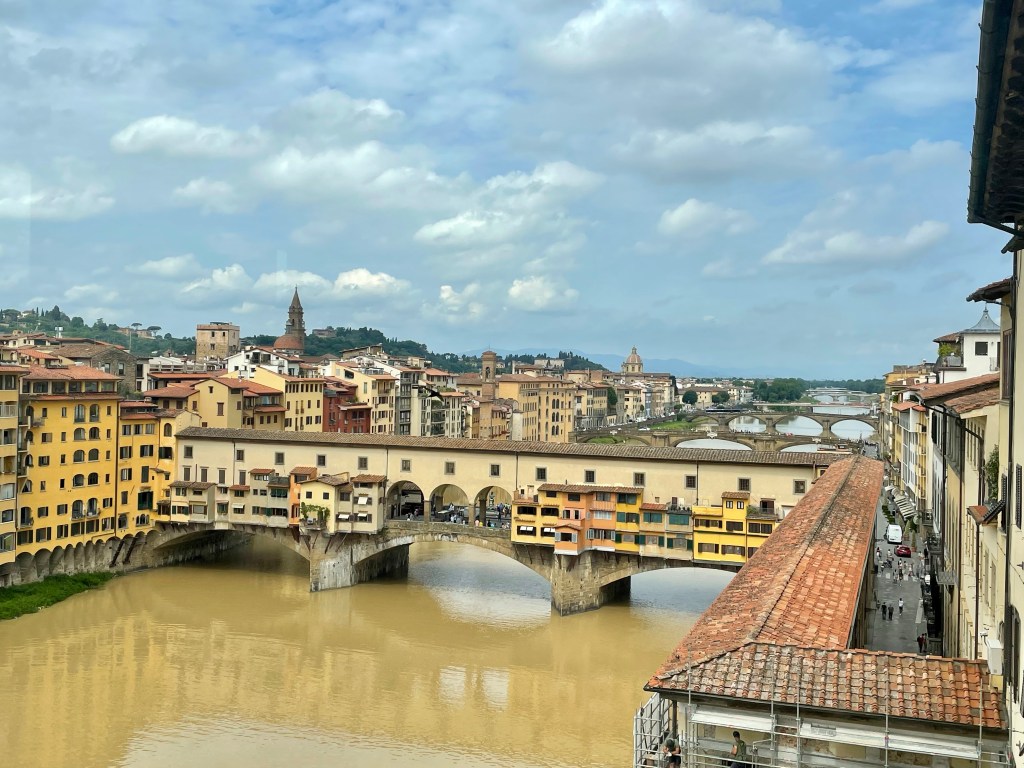
Vasari Corridor: It’s hard to miss the elevated corridor linking the Palazzo Vecchio, the Uffizi, and the Pitti Palace, especially as it crosses the river. Over 1km long, the passage was built in 1565 by Cosimo I to allow the family to move between buildings without walking among the commoners. In Santa Felicita church you can see the iron gate behind which the corridor is attached, allowing the family to stay out of site while listening to mass.

Pitti Palace: Purchased by Cosimo in 1550 as his new palace, it is filled with family treasures. Make sure to visit the costume museum, where you can see Cosimo and Eleanore’s funeral clothes, exhumed in 2004. Medici Chapels: Cosimo is buried along with the other Medici dukes in a crypt beneath the Cappella dei Principi, with its decoration of intricate stonework.


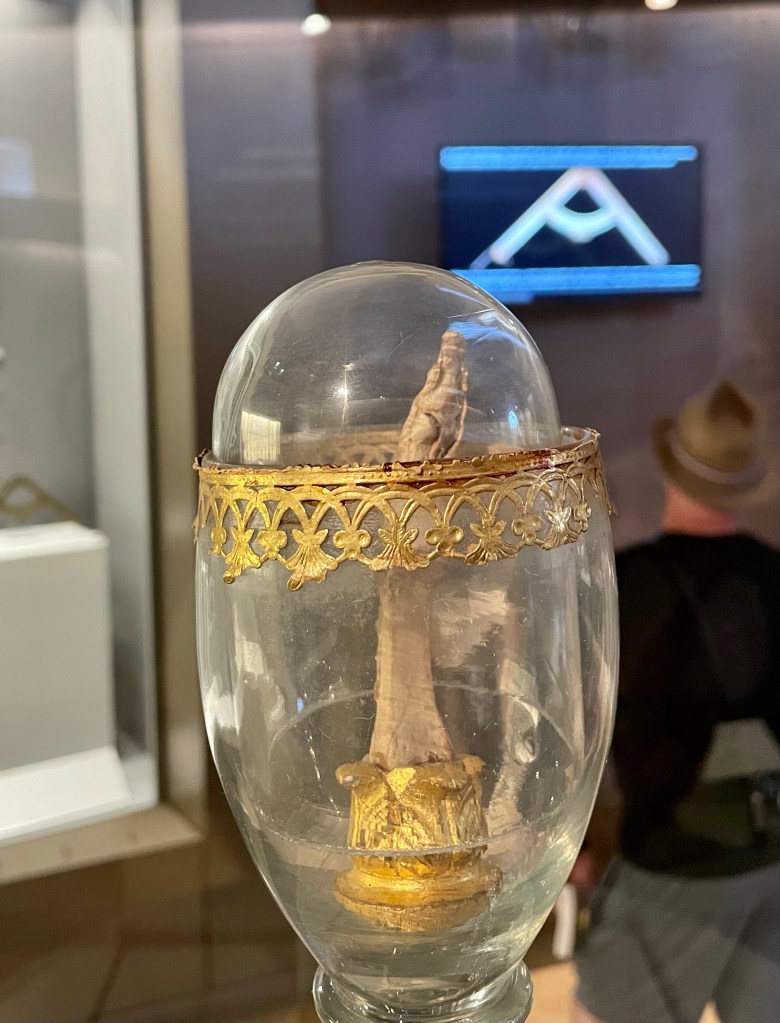
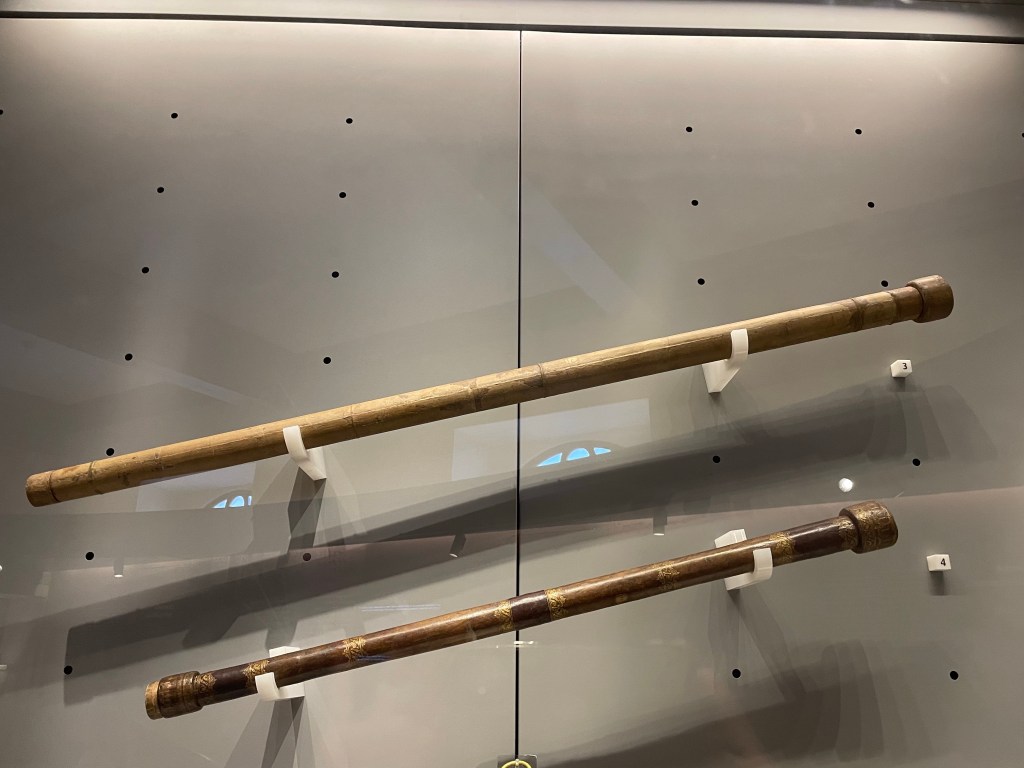
Cosimo’s descendants ruled until 1737, during which time a Medici once again became Queen of France, they supported the work of Galileo (check out his telescopes and finger in the Museo Galileo), and two more popes were appointed. In 1737 the Medici empire came to the end when the last Medici grand duke died without a male heir and control of Tuscany passed to the Hapsburg empire. It is thanks to the last Medici, Anna Maria, that the art treasures of Florence didn’t end up in Austria. It was she who willed the Medici’s enormous art collection, palaces, and other treasures to the Tuscan state on the condition they remain in Florence.
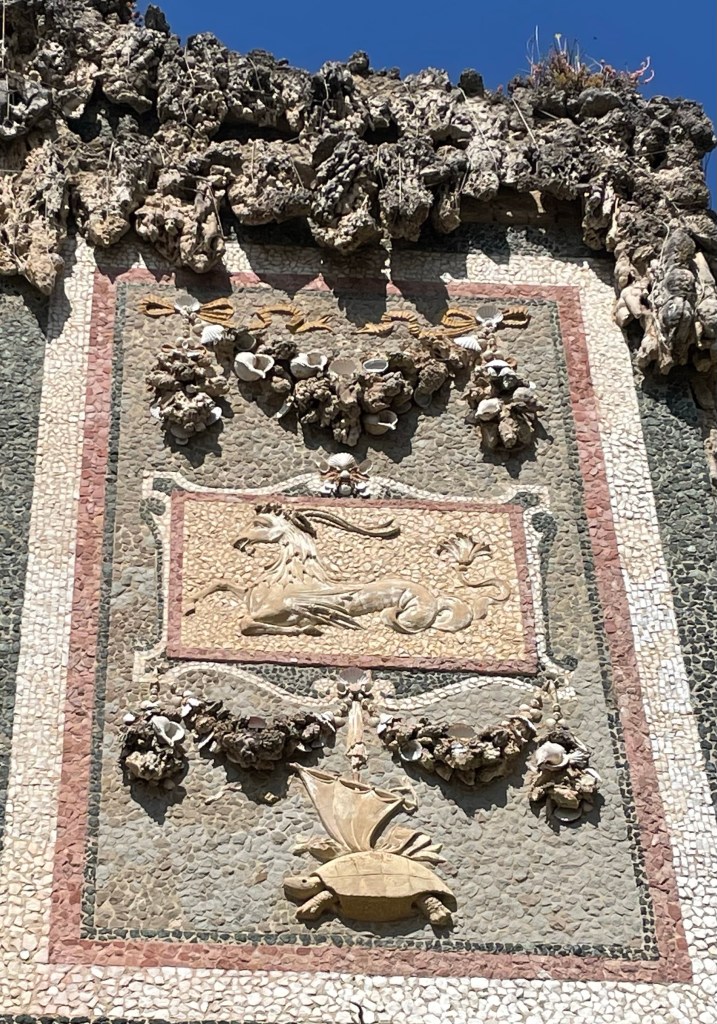
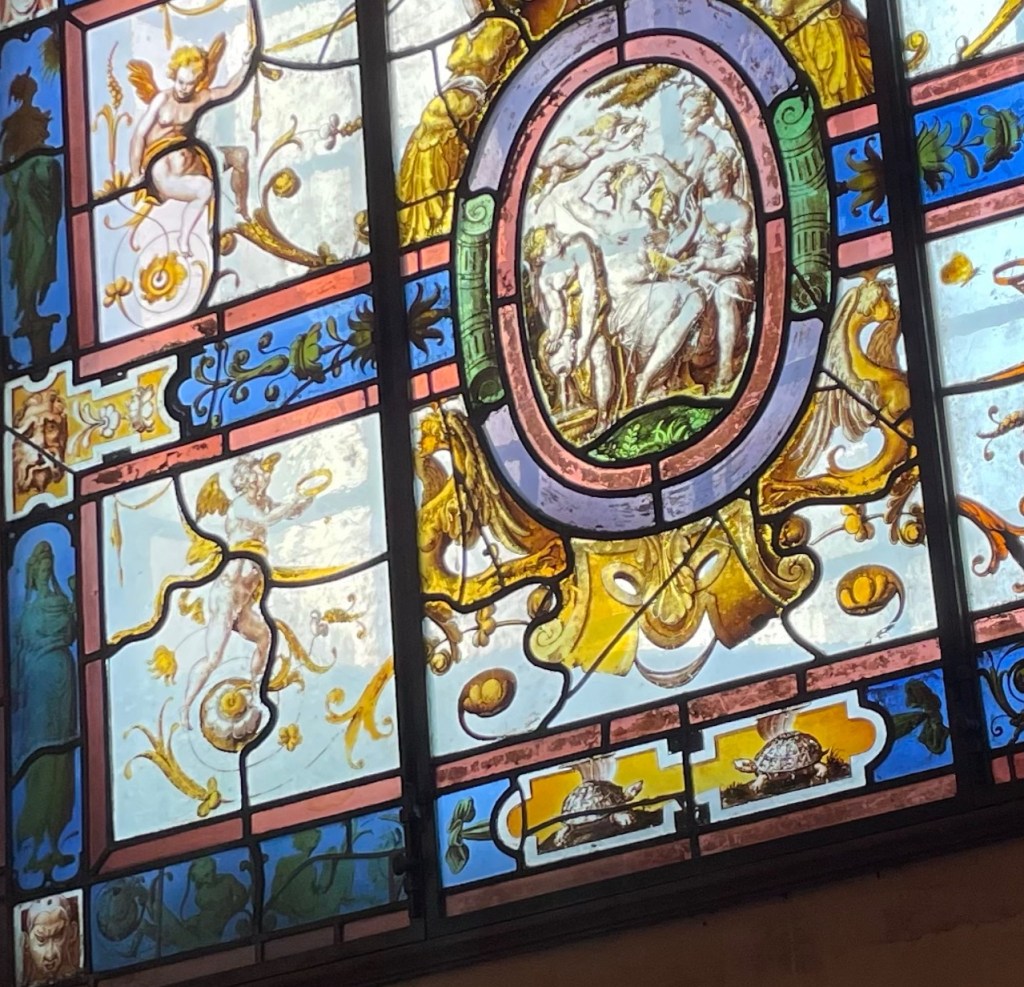
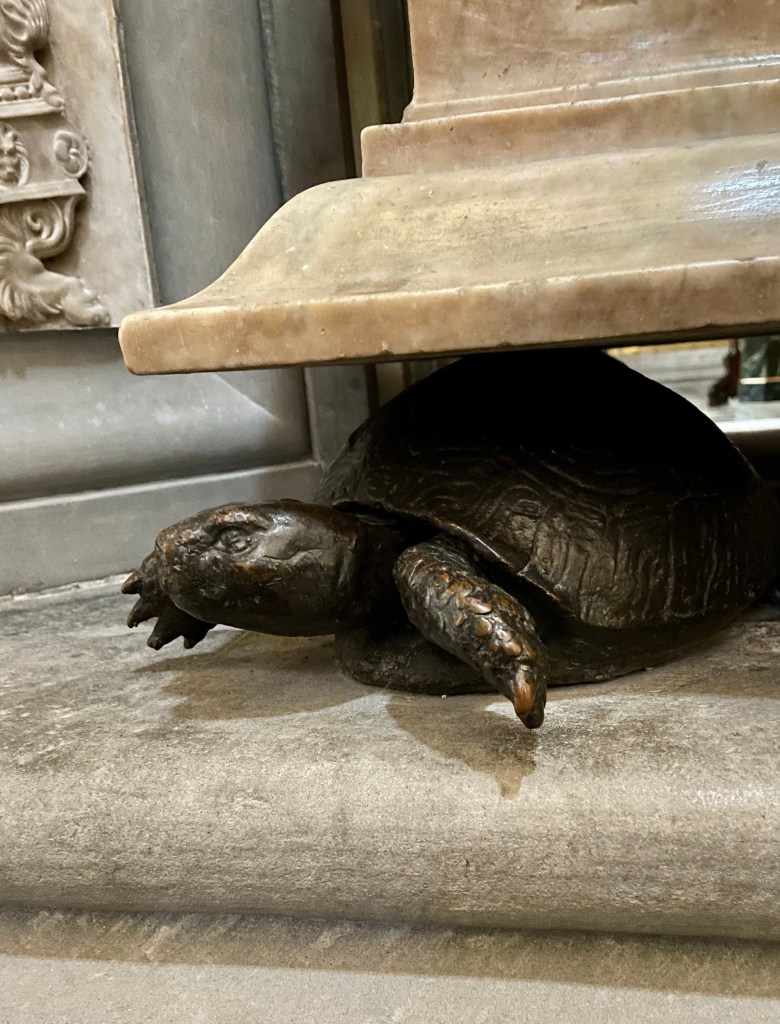
If you get bored with all the Medici balls, don’t fret. You can switch your attention to the family’s other symbols, including the tortoise (often with a sail), meaning “Hastily slowly,” ie action with prudence, and the Capricorn, a favorite astrological sign of Cosimo I.




 Secrets of Philadelphia