“No Soldier shall, in time of peace be quartered in any house, without the consent of the Owner, nor in time of war, but in a manner to be prescribed by law.”
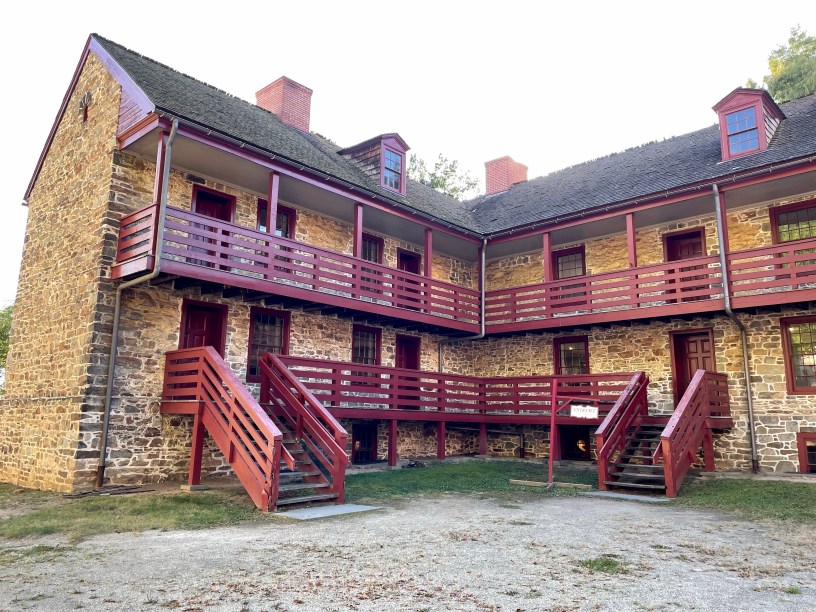
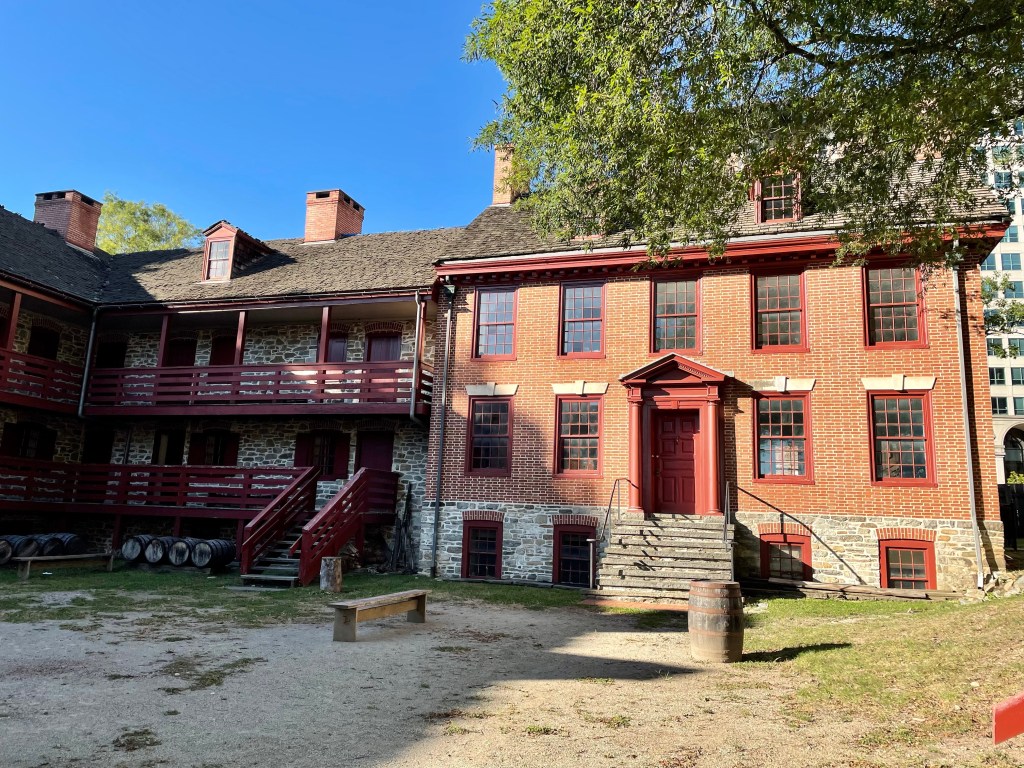
Although the third amendment in the Constitution makes it sound like an everyday occurrence, housing British troops in homes was not common in Colonial times, and at times was actually contrary to British law. So when it became necessary during the French & Indian War for British troops to remain year-round in America, the colonies were charged with building winter barracks for soldiers. Five were built in New Jersey in 1758: Burlington, Elizabeth, New Brunswick, Perth Amboy, and the only still standing in Trenton.
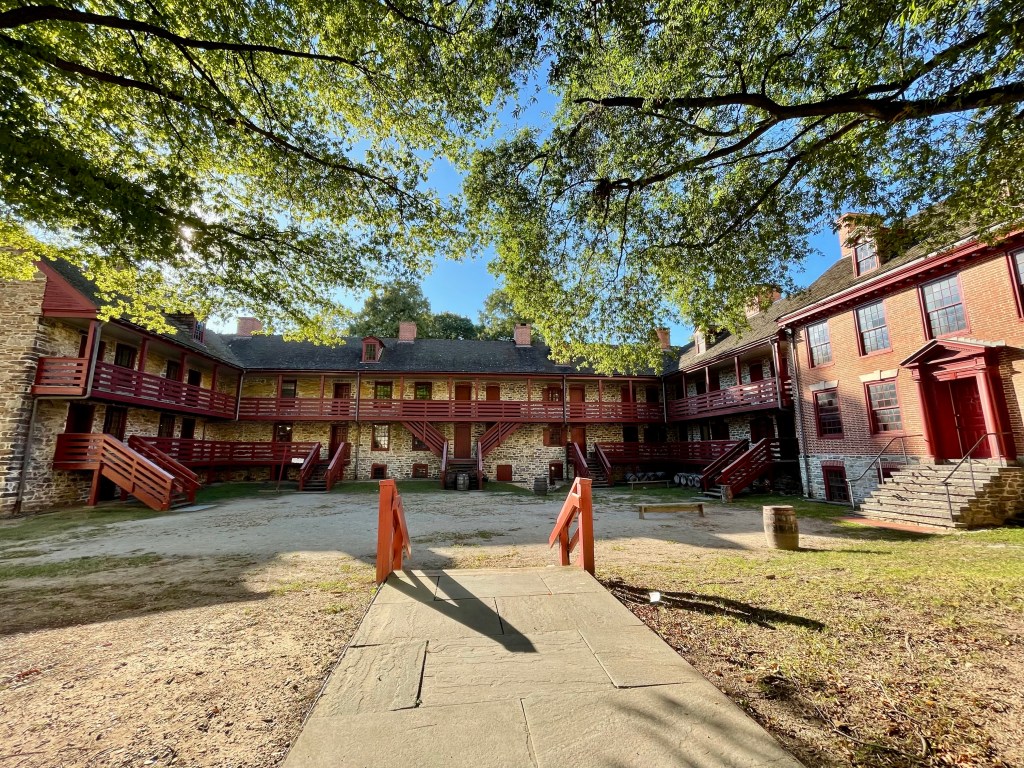
The Trenton Barracks were used every winter through 1763, when the war ended and British soldiers returned home. They were then emptied and used for commercial purposes. With the outbreak of the American Revolution and return of British troops, the Barracks were once more brought back into military use. On Christmas Eve 1776, they were being used to house supplies, camp followers and loyalist citizens (the Hessian troops involved in the battle were housed elsewhere in the city).
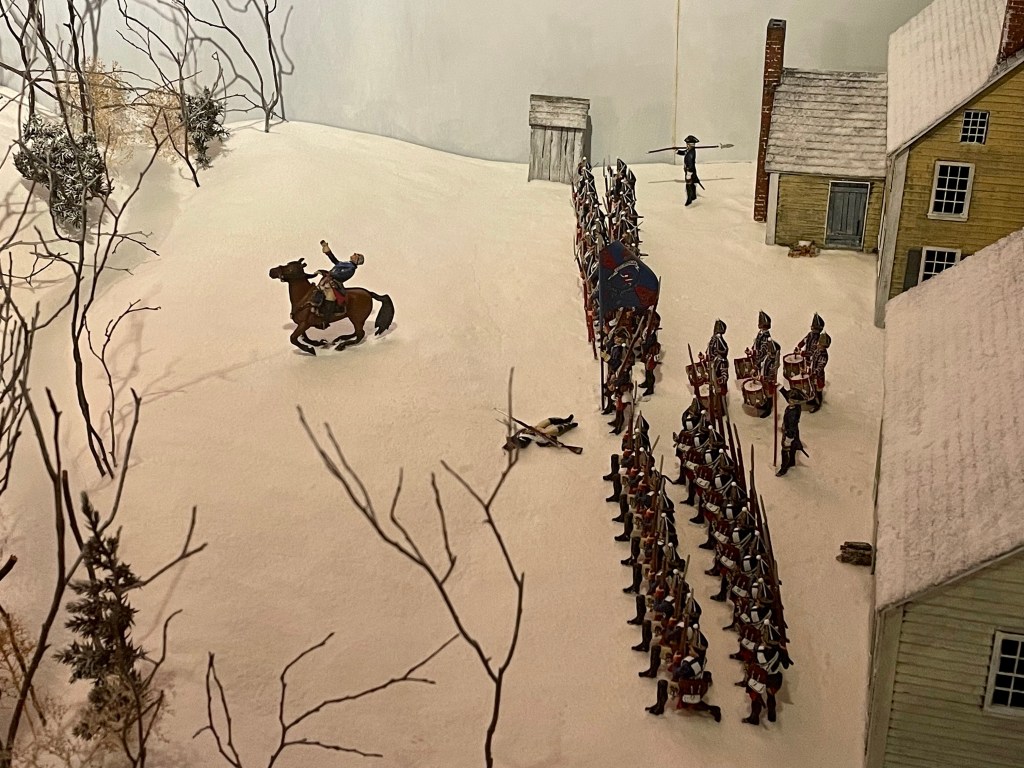
After Washington’s surprise victories in Trenton (Trenton: A Turning Point in the Revolution), the Barracks remained in Colonial hands for the rest of the war, first to house British prisoners, and later as an army hospital. It was in its function as a hospital that Trenton made its second vital contribution to the war. Disease was responsible for 90% of the deaths in the Continental Army, with smallpox being one of the most deadly. After much debate, Washington made smallpox inoculations mandatory for his troops, and it was here at the Trenton Barracks that many of those inoculations were given.
After the war, the Barracks again returned to civilian life, serving as a women’s home and boarding school. It was during this time that the central portion was removed, making way for a street running from the river to the new capital building. It was purchased by the Colonial Dames in 1902 and has gradually been returned to its 18th century appearance.
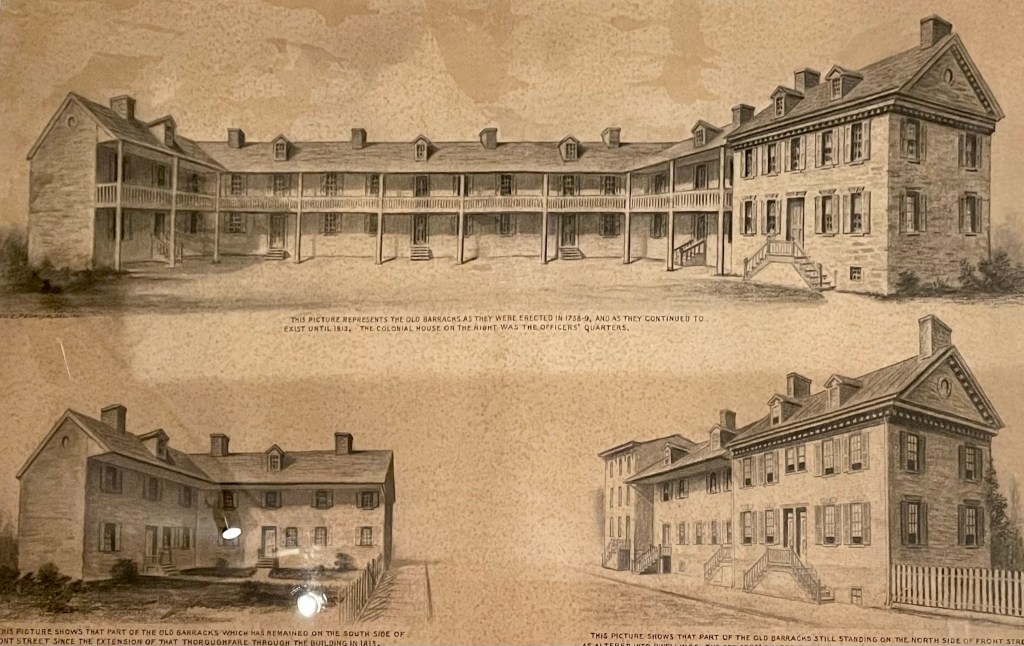
Today there are a couple of museum rooms illustrating the building’s history during the French & Indian War and Revolution.
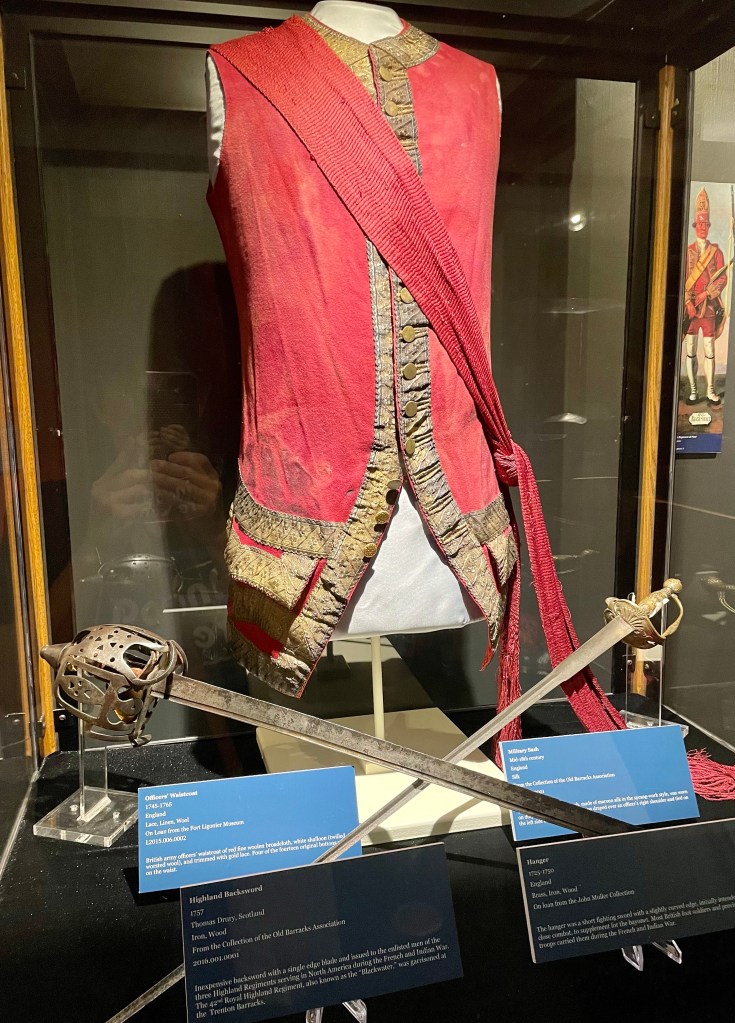
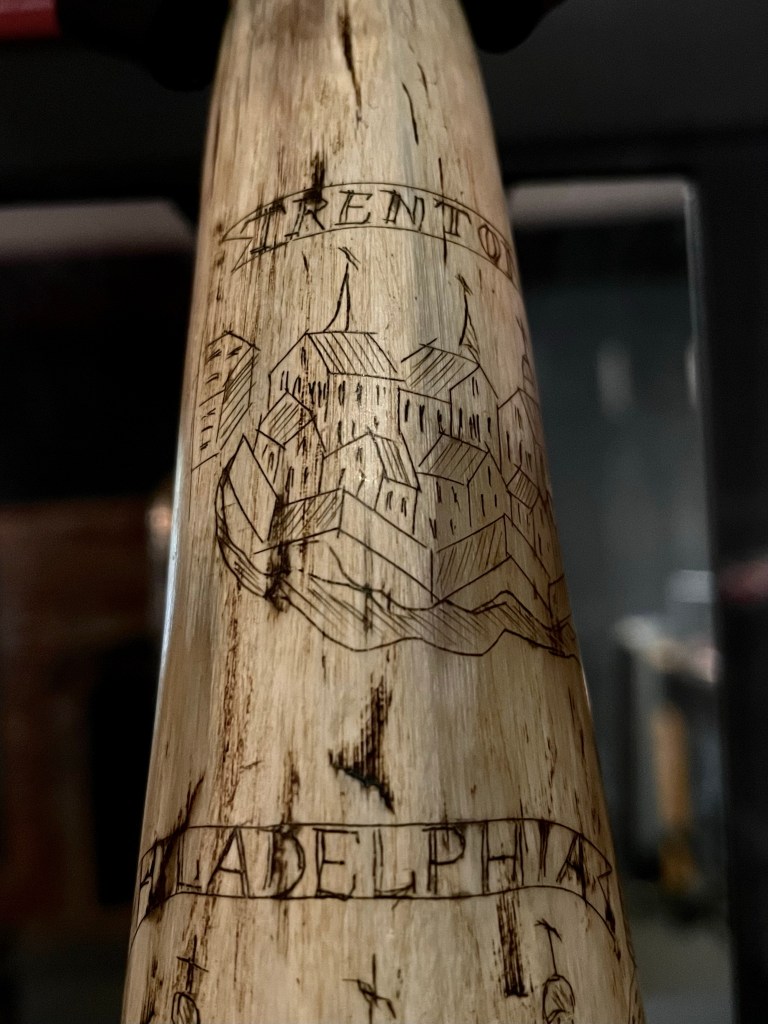
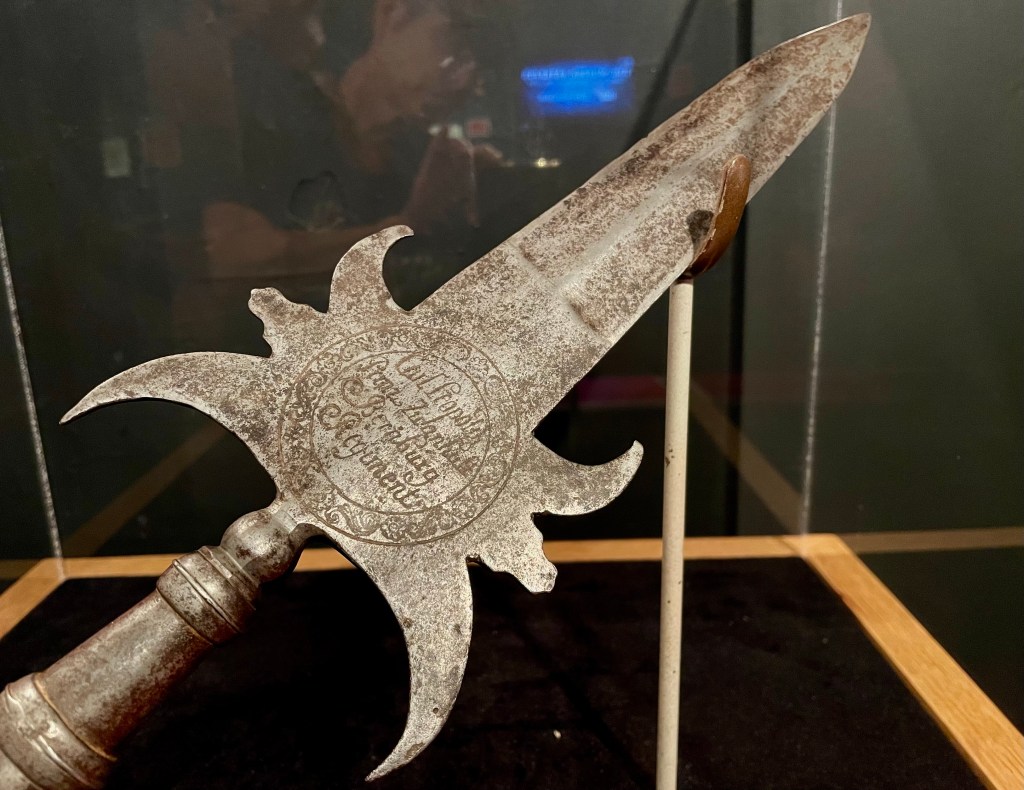
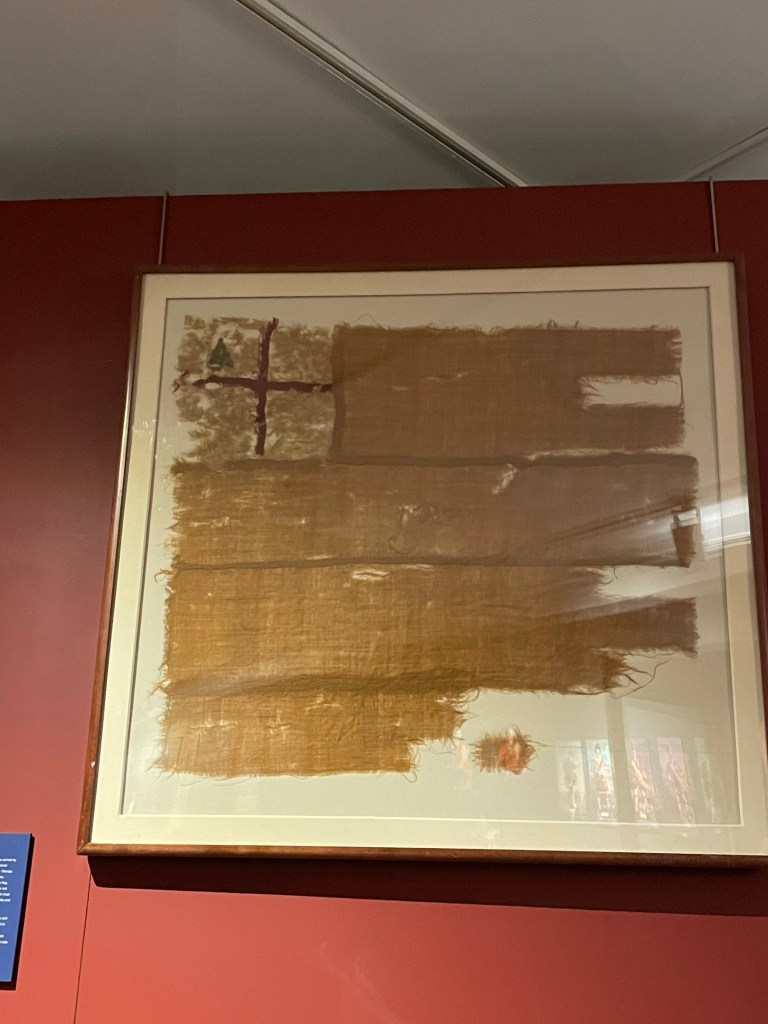
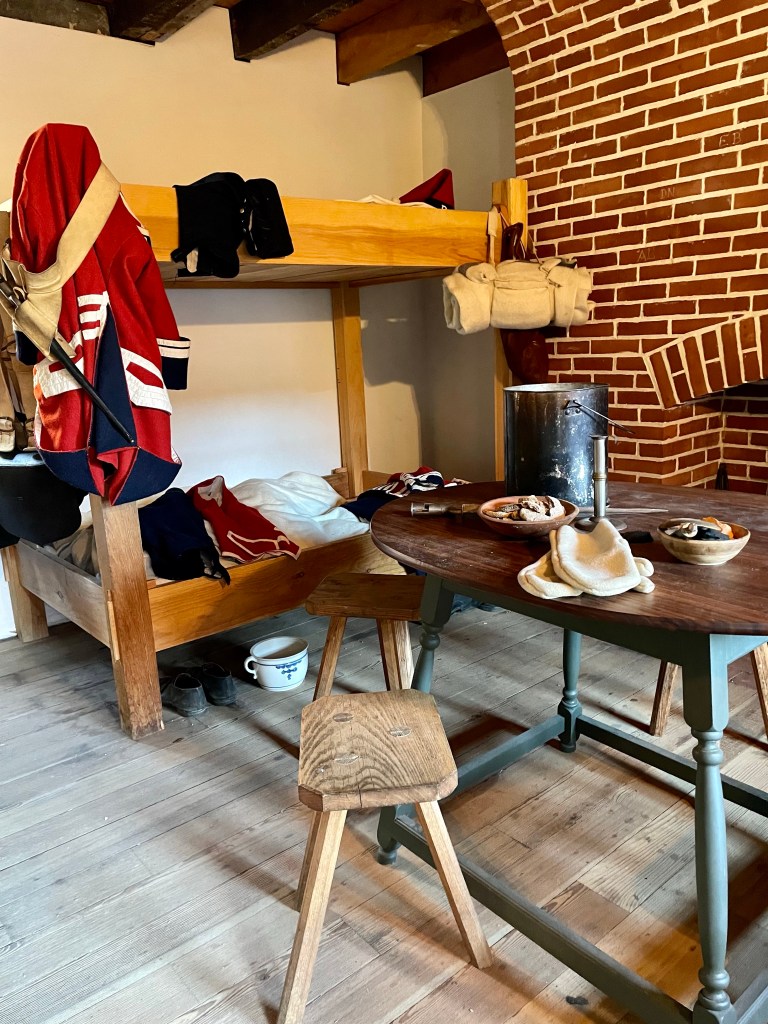
However to fully appreciate the building make sure to take one of the tours. The tour includes a room illustrating the lives of ordinary British troops originally housed here,
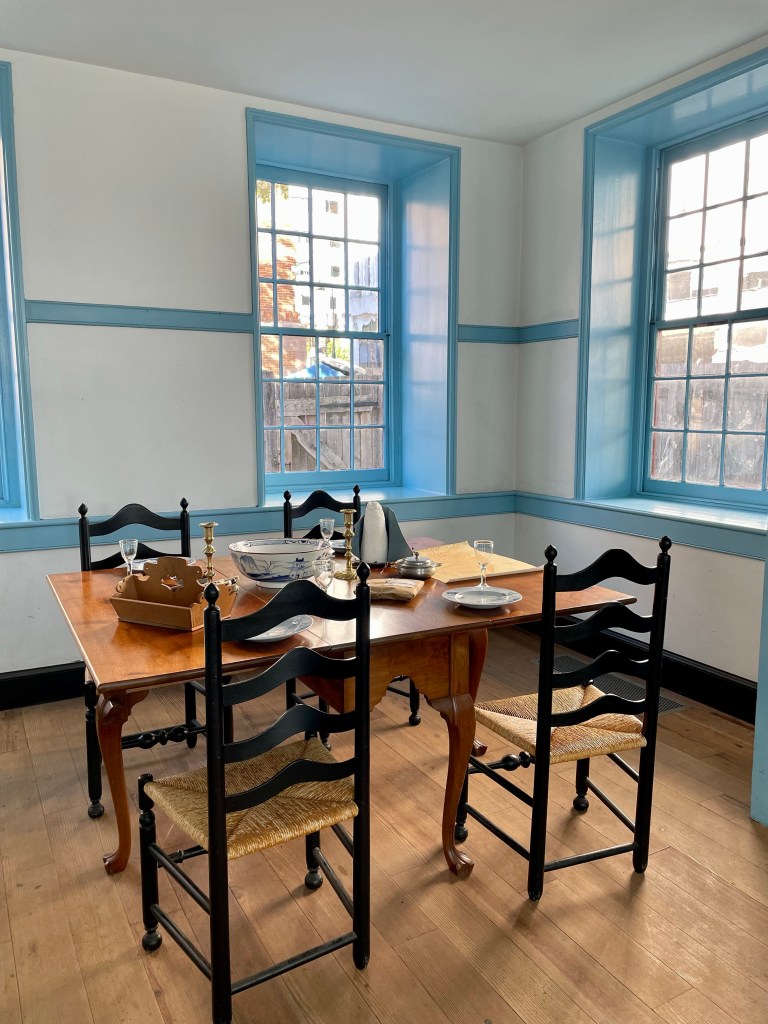
a visit to the officer’s house,
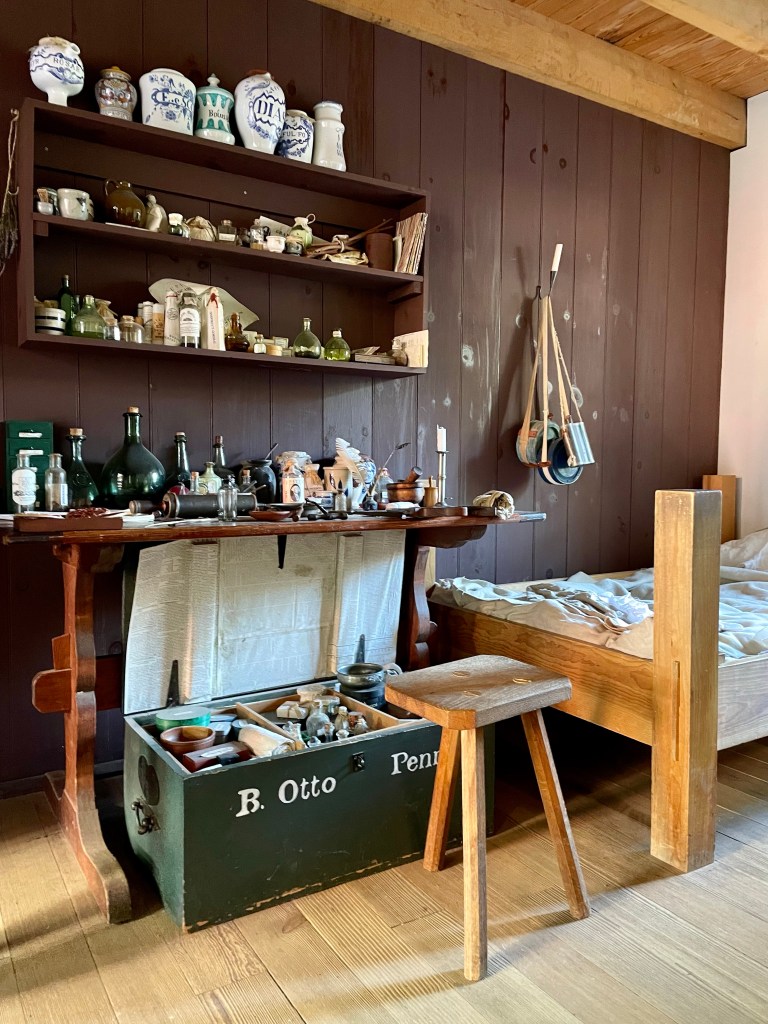
and a room dedicated to the work of smallpox doctor, Dr Otto.
The museum offers fun field trip opportunities.
 Secrets of Philadelphia