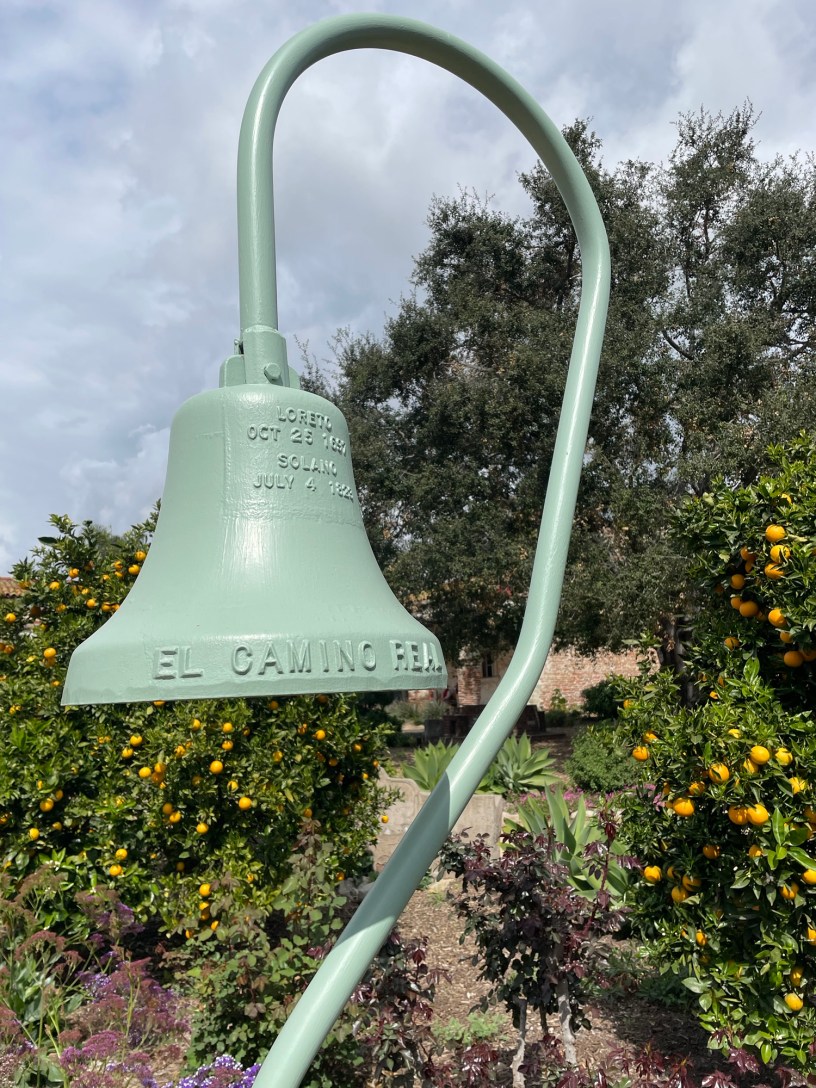
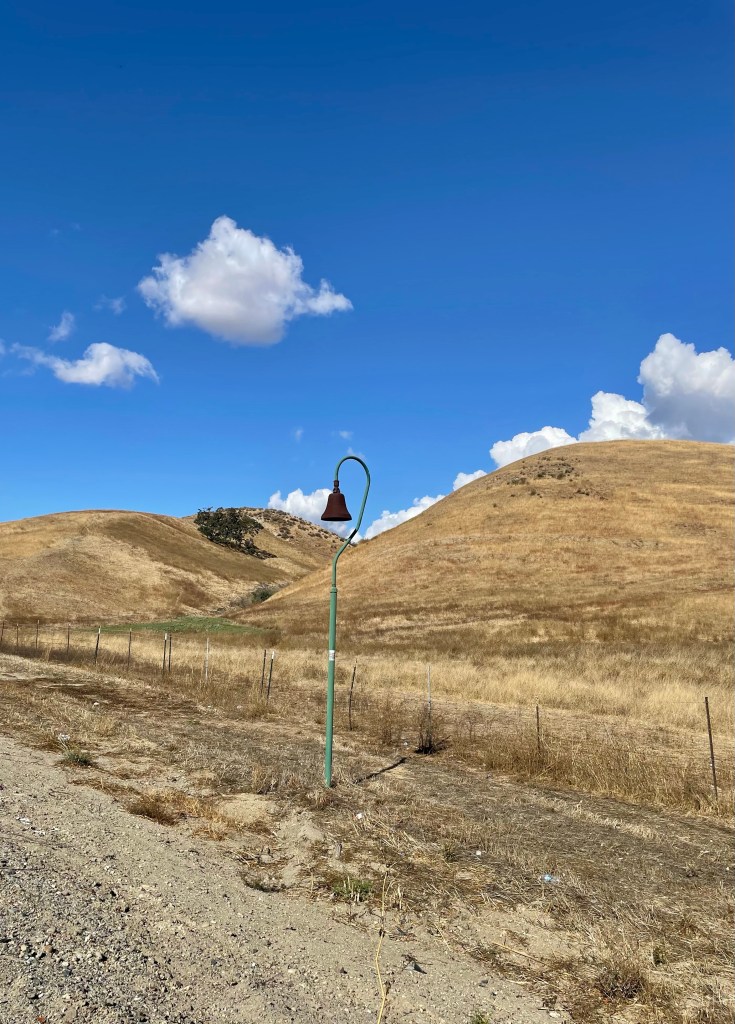
Driving along Interstate 5 from San Diego to Los Angeles or Route 101 from Los Angeles to Sonoma you can’t help but notice the bells along the side of the road. These mark the traditional route of the Camino Real, the 700 mile royal road that once linked the missions running from San Diego to Sonoma.
Before California became part of the US, back when it was still a Spanish colony, 21 Catholic missions were built in Alto California. They are each about 30 miles apart, approximately a day’s walk or horseback ride. The oldest, built in 1769, is Mission Basilica San Diego Alcala and the last, built in 1823, was Mission San Francisco de Solano in Sonoma. After coming under Mexican control in the 1820’s, the missions lost their religious standing and fell into disrepair. Most have been renovated or reconstructed, some have been reestablished as churches, and all can be visited today. Mission-style architecture, so closely linked with California, dates back to these original missions, a combination of European colonial architecture mixed with native building techniques. Our travels took in three of the missions, Carmel, San Francisco, and San Juan Capistano.
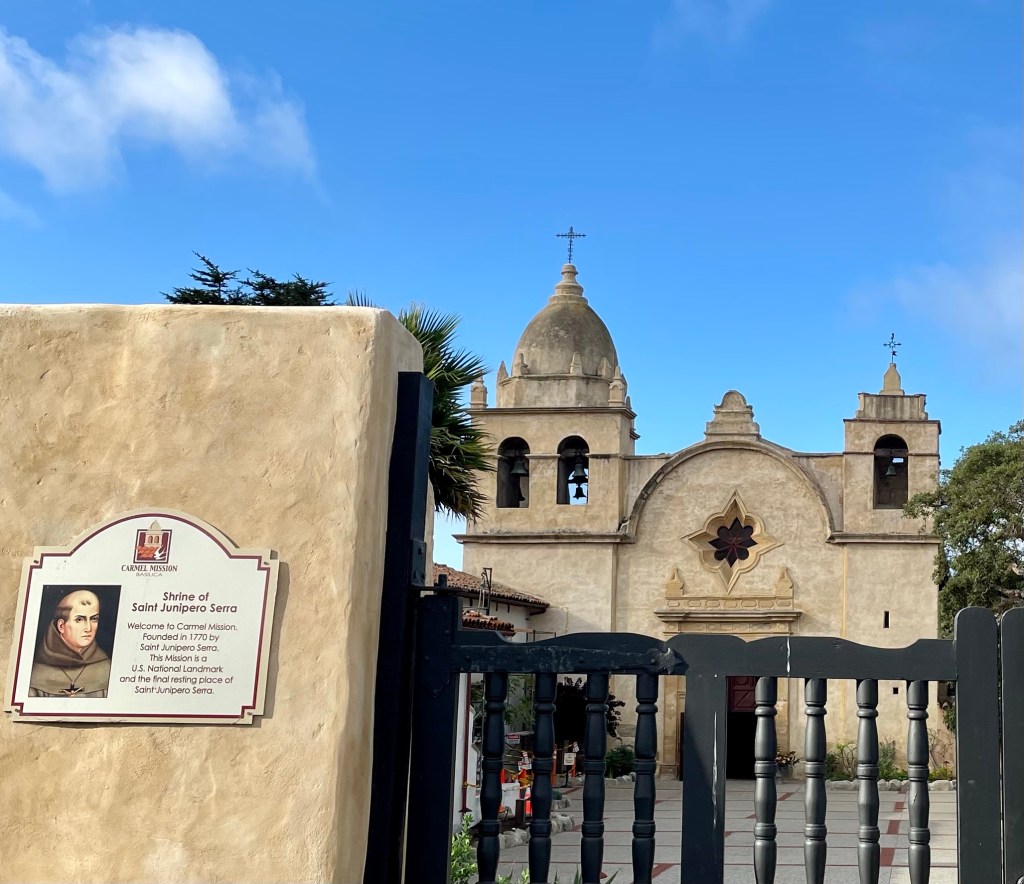
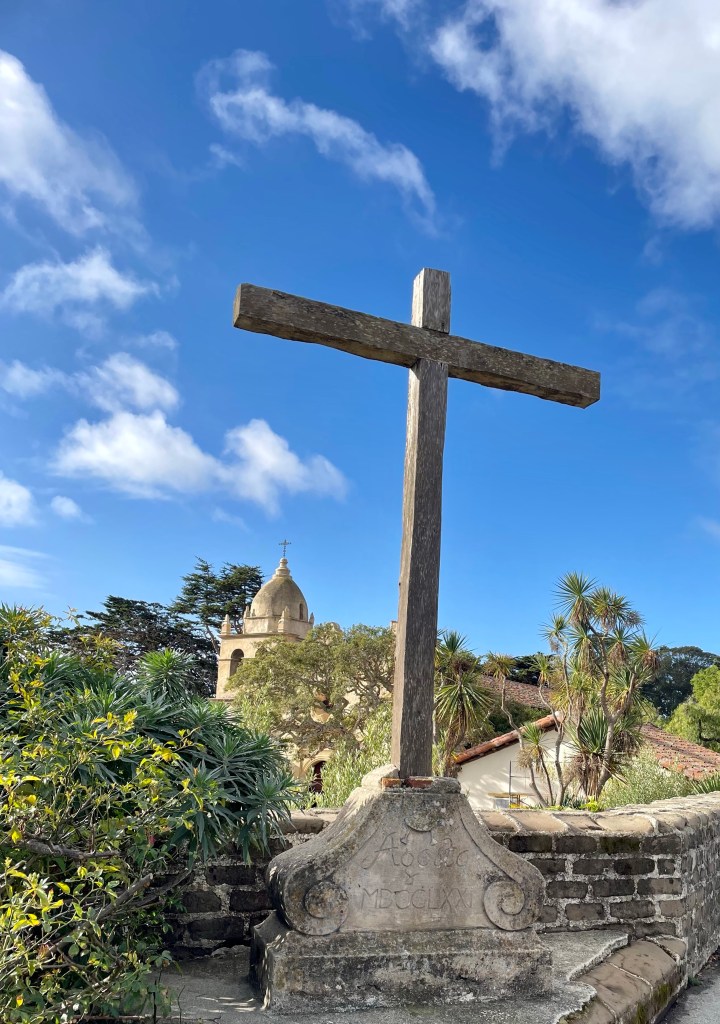
The Mission San Carlos Borroméo de Carmelo in Carmel was established in 1770/1, and it is here that Father Junipero Serra, founder of the first 9 missions is buried.

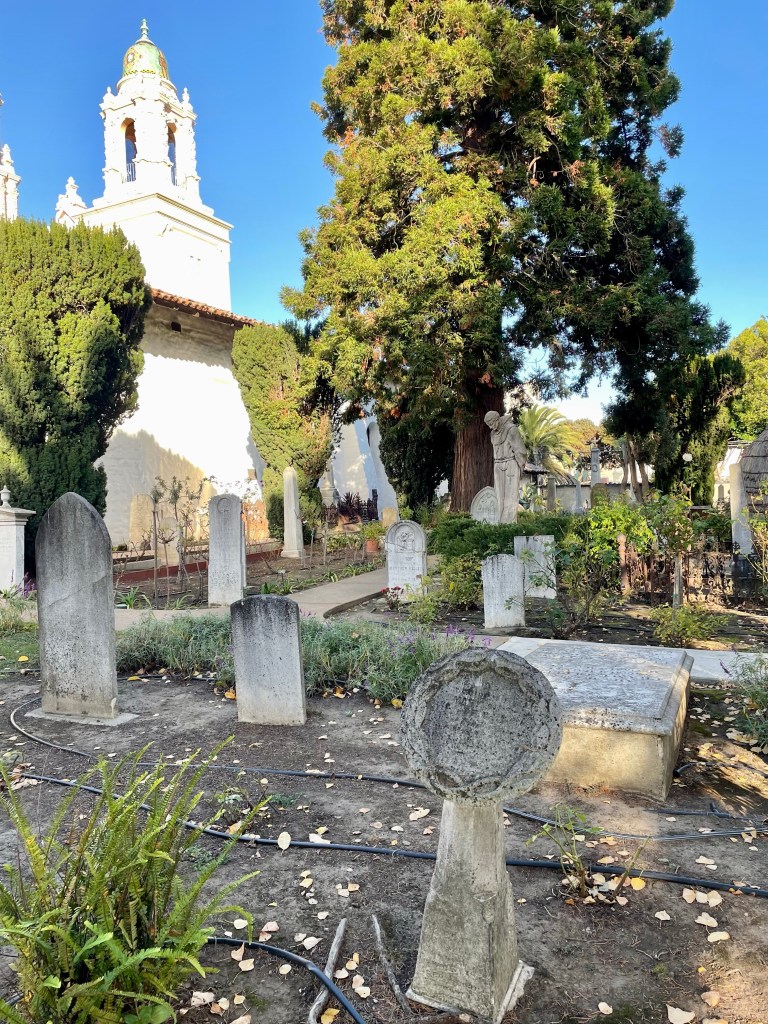
Dedicated by Father Serra in 1776, the San Francisco mission is the oldest building in the city, with most of the original church still intact.
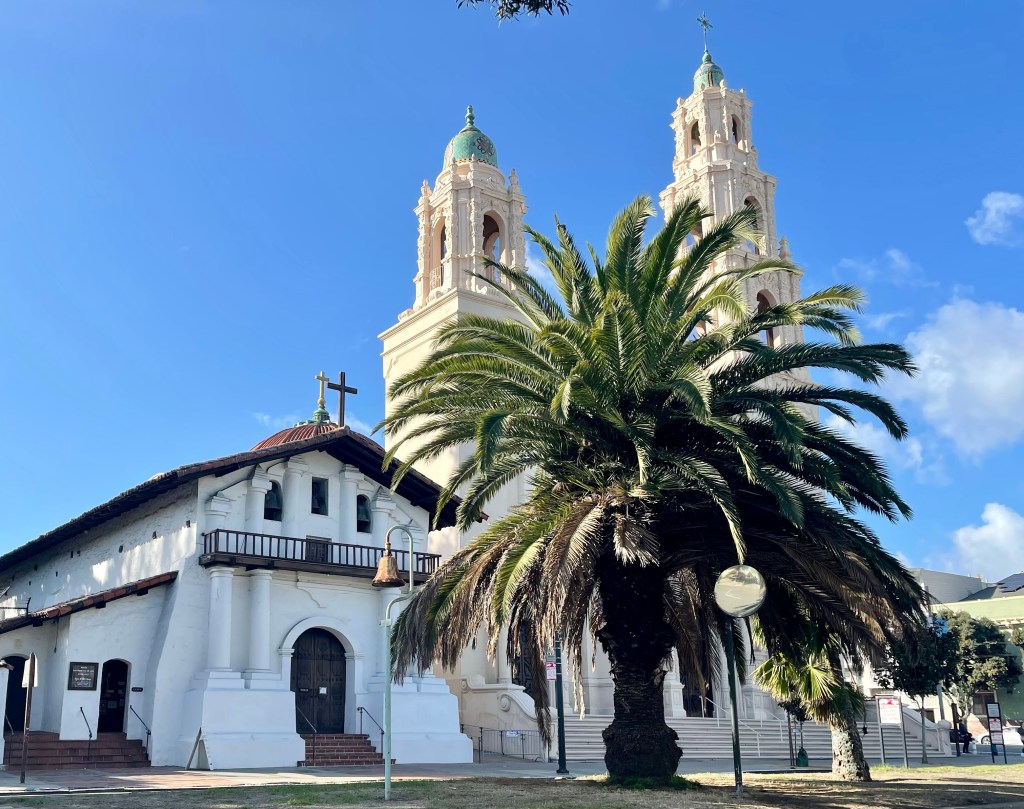
In the museum, an exposed section of wall shows the adobe bricks that withstood the earthquake that leveled much of San Francisco in 1906.

The neighboring church wasn’t so lucky.

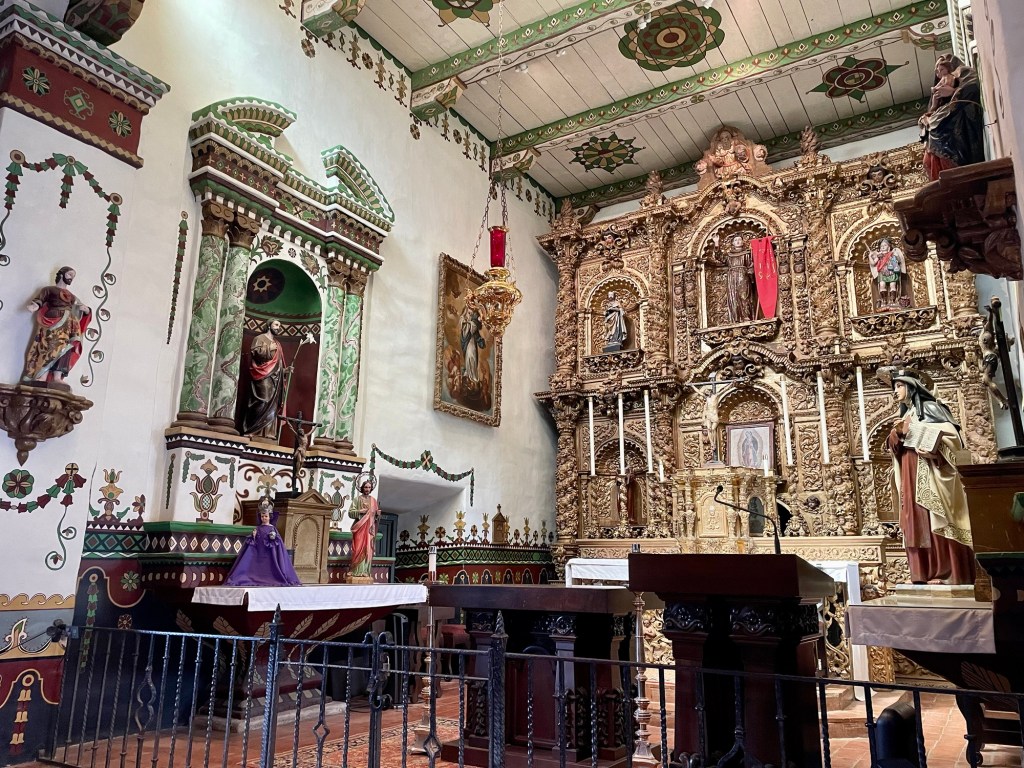
Its ceiling, decorated in a traditional Native American design, has been repainted, but is still comprised of the original redwood beams held together with rawhide.

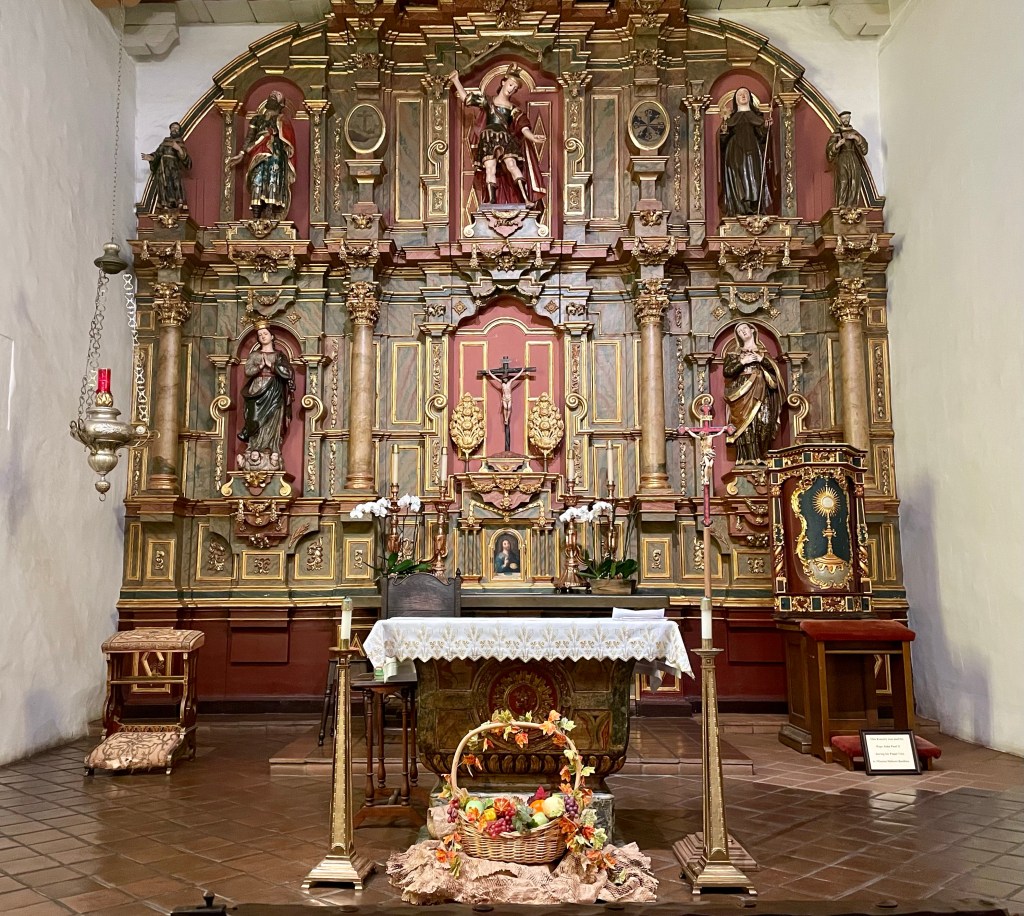
The central reredos, crafted in Mexico and brought to the mission in 1797, is a beautiful example of Spanish Baroque.
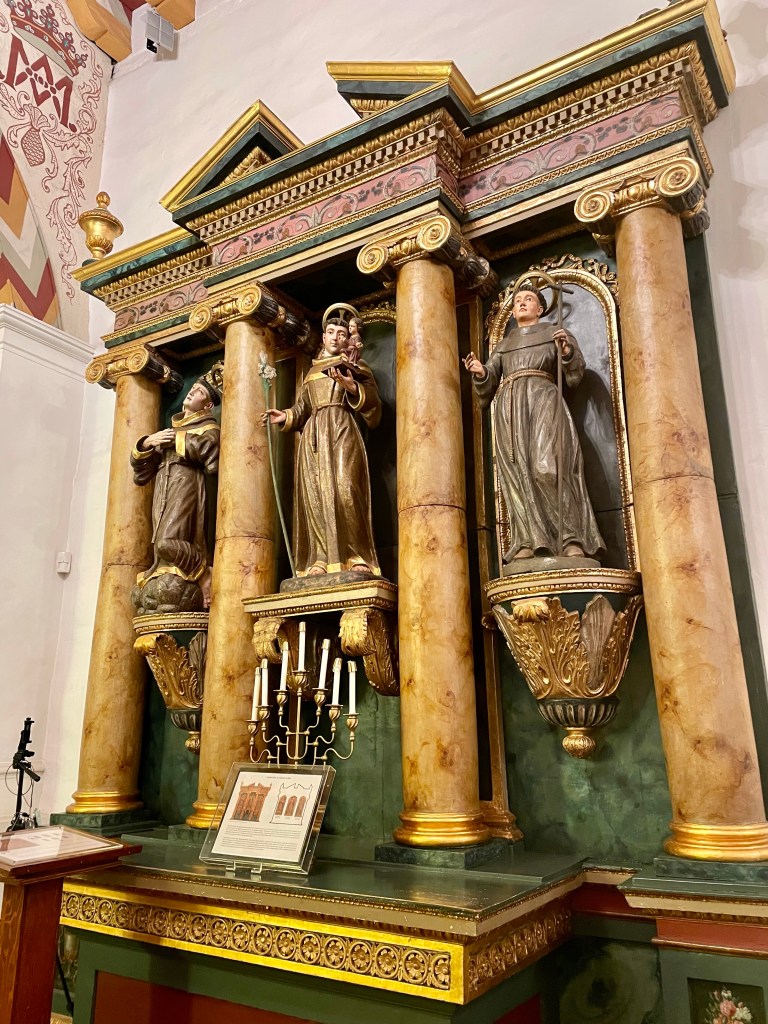
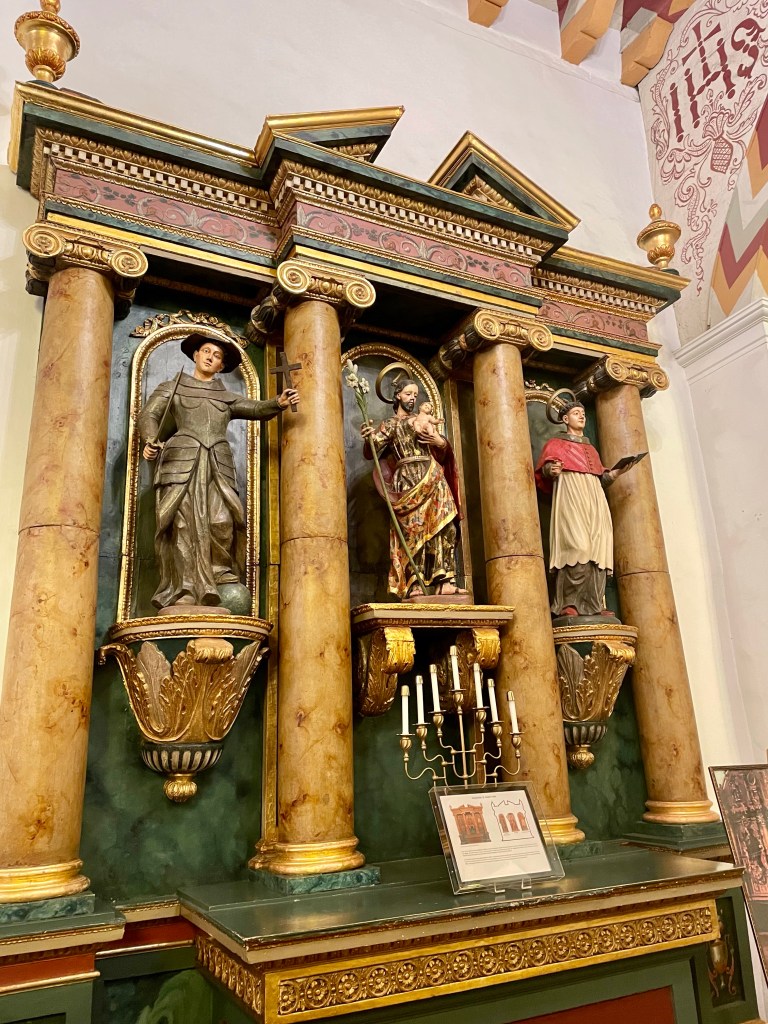
The side alters, also from Mexico, are slightly younger, dating to 1810.
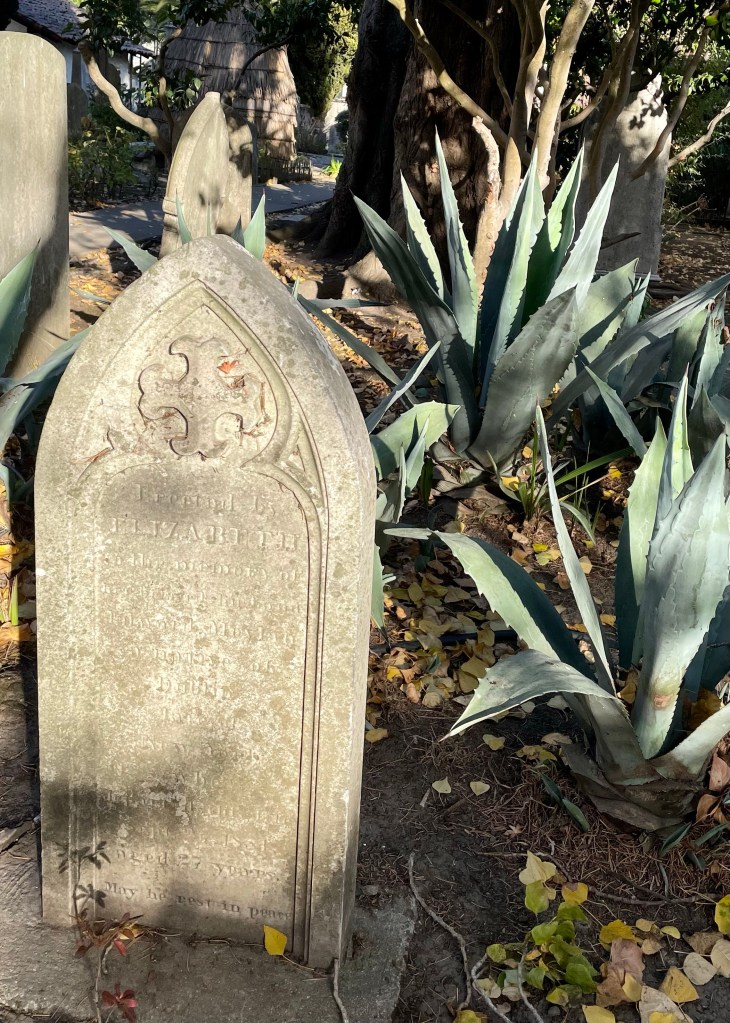
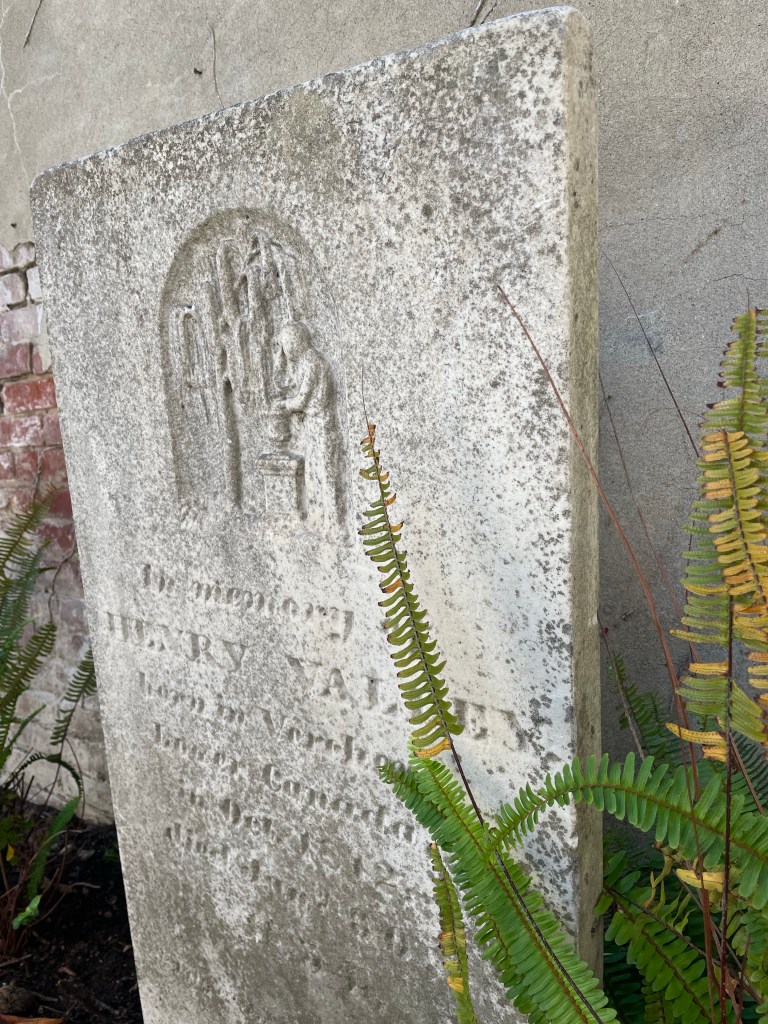
The original cemetery, though reduced in size, still sits alongside the church and is filled with Victorian gravestones, many dating back to the gold rush era.
Mission San Juan Capistrano, established in 1776, is considered the most beautiful of the missions.
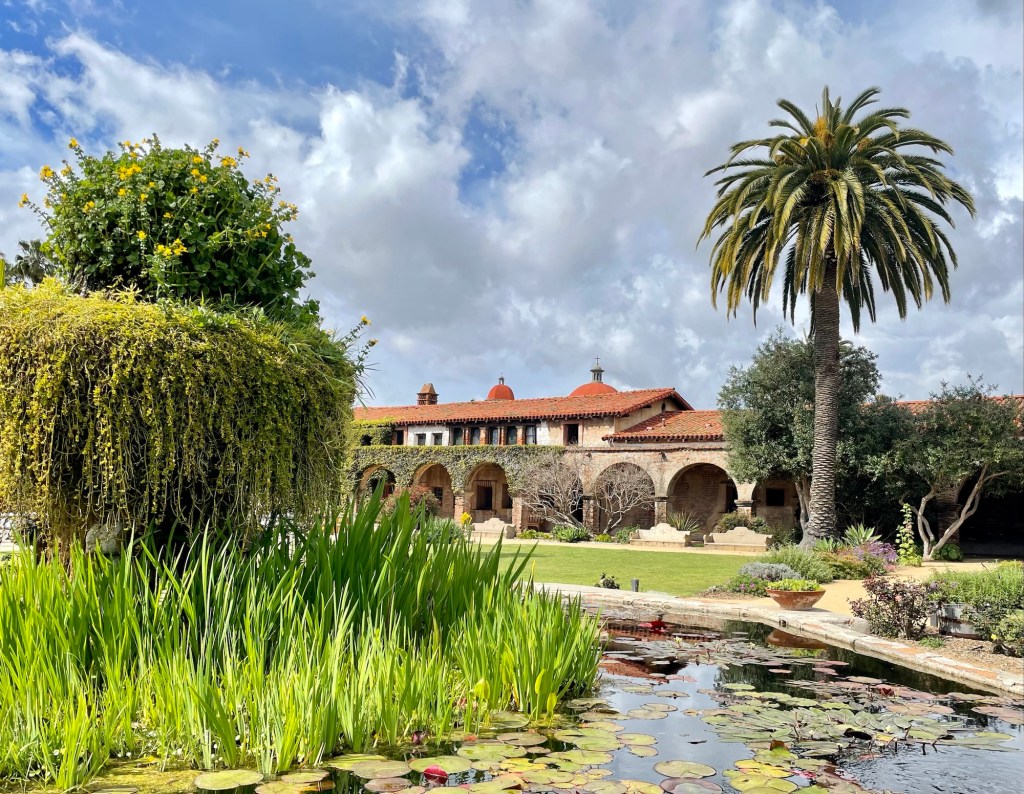
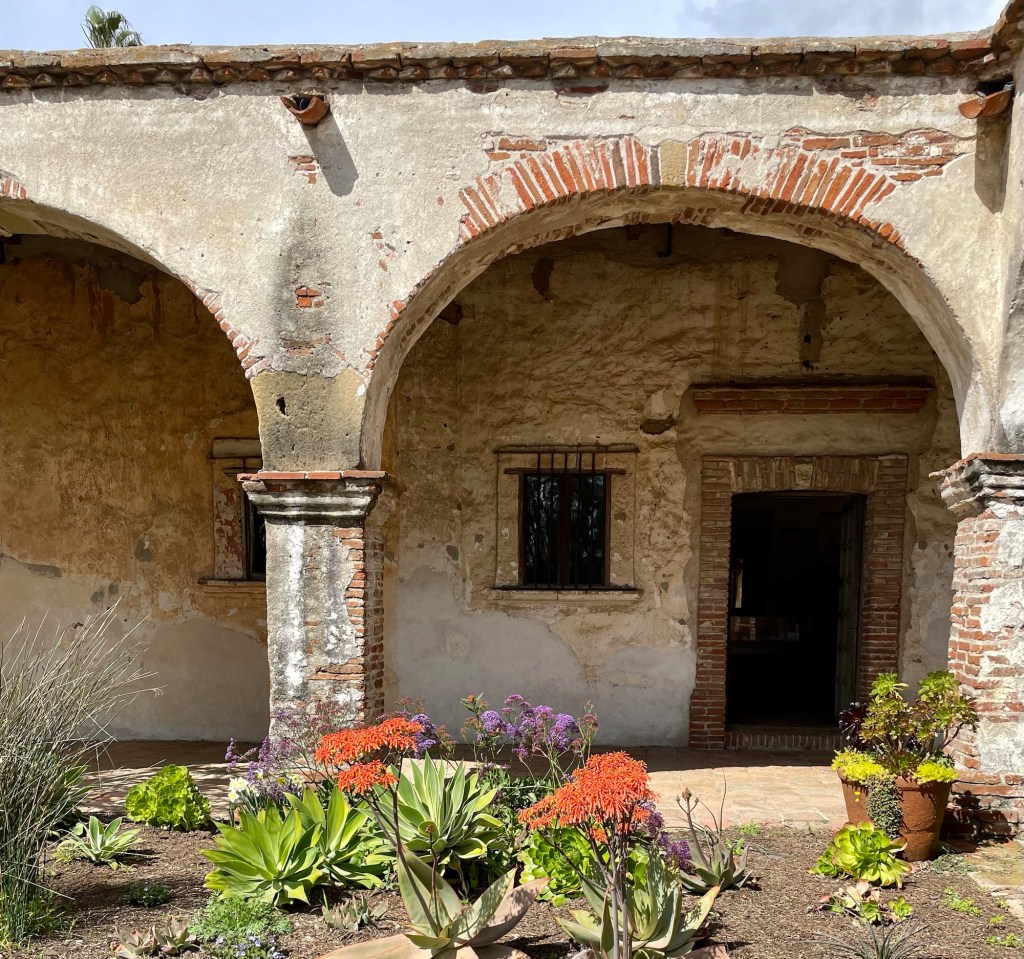
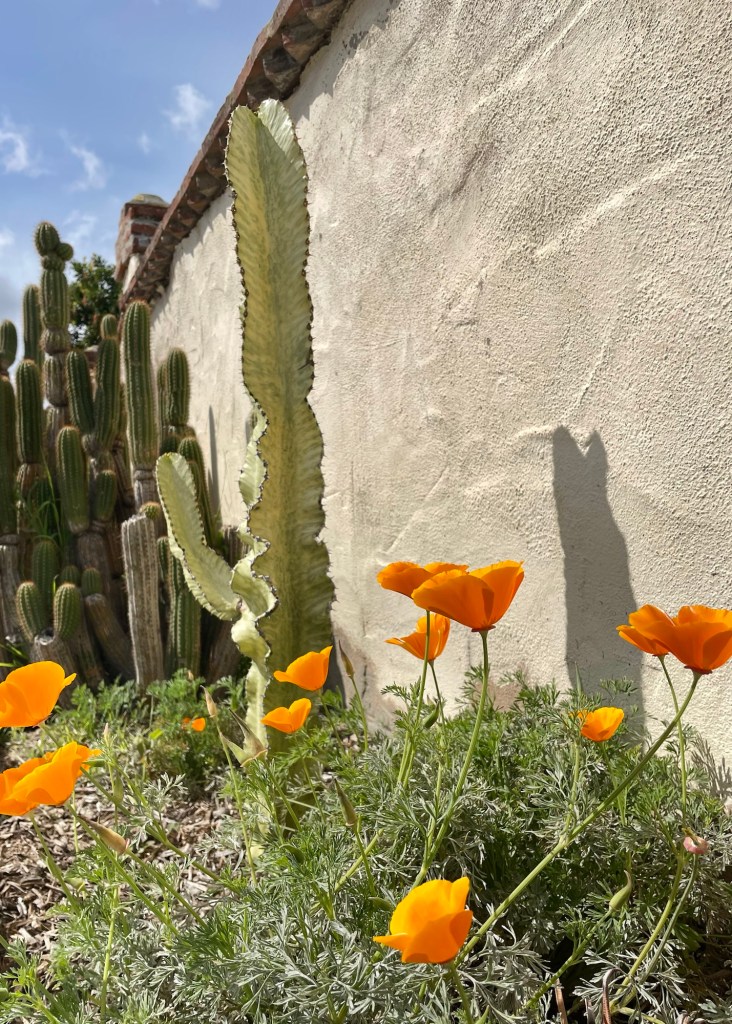
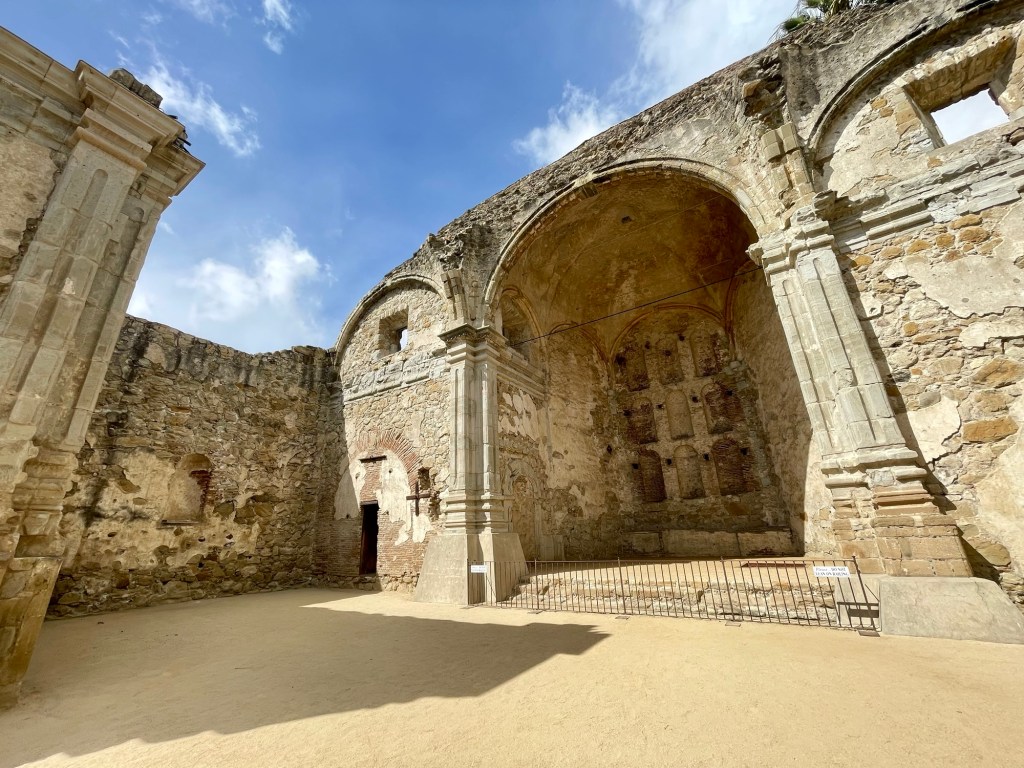
Because it is also the most touristy, it has several museum displays, an extensive audio tour and frequent events. It also has beautiful gardens, the oldest building still in use in California, and the only surviving chapel where Father Serra celebrated mass. The large stone church collapsed in an 1812 earthquake, and the mission fell into disrepair after Mexico gained independence. For a time the grounds were used as a ranch, with Serra’s chapel used as a granary. President Lincoln returned the mission to the Catholic Church, and the chapel has since been renovated.
Built in 1813 to house the collapsed church’s bells, the bell wall displays four bells recovered from the ruins of the Great Stone Church. The two larger bells have been recast but the two smaller bells are original.

The other 18 missions will have to wait for a future trip…
 Secrets of Philadelphia