
The fight for women’s voting rights wasn’t simply marches and speeches. For New Jersey Quaker Alice Paul the fight for women’s suffrage began in England where she met Emmeline Pankhurst, the militant suffragette who led the British cause under the slogan “deeds, not words.” Those deeds included smashing windows, assaulting police, arson, bombings, and, while in prison, hunger strikes. In England Alice was arrested, jailed, underwent hunger strikes, and was force fed, leading to lifelong health problems.
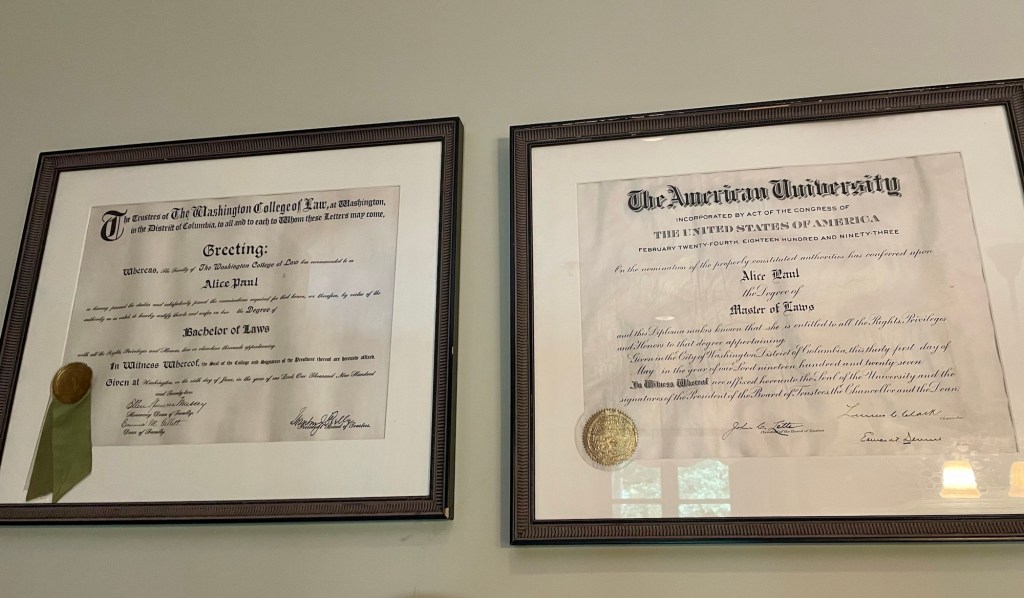
Paul returned home to Moorestown, New Jersey, determined to fight for women’s suffrage in the United States using a less militant, more civil disobedience method. Her ultimate goal was to pass a constitutional amendment guaranteeing the right to vote for all women, rather than the state-by-state approach favored by the main suffrage movement. After obtaining a PhD from the University of Pennsylvania (Paul would eventually obtain 6 college degrees, including law degrees from Washington College and American University),
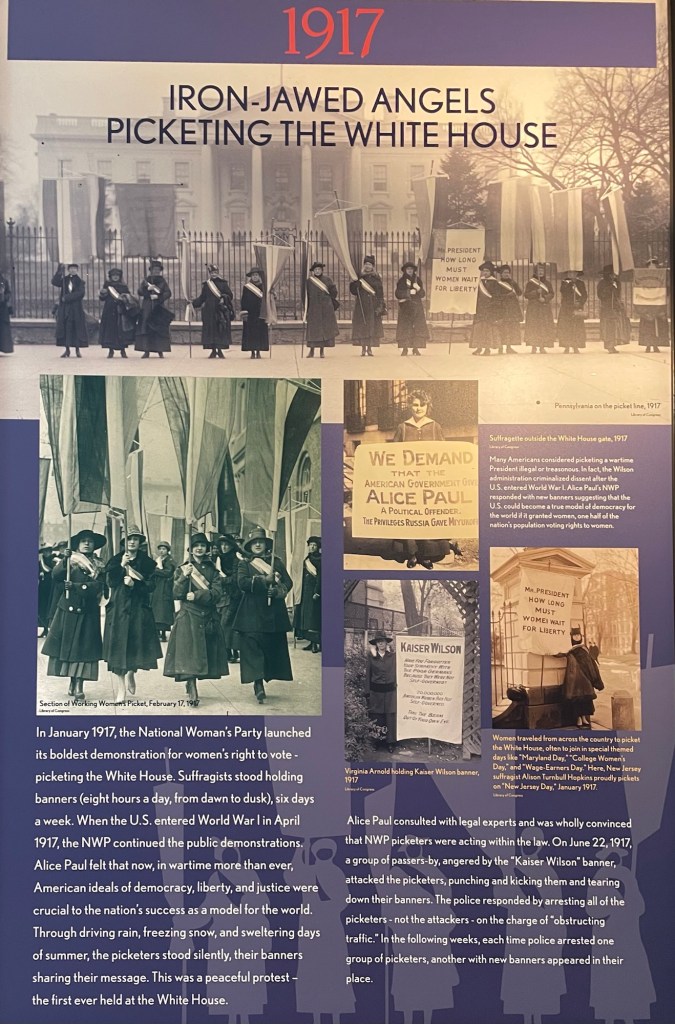
Paul went on to form the National Women’s Party, whose peaceful picketing of Wilson’s White House led to more arrests, force feedings, and eventually a push to have Paul declared insane.
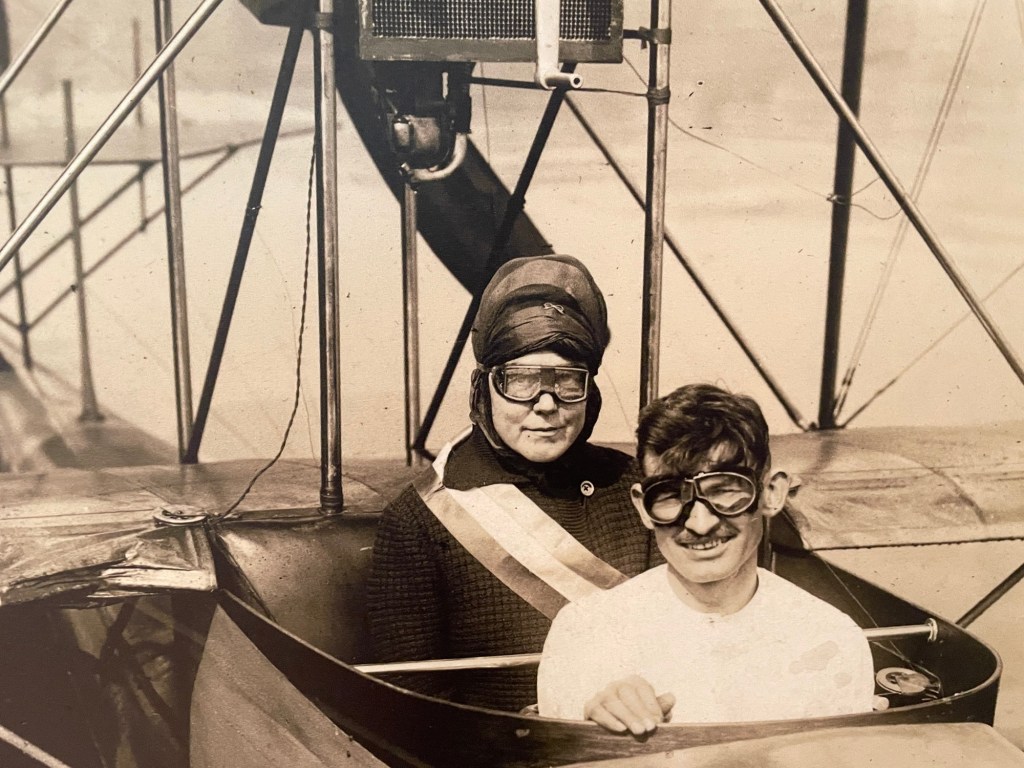
I love this photo of Alice’s fellow crusader, Lucy Burns, here shown in a bi-plane, distributing leaflets over Seattle after being banned from handing them out on the street.
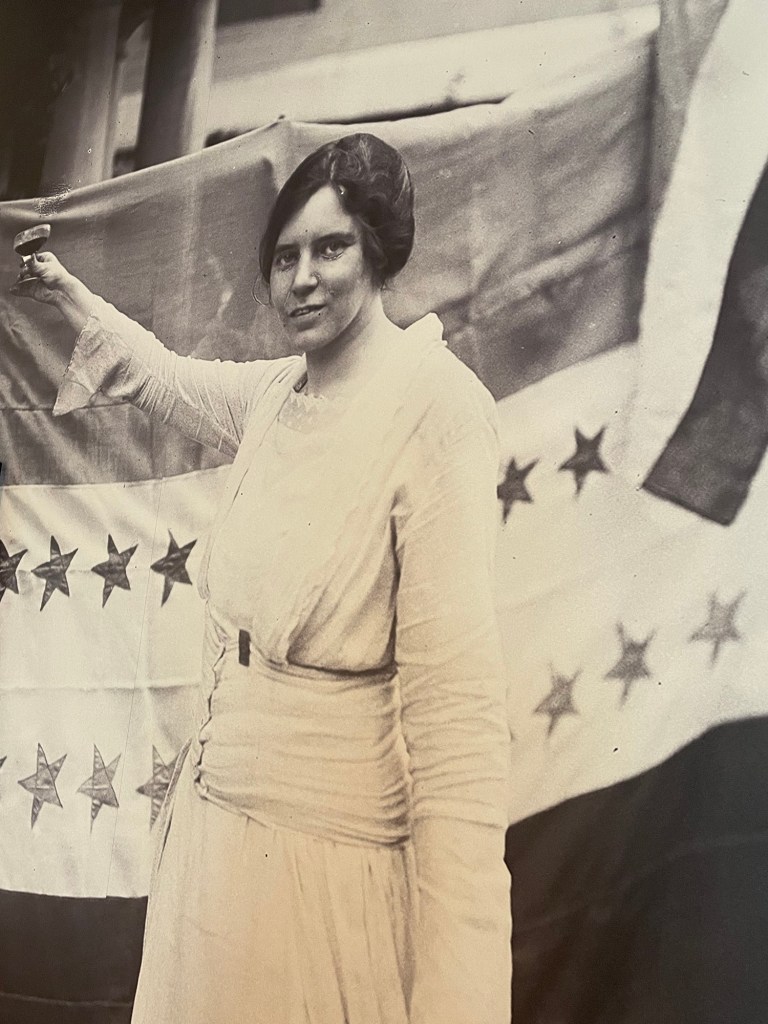
The publicity and public outrage over the treatment of the suffragettes helped lead to the passage of the 19th amendment in 1920.

After its passage, Paul continued to push for women’s rights, promoting the Equal Rights Amendment and getting equal rights language into the United Nations’s Universal Declaration of Human Rights.
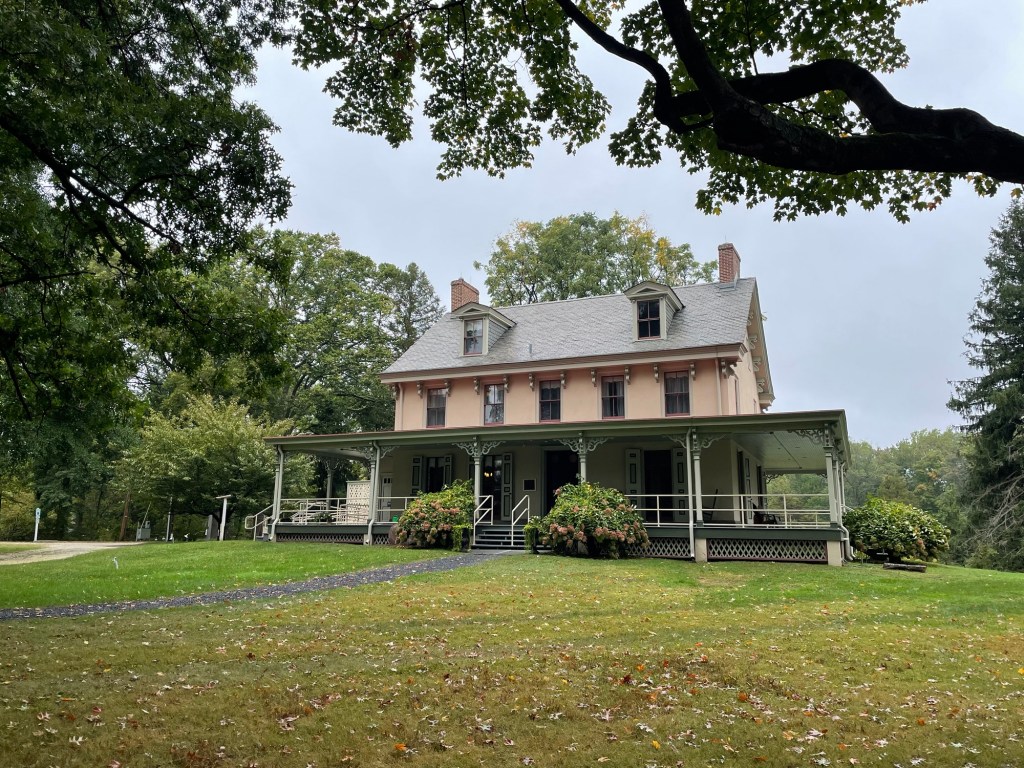
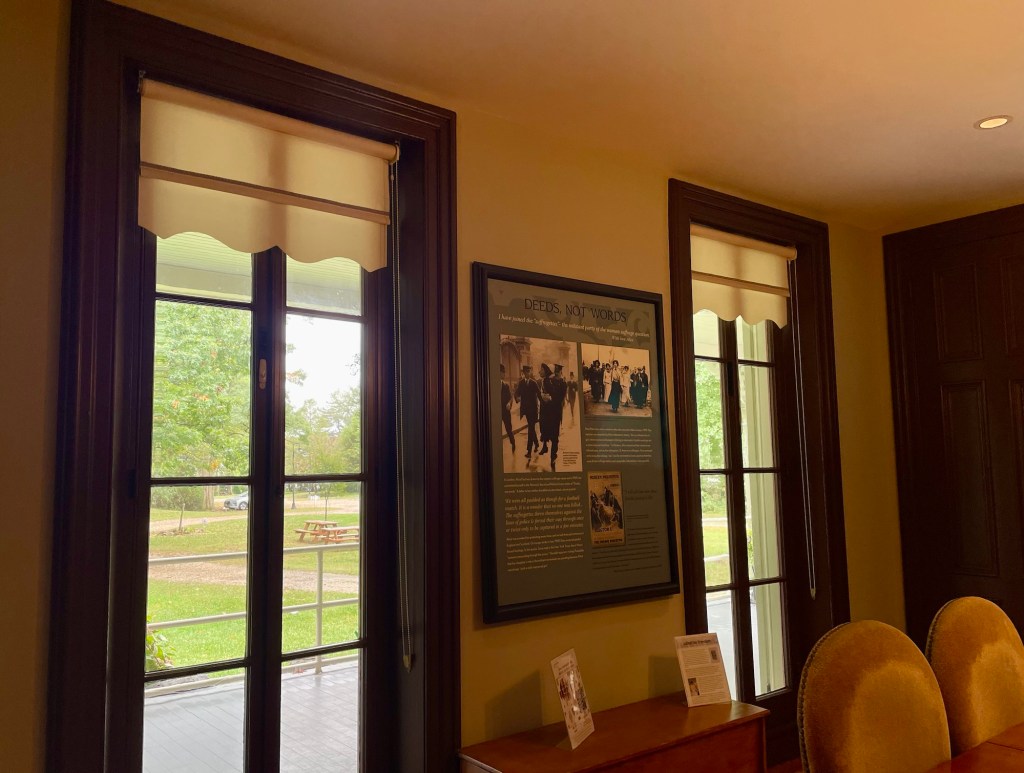
Today, Alice’s childhood home outside Philadelphia, Paulsdale, is the Alice Paul Center for Equality and Justice, offering educational and leadership development for middle and high school girls. They also offer school field trips and public tours (check schedule). Guided and self-guided tours are available, and information panels give lots of details about Alice’s life and work.
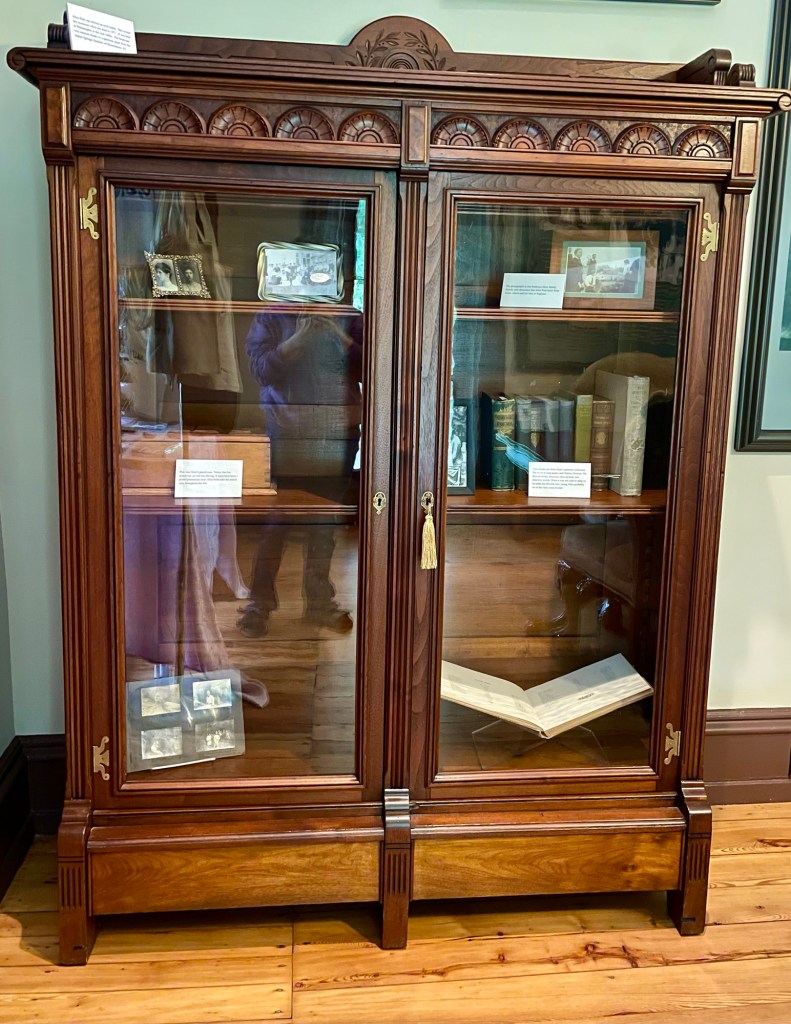
Although there is not much left from Alice’s time, on display is her bookcase filled with her belongings.

A short, self-guided tour of the grounds is available. The original grounds contained a working farm of over 200 acres.
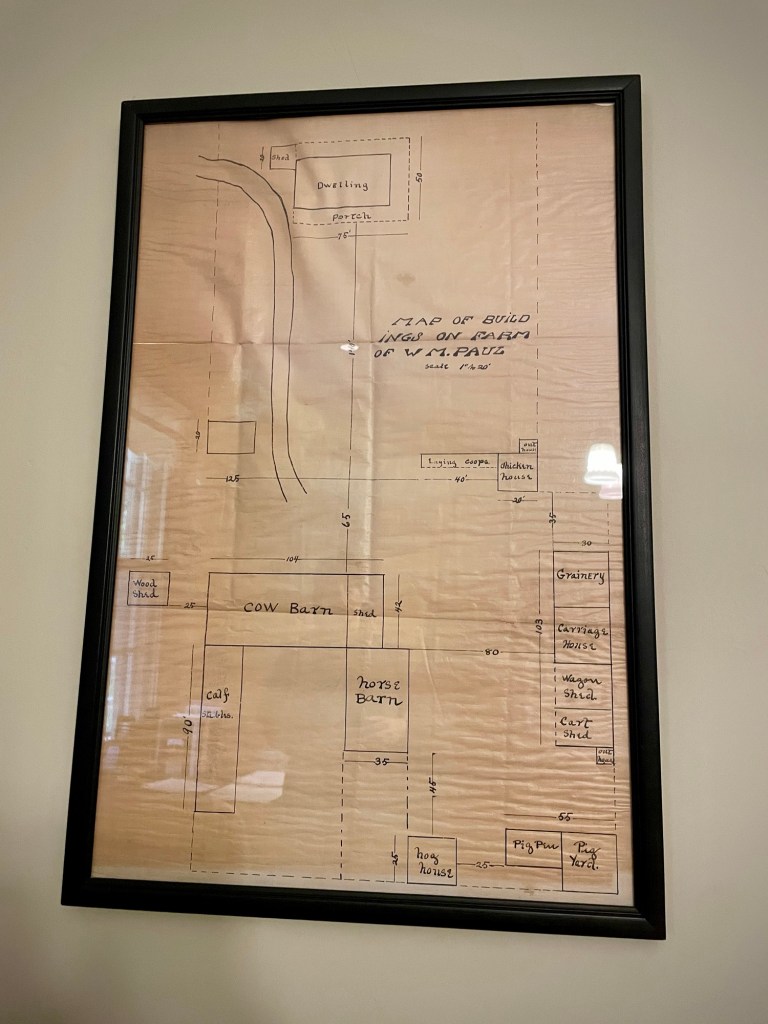
Today, there are a few remnants of old farm buildings, and the house is surrounded by suburbia.

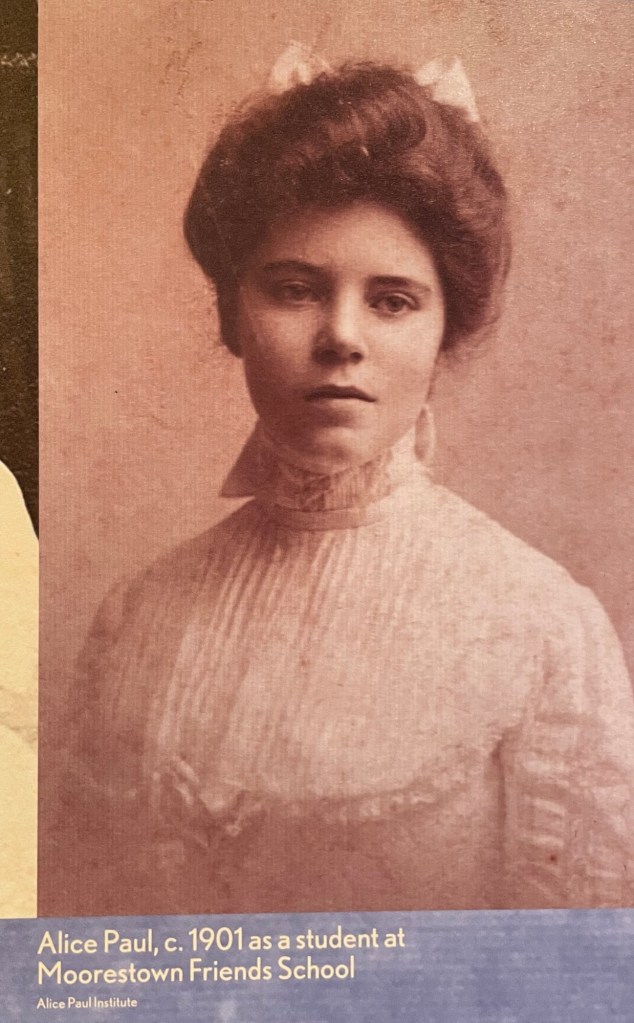
Moorestown Friends, the Quaker school Alice attended, is still open, although students no longer arrive by horseback as Alice did.
The house is a stop on NJ’s Women’s Heritage Trail.

 Secrets of Philadelphia