
Hamilton and Thomas Jefferson disagreed about almost everything, including their vision of America’s future. Jefferson dreamed of an agrarian society, whereas Hamilton believed the future was in self-sufficiency and manufacturing. It was while picnicking here by the Great Falls in Paterson with George Washington and the Marquis de Lafayette in 1778 that this dream began to take shape.
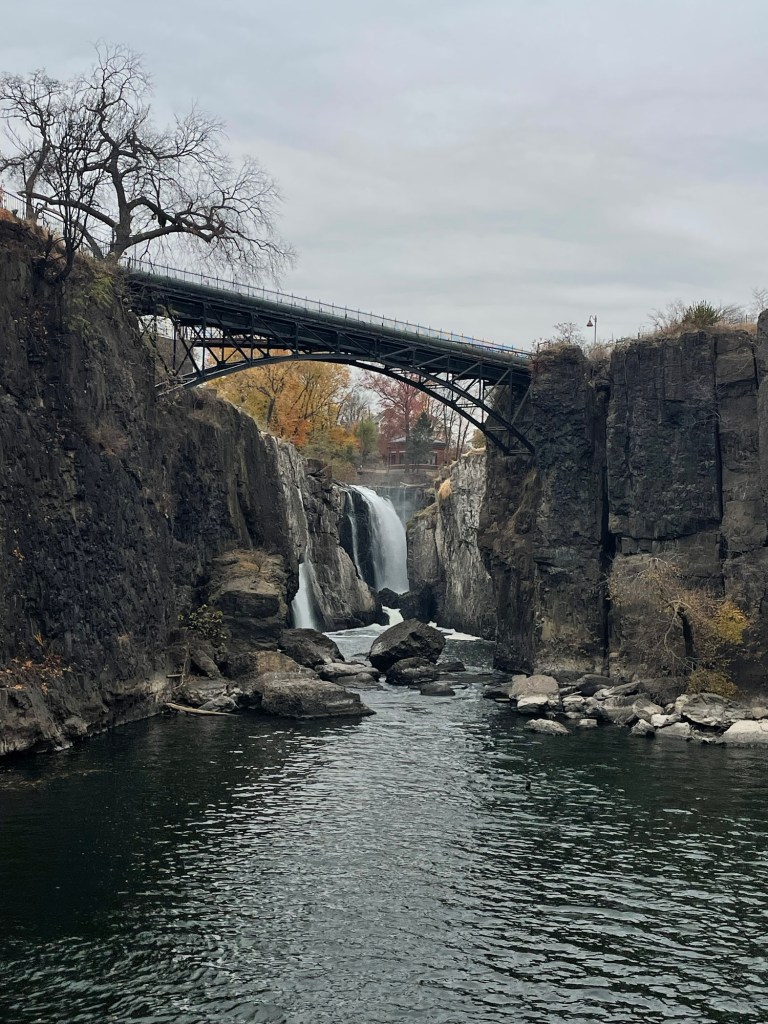
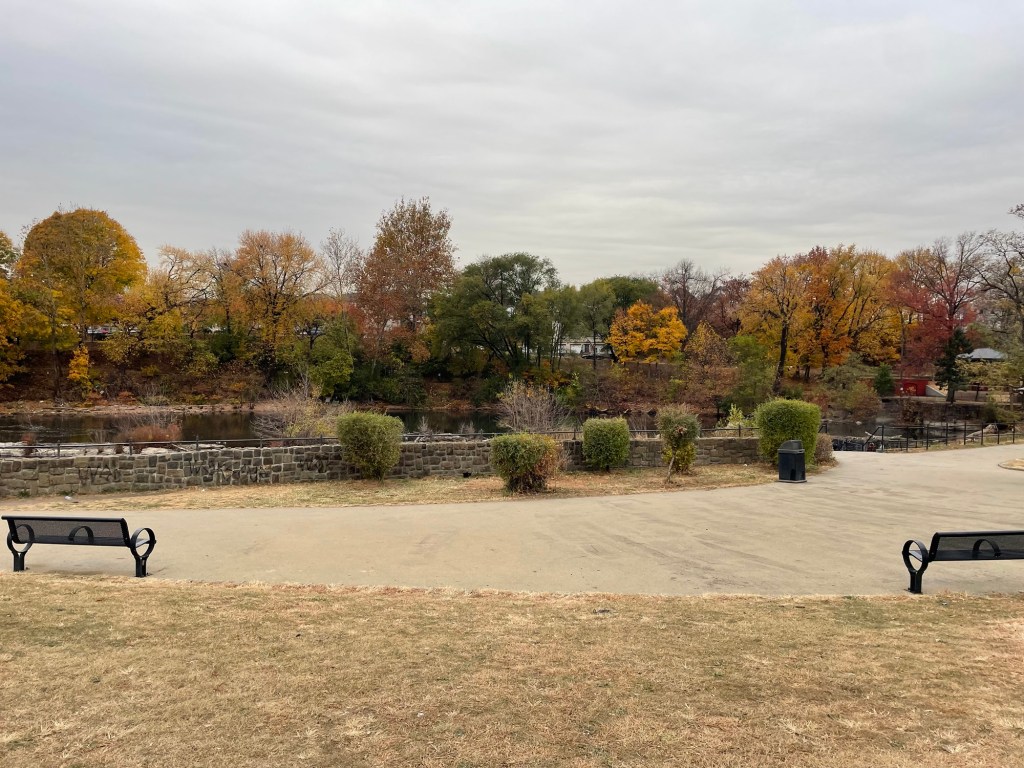
Today you can still have your own picnic on the same spot at the top of the falls:
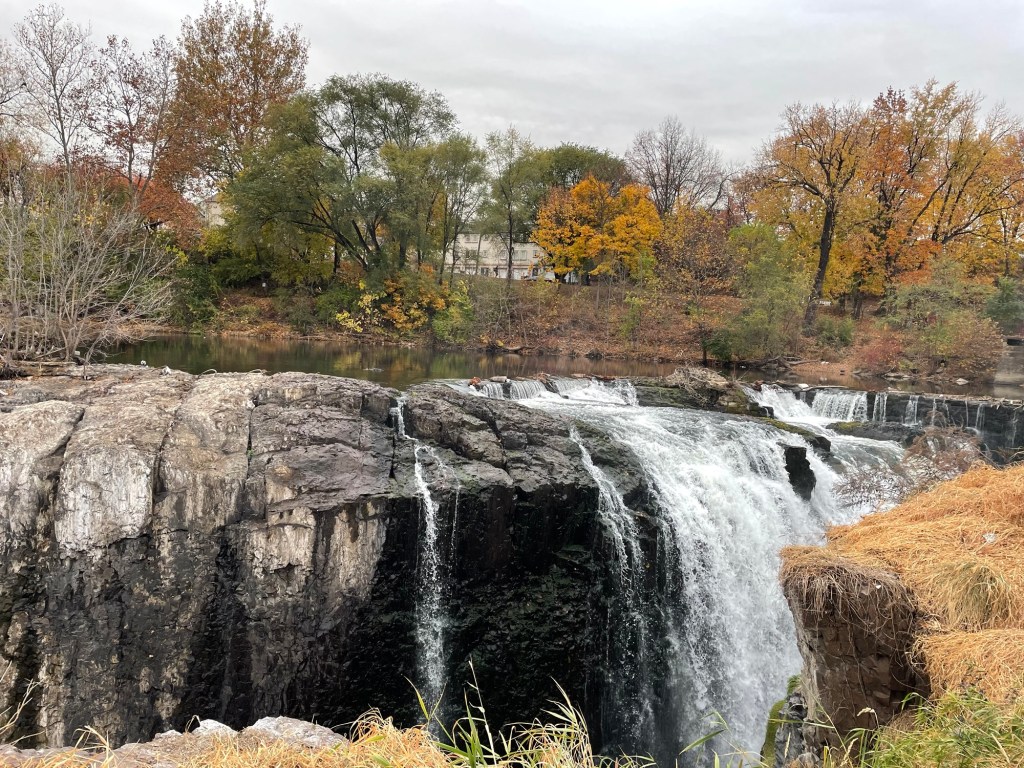
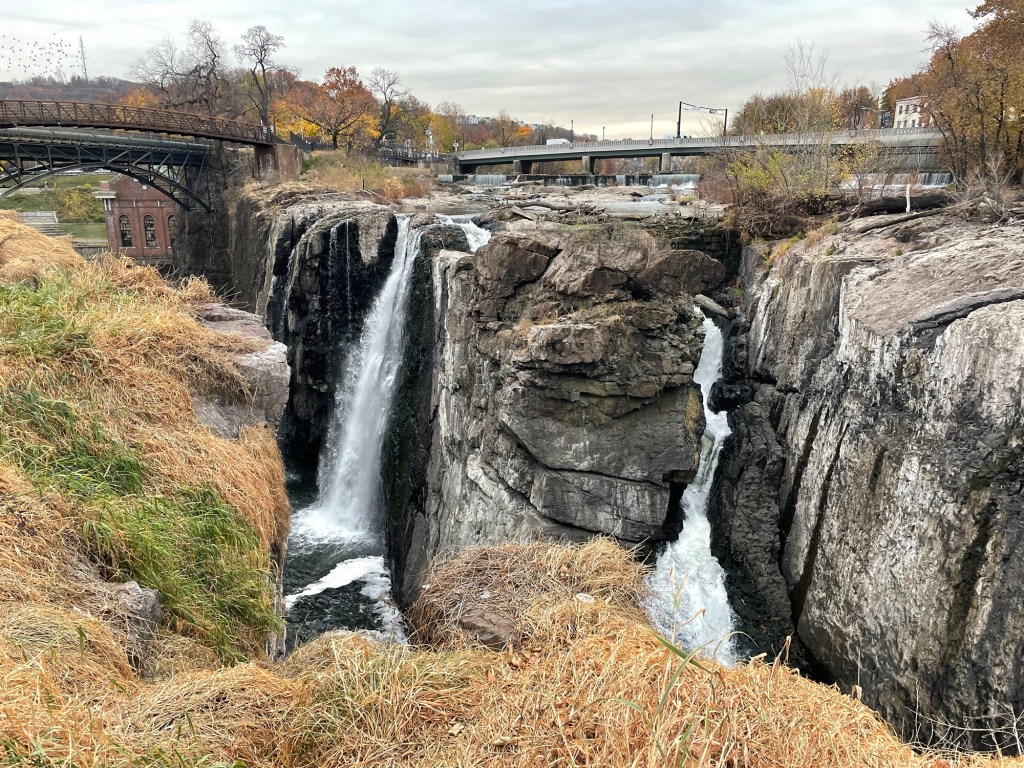
It wasn’t until after the war as Secretary of the Treasury that Hamilton was able to begin this growth by helping to found the Society for Establishing Useful Manufactures (SUM) in 1791. It was this organization funded by both public and private money that built the raceways that used the the falls to power the mills that made Paterson the center of the early Industrial Revolution in America, thus establishing America as an industrial nation living up to Hamilton’s vision.
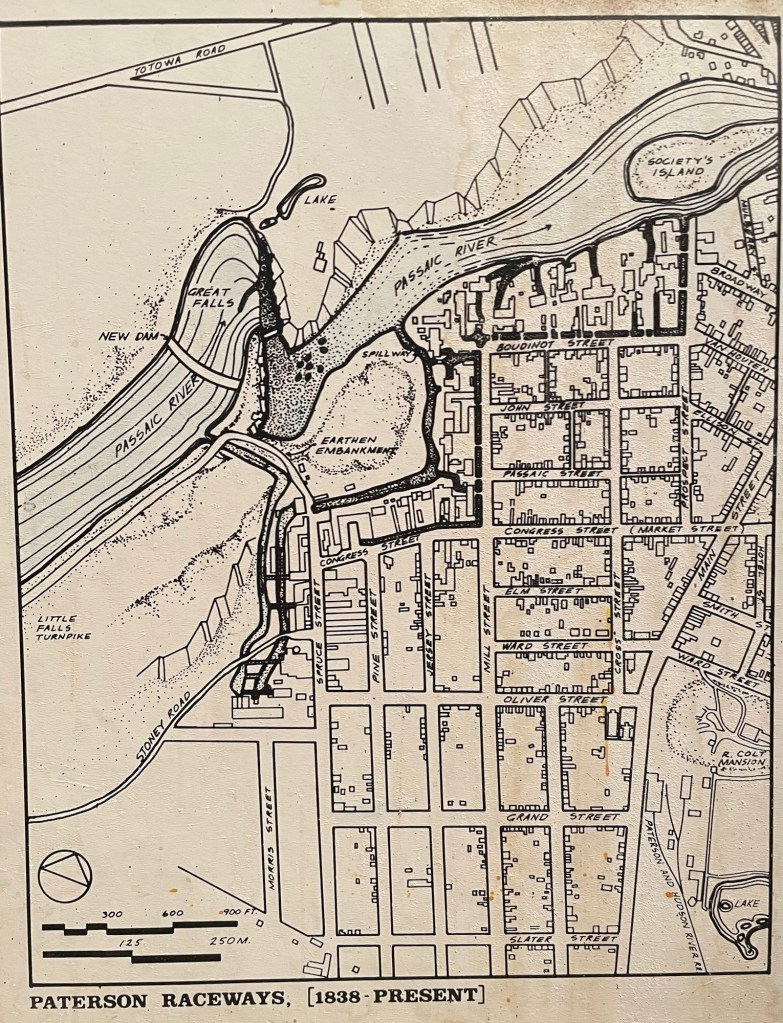
Paterson had the perfect combination of power provided by the Great Falls, close proximity to New York City, an excellent transportation system eventually consisting of canals (and later, trains), and abundant immigrant labor, all of which contributed to the emergence of dozens of industries.
While walking around the historic district you can still see remains of the raceways (unfortunately empty of water since a hurricane in 2011), plus dozens of these historic mill buildings. The site is a National Park, and rangers give walking tours daily.
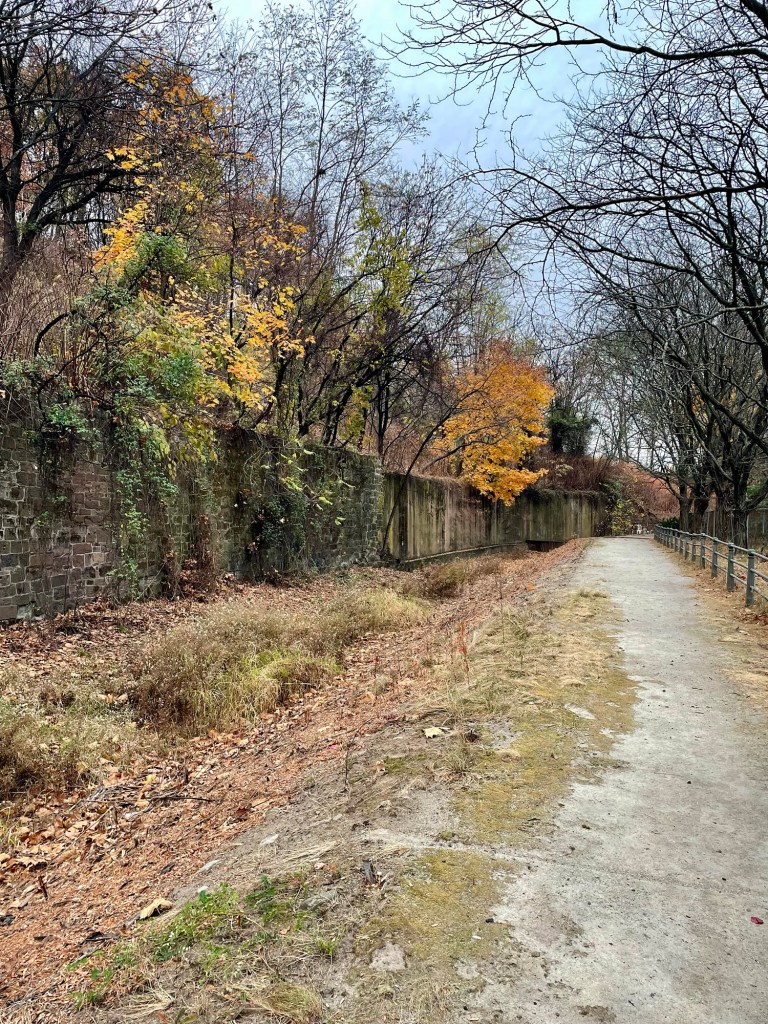
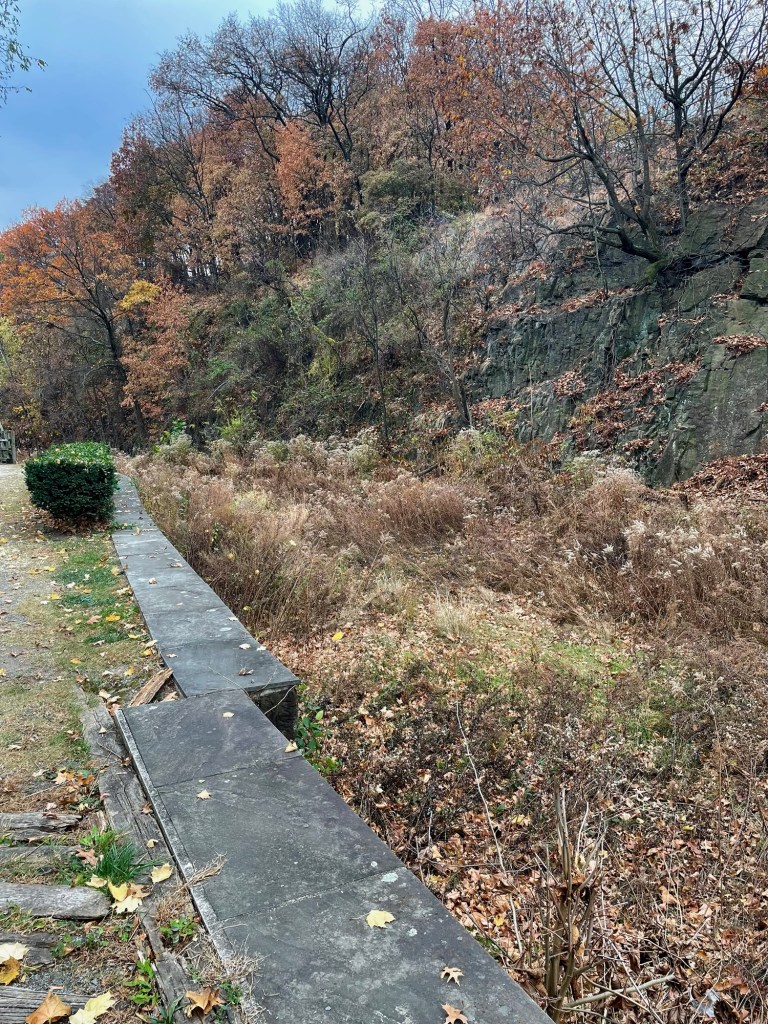
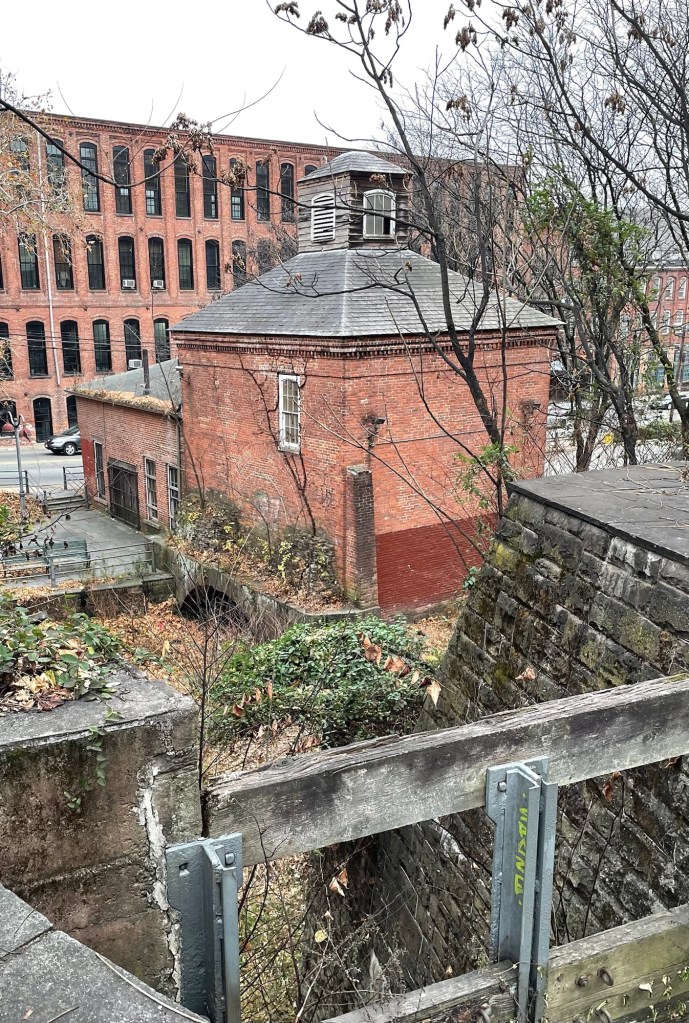
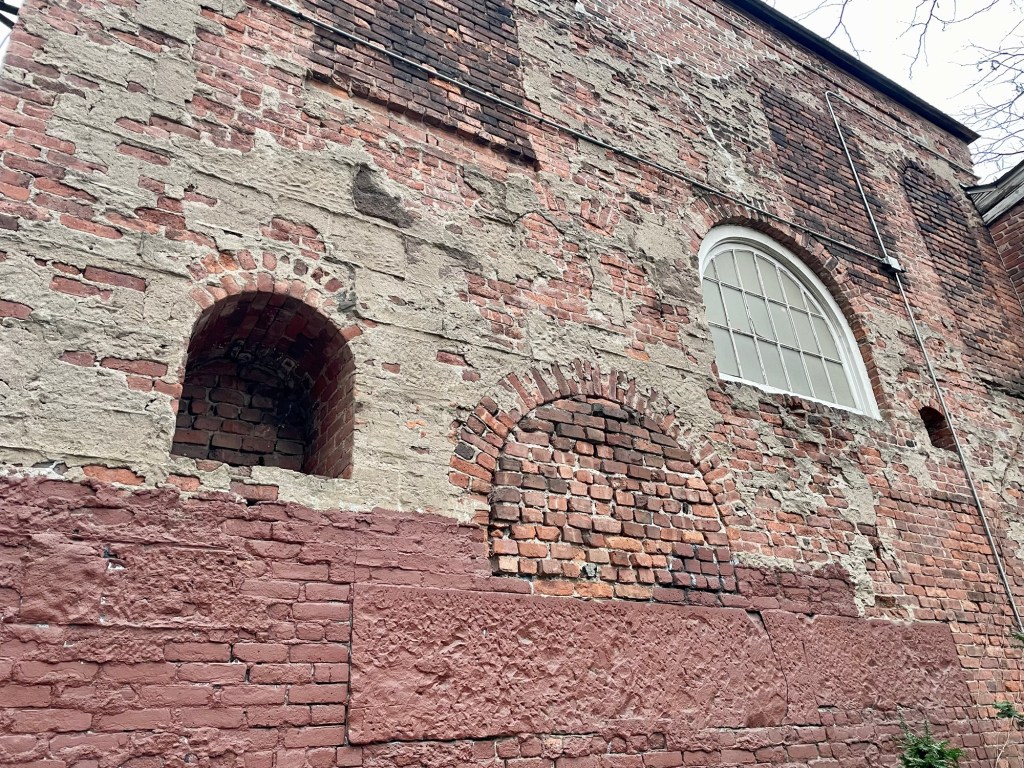
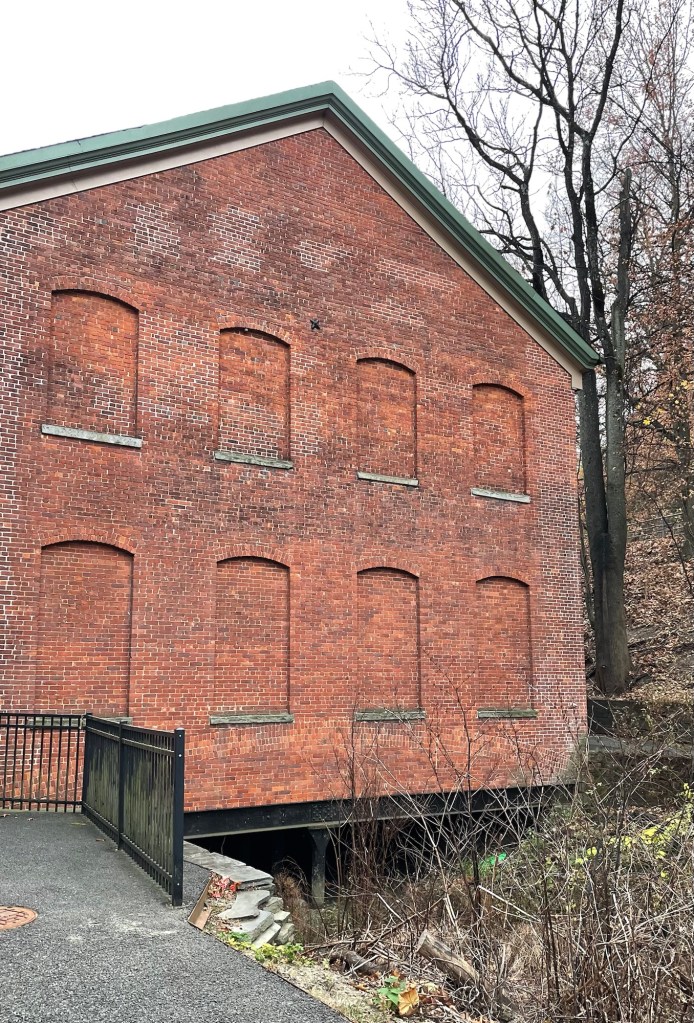
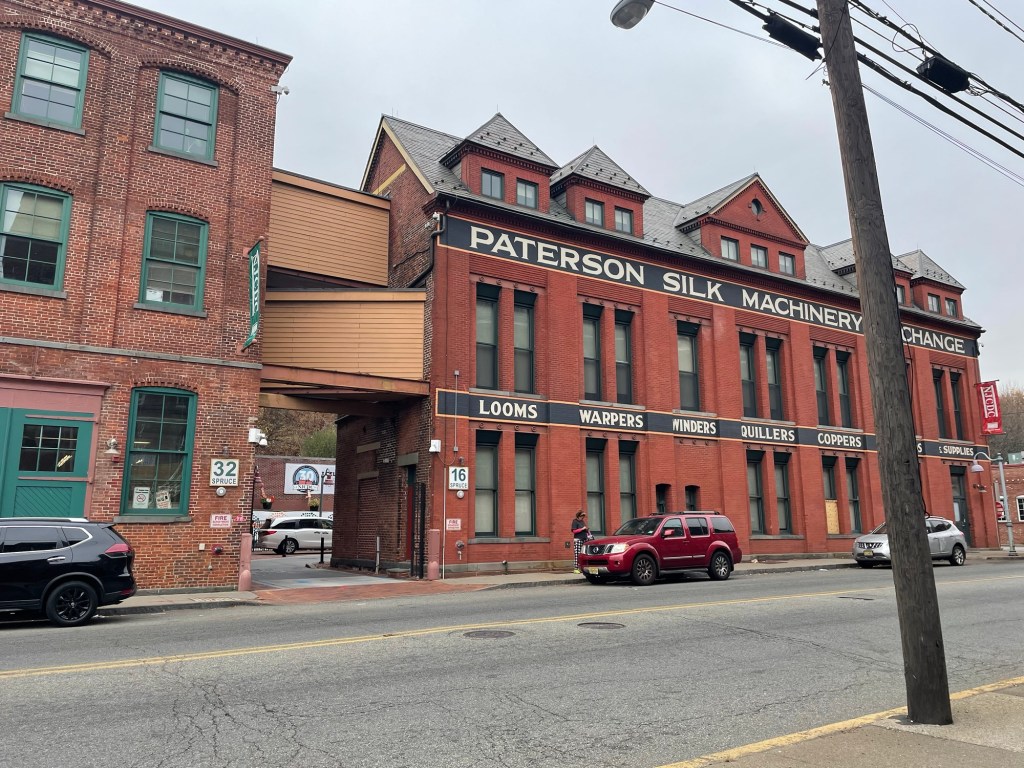
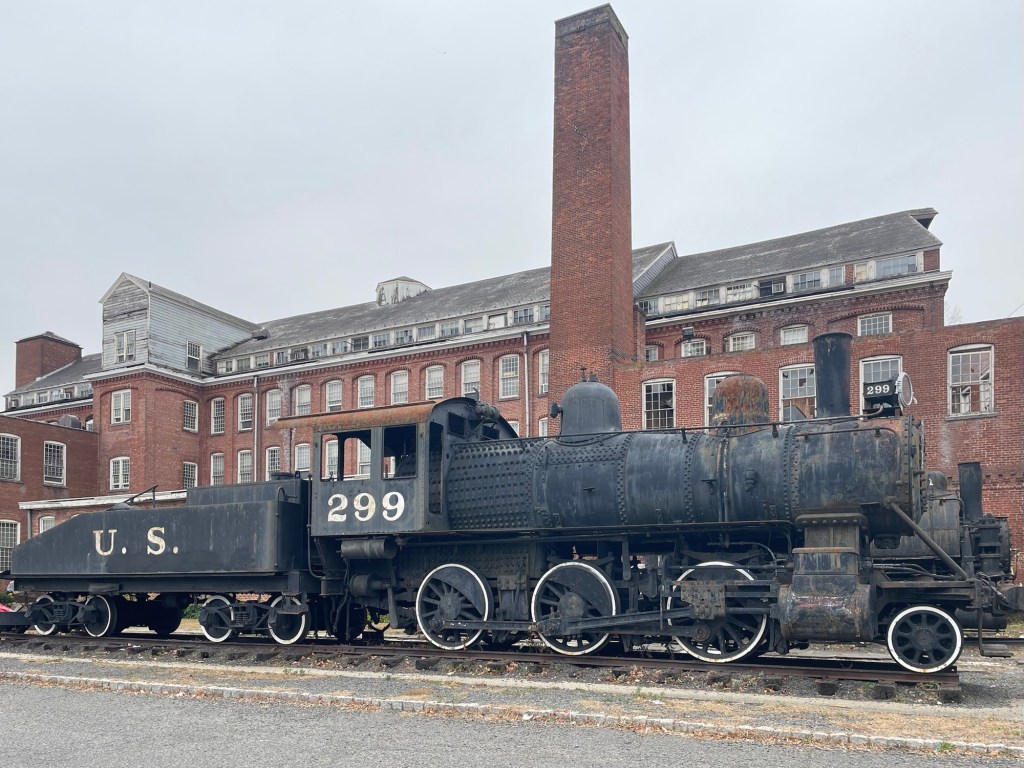
The elevation drop of the Great Falls powered these mills until 1914, while they churned out products from locomotives to Colt revolvers to silk to airplane engines.
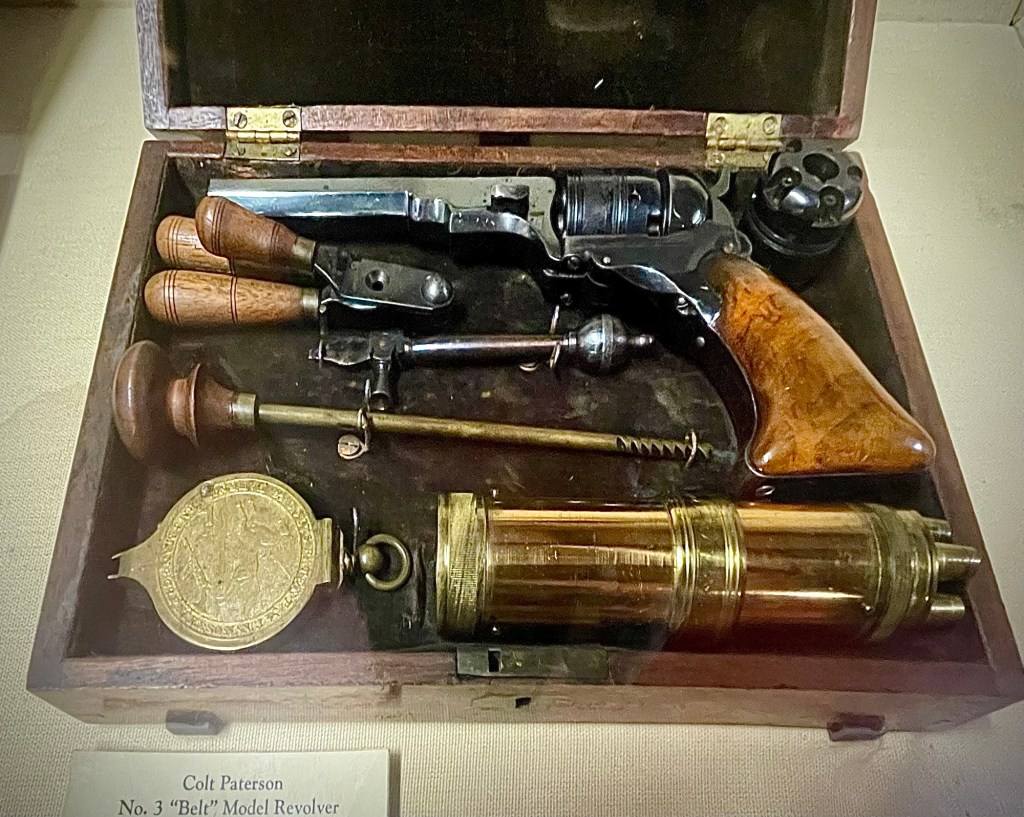
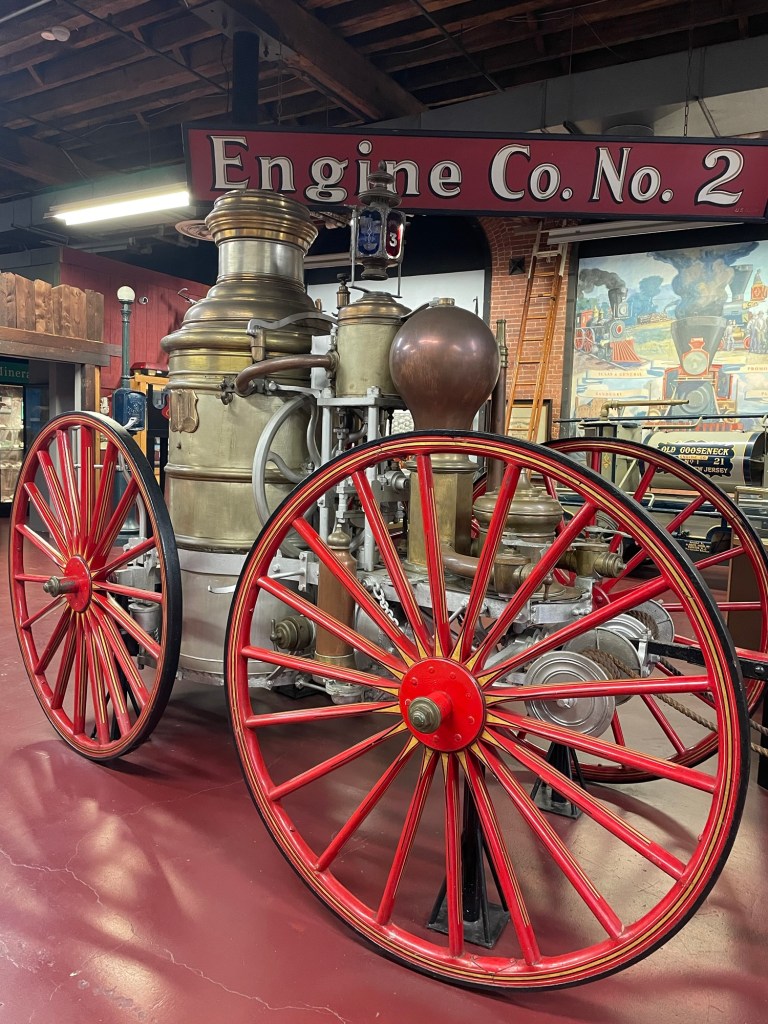
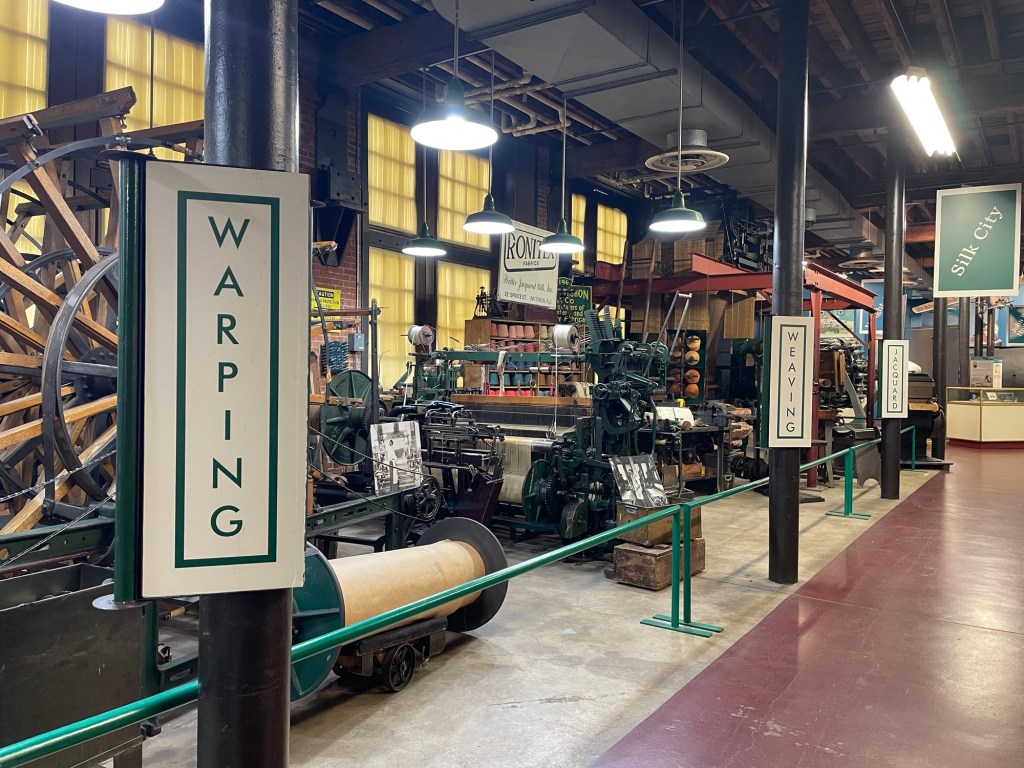

The best place to see evidence of this history is the Paterson Museum (free/donations), housed in the former Rogers Locomotive Works:
The museum contains lots of fascinating stuff, including jacquard loom punch cards that inspired the design of modern computers.

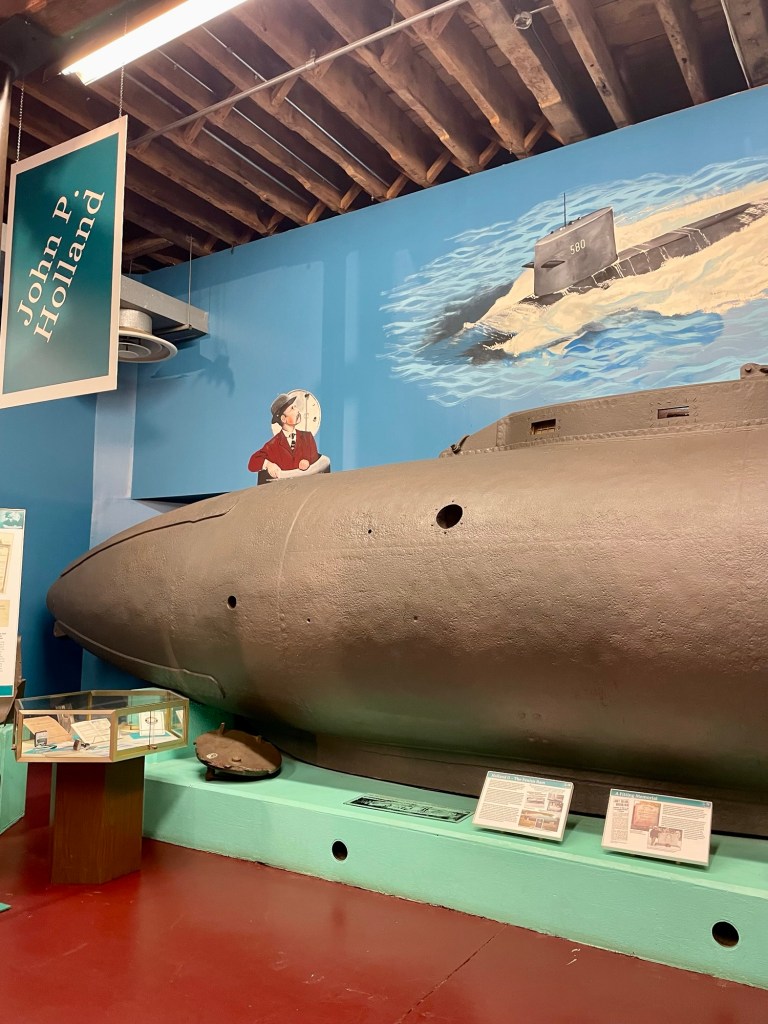
They also have the first two submarines built in Paterson in the late 1870’s by John Holland, father of the modern submarine.

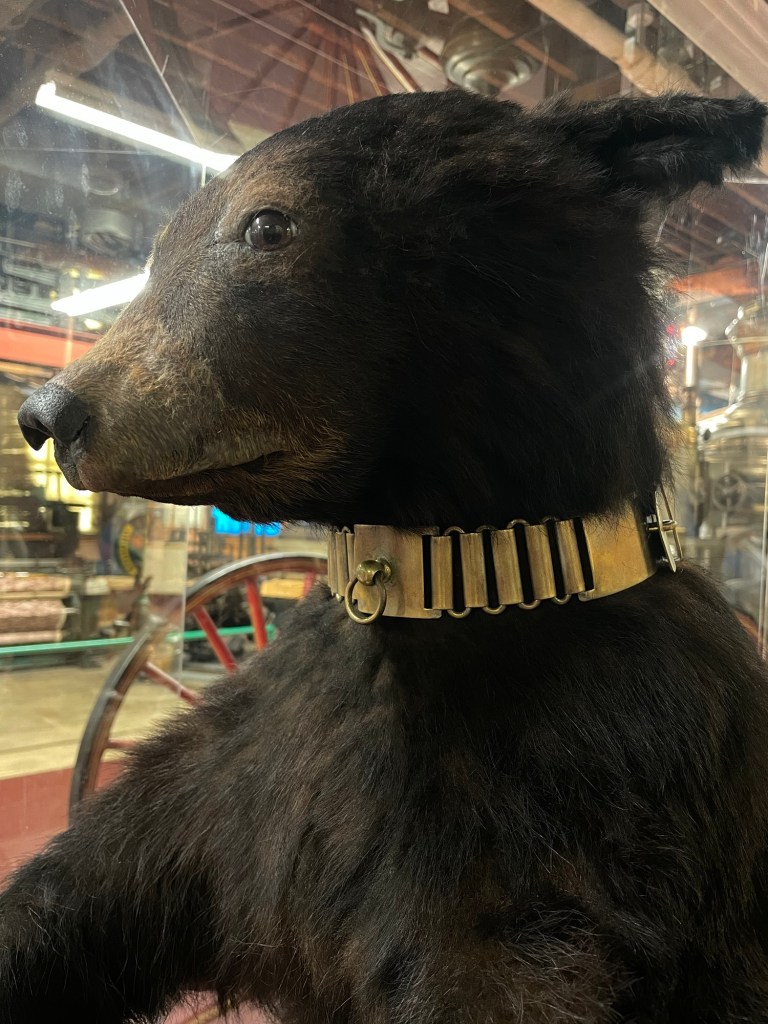
Plus, there is this great taxidermied bear, mascot of the city’s volunteer fire company.
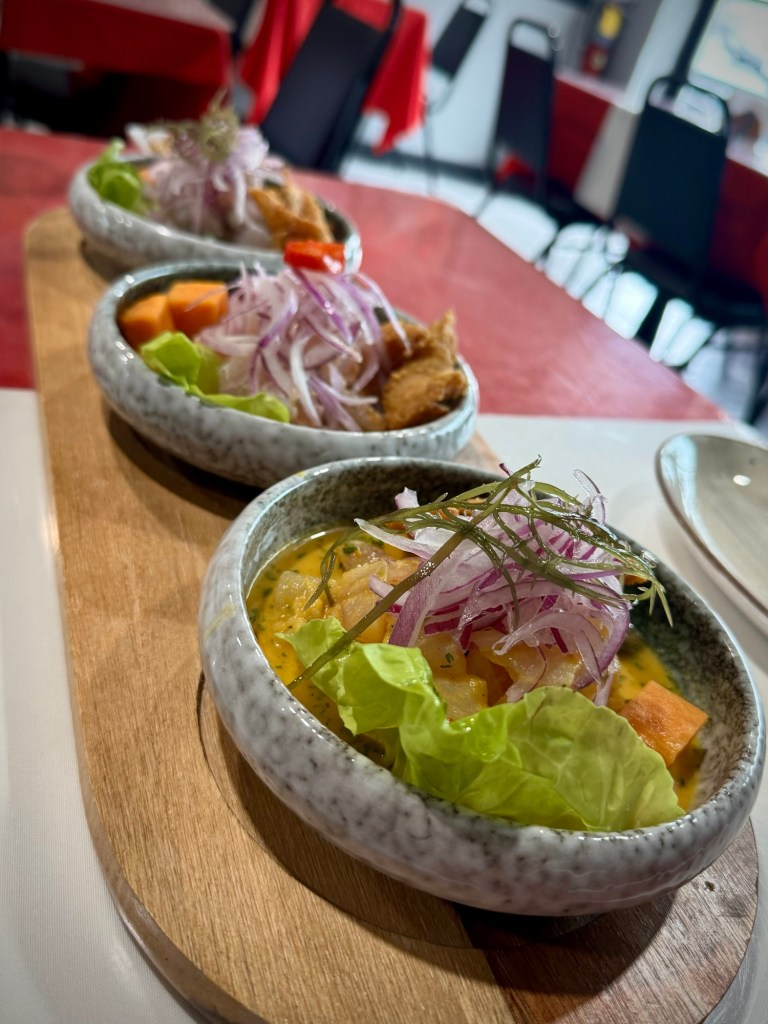
All of these industries were powered by the waves of immigrants drawn to Paterson for employment opportunities. Today there are still many ethnic communities, creating a vibrant restaurant scene. We ate at Lomo Saltado, one of the many Peruvian options where we had a delicious ceviche flight.

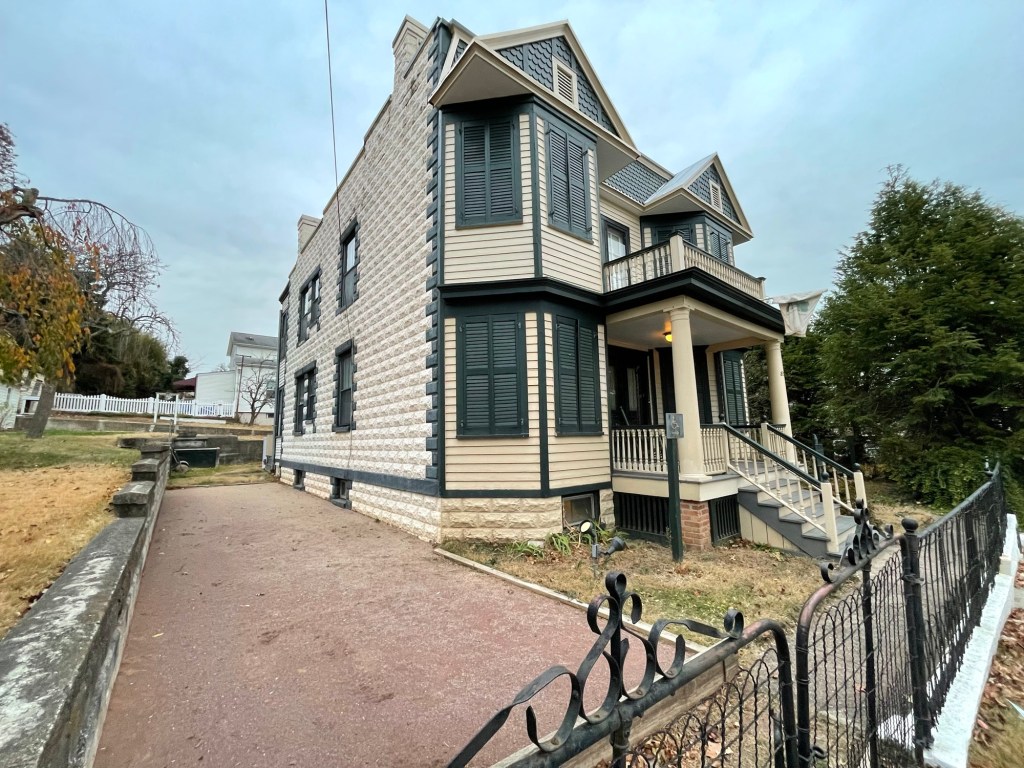
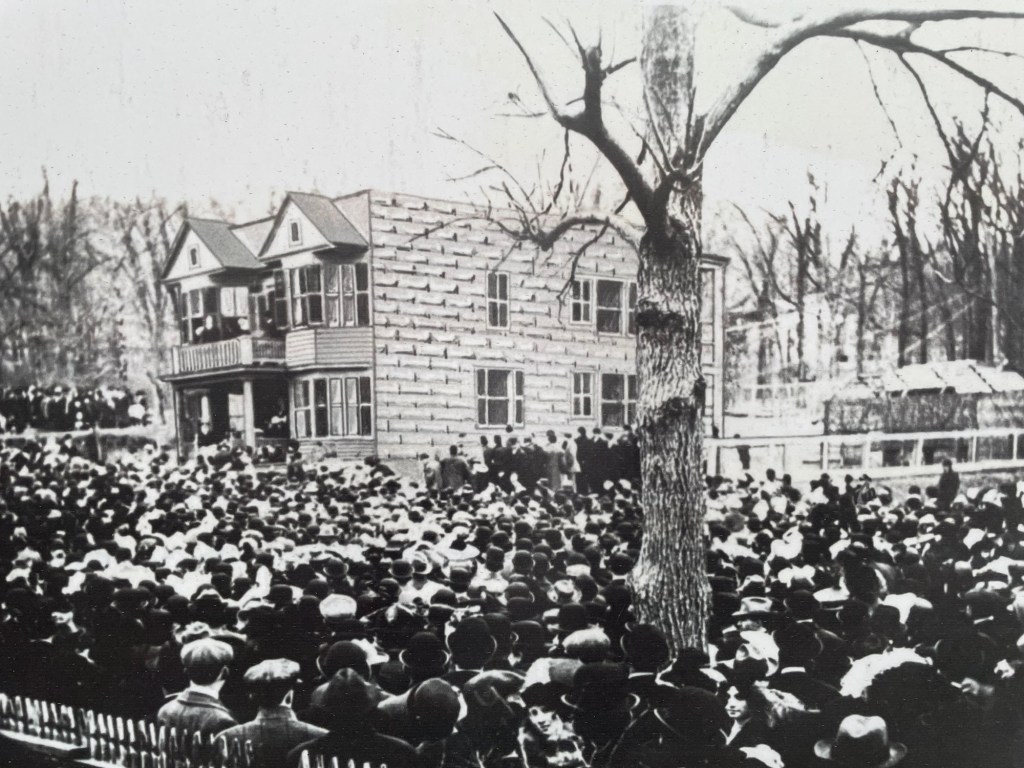
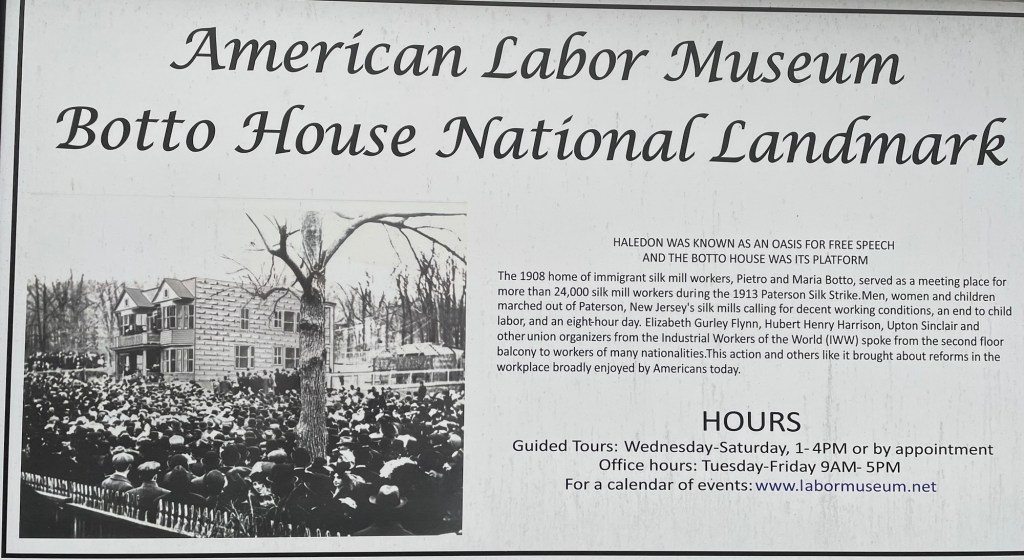
Because of Paterson’s role as a center of industry, it also became ground zero for the emergence of the American labor movement which today is highlighted at the museum in the Botto house. During the Paterson Silk Strike of 1913 the mayor refused to let strikers meet within the city, so the Bottos allowed strikers to hold rallies at their home just outside city limits. From the porch labor organizers conducted rallies for thousands.
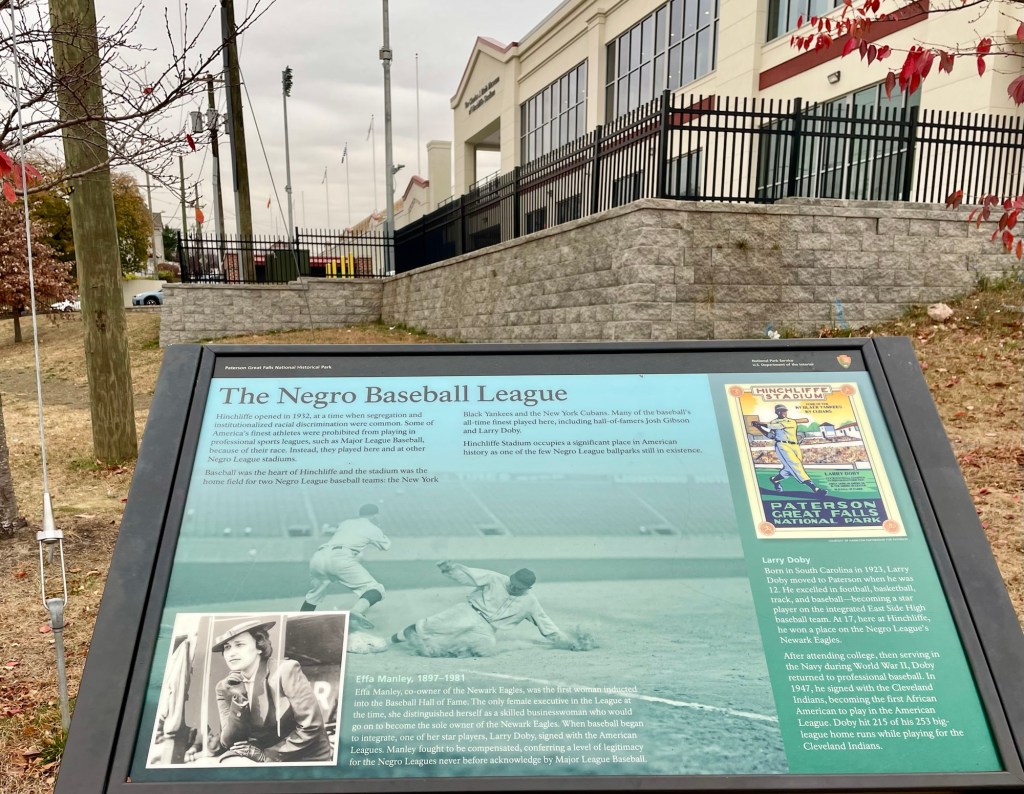
Just overlooking the site of the infamous 1778 picnic is Hinchliffe Stadium, one of only five remaining stadiums that hosted major Negro League teams. It was here that Larry Doby, the player that integrated the American League in 1947, played high school baseball. A small museum illustrates the stadium’s history.
Paterson Great Falls National Park: https://www.nps.gov/pagr/index.htm
Patterson museum: https://patersonmuseum.com/
National Labor Museum: https://www.american-labor-museum.org/
Hinchliff Stadium Museum: https://www.montclair.edu/muth-museum-hinchliffe/
 Secrets of Philadelphia