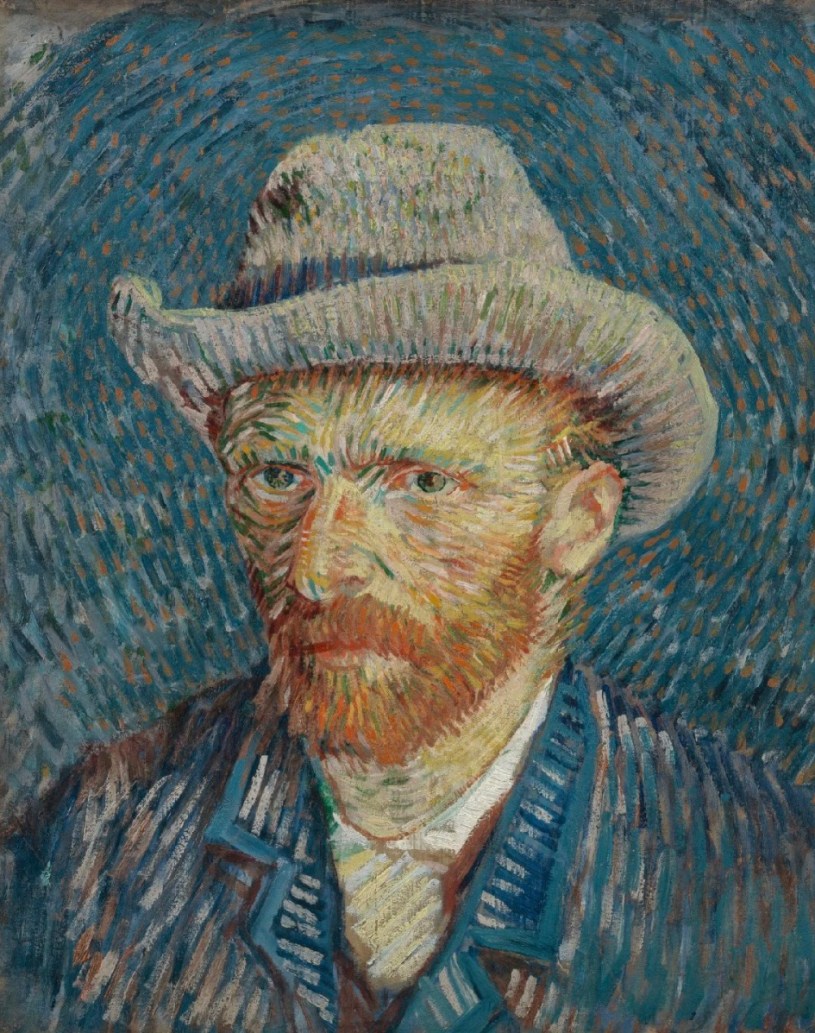
Vincent van Gogh arrived in Paris in 1886 to stay with his brother in Montmartre where Theo had been working as a successful art dealer since 1884. In Paris Vincent met many of the older Impressionists and younger avant-garde artists including Pissarro, Toulouse-Lautrec, Bernard, Gauguin and Cezanne.

You can still dine in places where they met:
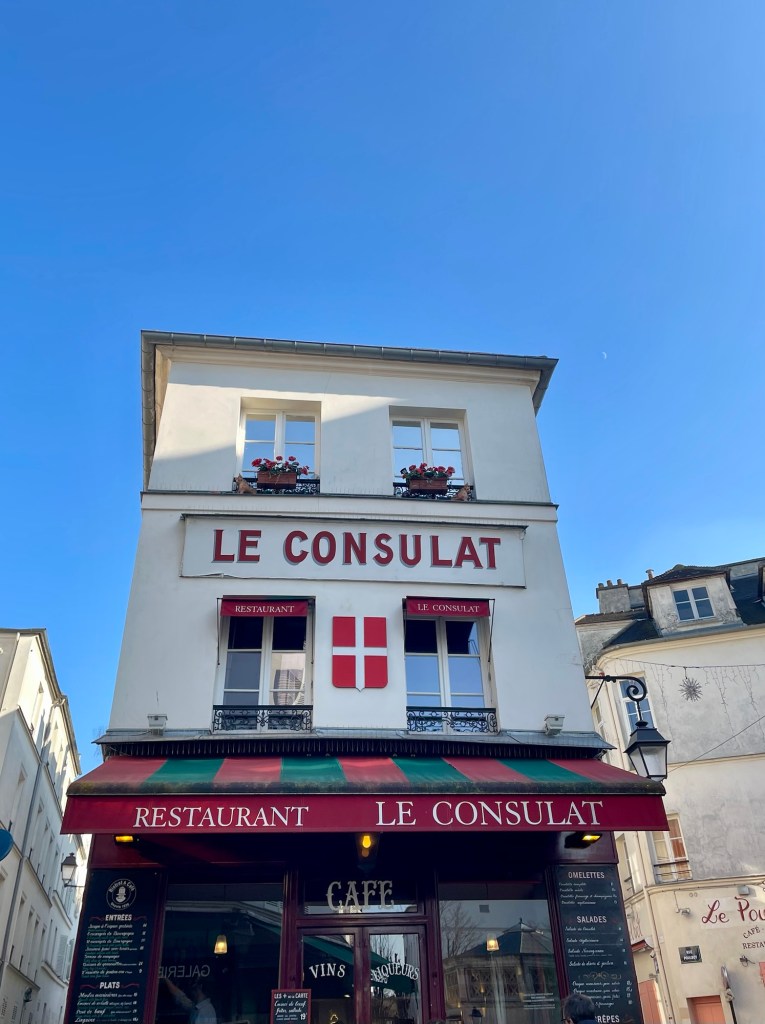
During van Gogh’s time in Paris, his painting began to change. Although still darker than his later works, his pallet began to lighten and he began developing his now familiar style as he painted the scenes that surrounded him in Montmartre.
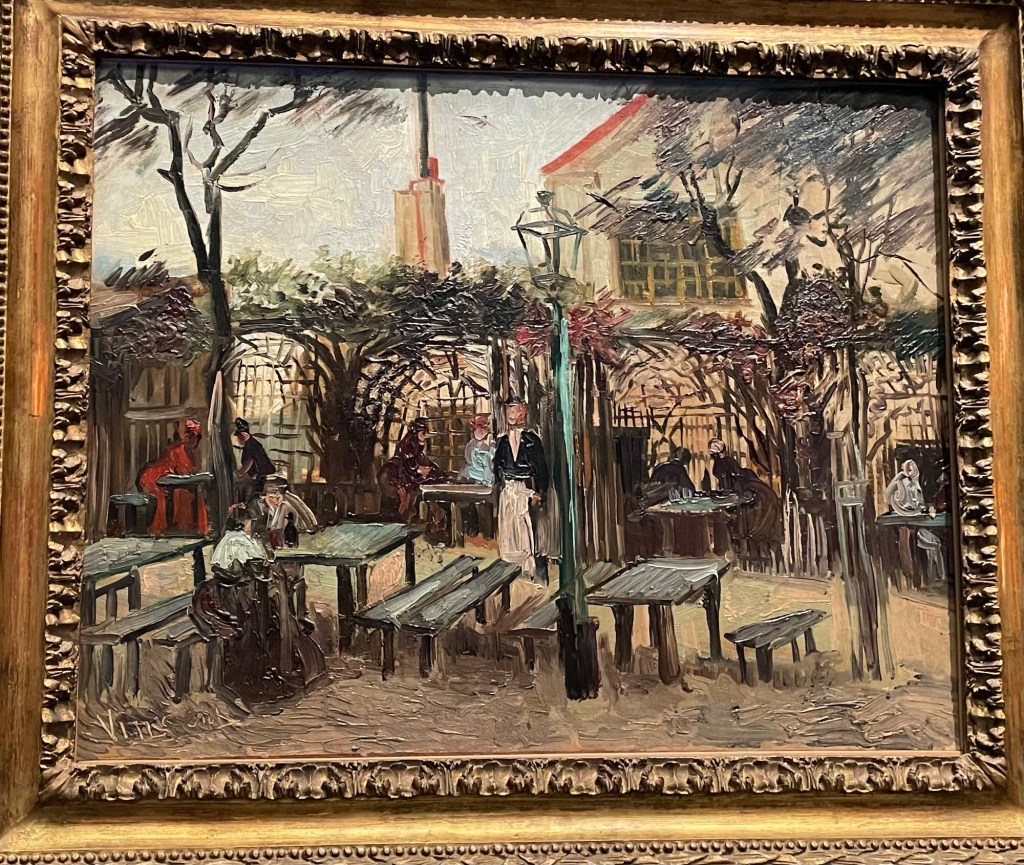
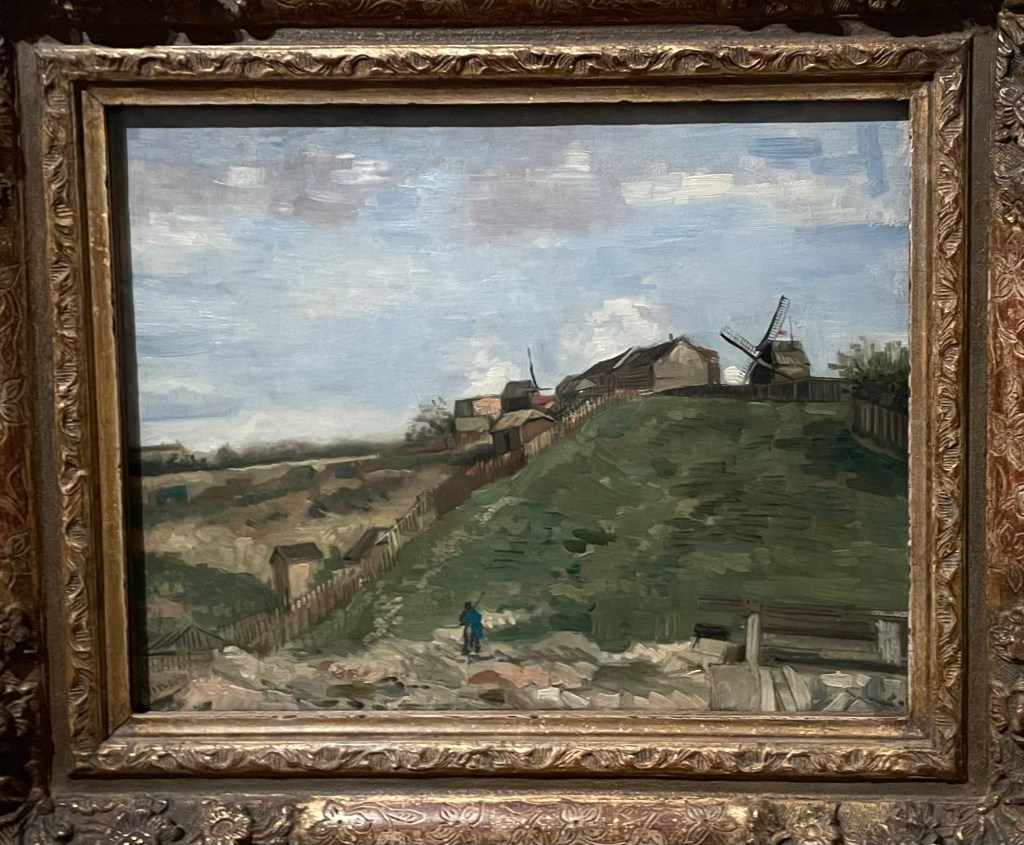
His subjects included the windmills and quarries (The Windmills of Paris) and streets,


as well as the view from the window of Theo’s third floor apartment at 54 Rue Lepic:


The view is still the same if you block out the more modern buildings:

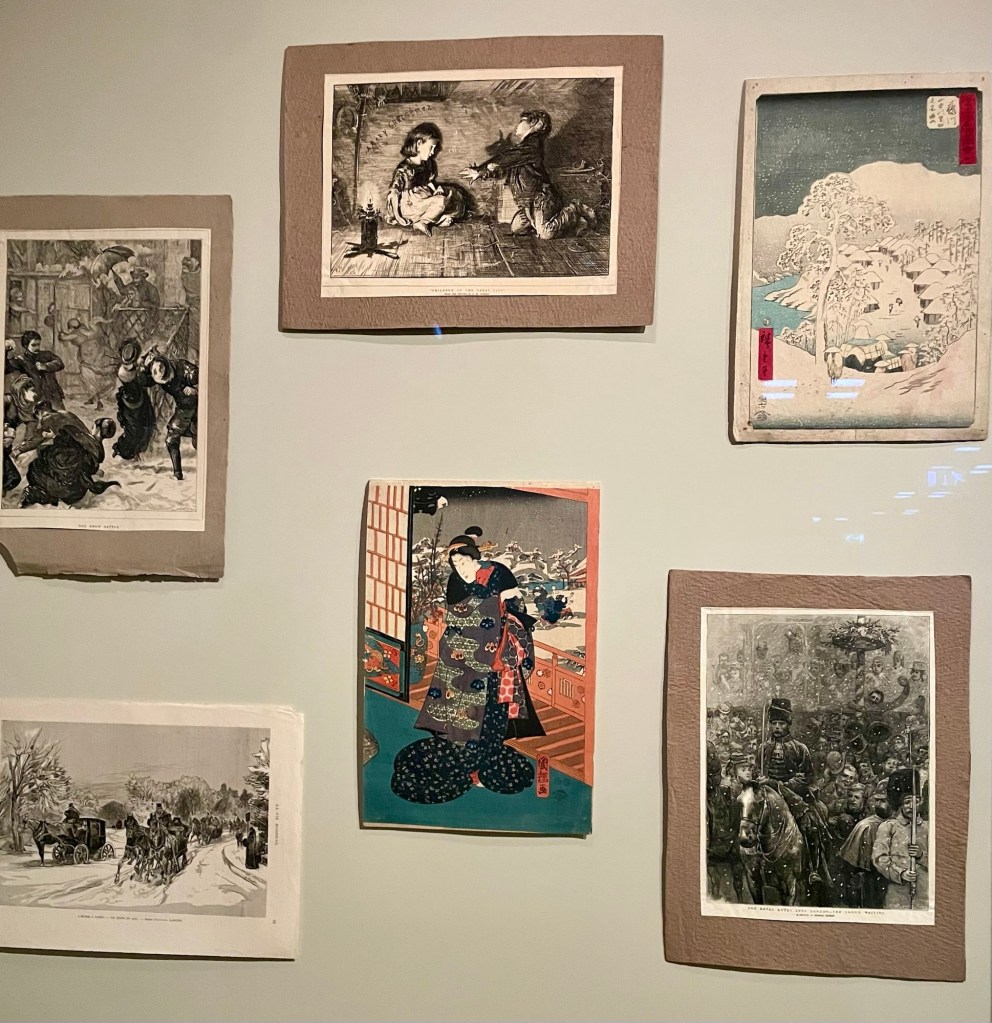
While in Paris, van Gogh began collecting (and occasionally painting) Japanese prints. This painting and a selection of the prints and illustrations he collected are on display at the Van Gogh Museum in Amsterdam.

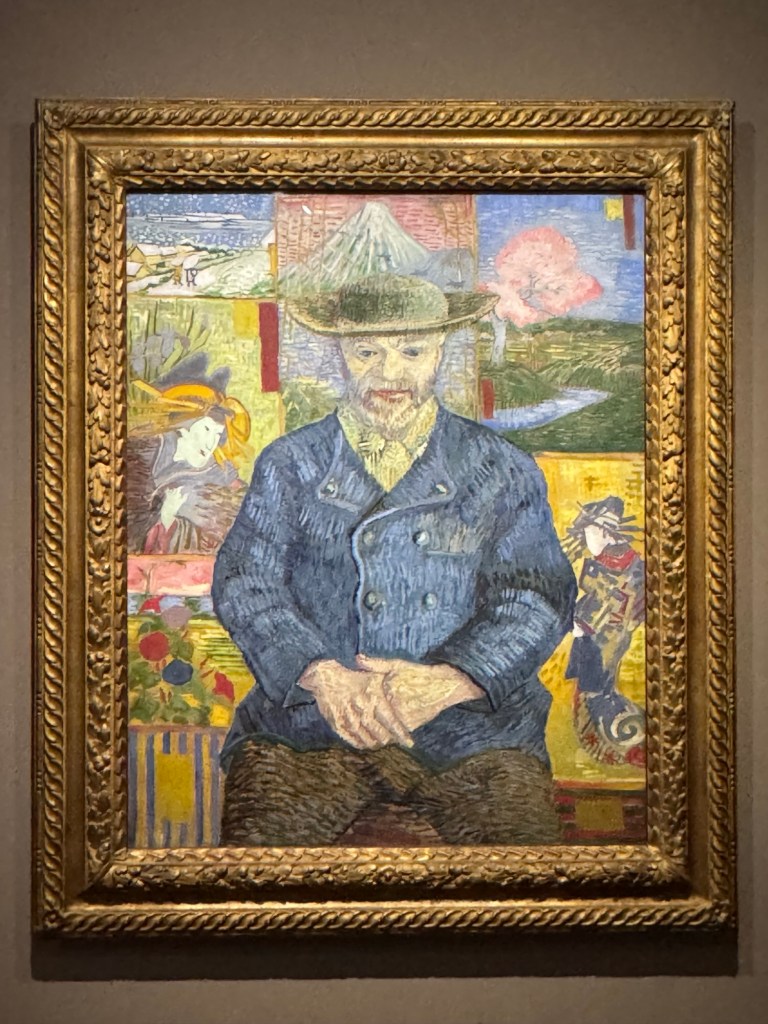
One of my favorite Paris paintings is of Julien-François (Pere) Tanguy, who ran a small paint supply shop that sold Japanese prints and other Impressionist paintings. He was one of the first to offer van Gogh’s paintings for sale (although unsuccessfully, since of his almost 900 paintings, van Gogh only sold only a handful during his lifetime!). van Gogh painted this as a gift, and Tanguy owned it until his death when it was sold to Auguste Rodin, who was an admirer of van Gogh’s work. It is still in the collection of the Rodin Museum in Paris, along with 2 other van Gogh paintings also purchased by Rodin.


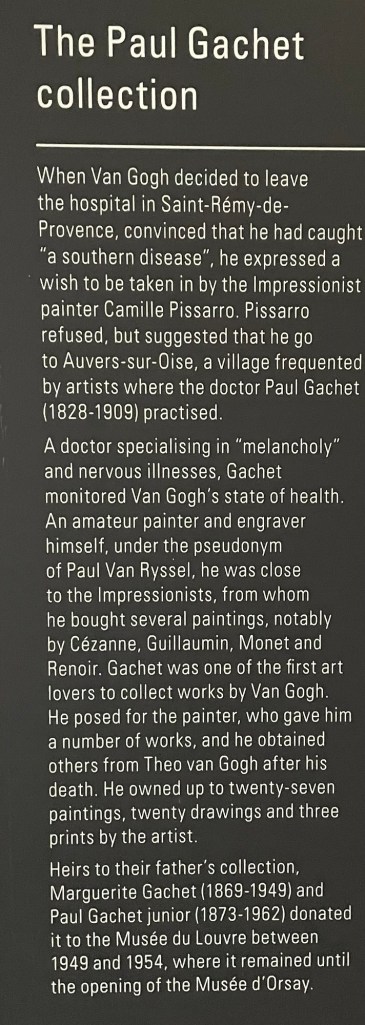
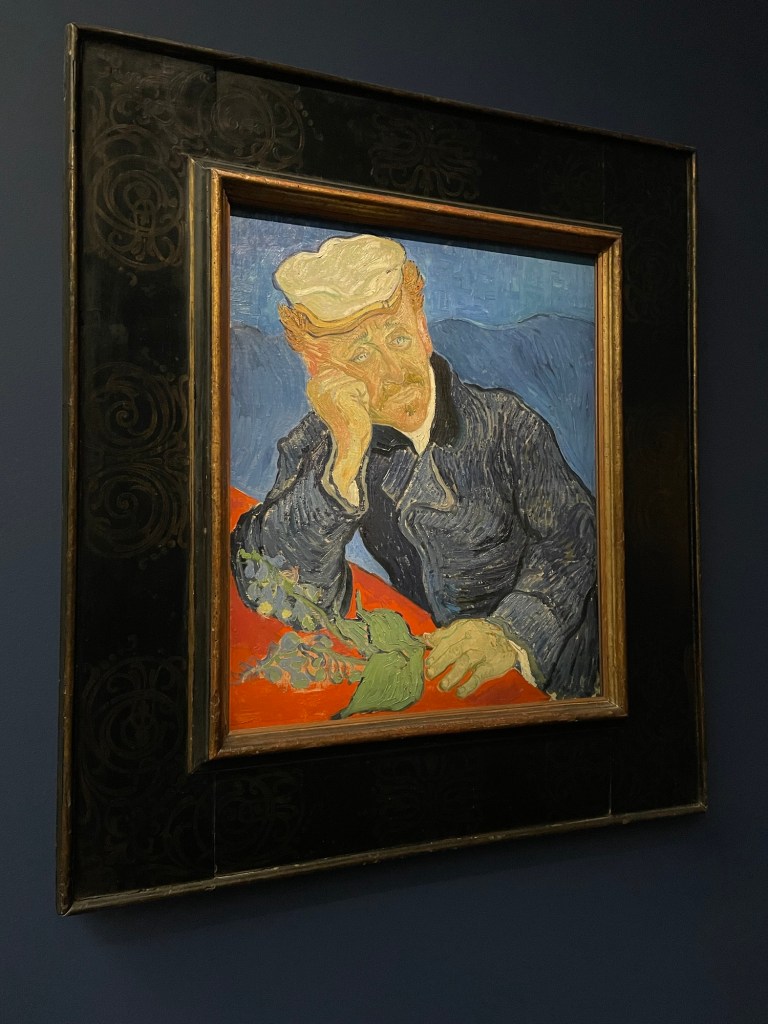
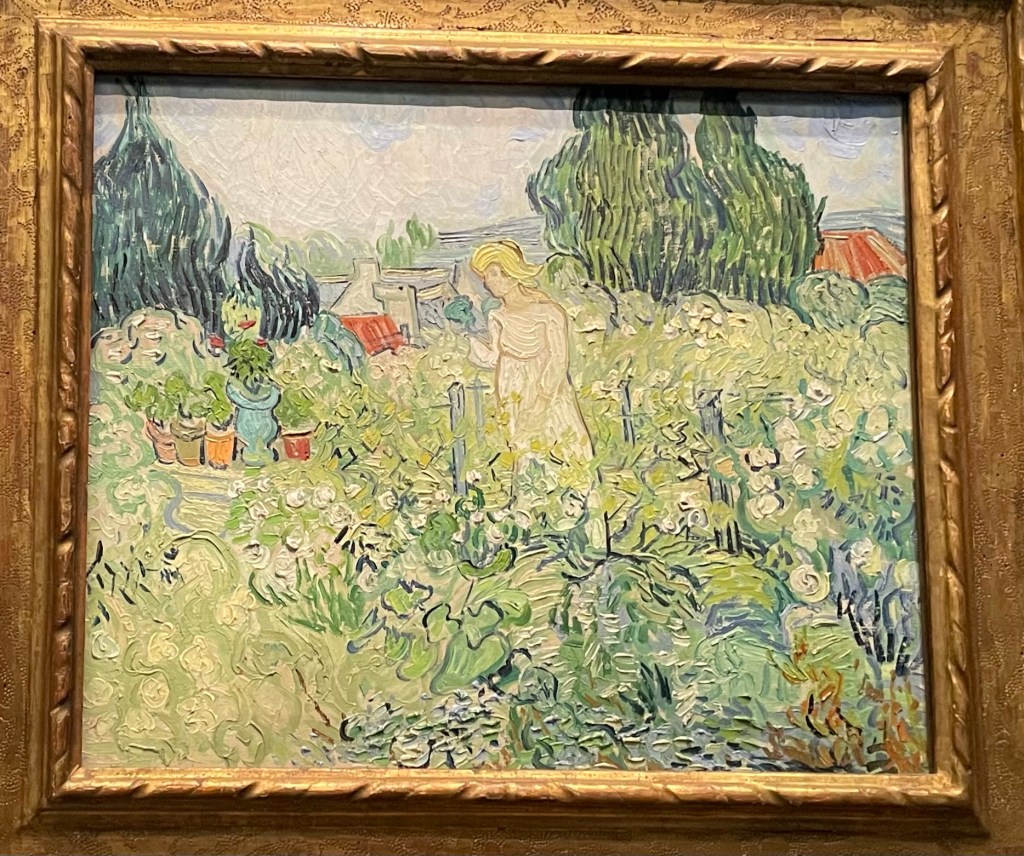
Although van Gogh lived in Paris for only two years, the Orsay Museum contains the third largest collection of van Gogh paintings, thanks to a donation by the heirs of his last doctor, Paul Gachet. Gachet, a painter and collector himself, posed for van Gogh, who gifted him several paintings, and he obtained others from Theo after Vincent’s death. Among other well known works, the museum’s collection includes paintings of Gachet, his wife and their home/garden.
 Secrets of Philadelphia