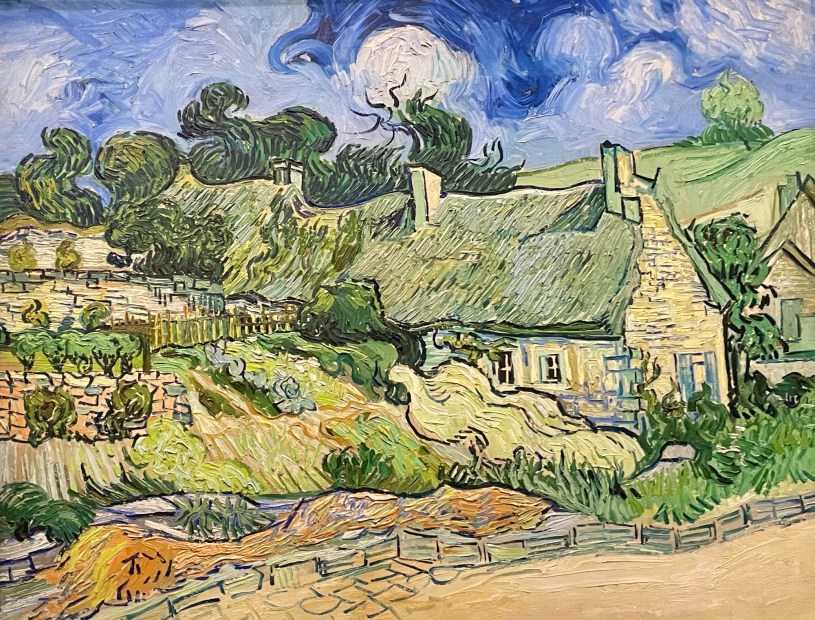
74 paintings in 70 days
In a ten year career that resulted in almost 900 paintings and over 1,000 works on paper, Vincent van Gogh, in the final two months of his life, created a painting a day of the people and places of Auvers-sur-Oise where he lived from 20 May 1890 until his death on 27 July.

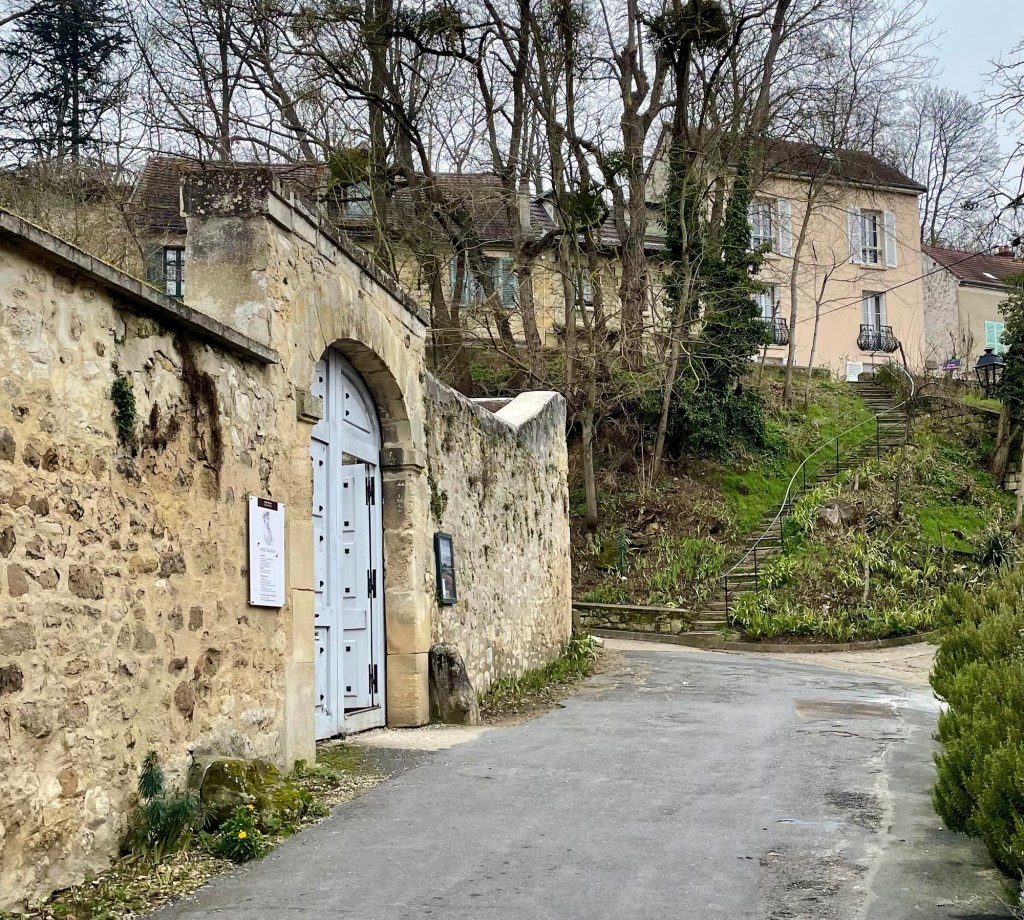
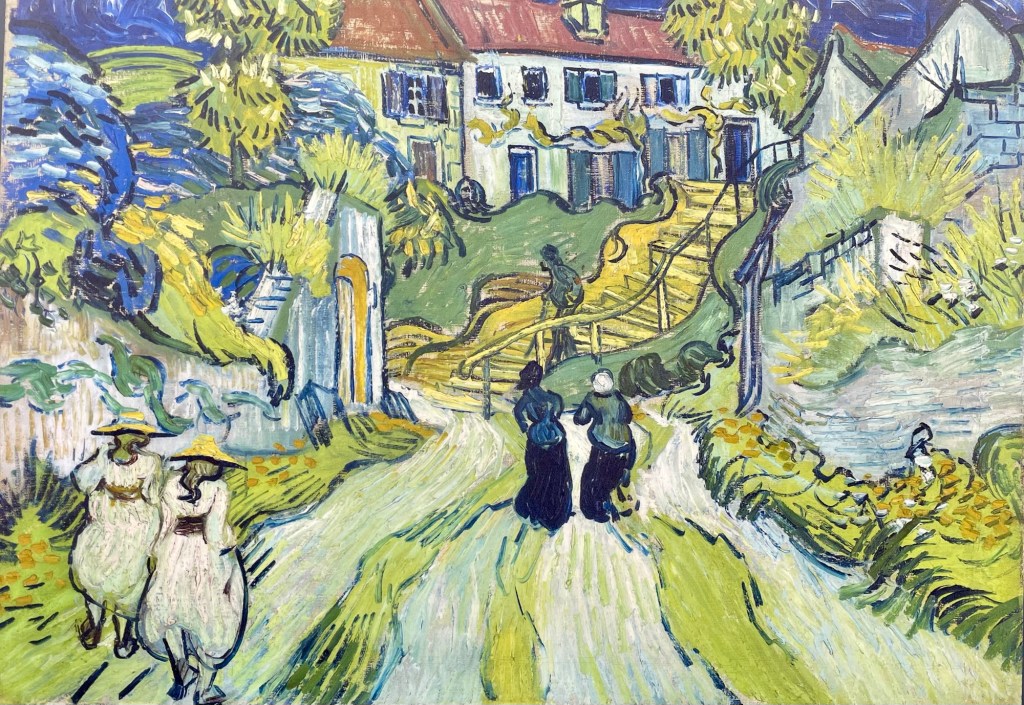
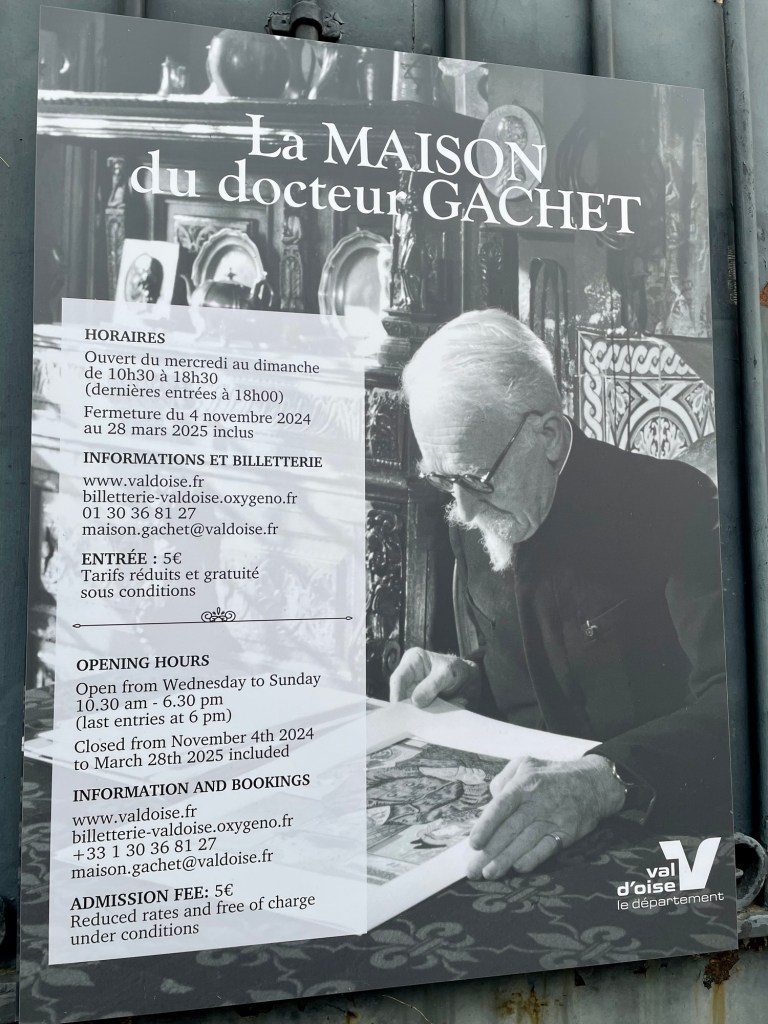
Van Gogh left the South of France and moved north to Auvers to be closer to his brother Theo and to seek treatment from Dr Paul Gachet on the recommendation of Camile Pissarro, who along with other painters such as Manet, Renior and Cezanne, received treatment from the artist/doctor. He and van Gogh became friends, and in the two months van Gogh lived in the village he would often dine with the doctor and his family and used the family and their home as models. He gifted the doctor several of these paintings, which form the core of the Orsay Museum’s van Gogh collection (On the van Gogh Trail… Paris). Gachet’s house is now a museum.
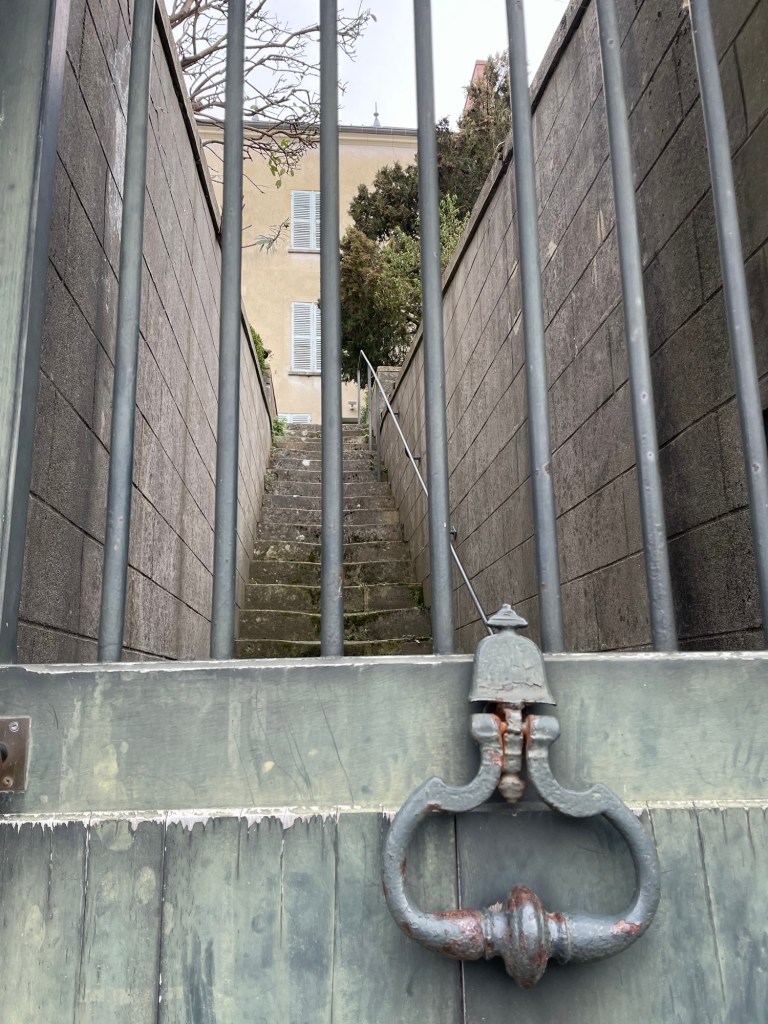
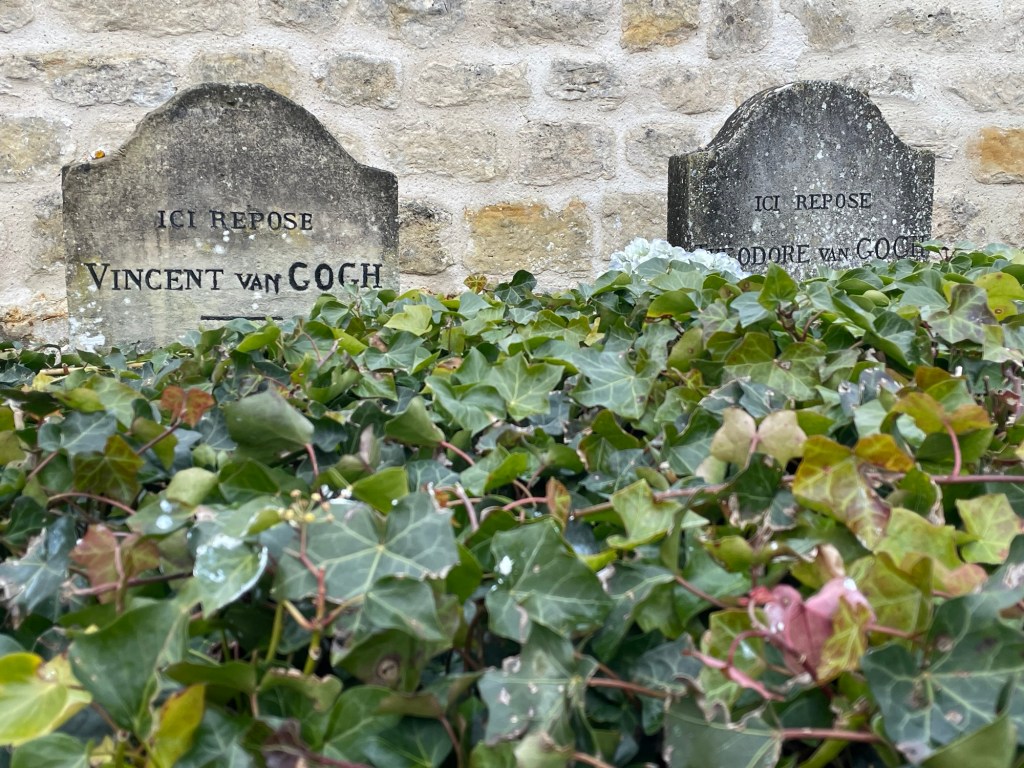
Van Gogh’s extraordinary output is thanks to his younger brother Theo, who provided financial support, and who died only 3 years after Vincent. Since 1914 when Theo’s body was moved here from the Netherlands, the two brothers have been buried side by side in the Auvers cemetery.

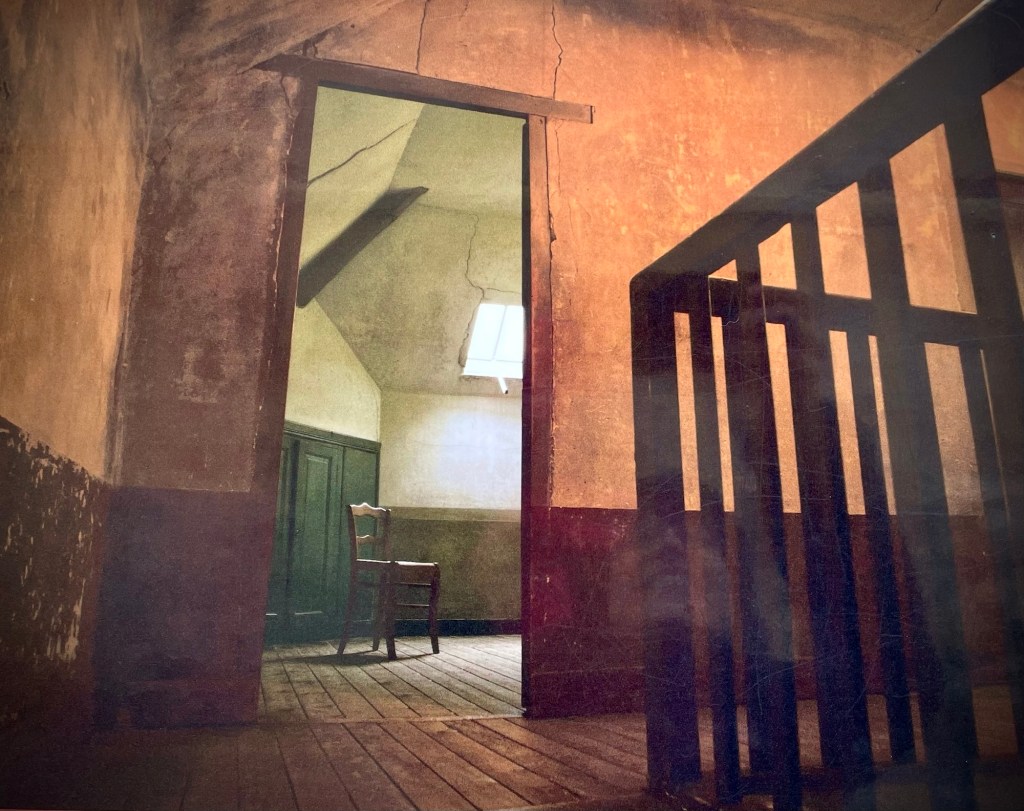
This cemetery is just up the hill from the inn where van Gogh stayed, and where he died after his mysterious gunshot wound. The tiny window on the roof looks down on the small attic room rented by van Gogh.

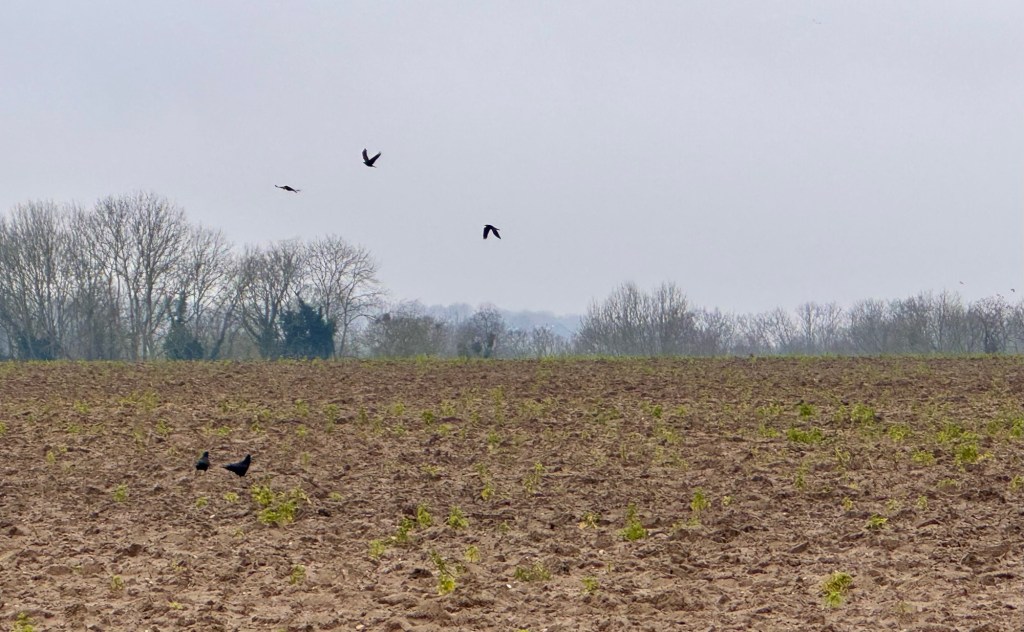
Surrounding the village are the fields van Gogh painted. Although it wasn’t growing season during our visit, we did see crows flying above the fields. Perhaps the great, great, great… grandchildren of those painted by van Gogh in one of his final paintings, “Wheatfield with Crows?”
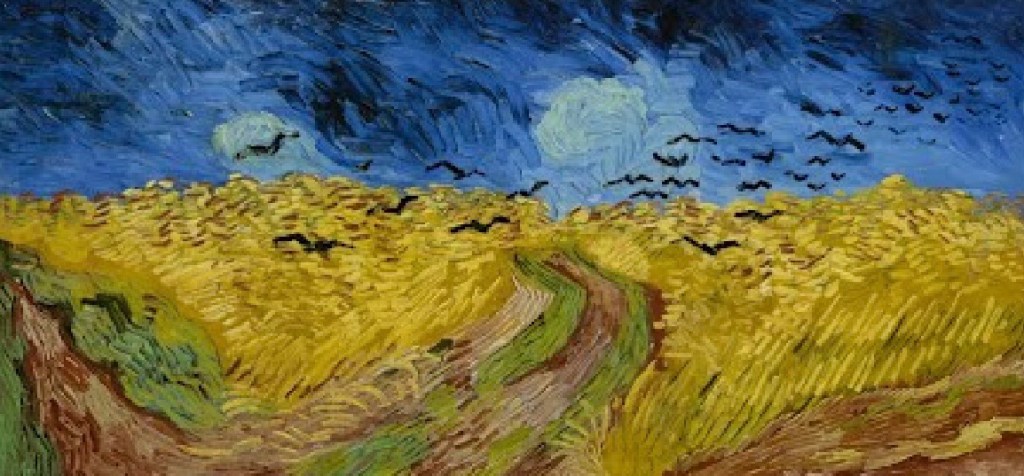
For many years Wheatfield was thought to be van Gogh’s last painting, however in 2012 researchers discovered an 1893 article by Theo’s brother-in-law stating “the morning before his (van Gogh’s) death he had painted an underwood, full of sun and life,” indicating that “Tree Roots” was in fact his final painting.
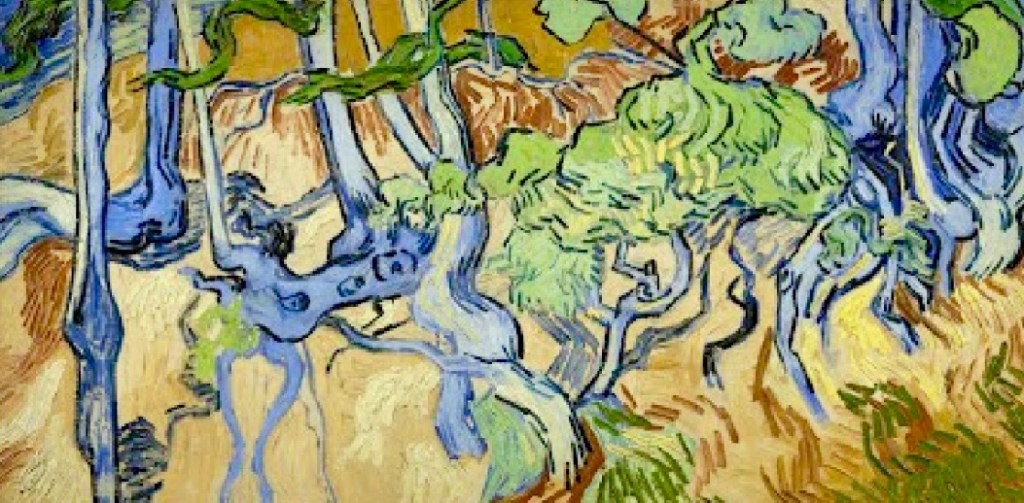
The exact spot where this was painted just a few hours before he shot himself was located in a 2020 Covid-era discovery. During lockdown, a local van Gogh scholar found a postcard from Auvers dating from 1900-1910 showing a scene including tree trunks and roots growing on a hillside that bore a striking resemblance to the painting.
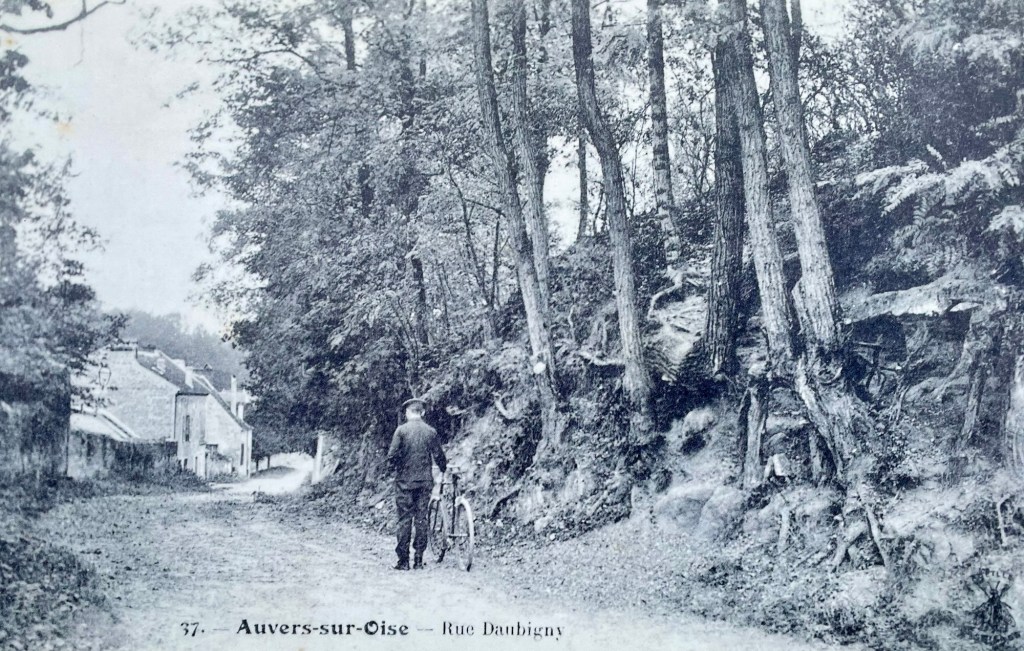
The area has since been fenced in, and signage details the discovery.

A 6 mile hike takes you from Pisarro’s home in Pointoisse, along the river, and through the fields to van Gogh’s tomb outside of Auvers passing through the small hamlets and scenes immortalized by the Impressionists. The region has been a national park since 1995, preserving the landscape and the built heritage that once fascinated them. Signage illustrates the impact the region had on the painters, often showing paintings side by side with their inspiration.
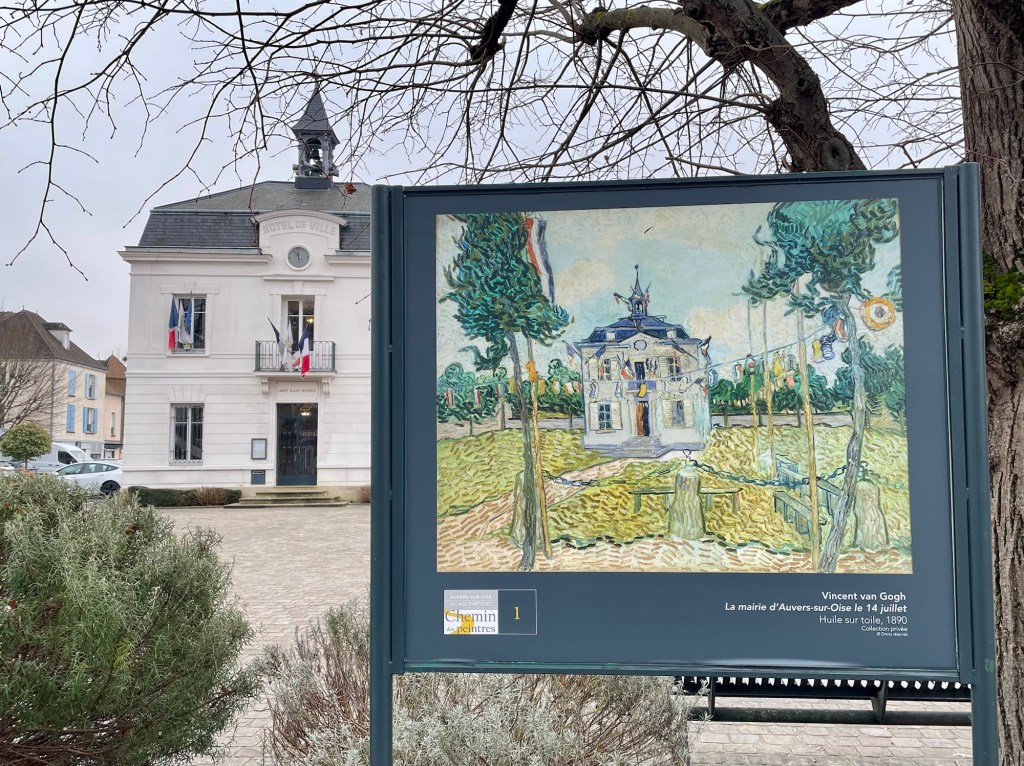
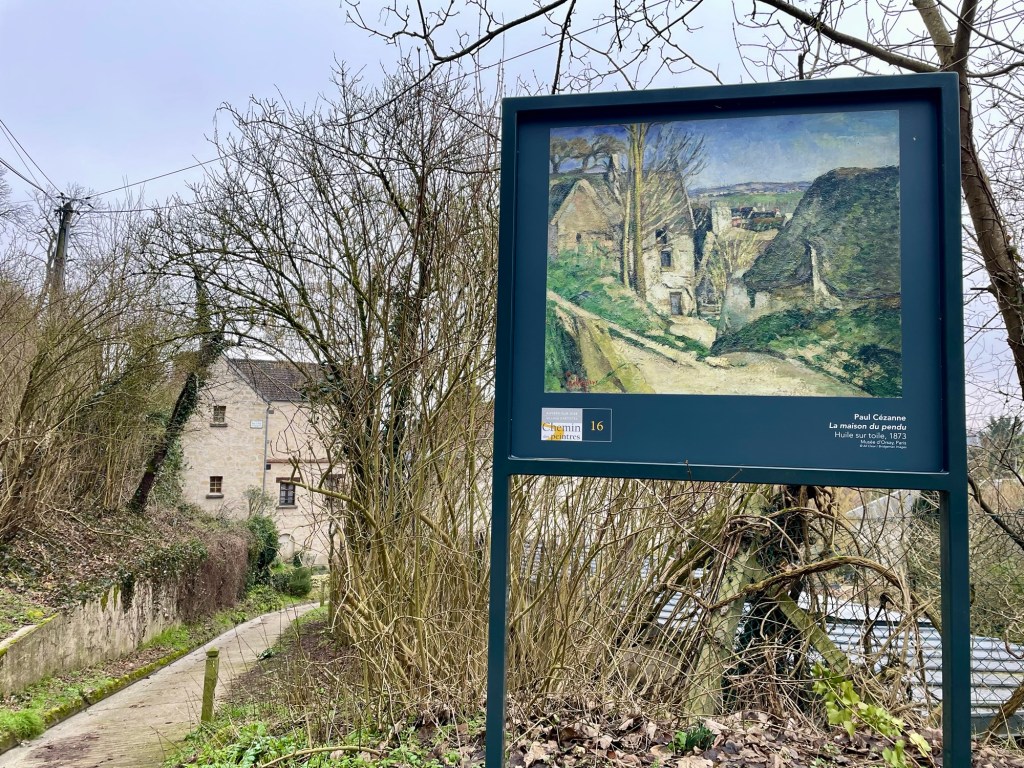
It’s doable solo, but we hiked it with Victor of https://www.gohikingparis.com (Amazing! Highly recommend!!).
 Secrets of Philadelphia