
Marie Curie was the…
*First woman to win a Nobel prize (for research on radioactivity)
*First person to win a Nobel prize twice (above + the discovery of radium and polonium and the isolation of pure radium)
*First person to win a Nobel Prize in two scientific fields (Physics snd Chemistry)
*First female professor at the Sorbonne
*Developed mobile radiography units and directed the Red Cross Radiology Service, providing x-rays for ~1 million soldiers during WWI
*Director of the Curie Laboratory of the Radium Institute researching the medical uses of radiation
*Mother of Irene Joliot-Curie, winner of a Nobel Prize in Chemistry
All of this despite being born in 19th century Russian-occupied Poland where it was virtually impossible for women to get a scientific education. Marie and her sister took classes from Warsaw’s underground “flying university,” before banning together to support each other’s continuing education. Marie stayed in Poland working to support Bronislawa as she obtained her medical degree in Paris, then followed to pursue her own education.
Once Marie arrived in Paris she still struggled for acceptance in the scientific community despite obtaining two degrees from the Sorbonne; graduating first in her class in physics and second in mathematics. Her first laboratory (sadly destroyed) was a leaky shed with no ventilation that her husband procured from his employer, and it was here the couple did the work on radioactivity (a term coined by Marie) that led to their Nobel Prize (it was also here that baby Irene scooted around while her mother and father worked.
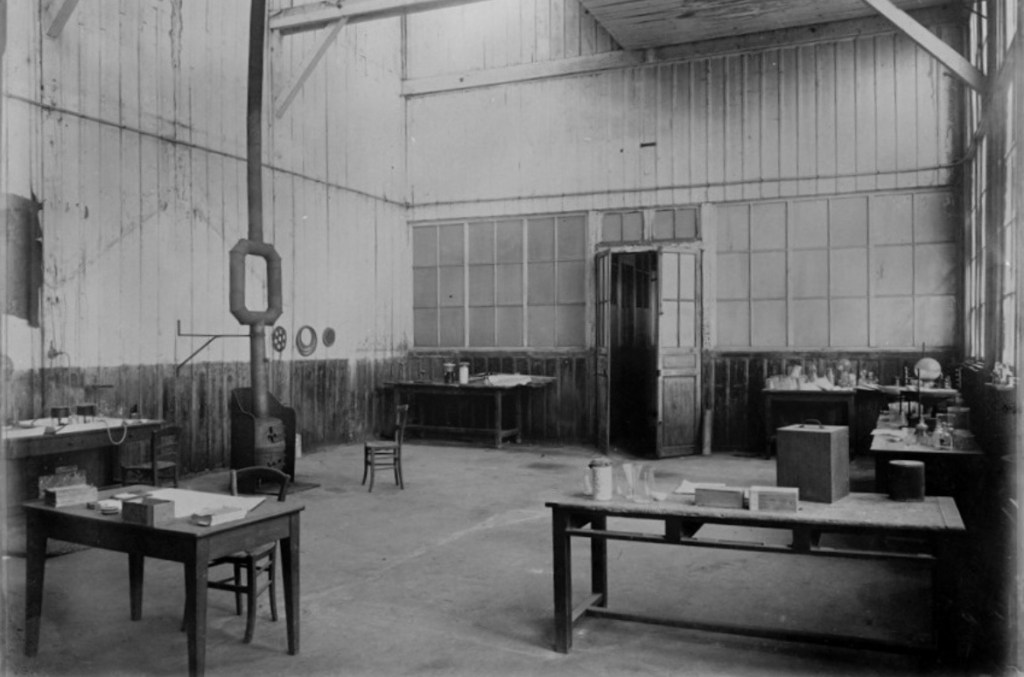
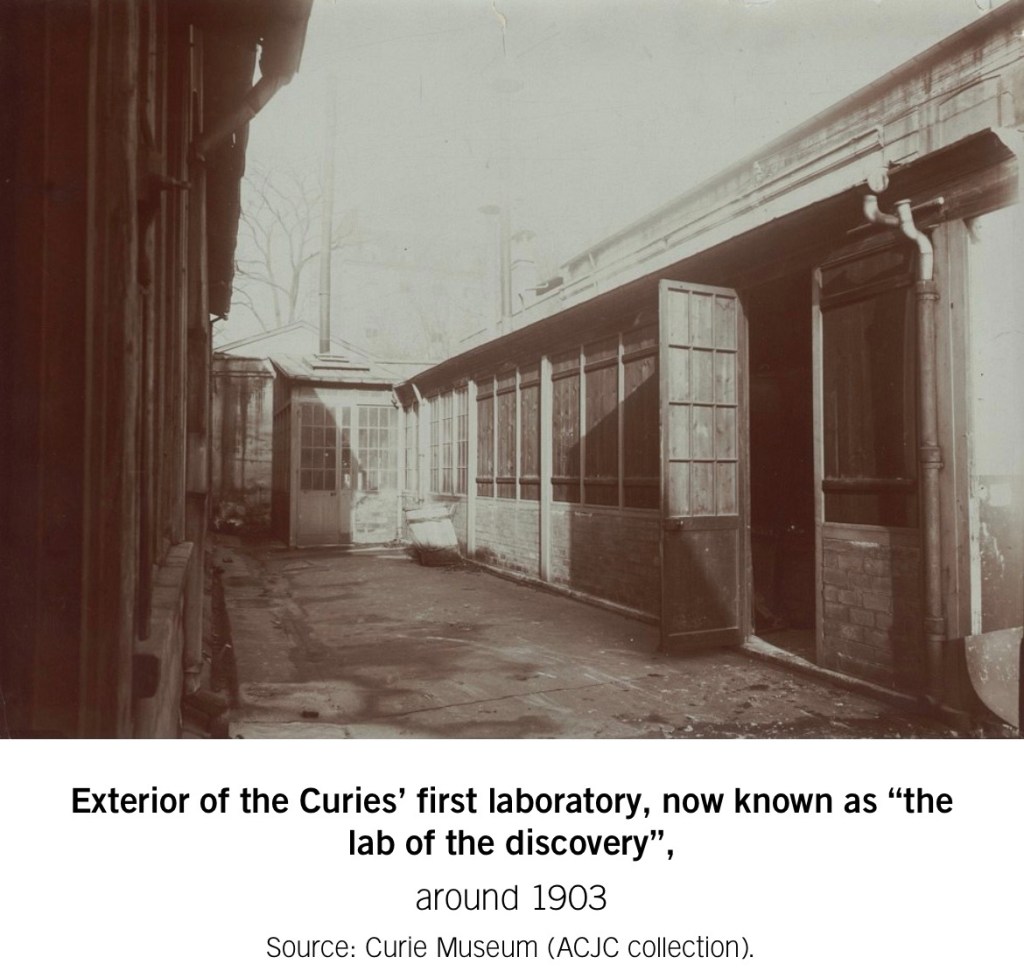
Despite her achievements, Marie was never accepted into the French Academy of Sciences, although the University of Paris finally agreed to build her a proper laboratory, the Curie Pavilion (part of the Radium Institute) where she could continue her research. Marie died of aplastic anemia in 1934, most likely a consequence of her years of unprotected exposure to radioactive materials.

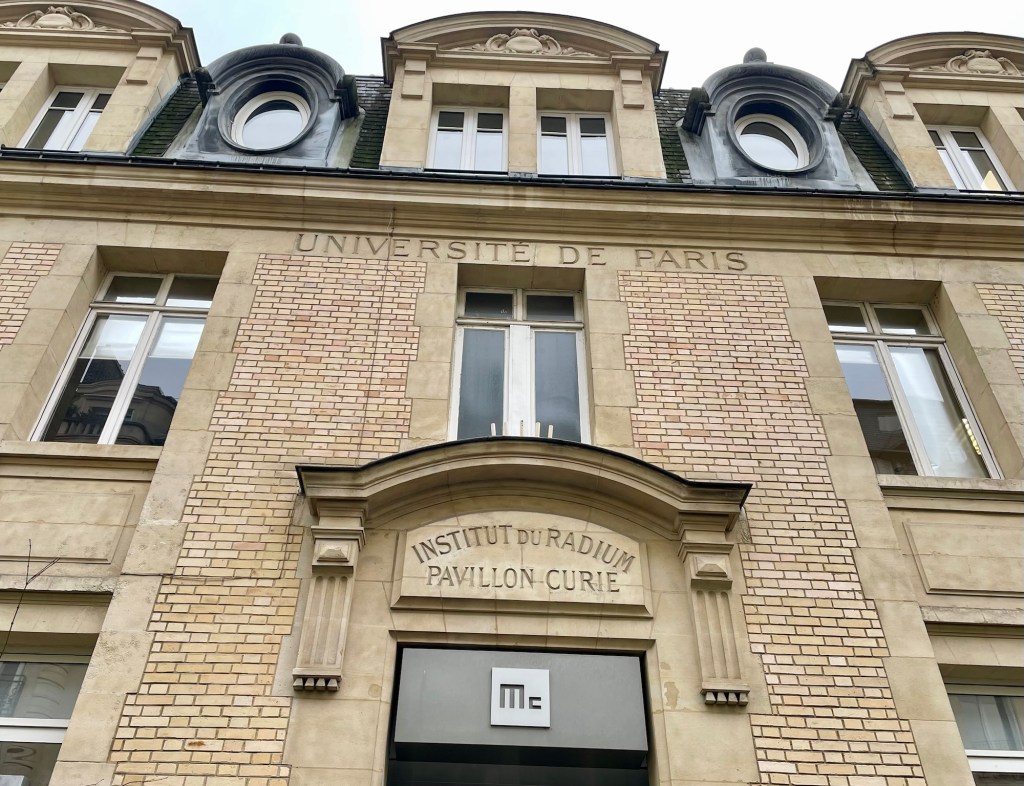
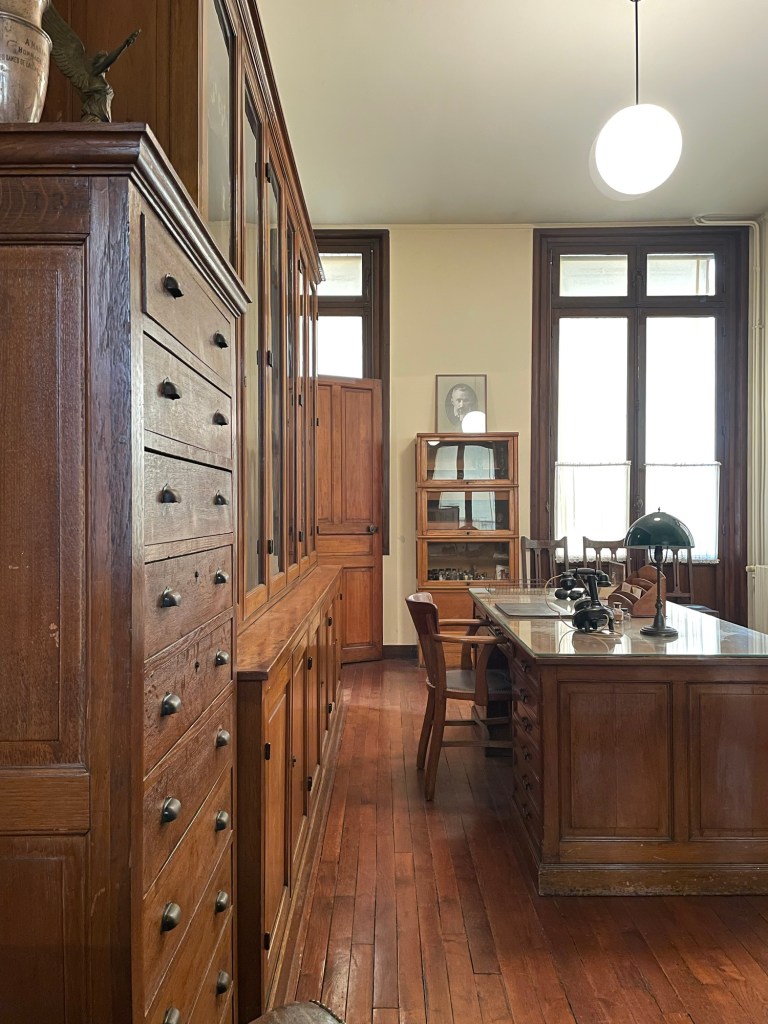
Today you can visit Marie’s office at the Curie Pavillon (now the Curie Museum):

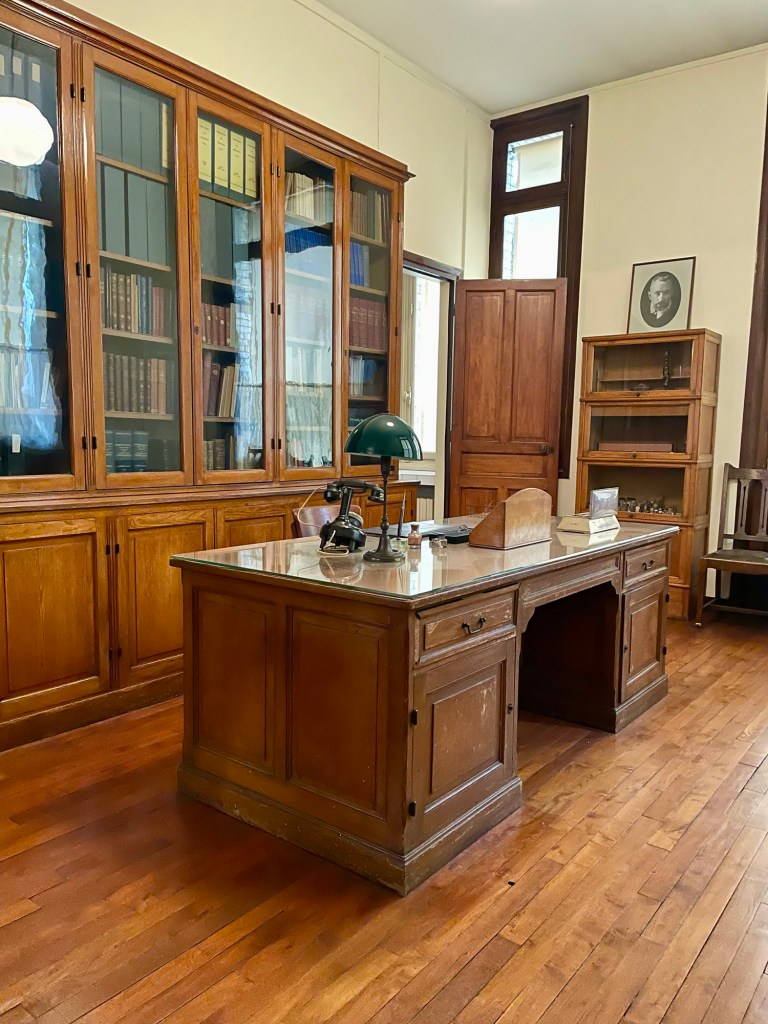
as well as the chemical laboratory that she and Irene used. The laboratory was reconstructed in 1981, although it first had to be decontaminated for radiation.


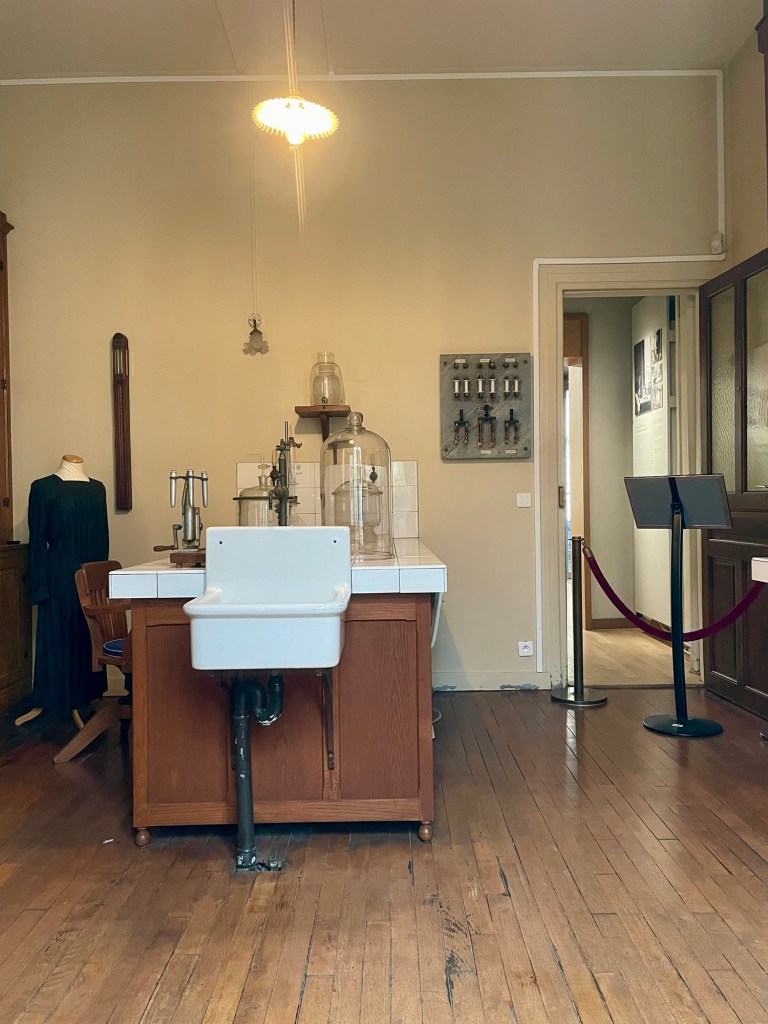
In addition to the office and laboratory, the Curie Museum has exhibits on Marie, Irene, and the many important discoveries that were made here (free!).


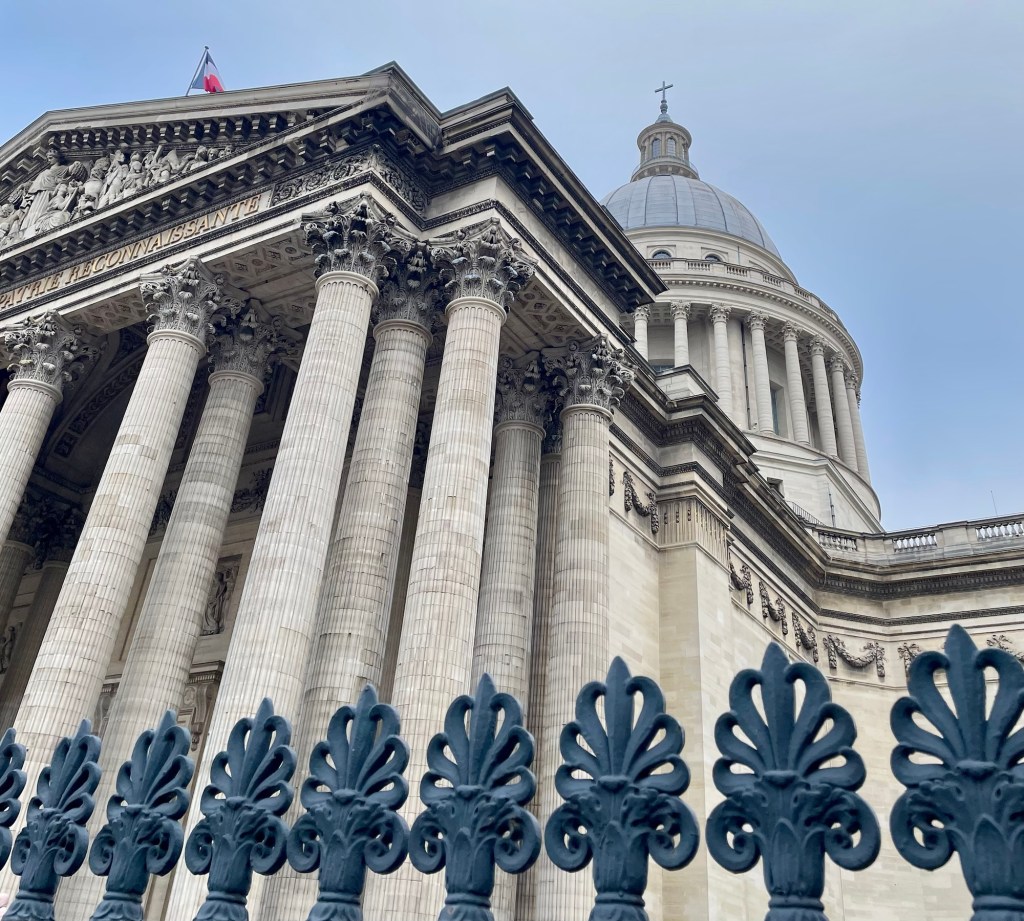
The radioactive contamination was not limited to Marie’s office. Her books and papers are still stored in lead-lined boxes and researchers must wear protective clothing to study them. Even her body was buried in a lead-lined tomb, and today can be viewed at the Pantheon, where she and Pierre were moved in 1995- the first women to be entombed here on her own merits, finally getting the recognition she earned.

 Secrets of Philadelphia