
London in 1851 was a city of over 2.3 million, whose visitors and residents traversed the city on foot or by horse-drawn carriage, a journey that could take over an hour and a half. To reduce congestion Parliament approved an underground railroad to cross the city. Construction began in 1860, and The Metropolitan Railway opened in 1863 with seven stops between Paddington (called Bishop’s Road) and Farringdon.
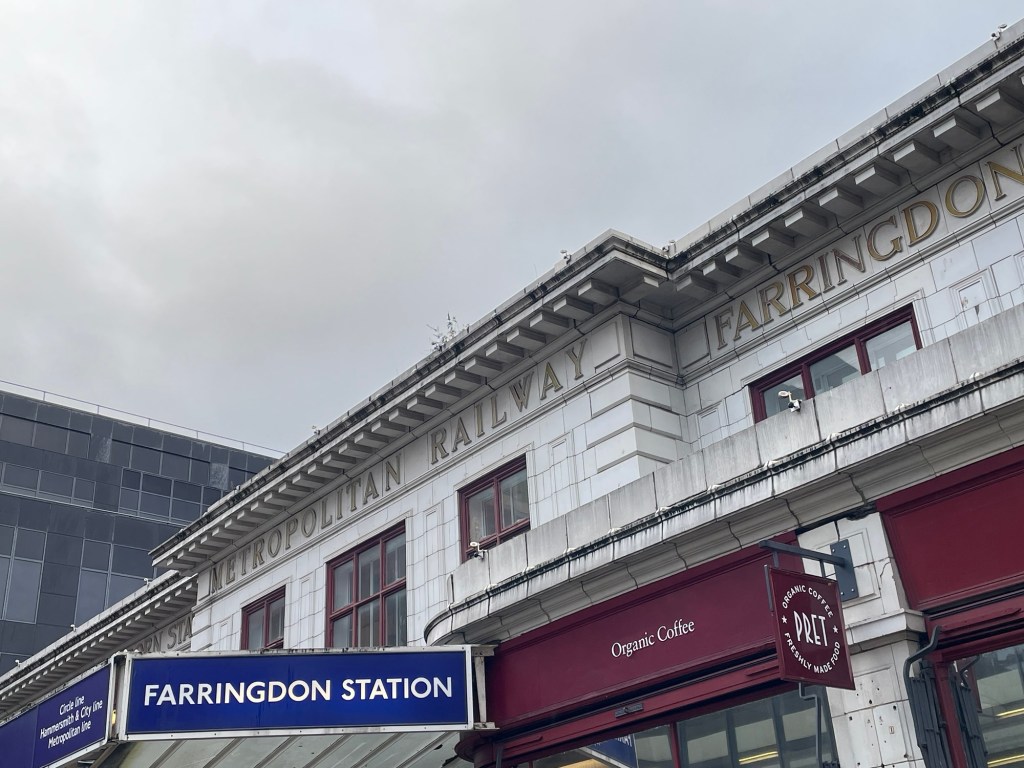
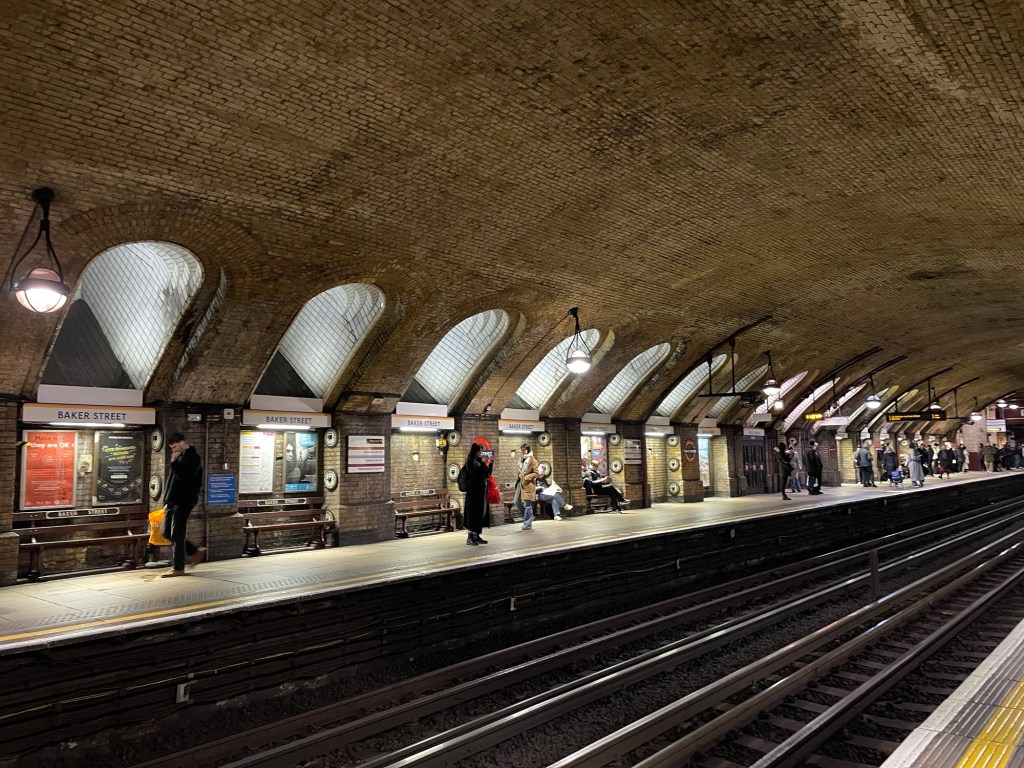
It was an immediate success, with over 40,000 journeys on its first day alone. An original platform still remains at Baker Street, London’s oldest station- now platform 5/6 on the Circle & Hammersmith line.

Today Baker Street station sits below Chiltern Court, which was the largest block of flats in London when it opened in 1929. Residents included HG Wells. You can still view the sign for its original restaurant in the underground ticket lobby. Today, it’s a Wetherspoons.

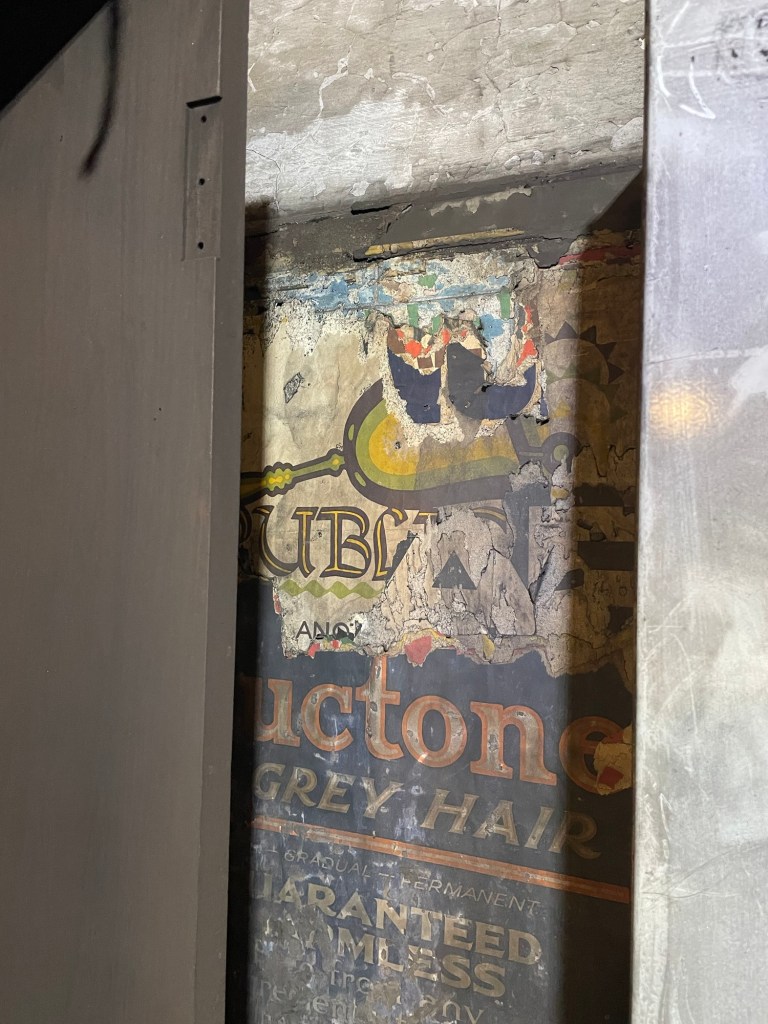
Baker Street was also the location of The Metropolitan Railway’s headquarters, and over the years housed the lost luggage department, a canteen staff training school, a shooting gallery, and a control room for several underground lines. A tour with the London Transport Museum takes visitors behind the scenes to view original walkways, abandoned elevator shafts, and even layers of old advertising flyers.




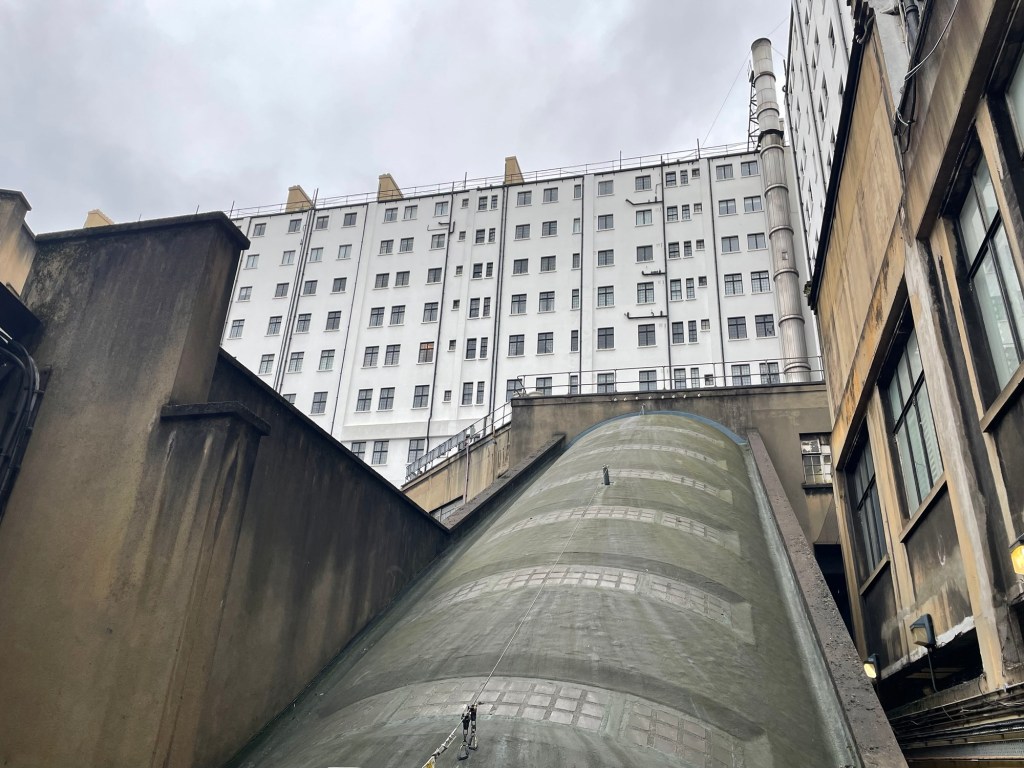
A rival company opened The Metropolitan District line in 1868 running between Westminster and South Kensington. Both lines were constructed using the cut and cover method, so these early underground lines are very close to the surface. Because the original trains were steam powered, they required lots of ventilation and many areas were left uncovered.
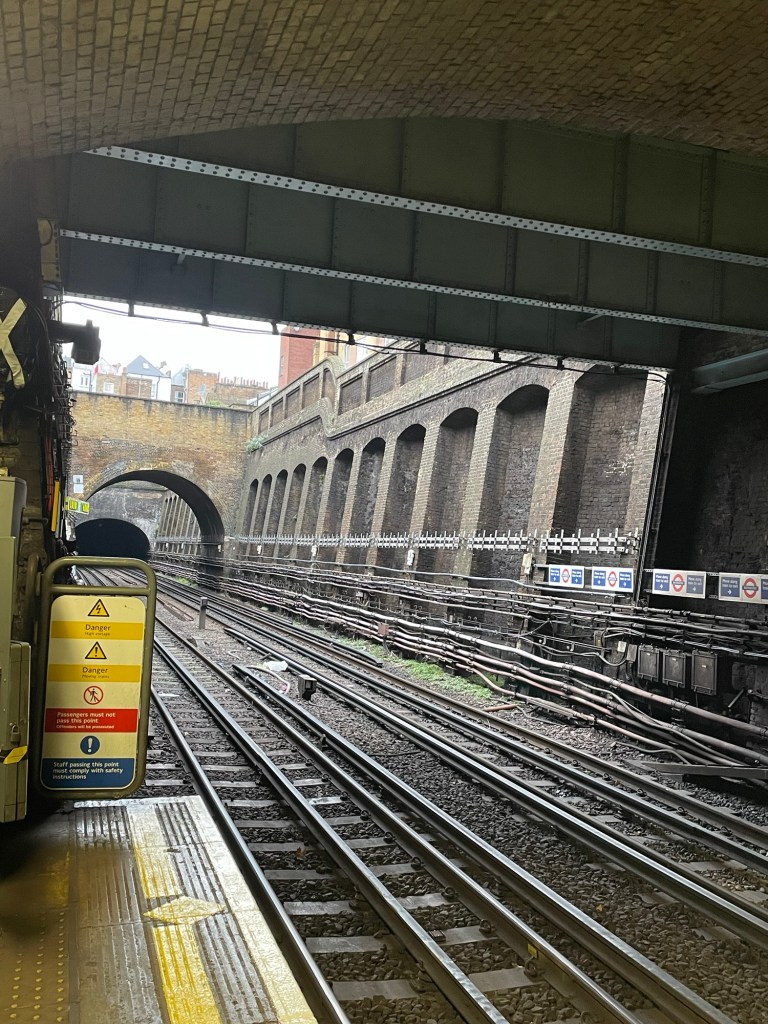
Although the tracks primarily ran under existing roadways, there was some building demolition. While most of Leinster Gardens was left intact, 23 and 24 were demolished. Looking closely, you can see the blank windows of the façades that were constructed to replicate them, disguising the open track behind.


By 1903 the underground was rapidly expanding and architect Leslie Green was hired to design the new stations. He worked on almost 50, many of which still stand today. Green’s work can be easily identified by the distinctive ox-blood glazed tiling.

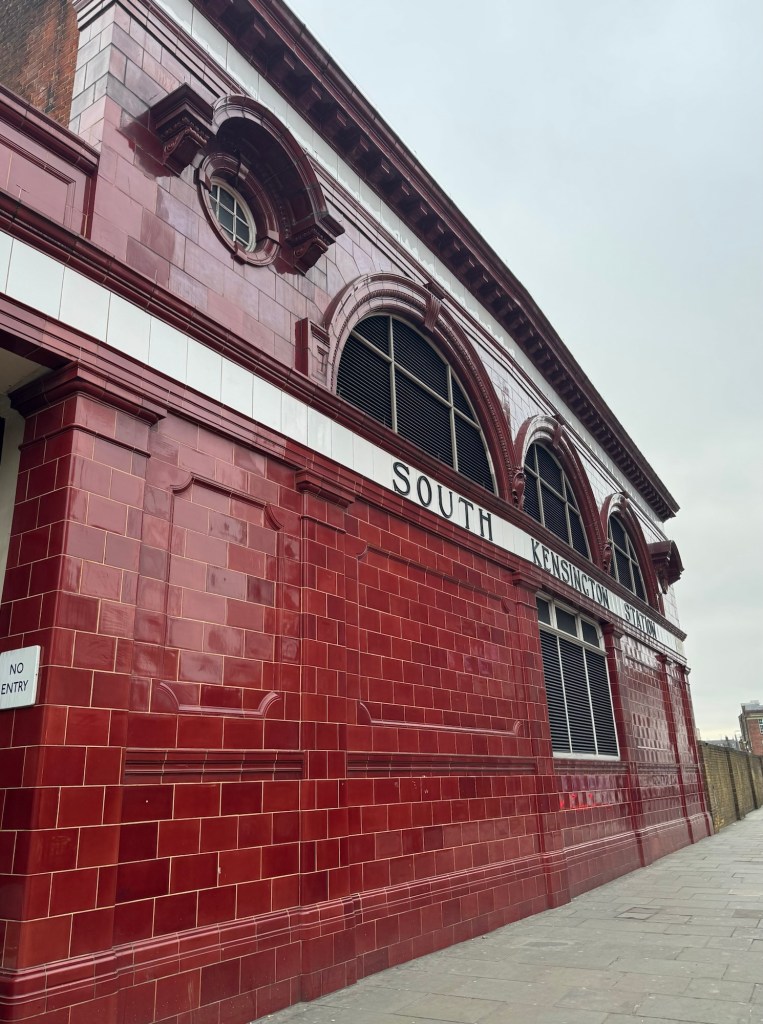
Adjacent to the Green designed South Kensington station is this amazing 1907 arcade entrance/ticket hall.

Today London’s underground has grown to 11 lines, 272 stations, and transports up to five million passengers a day. To learn more of its history visit the London Transport Museum (London: Art or Advert?) or take one of their behind the scenes tours: https://www.ltmuseum.co.uk/hidden-london/locations
 Secrets of Philadelphia