
Hawaiian plants generally fall into three categories: those that arrived naturally, those brought by Polynesians around 1500 years ago (called canoe plants), and those that arrived after western contact in 1778. Taro, sugar cane, coconut and bananas were all canoe plants that arrived with the Polynesians.

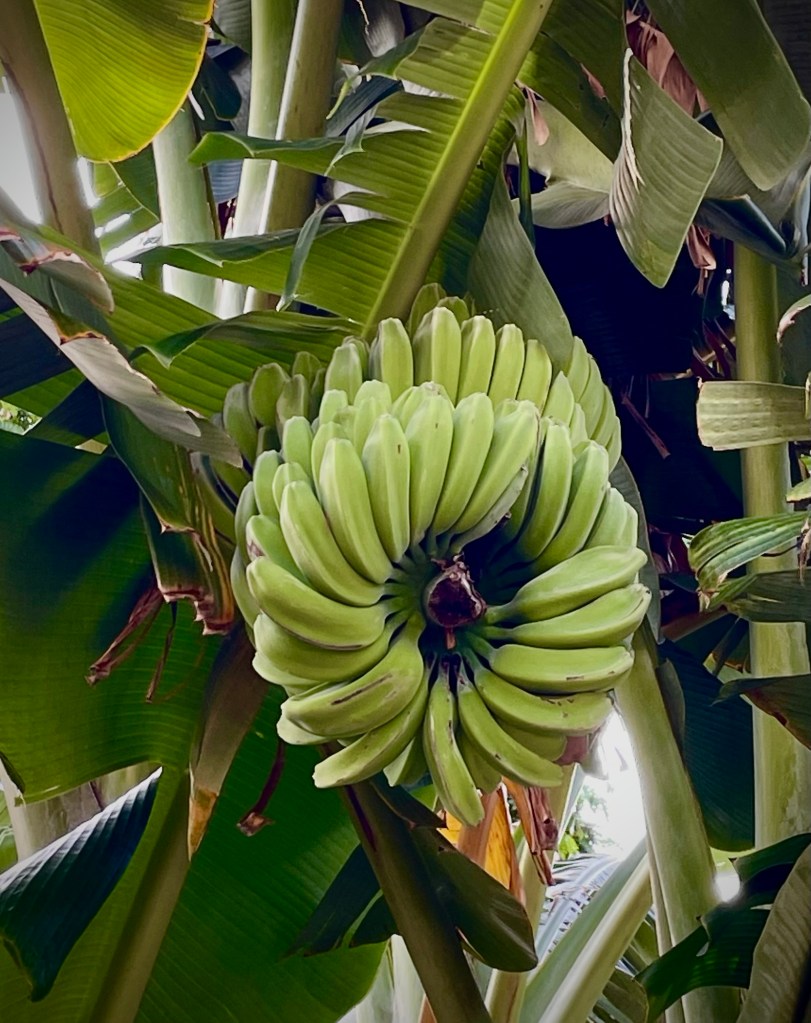
Today there are well over 100 varieties of bananas growing on the islands. Many can be found growing wild, and unlike the mainland where nearly all of the bananas eaten are a single variety, several types are available commercially.
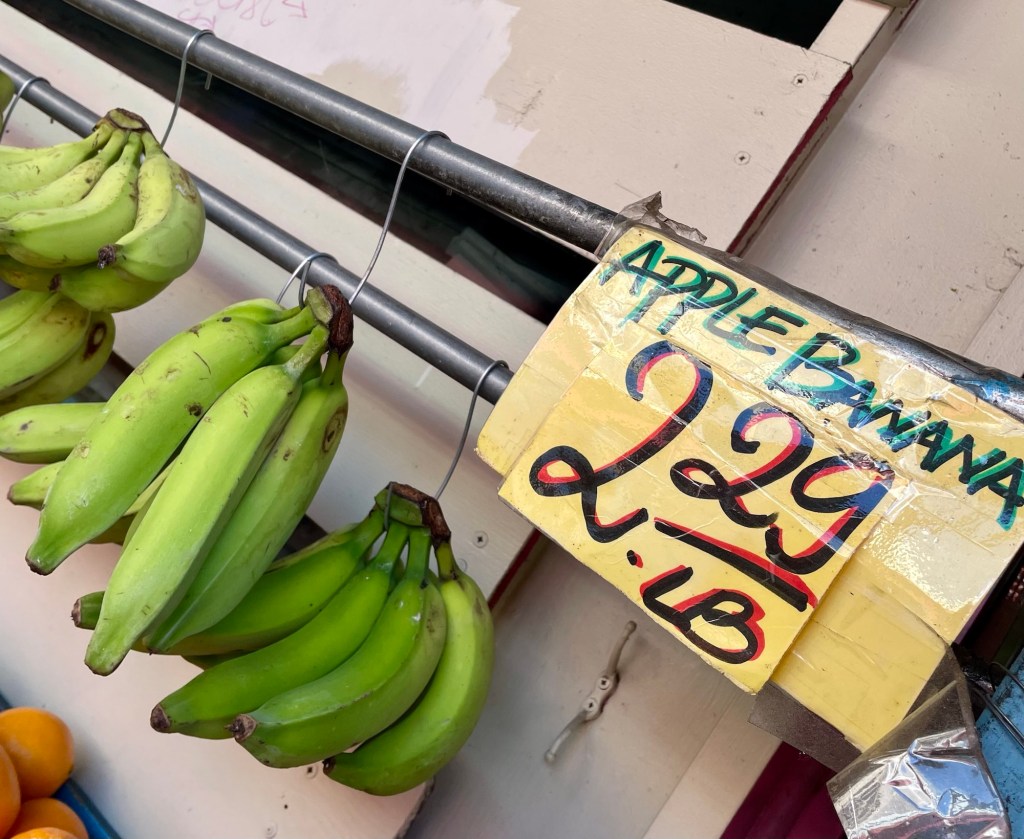
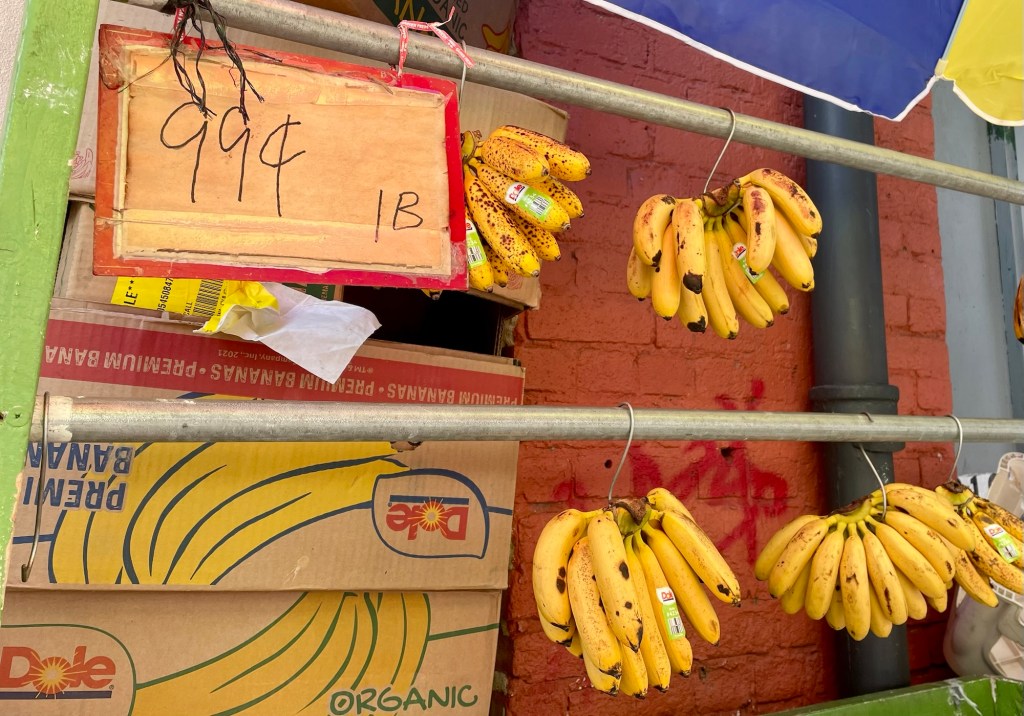

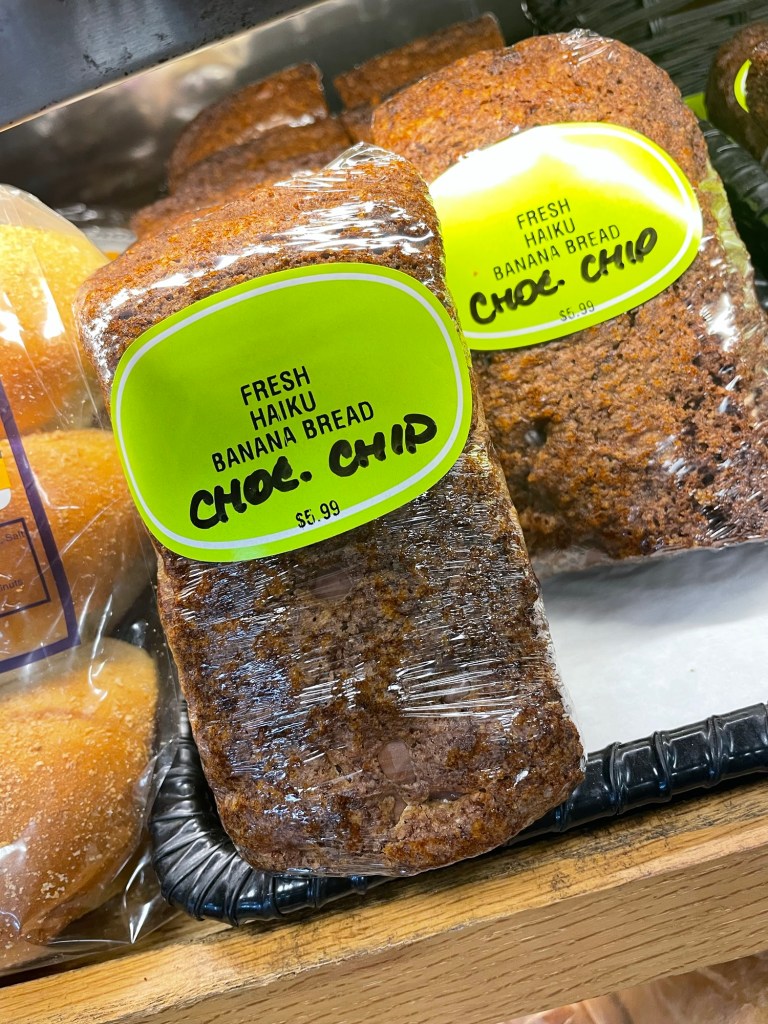
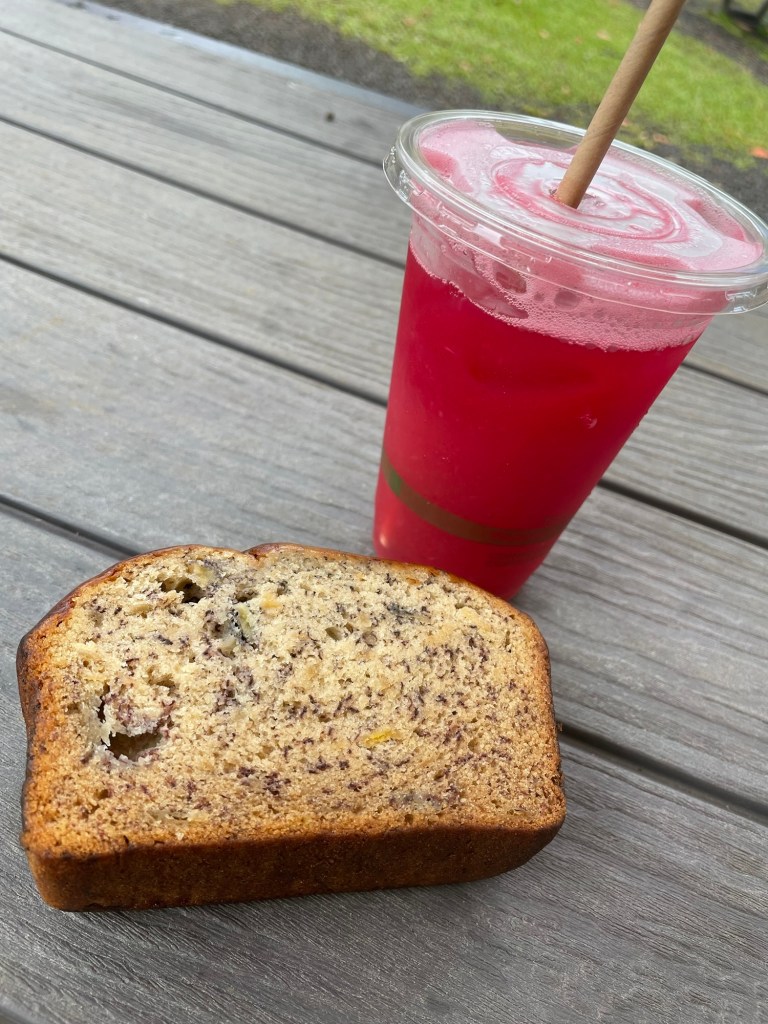
It is because of this abundance and variety that makes banana bread so prevalent here. Everywhere you go (especially on Maui) banana bread is on the menu- in the grocery store, falafel food trucks, fruit stands, and of course almost every bakery. In addition to chocolate chip, many places take advantage of other Hawaiian crops and include coconut and macadamia nut. Because it doesn’t require refrigeration and it doesn’t easily squish, it makes the perfect Hawaiian picnic food!


Note: Unlike many of the wild varieties, the Cavendish bananas consumed on the mainland are almost all exact clones. They have to be vegetatively propagated, since their seeds are not viable and are unable to reproduce sexually. This makes them extremely vulnerable to disease, a fate that befell their predecessor, the Gros Michel banana, which was the most common commercial banana up until the 1950’s when the world-wide population was decimated by a fungal disease.
 Secrets of Philadelphia