“You can barbecue it, boil it, broil it, bake it, saute it. There, uh, shrimp kabobs, shrimp creole… shrimp gumbo, panfried, deep fried, stir fried. There’s pineapple shrimp, lemon shrimp, coconut shrimp, pepper shrimp… shrimp soup, shrimp stew, shrimp salad, shrimp and potatoes, shrimp burger, shrimp sandwich.” – Bubba
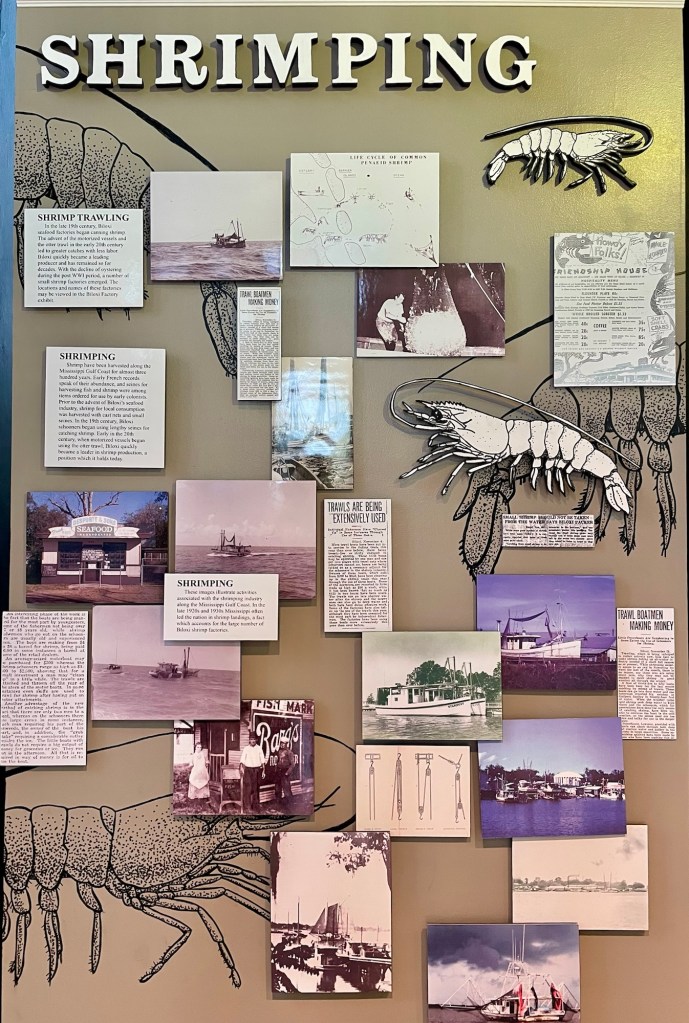
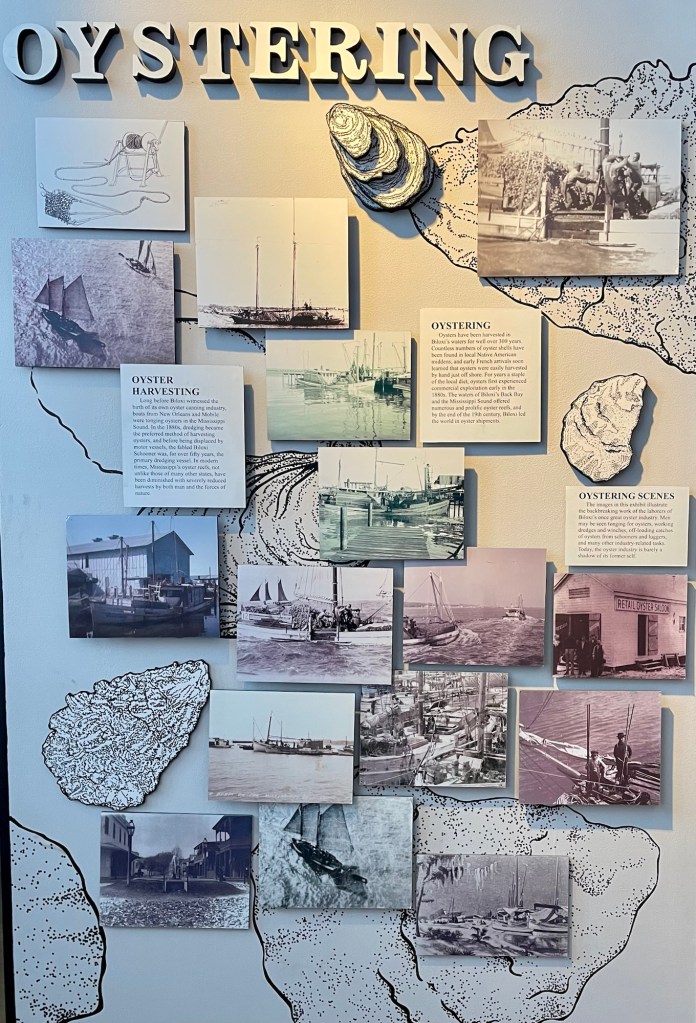
Although Forrest Gump’s Bubba was from Alabama’s Gulf Coast, his description is equally applicable to the Mississippi stretch of the Gulf Coast that was once the Seafood Capital of the World. In 1902 Biloxi had 12 canneries processing over 5,988,788 pounds of oysters and 4,424,000 pounds of shrimp.
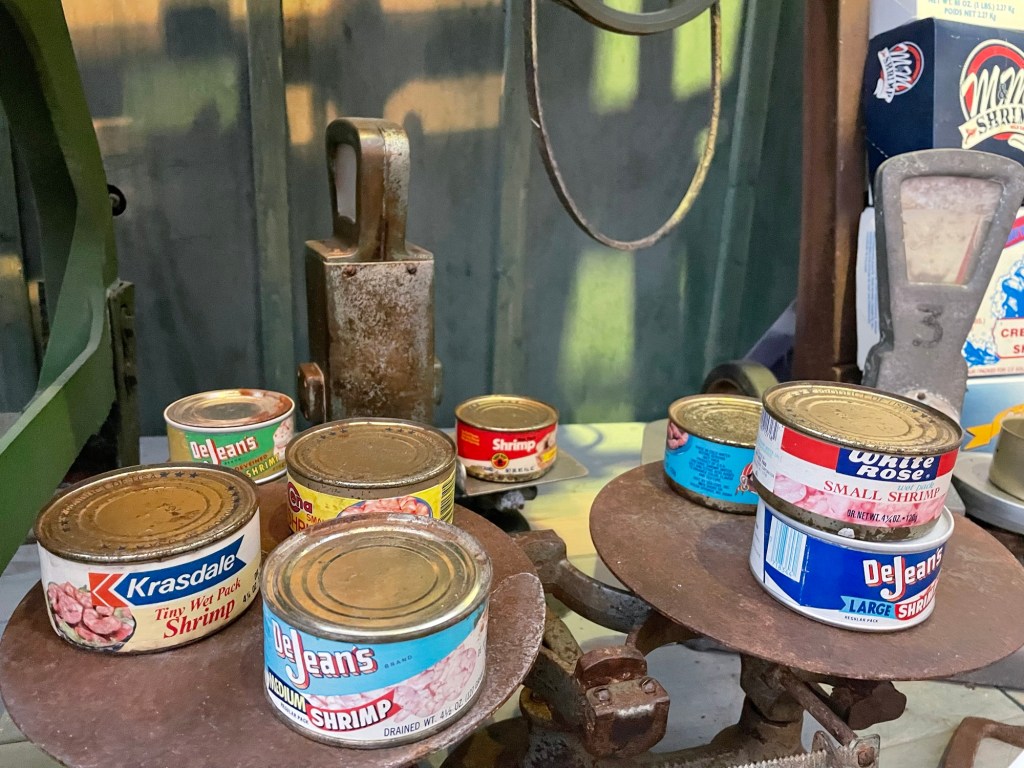
By the 1920s, the number had increased to over 40 canneries. Although it no longer holds the title, seafood is still a key industry.

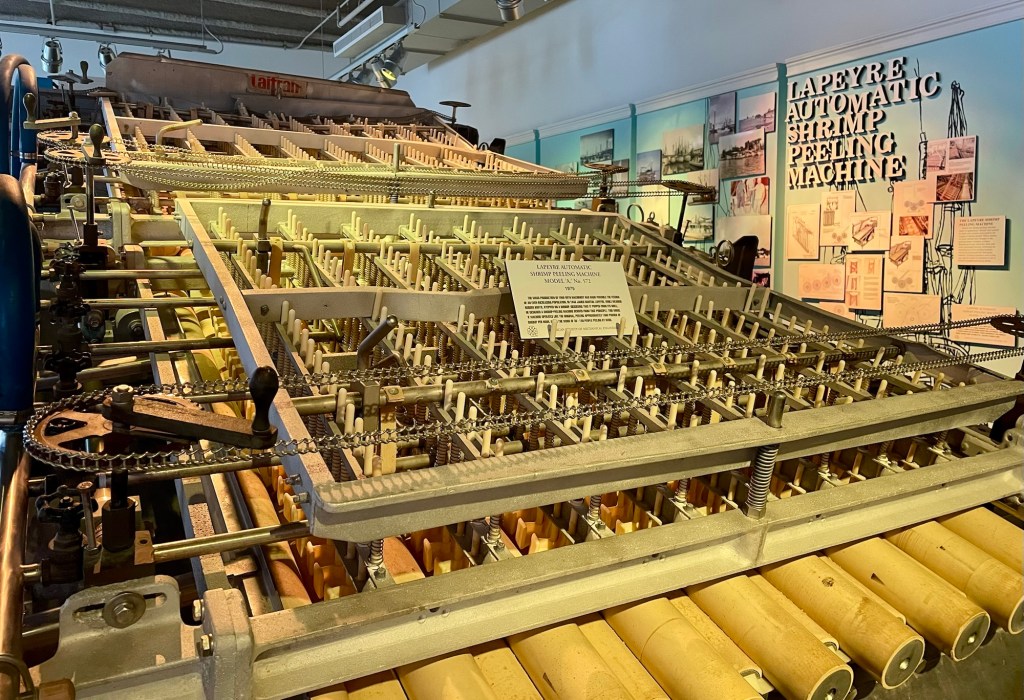
Start exploring this history at the Maritime & Seafood Industry Museum which contains loads of historical photos and artifacts, including the first automated shrimp peeler.
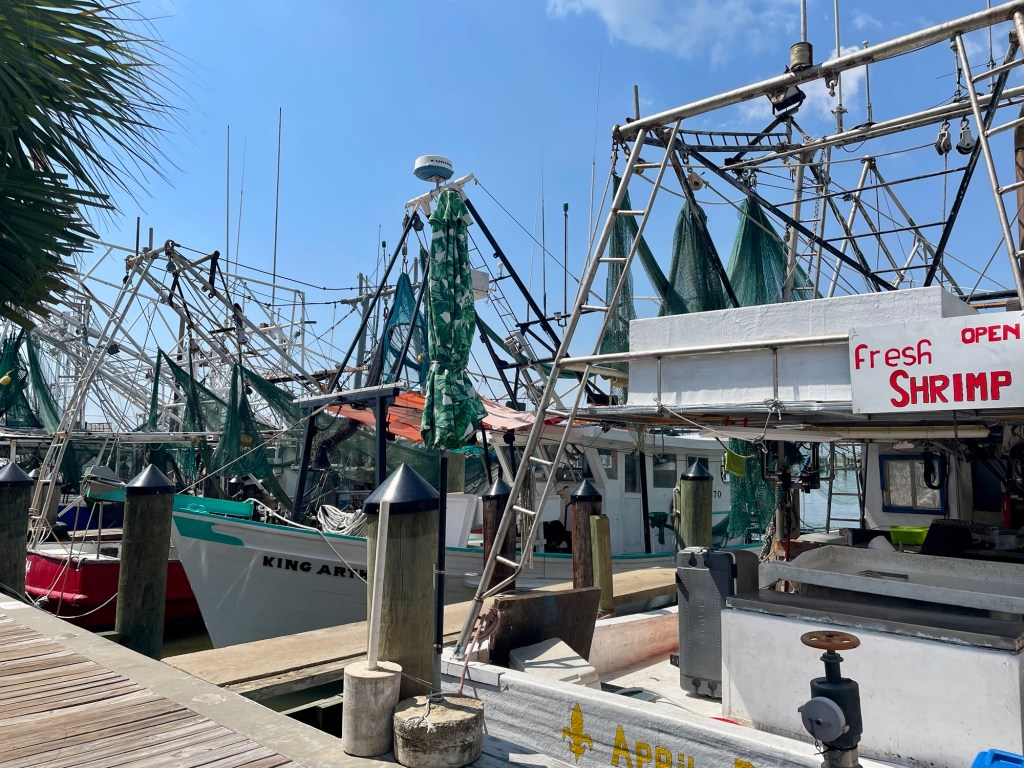
Then head over to the dock behind the Hard Rock Hotel/Casino where you can find contemporary shrimp trawlers and purchase the previous evening’s catch directly off the boat. Come early. They start selling about 7 AM.
At the same marina, the Biloxi Cruise Company offers a 70 minute tour on a shrimping trawler to learn how seafood gets from sea to plate. After dragging the bottom of the Mississippi Sound with a 16-foot trawl, the net’s contents are pulled up and examined.
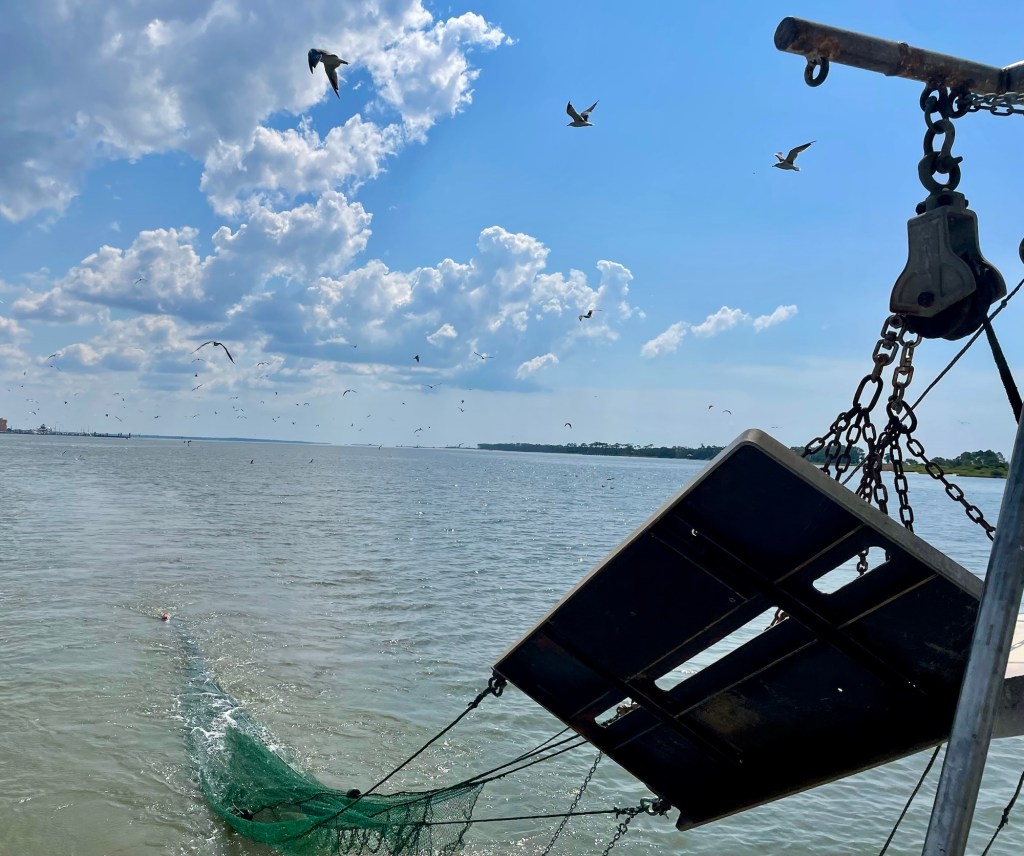
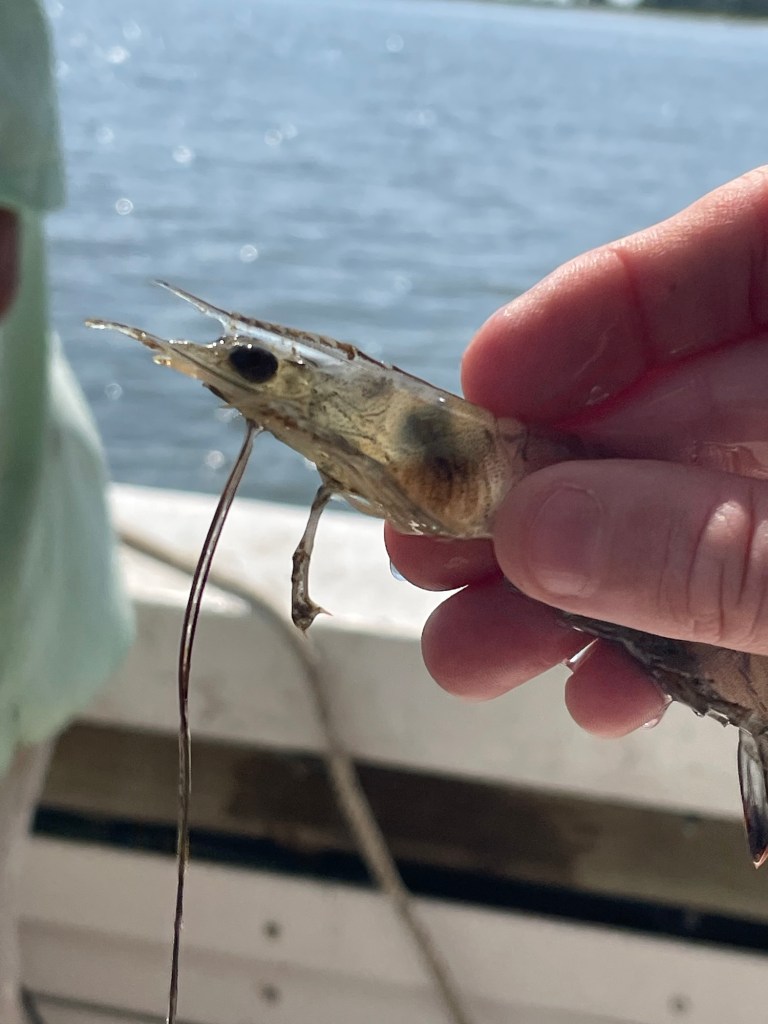
I’m sure each day’s catch is a bit different, but shrimp are pretty much guaranteed – plus, we had jellyfish, squid, and various fish (and lots of sea gulls tagging along waiting for the catch to be released!)
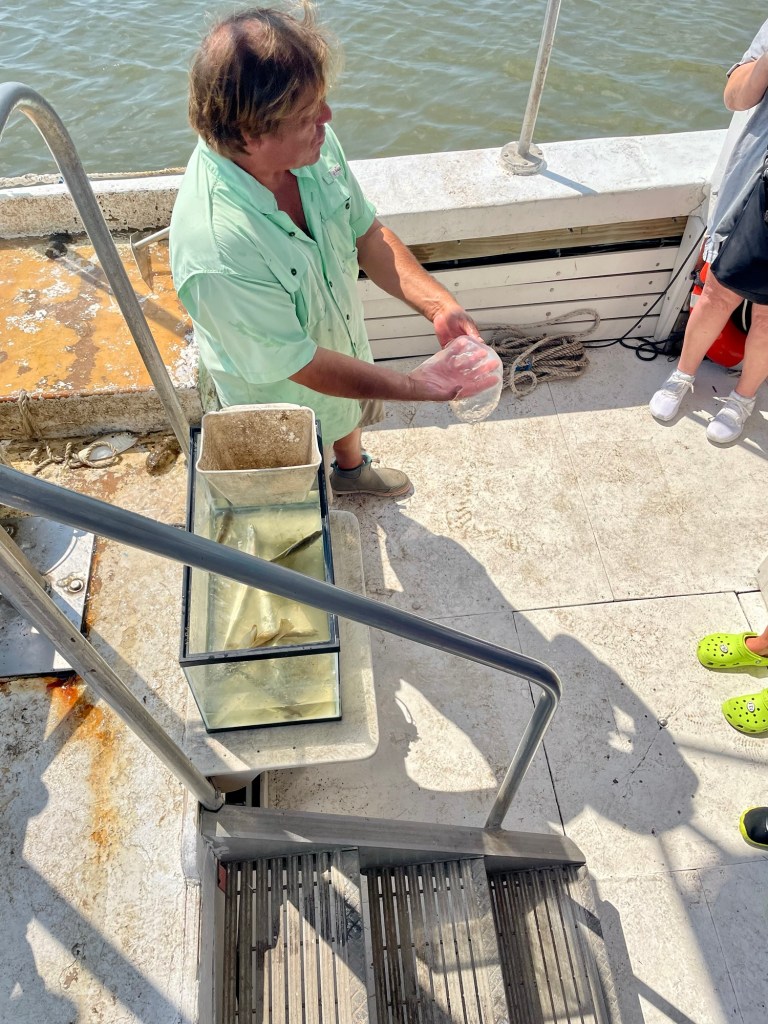
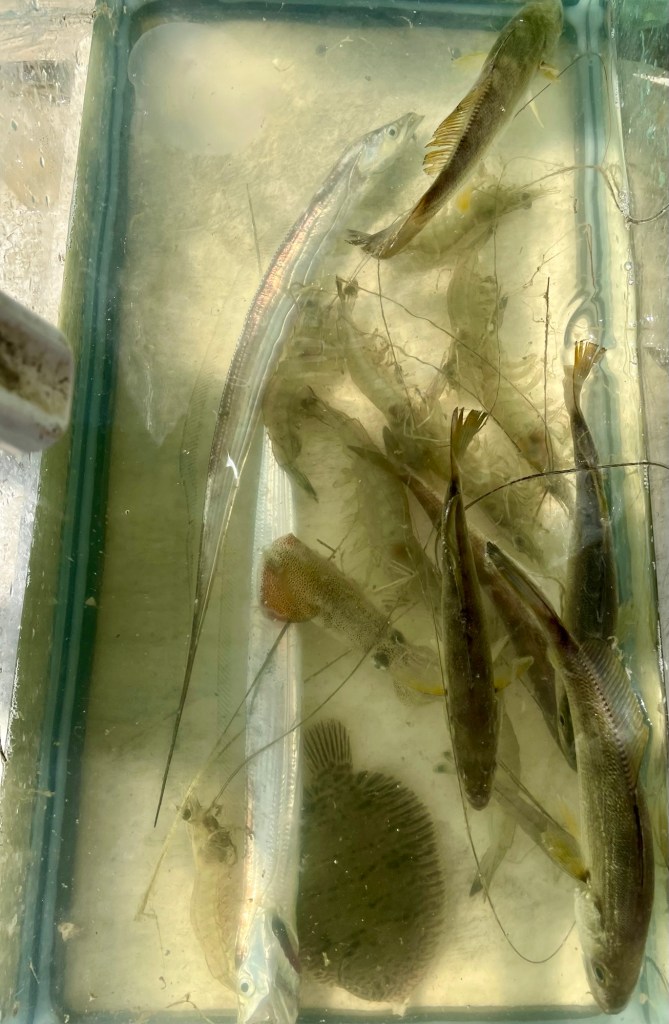
The company that runs the tour is also involved in oyster replenishment, so we saw their oyster hatchery and learned more about the local oyster population.

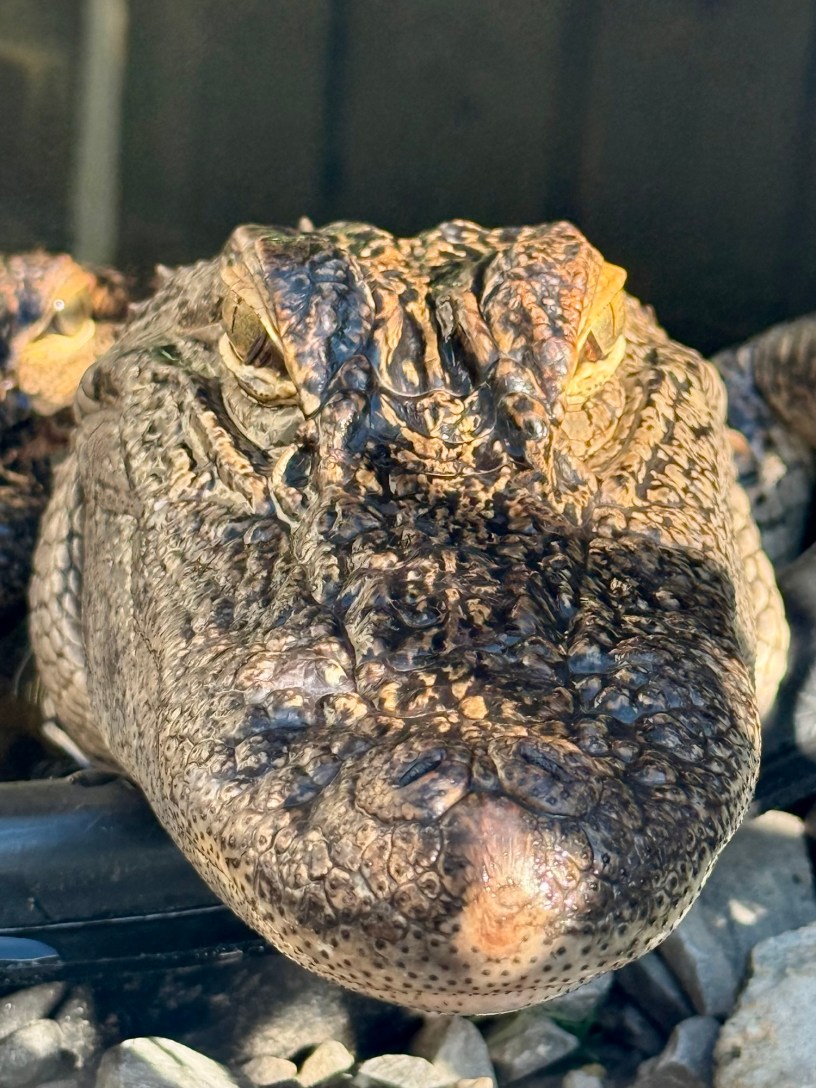
Head inland through the bayous that line the coast and you enter alligator territory. The Gulf Coast Gator Ranch is home to a large population of nuisance alligators that have been rehoused here. You can get up close and even feed them, but stay alert!
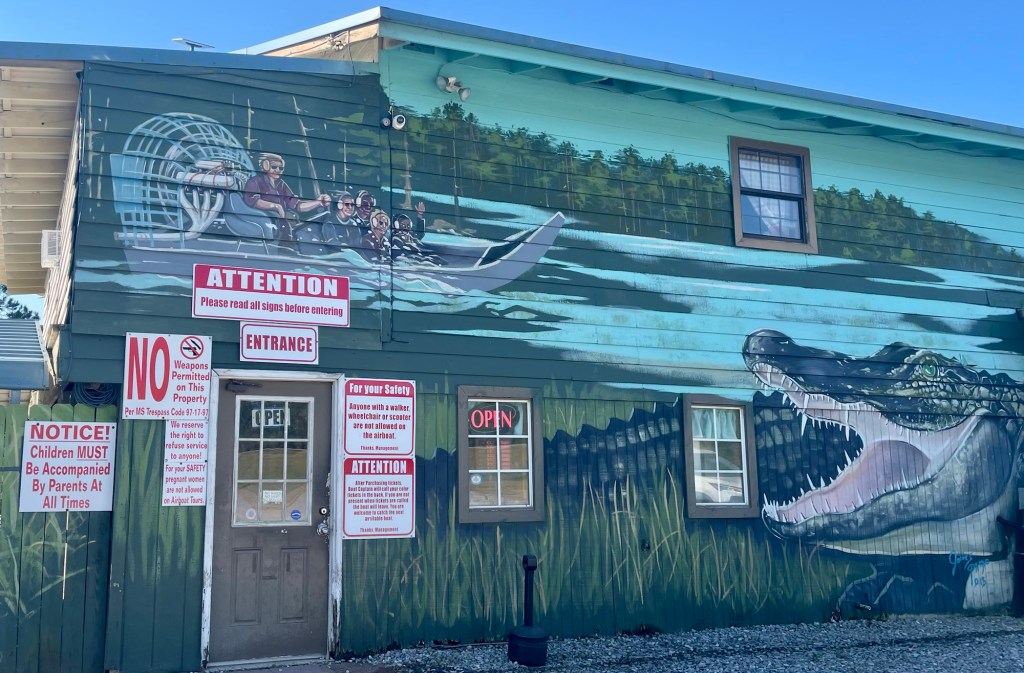

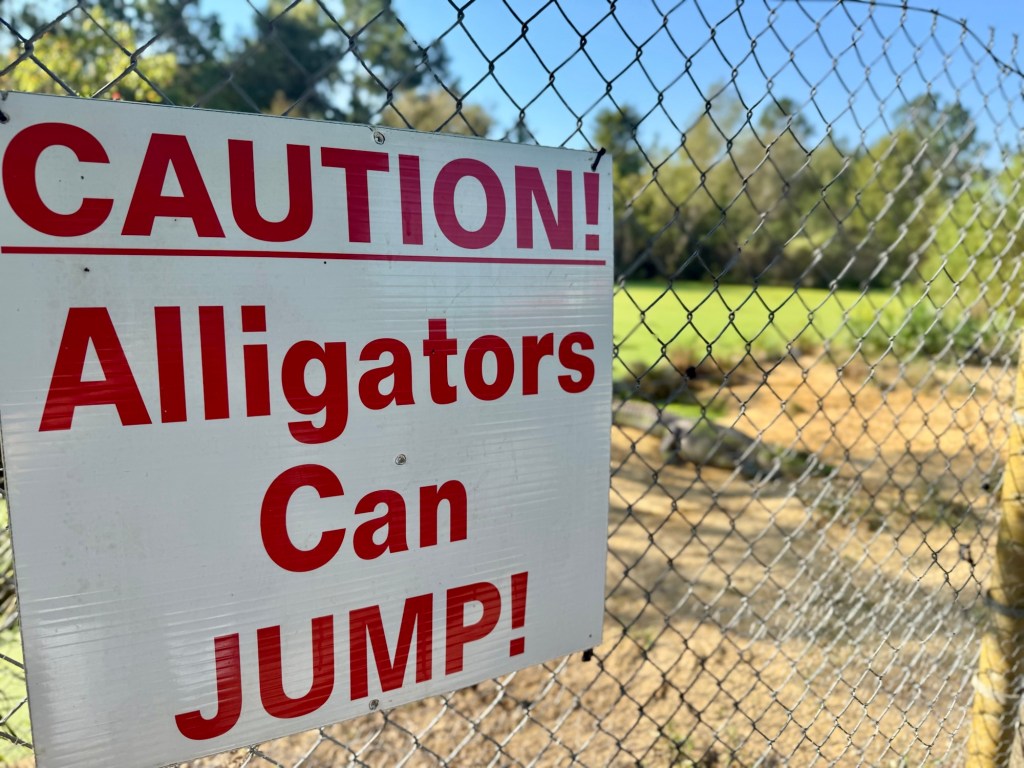
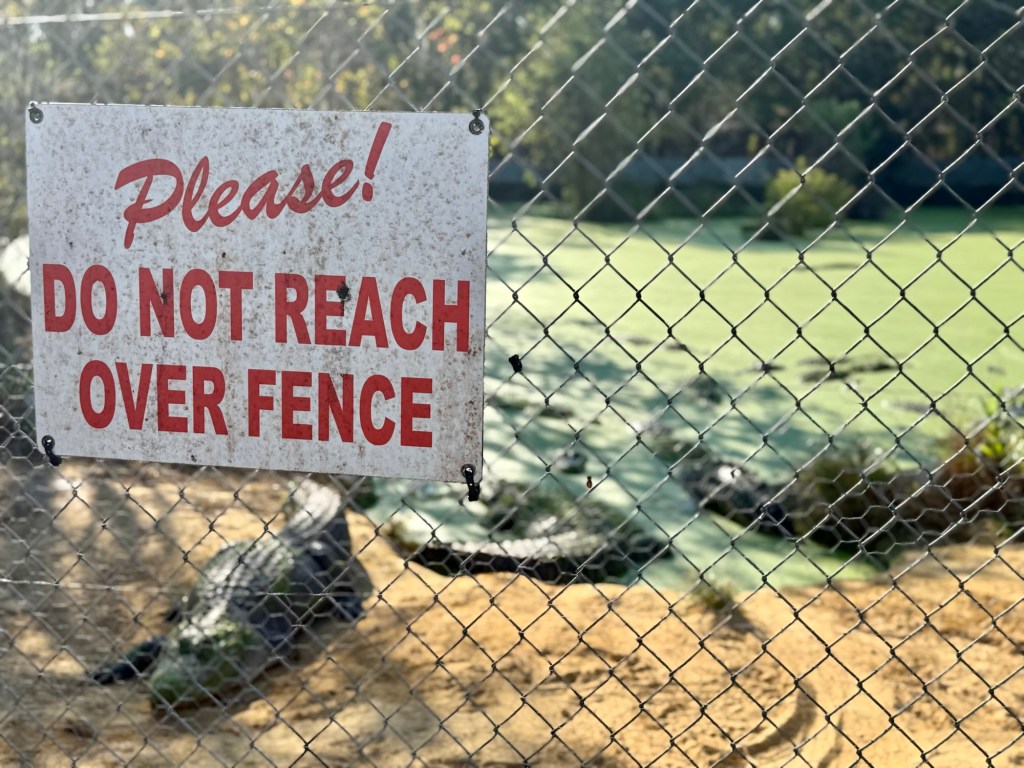
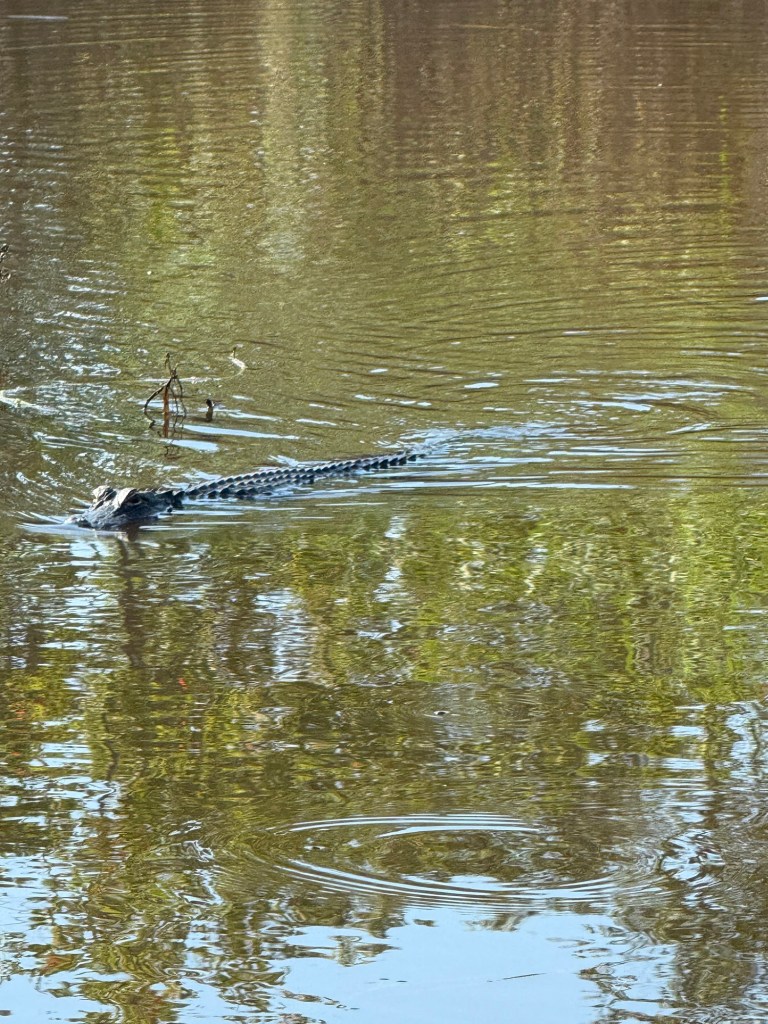
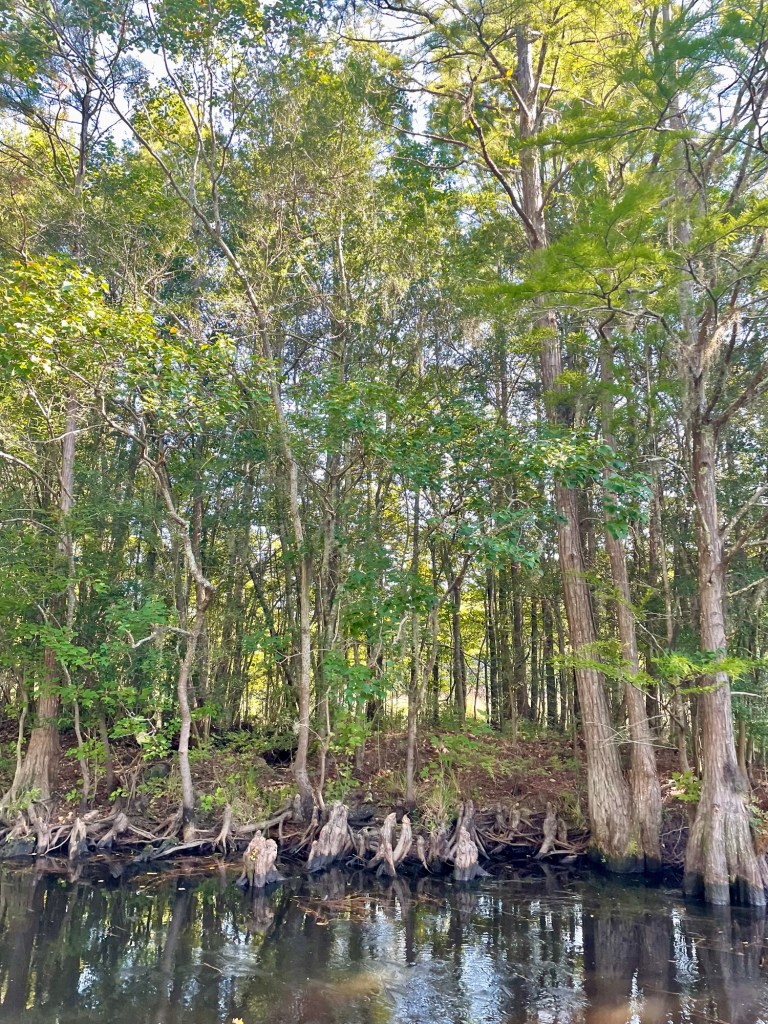
The Ranch also offers a 30 minute airboat ride through the surrounding bayou where you’ll learn more about the native ecosystem and (hopefully) encounter a few of the state’s 30,000+ wild alligators.
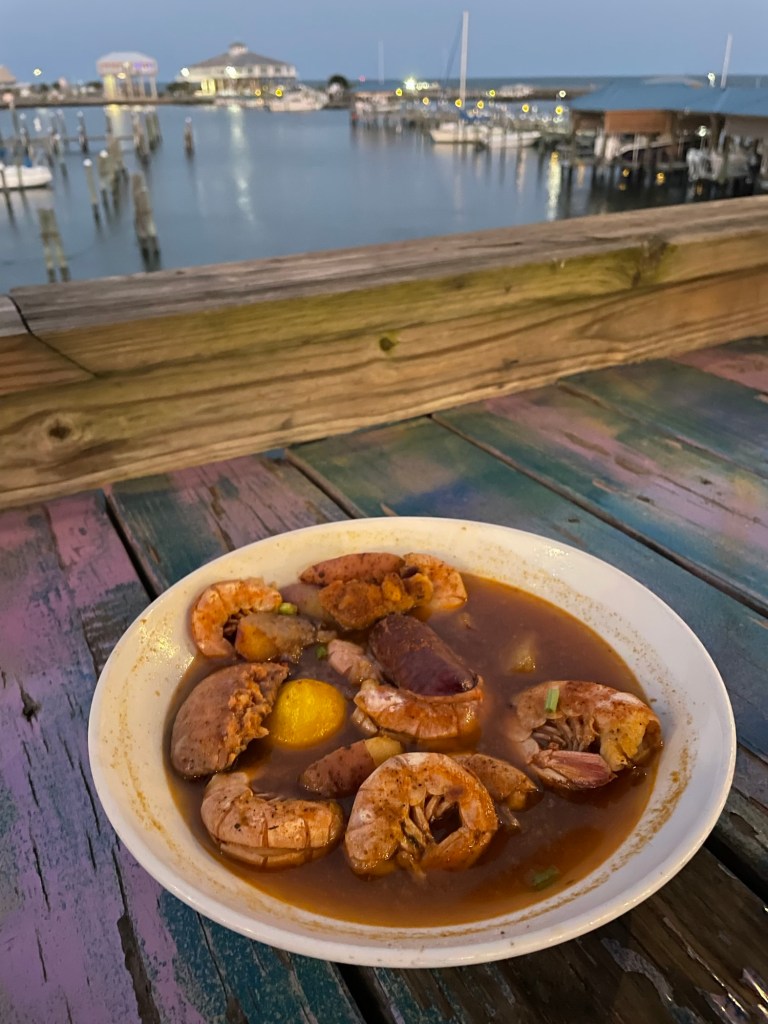
Of course, the best way to appreciate the region’s abundant seafood is at the table. While I didn’t complete Bubba’s list, I did manage to eat shrimp gumbo, sautéed, deep fried, boiled, with grits, and even grilled over a potato croquette.
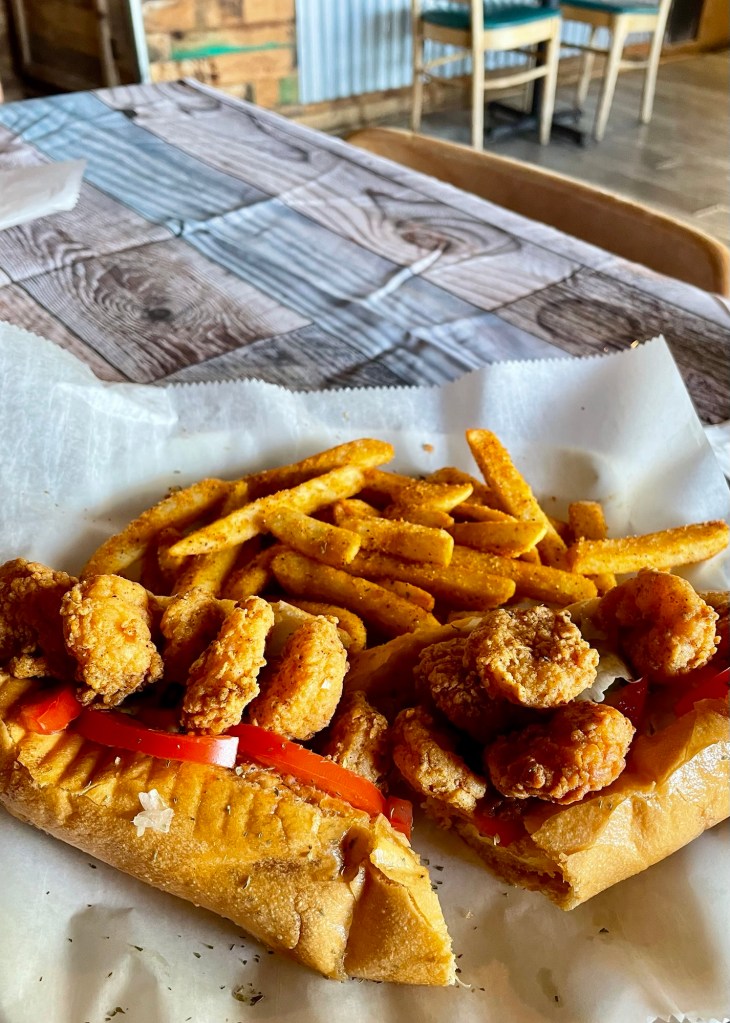
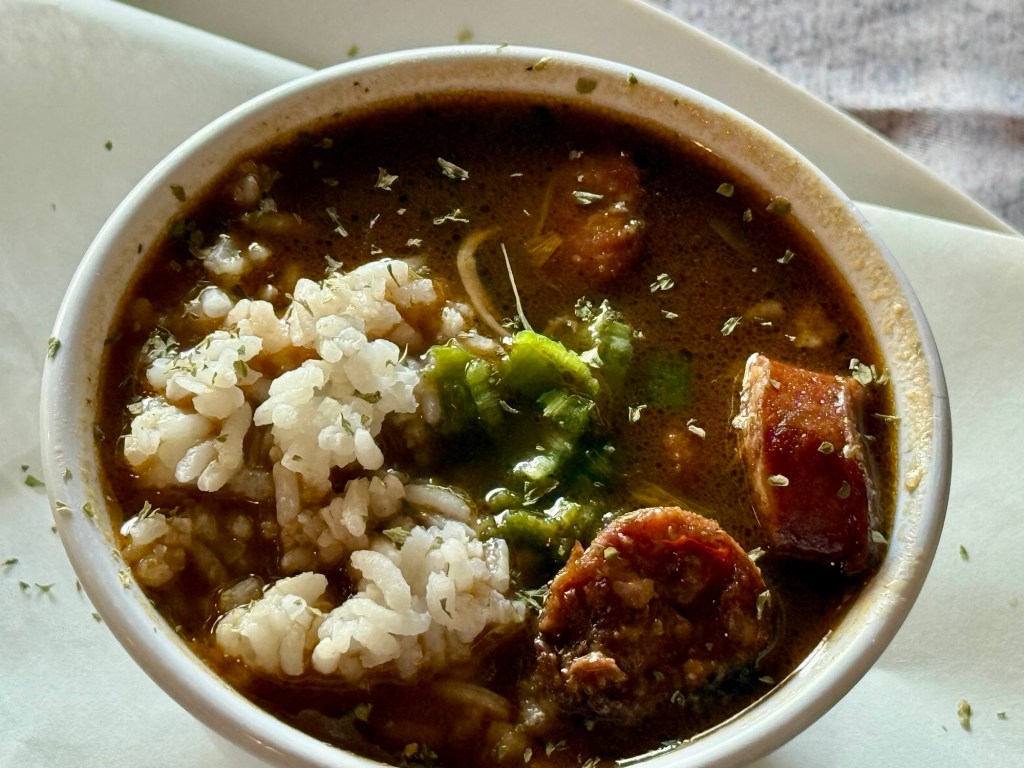
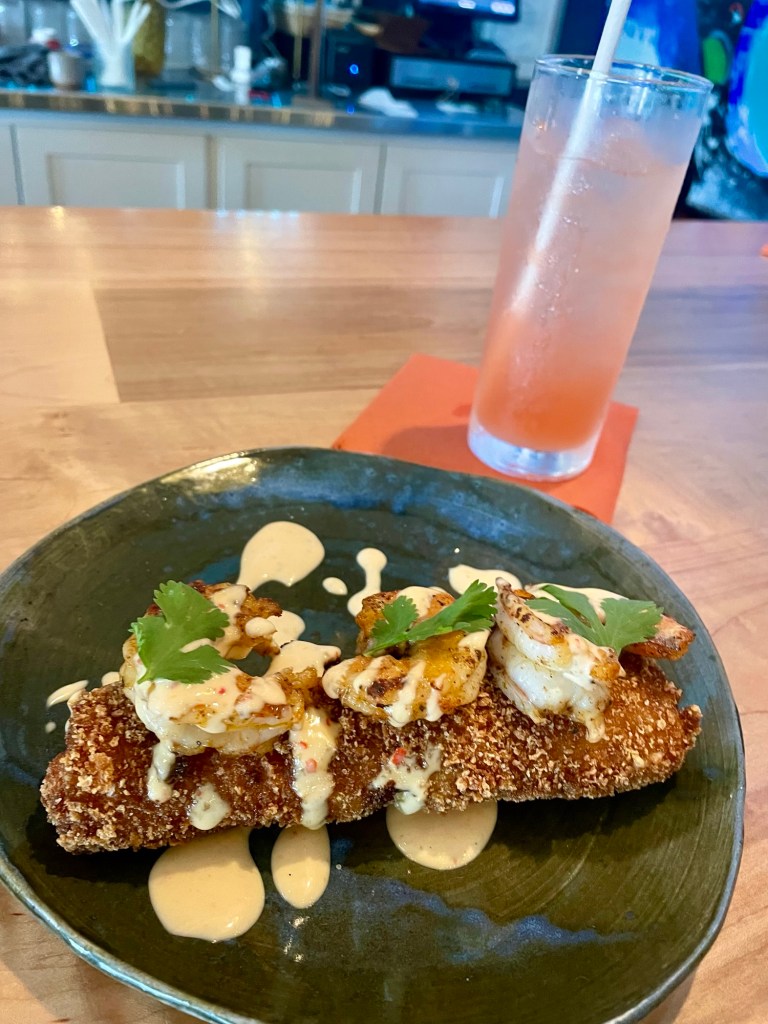

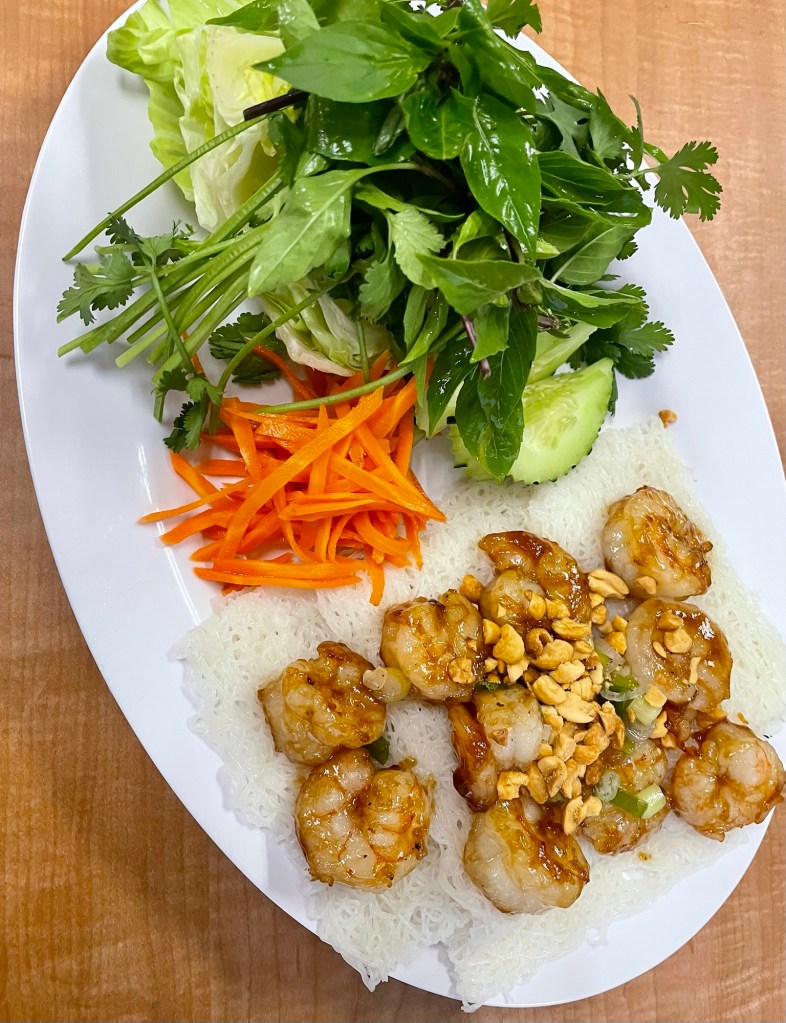
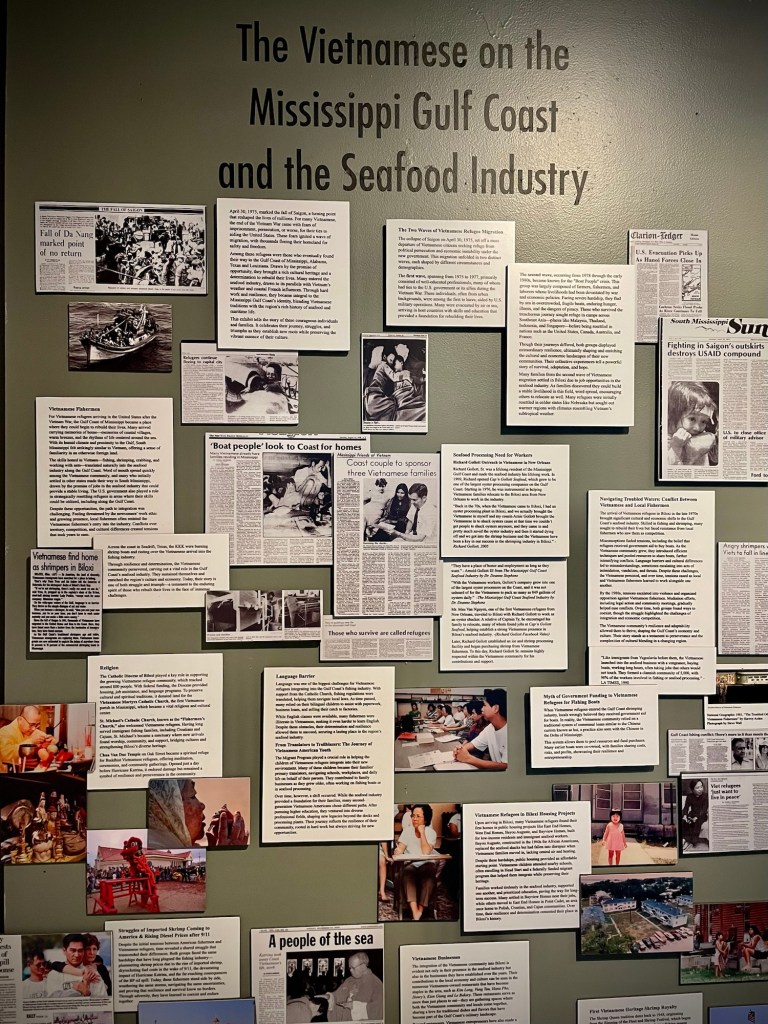
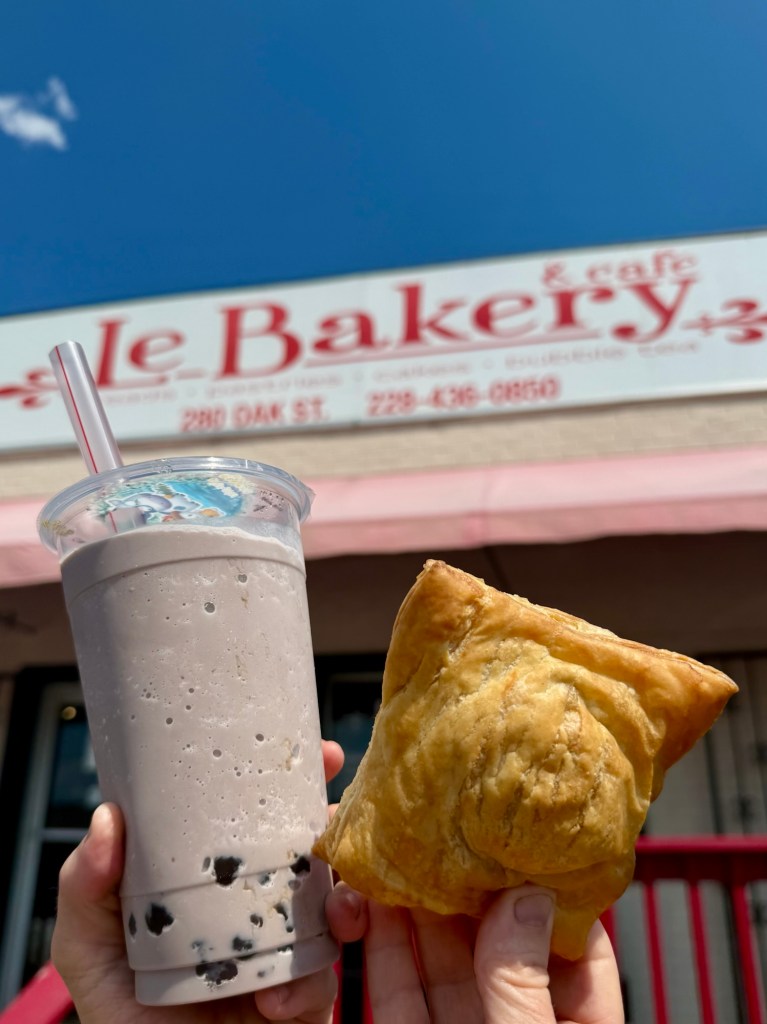
In addition to these typically southern styles, there are the Asian preparations introduced in the 1970s by refugees fleeing the Vietnam War who found employment here in an industry similar to what they’d left behind. Today there are still many Vietnamese restaurants, including the delicious Le Bakery where we ate a non-shrimp breakfast (twice!), of bubble tea, turnovers, and a delicious meat pie.

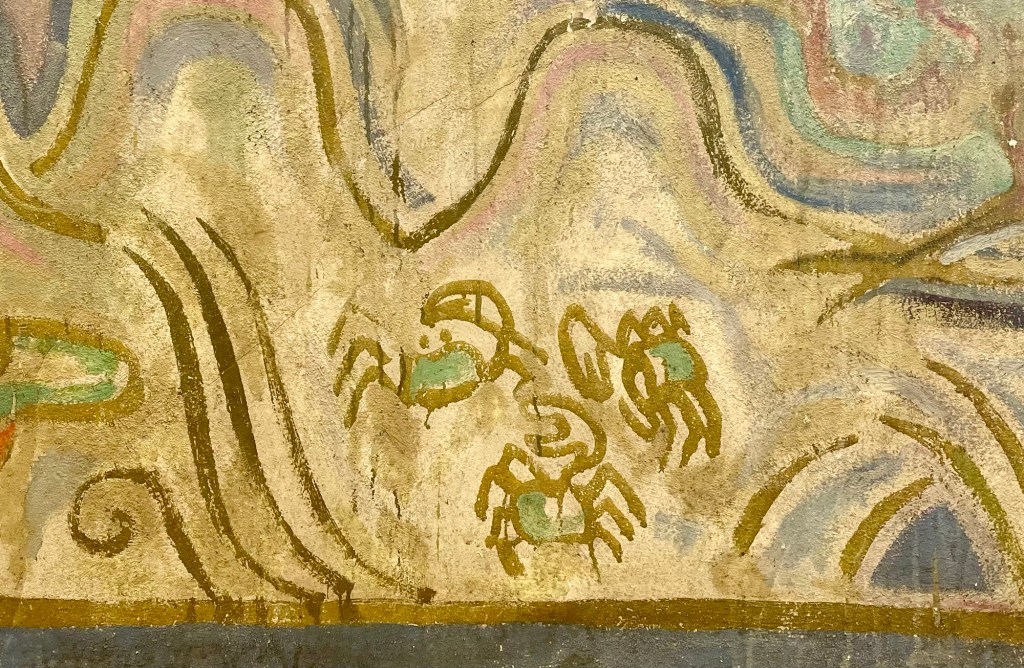
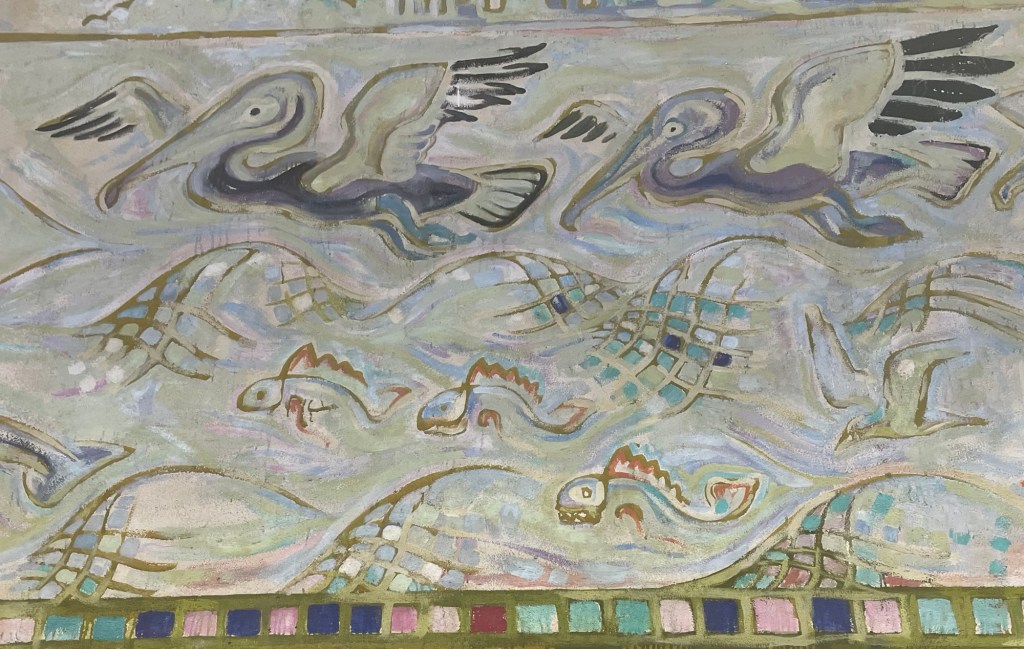
On an unrelated note (unless you count the fact that he painted a lot of sea life), make sure to check out the Walter Anderson Museum just over the bridge in Ocean Springs.
 Secrets of Philadelphia