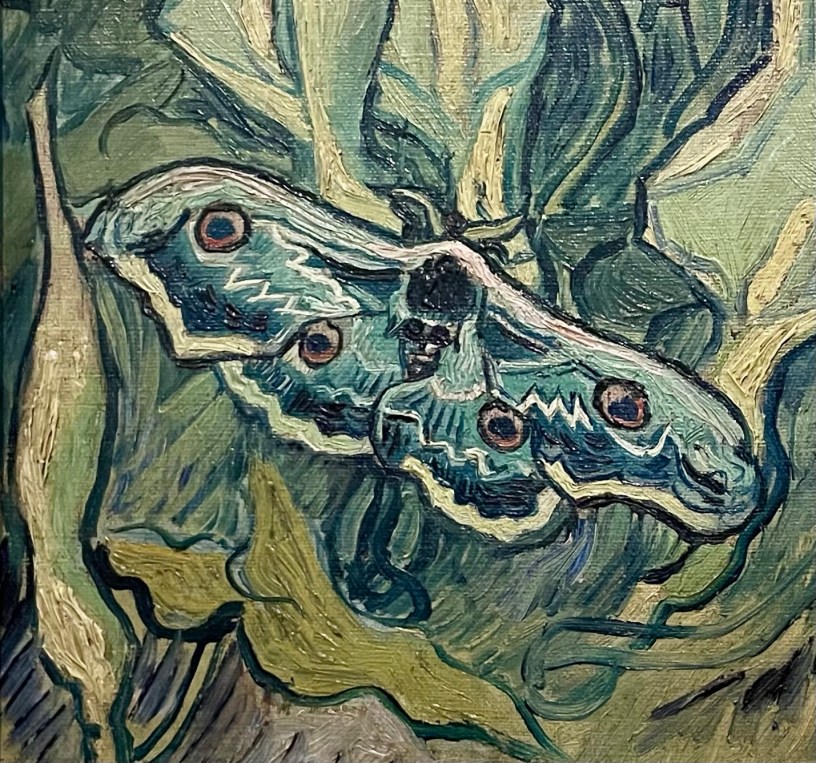
After several failed career attempts Vincent van Gogh set off for Amsterdam in 1877 determined to follow in his father and uncle’s footsteps to become a preacher. Between his studies he walked the city, attended services in its many churches and visited museums. His impressions were recorded in his numerous letters to brother Theo.
“I go to church a lot, there are beautiful old churches here, and outstanding preachers, I often hear (Vincent’s) Uncle Stricker, and what he says is very good, and he speaks with much warmth and feeling.”
Some days he would even attend multiple services: “Was at the early service this morning (Noorderkerk), afterwards walked around town a bit, the canals are especially beautiful now that the leaves on the trees have the colours of autumn, and then went to the English church”
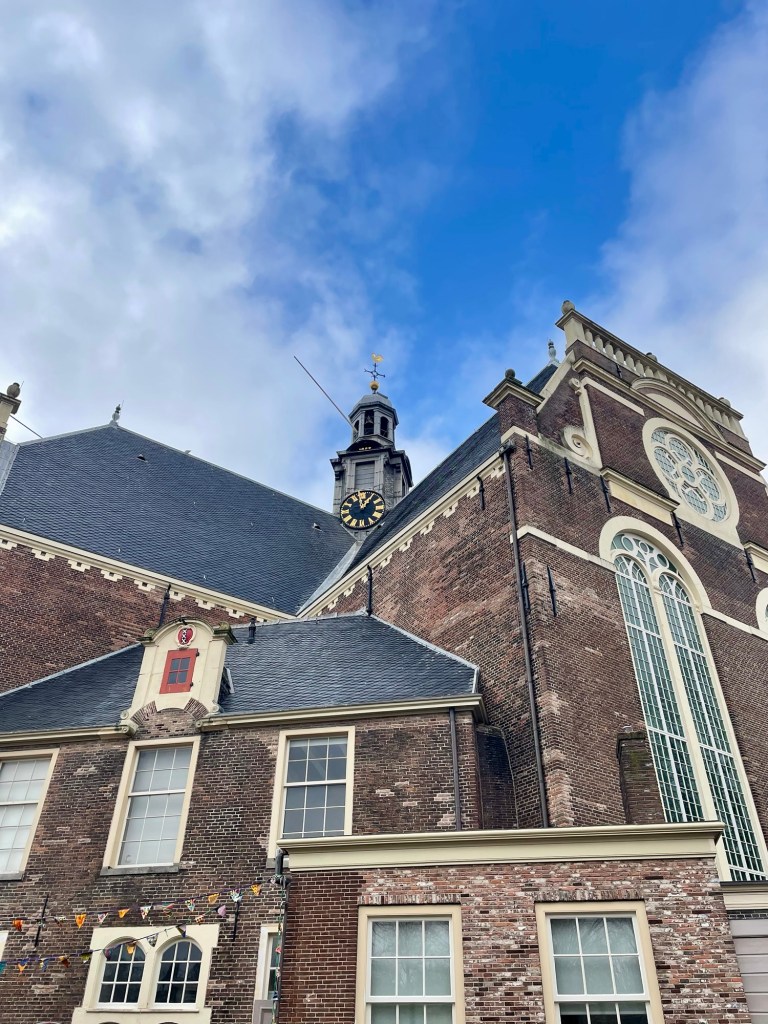
The Noorderkerk was the first church that Vincent visited in Amsterdam. He frequently attended services here and praised the preacher “because he paints, as it were, and his work is at once lofty and noble art. He has the feeling of an artist in the true sense of the word.”
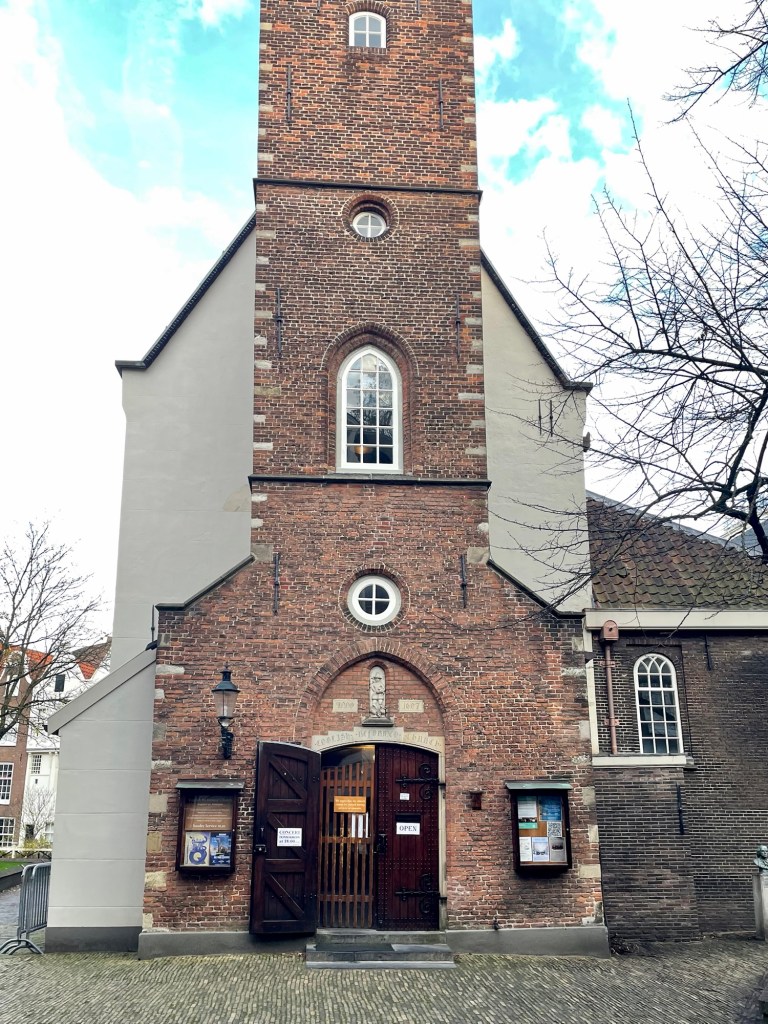
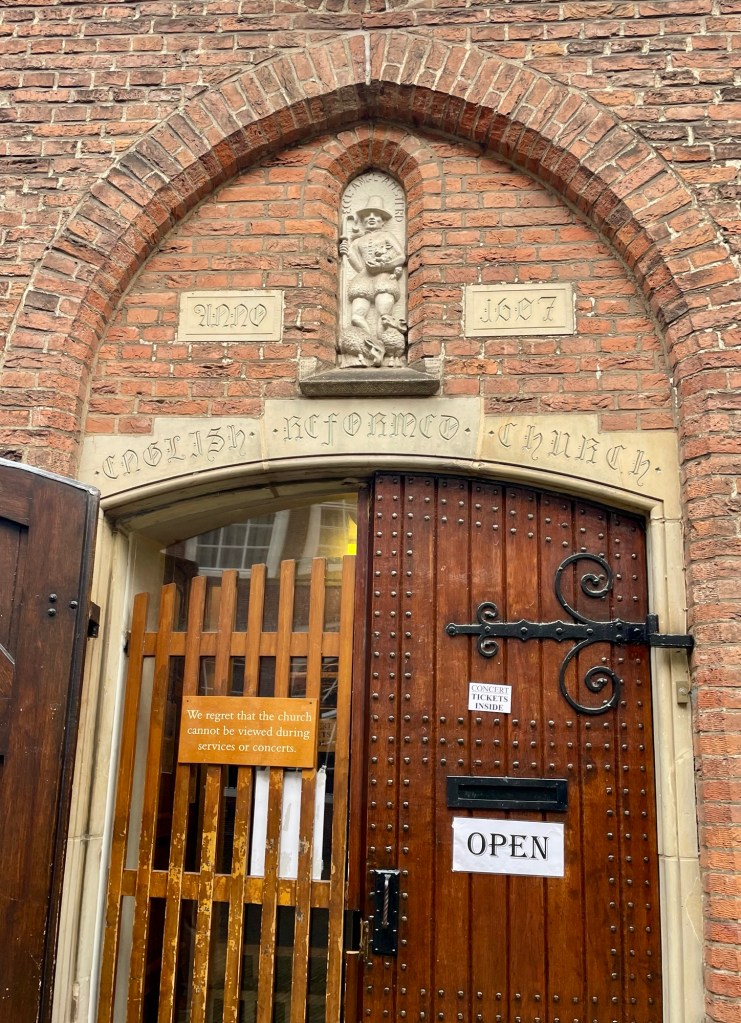
“I’m very fond of that little church” was Vincent’s impression of the English Reformed Church hidden away in the Begijnhof. After attending another sermon there he wrote: “There weren’t a lot of people in church, but many a face with a singularly appealing expression betraying good character, I like being in that little church so much.”
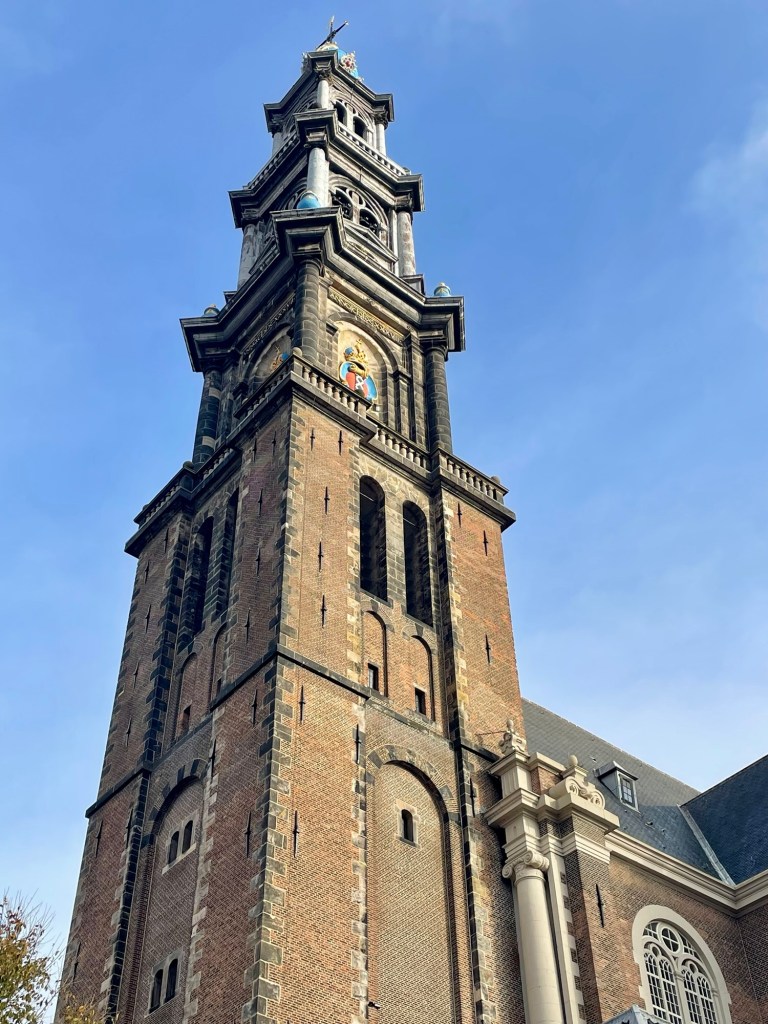
After attending a service at the Westerkerk, Vincent described the preacher to Theo: “Saw him coming from the pulpit and walking through the church after the sermon, and that tall, noble figure and that tired, pale face and that noble head, the hair already showing some grey, made a great impression on me. To be tired in such a way from that work, that is a blessing.”
Other churches mentioned in his letters that can still be visited include the Walloon Church, Oosterkerk, Zuiderkerk, and the Amstelkerk.
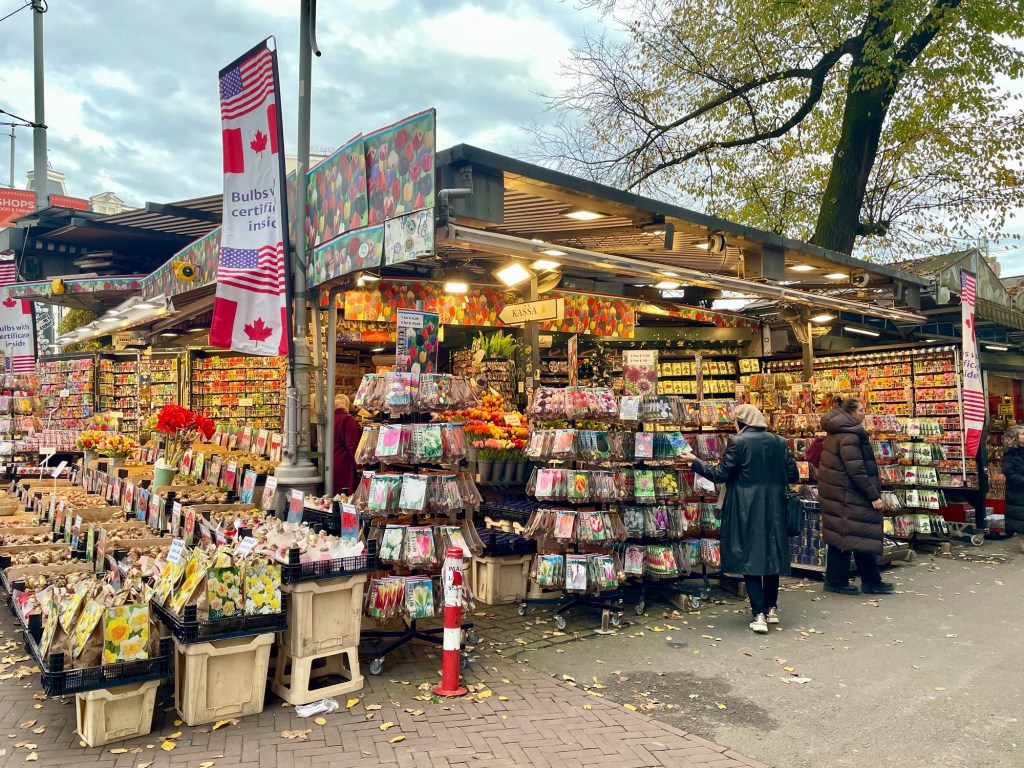
Amsterdam’s flower market is still in the same canal-side spot as it was in Vincent’s day, and it still sells flowers and shrubs: “Went past the flower market on Singel today, I saw such a nice thing there. A farmer was standing there with lots and lots of pots, all kinds of flowers and shrubs, the ivy was at the back, and in between sat his little girl.”
Vincent wrote to Theo of his studies: “This study is difficult, old chap, but I must persevere, and to that end may He help me of Whom it is written: If any of you lack wisdom, let him ask of God, that giveth to all men liberally, and upbraideth not.” Unfortunately, God’s help and Vincent’s perseverance were not enough and he failed his exams, leaving the city in 1878. He made several more attempts at entering the church before taking up painting. He returned to Amsterdam briefly in 1881, and in 1885 returned for the last time to visit the newly opened Rijksmuseum, “longing most of all for Rembrandt and Frans Hals.”
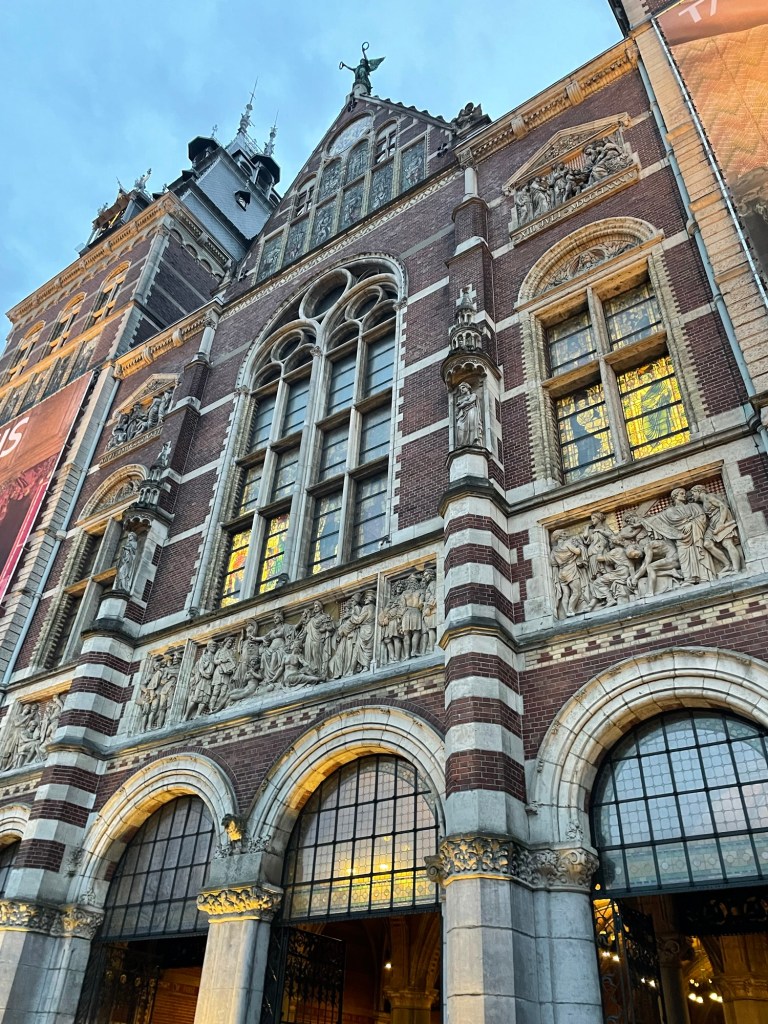
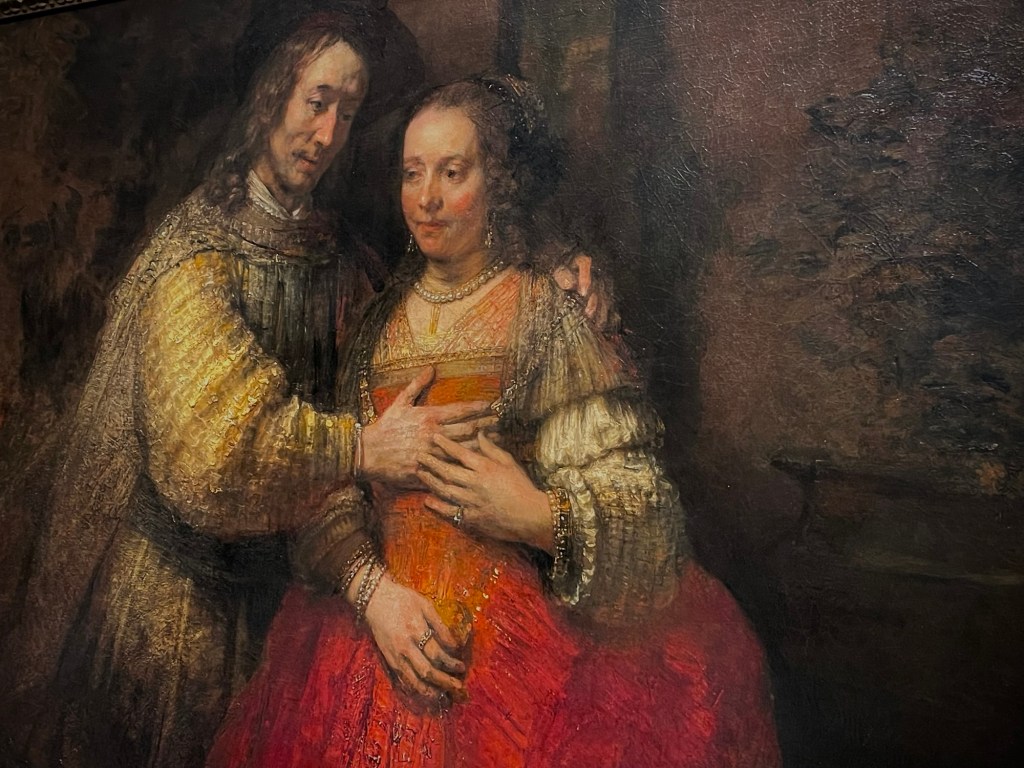
Vincent was familiar with its collections, having often visited its predecessor during the time he lived in the city. Many of the paintings that so impressed him are still on display today. He was awed by Frans Hals use of color, saying of The Meagre Company, “that painting alone makes the trip to Amsterdam well worth while.” He saw Rembrandt’s The Night Watch, and found his The Syndics “perfect — the finest Rembrandt.” The Jewish Bride was “poetry.” “Rembrandt goes so deep into the mysterious that he says things for which there are no words in any language,” calling him a “magician.”

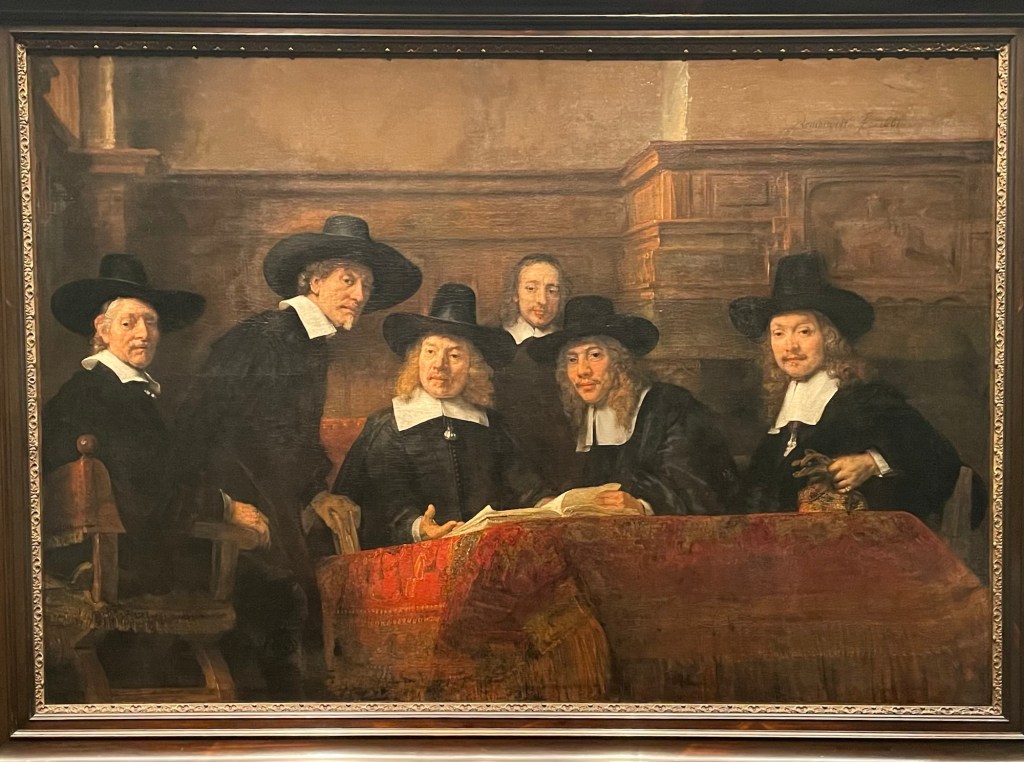
Amsterdam is also the best place to view van Gogh’s art today. After his death, Vincent’s artworks were inherited by his brother Theo. After Theo’s death only six months later they passed to Theo’s widow and later her son, who in 1962 transferred the entire collection of over 200 paintings, 500 drawings, 800 letters plus other art that the family had collected to the newly established Vincent van Gogh Foundation and the Dutch State on the condition that they build a museum dedicated to the collection. Opened in 1973, The Van Gogh Museum houses the largest collection of his work, giving an overview of van Gogh’s artistic career from start to finish. From the painting Vincent made as a gift to his newborn nephew, who was named Vincent in his honor
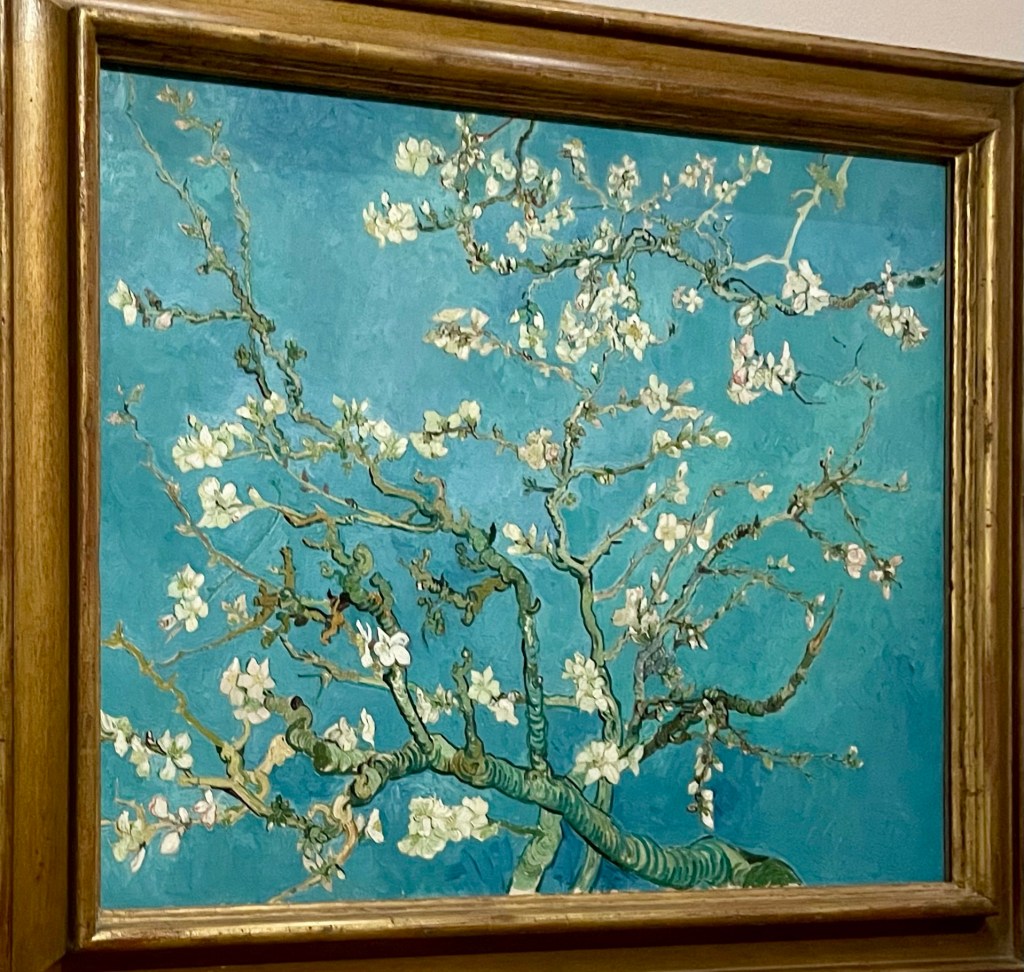
to his earliest paintings
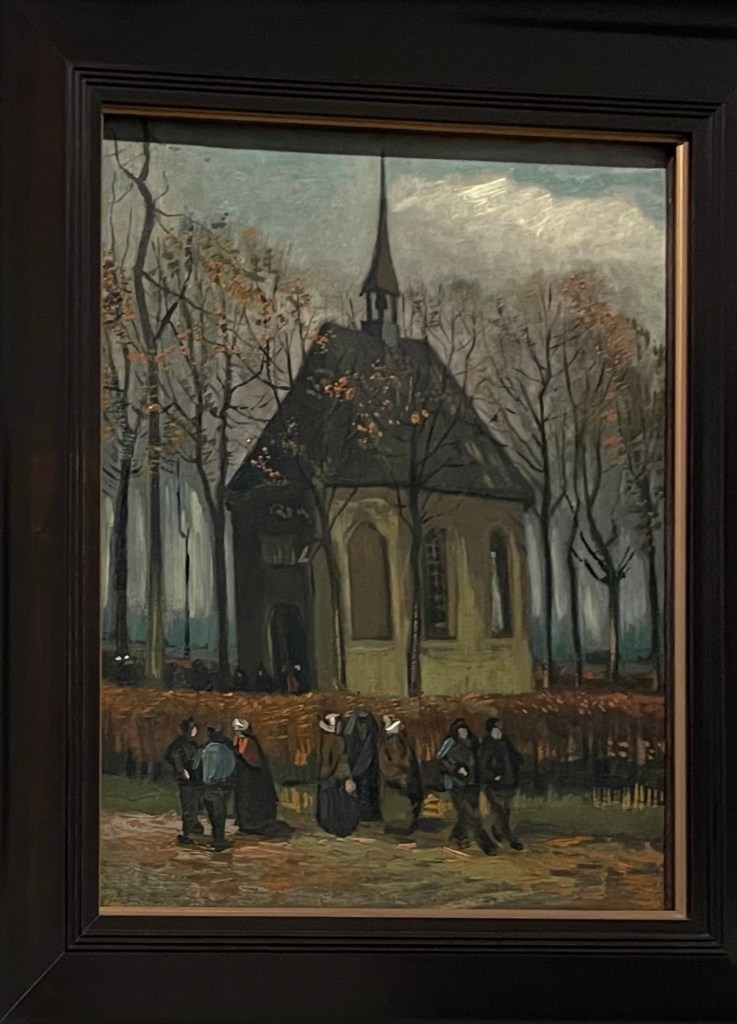

to his final painting,
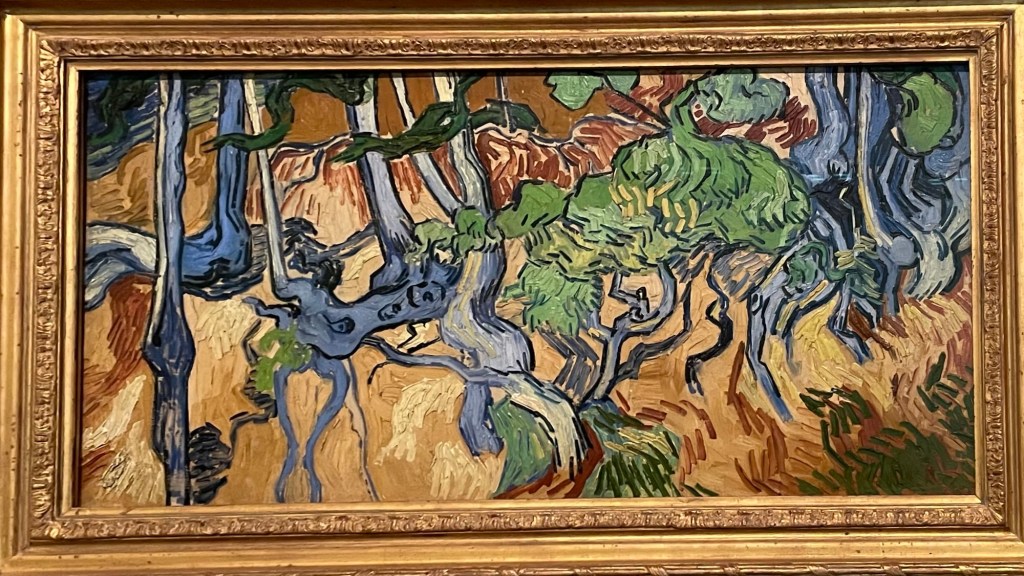
and everything in between.
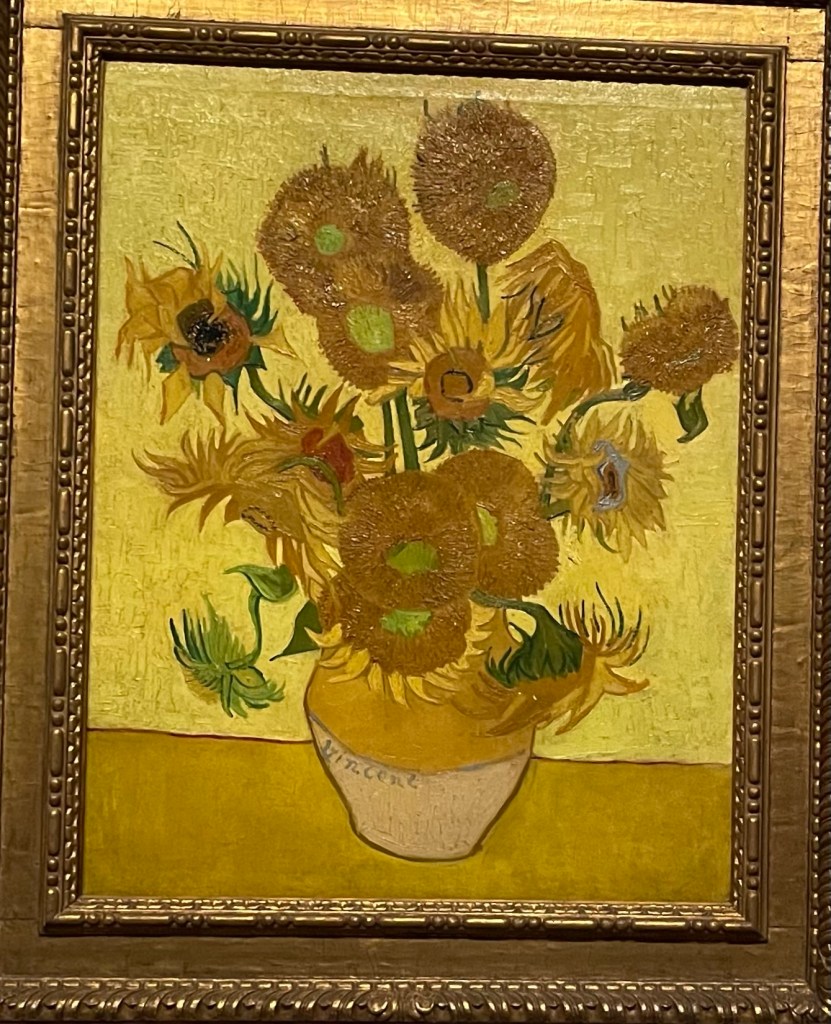
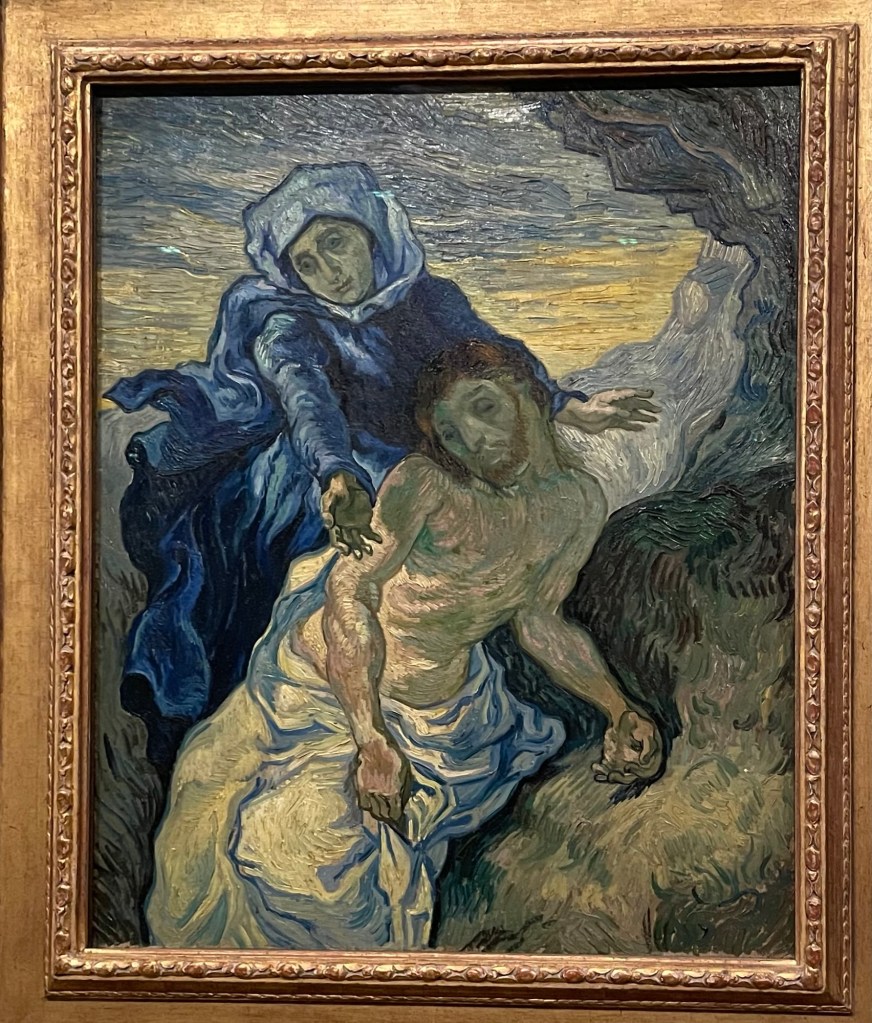

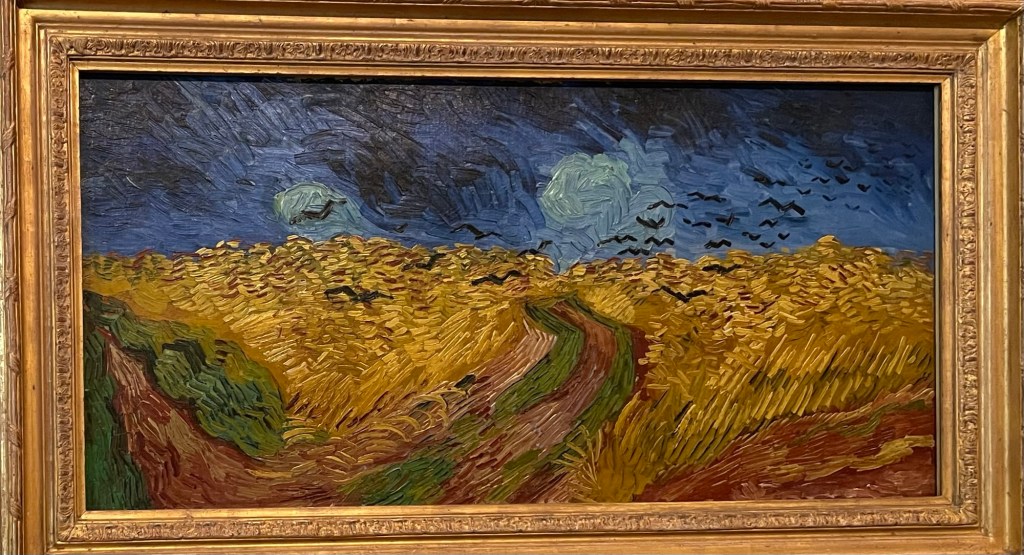
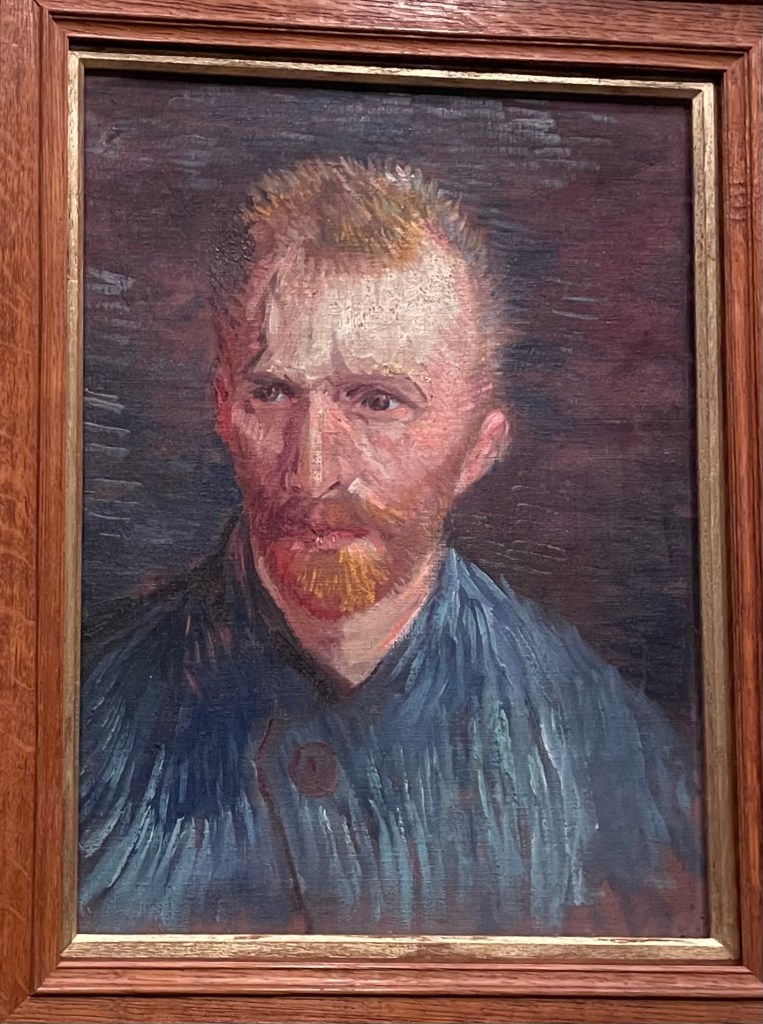
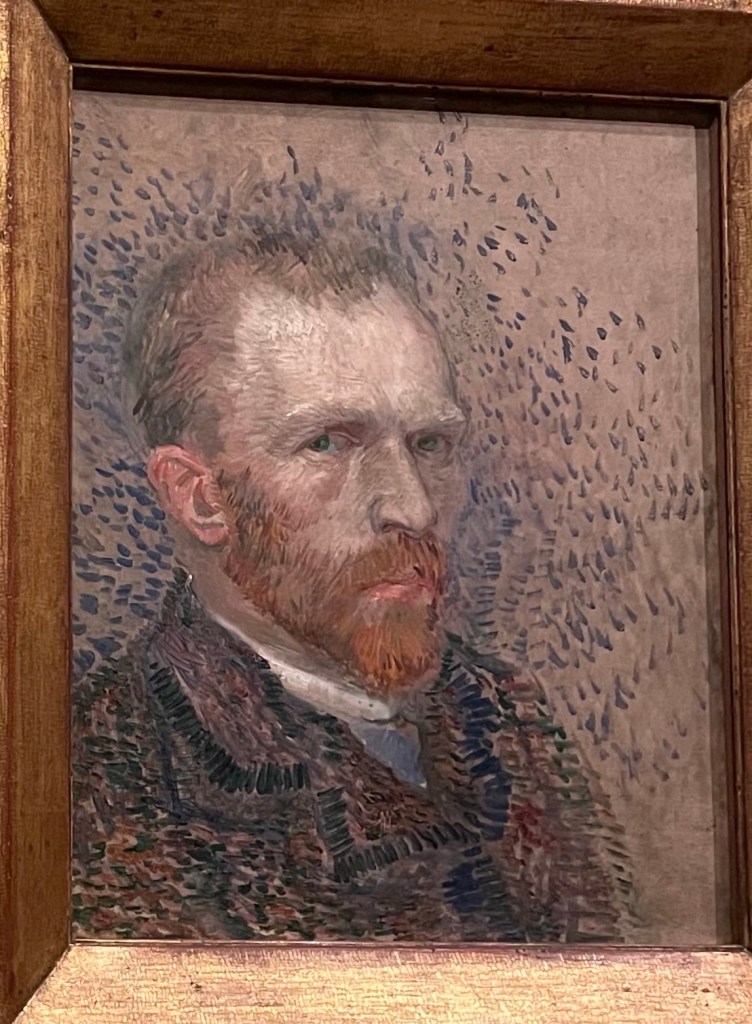
There is a room dedicated to his self portraits.


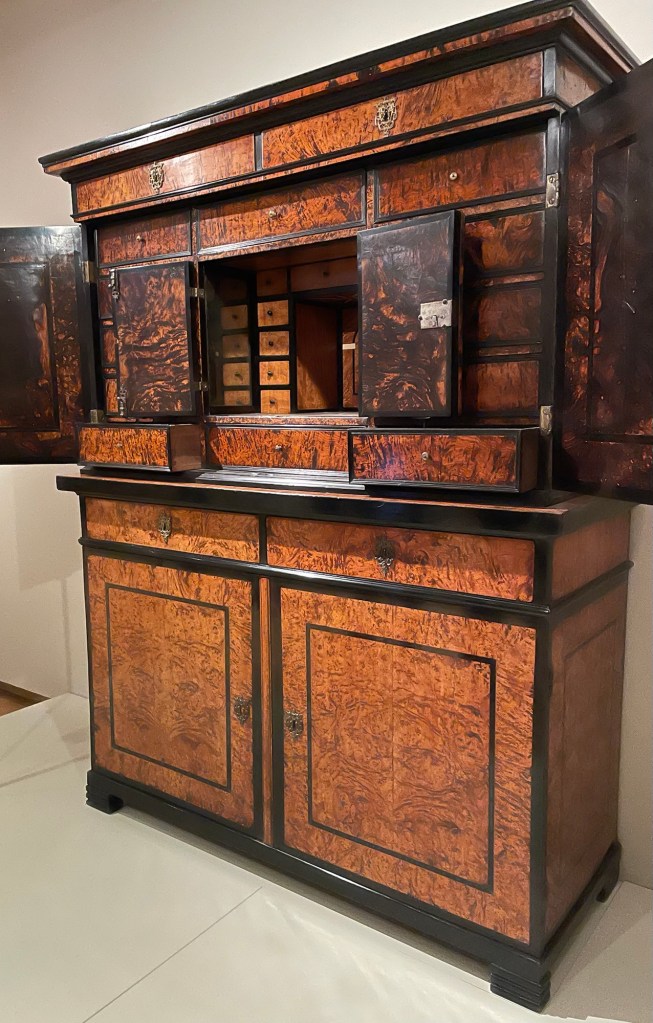
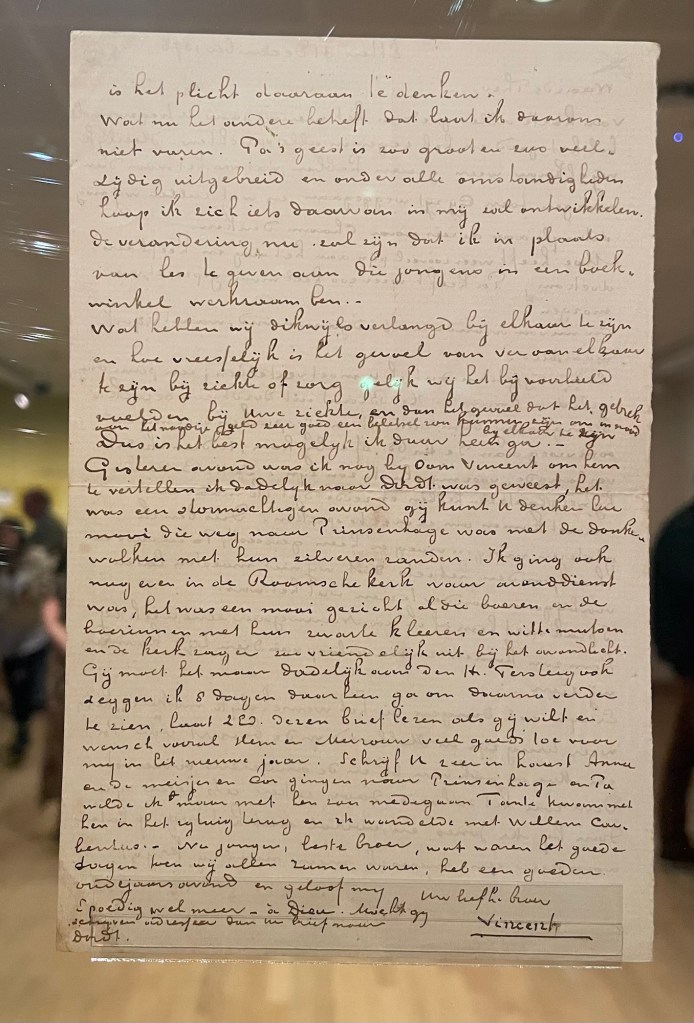
Plus, there are loads of artifacts relating to Vincent’s life, including the cabinet where Theo stored many of the 820 known letters Vincent wrote him, as well as a selection of the letters themselves.
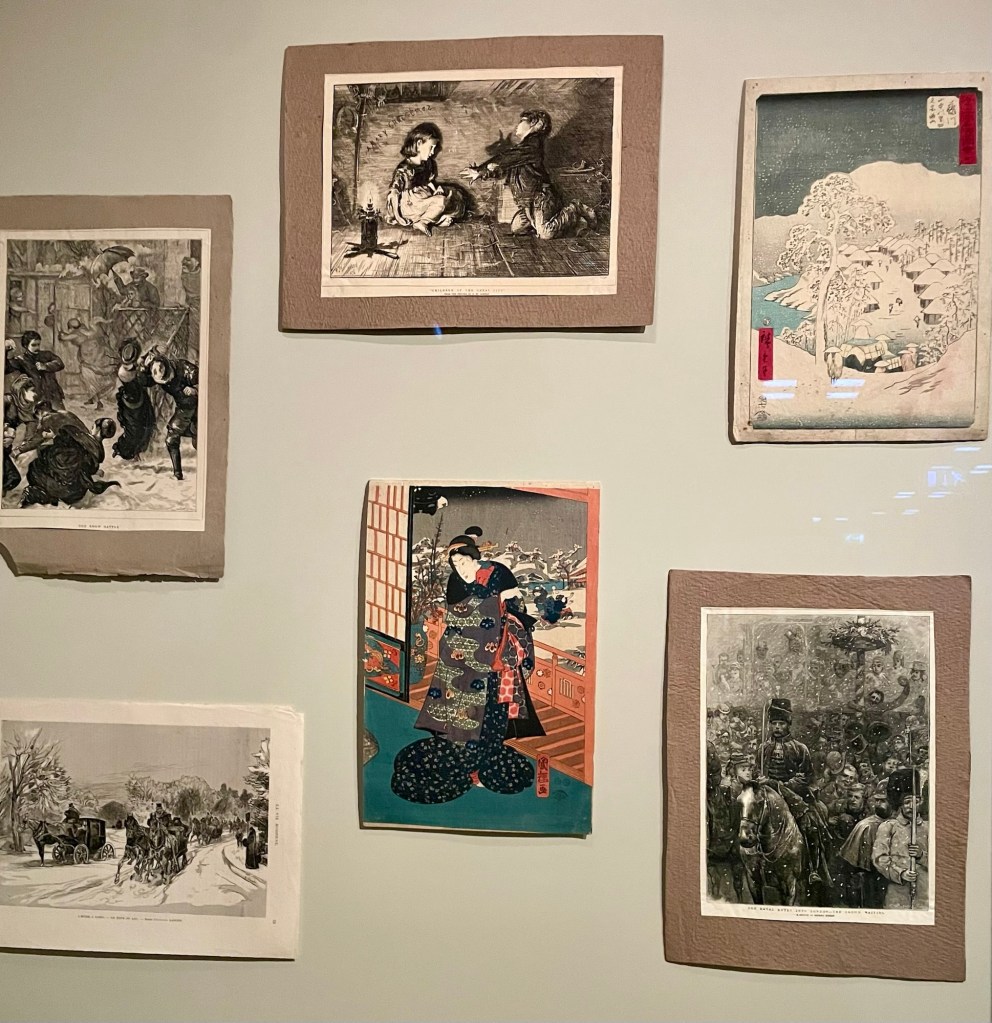
They also display a few of the prints and illustrations that he collected.
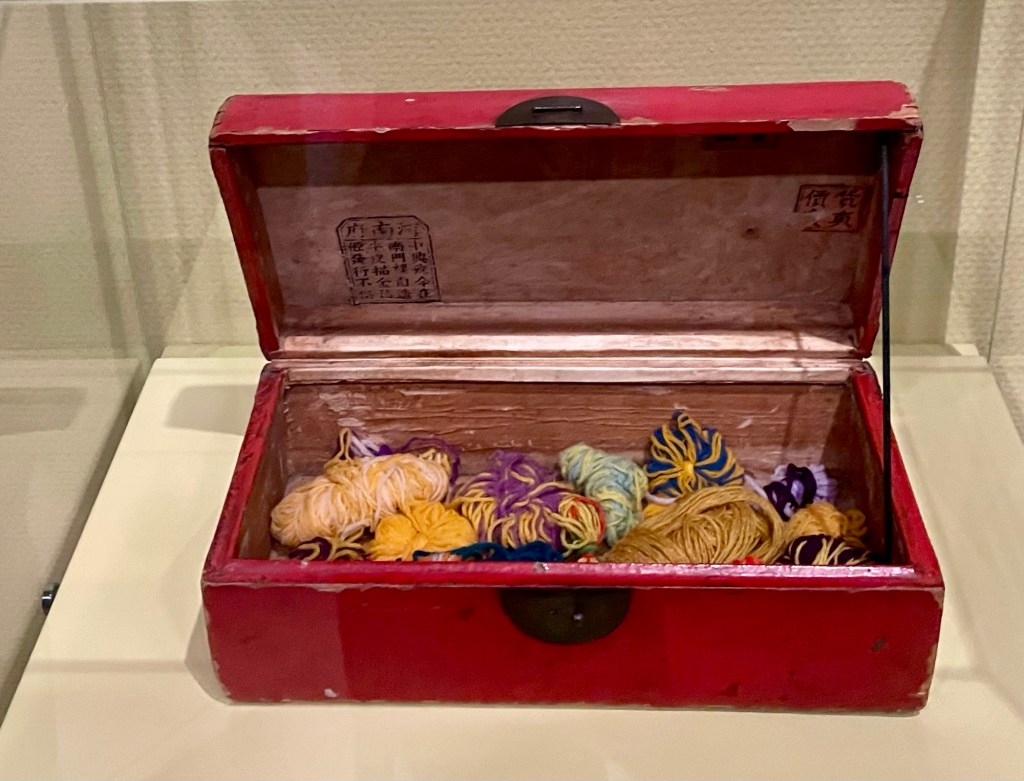
And, the box of colored yarn he used to try out color combinations before painting.
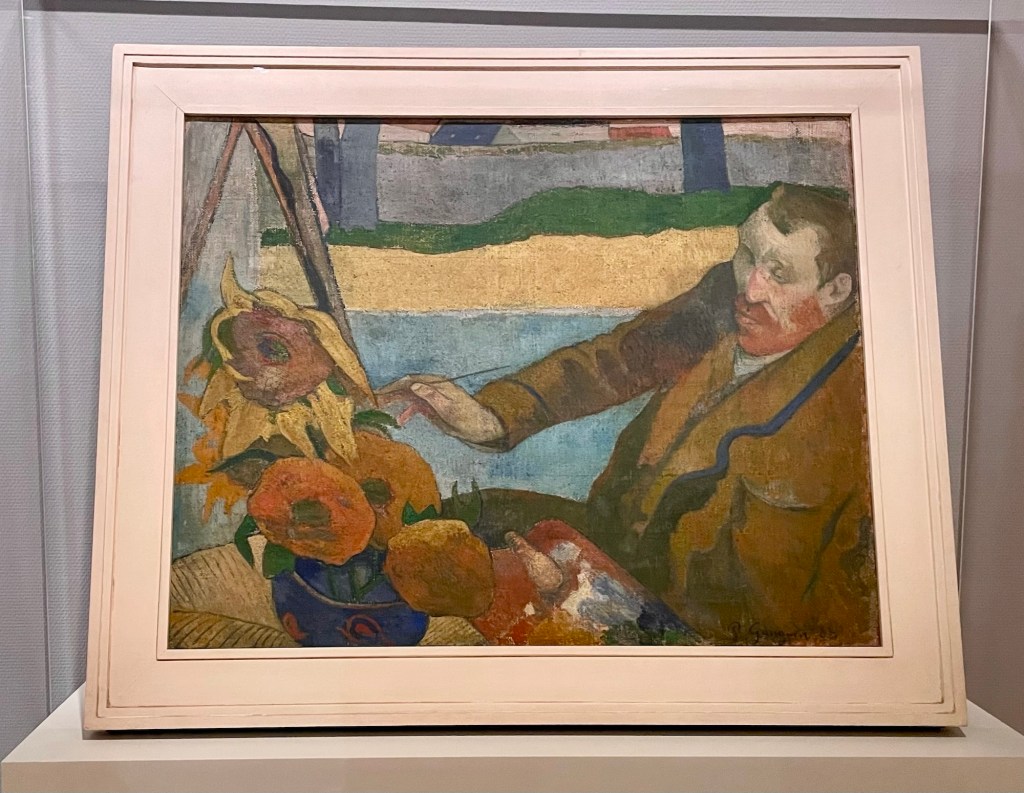
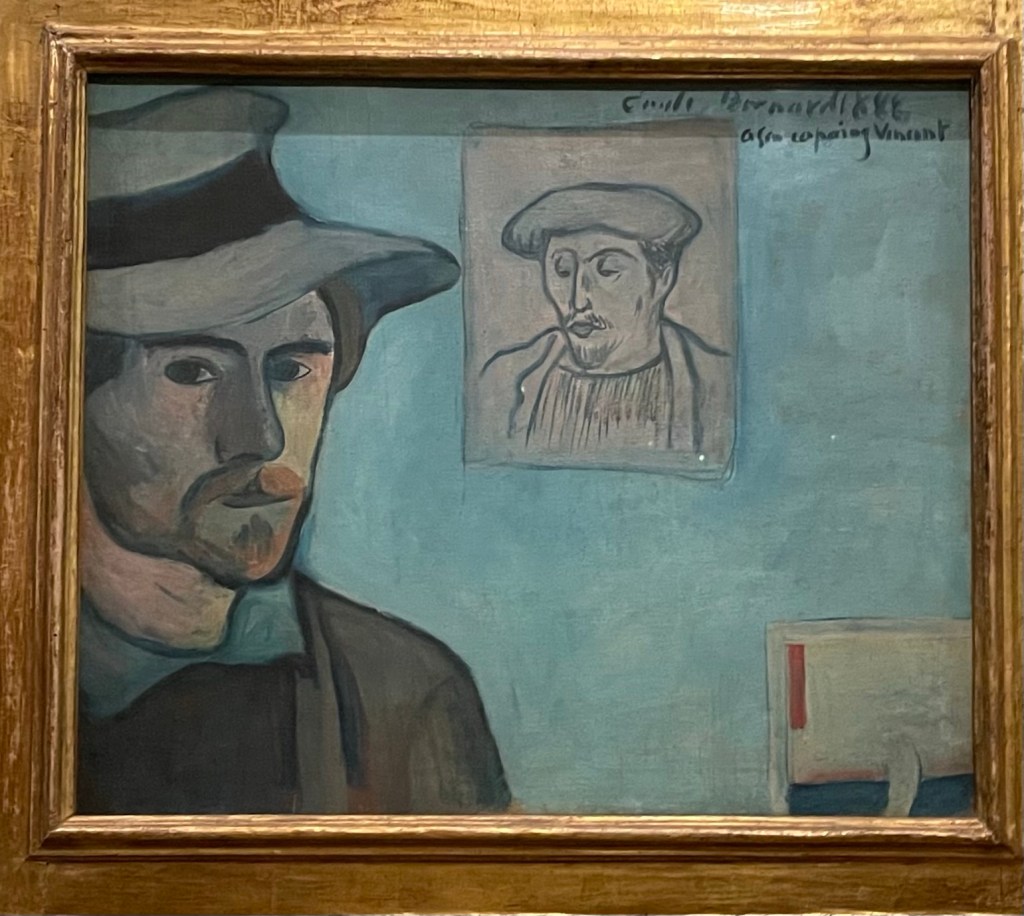
There is also a section devoted to paintings by van Gogh’s friends and colleagues. Gauguin’s Vincent van Gogh Painting Sunflowers, plus the amazing pair of Bernard’s self portrait with Gauguin and Gauguin’s self portrait with Bernard illustrate the close relationship between the artists painting in Paris in the late 1880’s

Many thanks to the folks behind the website the Van Gogh Route! This amazing site is the perfect launch spot for any van Gogh adventures.
 Secrets of Philadelphia