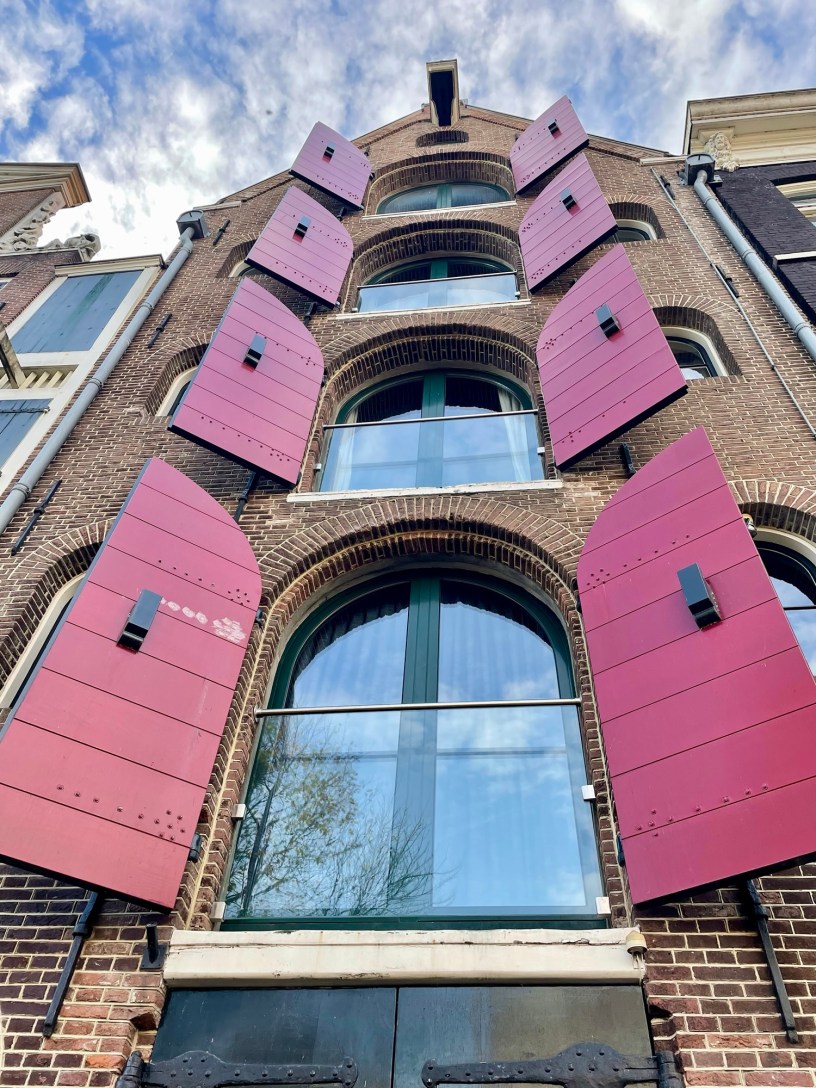
It’s hard to believe that a country even smaller than the state of West Virginia was the first world-wide trading empire, stretching from North to South America, Africa to Indonesia, and for a time even had exclusive trading access to Japan.
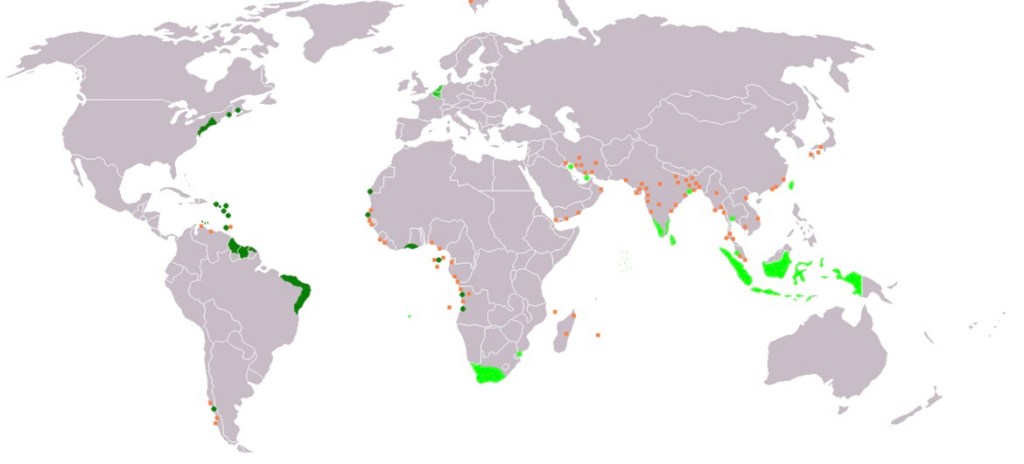
This was the Dutch Golden Age when the Netherlands ruled the seas. Amsterdam’s canal system was built during this period, and many of its historic canal houses date to this time.
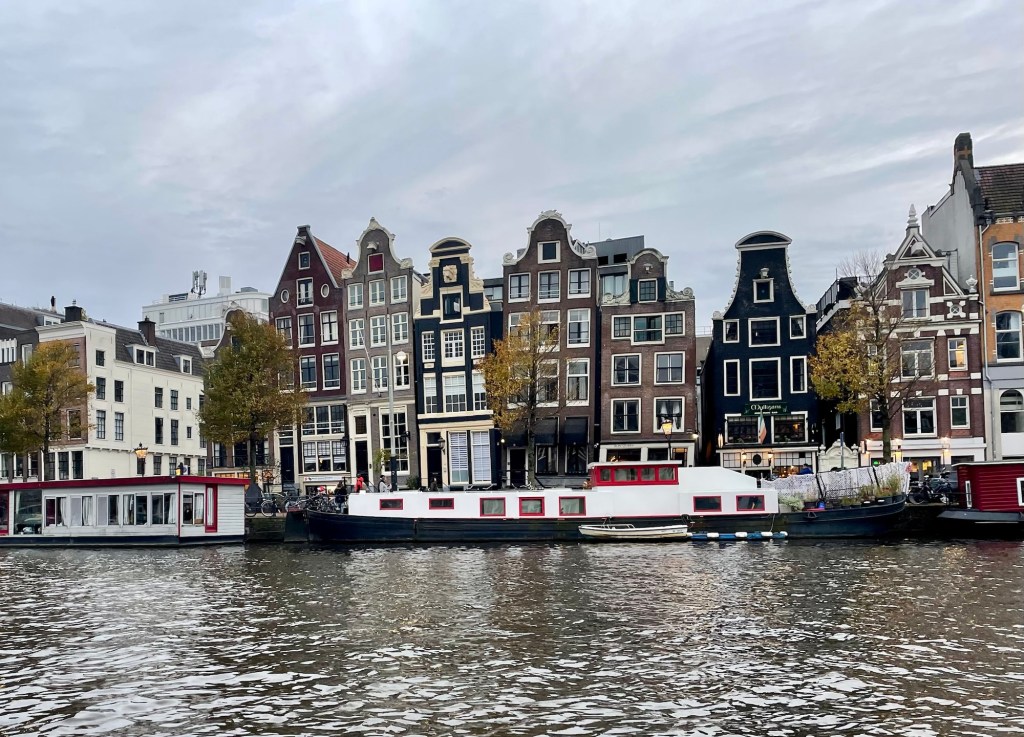
These often served as both residence and commercial warehouse with living space on the top floors and space on the lower levels for storing products from their vast empire.

In 1624 the Dutch built Fort Orange in Central New York primarily for trade in beaver pelts. An exhibit at the State Museum in Albany, NY pairs objects found in the excavation of the fort with similar items illustrated in Golden Age paintings.
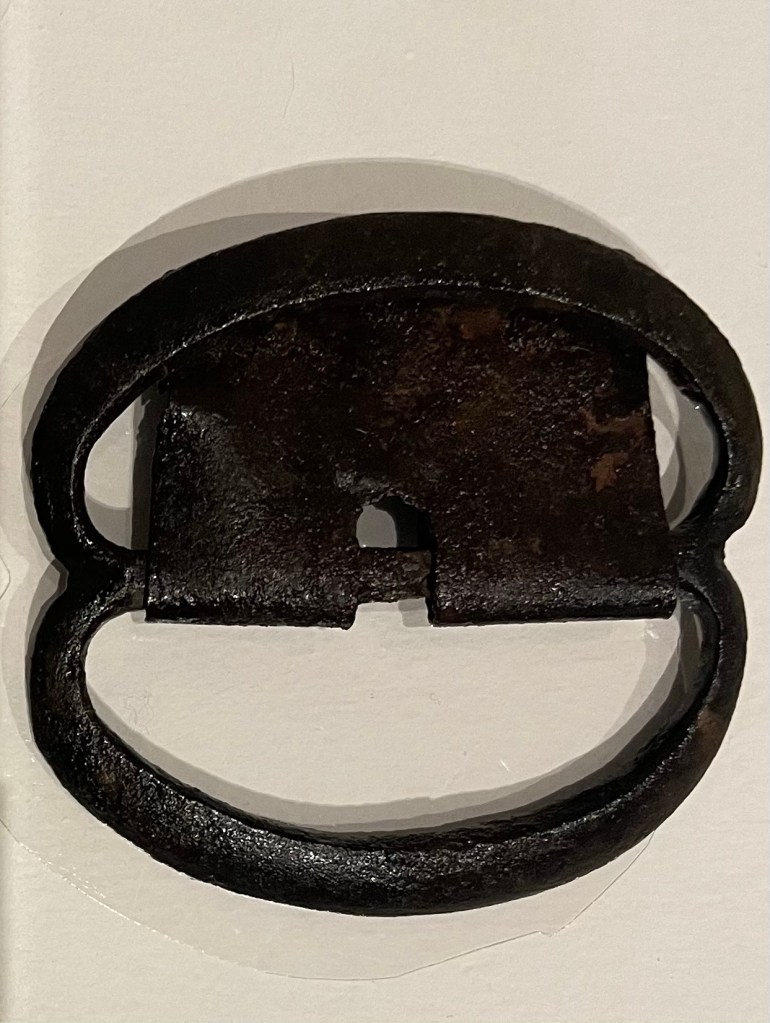
By the late 1700’s the Dutch lost their global dominance, and most of their colonial possessions and trade monopolies were taken over by the English and French. More territories were lost during the period of decolonization after WWII. The final territory of Surinam gained independence in 1975. Today the only sign of this once extensive empire is that the Caribbean islands of Aruba, Curaçao, and Sint Maarten are still part of The Kingdom of the Netherlands.
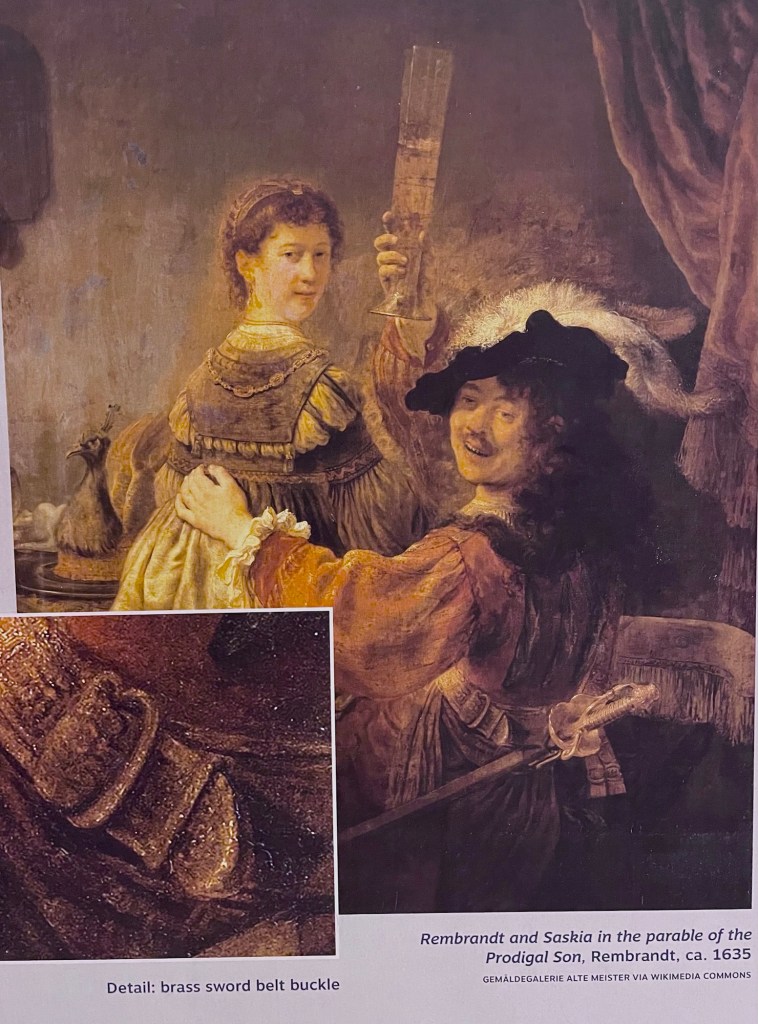
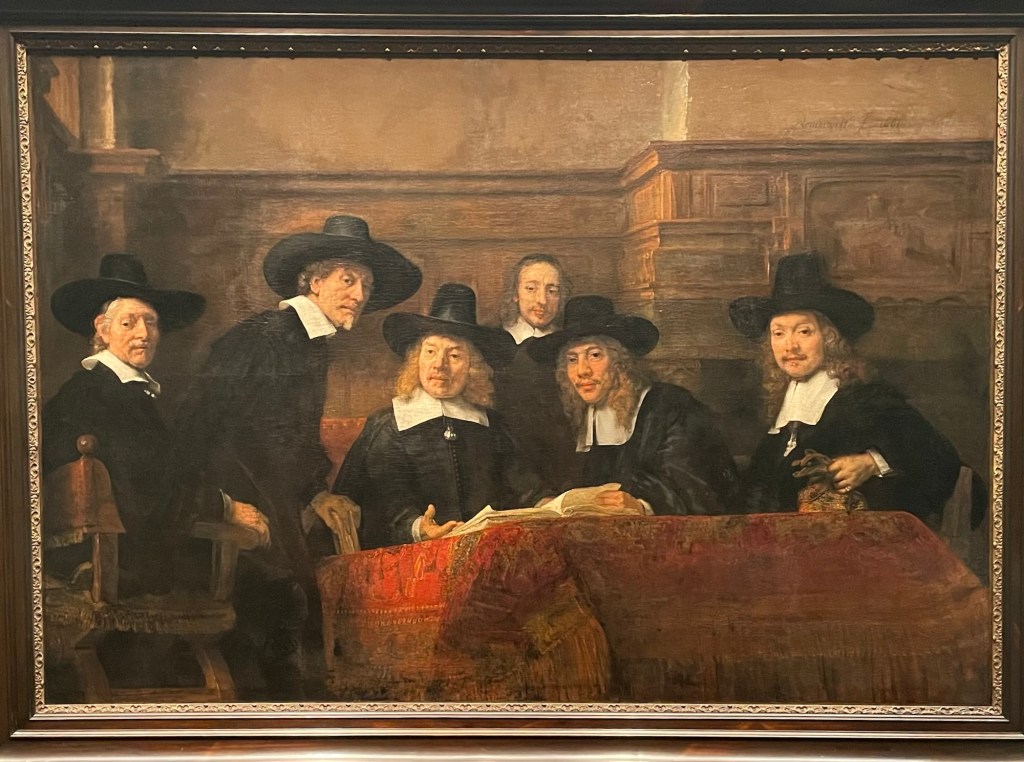
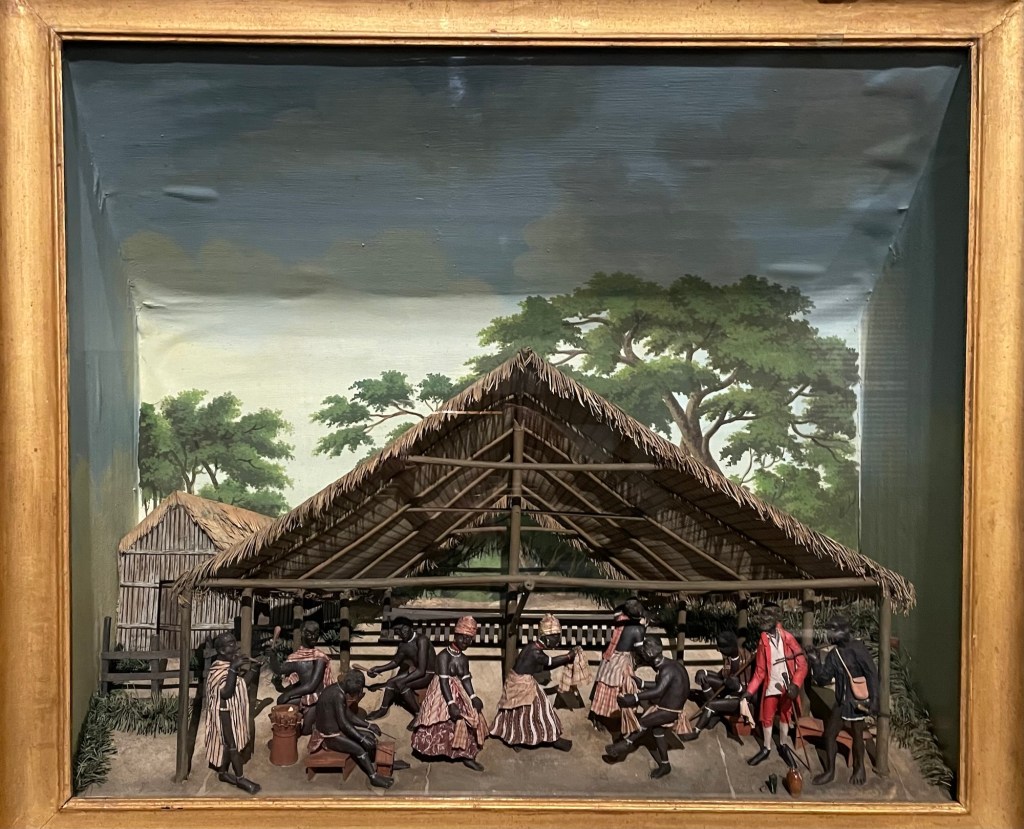
Amsterdam’s Rijksmuseum contains many artifacts from the Dutch Golden Age, including the paintings of Rembrandt that highlight the beneficiaries of colonialism to these c.1830 dioramas depicting a rosy view of life in the colonies.
But the best place to learn about the true impacts of colonialism is at the Wereldmuseum.
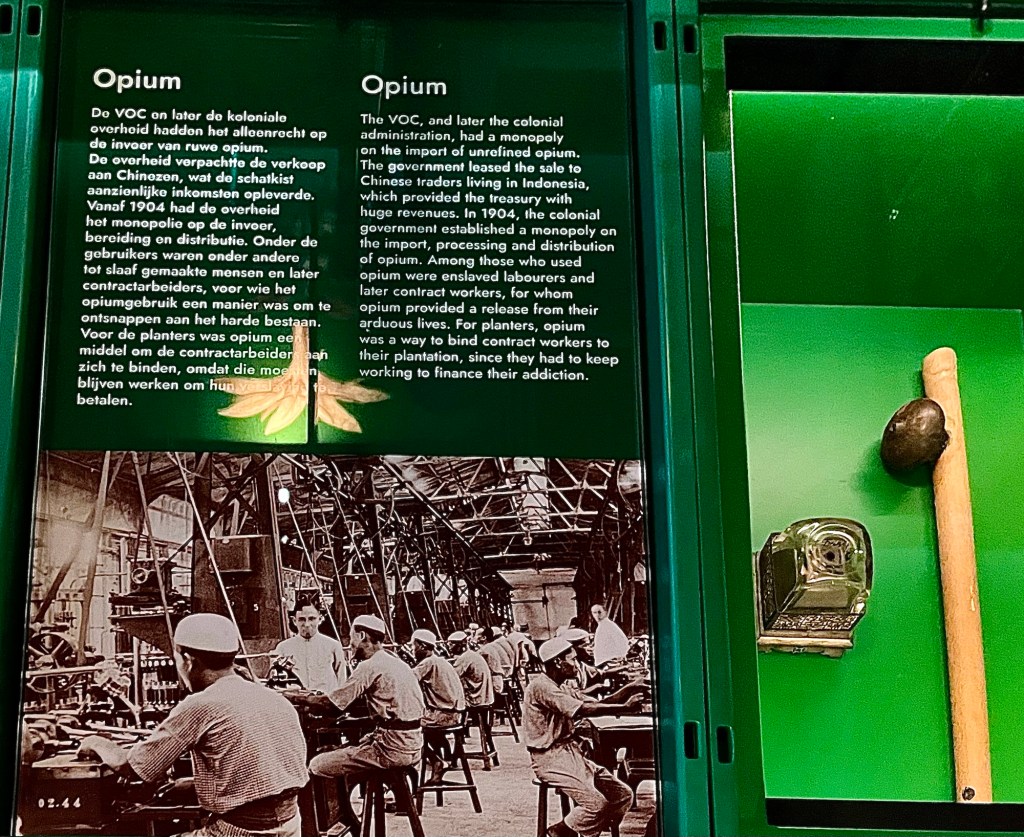
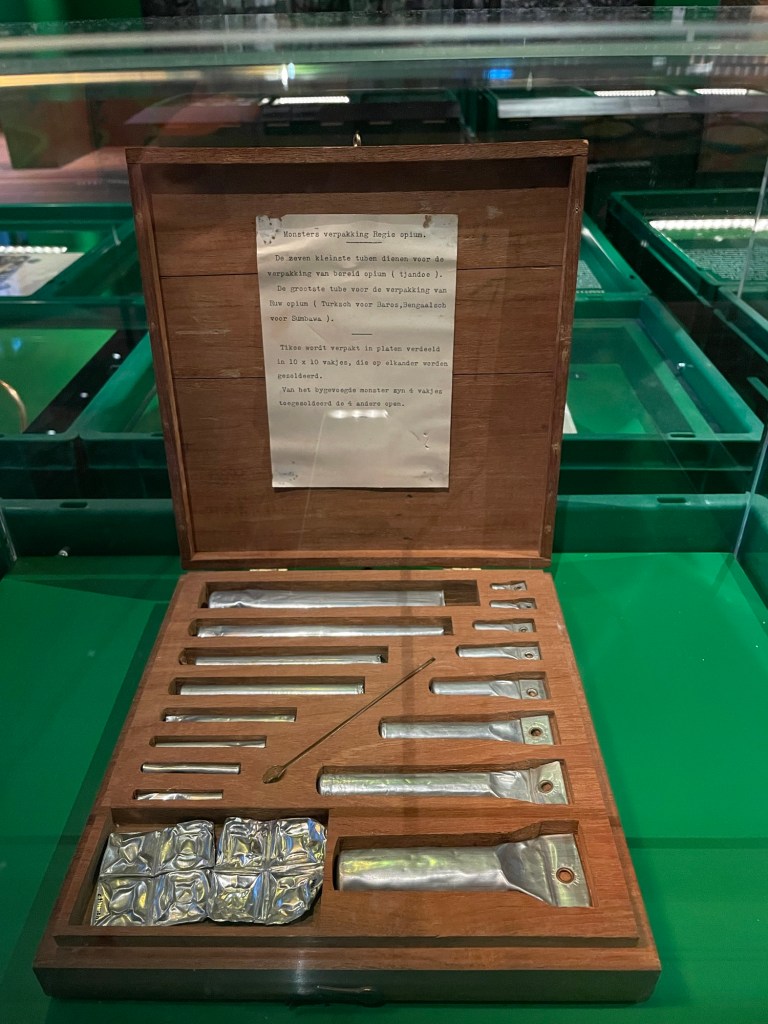
Formerly an anthropology museum, it has been reinterpreted to discuss the impact colonialism had on the societies it came in contact with. Of course there is plenty of information about obvious forms of exploitation such as slavery and the triangle trade and how the opium trade was used to subdue workers:
For me the most interesting were the less obvious impacts and their continued repercussions.
Environmental degradation:
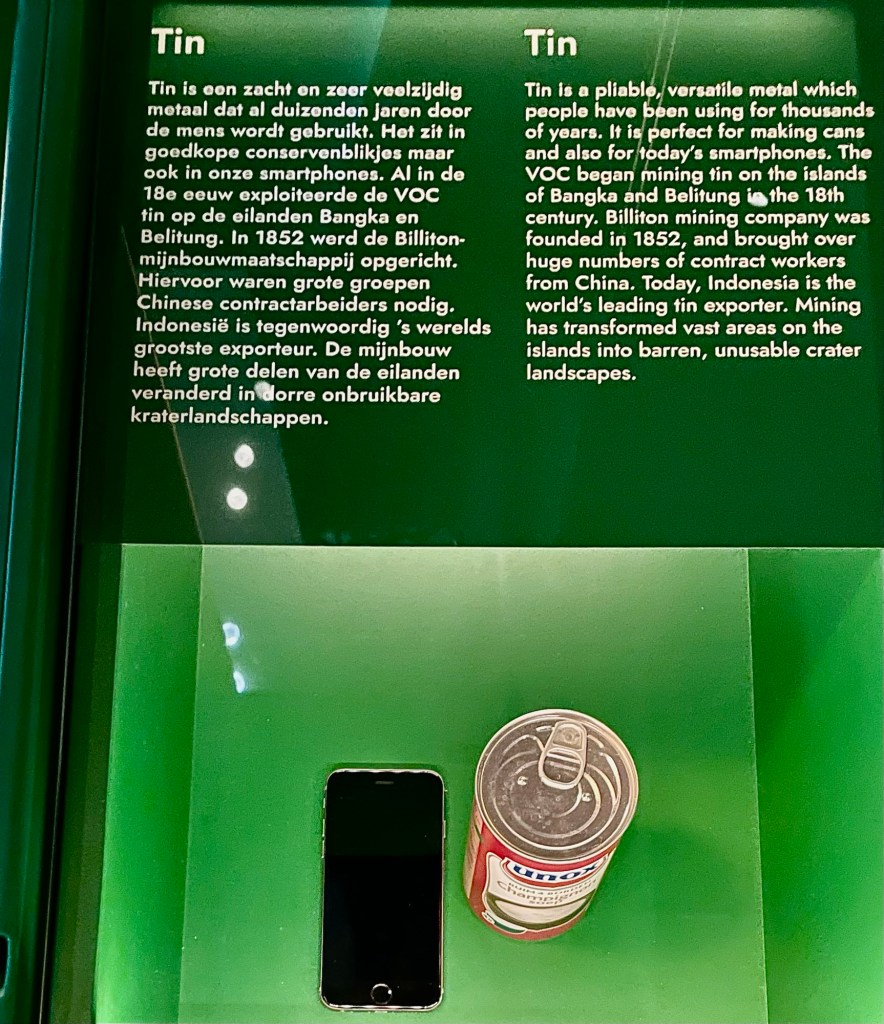
Theft of natural resources and deforestation to provide land for monocultures:
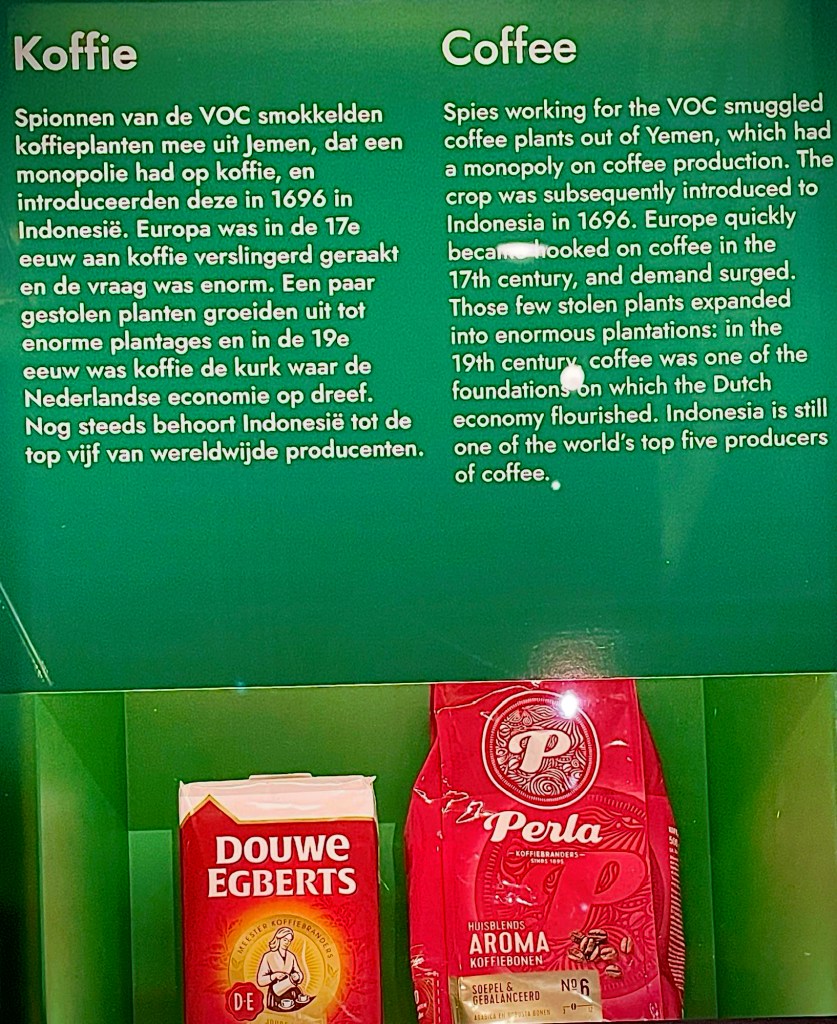
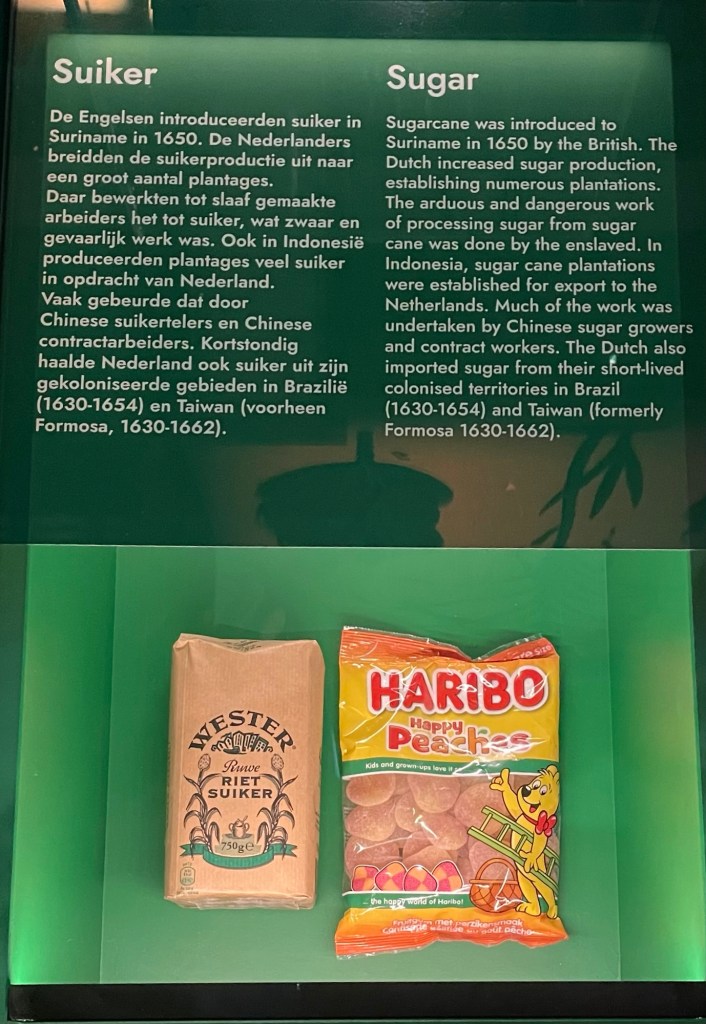
21st century tastes are still influenced by this exploitation:
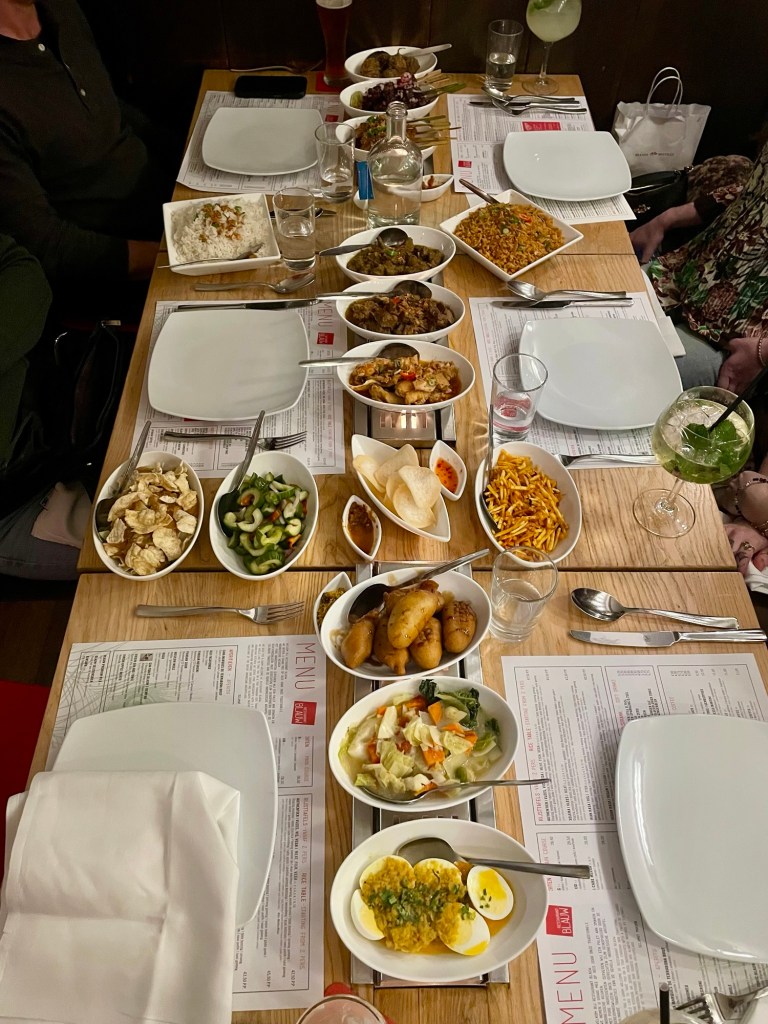
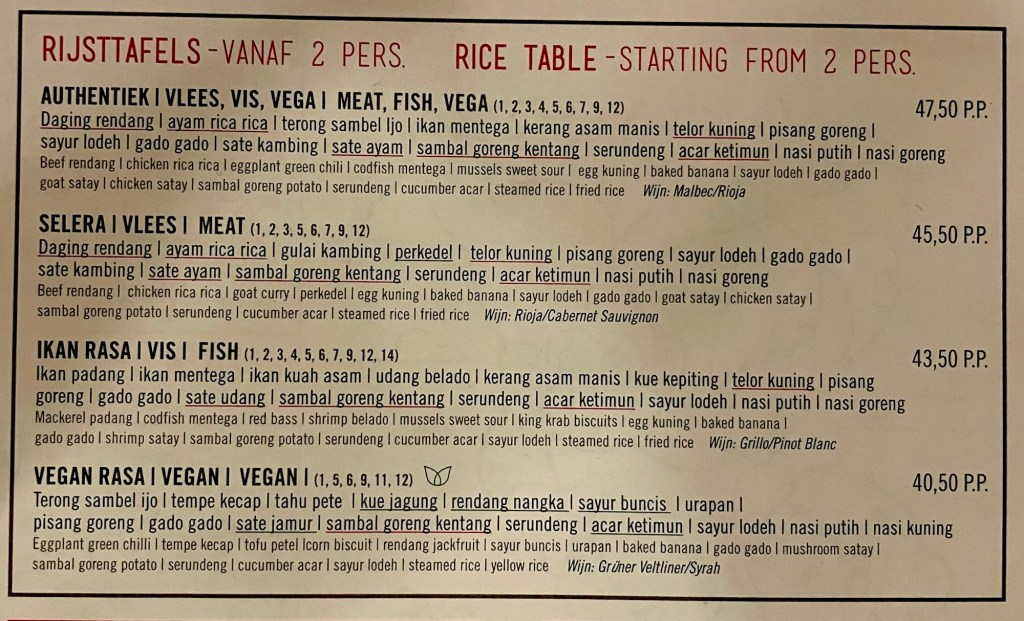
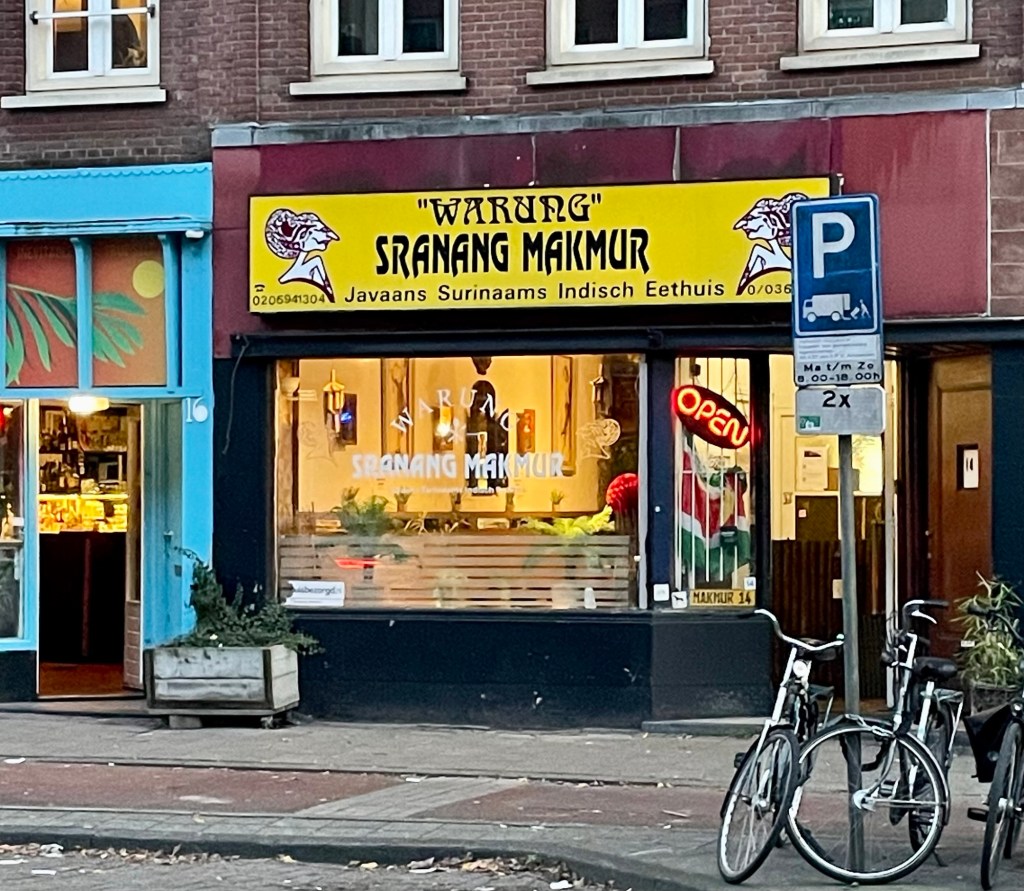
After the intensity of the museum, a more laid back way to experience all this colonial history is through Dutch cuisine. Today, between 5-12% of the Dutch have Indonesian ancestry, and Indonesian restaurants are everywhere. Like Indian food in England, Indonesian food in the Netherlands is not an exact replication, but uses the region’s cooking methods and ingredients to create something unique. The ultimate Dutch/Indonesian feast, called a rijsttafel (rice table), consists of many small dishes:
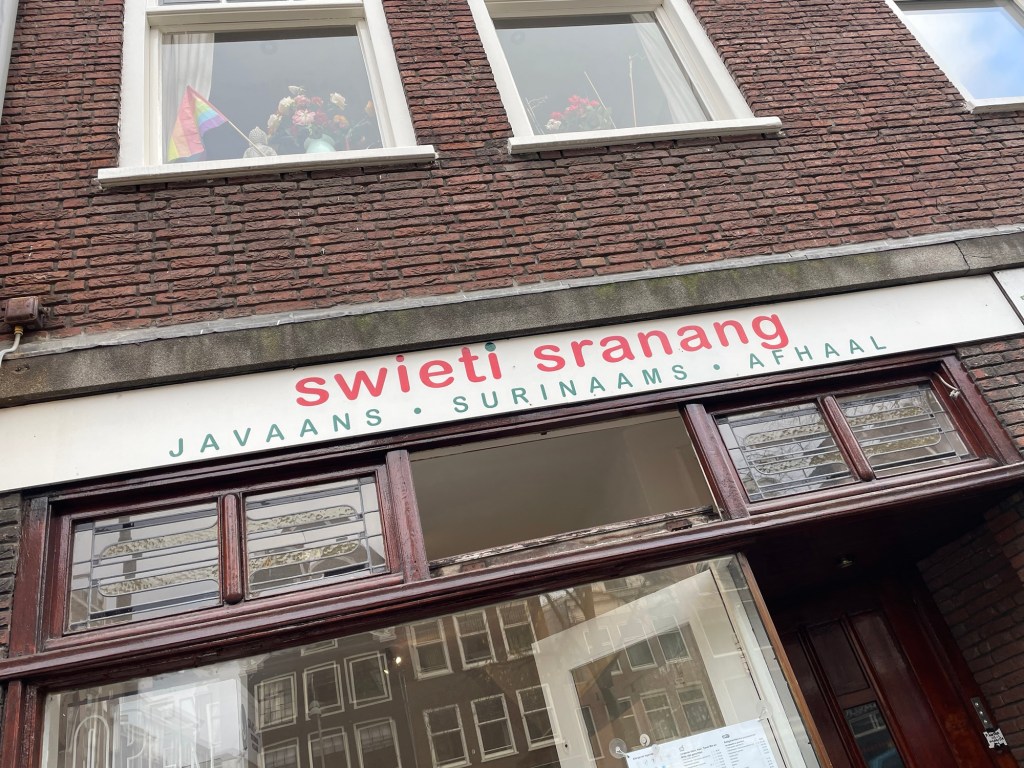
Surinamese restaurants are also everywhere, although most tend to be take-out rather than sit down. A look at the makeup of Surinam’s ethnic population shows the enduring effect of forced and unforced migration into the country as cheap labor.

Dishes served in Surinamese restaurants contain influences of these waves of African, Indian and Chinese workers on the region’s native cuisine:
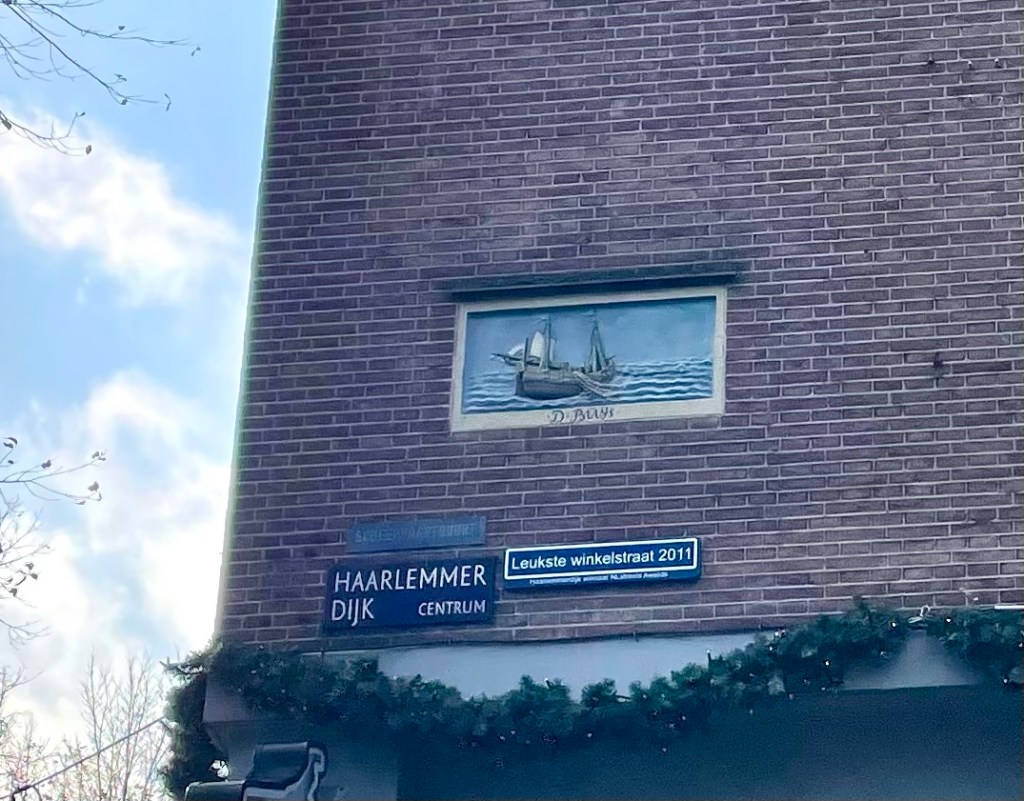
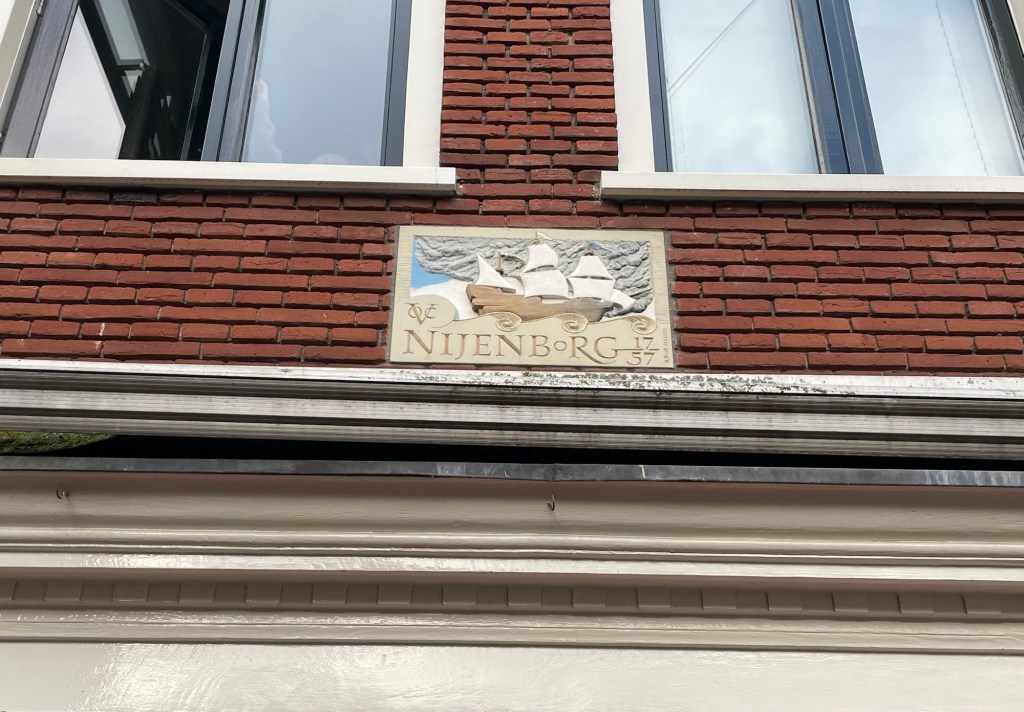
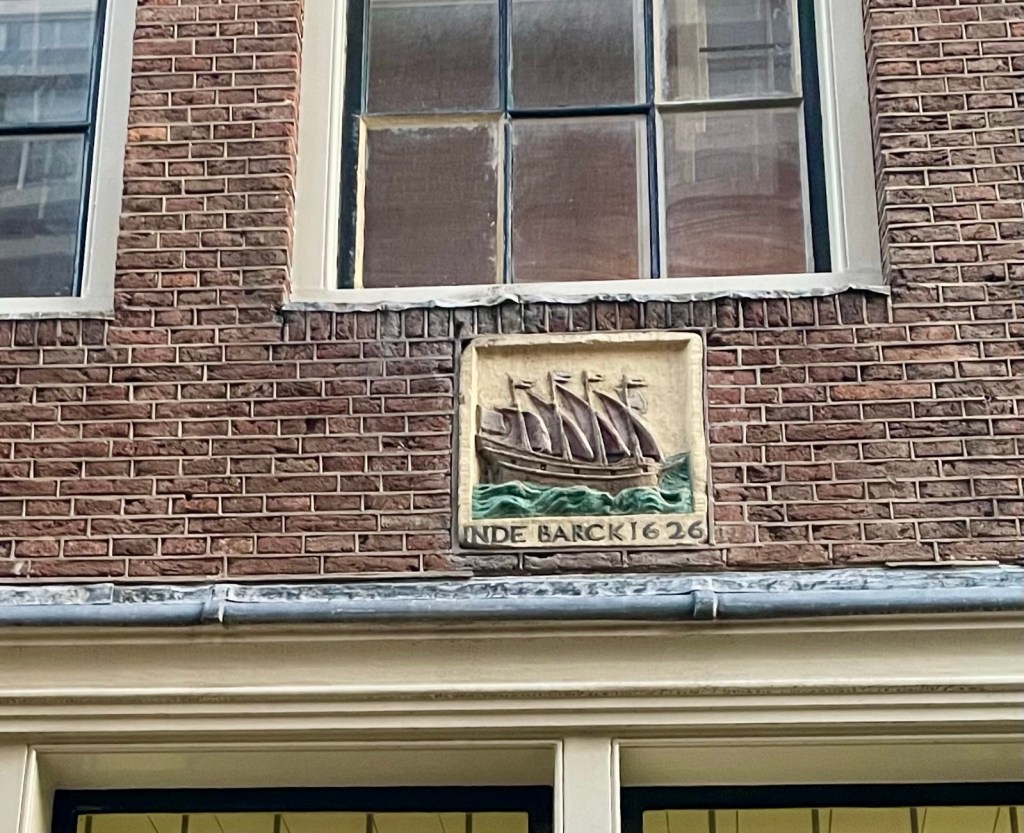
If you are on a quest to “collect” gable stones, check out the following addresses for stones dating back to the Dutch Golden Age relating to the slave trade: Oudezijds Voorburgwal 136, Lindengracht 211, Keizersgracht 419. Next visit! However, we did see many with reference to the ships that transported the products of this exploitation:

 Secrets of Philadelphia