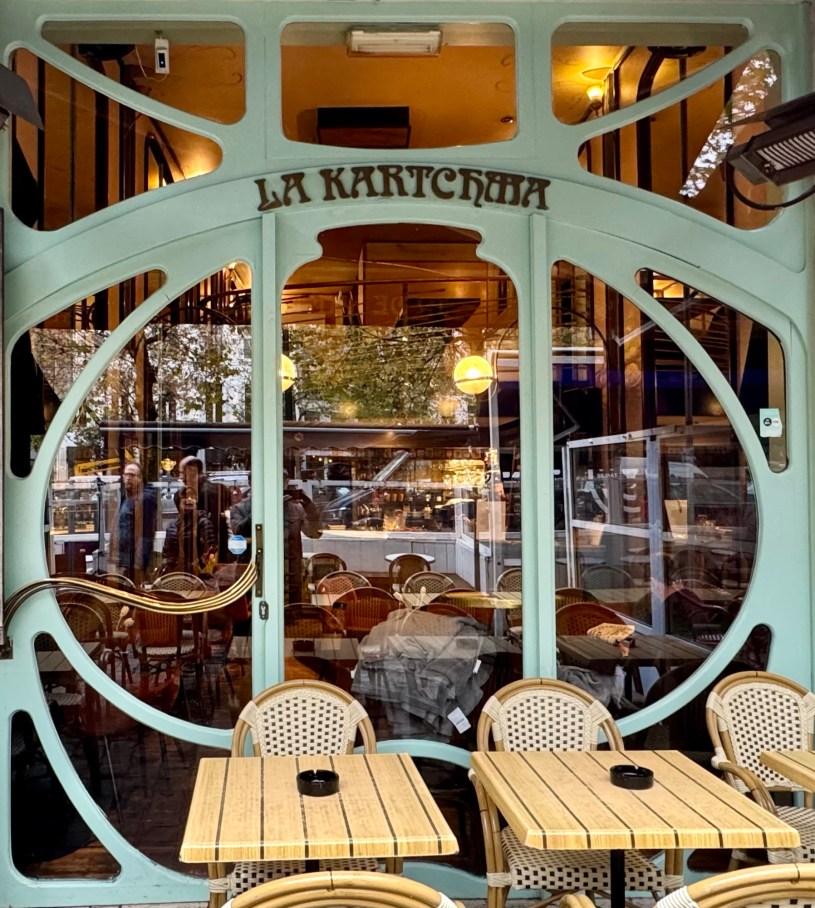
Whether called Art Nouveau, Modernisme, Jugendstil, Nieuwe Kunst, Secession, or Liberty, the architectural style emerged in Brussels in the 1890s. Its flowing, organic lines were in direct contrast to the formal Greco-roman-inspired architecture that preceded it. It drew inspiration from the British Arts & Crafts movement in turning away from the mass production of the Industrial Age towards a craftsman inspired approach, but one that embraced modern materials such as iron, glass, and concrete to create its unusual flowing forms and open spaces.

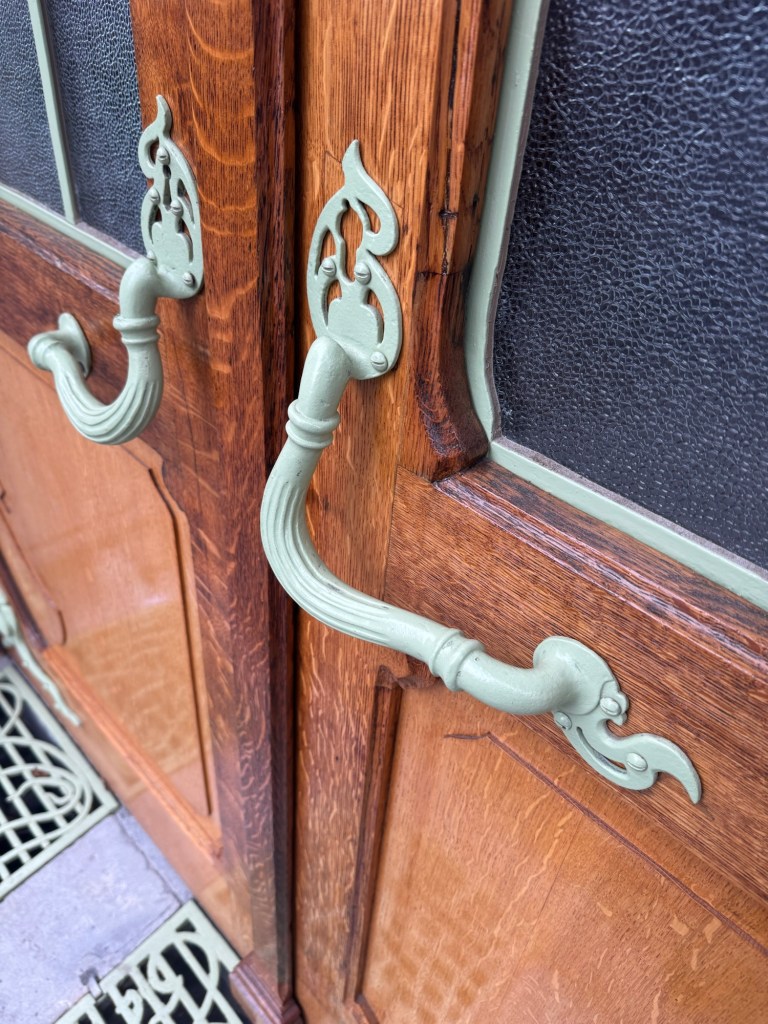
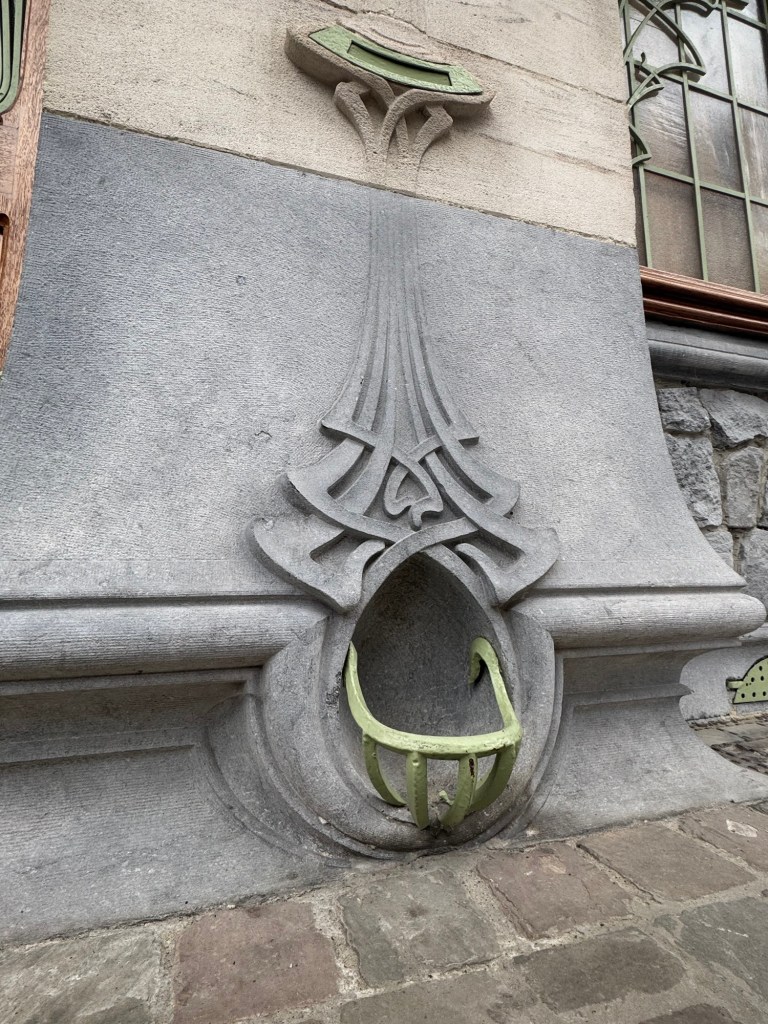
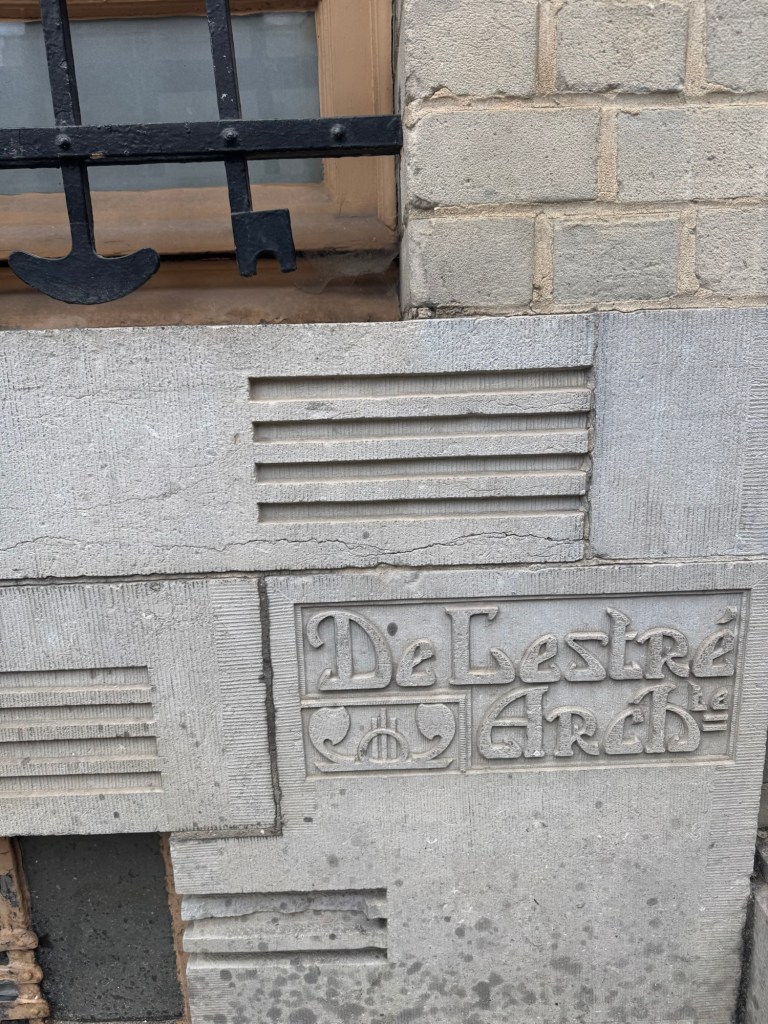
Although the style was popular for only about 20 years, Brussels still has more than 500 Art Nouveau buildings, making it a premier destination to explore this type of architecture (preferably with Belgian chocolate in hand!). You can simply wander the streets (we used this map: https://www.visit.brussels/en/visitors/plan-your-trip/architecture-walks/art-nouveau-and-art-deco), but since Art Nouveau was as much focused on interiors as exteriors, going inside at least one building is a must (tip: inside space is typically limited so advanced booking is recommended).
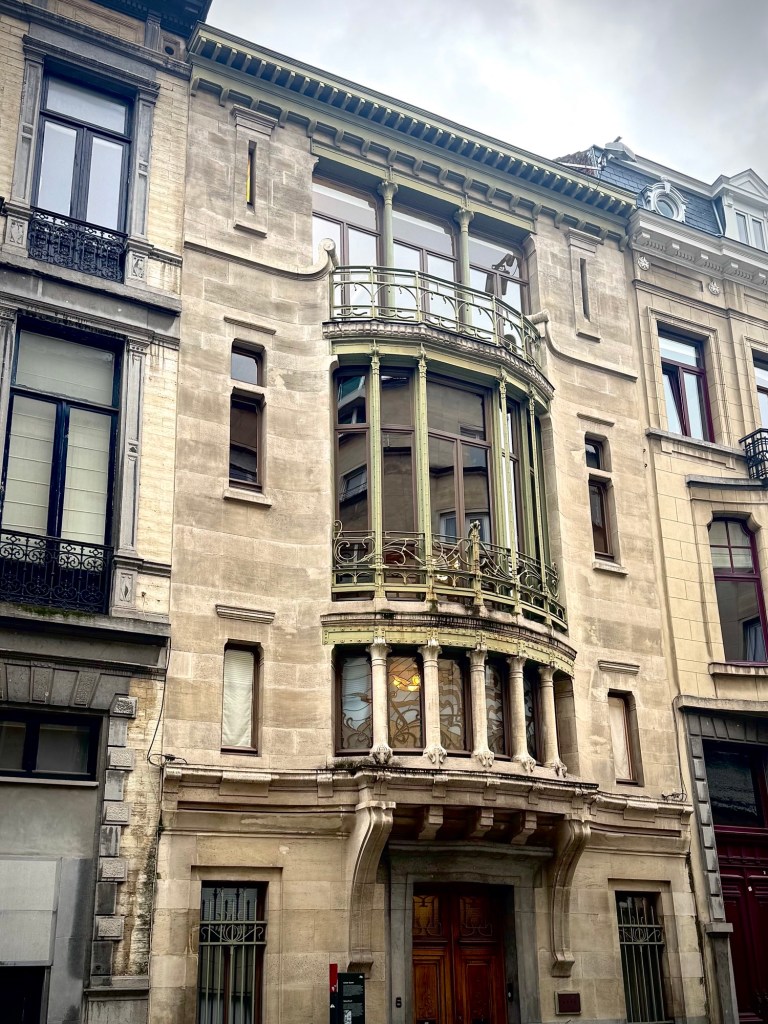
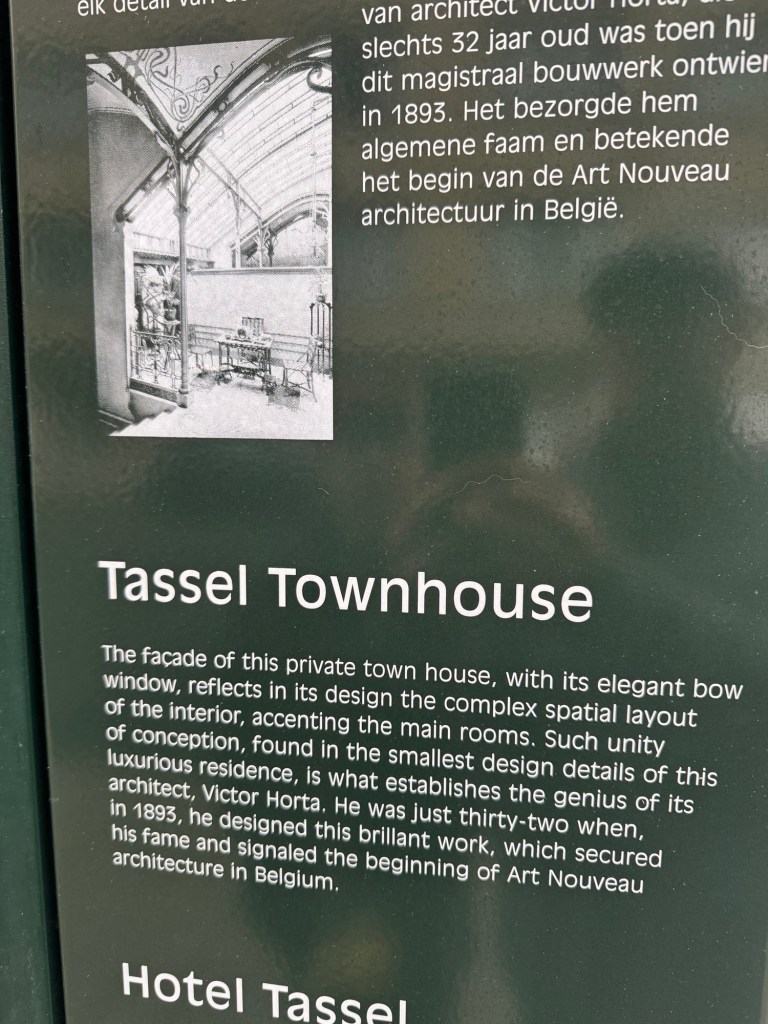
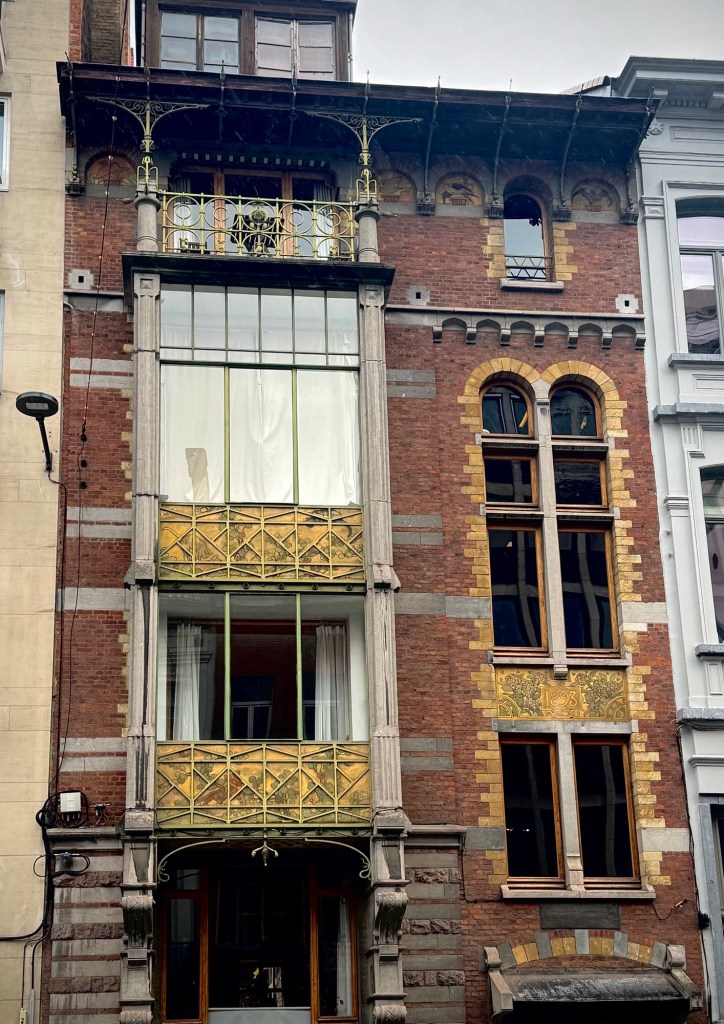
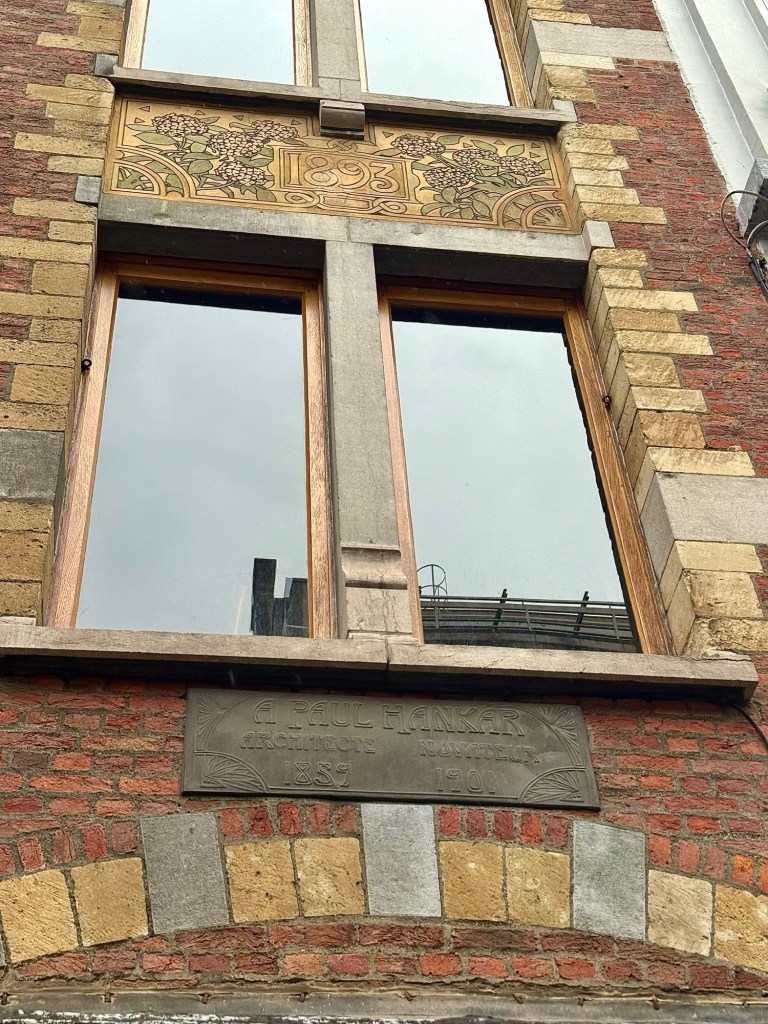
The first two Art Nouveau buildings were completed in 1893. They are located only a five minute walk apart, the Hotel Tassel by architect Victor Horta
and Hankar House by Paul Hankar.
Just down the street is Horta’s townhouse and attached workshop, which are open for self-guided tours (but alas no photography, so these photos are copied from their website):

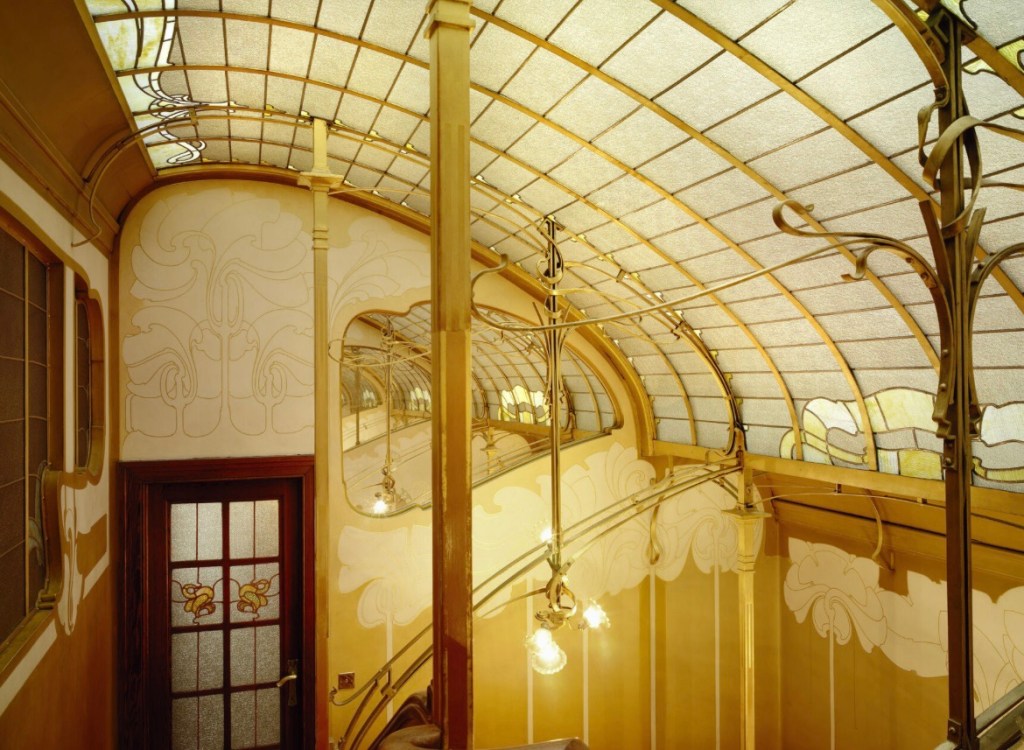
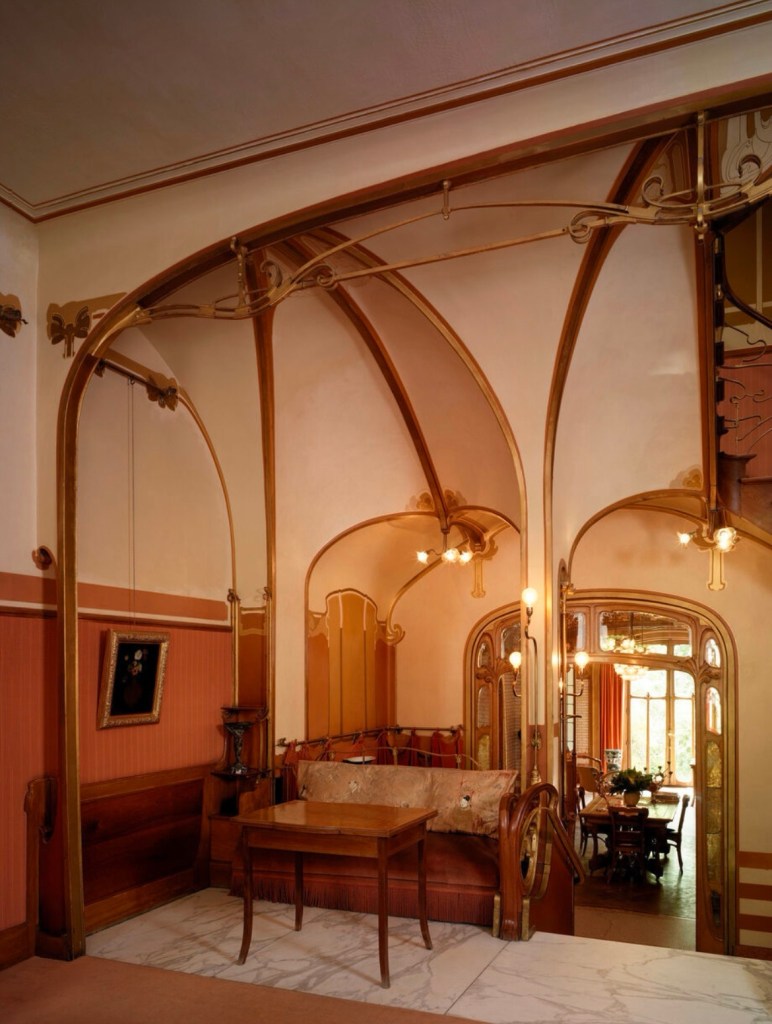
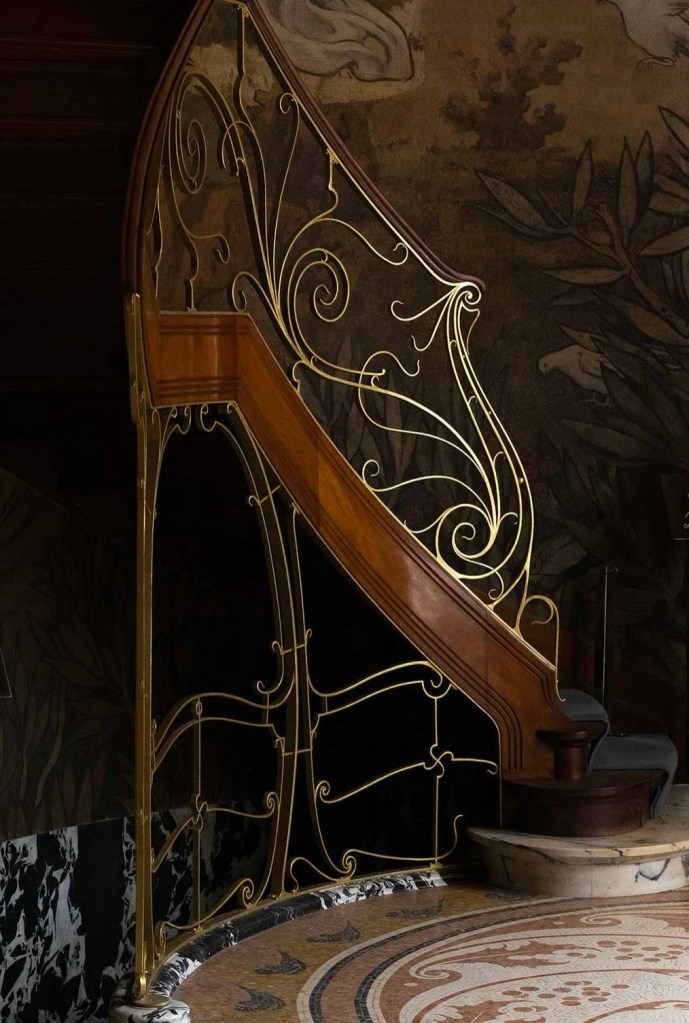
There are several neighborhoods around Brussels with concentrations of Art nouveau architecture, but we stuck close by the Horta/Hansen houses. These are highlights from our walk through the surrounding neighborhood:
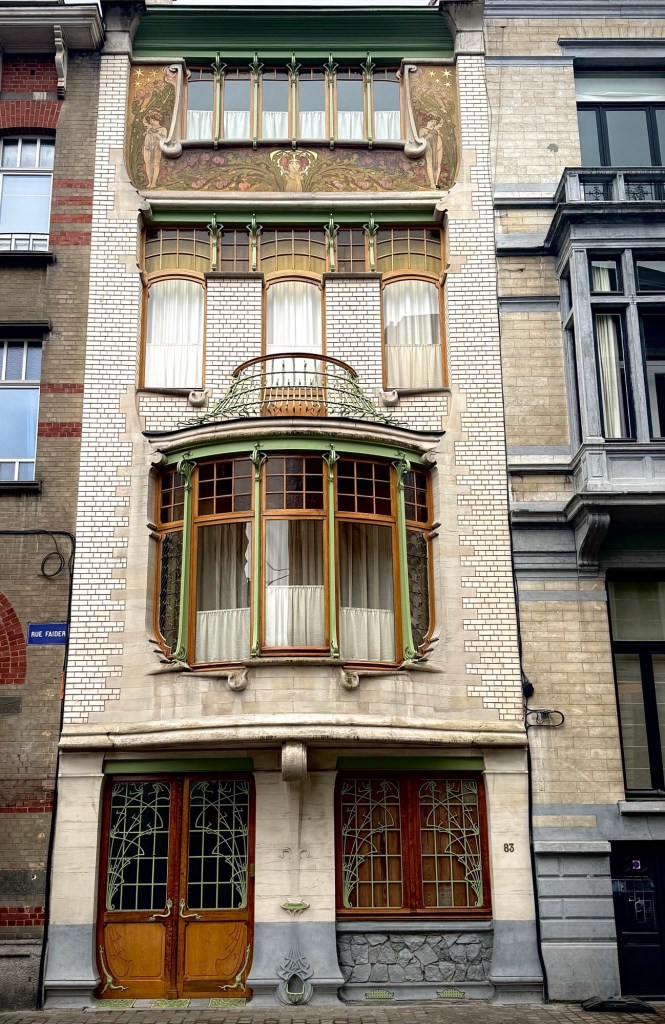
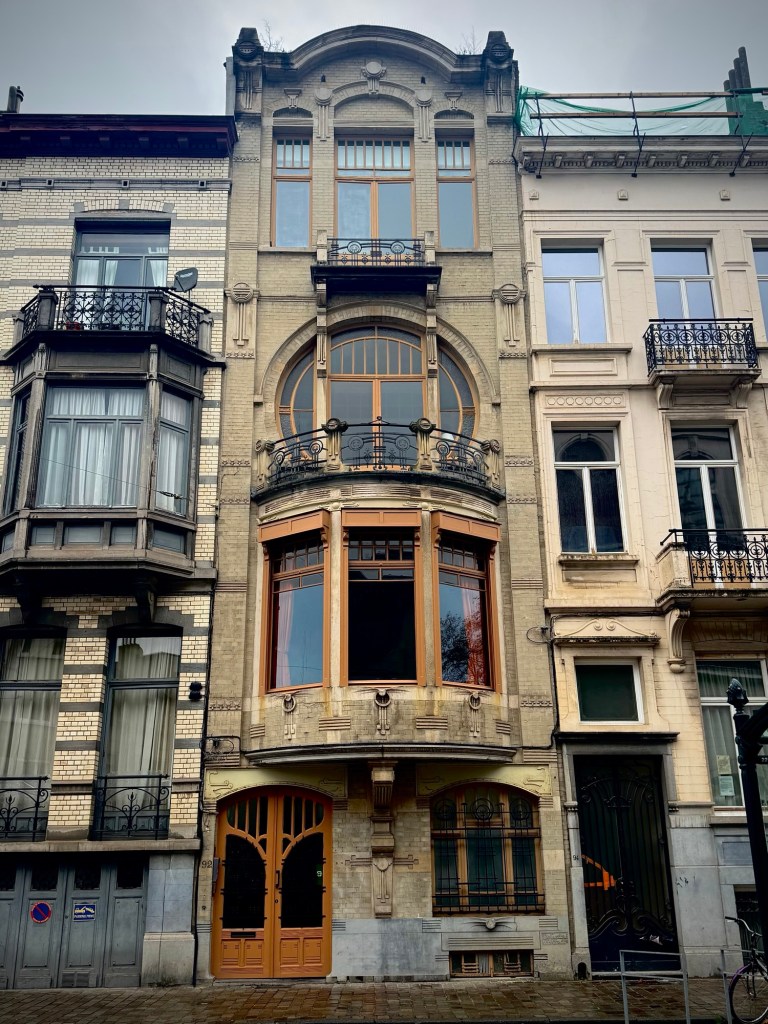
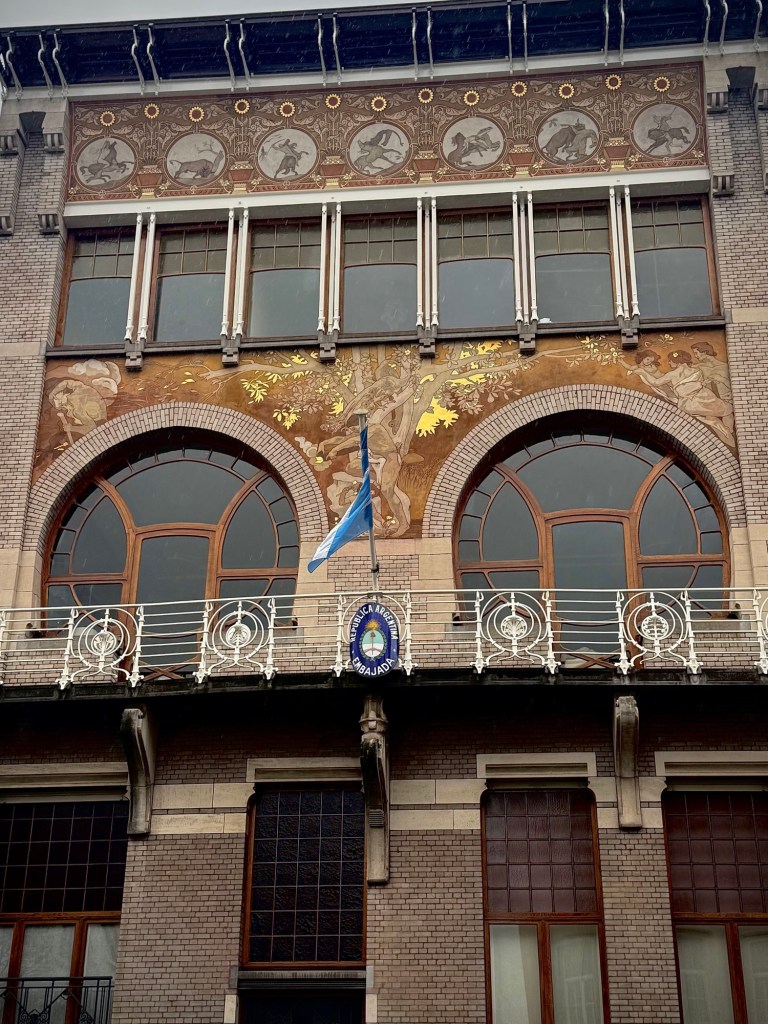
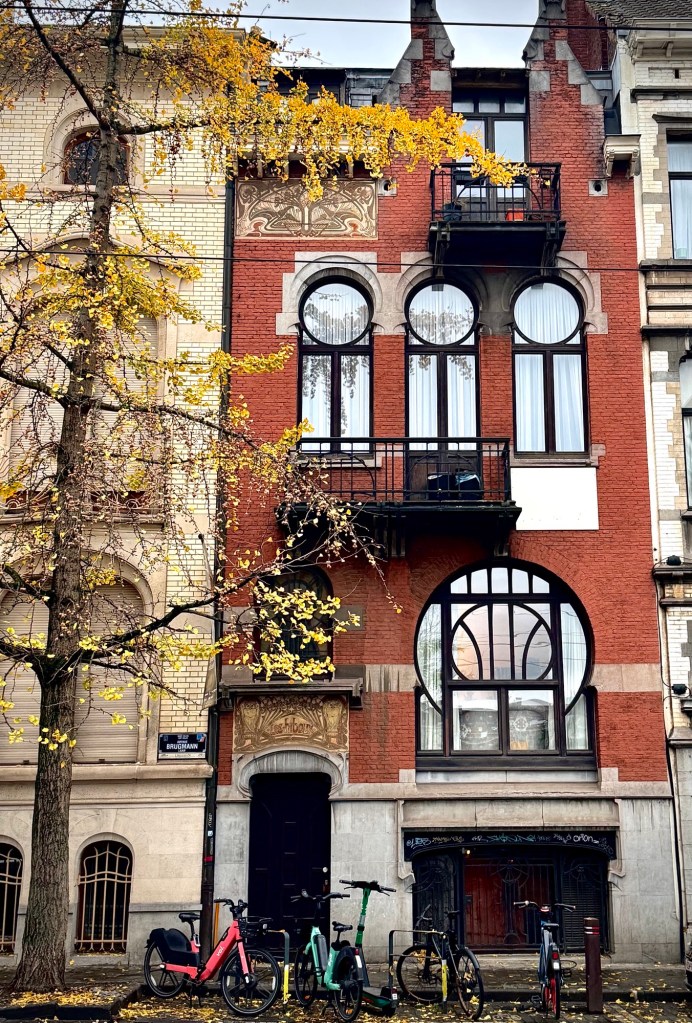
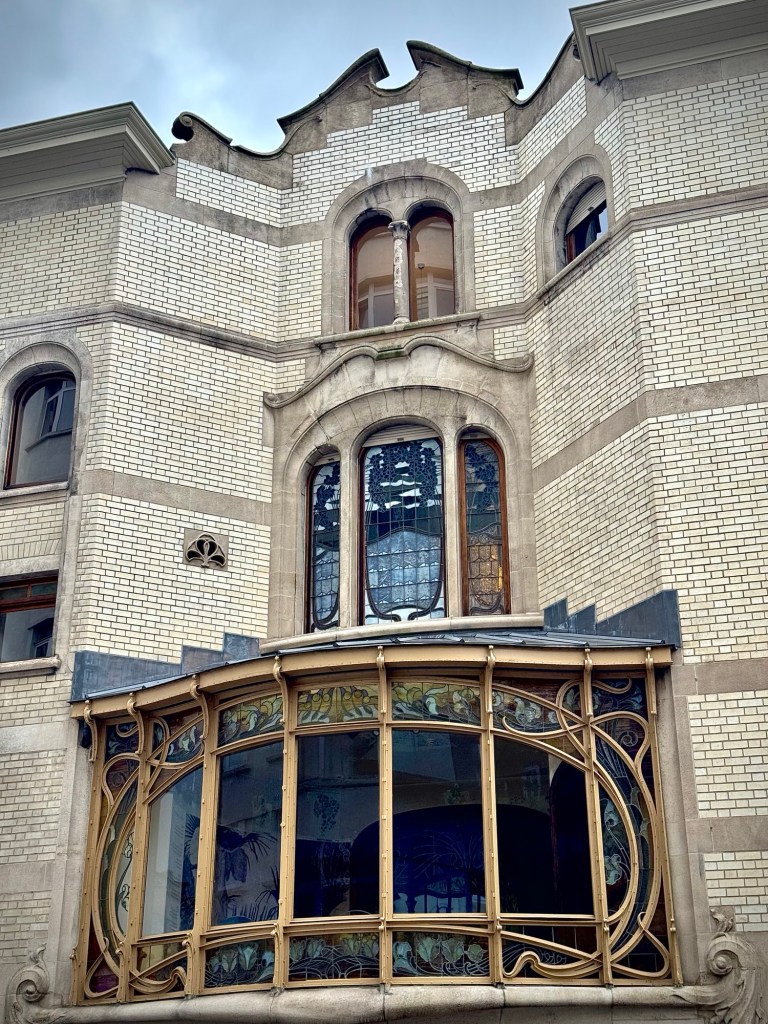
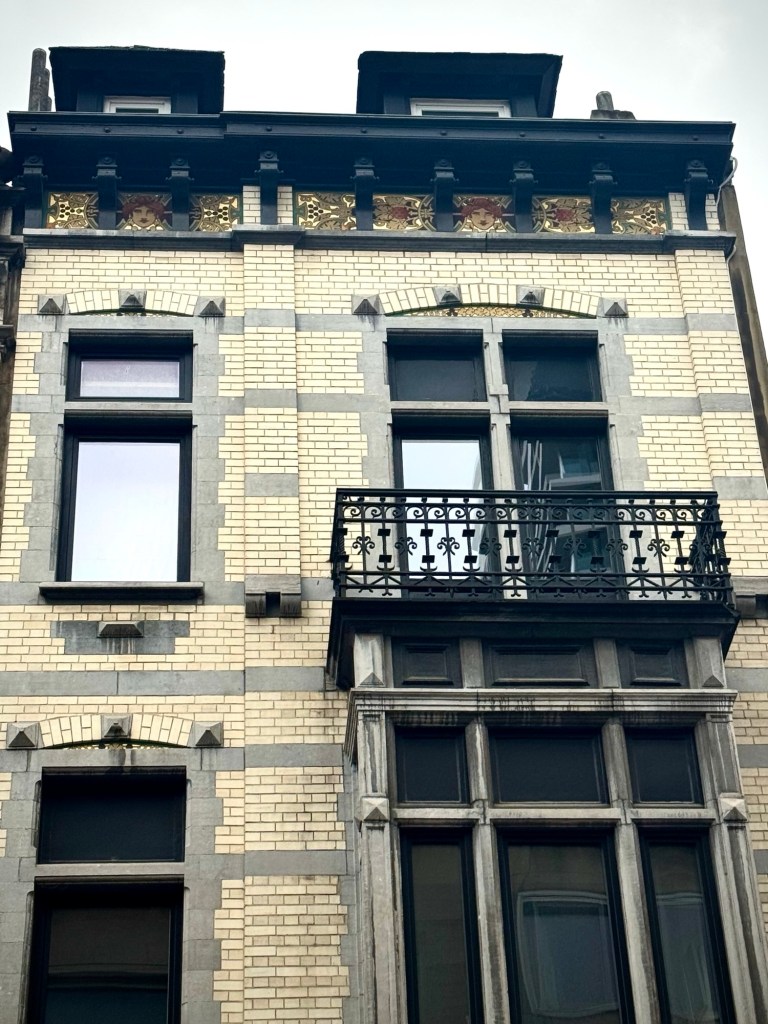
In the center of town is the amazing 1899 Old England department store that now houses the musical instrument museum.

By 1900, the capital of Art Nouveau had moved to Paris and the style was taken up in many other cities, including Barcelona, where it centered on the influence of Gaudi, and Riga, where a third of the city’s buildings are in this style. In Paris fans can see such treats as:
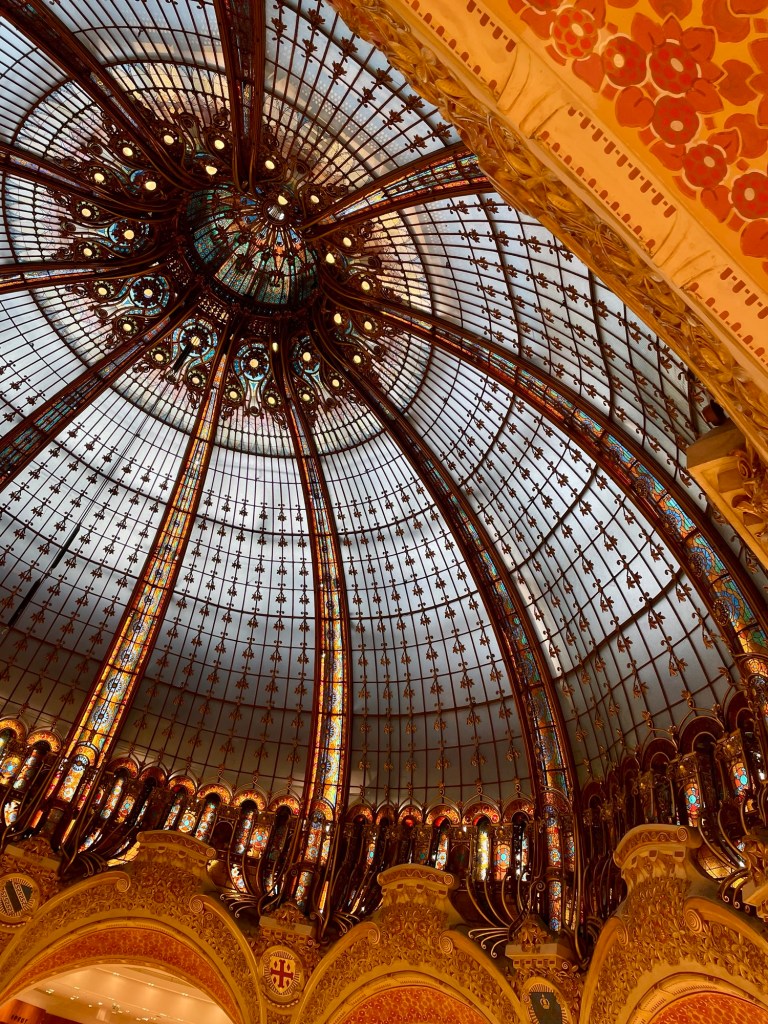
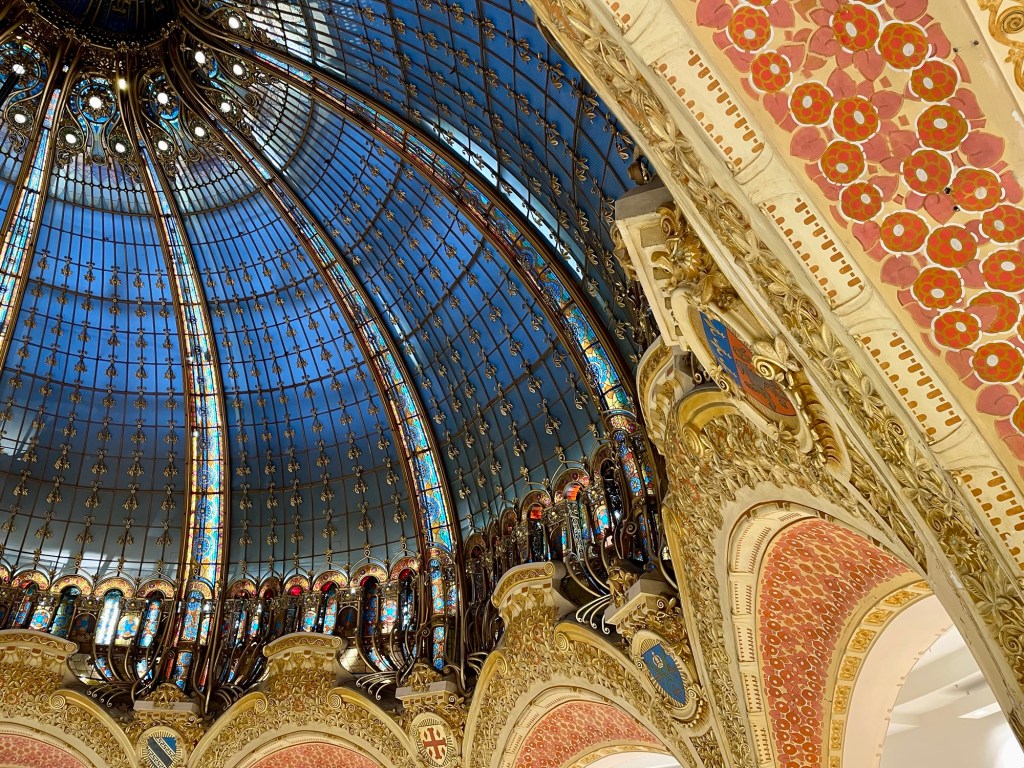
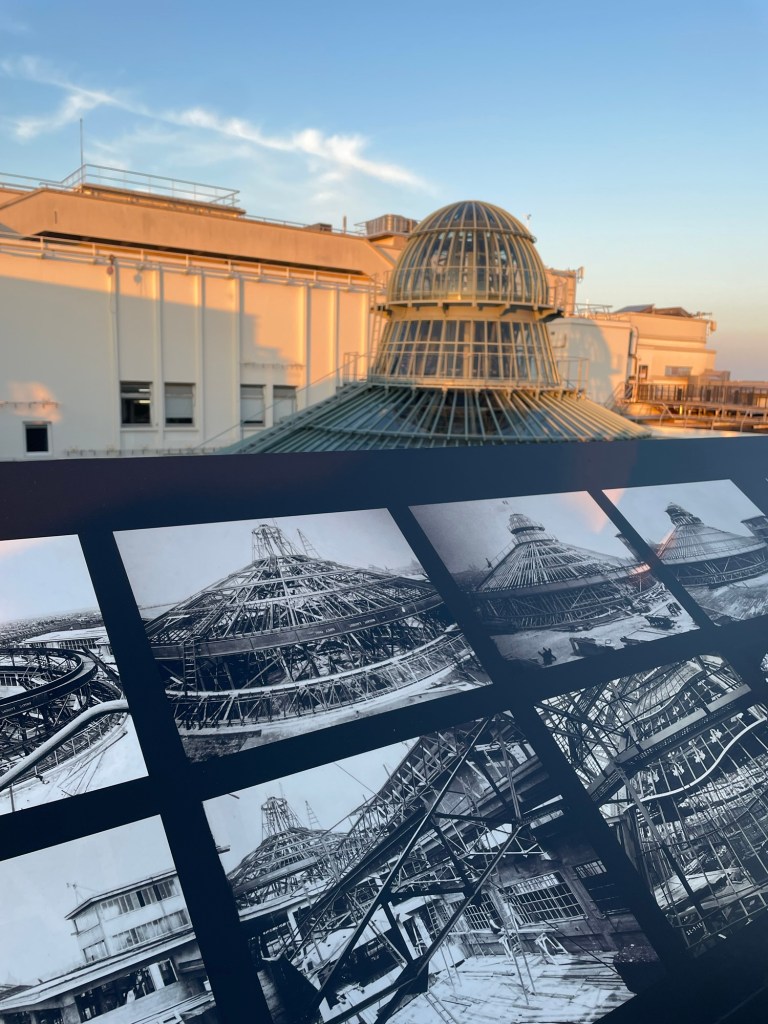
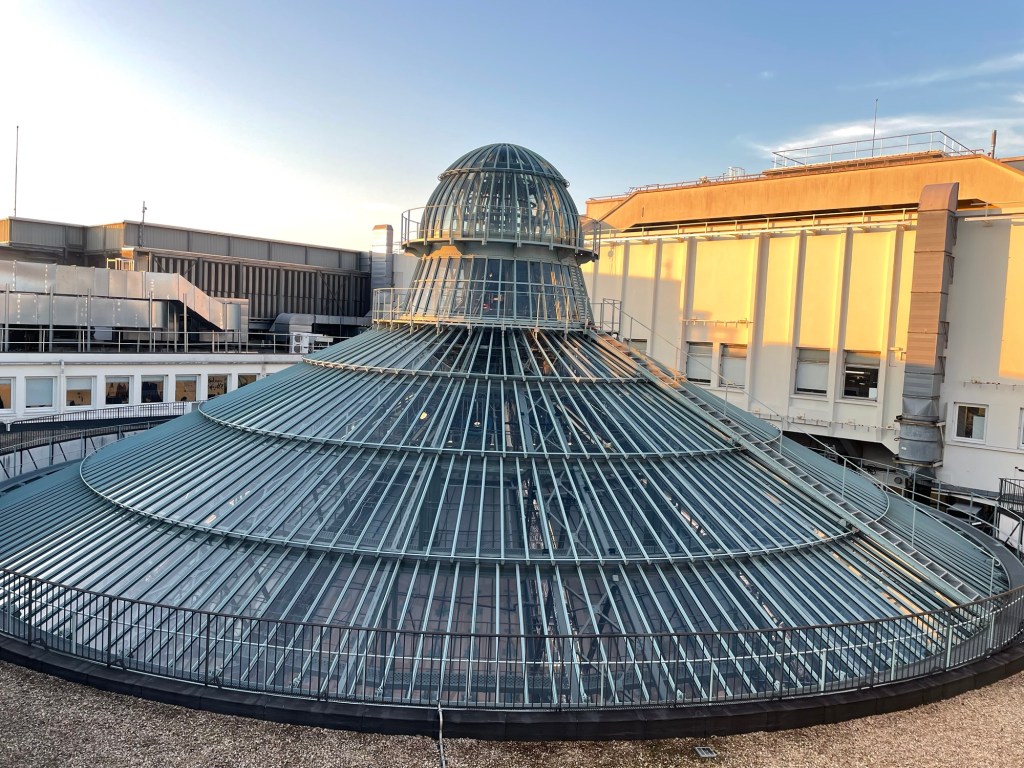
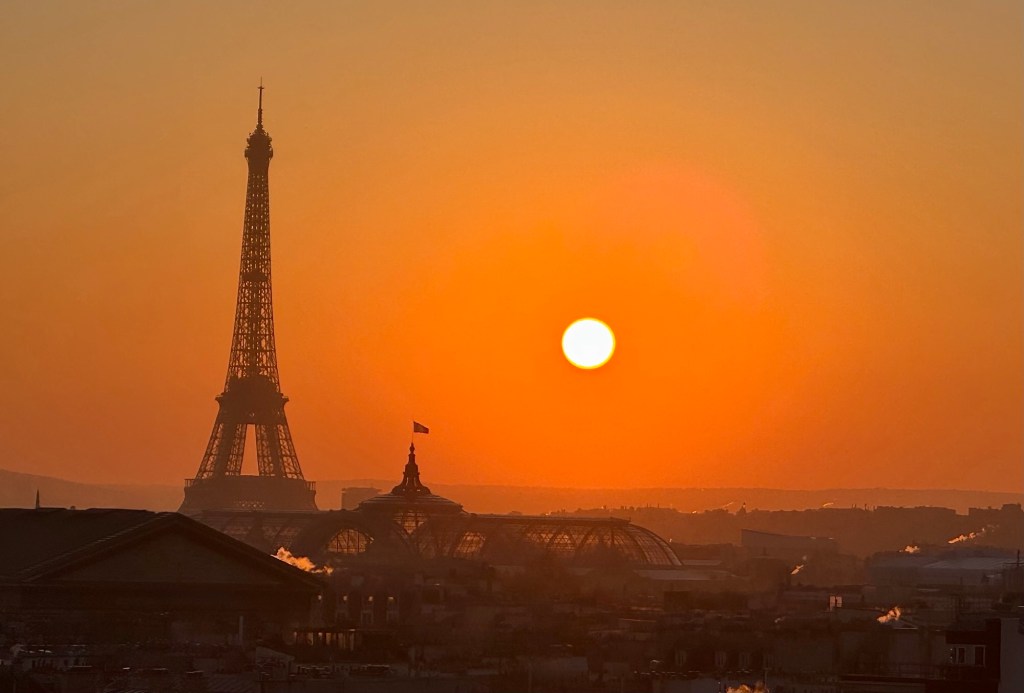
The amazing dome of the Galleries Lafayette – be sure to check out the roof terrace where you can see the dome from the outside and learn about its construction. Bonus, it also comes with amazing sunset views!
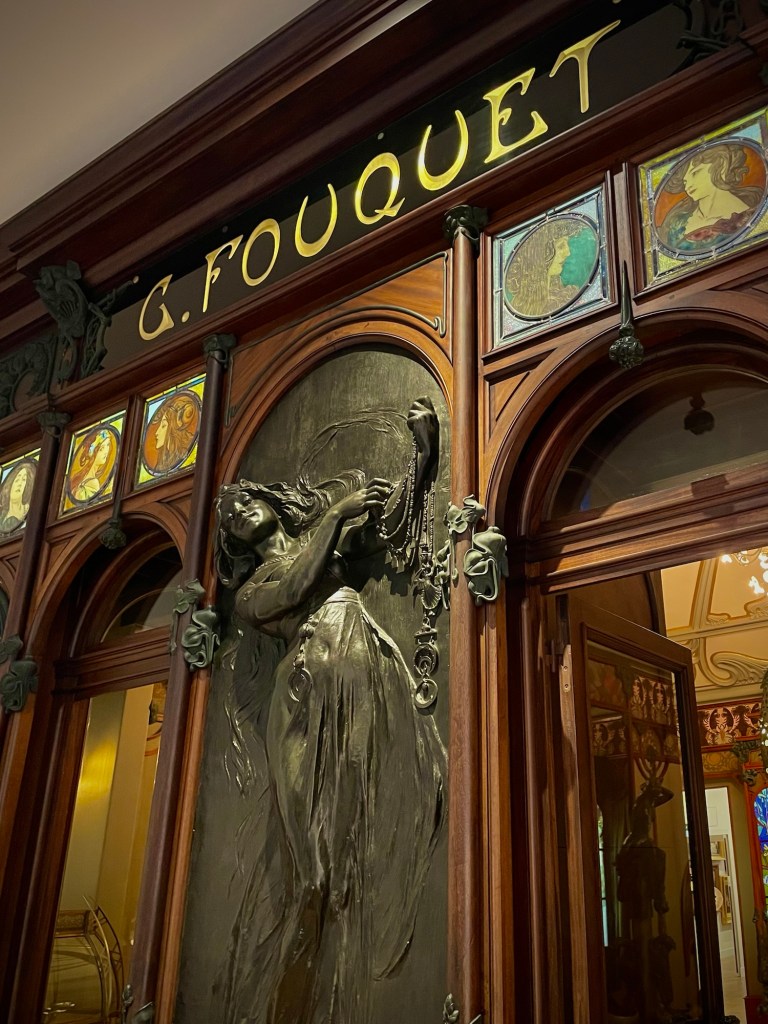
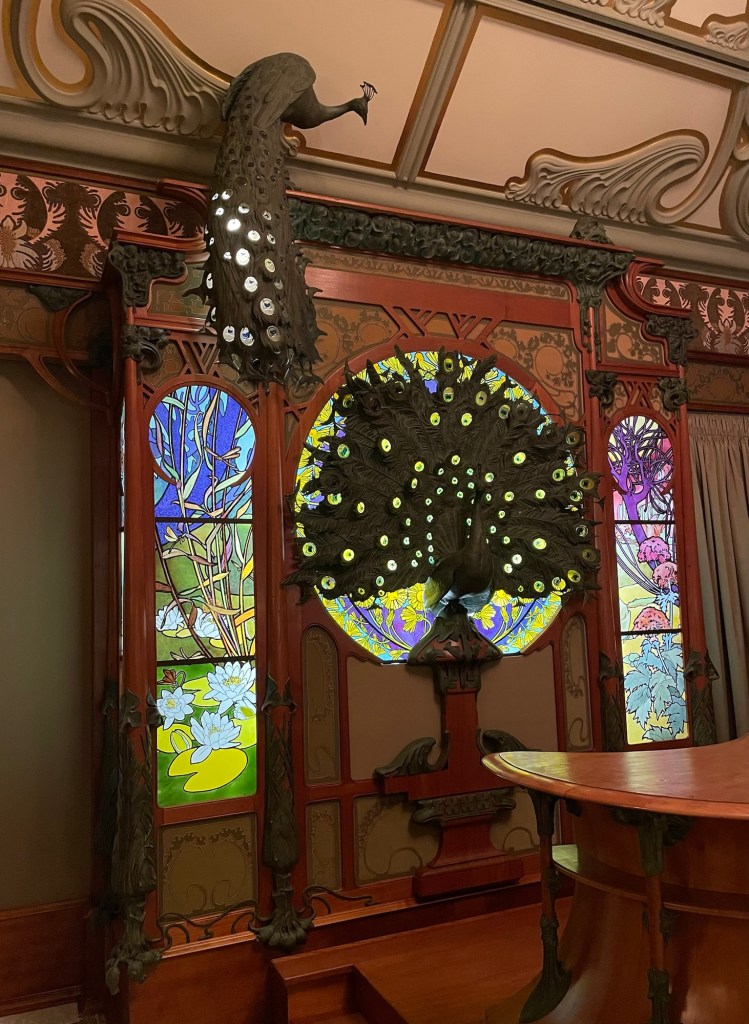
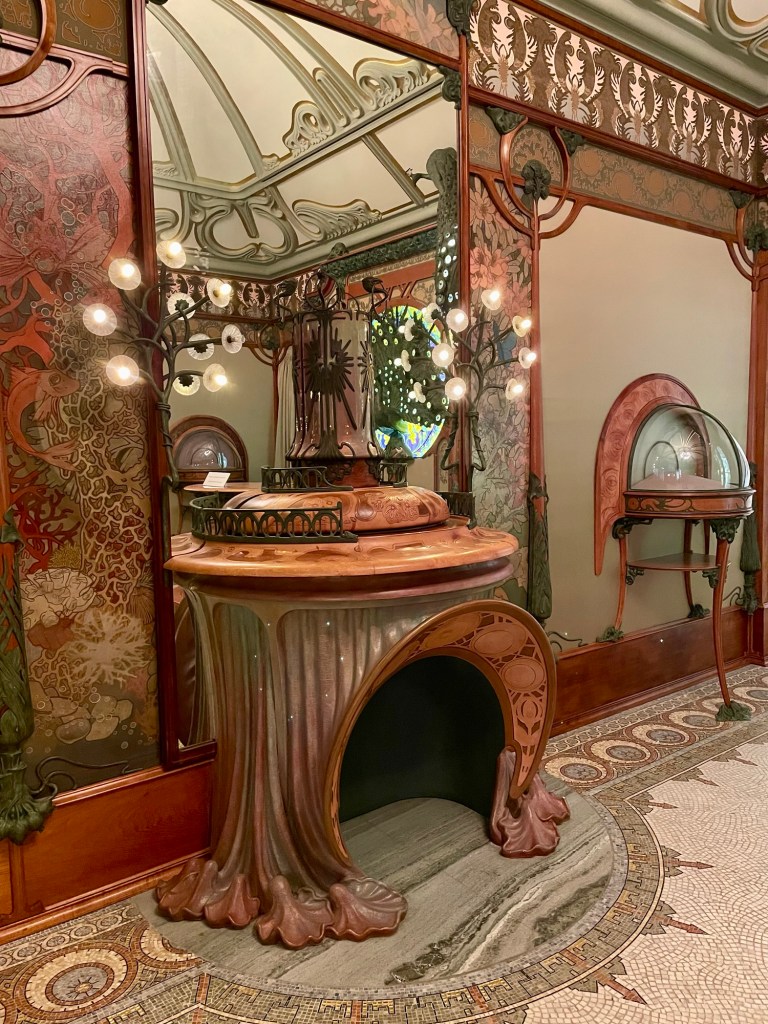
The remains of the Fouquet Jewelry store in the Carnavelet Museum. Created by Alfons Mucha in 1901, he designed all the details of the interior from mosaics and fixtures to door handles and displays. When the style went out of fashion in the 1920’s the shop was dismantled and donated to the museum.
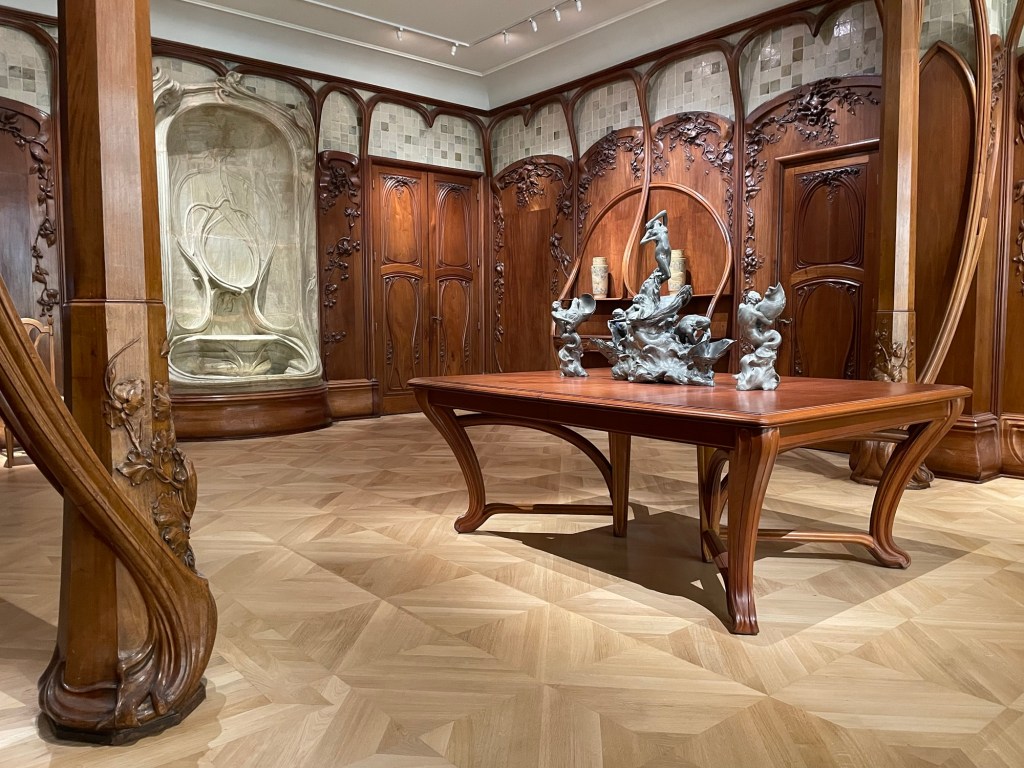
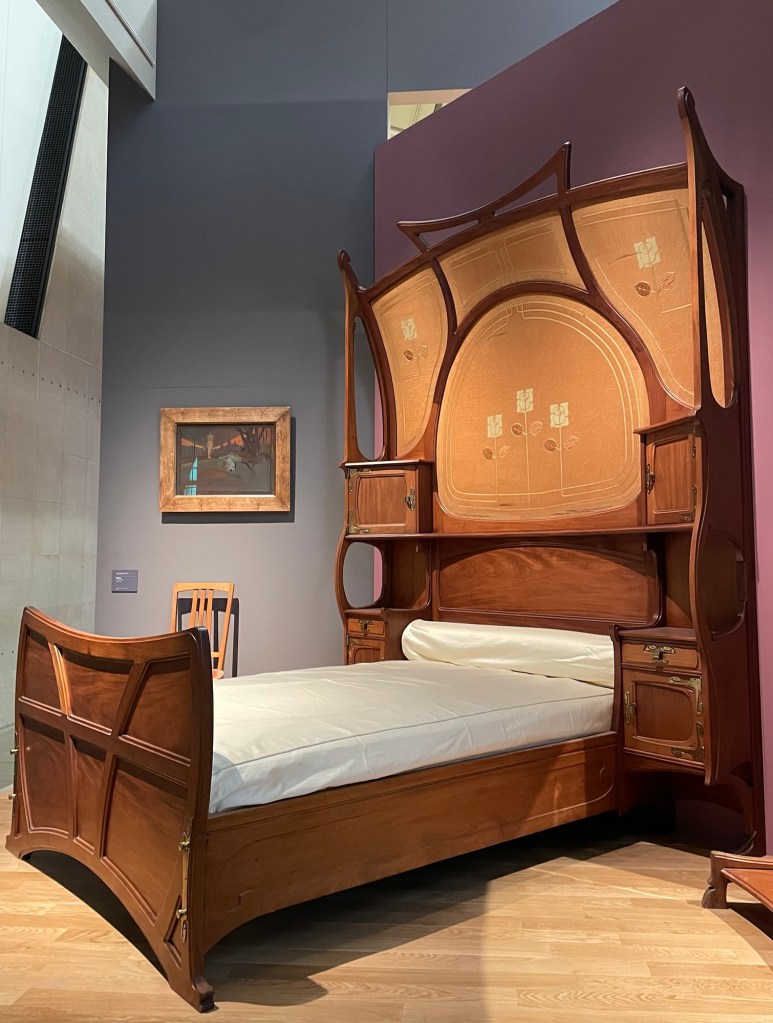
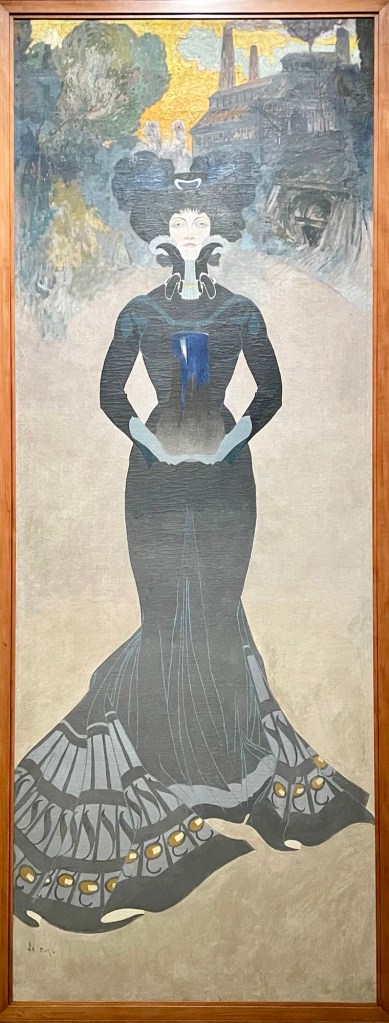
Decorative art and furnishings in the Musee de Orsay:
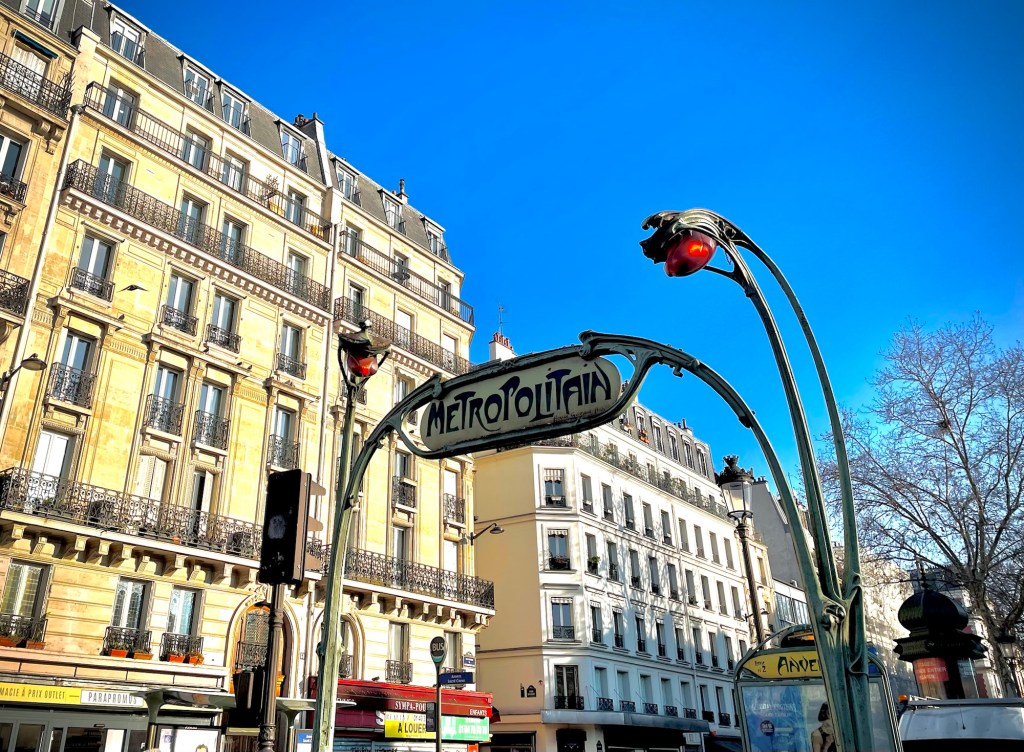
And, of course, the iconic metro stops designed by Hector Guimard in 1900.
Each country put its own unique spin on the style, Tiffany in the US being my personal favorite. Upcoming stops on my personal wish list include the unique and dramatic architecture of Antione Guadi in Barcelona and the Mucha Museum in Prague.
 Secrets of Philadelphia