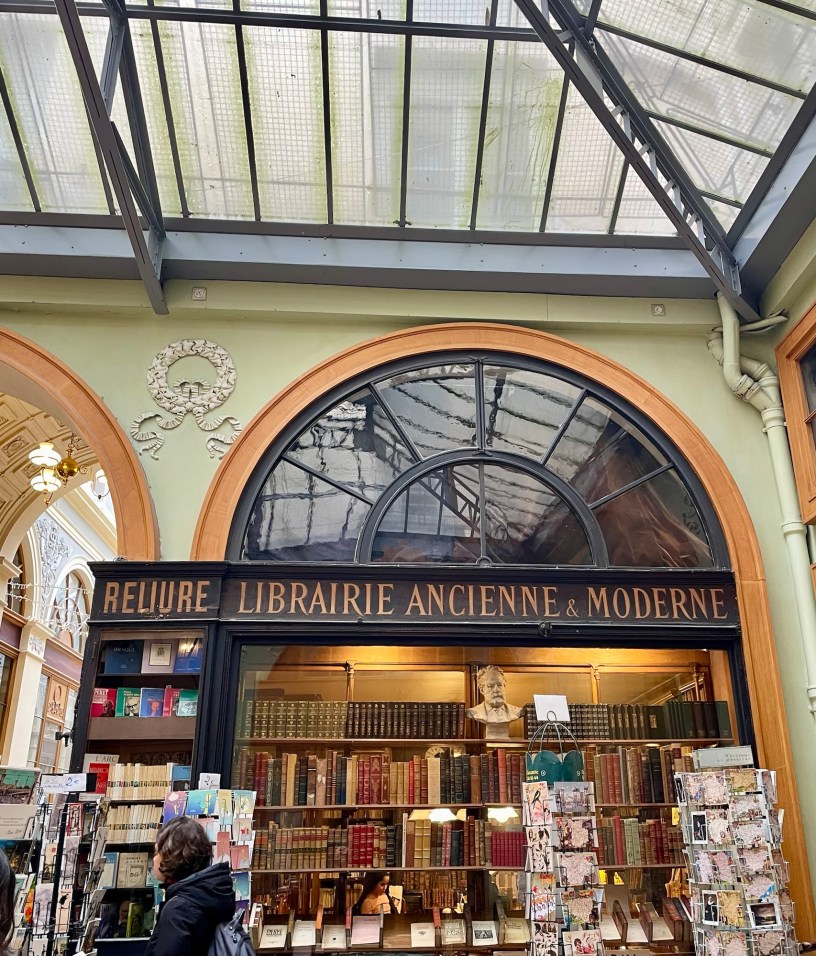
No one wants to shop in the rain or have their goods damaged by weather, so shopping undercover has been around since ancient times, but between 1786-1935 so many covered shopping passages were built in Paris that a French architect once called the period the “l’Ère des passages couverts (the Arcade Era).” Of the 150+ passages that were built, about 20-25 remain scattered across the city, many still open for exploration. We visited several around the second arrondissement.
The original covered shopping arcades were open sided and primarily built of masonry, like the 1612 arcades of the Place de Vosges and those added to the Palais Royal in 1784.
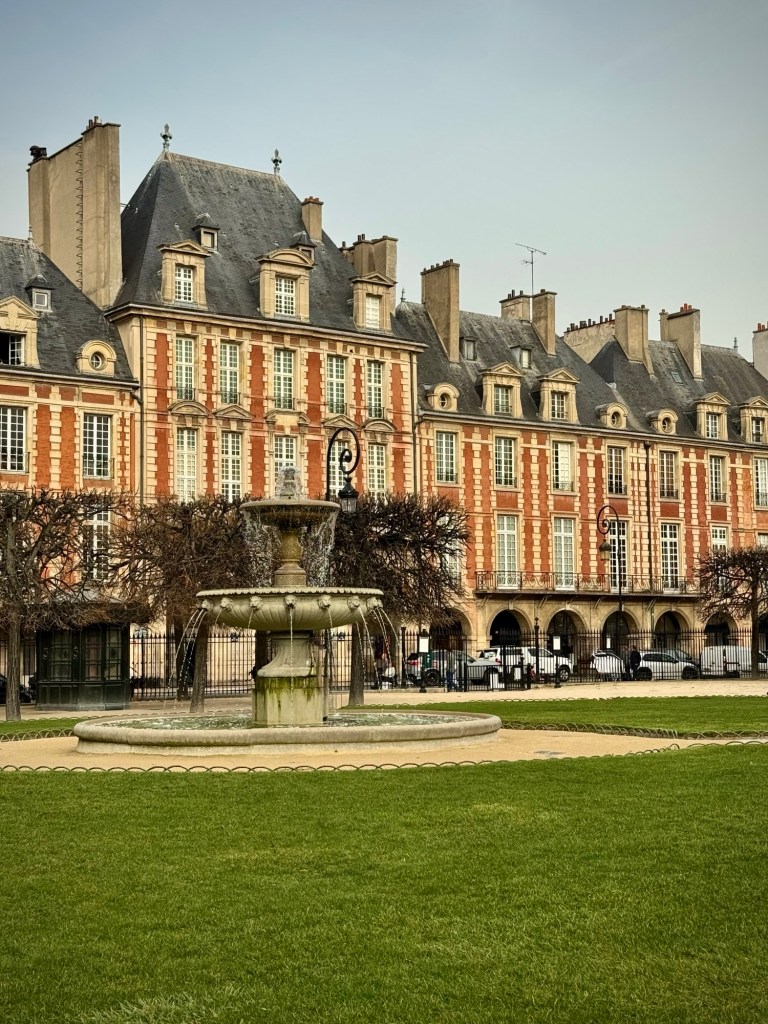
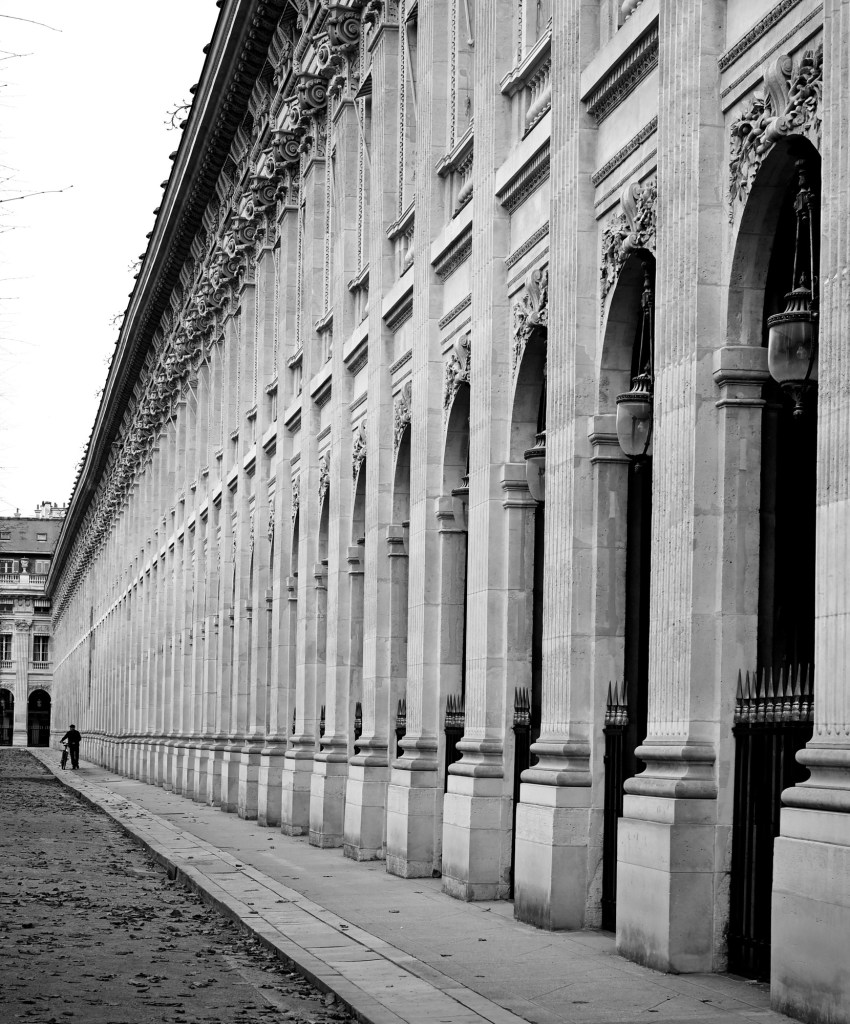
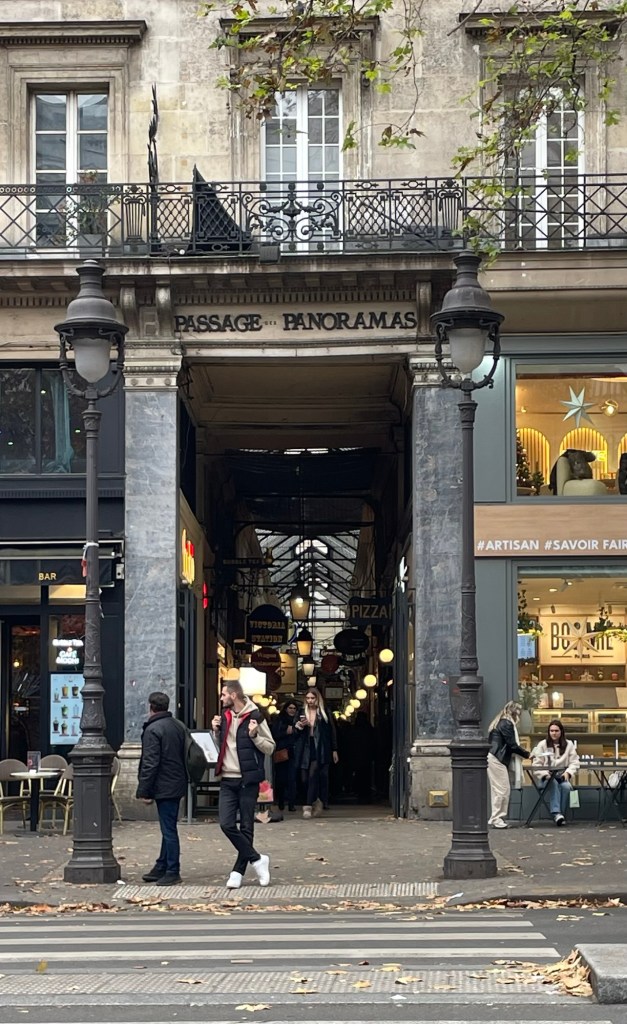
By the late 1700’s advances in iron and plate glass construction gave rise to a new form of architecture that was used to create light-filled, enclosed, weather-proof passages. One of the oldest still around is the 1799 Passage des Panoramas, named for the panoramic cityscapes that once stood at the entrance but were sadly destroyed in 1831.
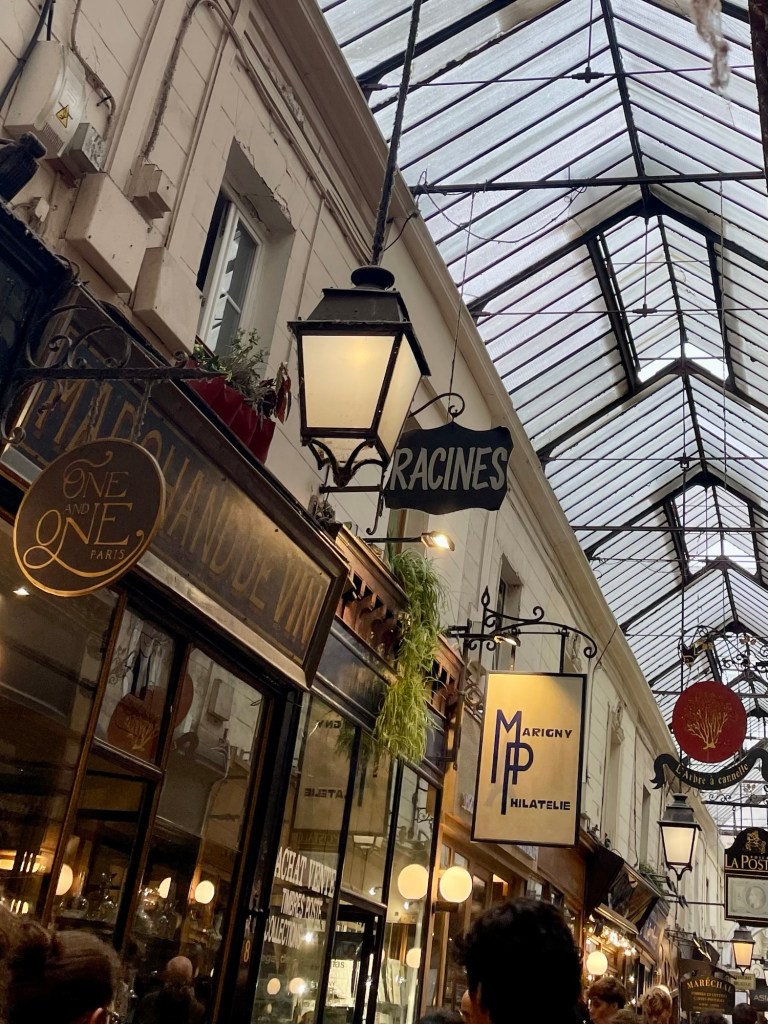
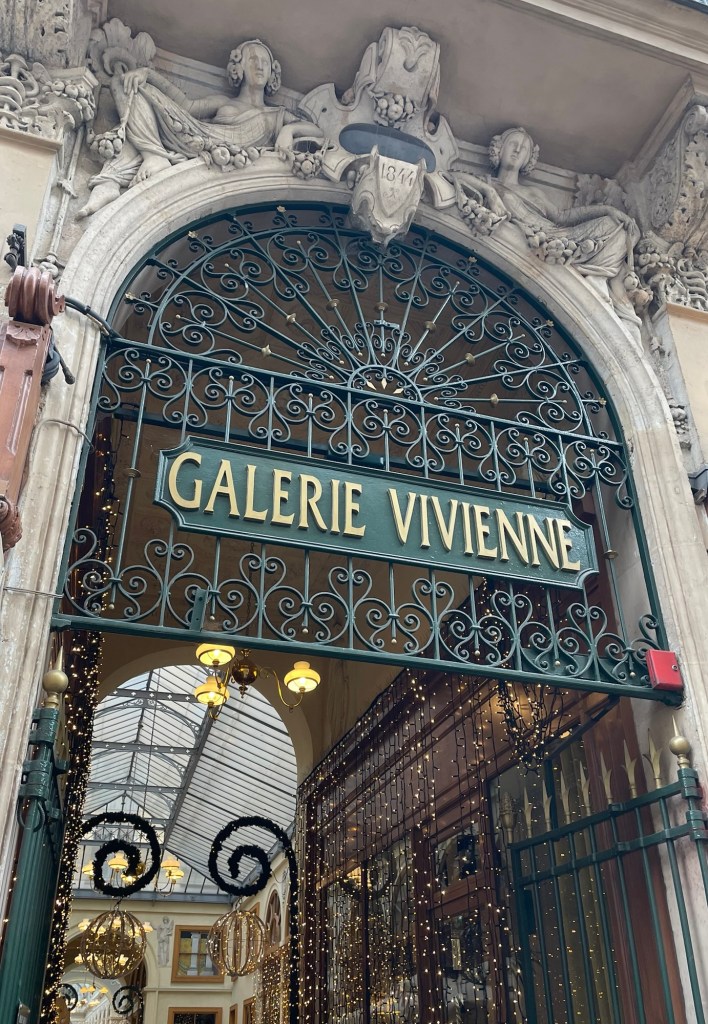
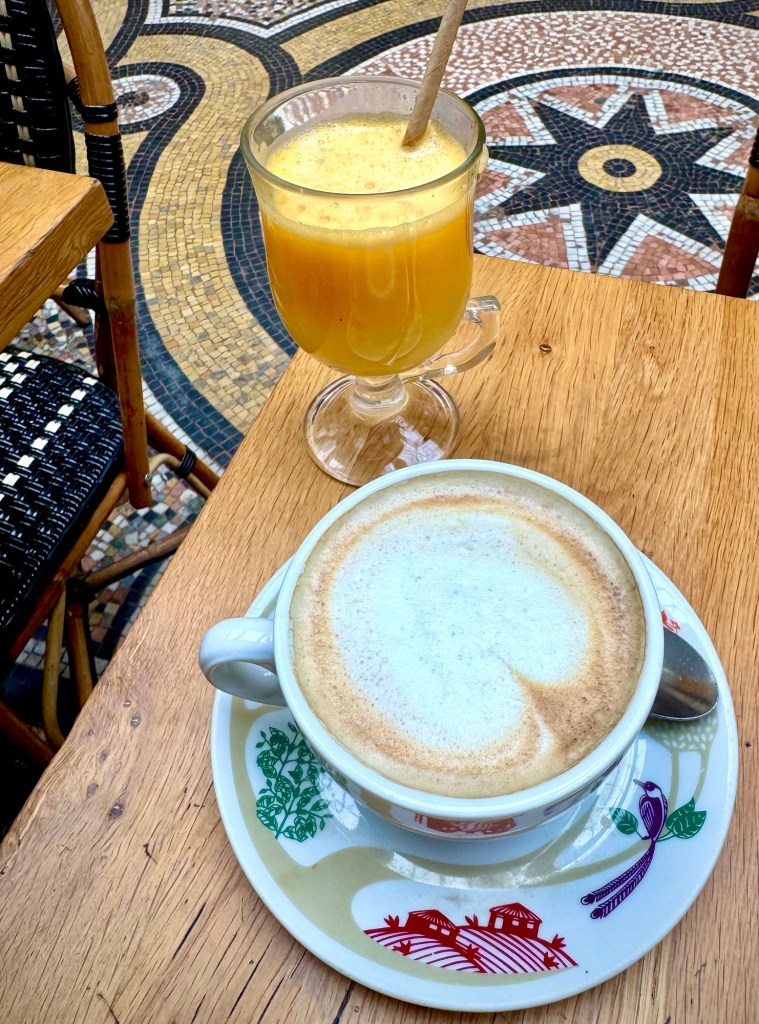
The 1823 Galerie Vivienne is one of the most beautiful, with its mosaics and decorative woodwork. In addition to shops, passages often have restaurants and we had a lovely breakfast here.

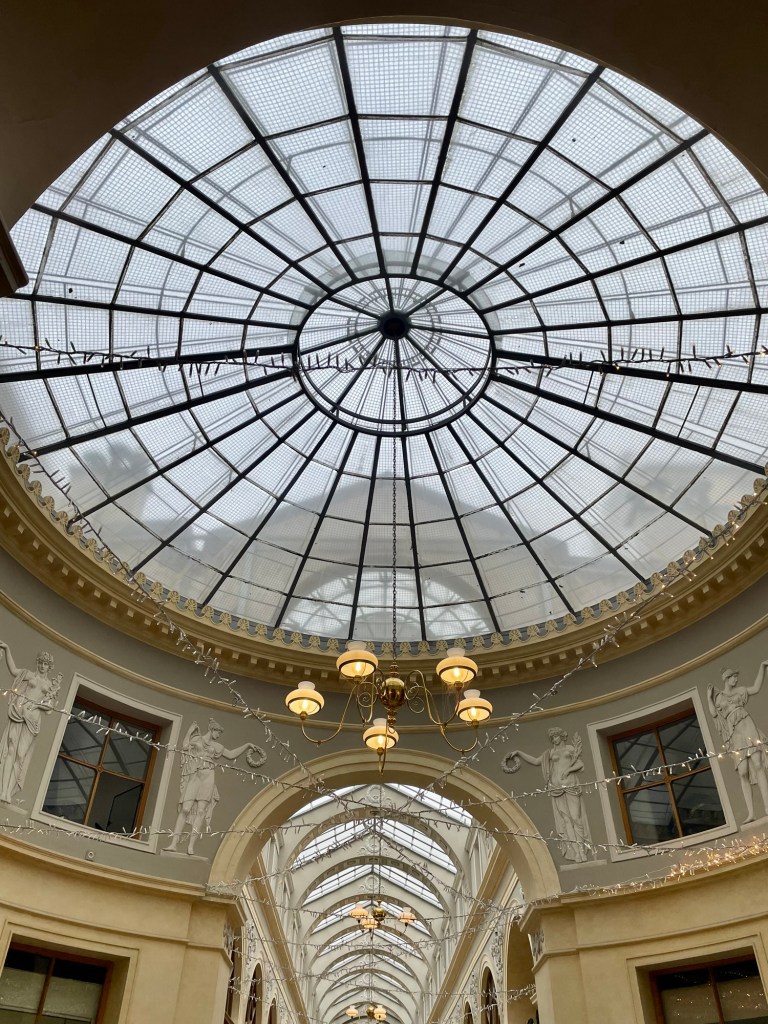
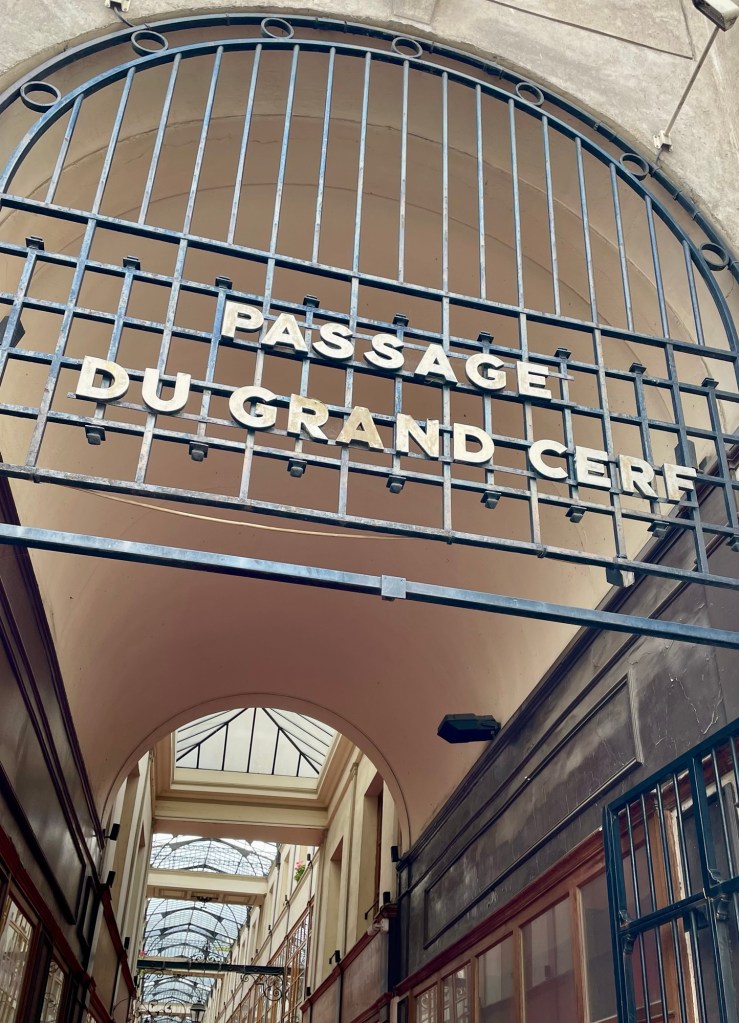
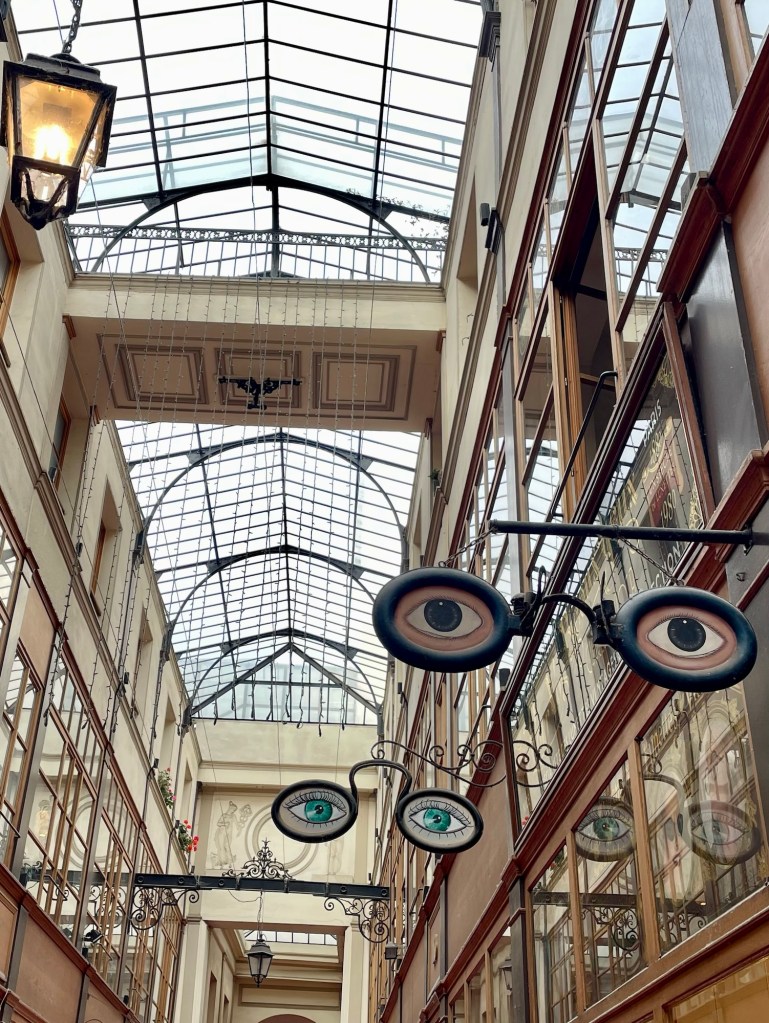
When the Passage du Grand Cerf opened in 1825 it boasted the highest ceiling (so the most light) of any of the passages.
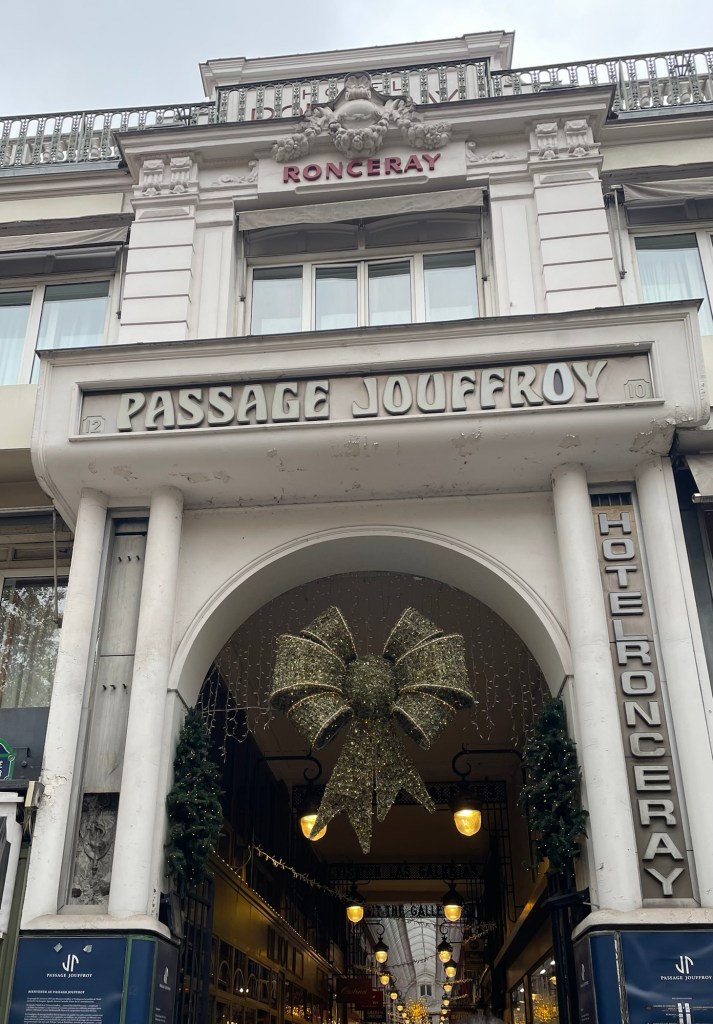
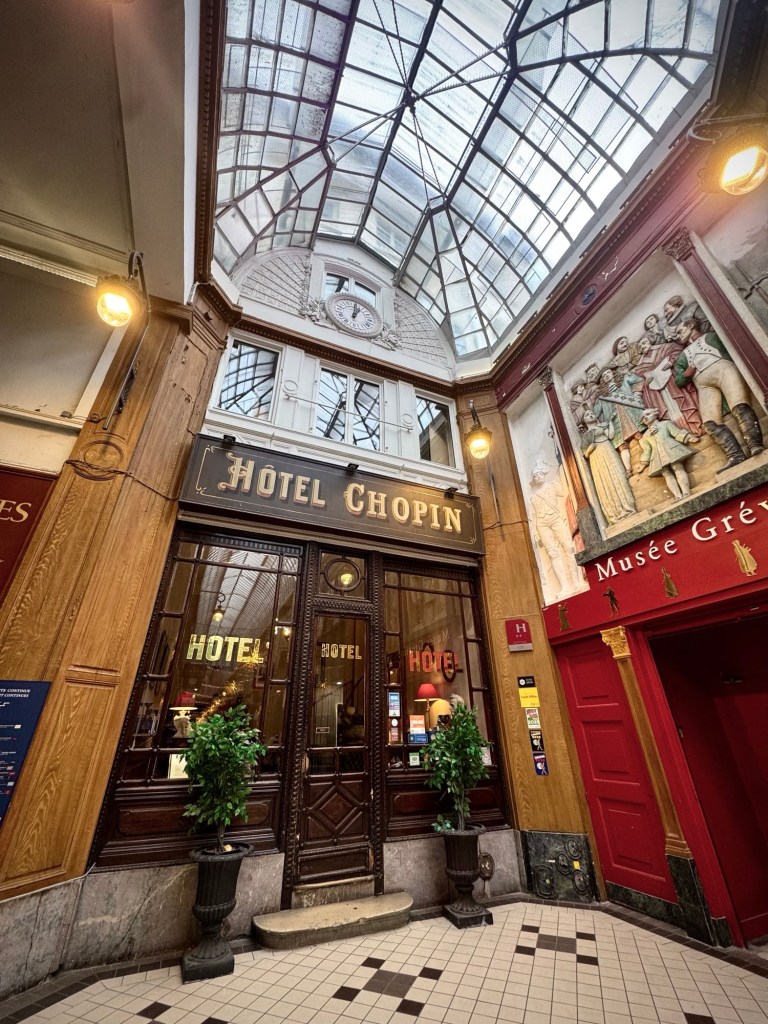
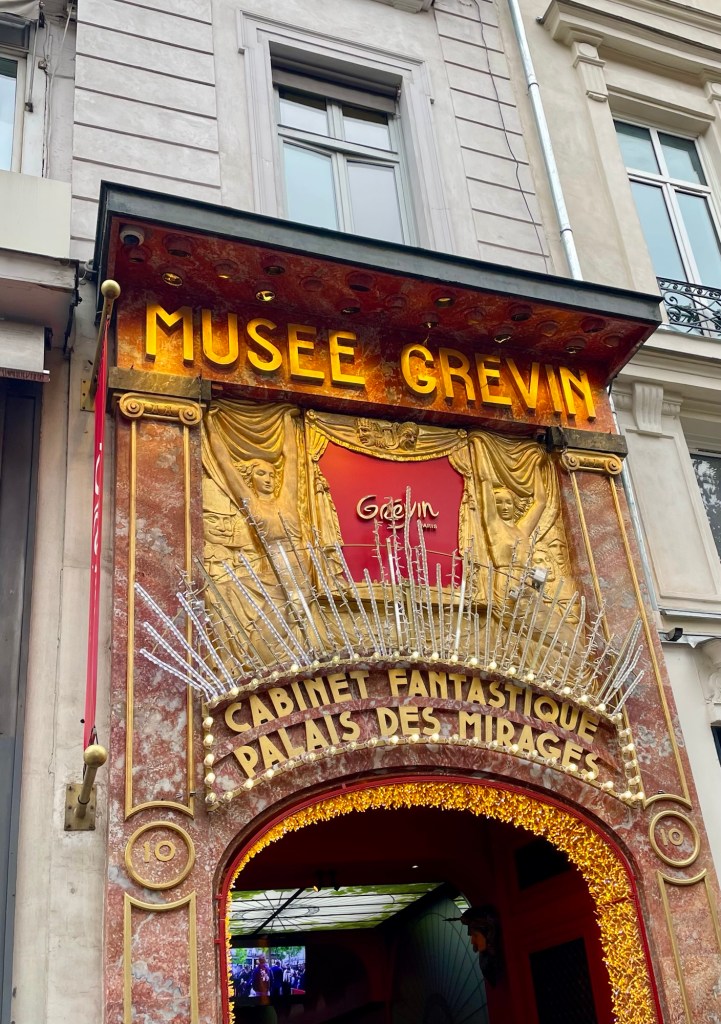
Opened in 1846, the Passage Jouffroy was the first passage in Paris to be built entirely of iron and glass and have under-floor heating. Today it’s home to the Hotel Chopin and Musèe Grévin wax museum.
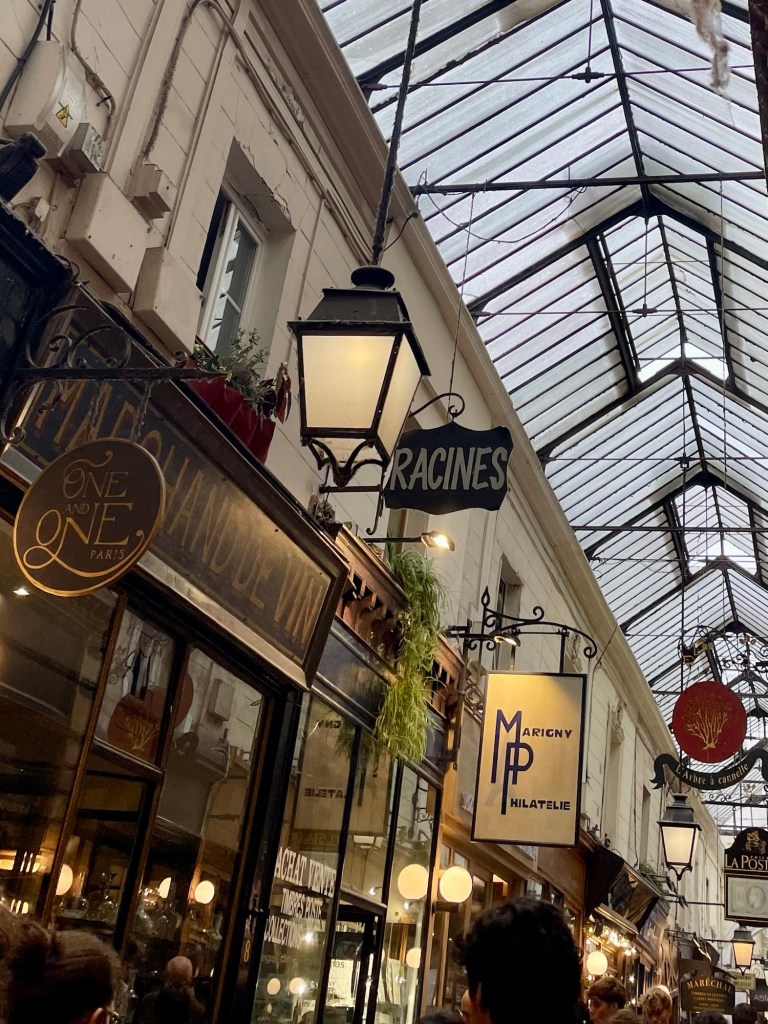
The popularity of enclosed shopping passages spread rapidly, popping up around the world. Eventually their appeal declined, being eclipsed by department stores, then indoor shopping malls, and today’s online shopping, but exploring the remaining passages in Paris is a wonderful way to catch a glimpse of old time Paris, especially on a cold or rainy day.
 Secrets of Philadelphia