
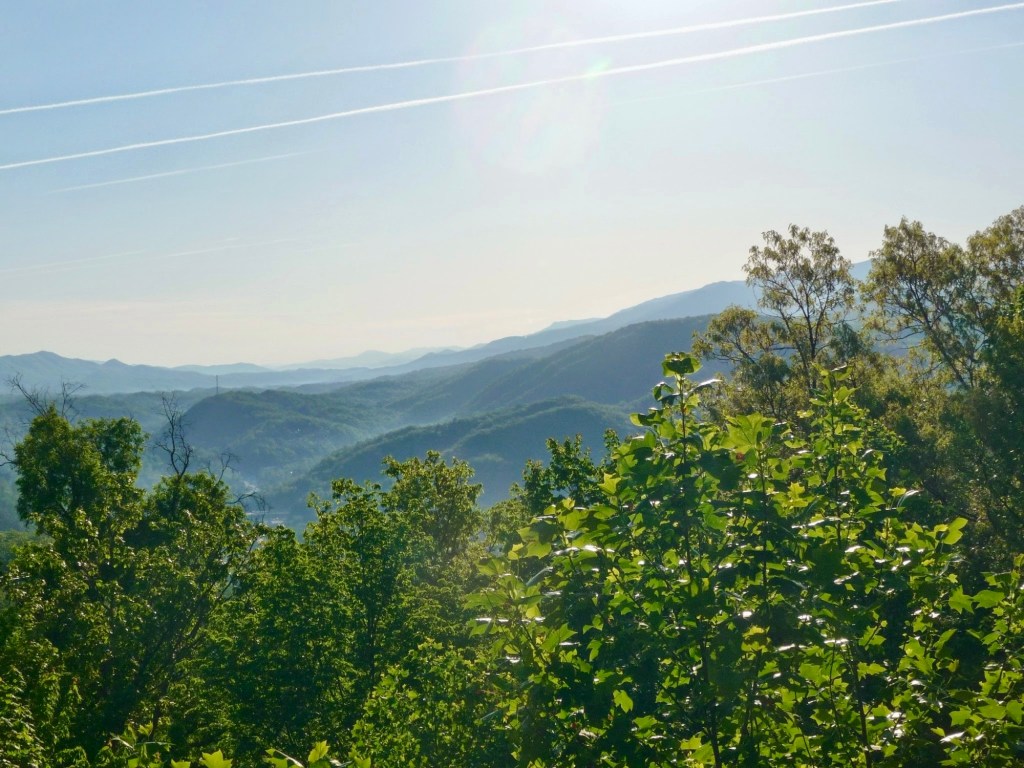
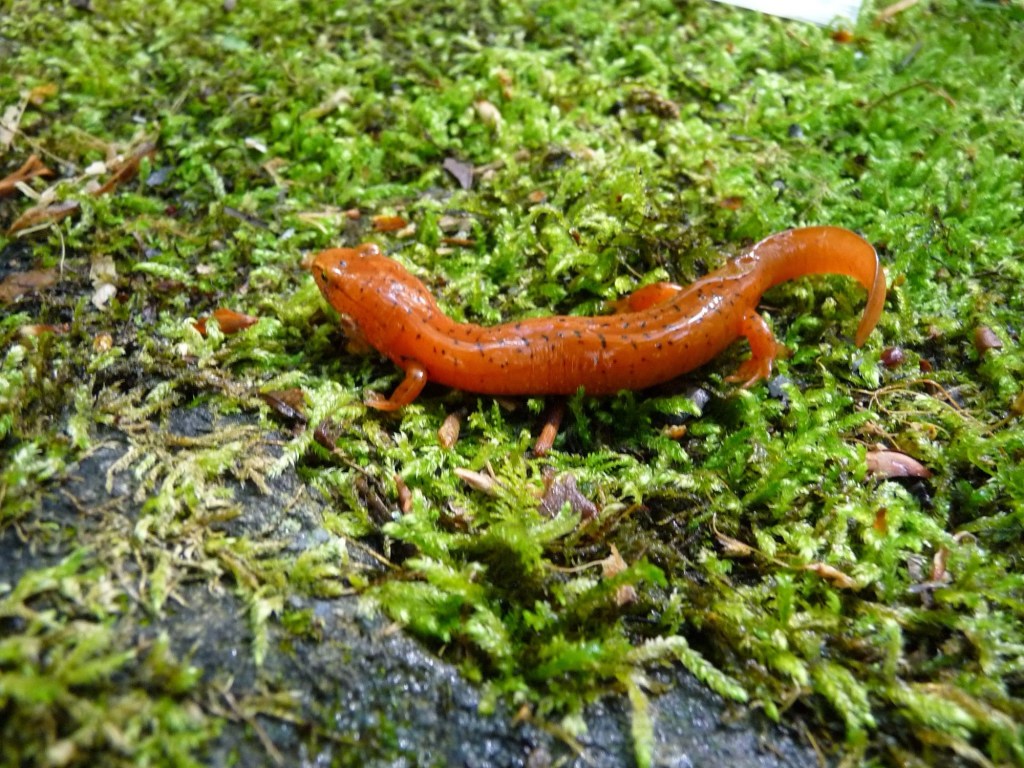
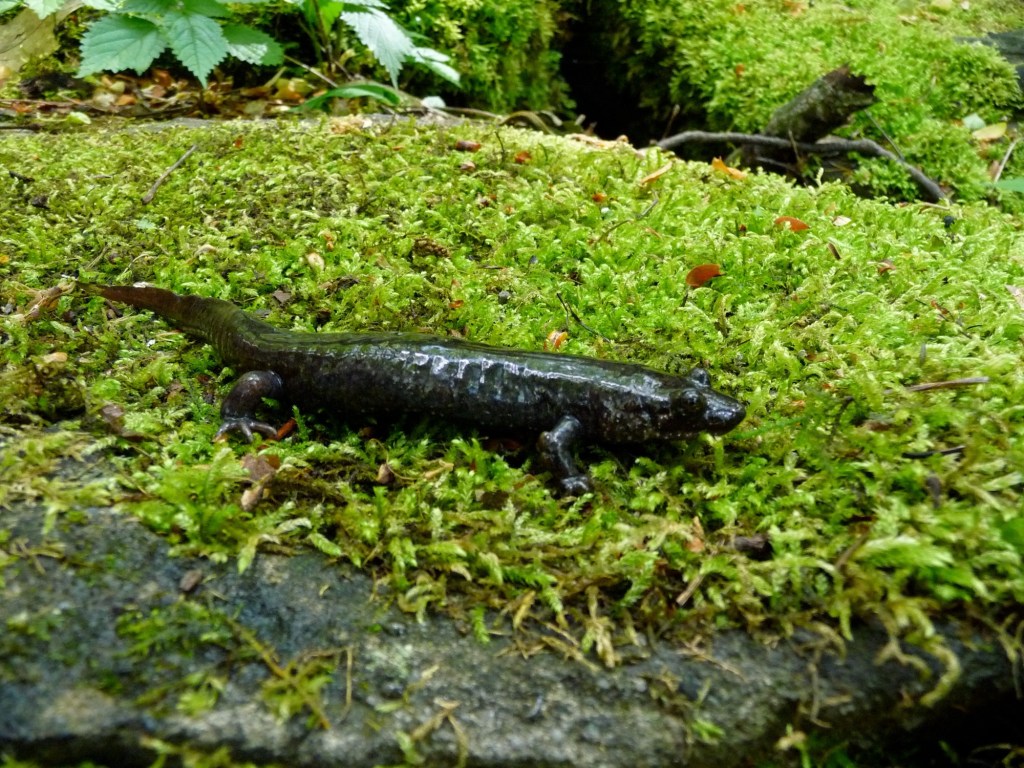
The southern Appalachian’s cool forests, warm winters and plentiful streams make it home to more salamanders than any other place in the world. Of the 550 known species, 77 are found here. They come in all sizes and colors, making this the perfect place for an all-ages wildlife adventure.
You don’t need any special equipment or knowledge to find salamanders, all you need is the right rock. Carefully turn over rocks and logs (remember poisonous snakes live here, too!), looking quick before they duck out of sight. Stick to areas with moisture because, like all amphibians, salamanders have permeable skin that needs to stay damp.
Because of their permeable skin, make sure to wash hands before handling. Oils, salts and lotion can be harmful. Observe quickly before returning them home, making sure to return the rock or log to its original position to conserve moisture.
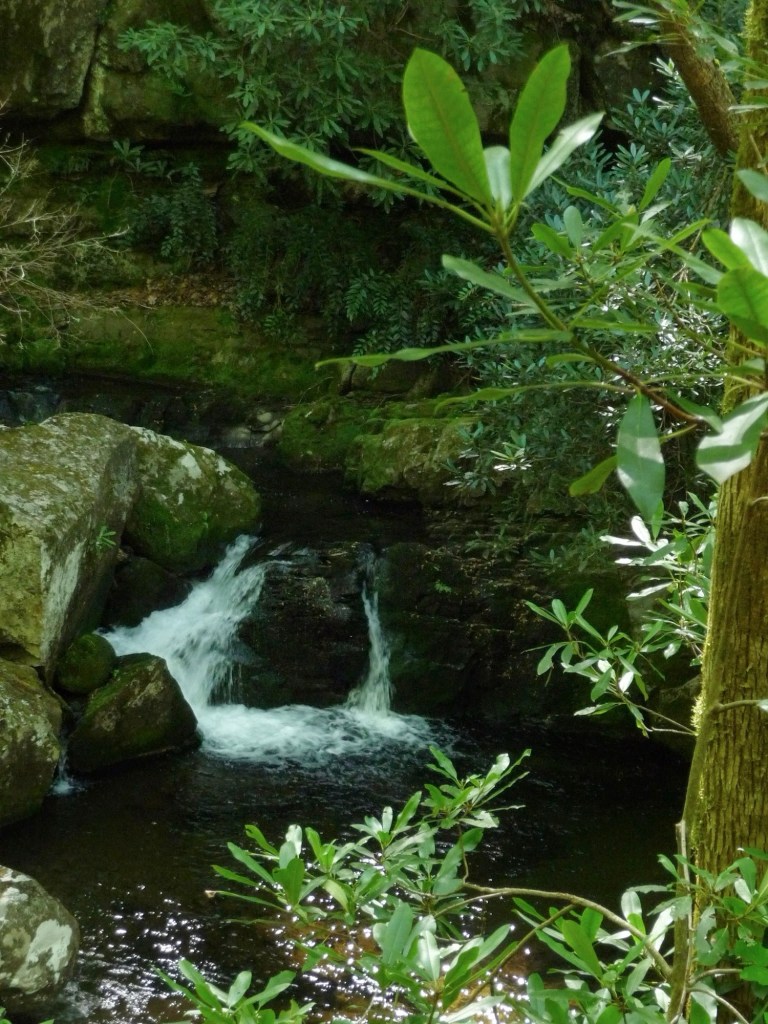
If you’re up for a more immersive experience, jump into one of the numerous clear streams. Many species, including the largest (the hellbender which can grow up to 30”!) live underwater. Slow-moving streams with lots of cover are the best bet. You can observe these in a water-filled ziplock bag before returning them home.


One fun thing about searching for salamanders in the Appalachians is that adjacent mountains can have totally different species, so you don’t have to travel far to encounter new types.
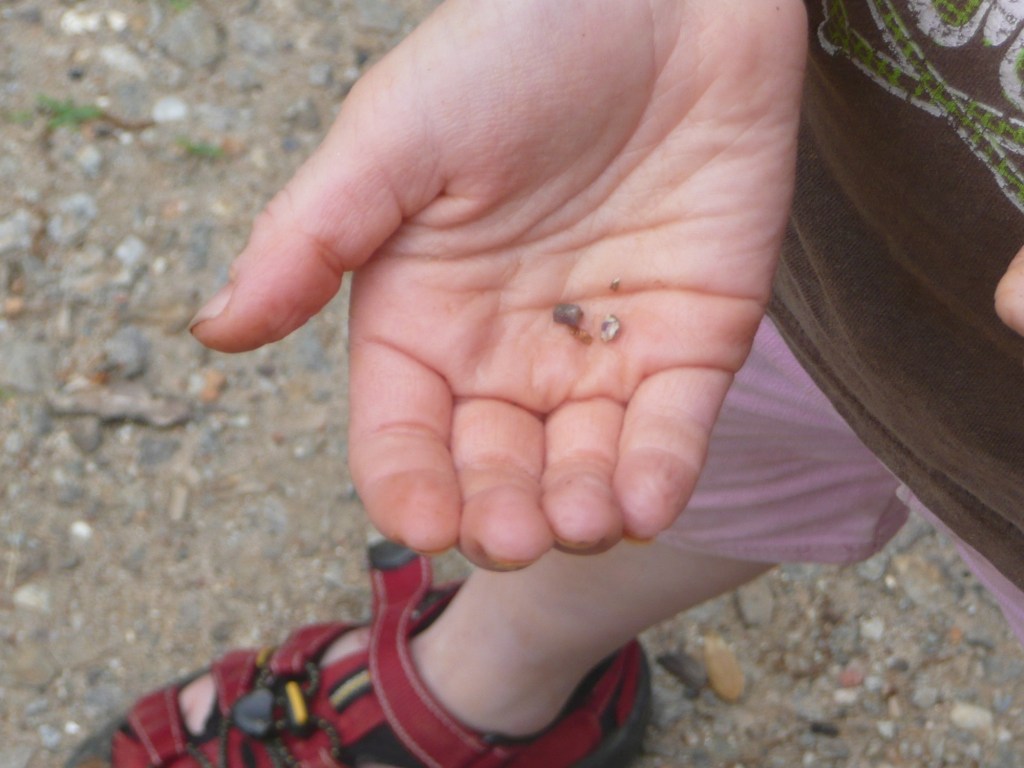
Side Trip: Rubies and sapphires are varieties of the same mineral, and both are found in North Carolina. We spent an afternoon searching at Mason’s Ruby and Sapphire Mine (seasonal) just outside the park.

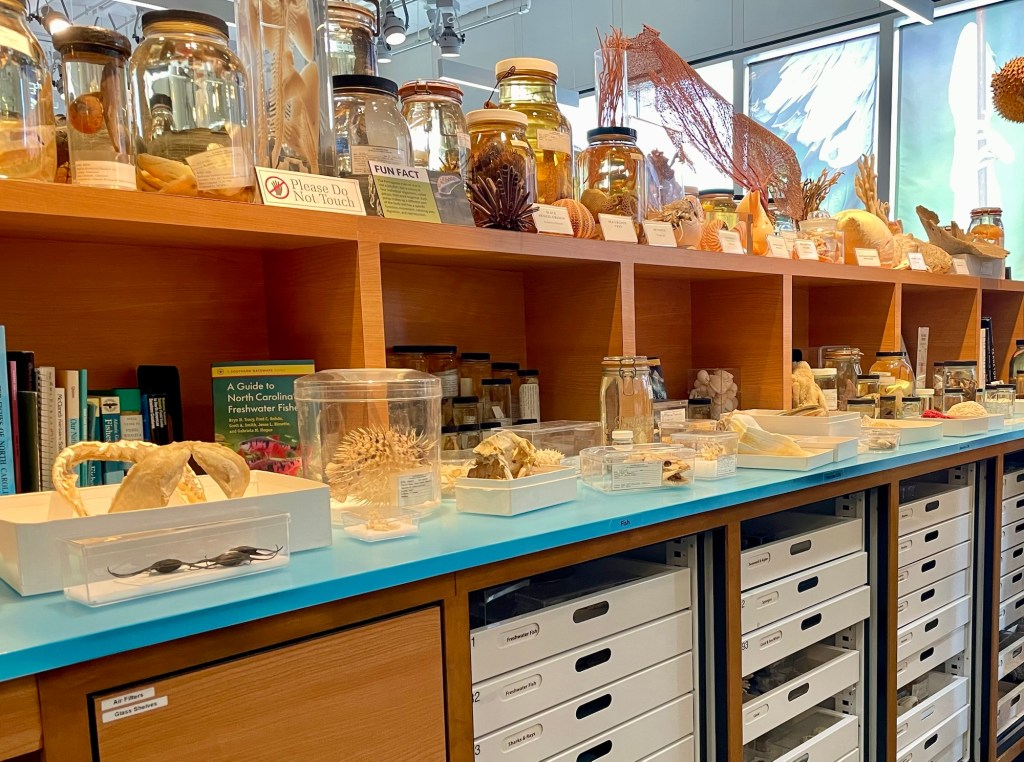
Side Trip: If your travels take you through Raleigh make sure to stop at the North Carolina Museum of Natural History. This (free!) museum is full of exhibits detailing the state’s natural wonders and has the best hands-on naturalist exhibit I’ve seen.


 Secrets of Philadelphia