Born: 1858
Died: 1919
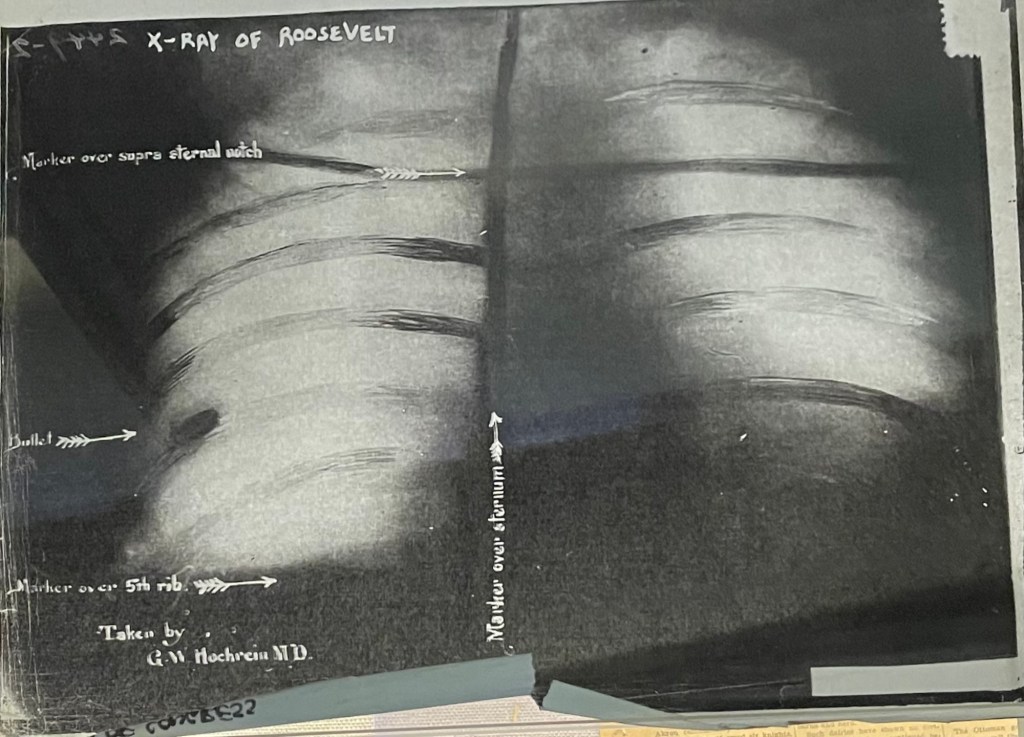
Between: Police Commissioner of NYC, Governor of NY, Assistant Secretary of the Navy, Vice President, President, Nobel Peace Prize recipient, Rough Rider, Writer, Amazonian Explorer, Soldier, Rancher… AND he once continued a political speech after being shot in the chest, telling the crowd, “It takes more than [a bullet] to kill a Bull Moose.” That bullet remained in Teddy’s chest for the rest of his life.
While the eugenics stuff is more than a little disturbing, especially from a child who along with two out of his three siblings had life-limiting physical ailments (Teddy: asthma, Anna: scoliosis, Elliot: epilepsy), despite this Teddy is by far my favorite president (although Eleanor is my favorite Roosevelt!).
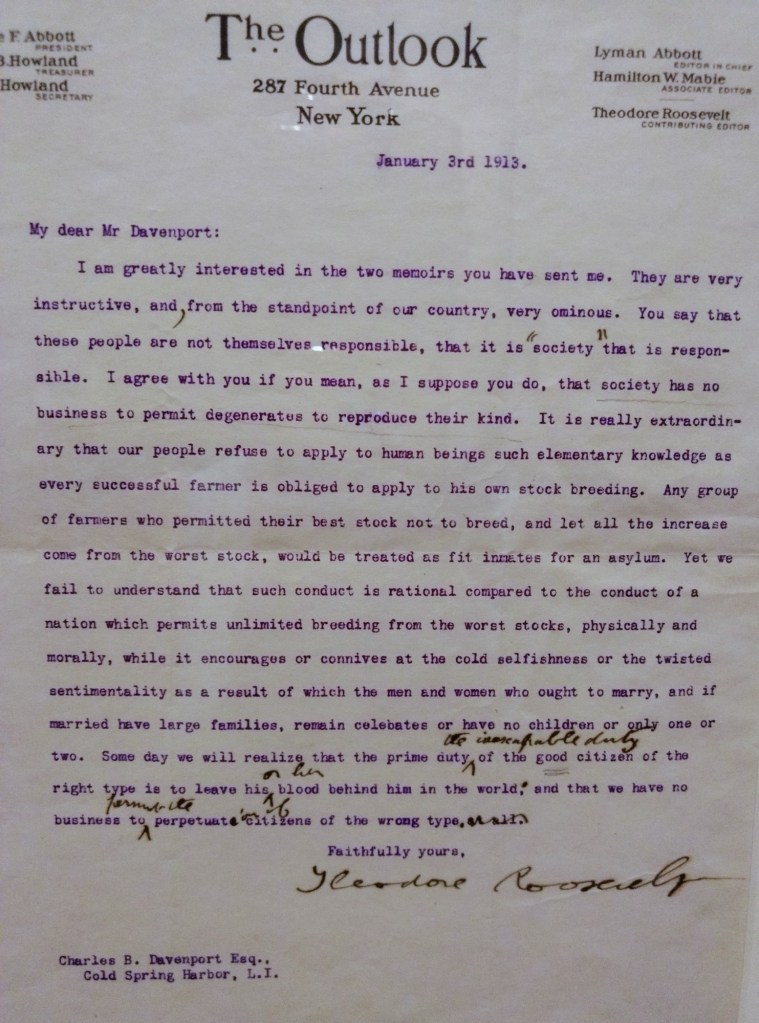
He is quite a contradiction. Born into a family whose generational wealth reached back to the early Dutch settlement of New York City, he was a progressive reformer, earning the nickname “Trust Buster.” He fought for the common man, signing into law the first major federal consumer protection act, while being a promoter of Imperialism in South America; he was a driving force behind the US support of Panama’s independence in return for rights to the Panama Canal. Teddy was an avid hunter yet staunch conservationist who believed natural resources required public protection and oversight. He was once quoted as saying 9 out of every 10 Indians were better off dead, while also becoming the first President to invite an African American to be an honored guest at the presidential table.
Teddy lived in New York most of his life, and it’s here you can visit both his first and last residences.
Teddy Roosevelt Birthplace:
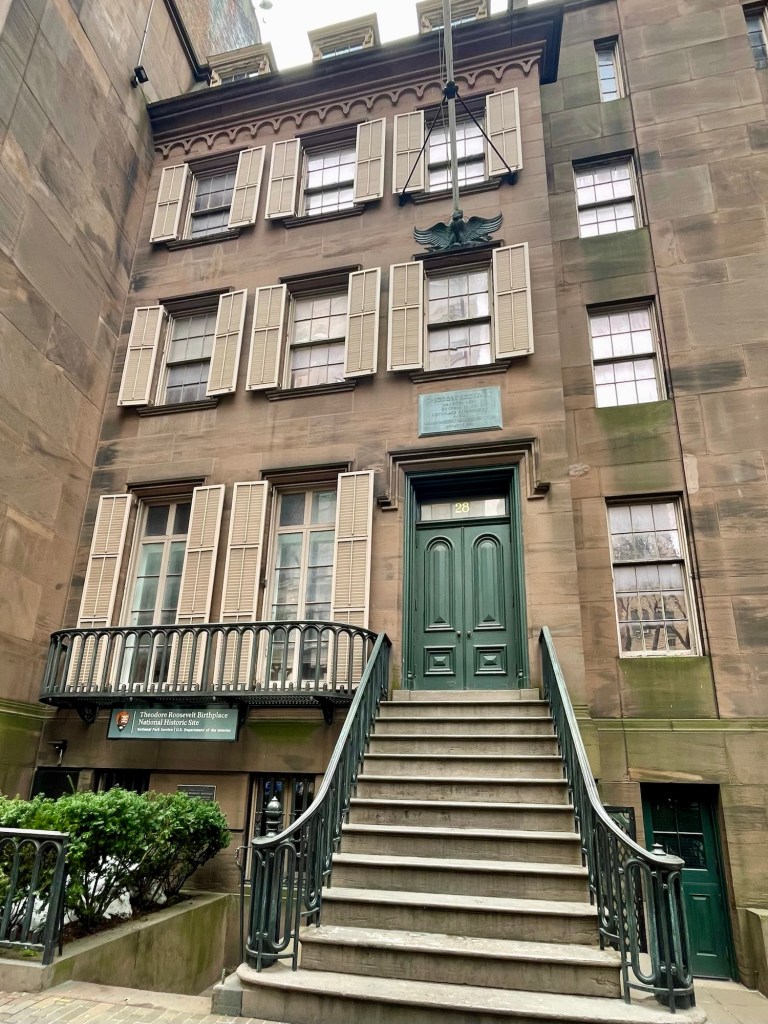
The original house was bought by Teddy’s parents in 1854, and sold prior to being torn down in 1916. After Teddy’s death, the property was repurchased and the house rebuilt by the Women’s Roosevelt Memorial Association with help from Teddy’s widow and sisters to ensure accuracy. Most of the interior furnishings are original.
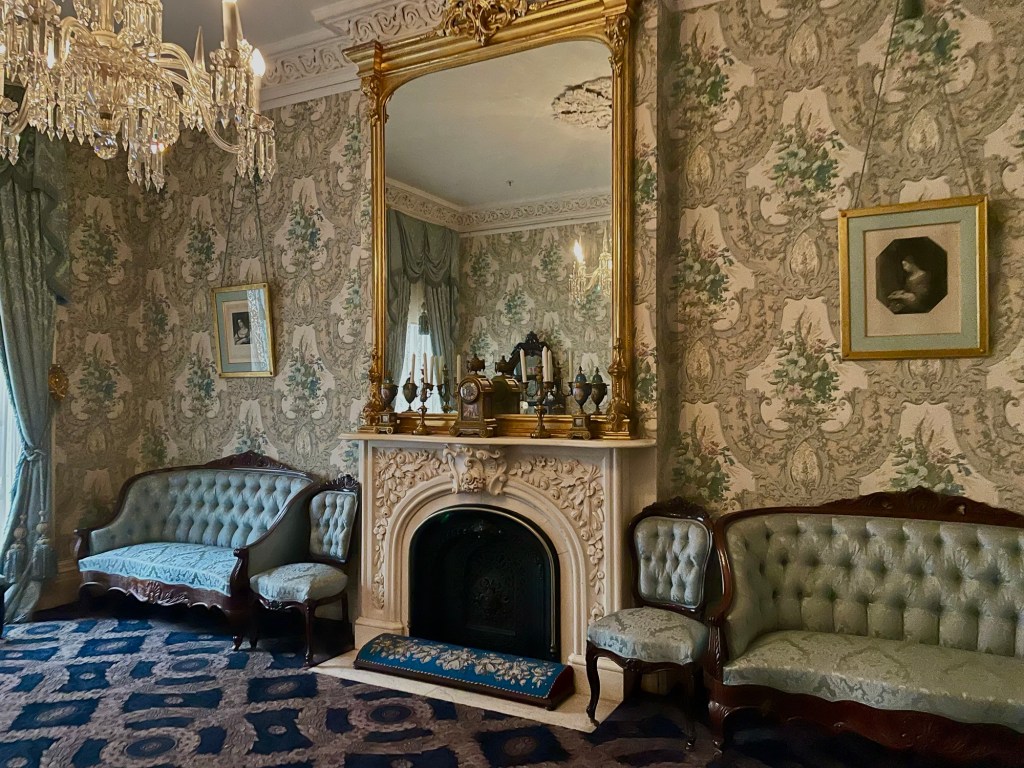
Highlights: The original furniture in the front room where Teddy’s father signed the charter for the American Museum of Natural History.
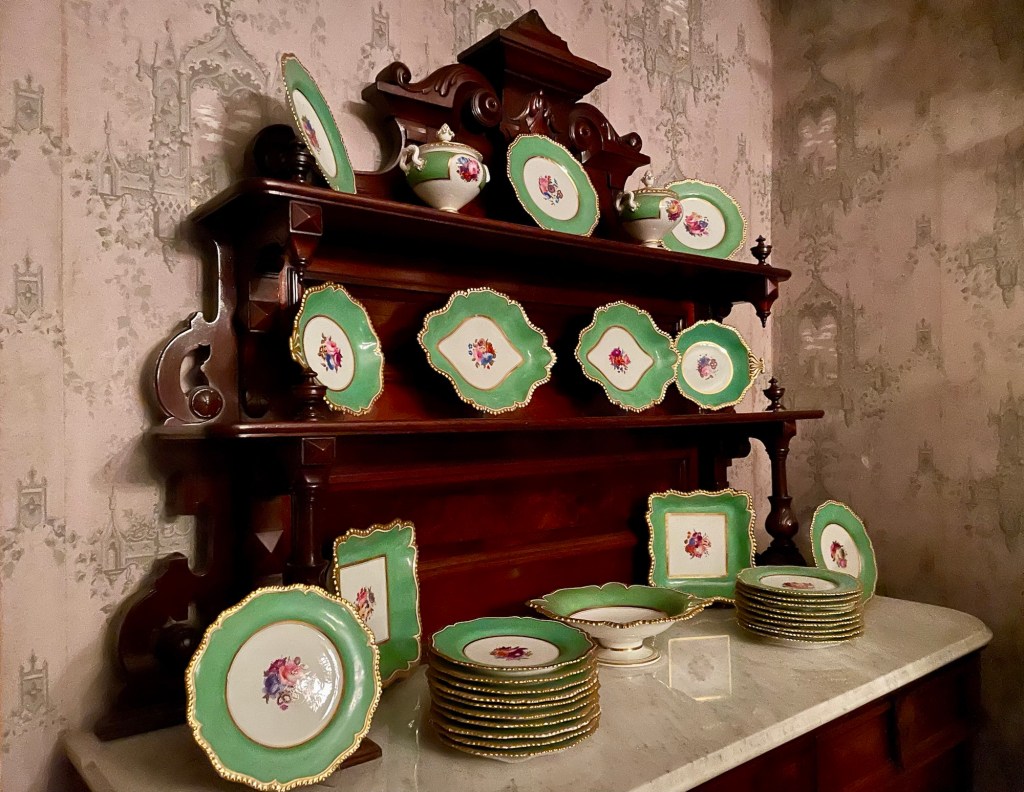
A set of dishes donated by Teddy’s favorite niece, Eleanor, who married distant cousin Franklin Roosevelt and became (among many other things) First Lady of the United States.
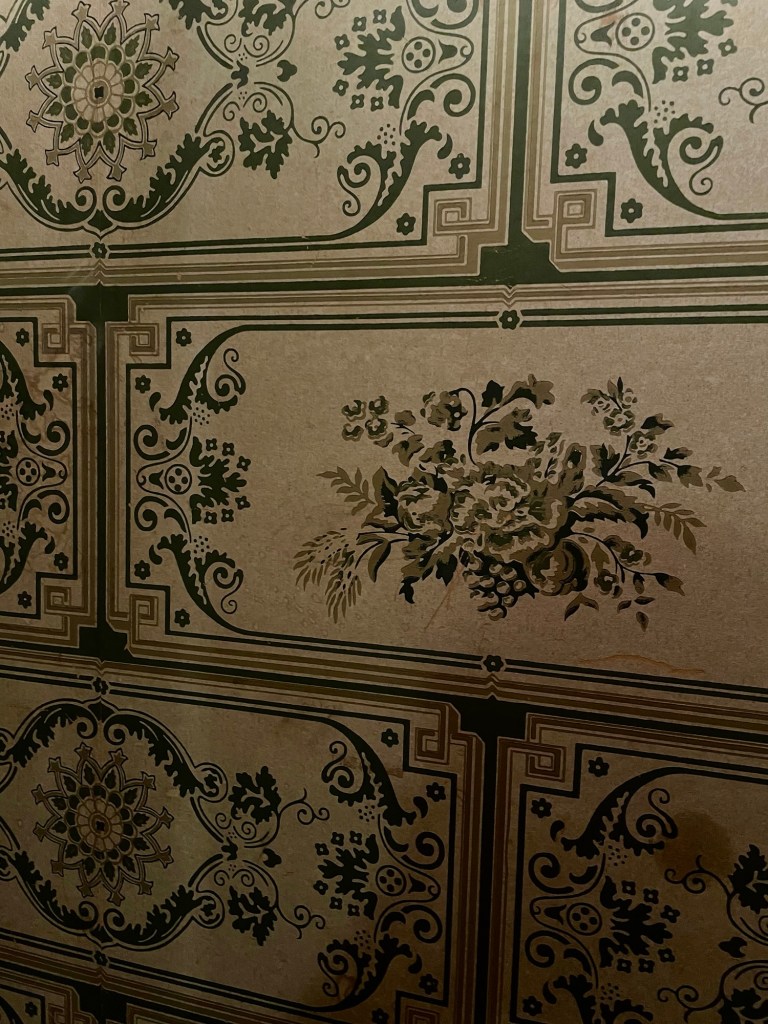
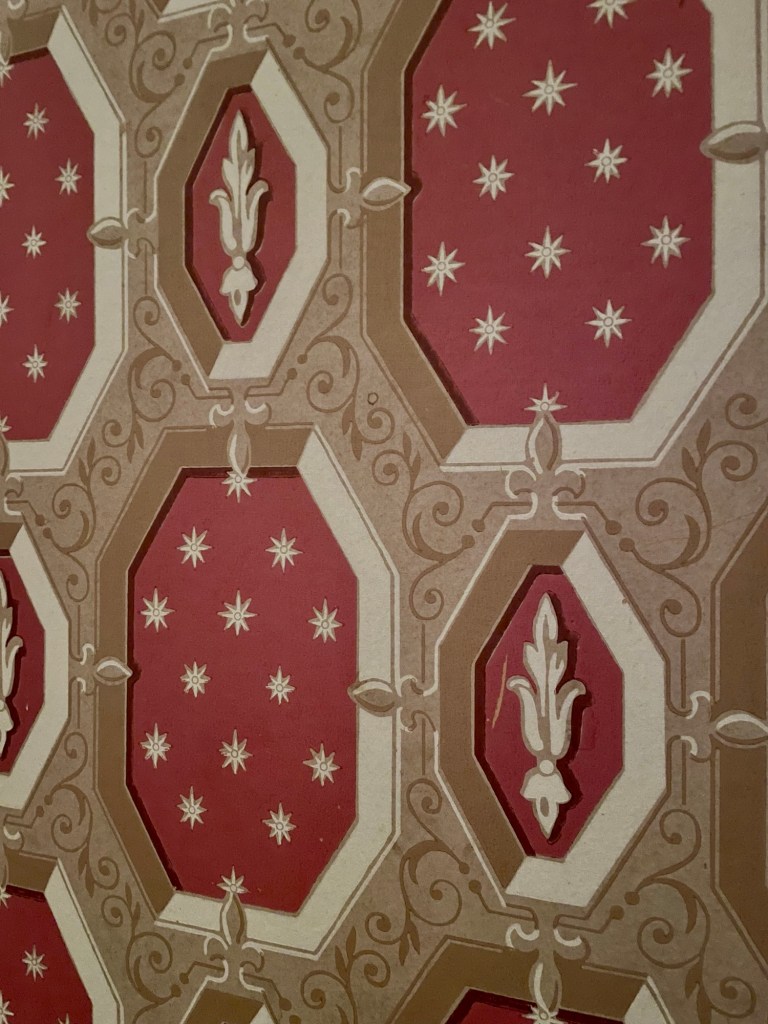
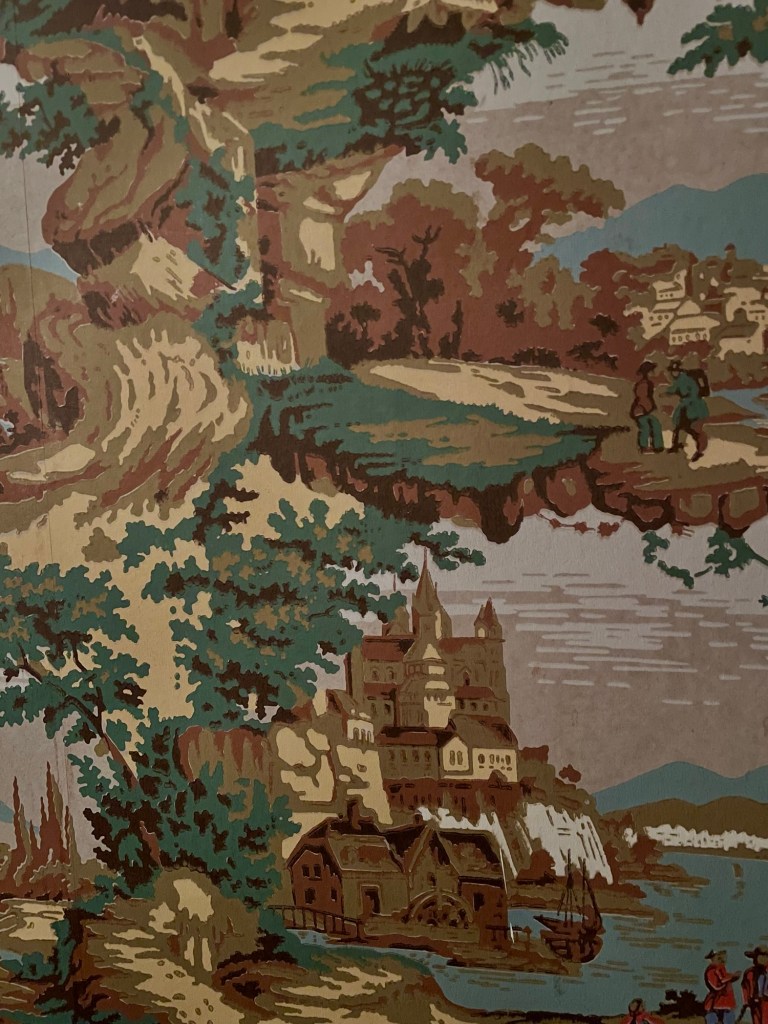
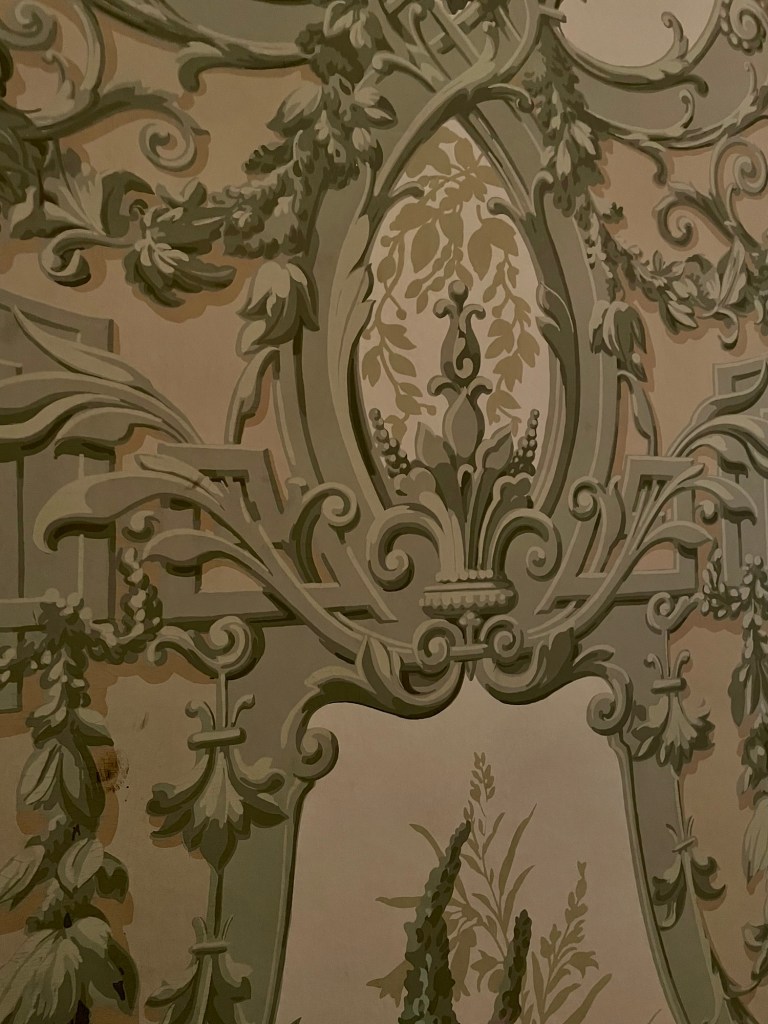
The company who designed the original wallpaper was still around at the time of the reconstruction and still had documentation of original sale, so all the wallpaper is historically accurate.
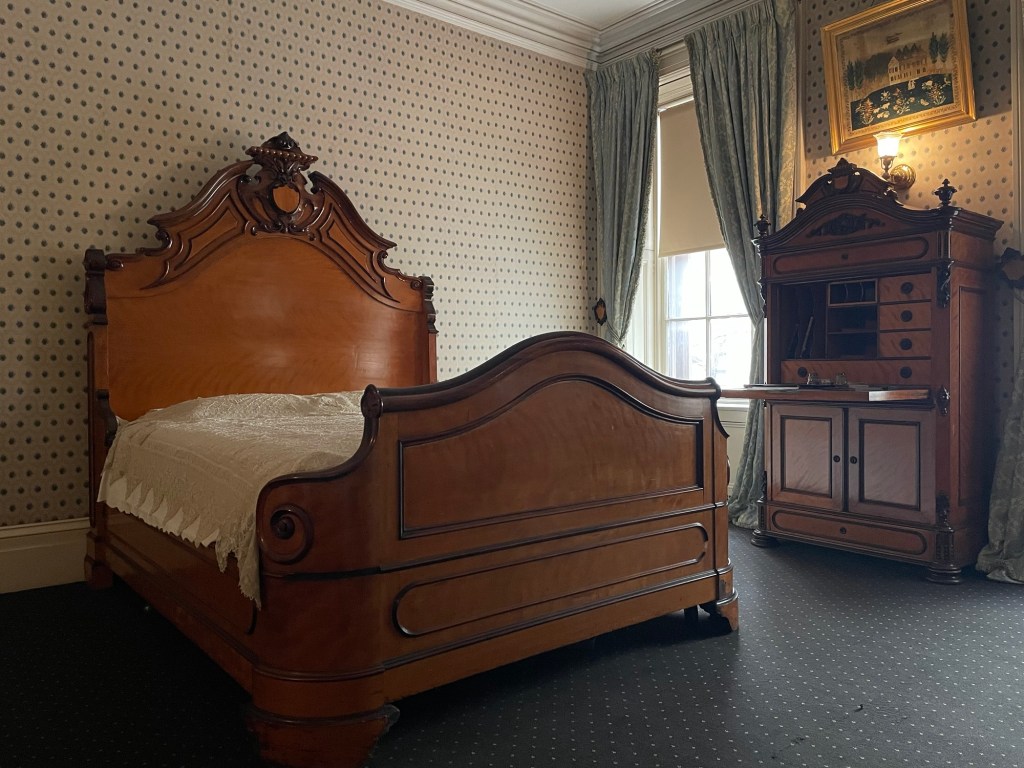
And, of course, the bed in which all four Roosevelt children were born.
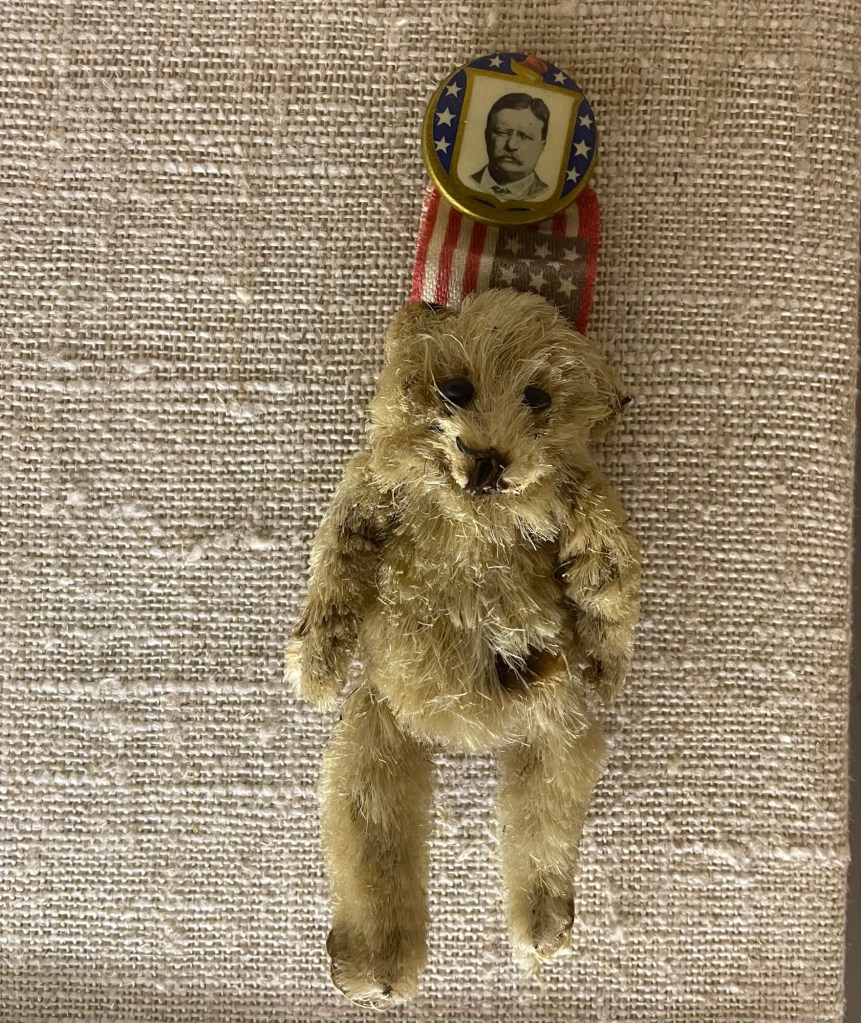
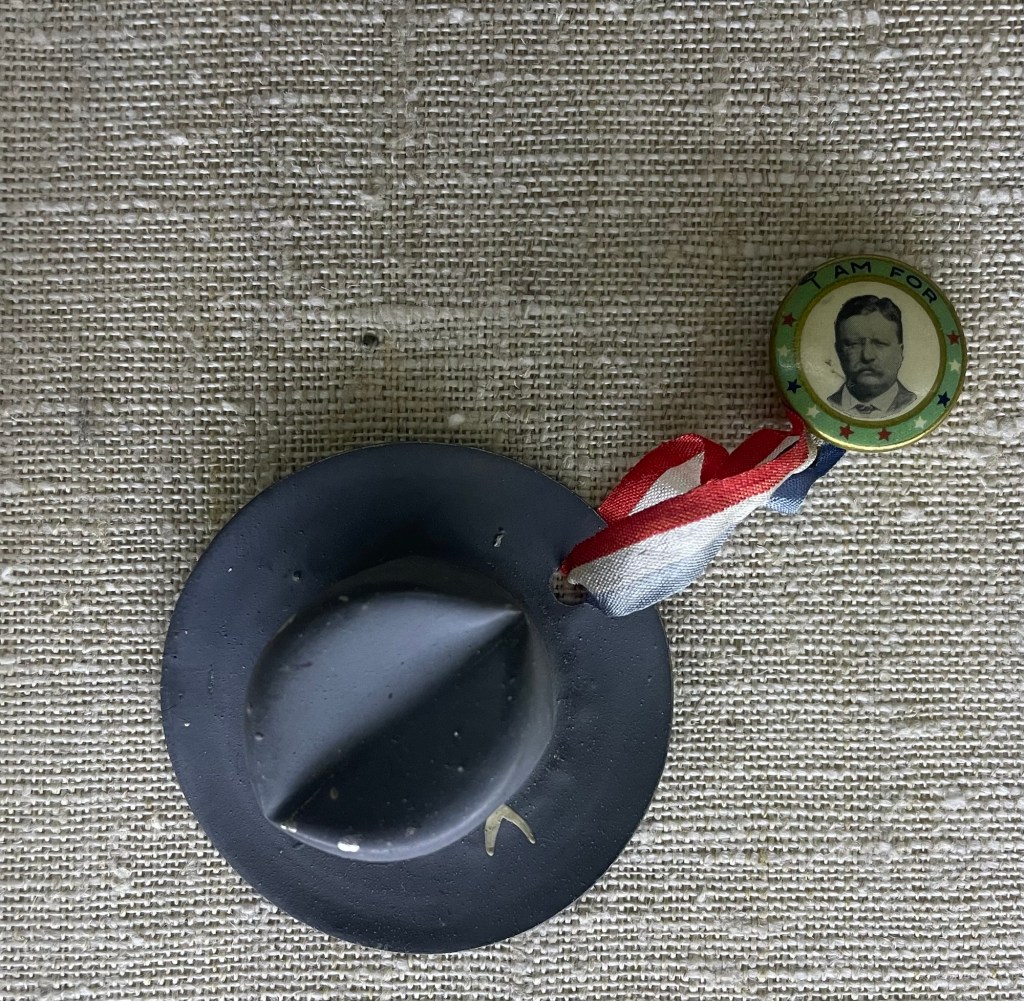
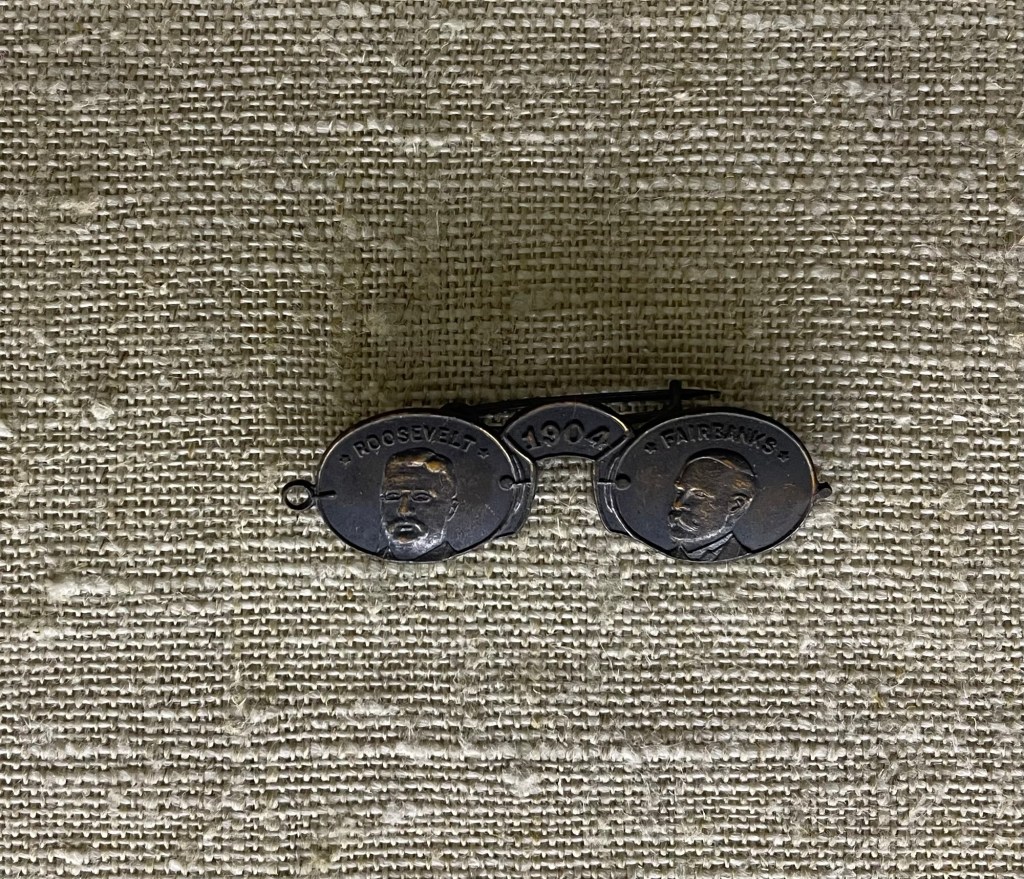
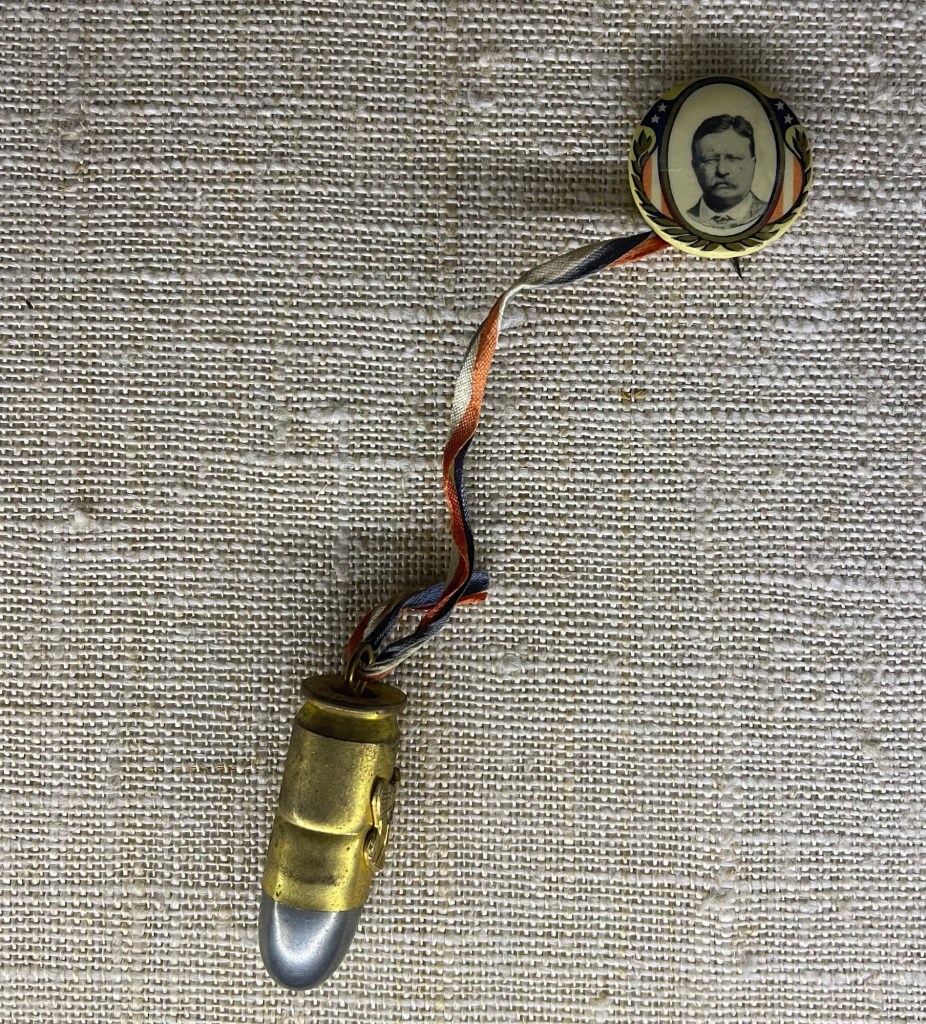
The basement contains a small museum detailing Teddy’s life and legacy, and includes a great collection of campaign buttons.
Teddy Roosevelt’s Sagamore Hill:
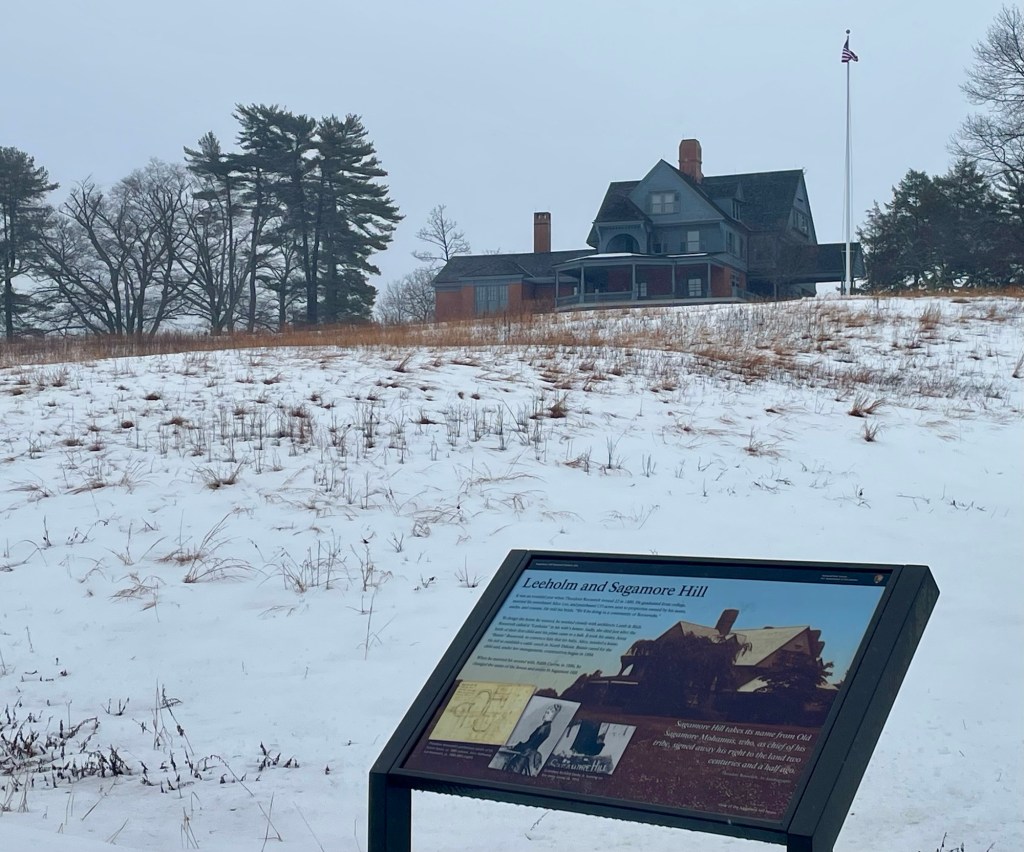
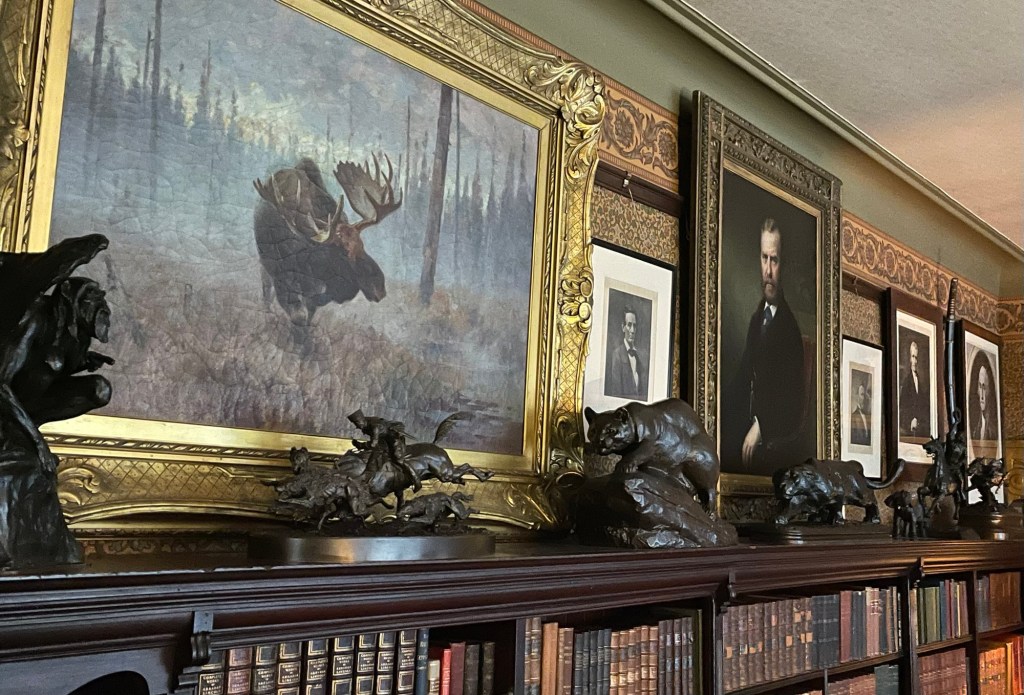
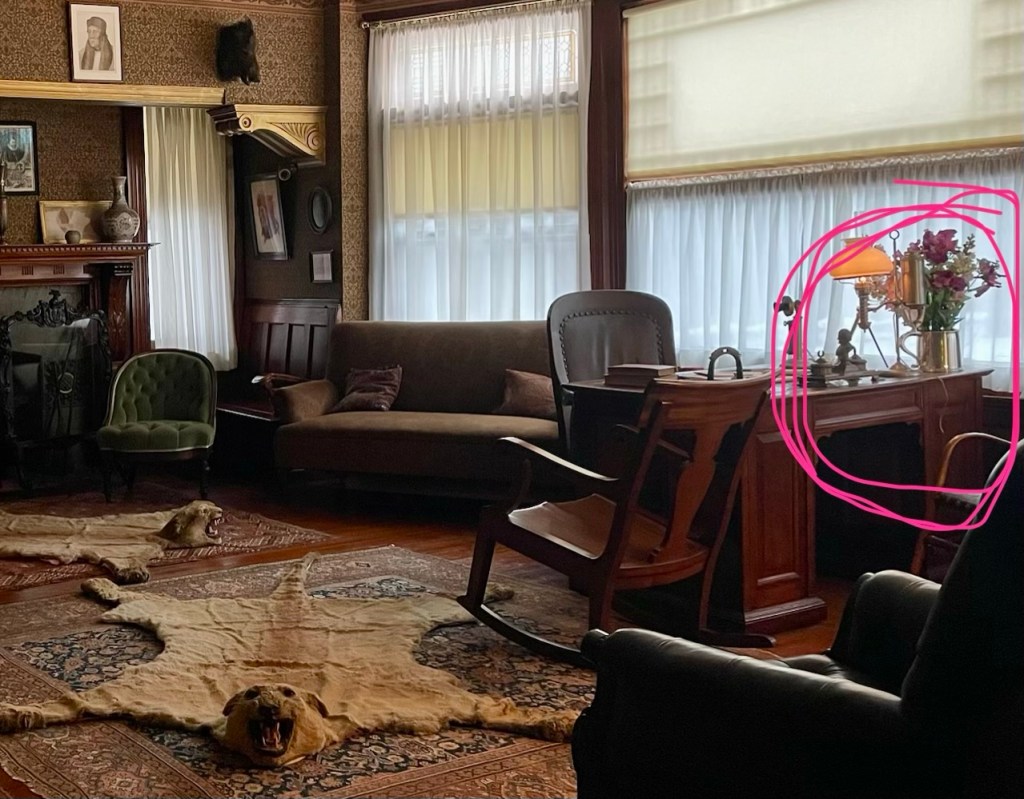
This was Teddy’s family retreat, built in 1885. My favorite room was the library which became Teddy’s summer office while President. In addition to the portraits of his heroes overlooking the desk, the desk holds Teddy’s coffee mug. He drank a gallon each day – which might explain how he had the energy to accomplished so much! The telephone was added during his presidency.
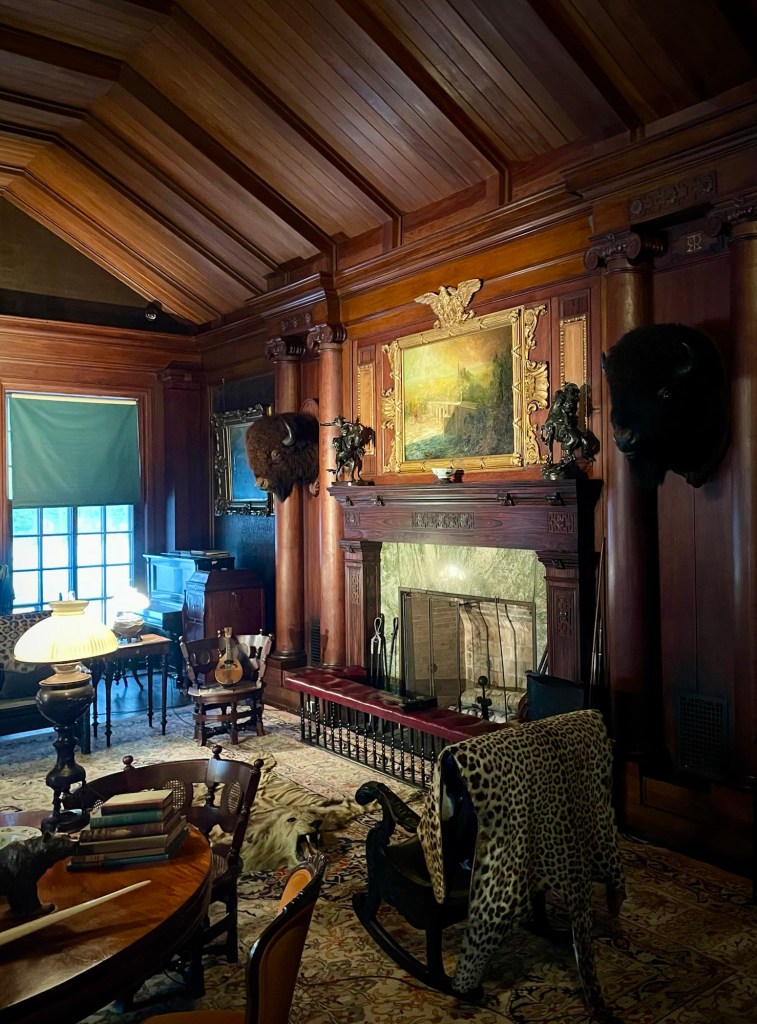
The north room was added on after Teddy became president. Appropriately, it’s overlooked by several buffalo heads, staring down on the “Savior of the Bison.” It’s the room where Teddy met the Russian delegates as part of the negotiations to end the Russo-Japanese War, leading to his Nobel Peace Prize. Teddy hung his cavalry sword on the deer antlers.
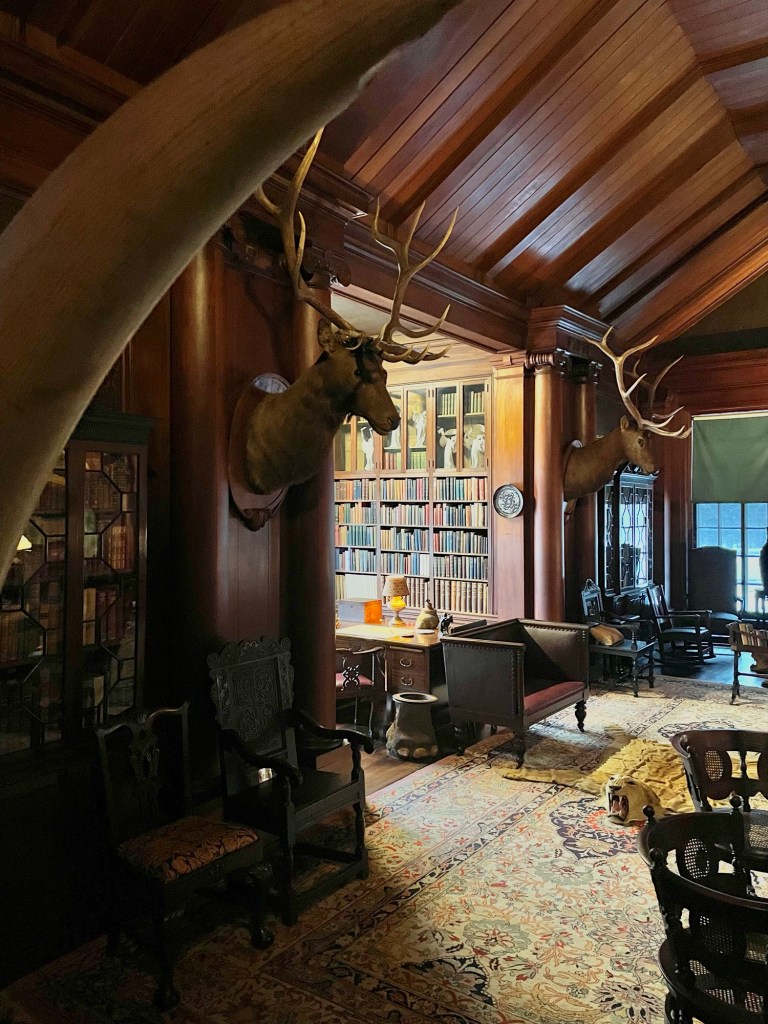
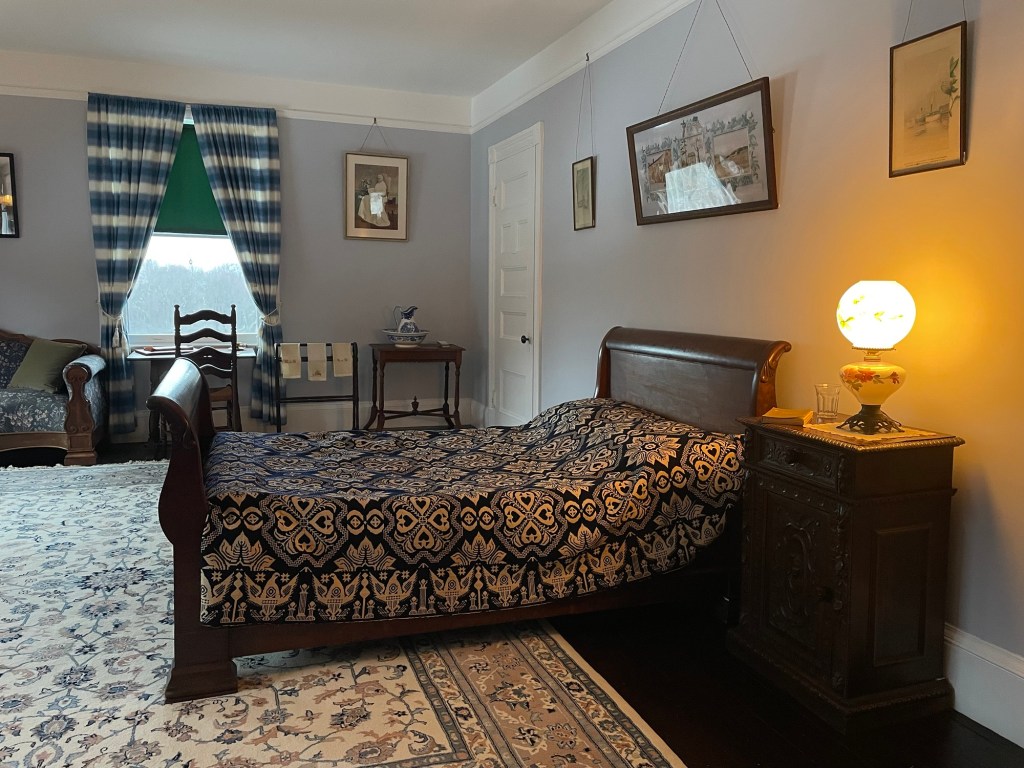
And, of course, the bed in which Teddy died at sixty, having led a very eventful life. A museum on the grounds is filled with Teddy information and memorabilia.
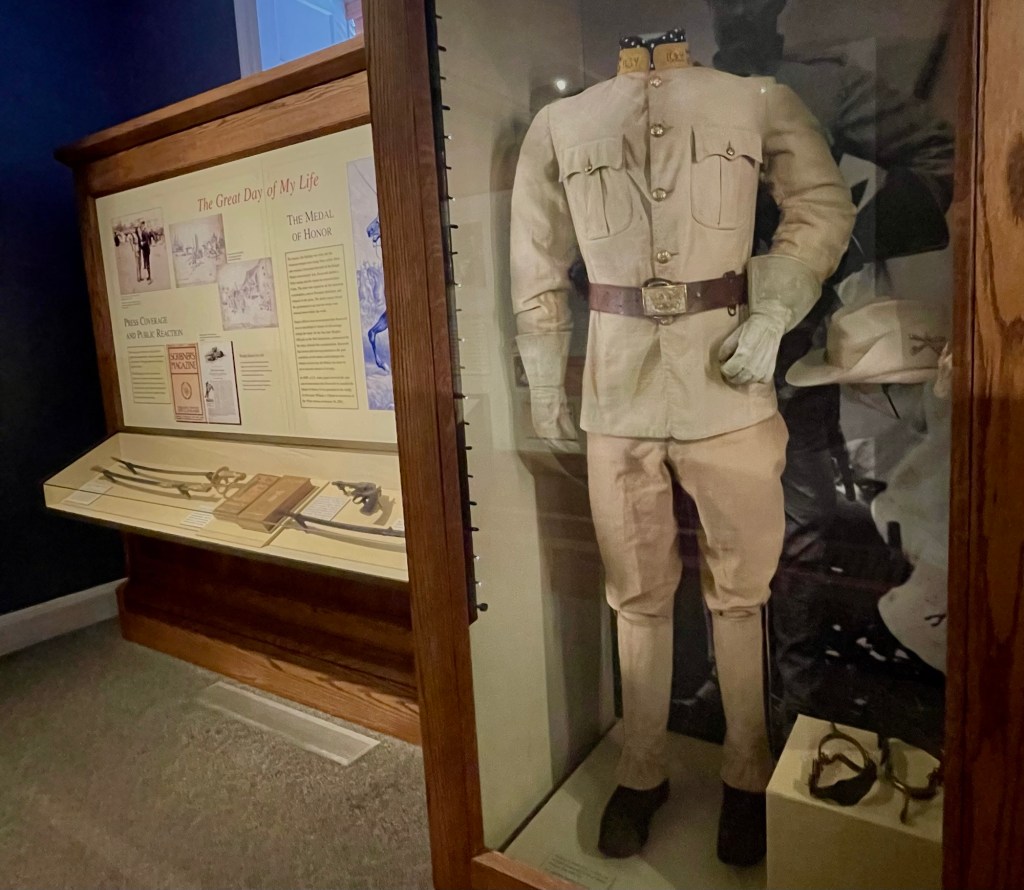
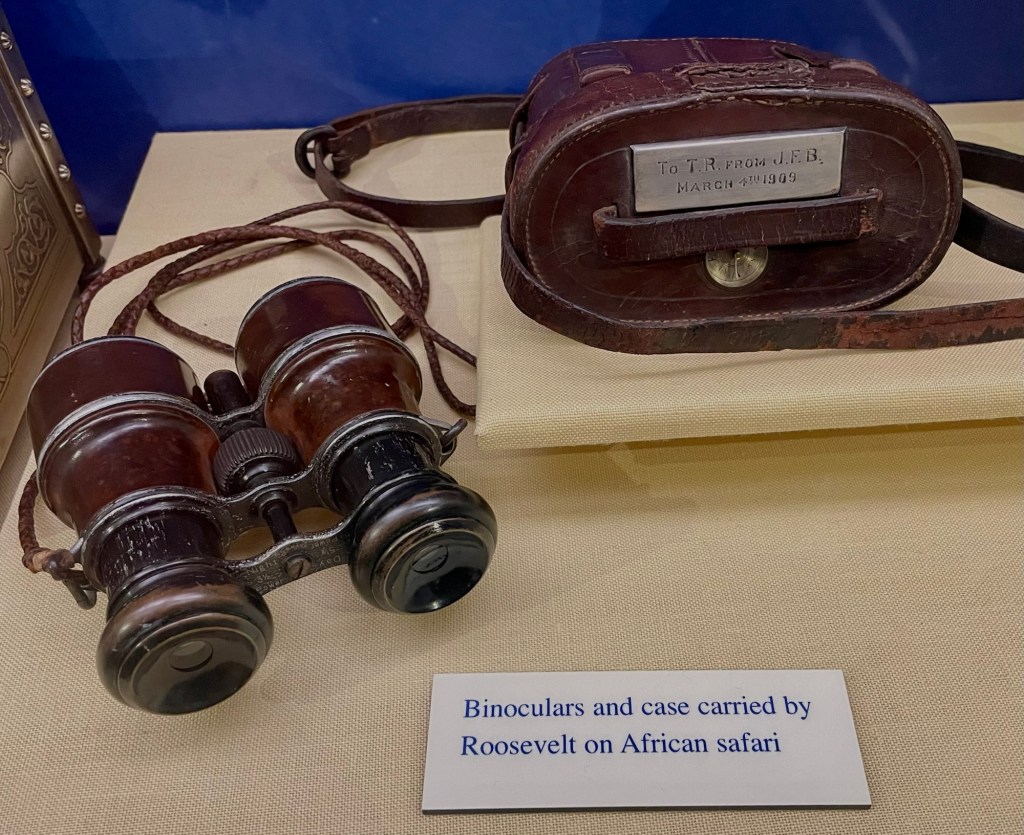
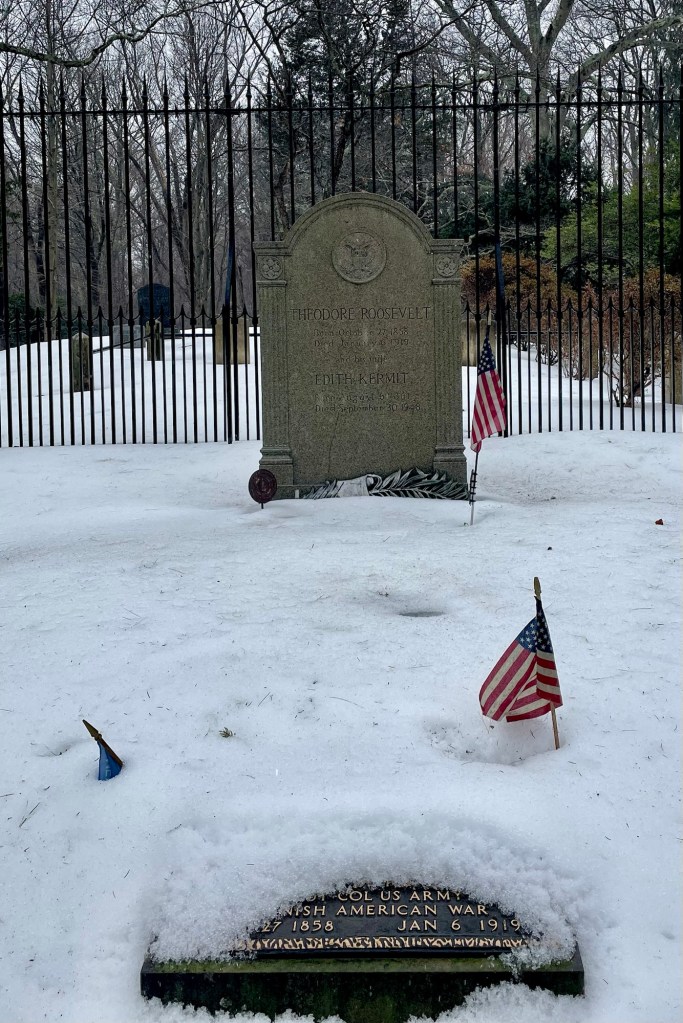
His final resting place is nearby at Youngs Memorial Cemetery.
Another place to discover more about this larger than life adventurer is the basement of the American Museum of Natural History, where his father was a founding trustee. Four large displays detail the different stages of his life: “Young Naturalist,” “Firsthand Observer,” ”Conservation President,” and “Lifelong Explorer.”
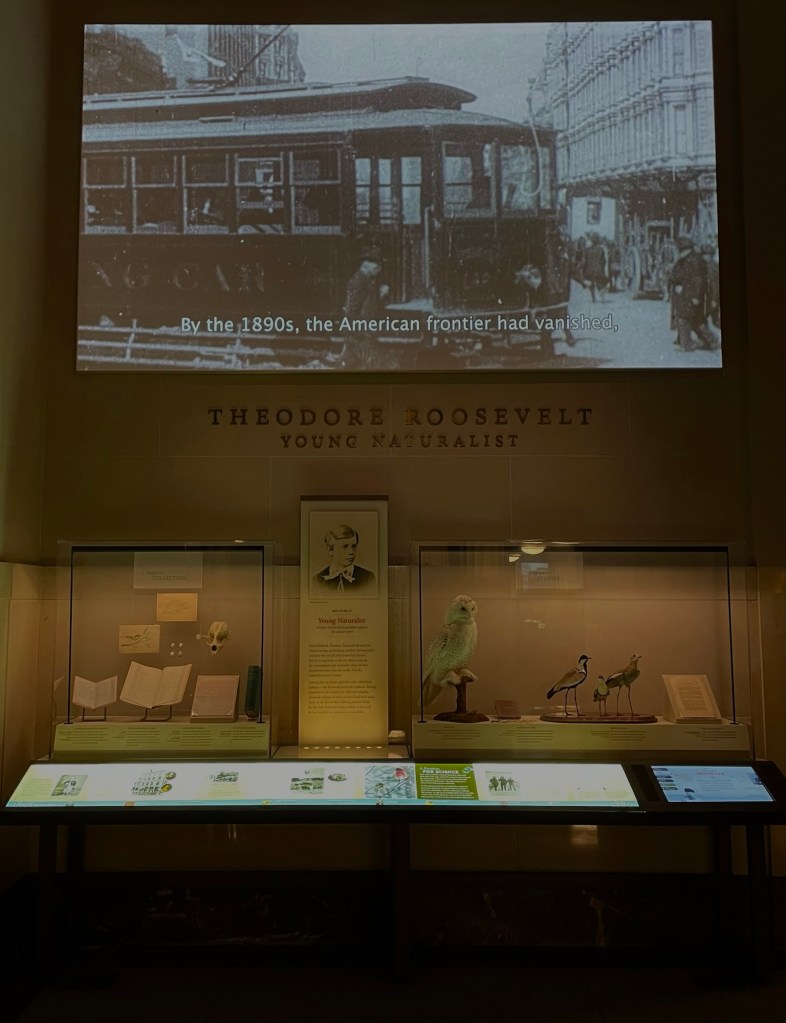
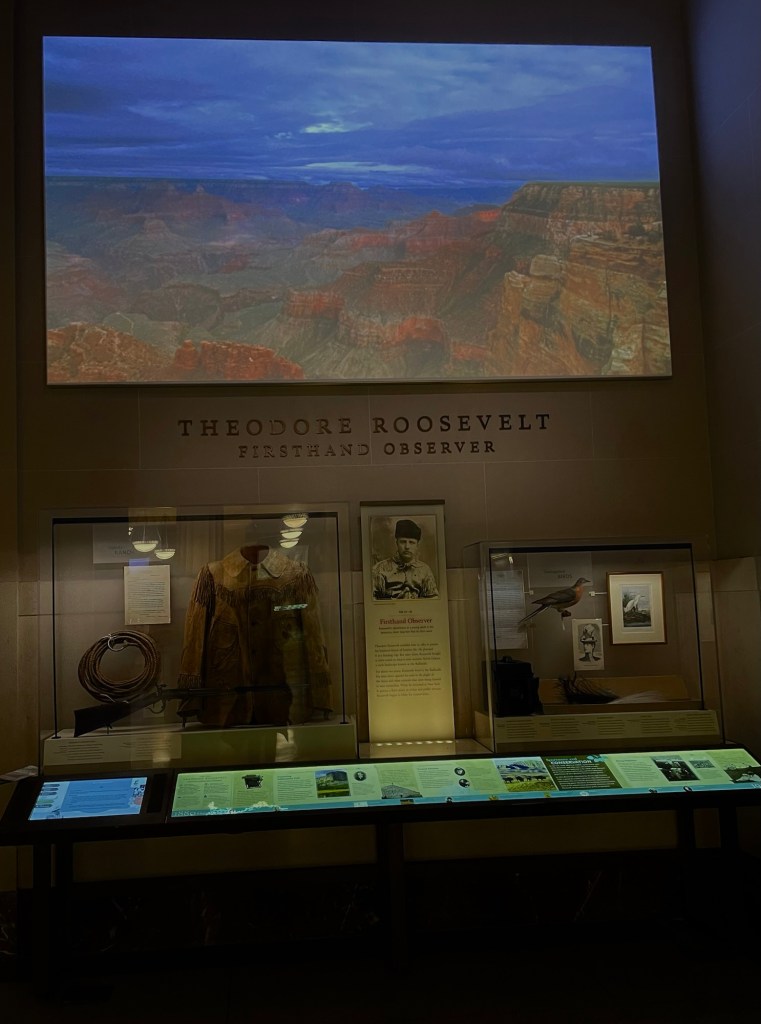
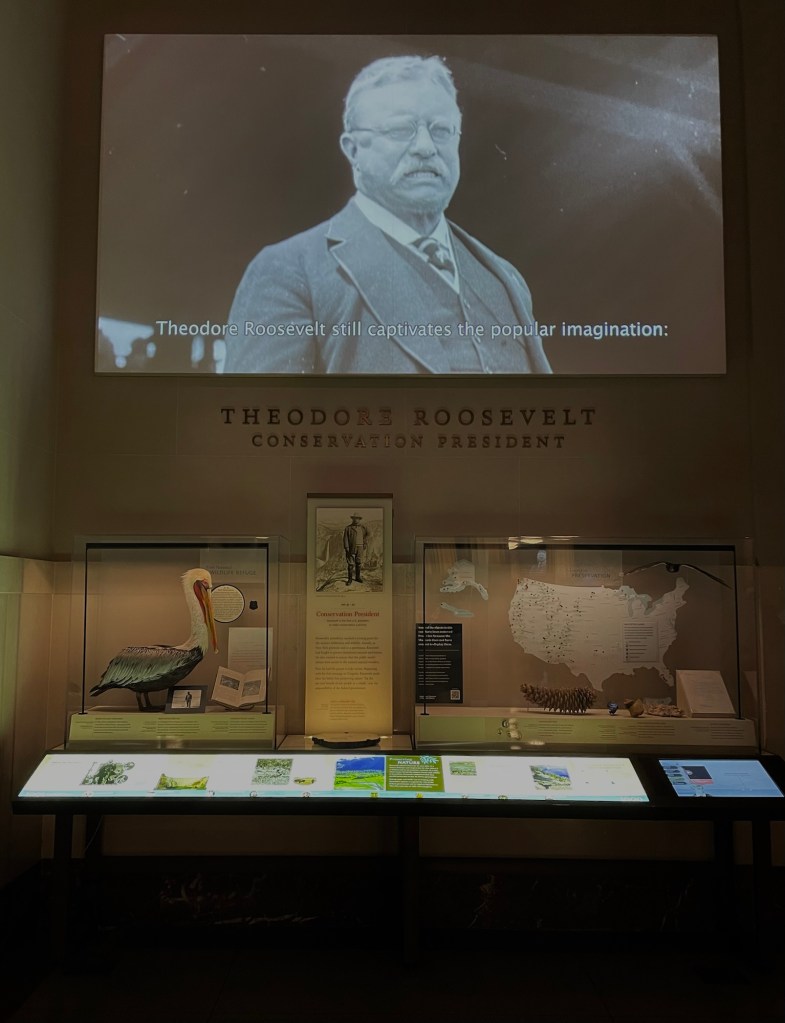
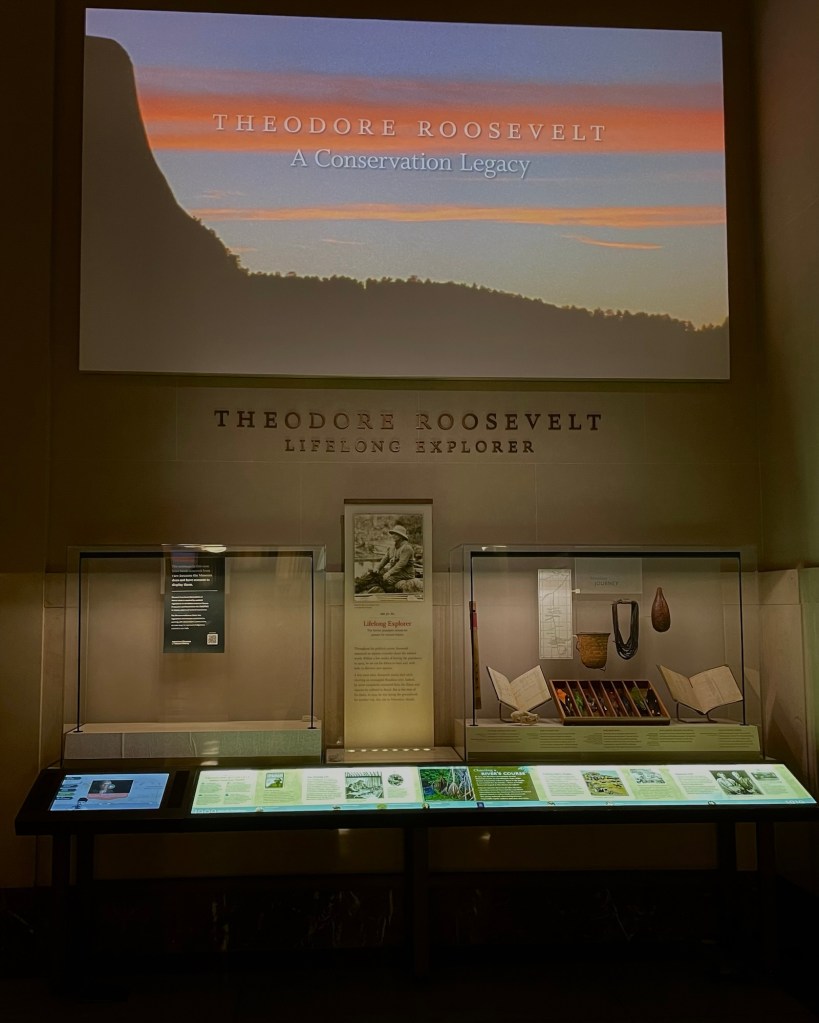
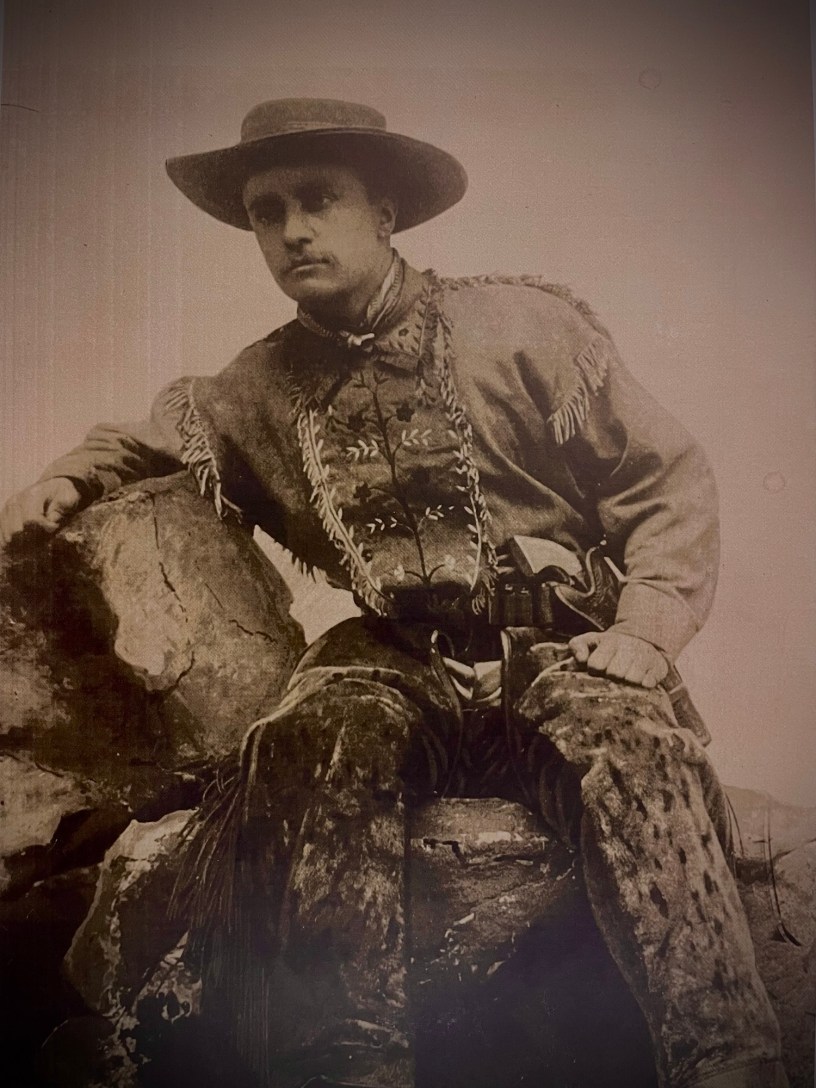
The cases contain original artifacts, including some of Teddy’s childhood taxidermy, his rancher buckskins, and items collected by his son on the Amazonian adventure that almost killed him.
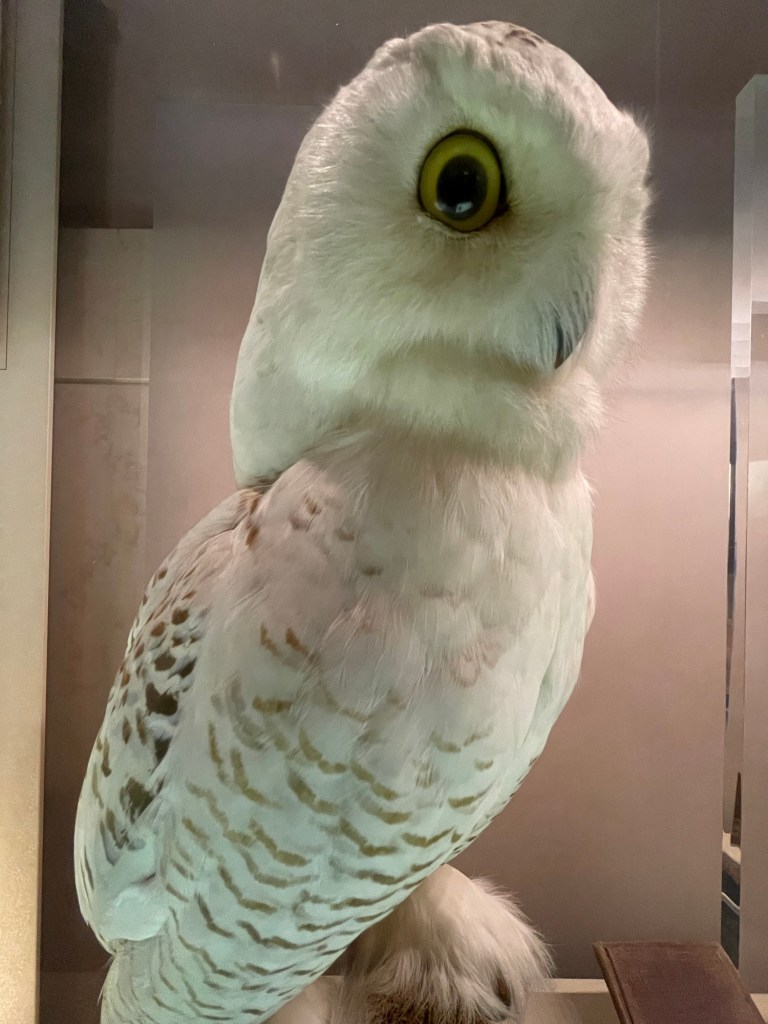
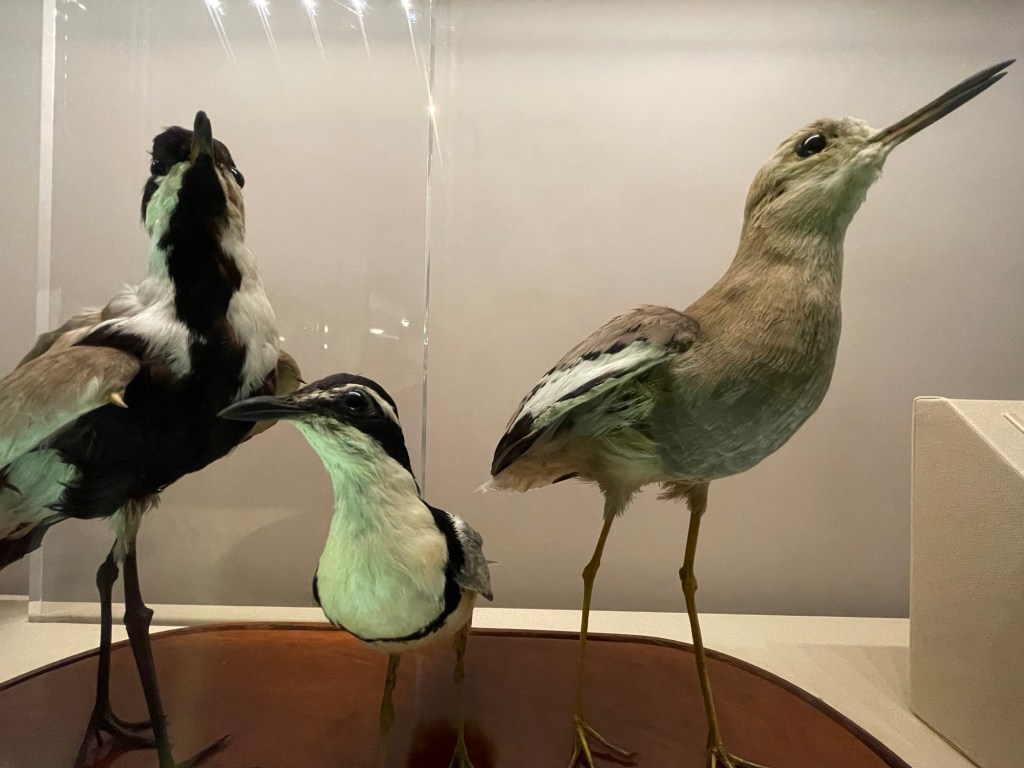
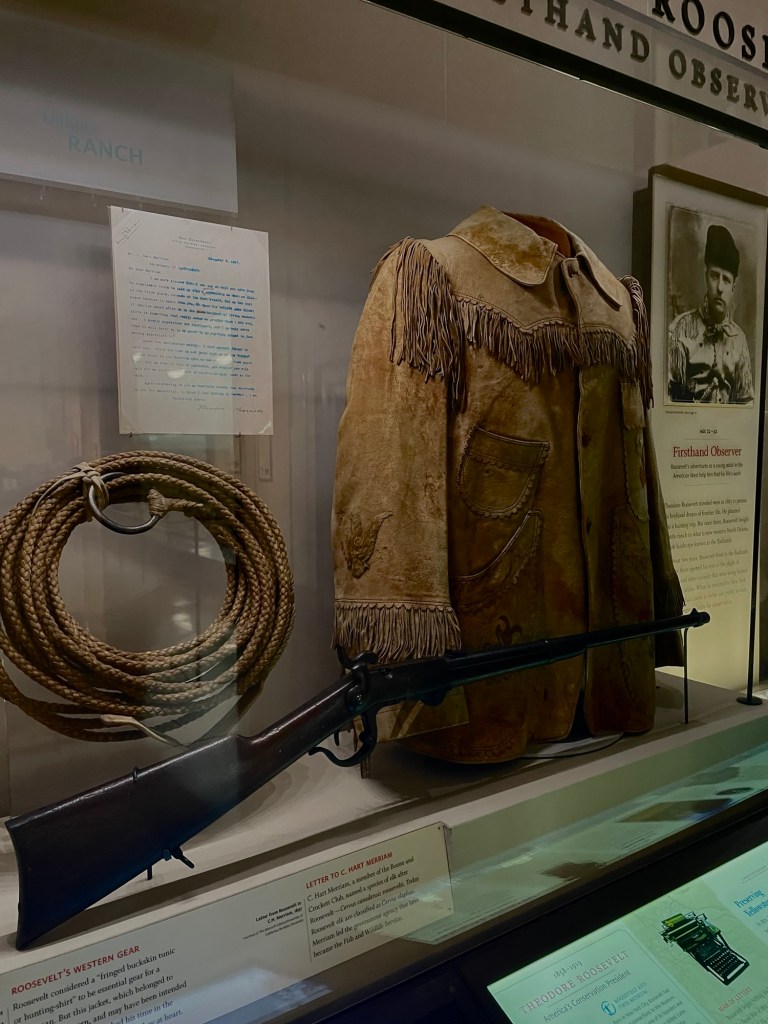
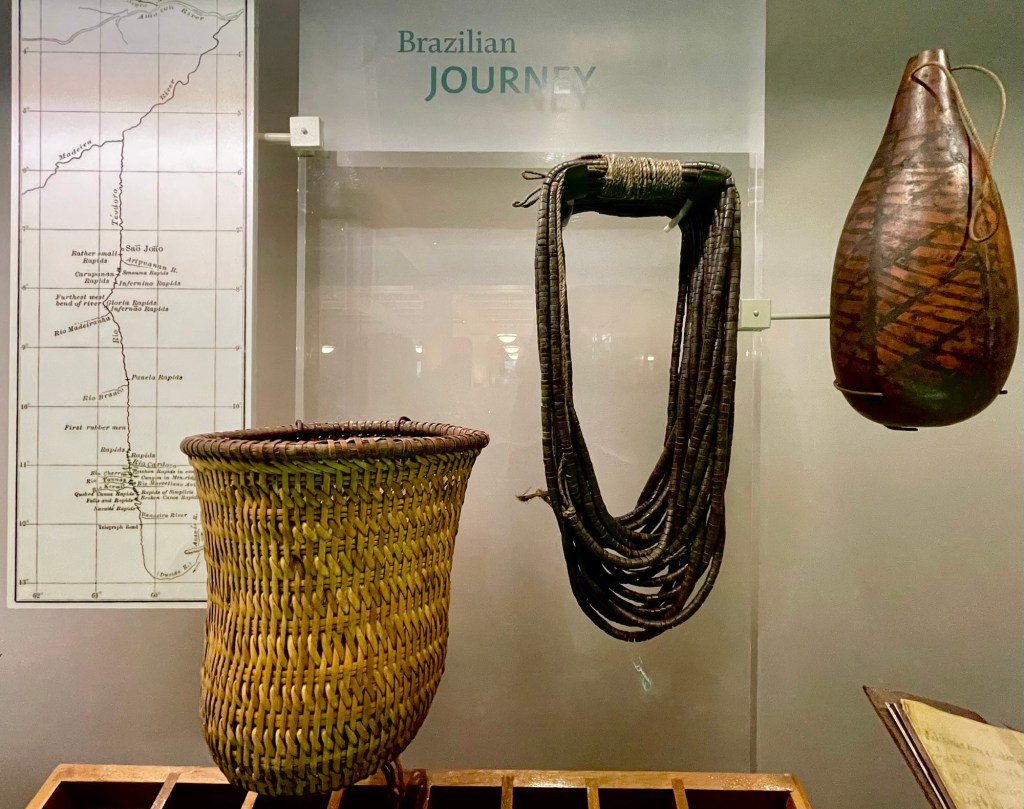
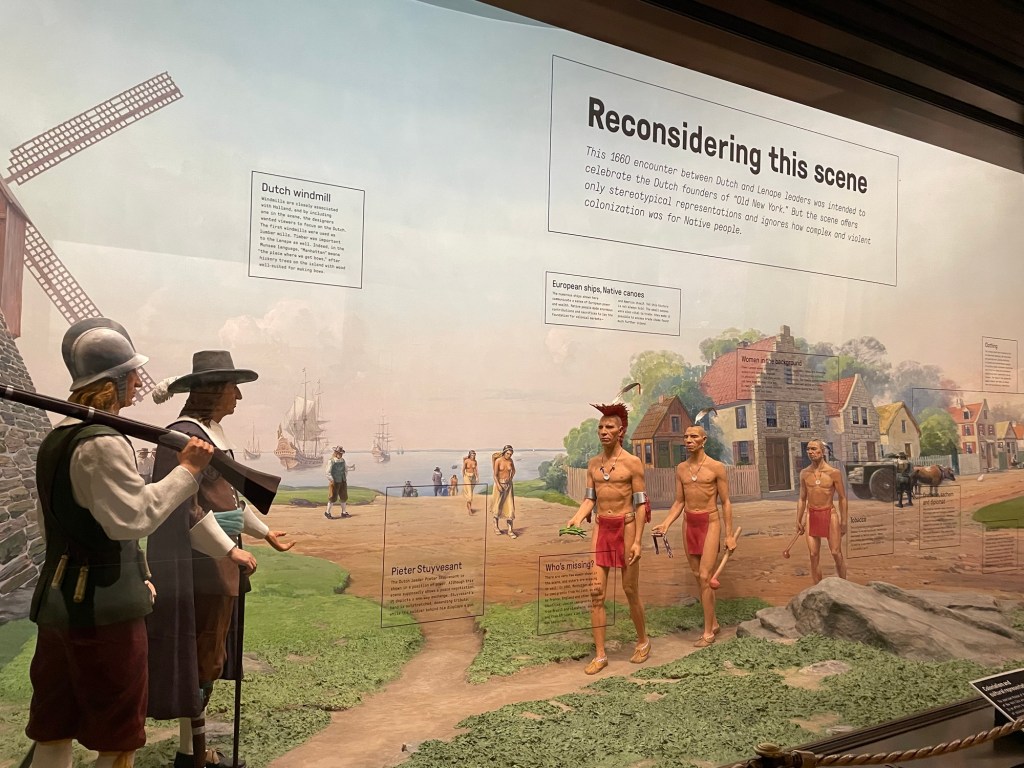
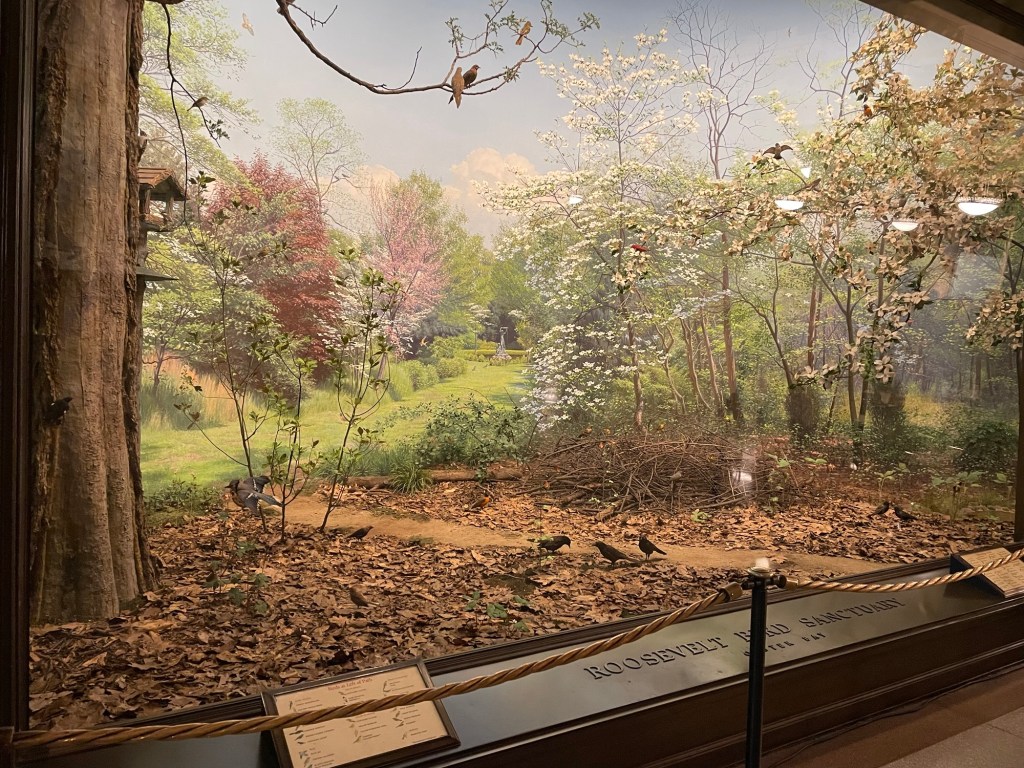
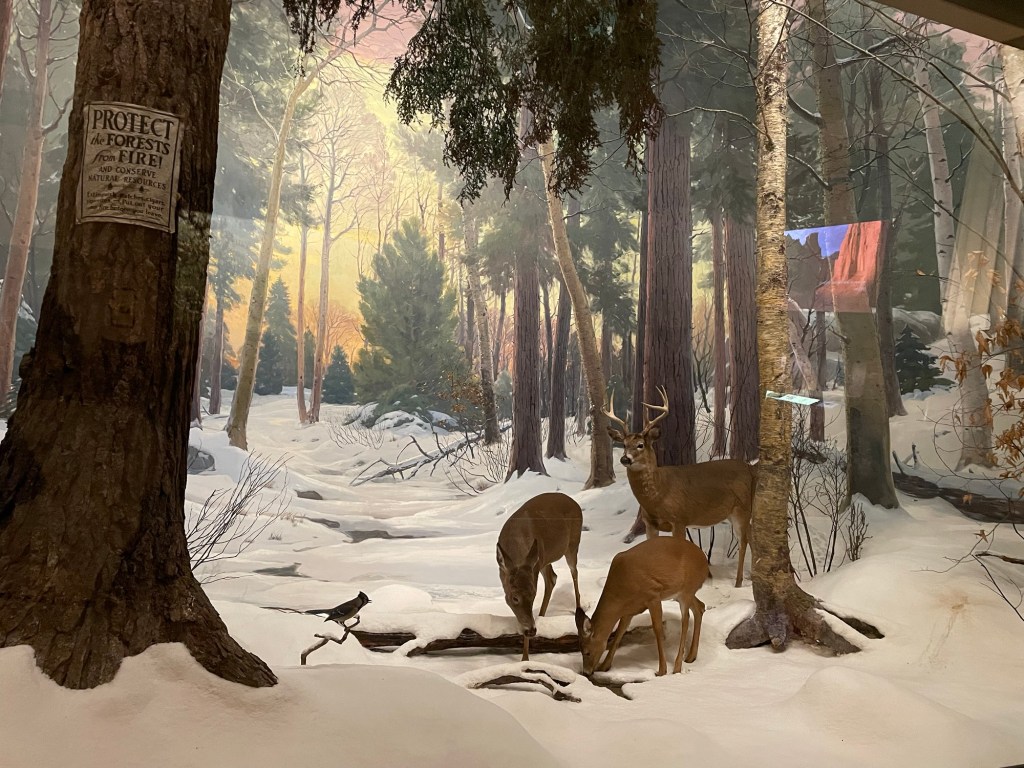
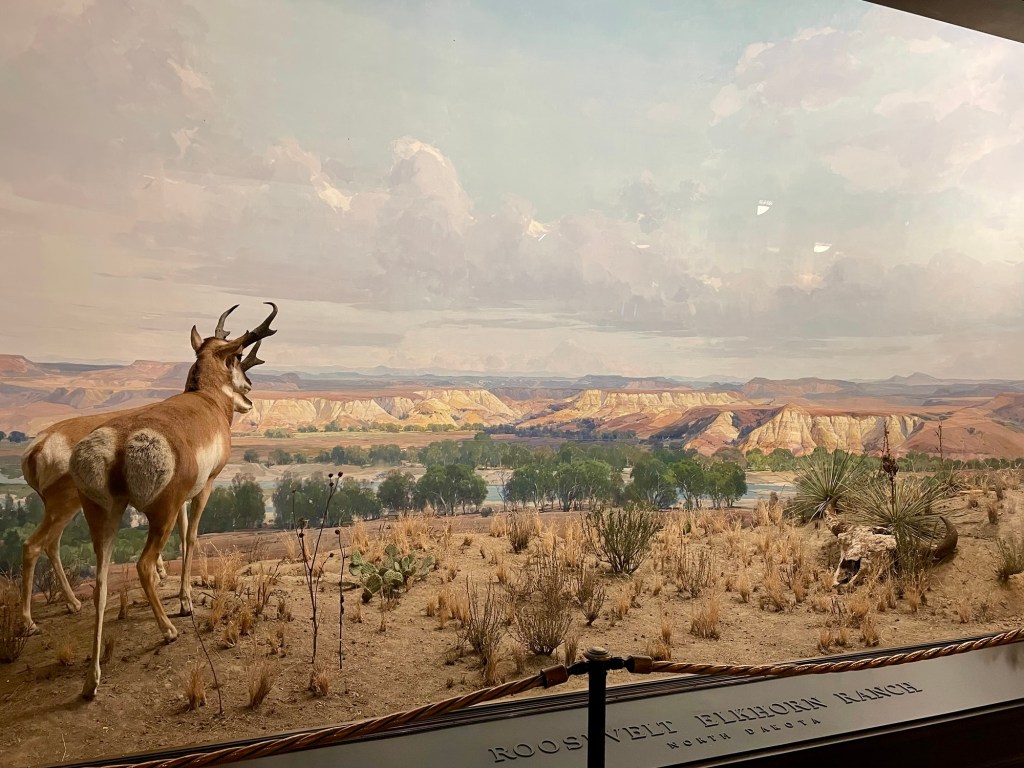
There are also four classic dioramas relating to his passions: “Old New York,” “Oyster Bay Bird Sanctuary,” “New York’s Wilderness,” and “Elkhorn Ranch.”
 Secrets of Philadelphia