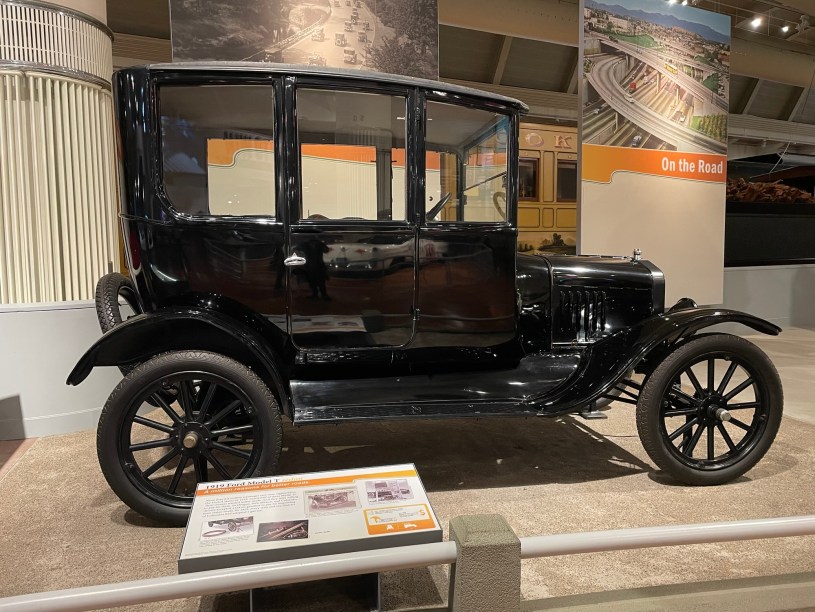
Ford is the man who revolutionized modern industry with his assembly line. He’s also the man who had a picture of Hitler on his desk and who was the only American Hitler mentioned favorably in “Mein Kampf,” writing that Ford was the only American industrialist independent of Jewish control. “It is Jews who govern the stock exchange forces of the American Union. Every year makes them more and more the controlling masters of the producers in a nation of one hundred and twenty millions; only a single great man, Ford, to their fury, still maintains full independence… [from] the controlling masters of the producers in a nation of one hundred and twenty millions.”
Because of his anti-Jew views, Ford refused to hire from what was then a primary source of workers, instead hiring from other ethnic groups, including Arabs. Some estimates claim that by the early 1920s, the majority of workers on Ford’s assembly line were of Arab descent. Many settled around the factory in Dearborn, and it’s now home to the largest concentration of Arab Americans in the United States. In the 2020 Census, 54.5% of the city’s population were of Arab ancestry, and in 2023 Dearborn became the first Arab-majority city in the US.
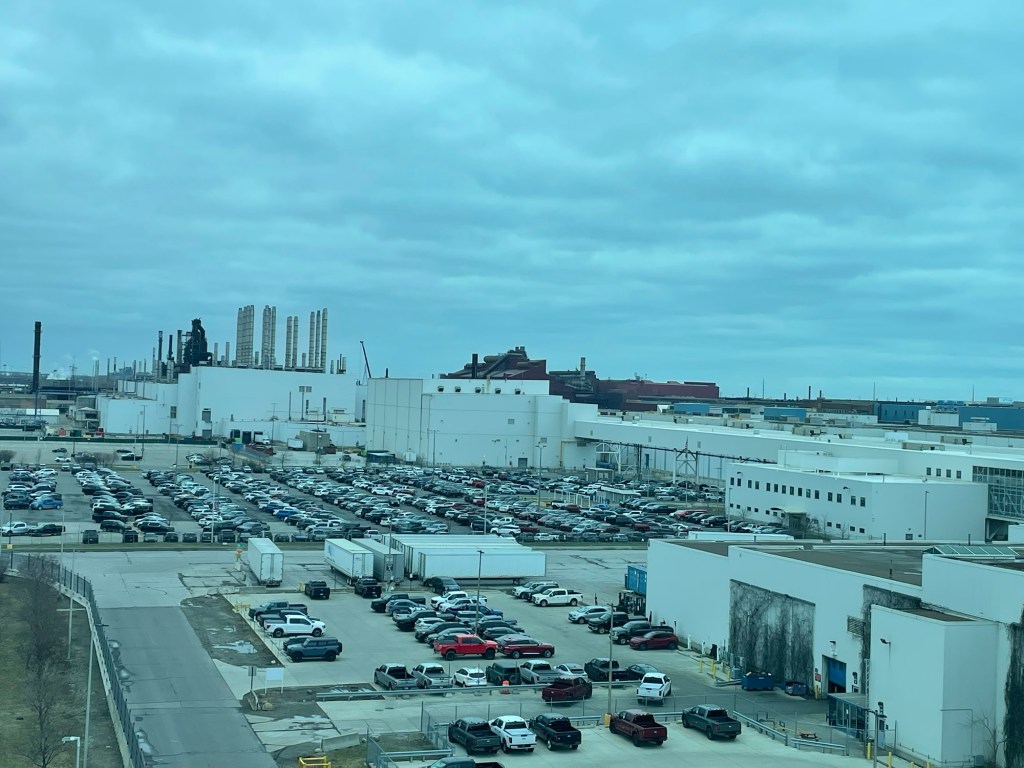
Ford’s Rouge factory was completed in 1928 and became the largest industrial complex in the world, with almost 16 million square feet of factory floor space and employing over 100,000 workers. It stretched for over a mile and a half, transforming the raw materials brought down the river into complete vehicles. In its heyday a new car rolled off the assembly line every 49 seconds. The assembly line is still going strong producing the company’s F150 trucks.
Visitors can tour the factory (no photos allowed inside) to see the modern version of Ford’s revolutionary assembly line.
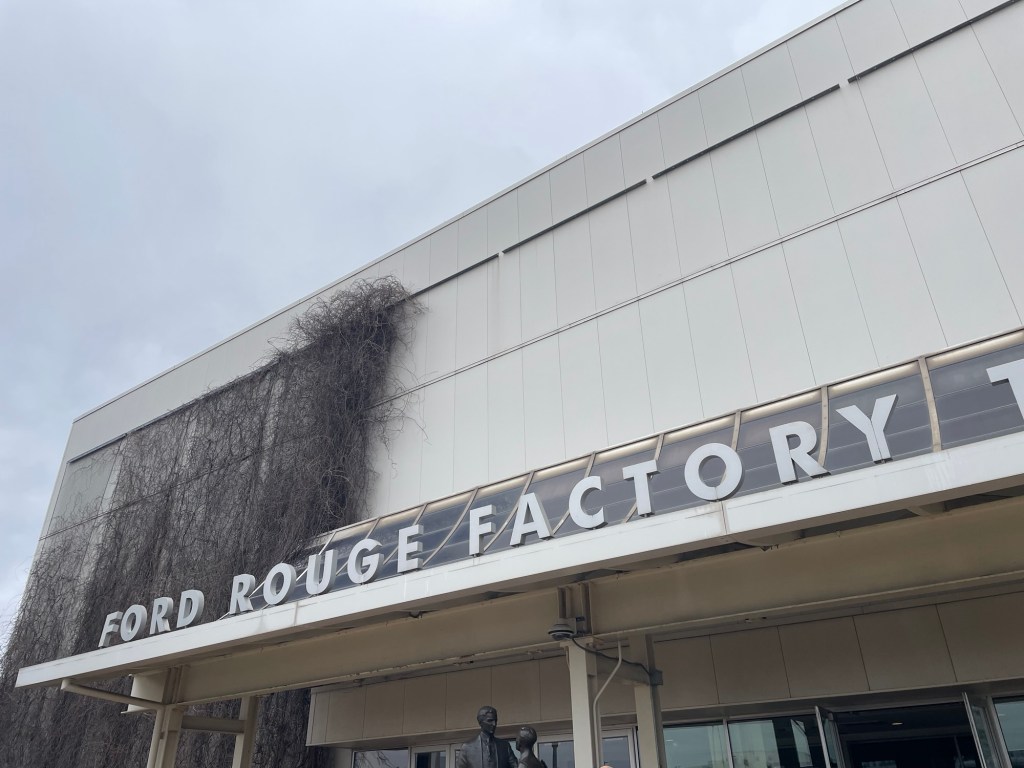
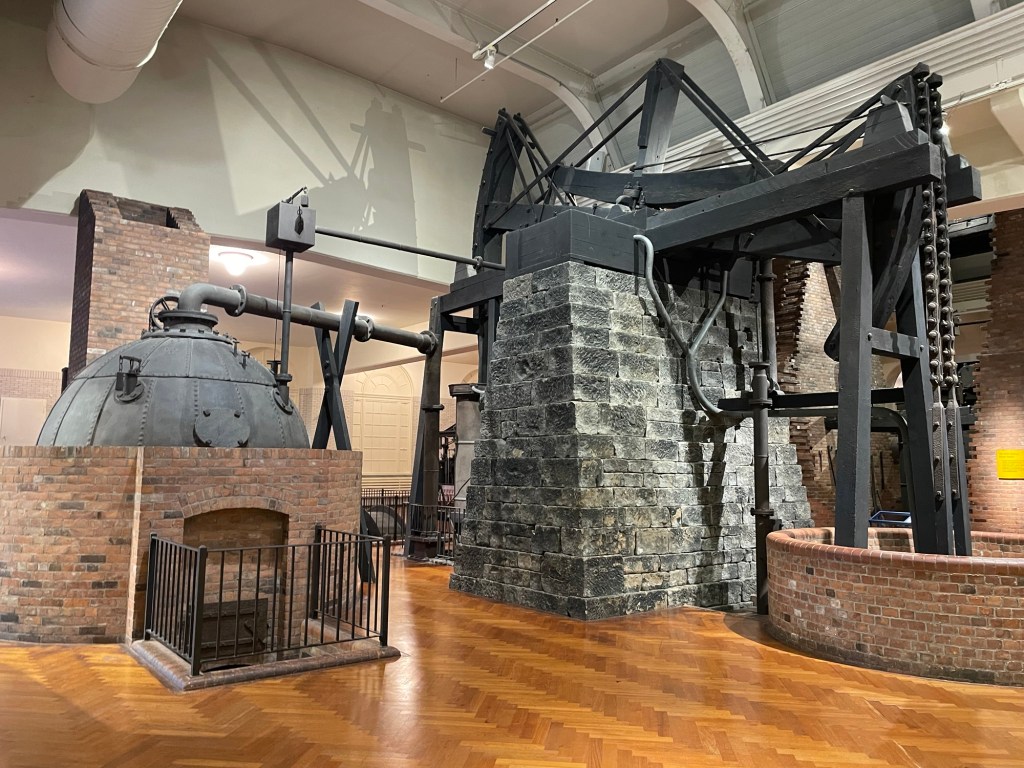
Tours are run by The Henry Ford Museum of American Innovation, the museum founded by Henry to preserve items of historical interest, especially those relating to the Industrial Revolution. As such, there is an amazing collection of early steam engines and vehicles that include the car in which JFK was assassinated and the bus where Rosa Parks made her Civil Rights stand.
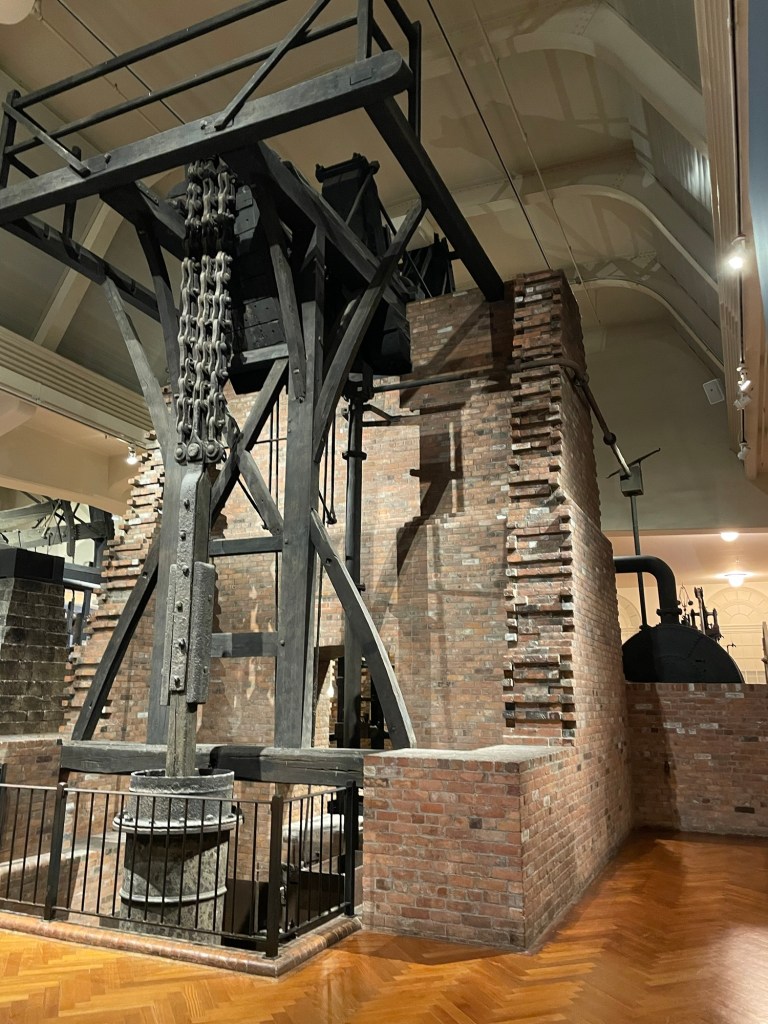
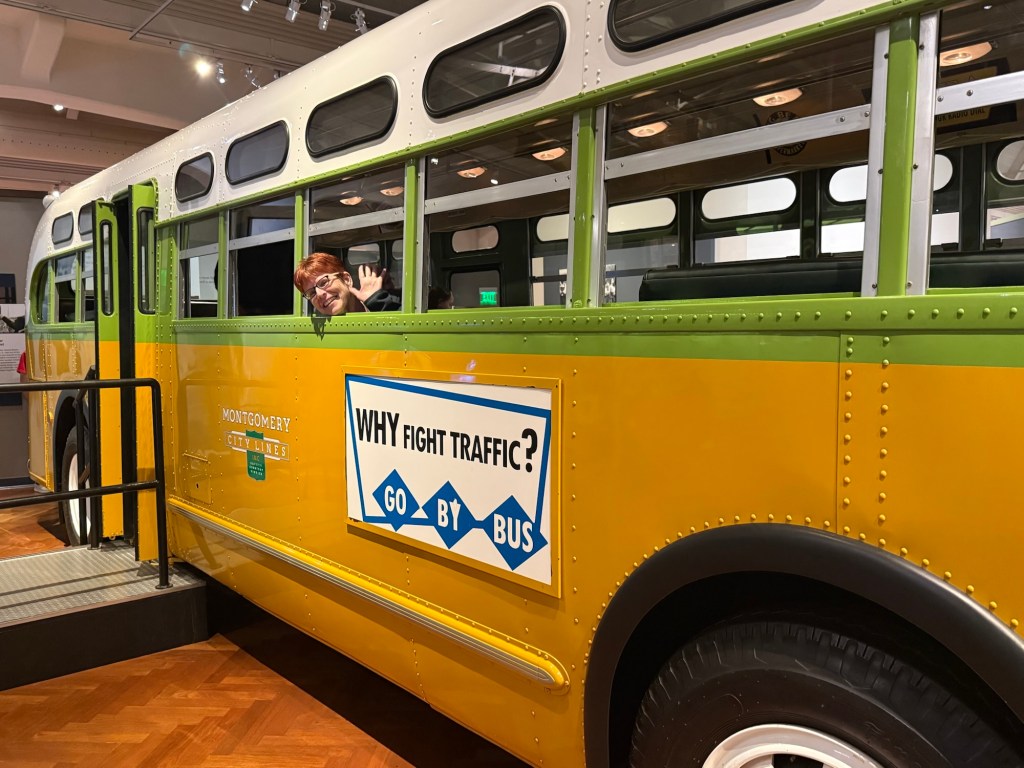
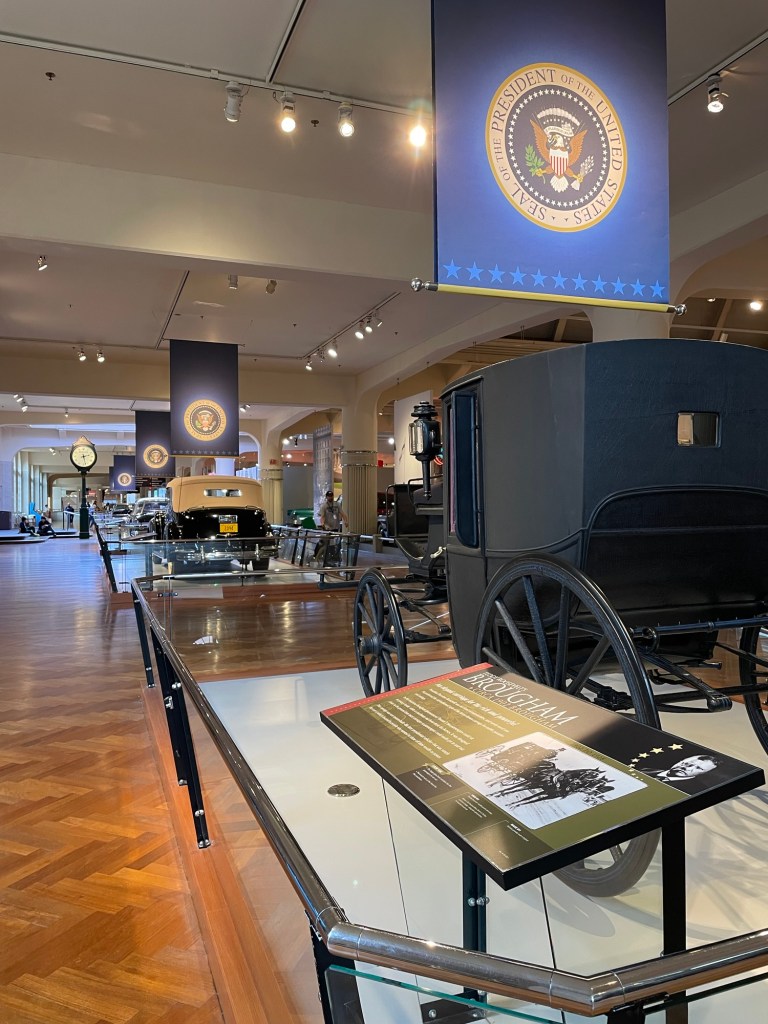
Visitors to the nearby Detroit Institute of Art can view Diego Rivera’s impression of the factory’s assembly line in his Detroit Industry murals, funded by Ford’s son Edsel.
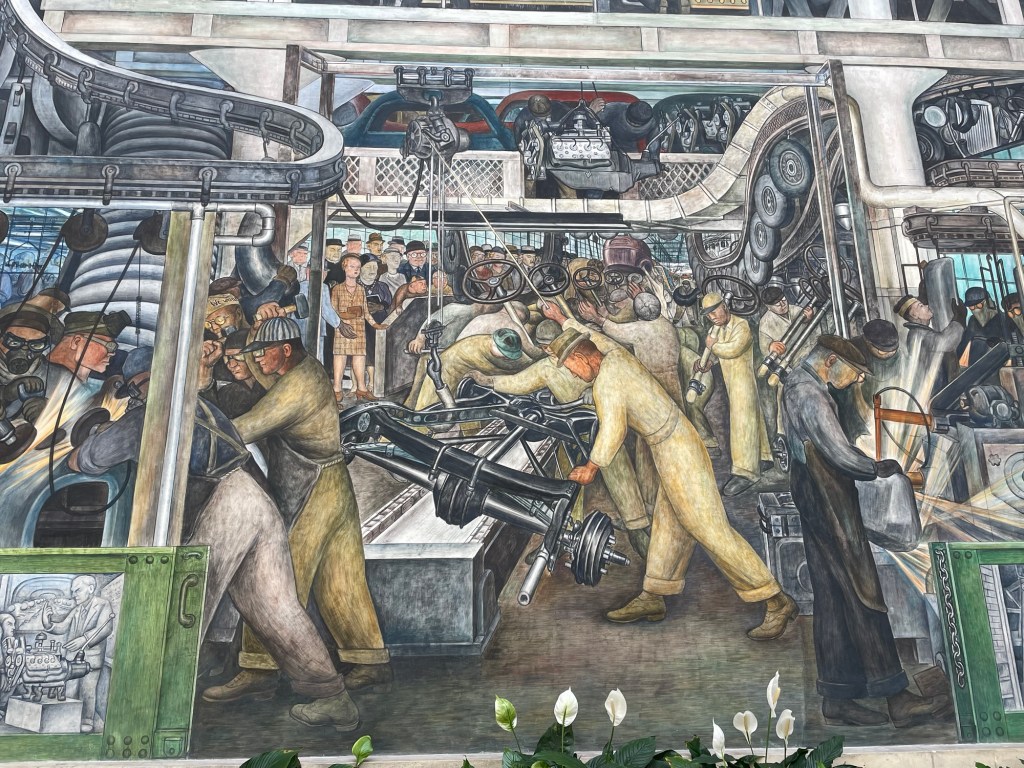
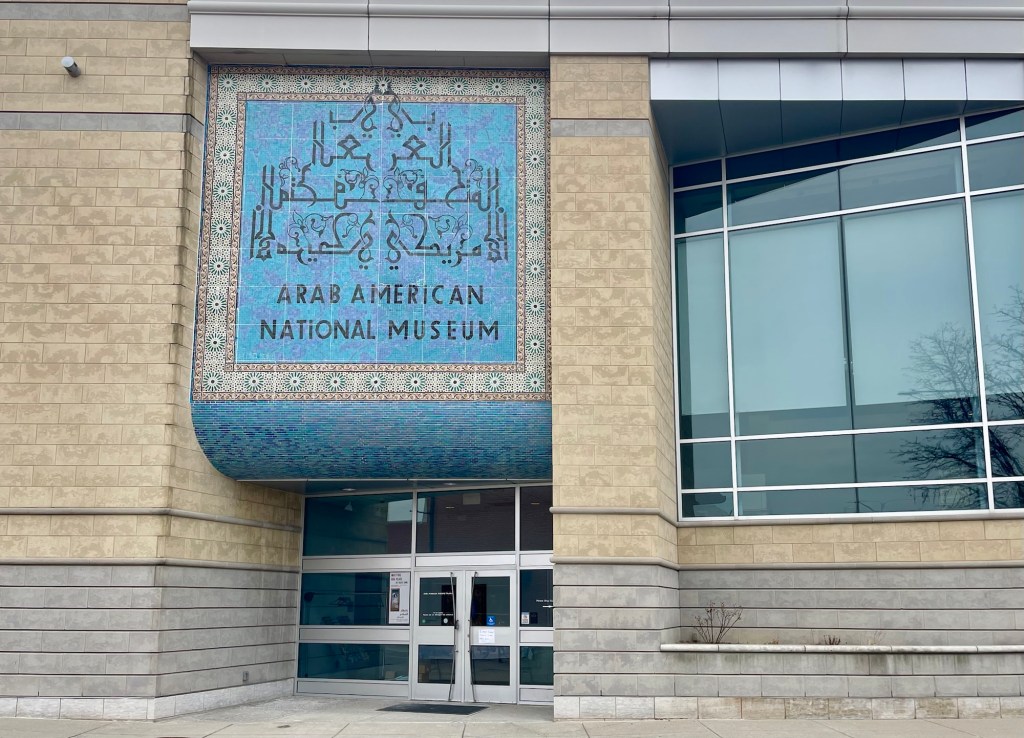
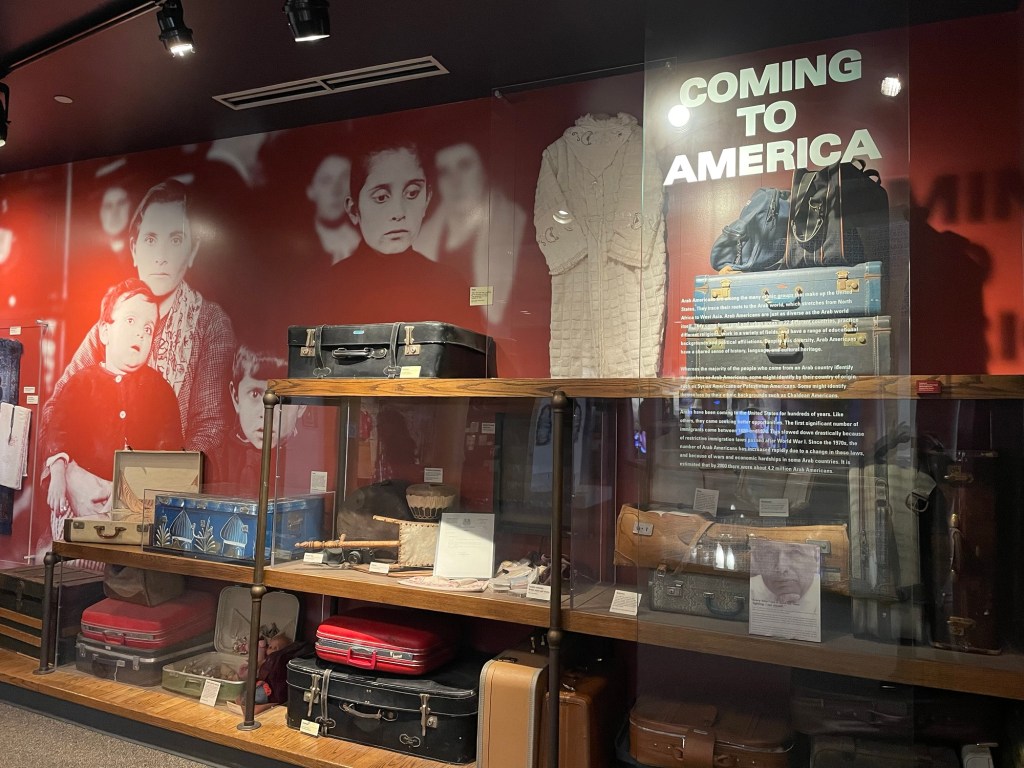
To learn more about the Arab American experience visit Dearborn’s Arab American National Museum. Make sure to look for this interesting piece of presidential lore (Lyndon B. Johnson: From Nuts to Bunghole).
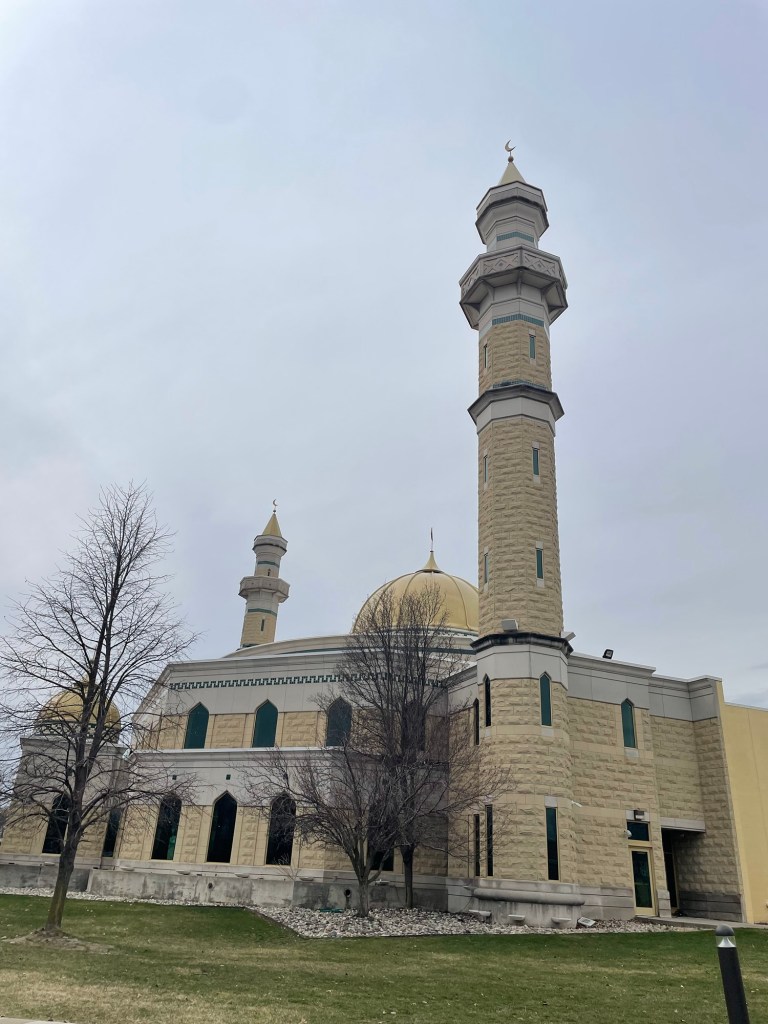
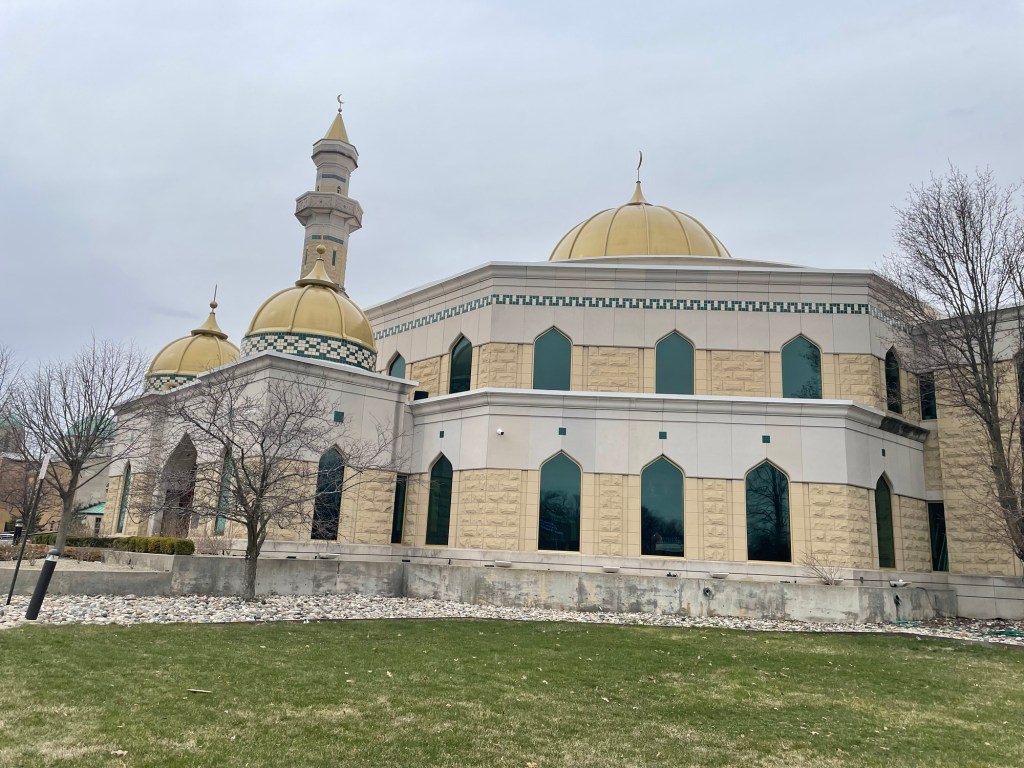
Nearby is the largest mosque in North America.
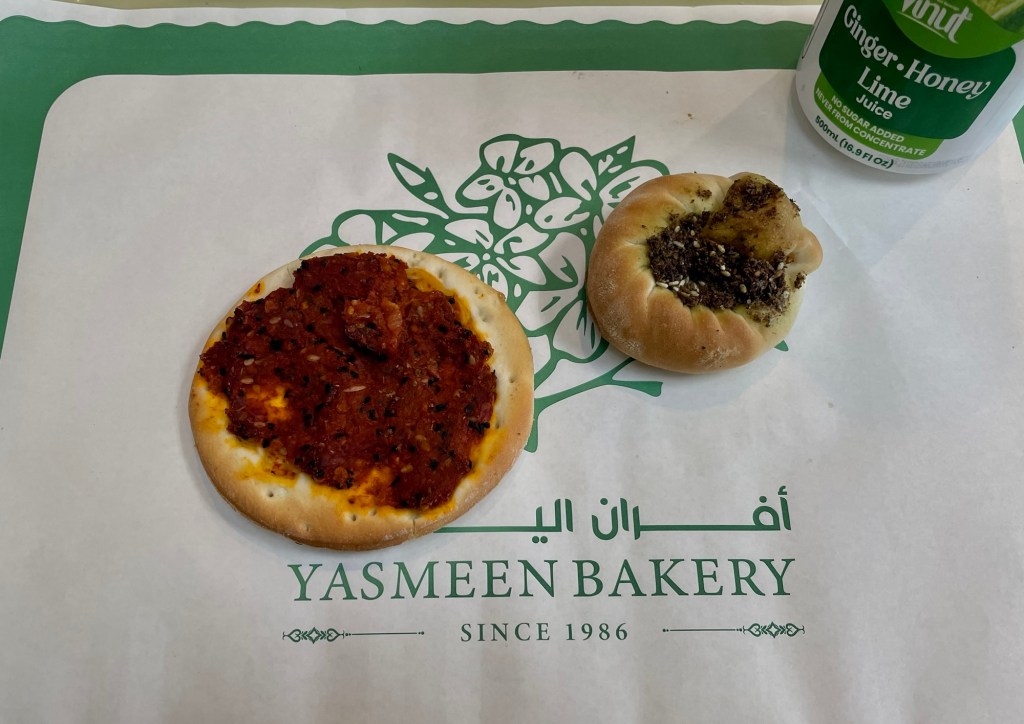
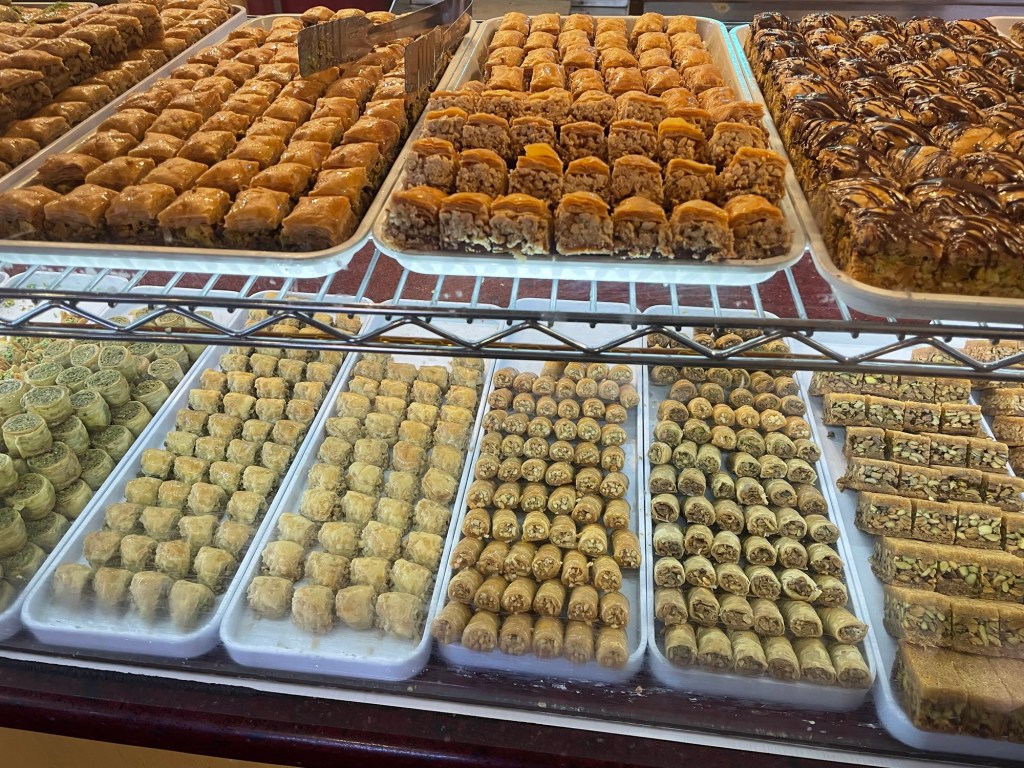
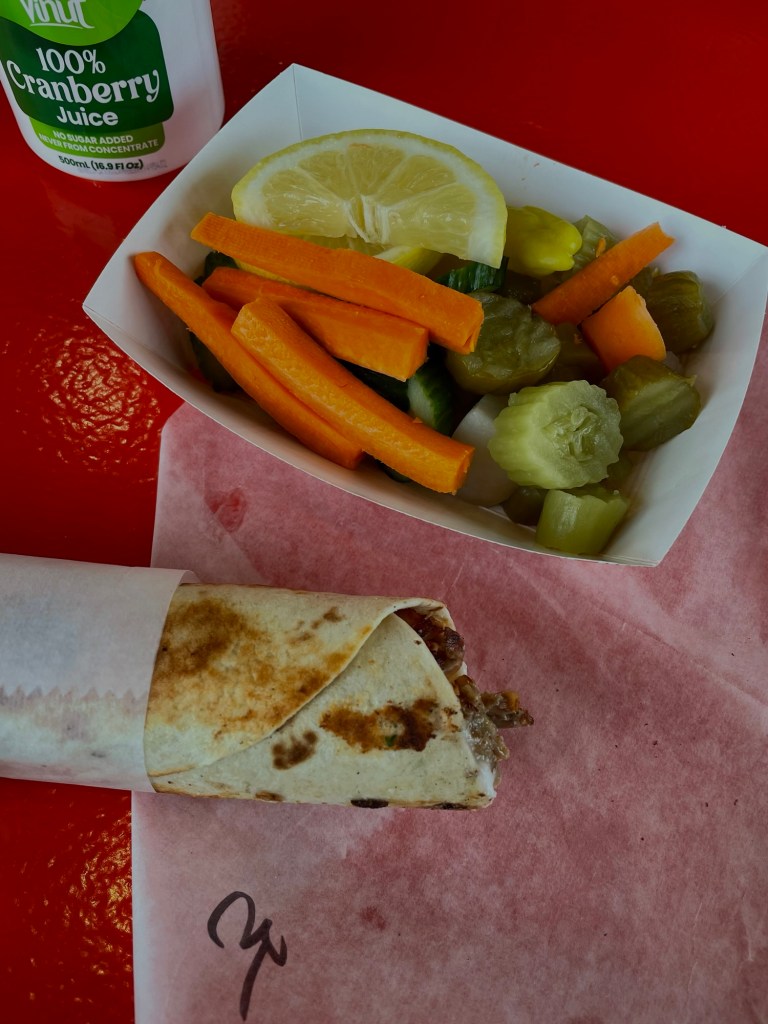
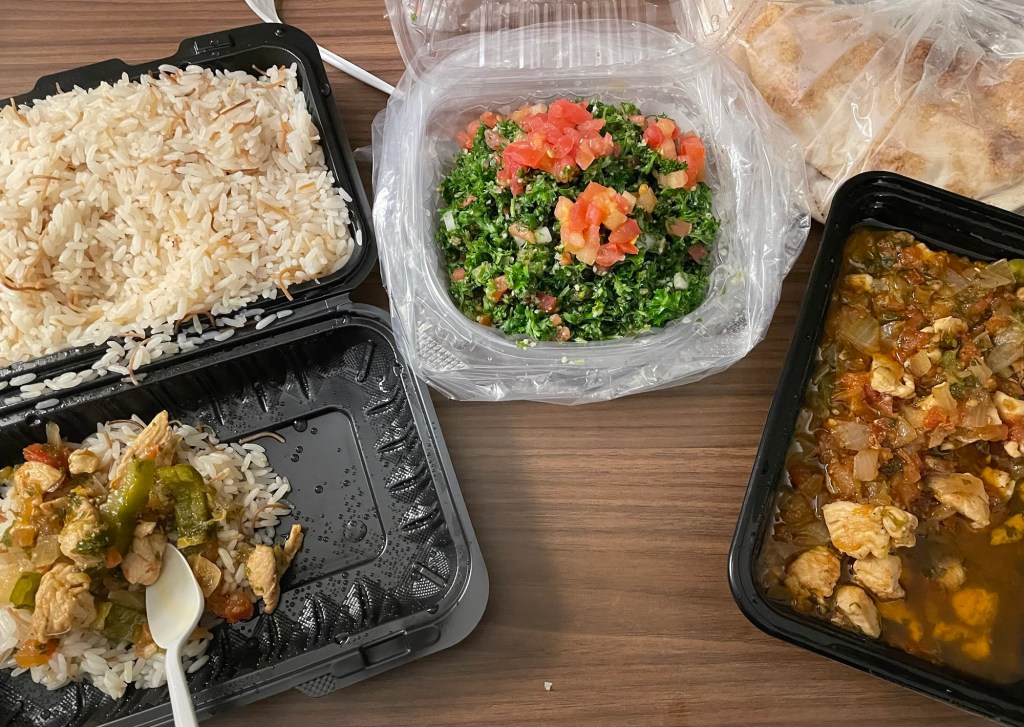
One of the best ways to experience Dearborn’s Arab American culture is through food. The city is full of Yemenite tea and coffee houses, Arab bakeries and restaurants. Yum!


 Secrets of Philadelphia