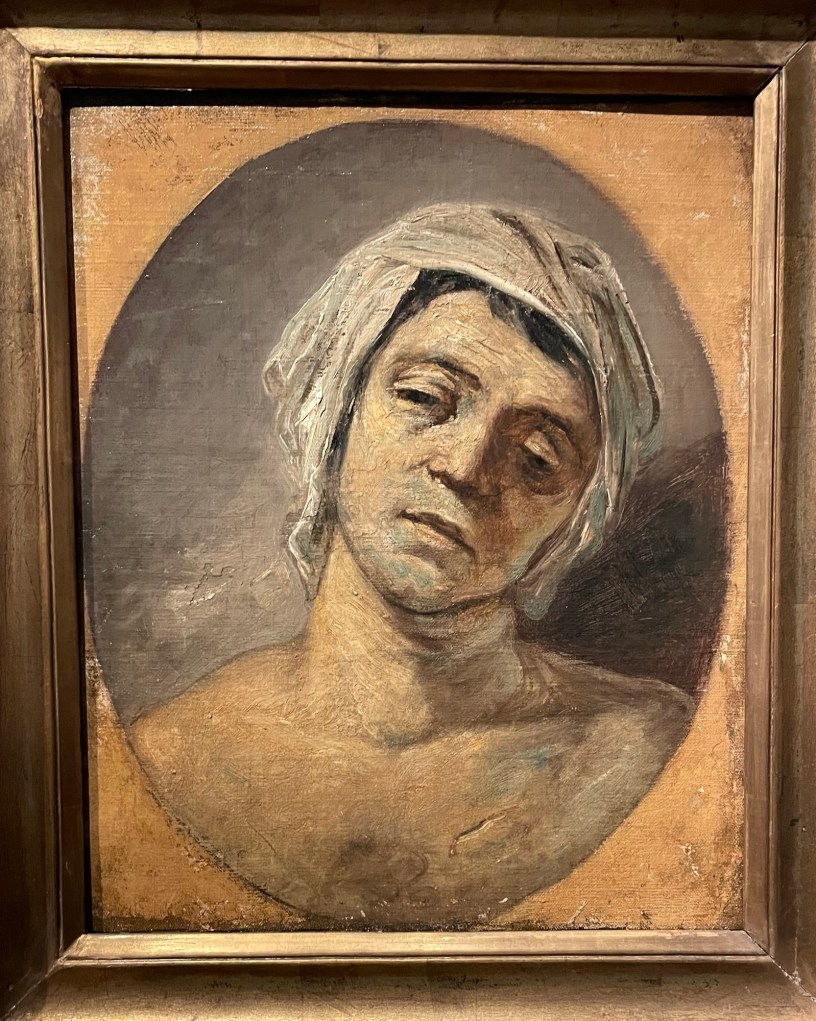
Although it wasn’t actually Marat’s face that was bloody (he was stabbed in the chest), he was the public face of the radical wing of the French Revolution, using his newspaper to incite the violence that ultimately killed tens of thousands.
Unlike the American Revolution which proceeded in a fairly simple path from colony to democratic republic, the French Revolution was full of twists and turns. Taking place soon after the American Revolution, it was caused in part by the massive debt France incurred through supporting the American war effort. This created a financial crisis that forced King Louis XVI to seek new taxes, triggering the revolt.
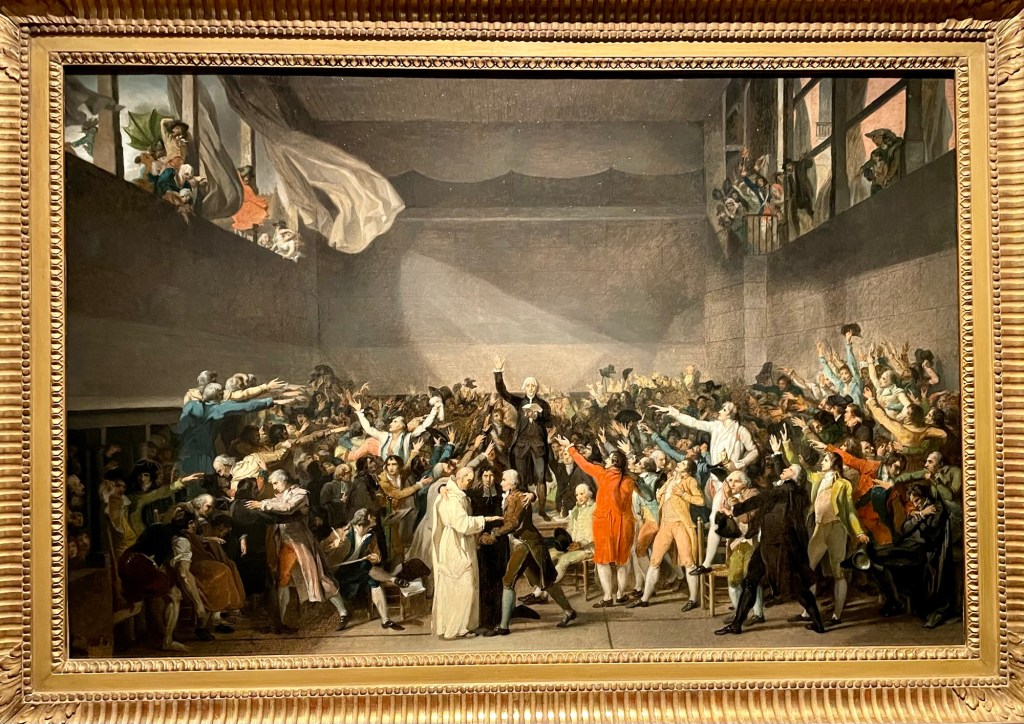
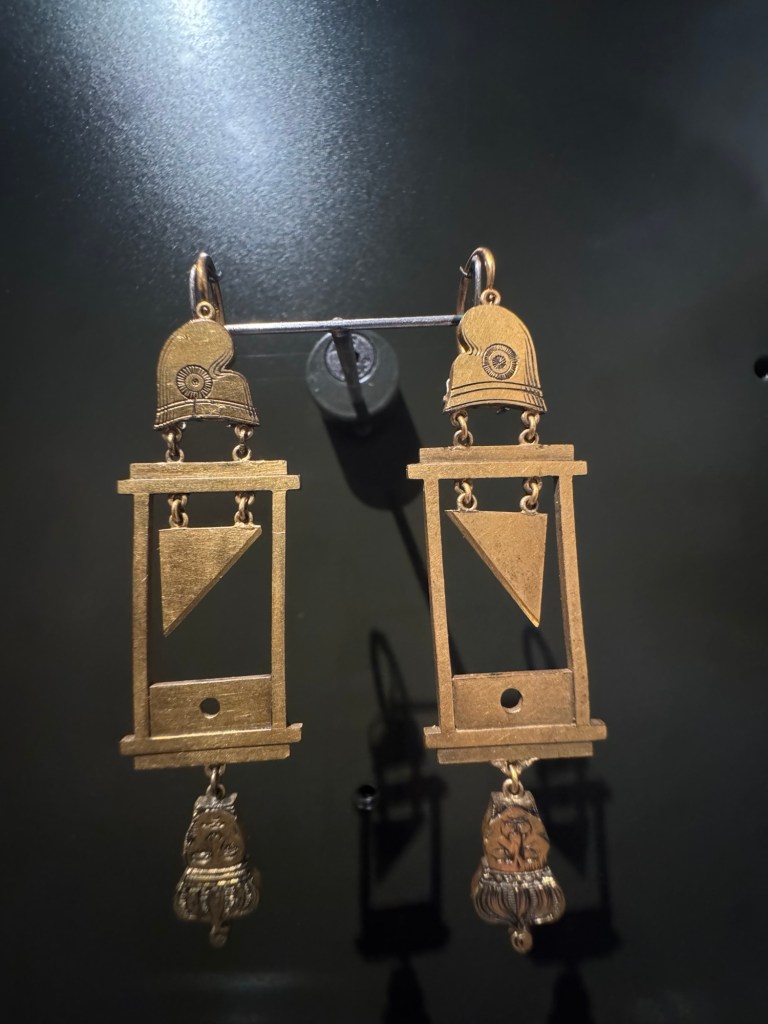
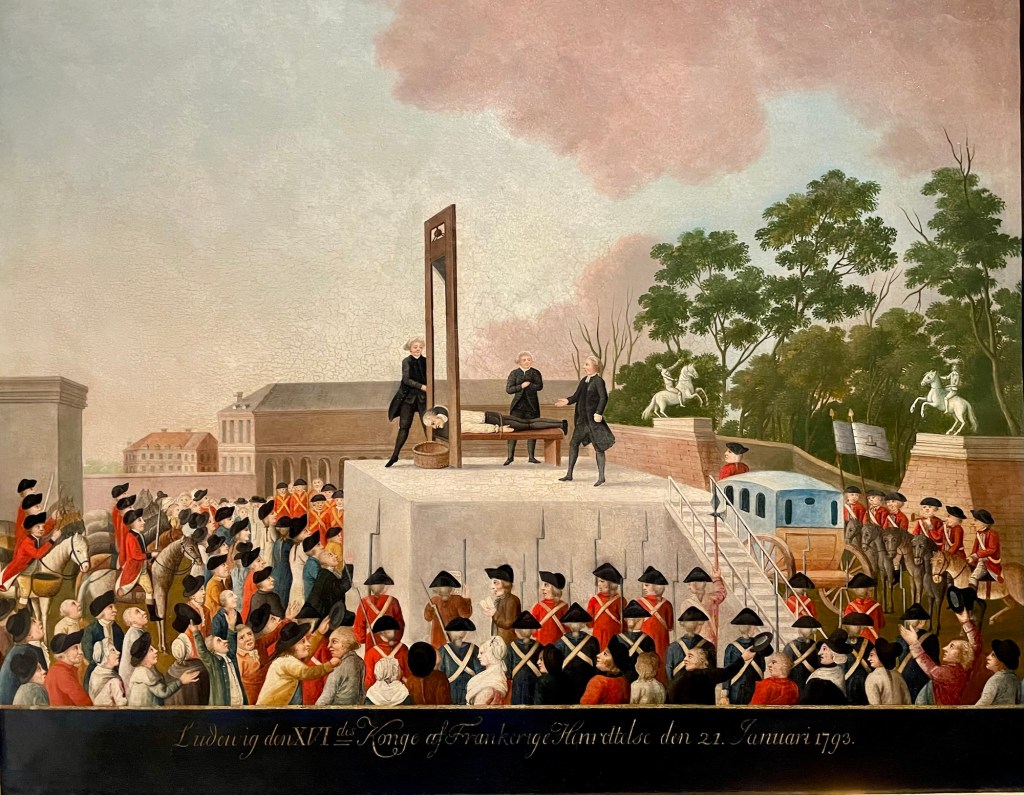
One of the best places to explore that history is the Revolution exhibits at Paris’s free history museum, the Musee Carnavalet. From the 1789 Tennis Court Oath (painting above) to Napoleon, these exhibits track the twists and turns of a revolution that spawned five separate governments in fifteen years. It’s two most famous victims were King Louis XVI and Queen Marie Antoinette whose deaths were commemorated by the most fabulous pair of earrings:
Born in Switzerland in 1743 Marat arrived in Paris in 1776 working as a philosopher, doctor and scientist, but is best remembered as the radical journalist of the Revolution. Marat took advantage of the freedom of the press granted at the beginning of the revolution to publish his own newspapers demanding violent retribution against other revolutionary groups, both moderates and monarchists, fueling the Reign of Terror. As a deputy in the National Convention, he was a key figure in the 1792 September Massacres that killed over a thousand people.
Marat suffered from a debilitating skin condition, probably a fungal/bacterial infection from his time spent hiding in damp, filthy conditions, including the Paris sewers. Much of his time was spent soaking in a medicinal bath, and it was here that he met his bloody end.
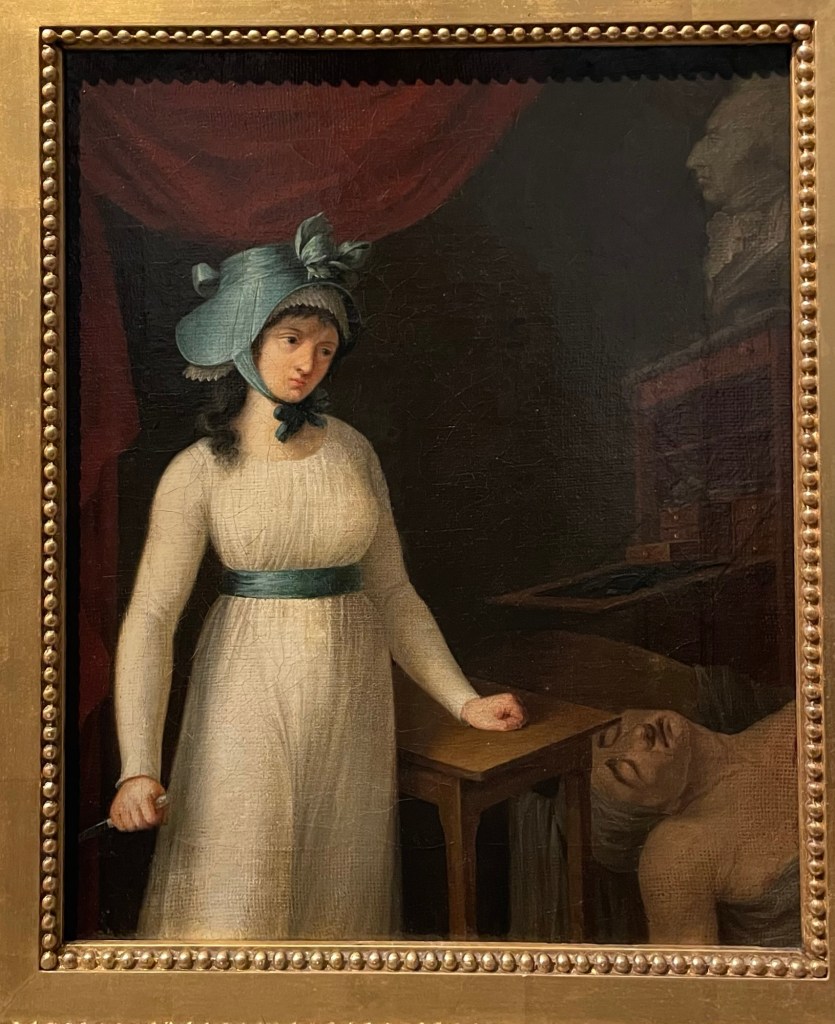
On July 13, 1793, young Charlotte Corday gained an audience with Marat by promising information on his political enemies. Upon entering his chamber she pulled a knife and stabbed him in the chest, believing his death would bring peace to France. Marat died almost immediately, while Corday waited calmly for the police. She justified the killing, stating, “I killed one man to save a hundred thousand.” She was transferred to the Conciergerie prison (below) just prior to her execution four days later. Sadly, thousands more were guillotined before the revolution ended.

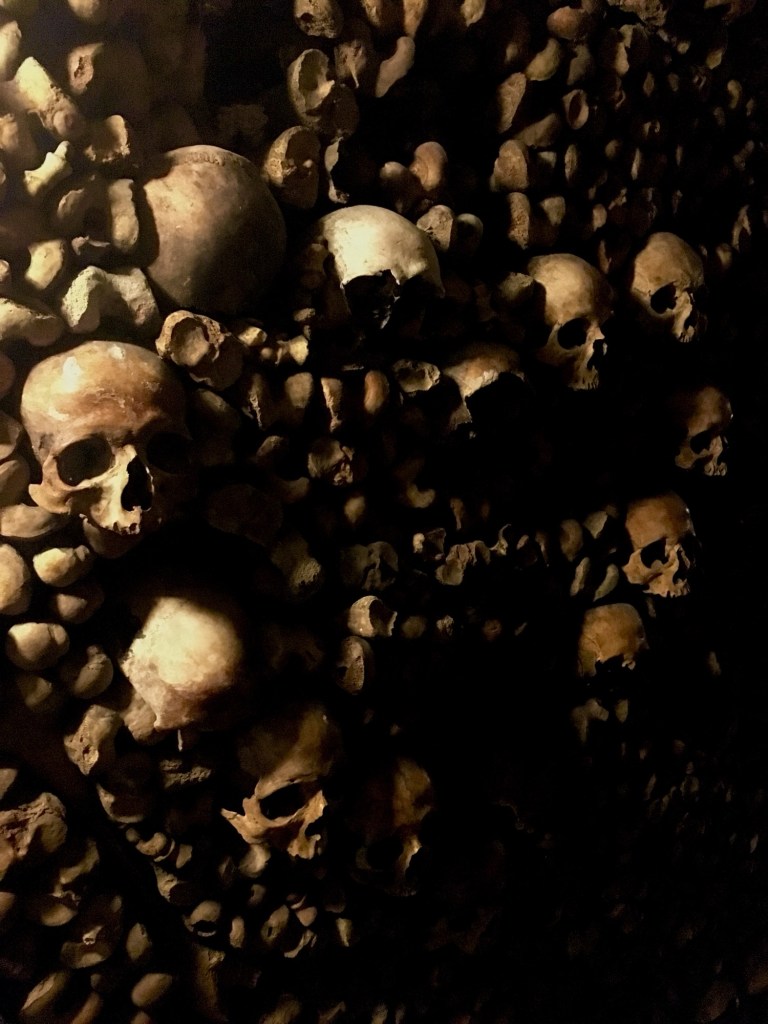
Corday was buried in the Madeleine Cemetery, which closed in 1794 with its remains transferred to the Paris catacombs.
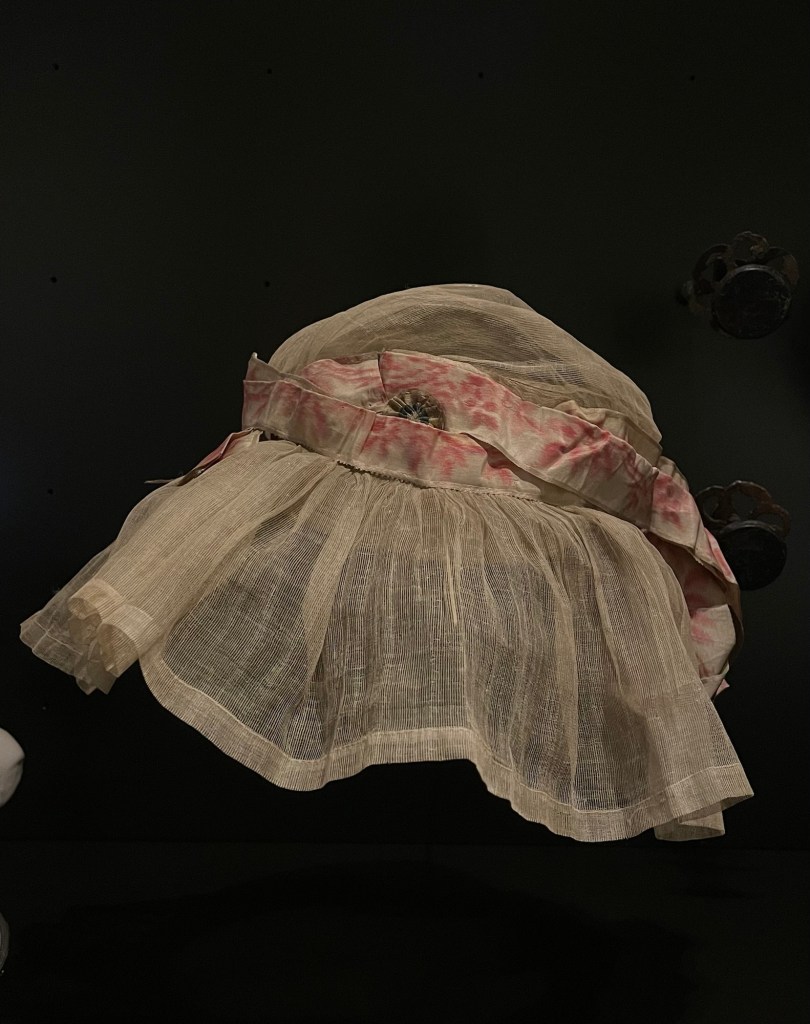
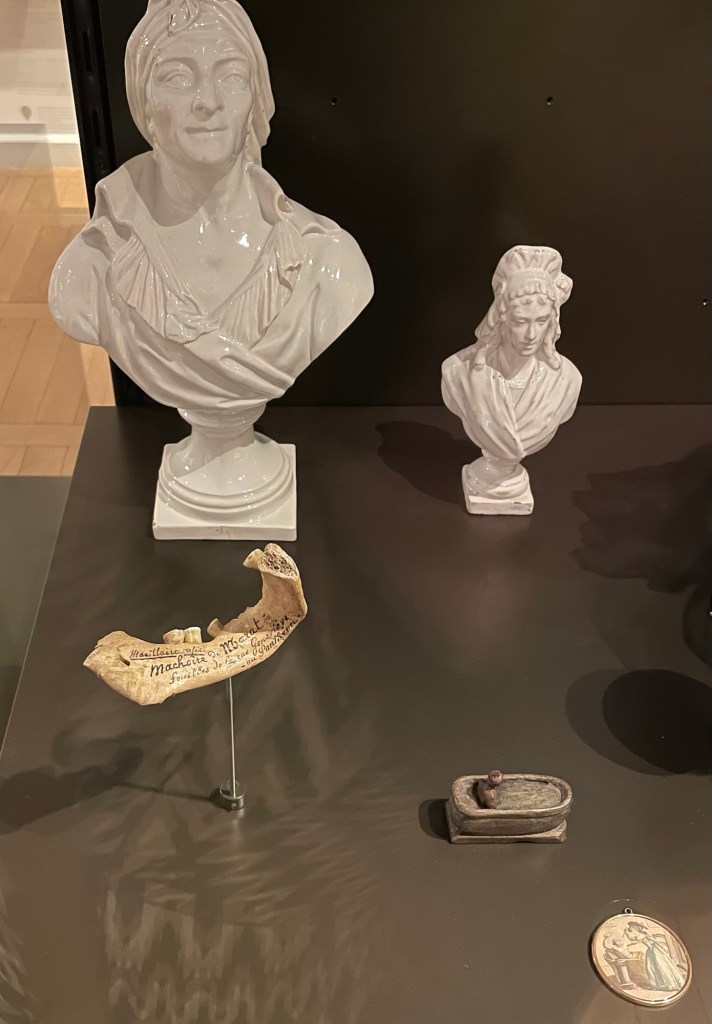
In the middle of the Carnavalet’s Revolution exhibit is a display devoted to Marat’s assassination. It contains a number of historic and memorial items, including Charlotte Corday’s bonnet and a (supposed) piece of Marat’s jaw.
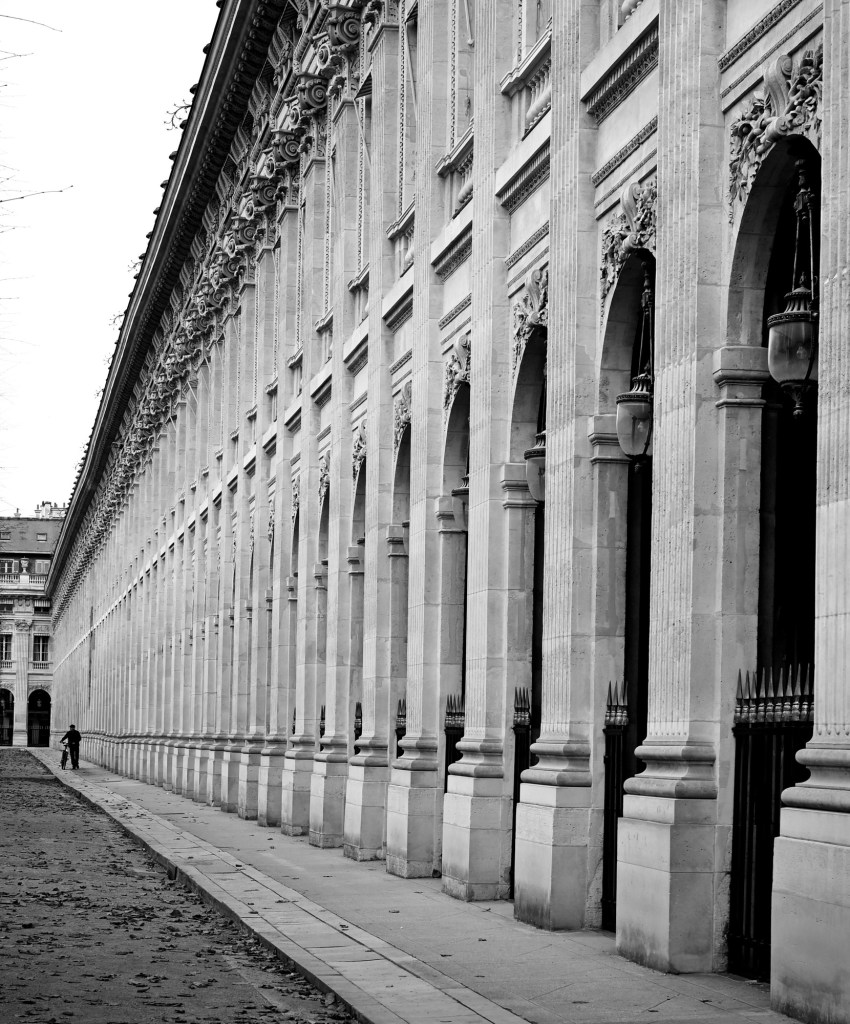
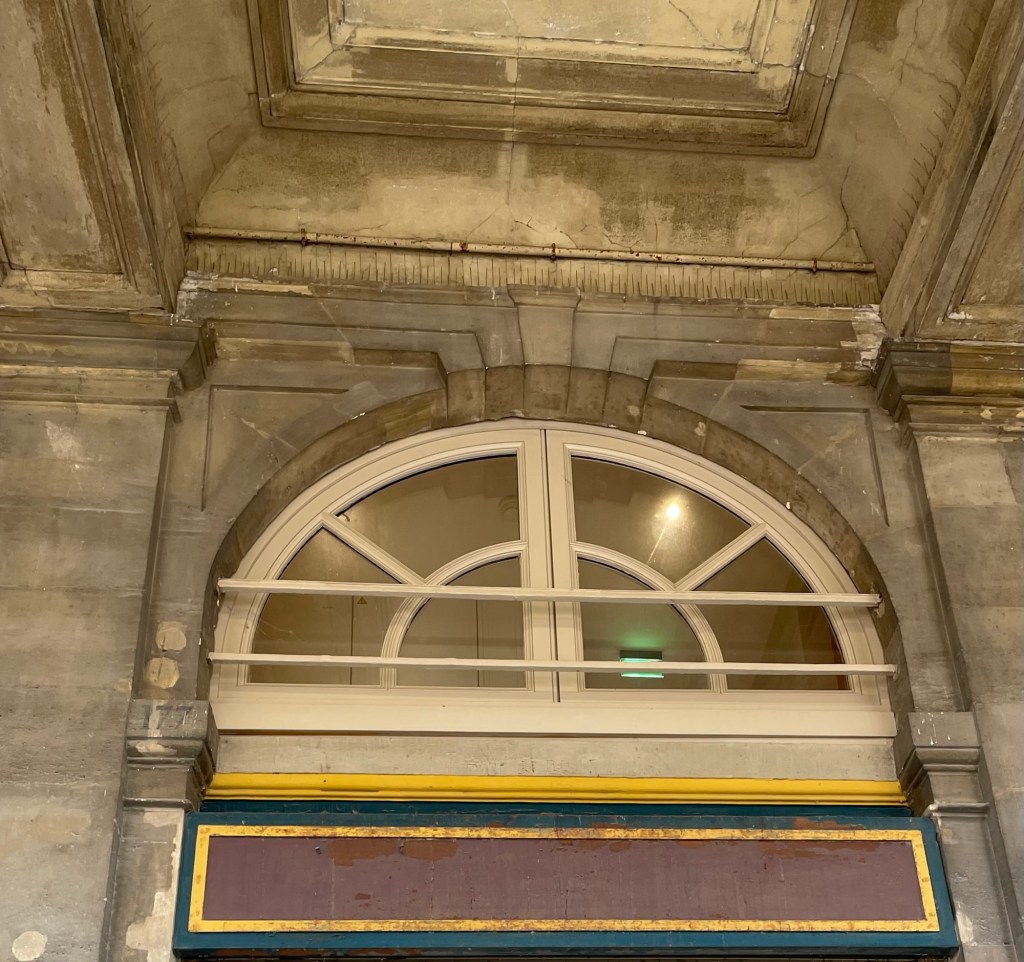
The knife shop where Corday purchased the murder weapon no longer exists, but the building still stands in the Palais Royal at 177 Galerie de Valois.
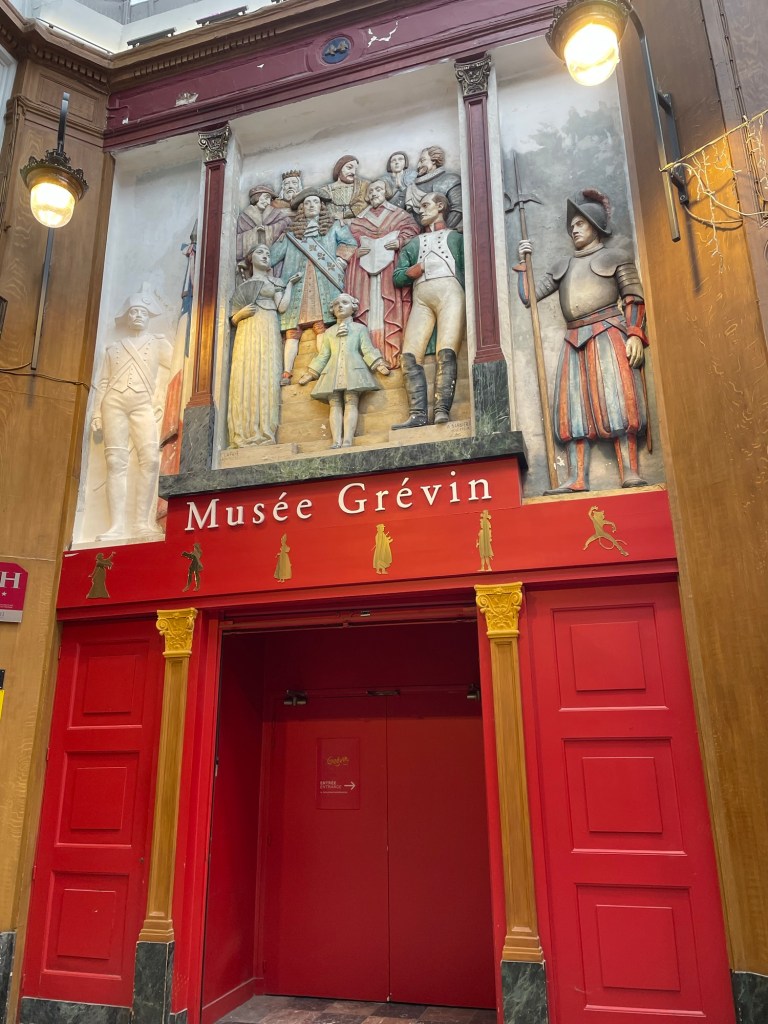
To see the actual bathtub (and supposedly the actual murder weapon!) in which Marat was murdered, visit the Musee Grevin, one of Europe’s oldest wax museums. It was opened in 1882 by newspaper founder Arthur Meyer who wanted his readers to be able to put a face to the people discussed in his paper.
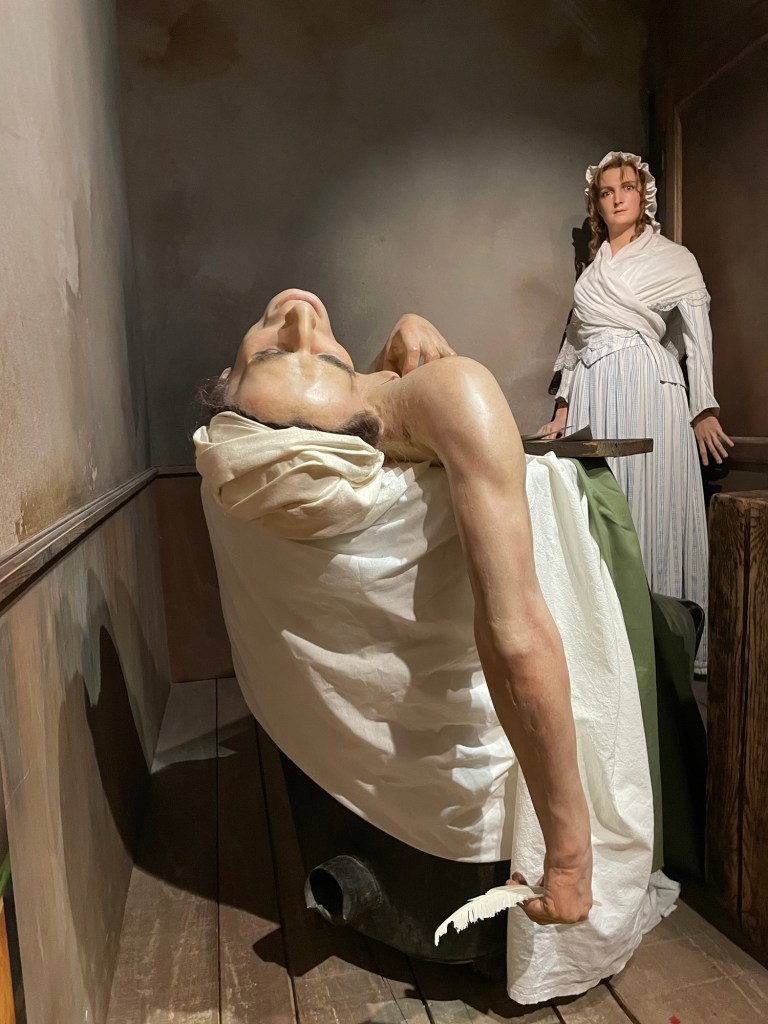
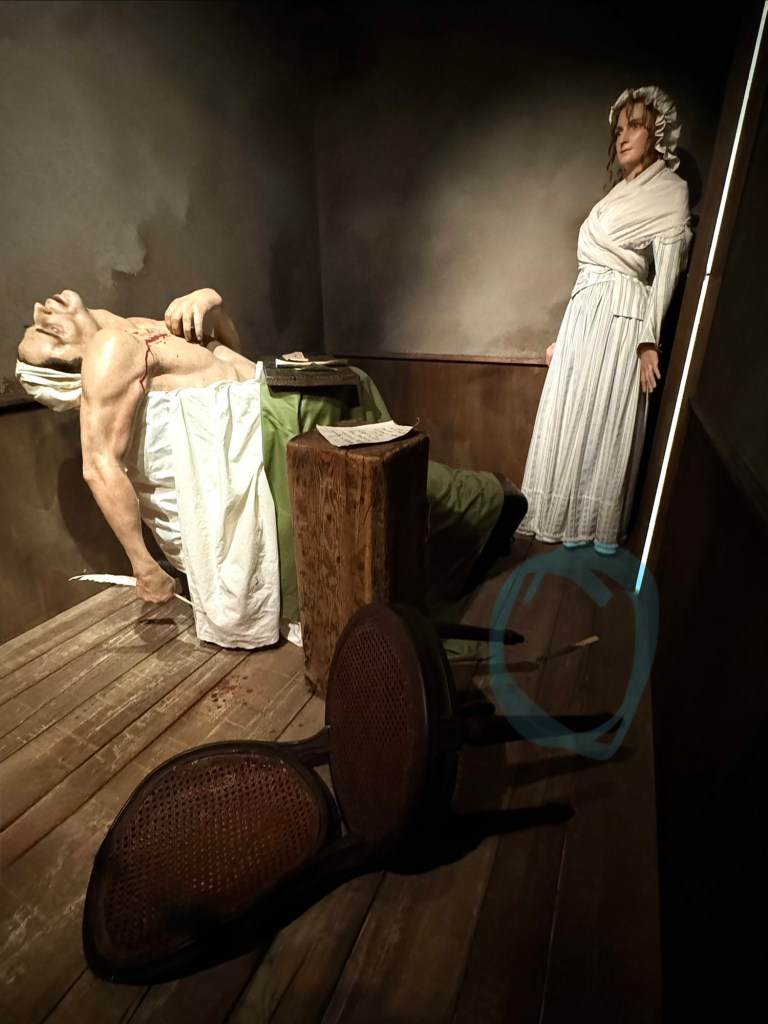
In addition to the historic and modern wax figures, a visit includes a show in the “Palais des Mirages,” originally created for the 1900 World’s Fair. The museum itself is full of beautiful baroque architecture.
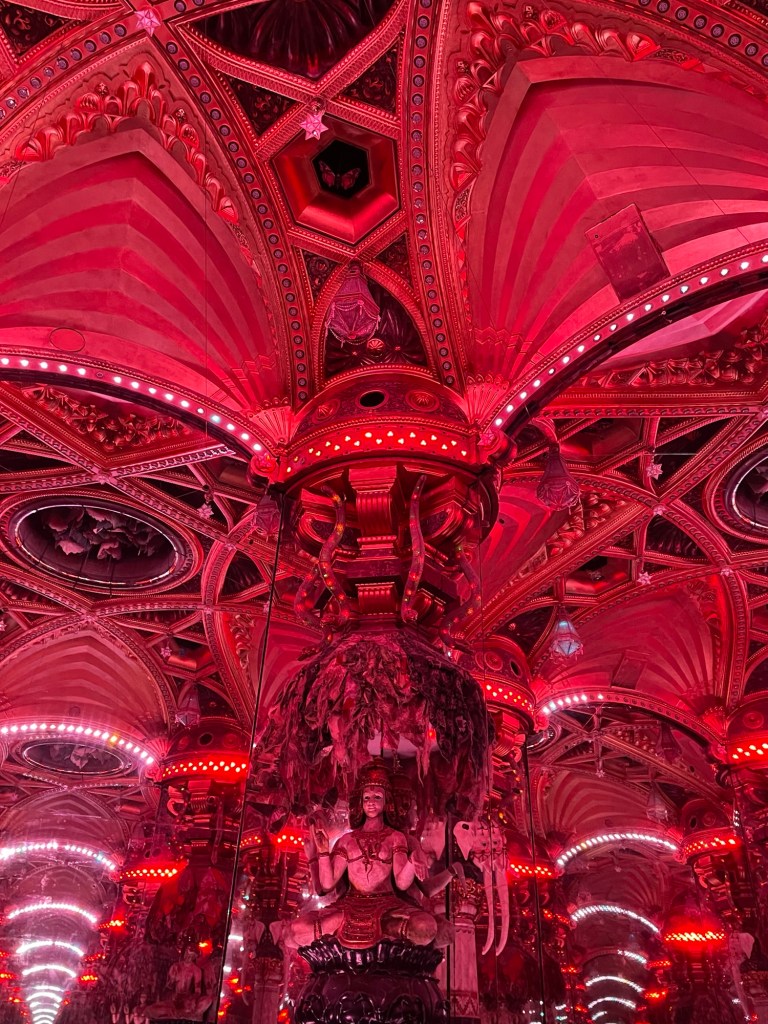
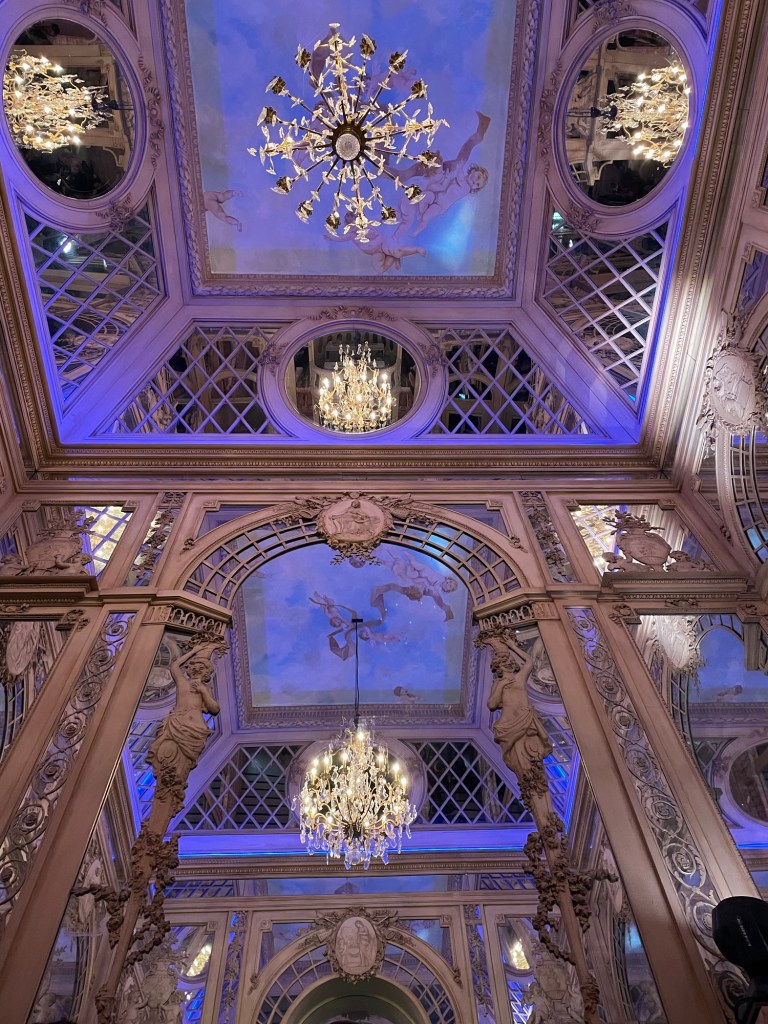
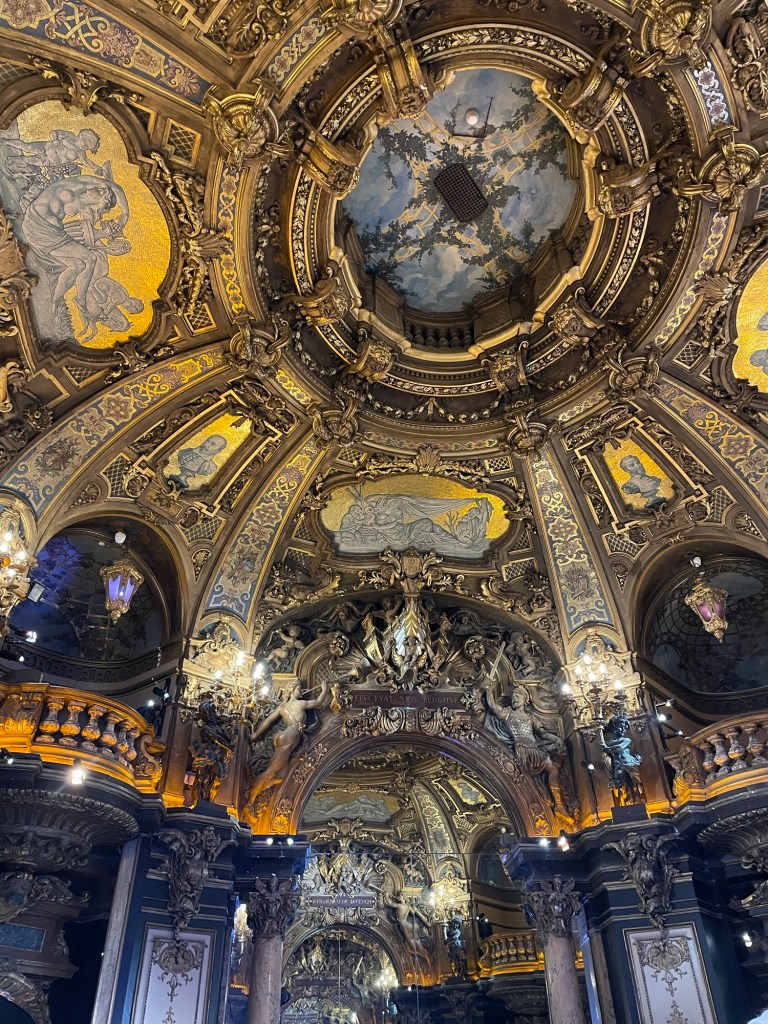
Tip: Make sure to check out both the front AND rear entrances!
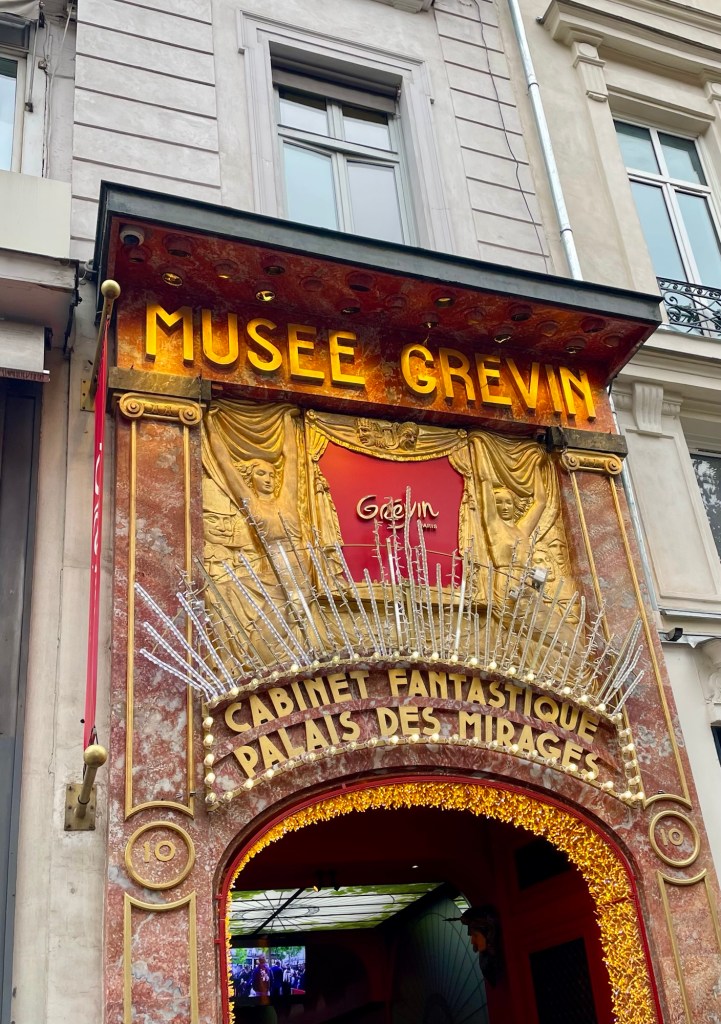
From hero to martyr to enemy of the people, Marat’s legacy is mixed. He is revered for defending the poor and supporting worker’s rights, but despised for his extreme advocacy of violence. Even after death he remained a controversial figure. At one point his body was interred in the Pantheon alongside the other heroes of France, but after only a year he was kicked out and his busts and sculptures destroyed. Today his body is located within the nearby Saint-Étienne-du-Mont.
Side note: Marat held a grudge against “the father of modern chemistry” Antoine Lavoisier who played a key role in rejecting several of Marat’s scientific submissions. Marat used his newspaper to viciously attack Lavoisier, branding him an enemy of the people and leading to his death at the guillotine.
 Secrets of Philadelphia