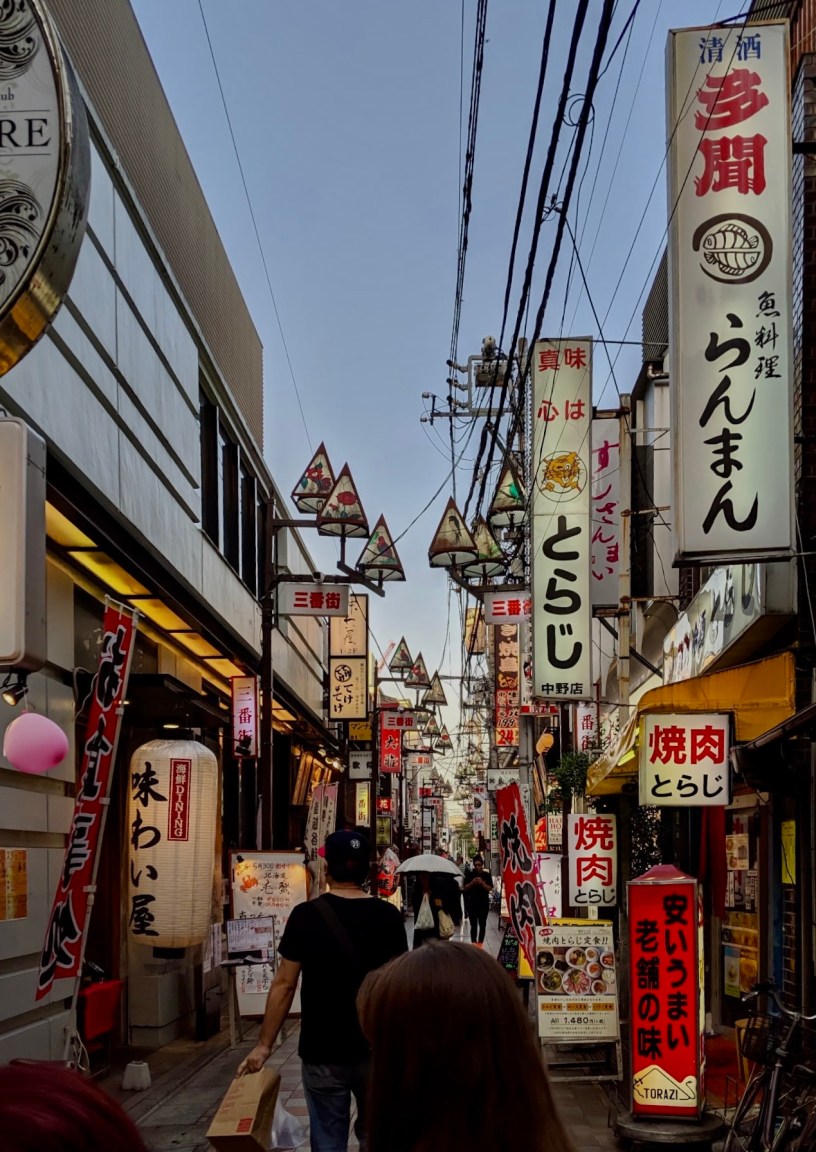
From traditional to trendy, upscale to convenience store, Japan has something for everyone. In a 9 day visit, we never ate the same meal twice (except my son who could write a dissertation on katsu sandwiches).
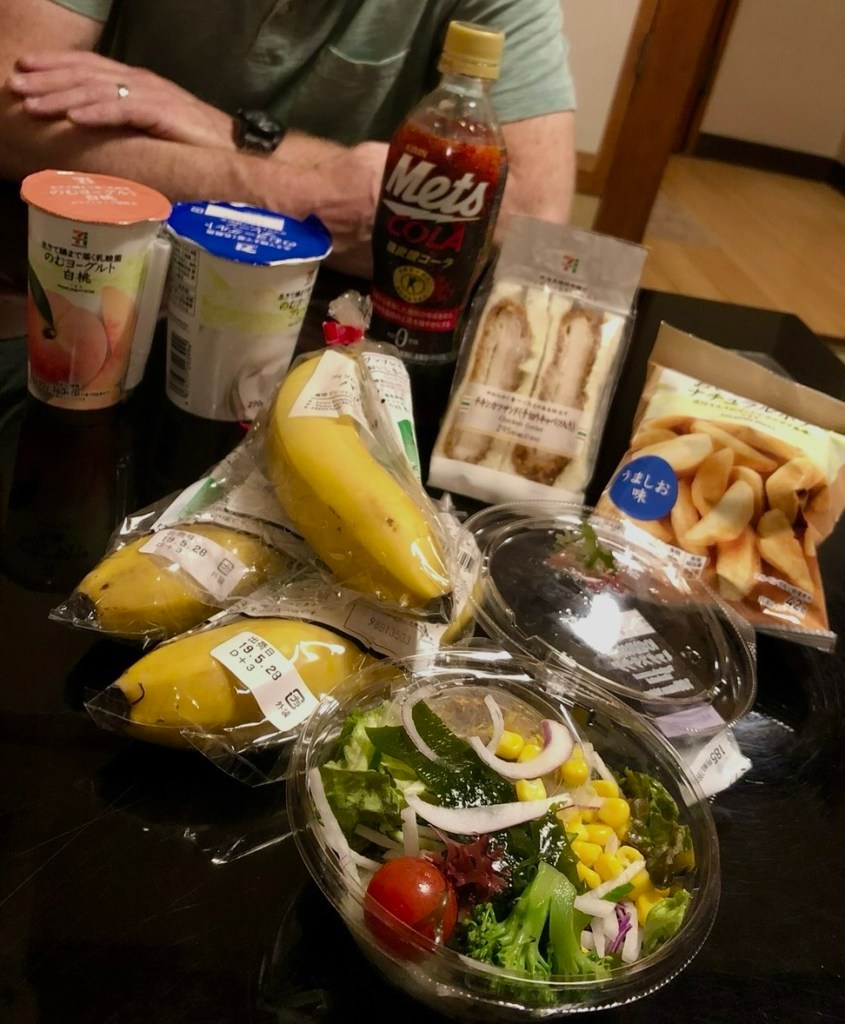
First stop should be a 7-11. On the outside it might look familiar, but inside it’s a whole different world. Everything from the aforementioned katstu sandwich to cream buns (my favorite breakfast) to onigiri to snacks, a Japanese convenience store offers more than just a quick breakfast or lunch. Cheap, yes, but also a tasty and fun local experience rolled into one.
Unlike the everything-but-the-kitchen-sink convenience store, traditional Japanese restaurants typically specialize in one cooking style or ingredient.
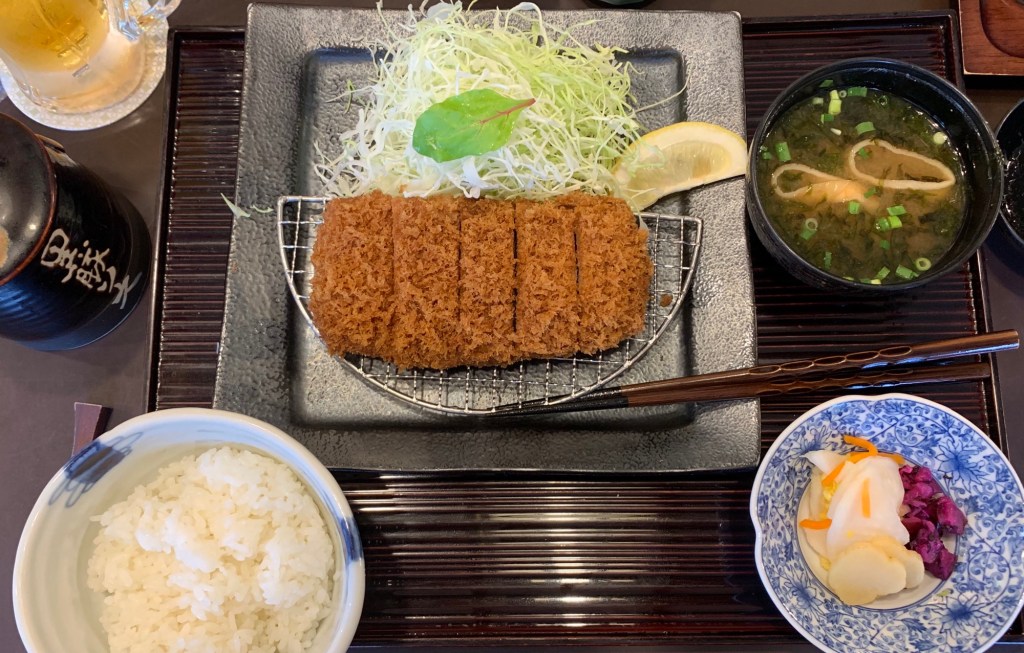
Katsu: There might have only been a few items on the menu, but choosing the variety of pig and the cut of meat was a bit overwhelming. Luckily, the results were delicious. Most Japanese restaurants these days have typical modern seating, however this was the one restaurant where we went that had traditional floor seating. Shoes were removed prior to entering the dining area.
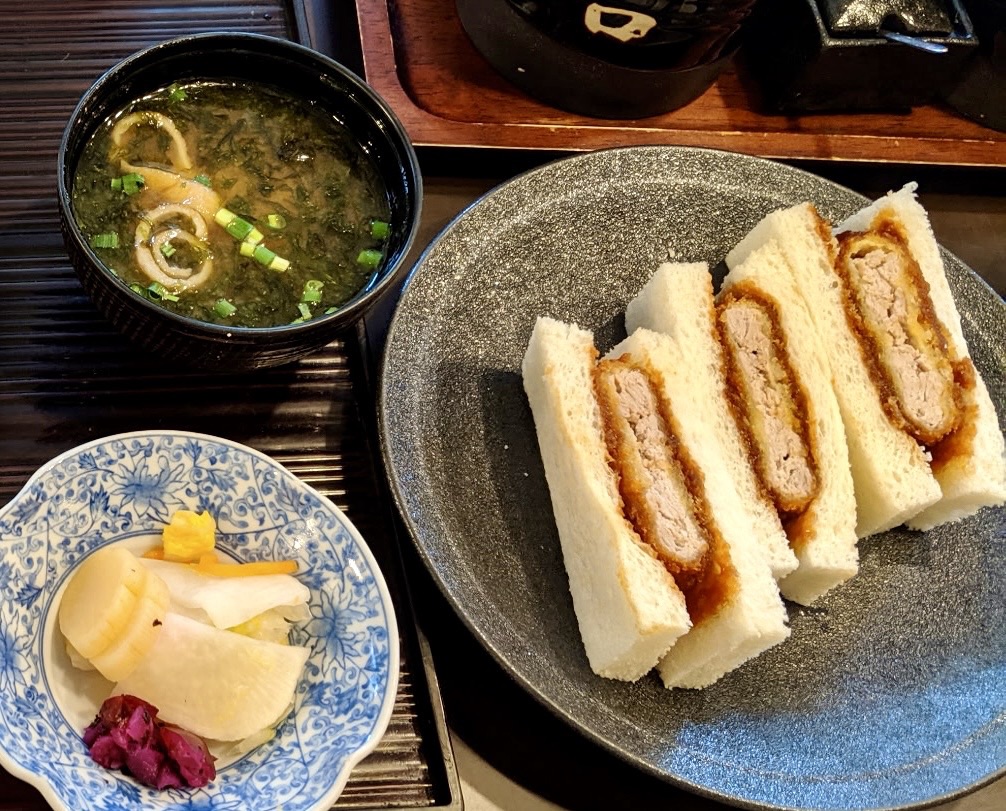
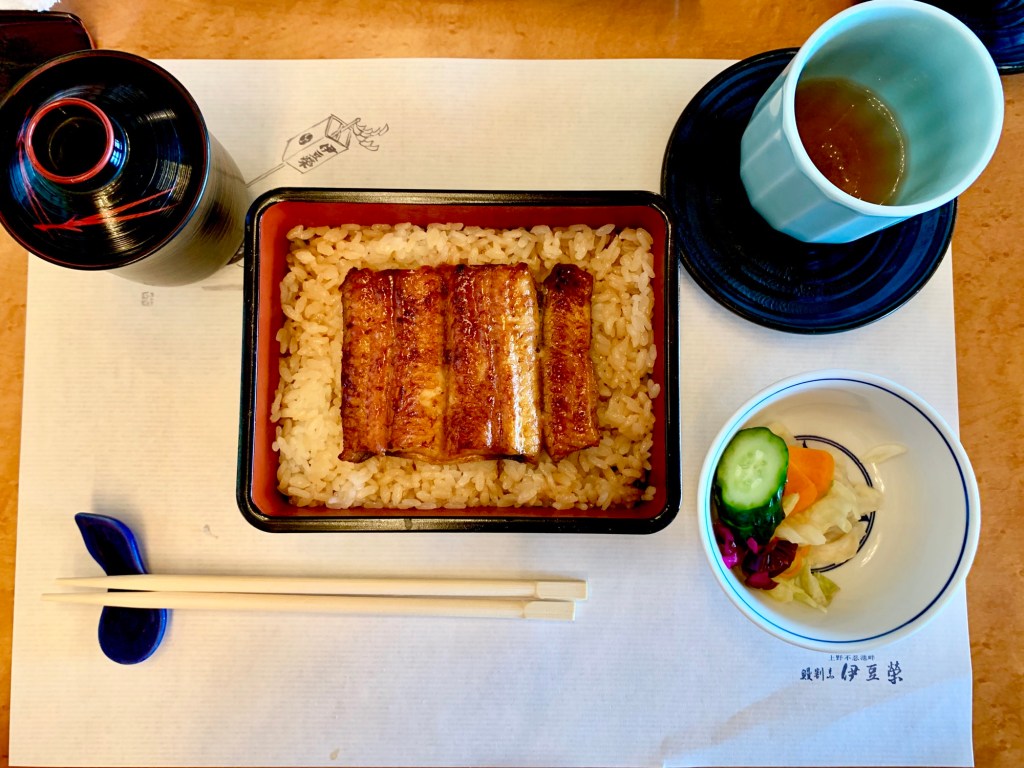
Unagi: Our eel restaurant in Tokyo dates back to the early 1700s. Like all of our restaurant meals, the main dish came with sides: miso soup, pickled vegetables and rice.
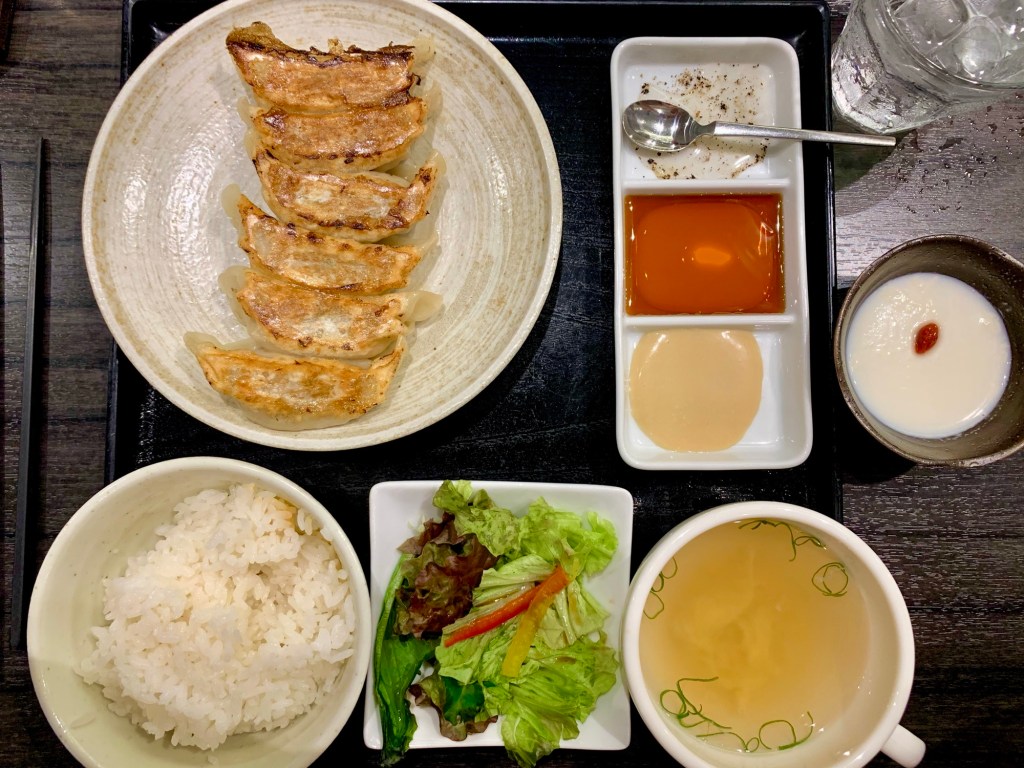
Gyoza: First question: how many? Second question: with or without garlic? If you are returning to work and wish to avoid offending your coworkers, then without. If you are a tourist with no one to offend but your family, then with!
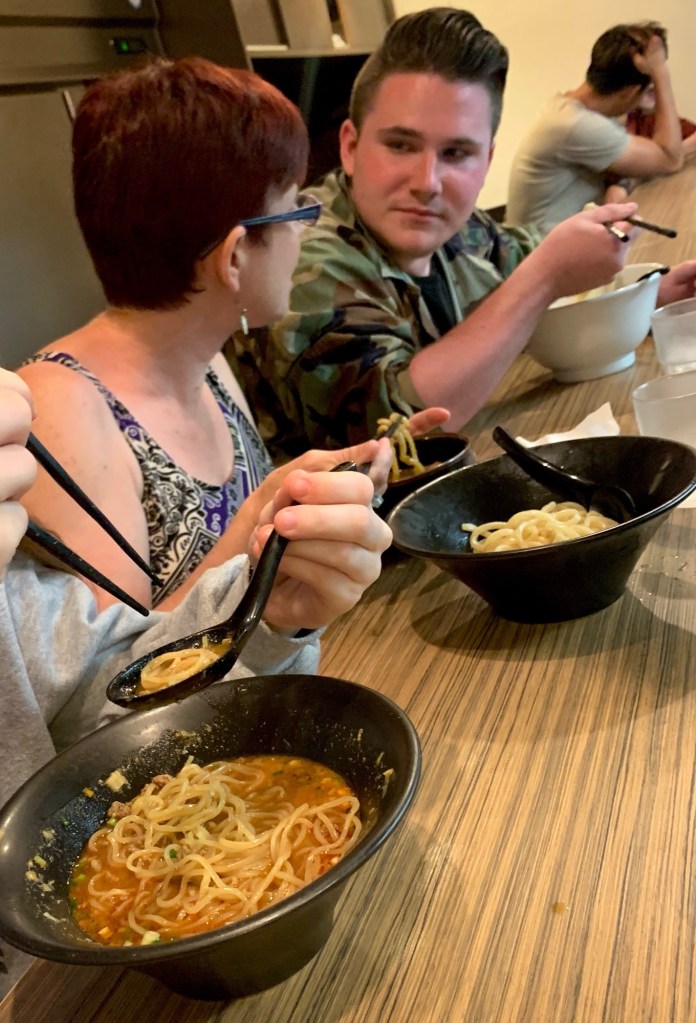
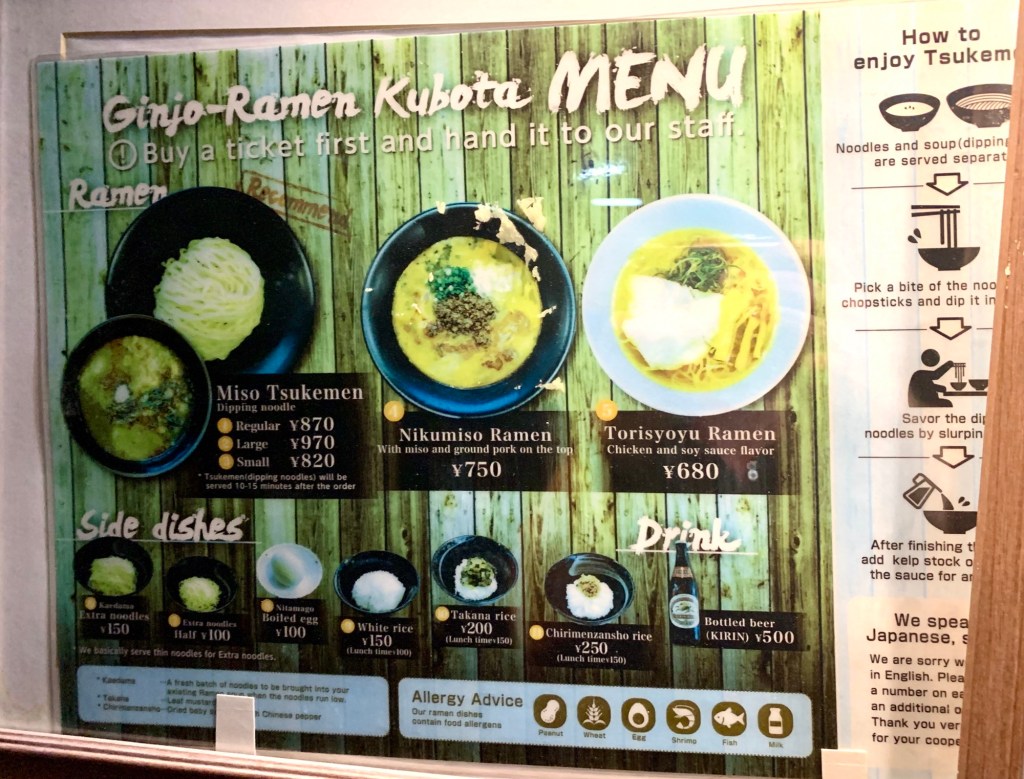
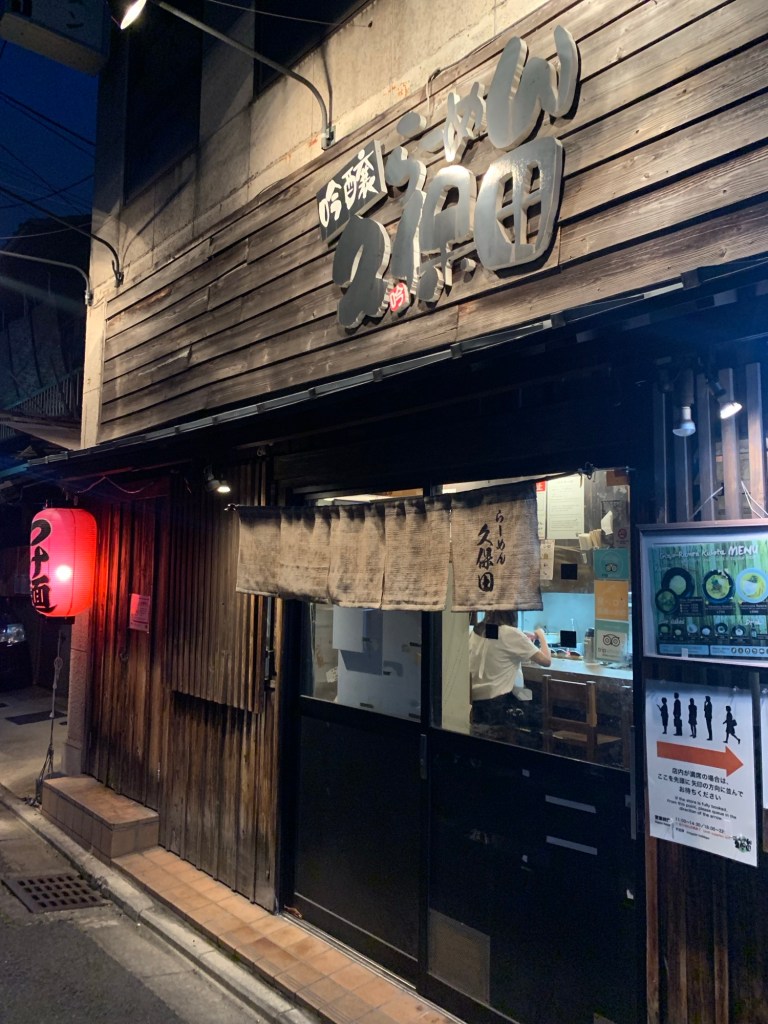
Ramen: At this hole-in-the-wall ramen joint there were three choices. You made your selection and paid at a machine by the front door, waited for a stool to open up at the counter, gave your receipt to the cook behind the bar and within minutes a steaming bowl appeared. My family’s favorite meal.
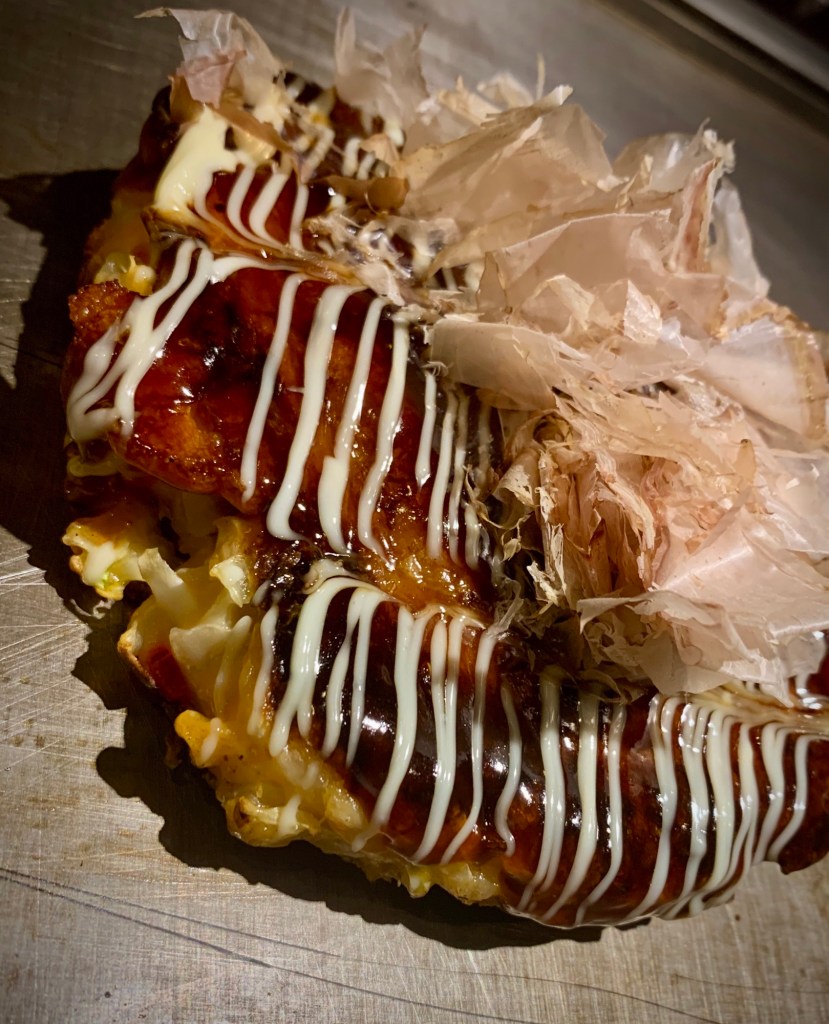
Okonomiyaki: This Japanese savory pancake is cooked on a tabletop griddle right in front of you. Added bonito flakes make it appear to dance. Another meal dating back to the Edo period.
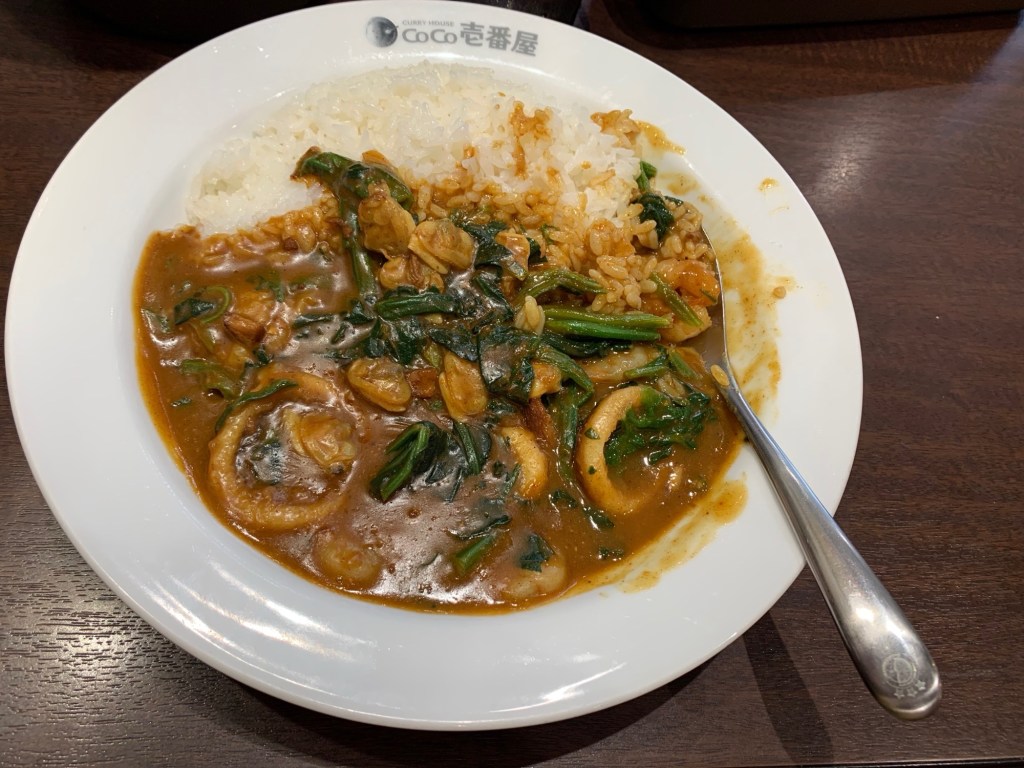
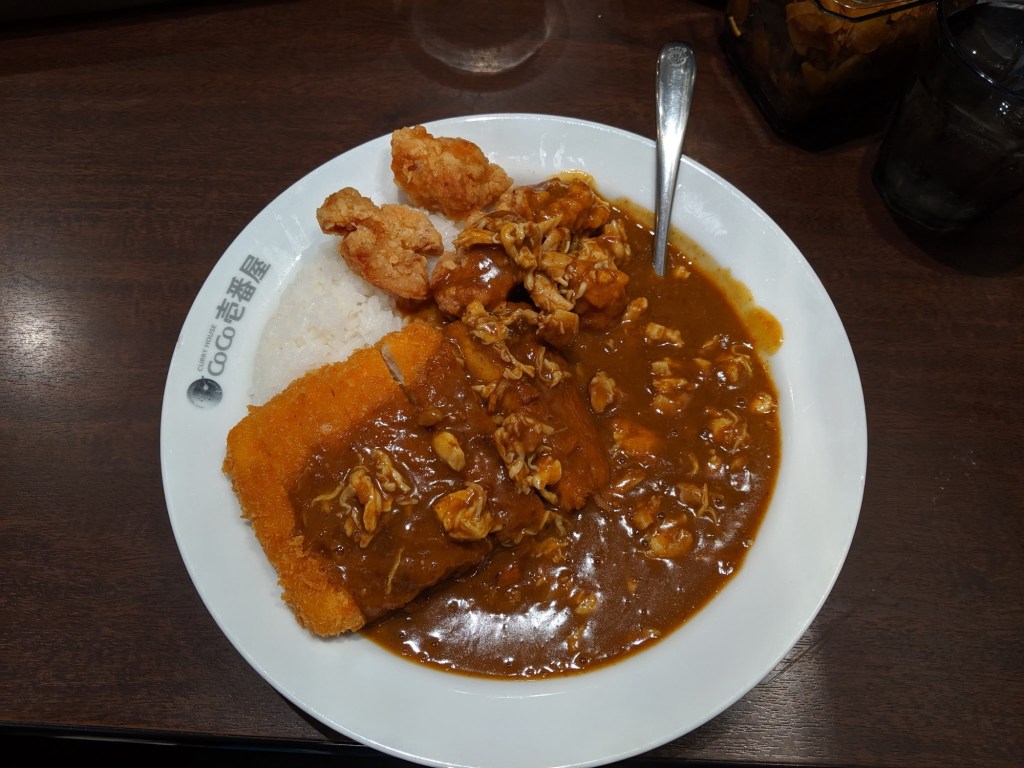
Curry: Entering the Japanese recipe canon a bit later than many of the other traditional meals, Japanese curry dates back to the Meiji-era when the British introduced the curry powder they brought over from their Indian colonies. While similar, it has evolved a bit differently than its Indian cousin, and usually comes with carrots and potatoes. Like an Indian curry, you can pick your level of spice from very mild to volcanic.
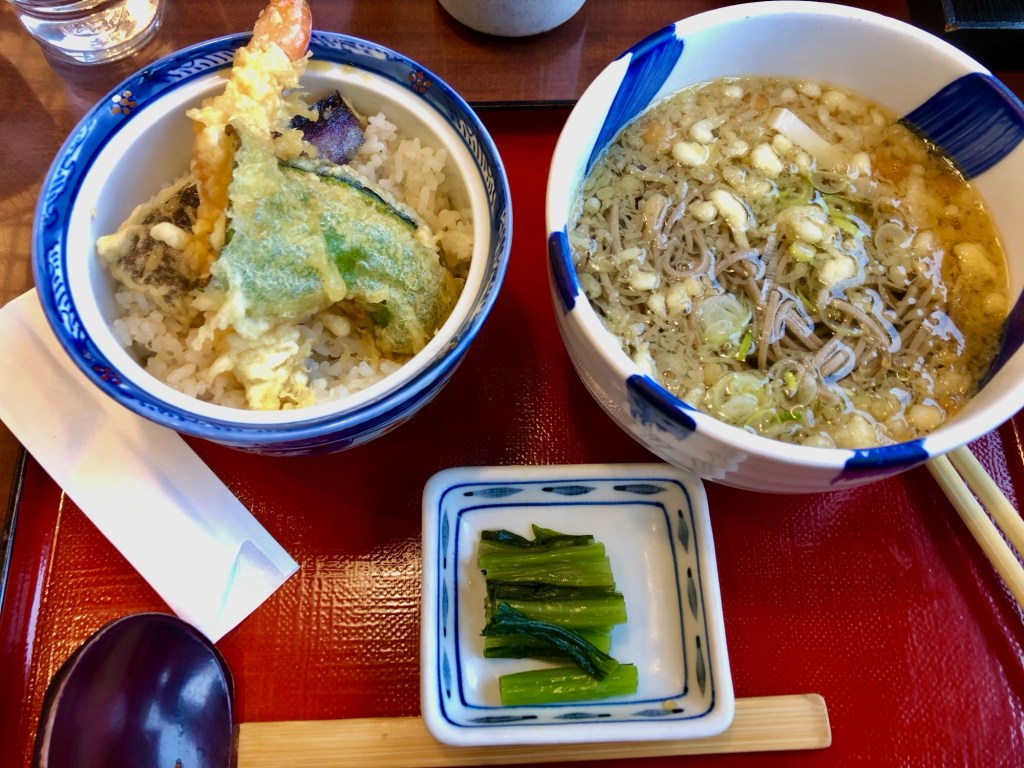
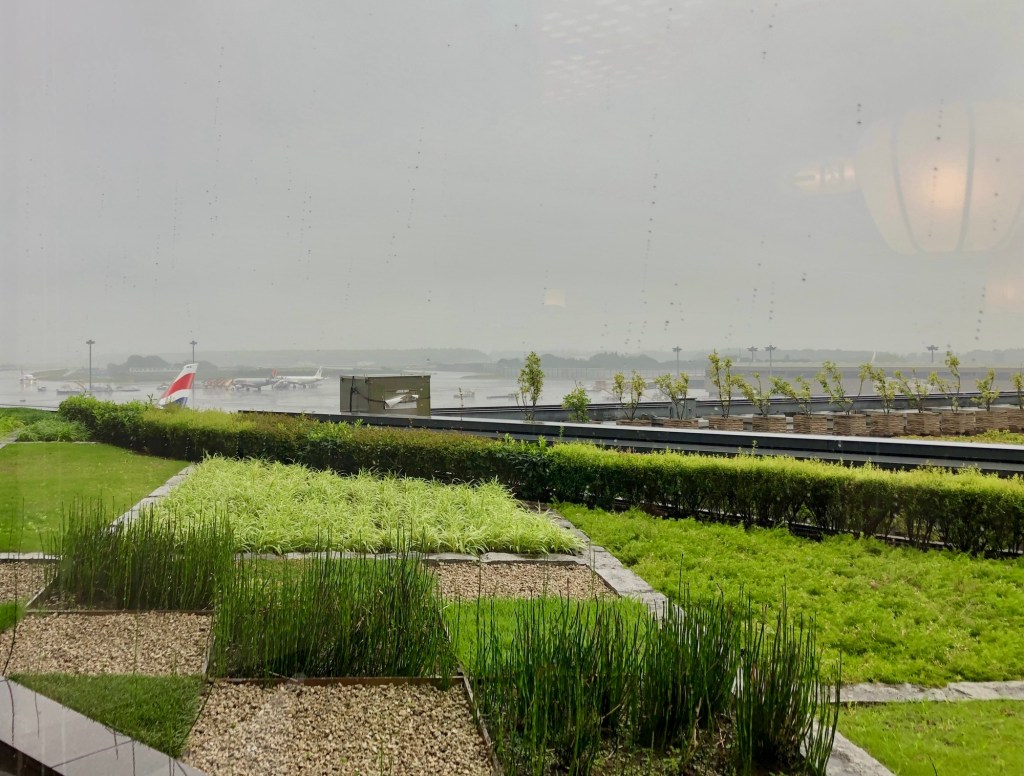
Tempura: Lots of variety in the choices of items to be “tempura-d,” even the soup came with bits of tempura batter. Sadly, this was our final meal – at the airport overlooking a beautiful green roof.
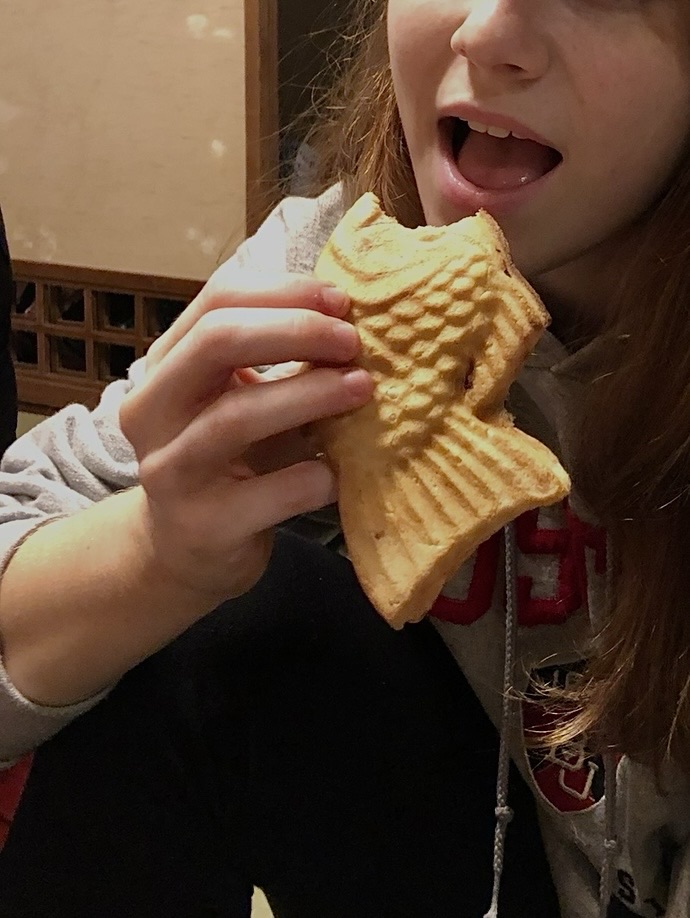
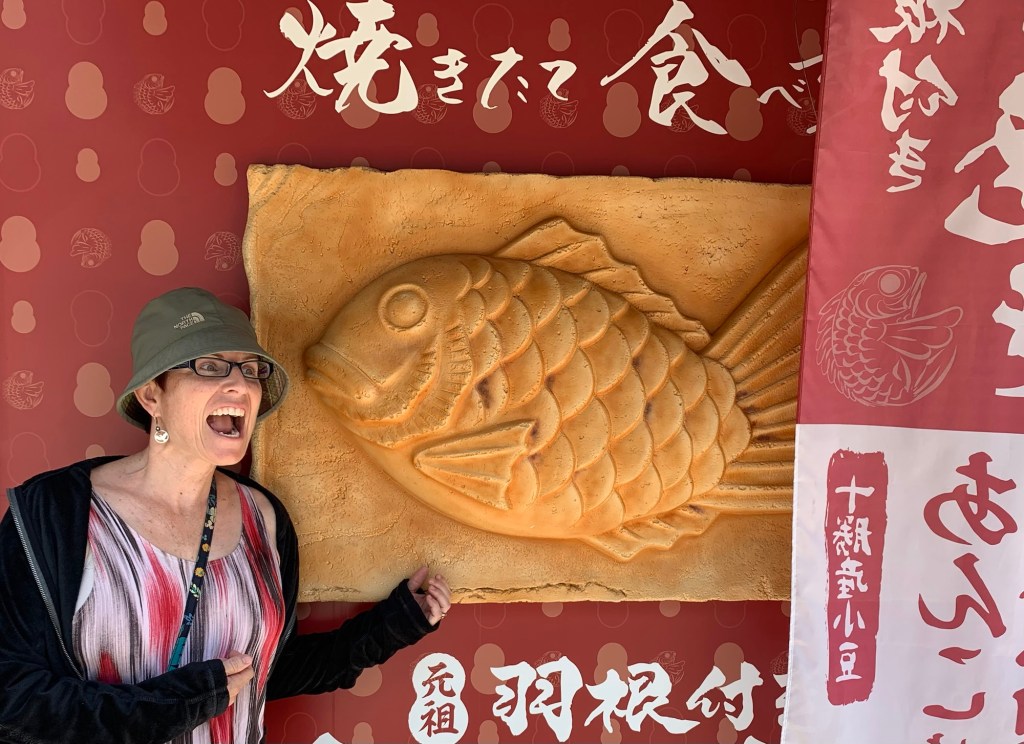
Taiyaki: It’s not just main courses. Taiyaki are a traditional Japanese dessert shaped like a sea bream, a symbol of good luck and prosperity. They have a waffle-like exterior stuffed with a sweet filling, traditionally red bean paste. Another food originating during the Edo period, this popular street food is usually found in stand-alone taiyaki shops. Silly phots optional.
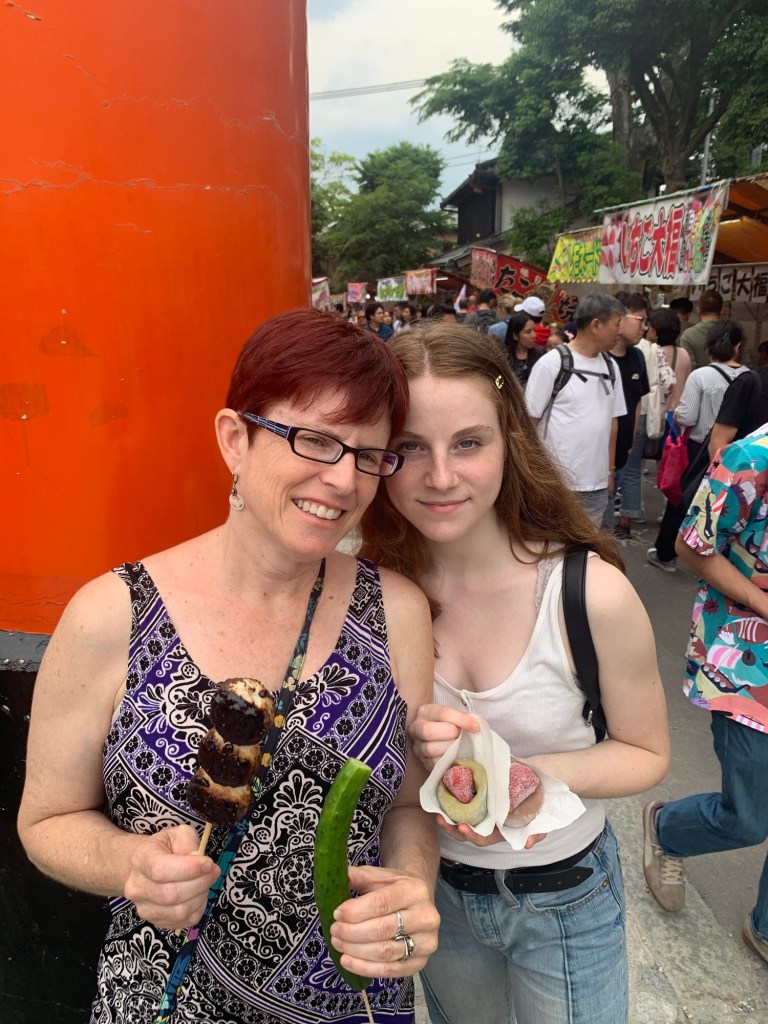
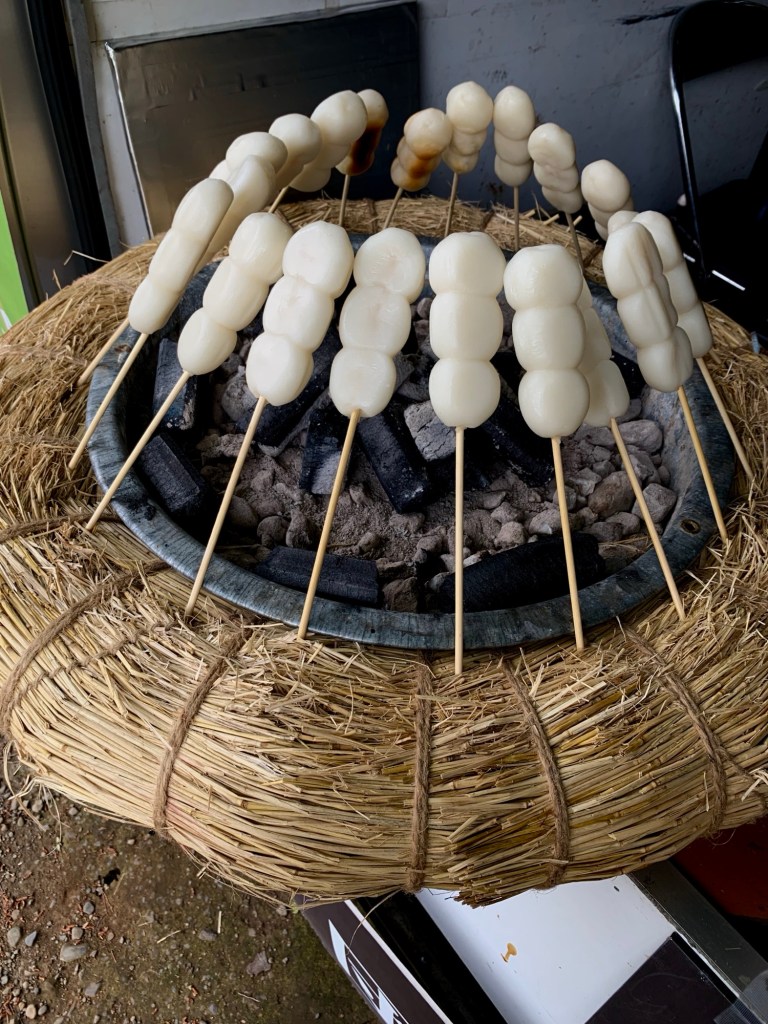
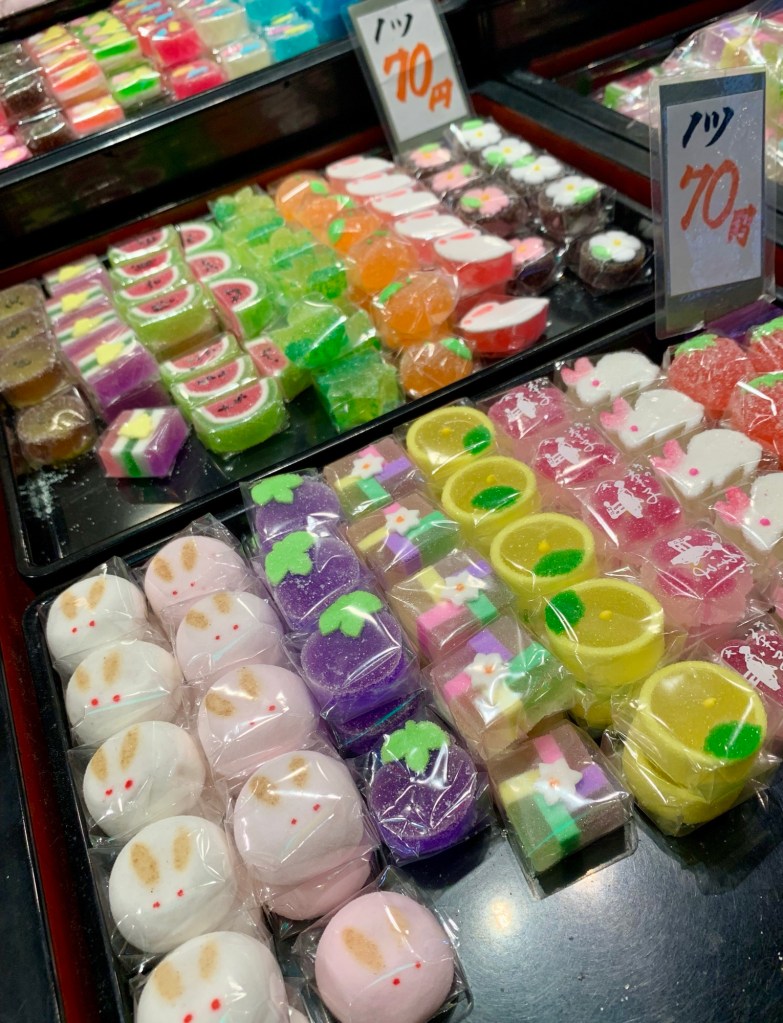
Street Markets: Like the one we visited at Kyoto’s Fushimi Inari Shrine, these are a great place to try small bites of a variety of traditional foods. It was here we tried octopus balls, grilled mochi, fruit mochi, yakitori, and a giant pickle.
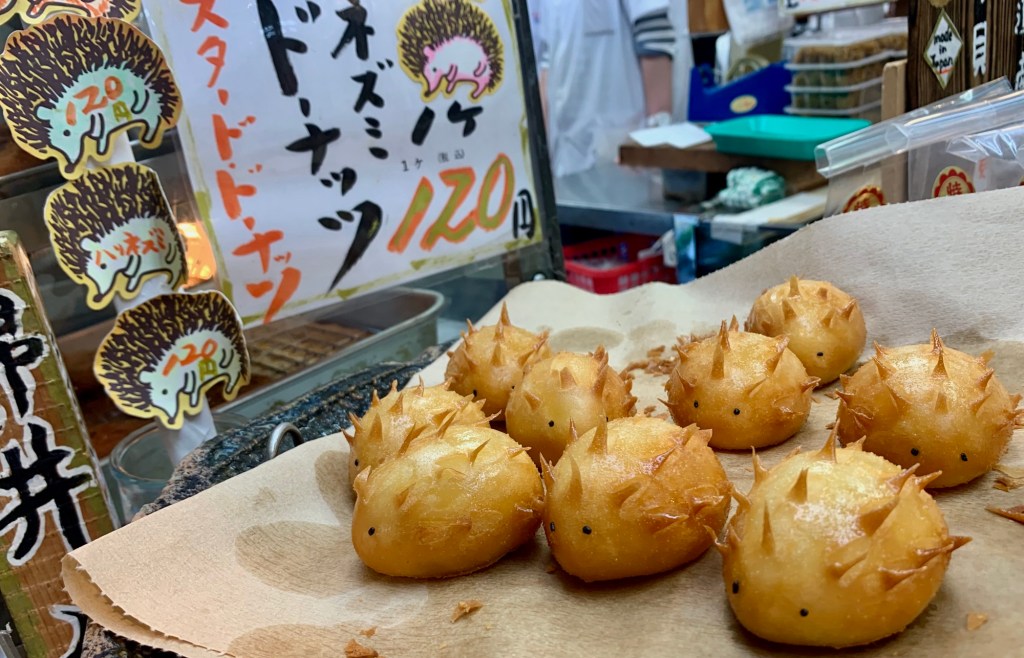
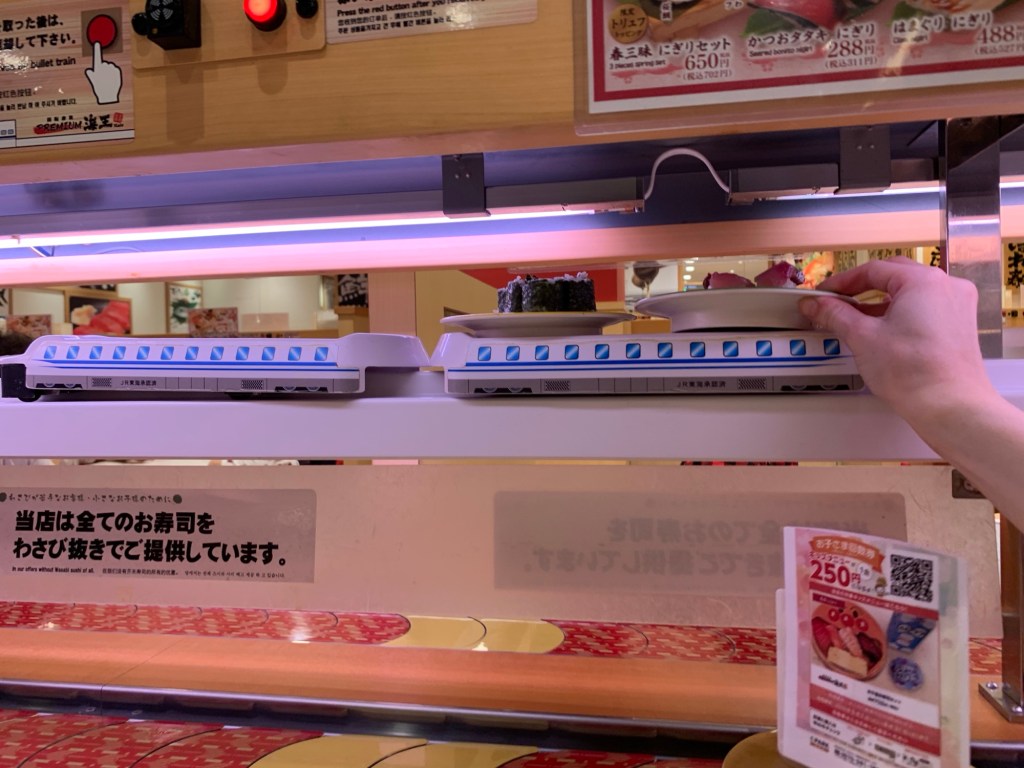
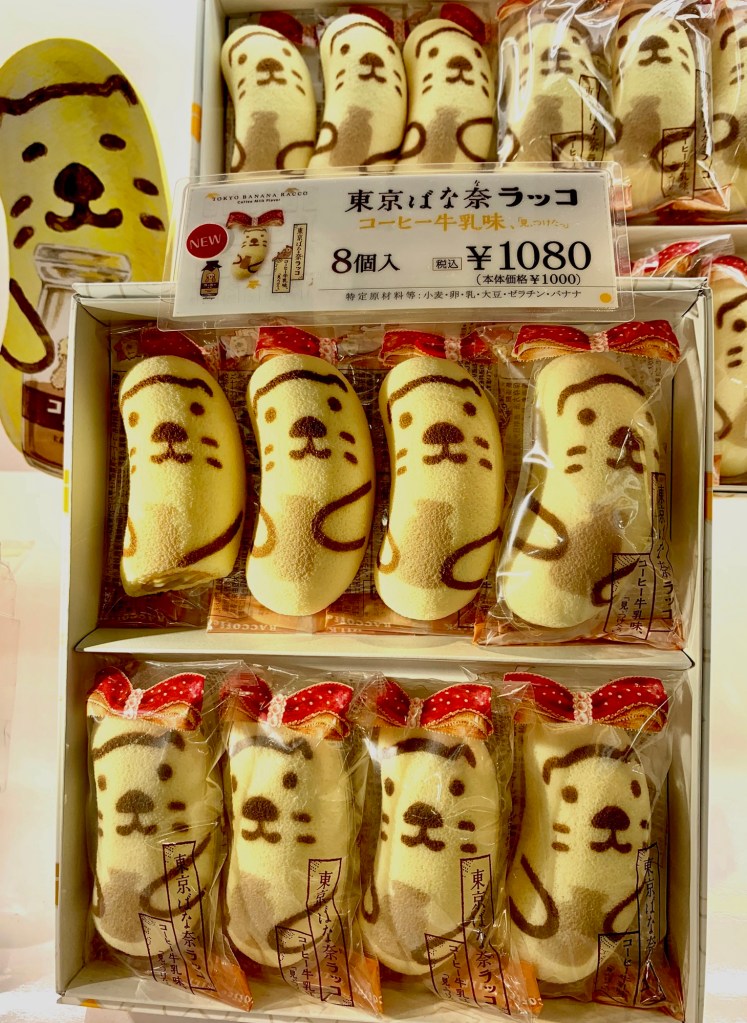
Fun, trendy foods are available everywhere, from conveyer belt sushi to adorable desserts, including a bubble tea with a cotton candy halo. My vote goes to the little custard-filled hedgehogs!


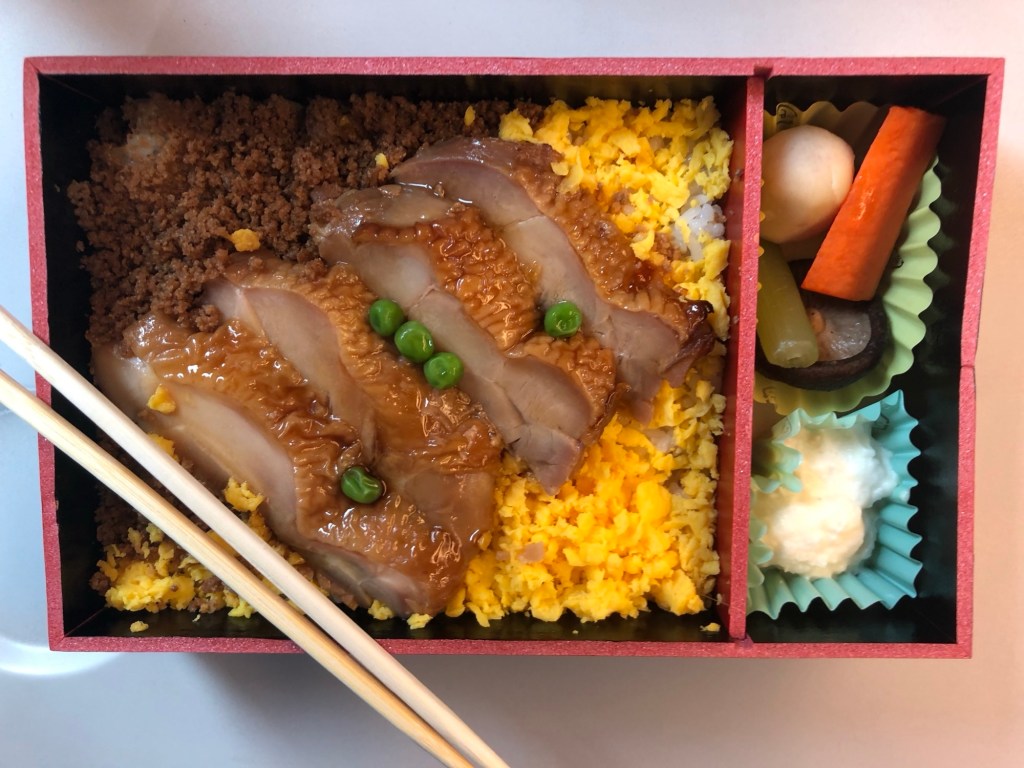
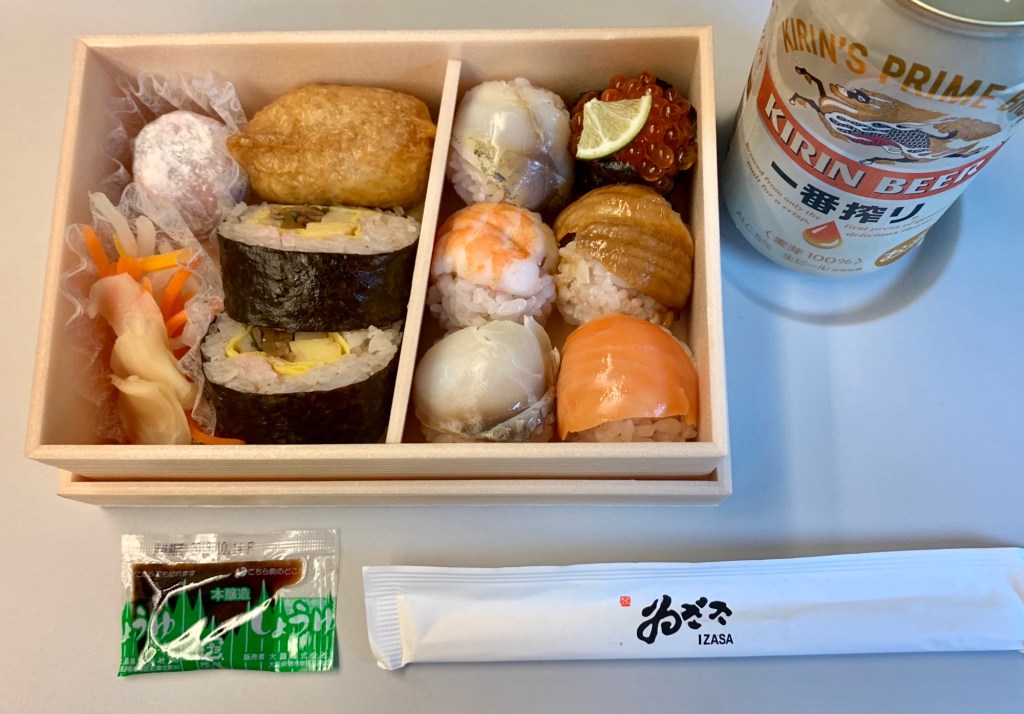
Bento box: A traditional Japanese meal presentation is the bento box. Any food can be added to the box, and they make a perfect meal for a long train ride (like between Tokyo and Kyoto!). Most train stations have a shop selling pre-made filled boxes, so you can quickly grab a meal before departure. Check menus at each station, since each region has its own specialty.
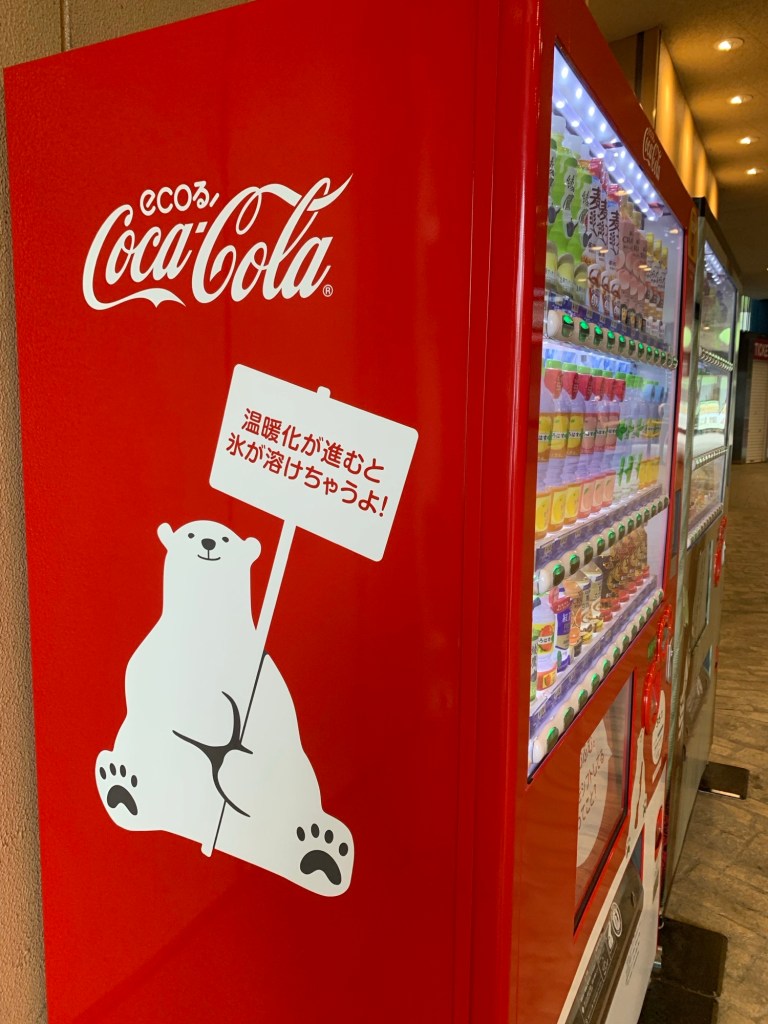
Along with his katsu sandwiches, my son couldn’t get enough of the Japanese soda machines. Filled with exotic (to us) flavors and brands, they were everywhere. Just remember to drink up by the machine to take advantage of the attached trash can. Trash cans on the street are rare, so the Japanese typically bring their’s home. You probably don’t want to carry your empty can around all day.
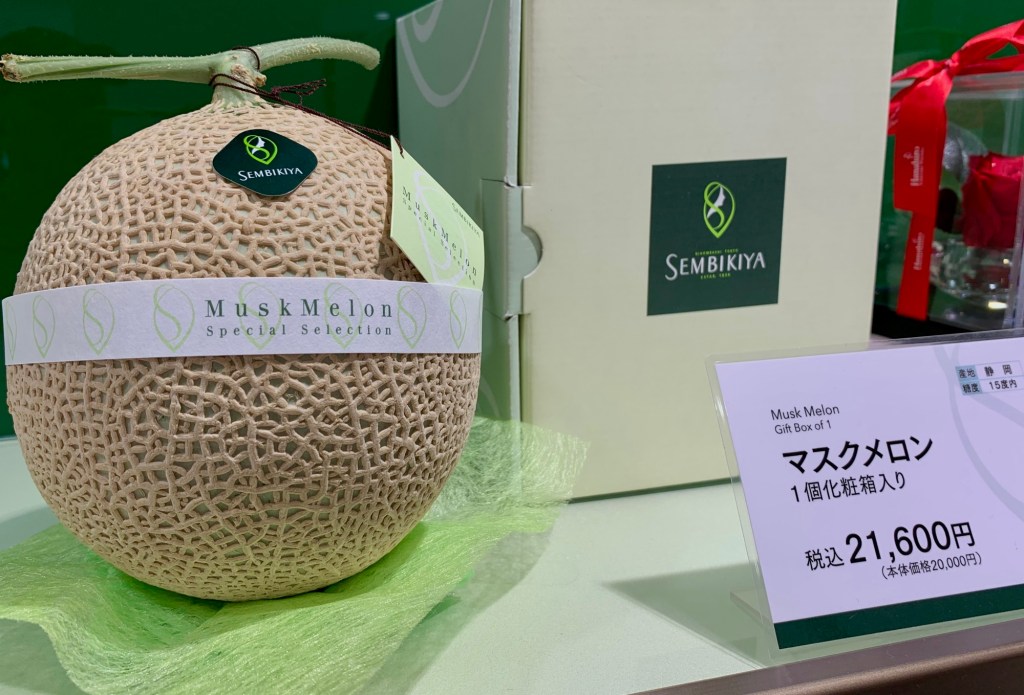
Note: The one food we didn’t try was the $136 melon from the department store! While fun to wander, department store food courts are definitely for purchasing beautiful gifts rather than regular food.
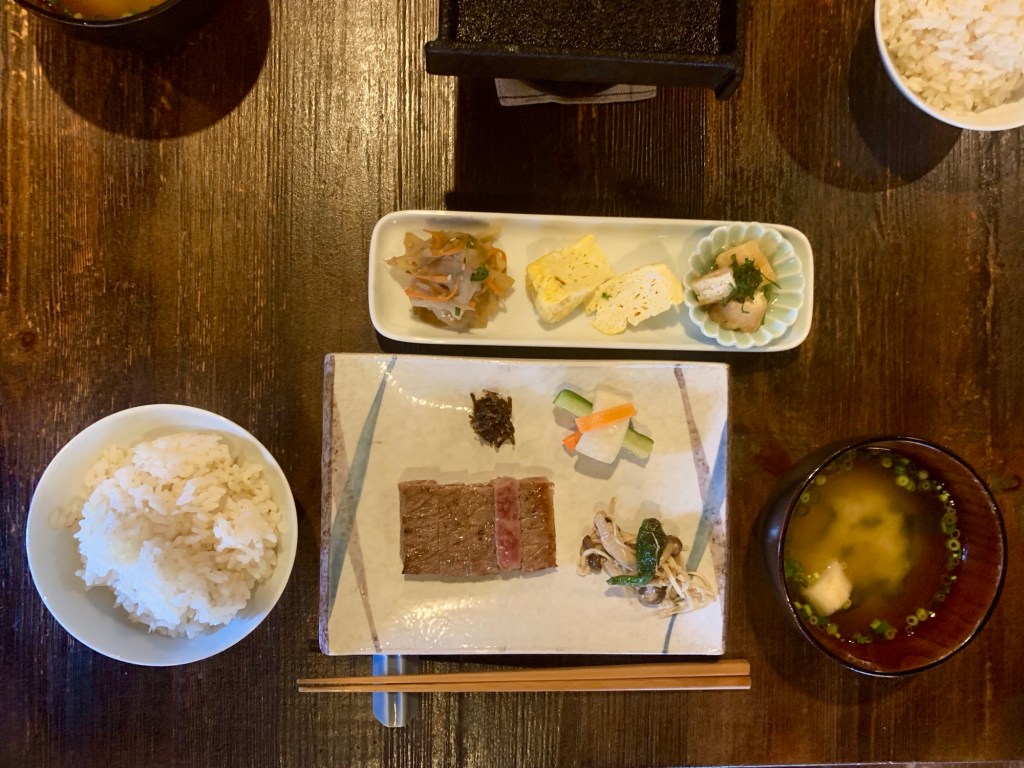
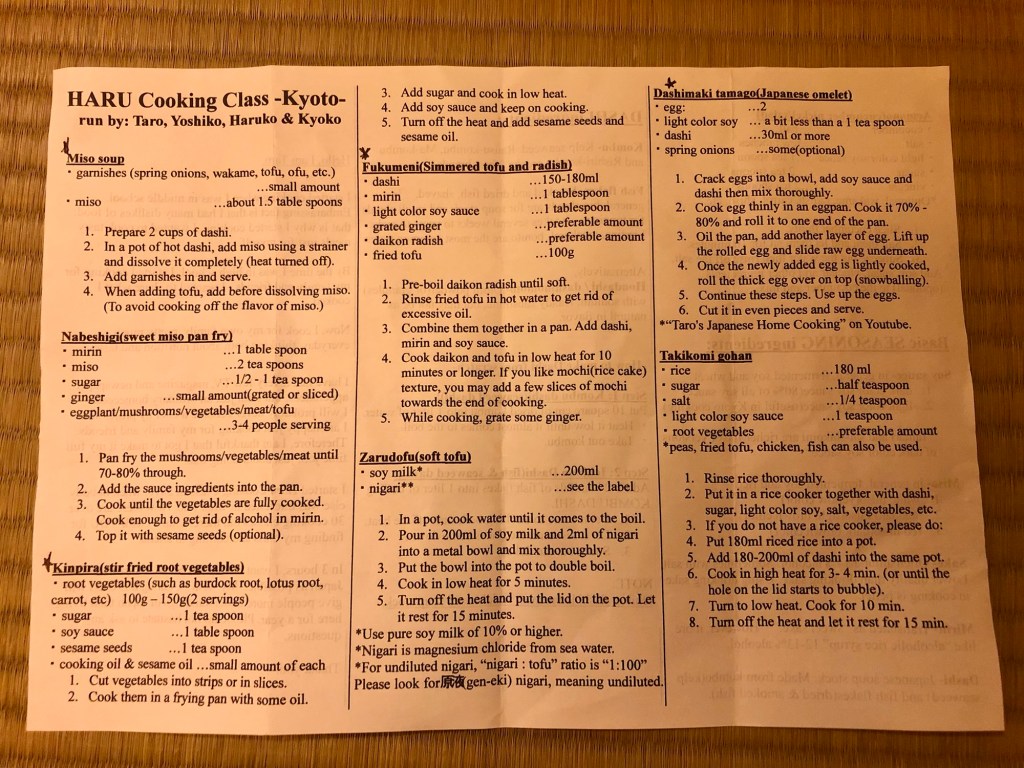
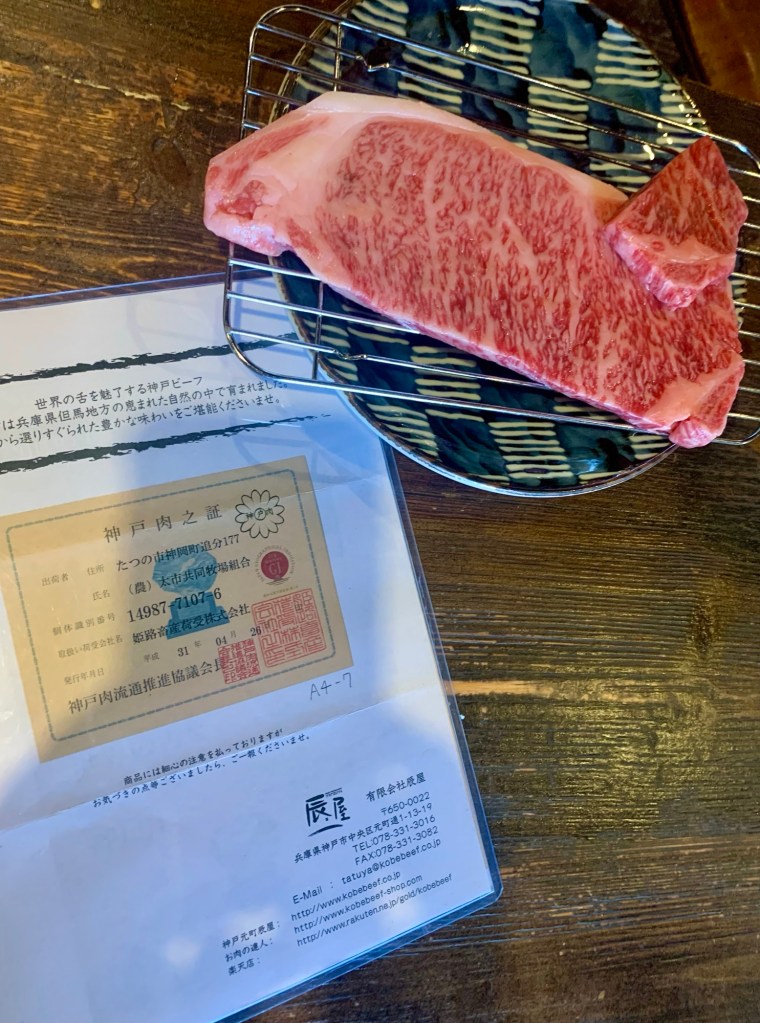
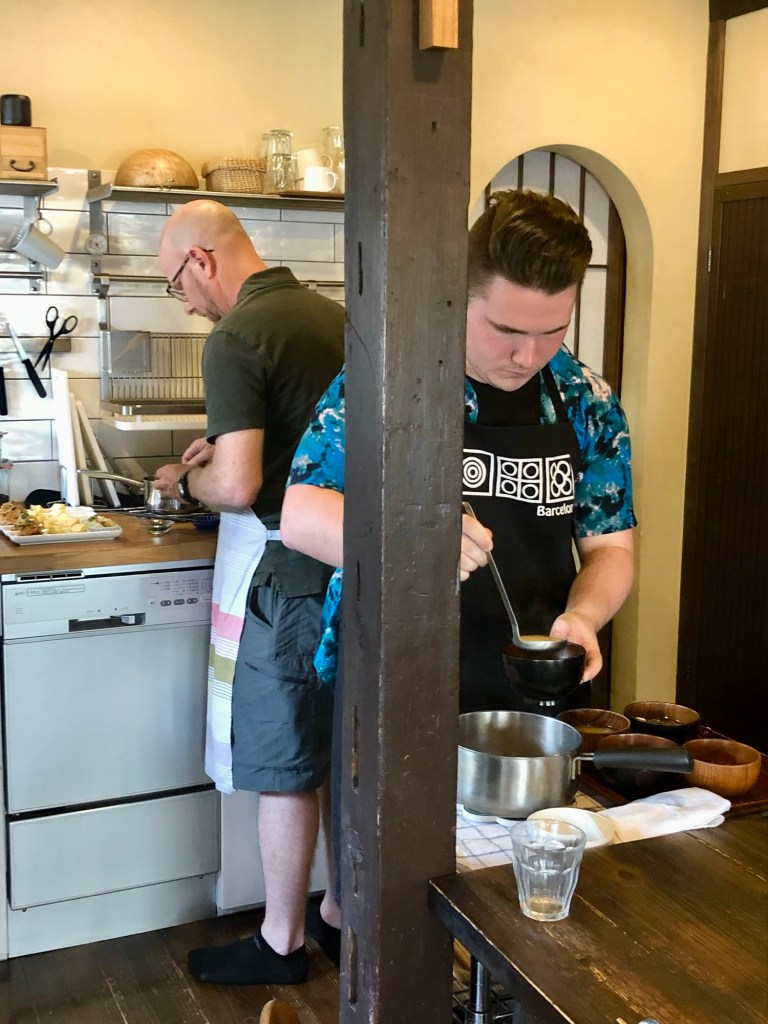
Tip: Google searches and food tours are great, but our favorite culinary experience was a cooking class in Kyoto where we made Japanese omelets in a traditional omelet pan, grilled Kobe beef (comes with its own certificate for authentication), and a variety of side dishes. Highly recommend!
 Secrets of Philadelphia