
Like Kosciuszko (Thaddeus … WHO? Memorializing a Forgotten Hero of the American Revolution), Stephen Girard is another early American hero who is unfamiliar to most Philadelphians – recognized only by his namesake road, a main thoroughfare through Center City and past the zoo. Born in France, Girard took to the sea and eventually became a captain, working the trade routes between New Orleans and Haiti. He ended up in Philadelphia by accident, having put into port for water while trying to avoid a British warship. Girard decided to settle down and became a merchant – one of the first Americans to trade with China. Upon his death in 1831, Girard was the richest man in America. The murals in the beautiful Victorian library at Girard College highlight his many contributions:


Girard left much of his fortune to establish his namesake college. Along with the money, he left all of his belongings to the College, making the Stephen Girard collection one of the most complete collections of early 19th century Americana. The collection includes everything that was in his home upon his death – his extensive correspondence, business and personal paperwork, furniture, clothing, sliver, etc..
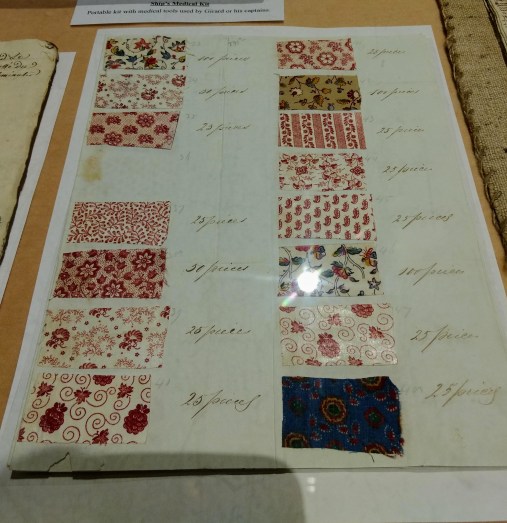

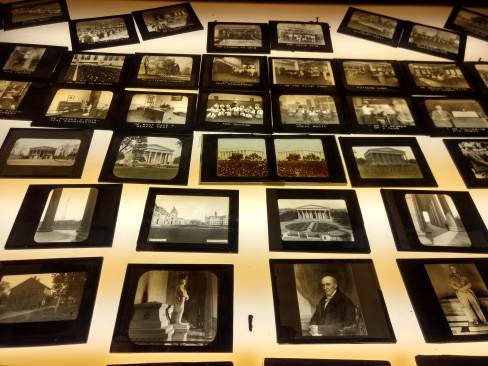
Every Wed-Fri (and occasional weekends), the college opens the collection for self-guided tours. They also occasionally offer campus tours.
In the 1950’s, the college became a focal point for the civil rights movement in Philadelphia. Because Girard’s will established the college for “poor white male orphans,”only white boys were accepted, and it became a battle ground for desegregation that went all the way to the Supreme Court. Martin Luther King Jr. lent his support with a visit and speech (the museum has video of part of his speech). The college has some interesting displays highlighting the protests and court cases that eventually led to desegregation in 1968.


The school is still active today, continuing to offer full scholarships (funded 90% by the Girard endowment) to all under-served populations (including girls).
In addition to leaving money and possessions to establish the college, Girard left his 500 acre farm and summer home to the city with the stipulation that it could not be sold and that the income be used to support Girard College. Girard’s house is the centerpiece of Stephen Girard Park, although it is not open to the public. The eastern wing predates Girard’s acquisition in 1797, and he added a central section in 1800 and a western wing in 1825 before his death in 1831. There are also 2 original outbuildings.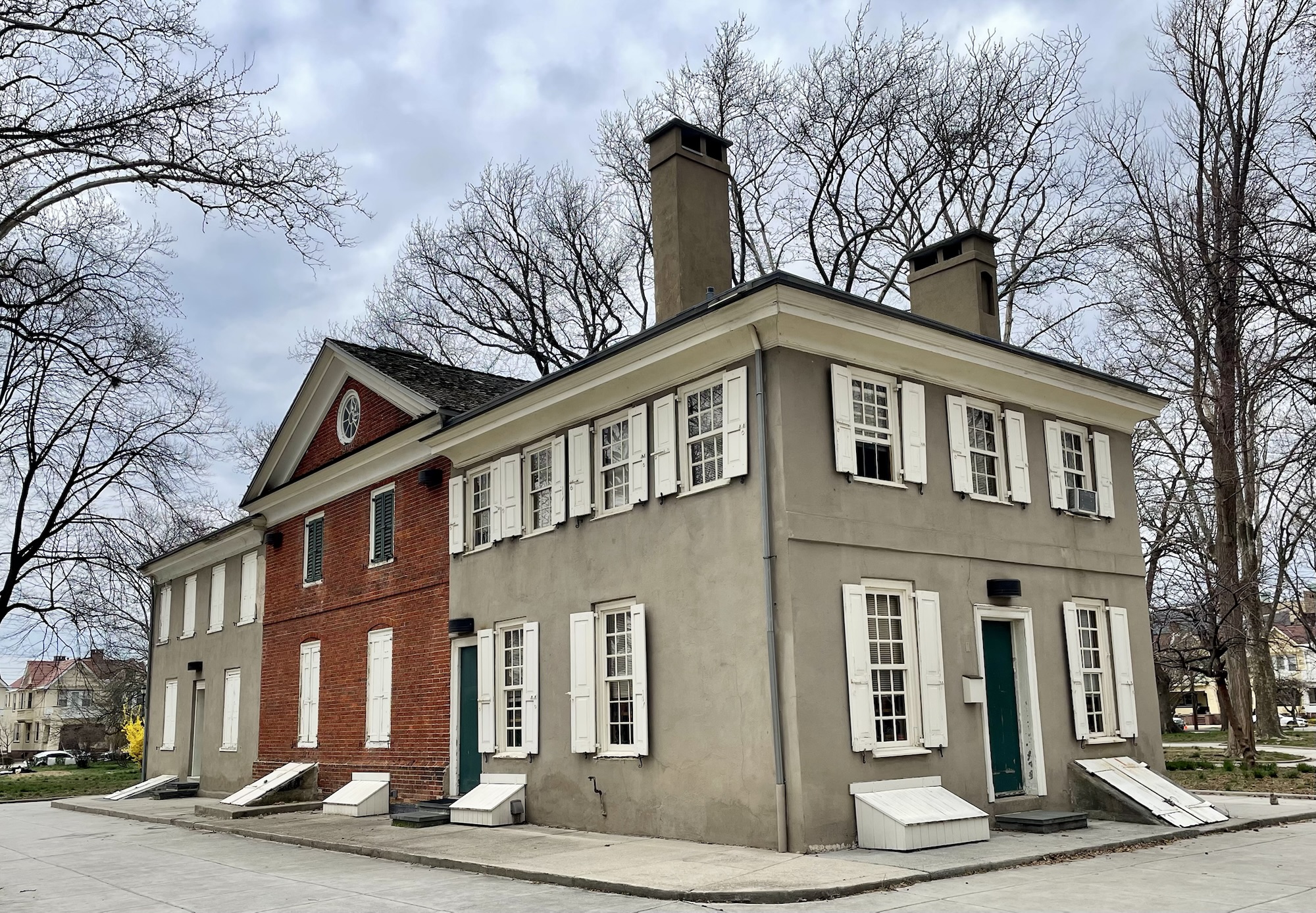


By the end of the 19th century Philadelphia’s boundaries extended to the farm and the city began development, eventually building almost 500 architect-designed “ideal city homes” in the early 1900s. Called Girard Estate, the properties were eventually sold (after the will was broken in court), and today you can stroll the neighborhood filled with a variety of architectural styles vastly different from its South Philly neighbors. Designs include: Colonial Revival, Tudor Revival, Prairie, Arts and Crafts and Spanish Colonial/Mission. The Preservation Alliance has a self-guided walking tour (https://preservationalliance.com/wp-content/uploads/2023/01/girard_estate.pdf).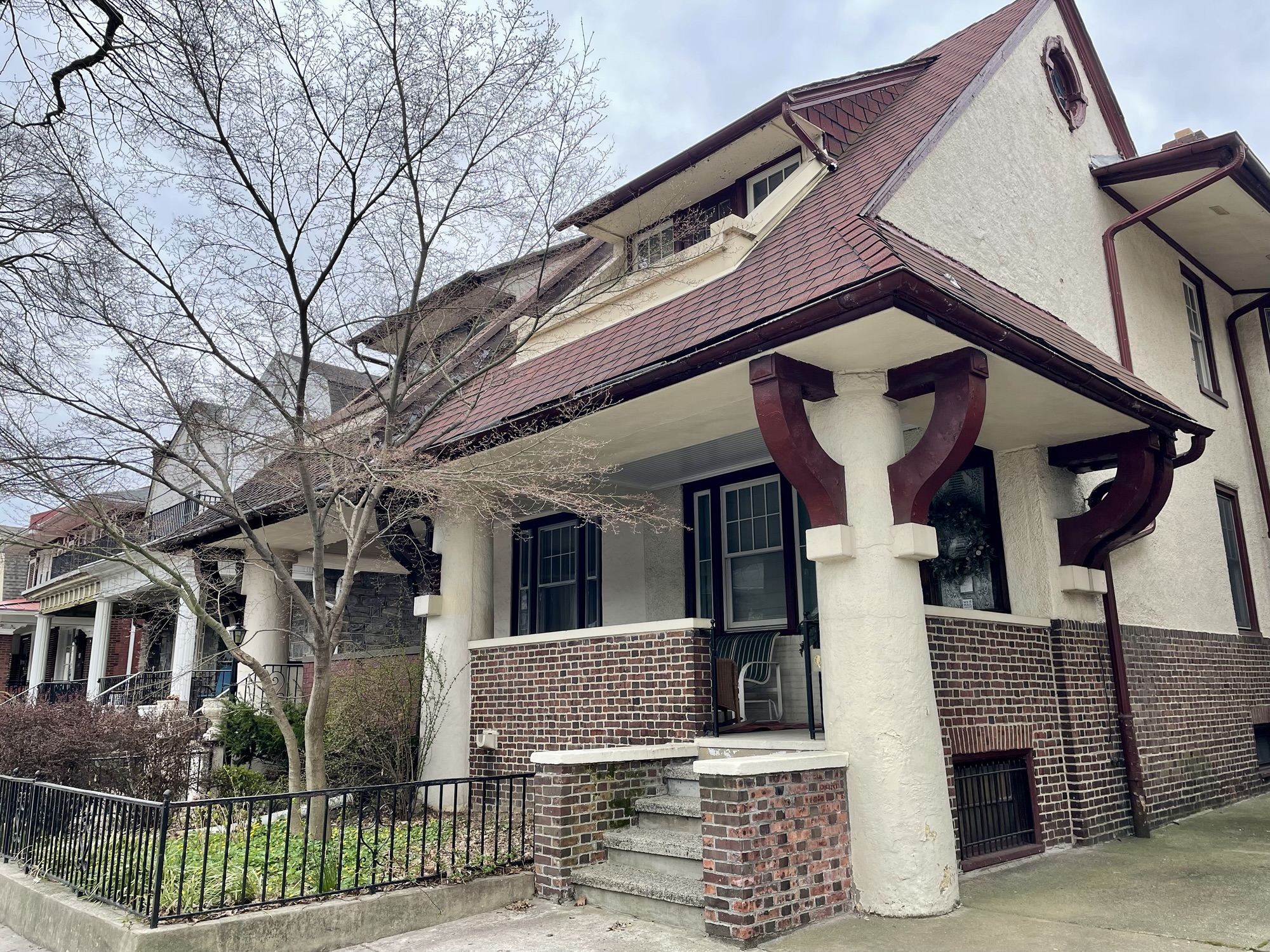


When Girard’s Philadelphia home was occupied by the British in 1777, he and his wife moved across the river to Mt. Holly. Their c.1770 house still stands at 211 Mill Street. Private. 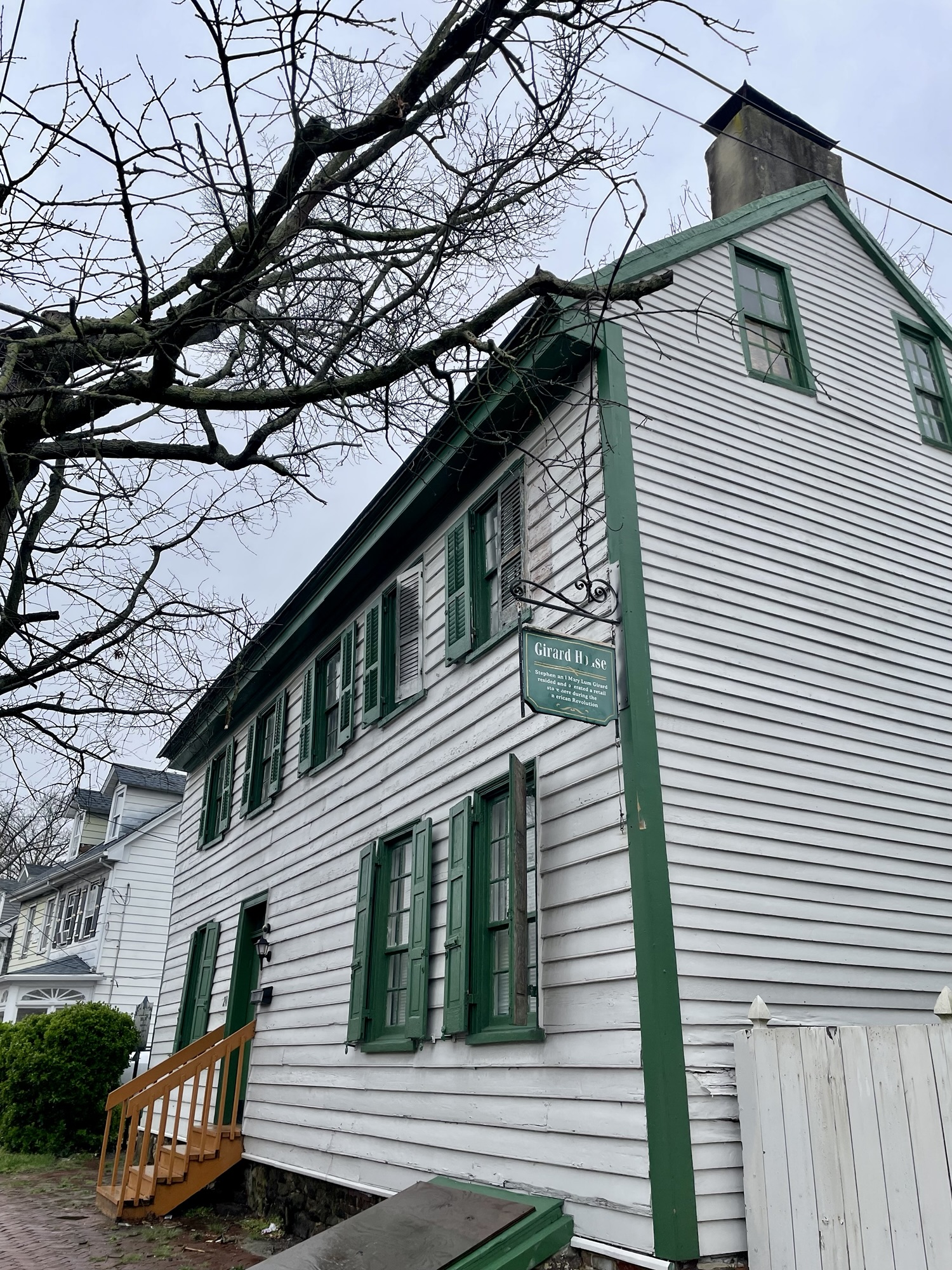
Tobey says: I actually really enjoyed the museum at Girard College. The Martin Luther King video was cool.
Location: Fairmount
 Secrets of Philadelphia