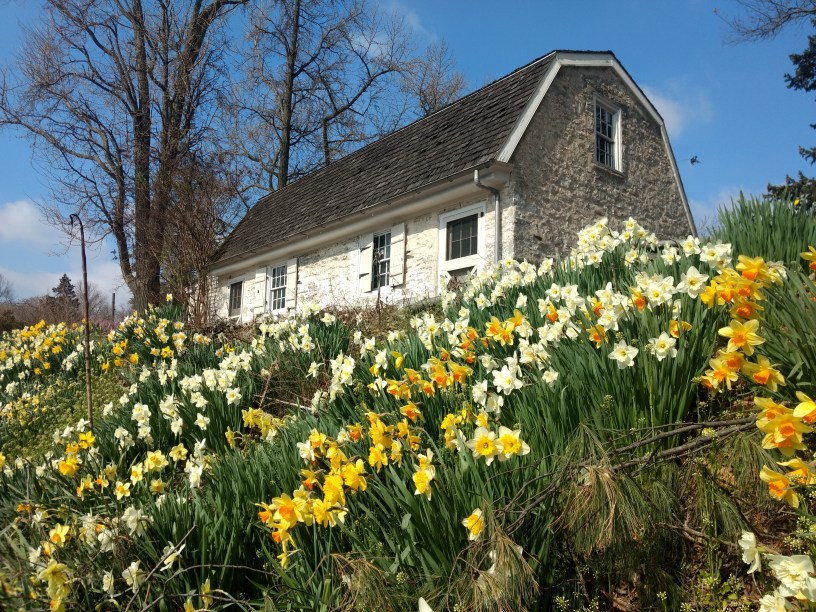
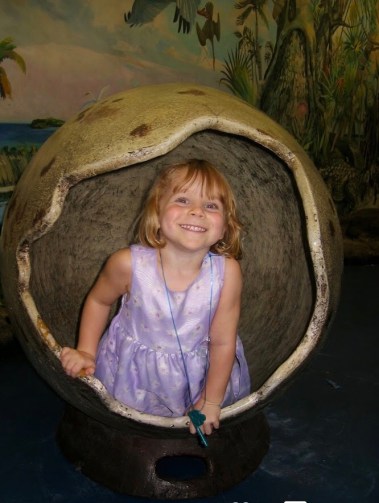
Fairmount Park, the largest park in Philadelphia, originated in 1867 when Philadelphia began acquiring land along the Schuylkill River with the goal of protecting its water supply. By this time, the river was lined with industry and seriously polluted. For the full story check out the free and wonderful Waterworks Museum and sculpture garden (Philadelphia’s Waterworks: A Free Museum And Secret Sculpture Garden). Today, the park encompasses over 2000 acres and houses a zoo, cemetery, and numerous other attractions. It is divided into the eastern and western sections, with the river acting as the divider. This post details attractions found in West Fairmount Park. The biggest attraction on this side of the river is the Philadelphia zoo, America’s oldest zoo founded in 1874. In addition to the animals, several historic Victorian structures are still in use, including the Frank Furness designed gate houses and the 1876 Deer House, now currently full of giant (fiberglass) animals and trees and used as an indoor children’s discovery area.
It is also home to Solitude, the 1785 home owned by William Penn’s grandson, and the only Penn family home still standing in the US. Other major attractions in this area are the: Japanese House (Shofuso – Philadelphia’s Hidden Japanese Gem), The Mann Music Center, and the Please Touch Museum (even if you don’t have kids, it’s still worth popping inside (the lobby area is free to view) to check out the gorgeous architecture. This is the only major building left from the 1876 Centennial Exposition. 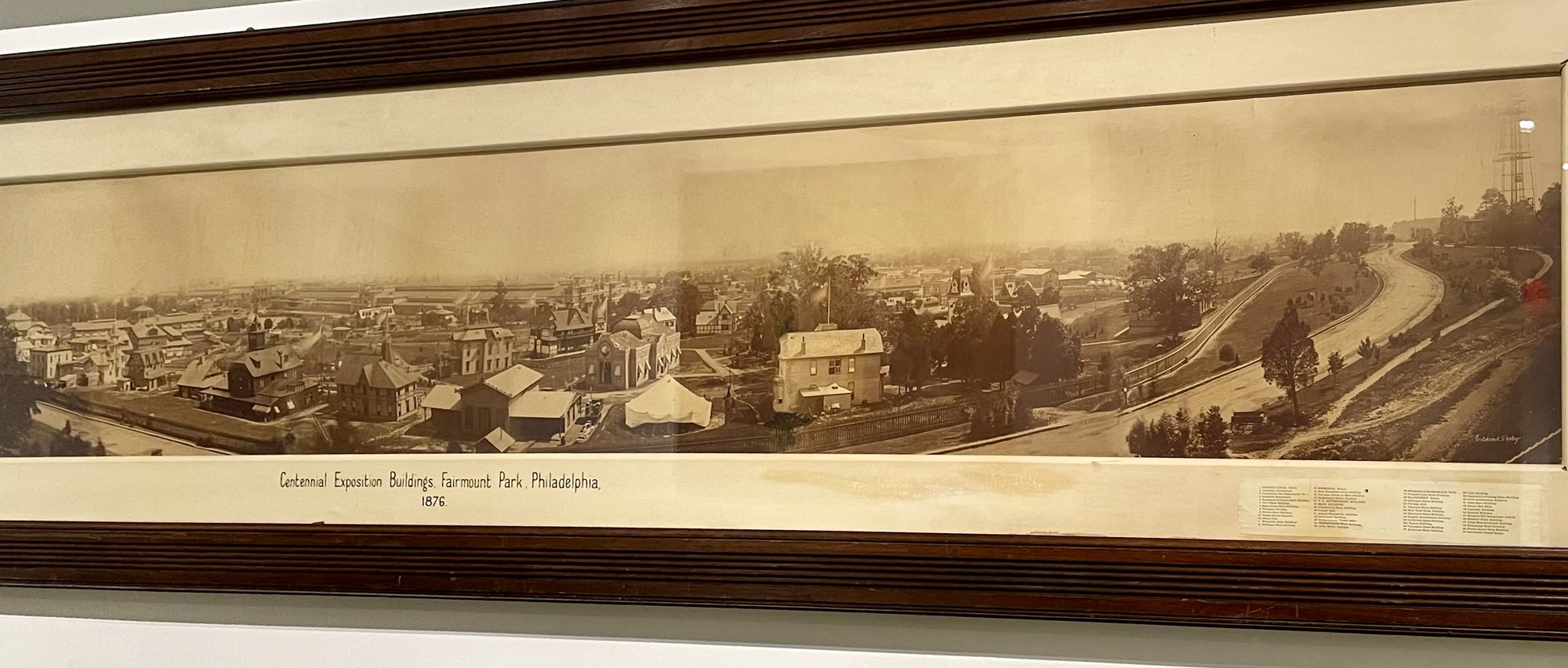
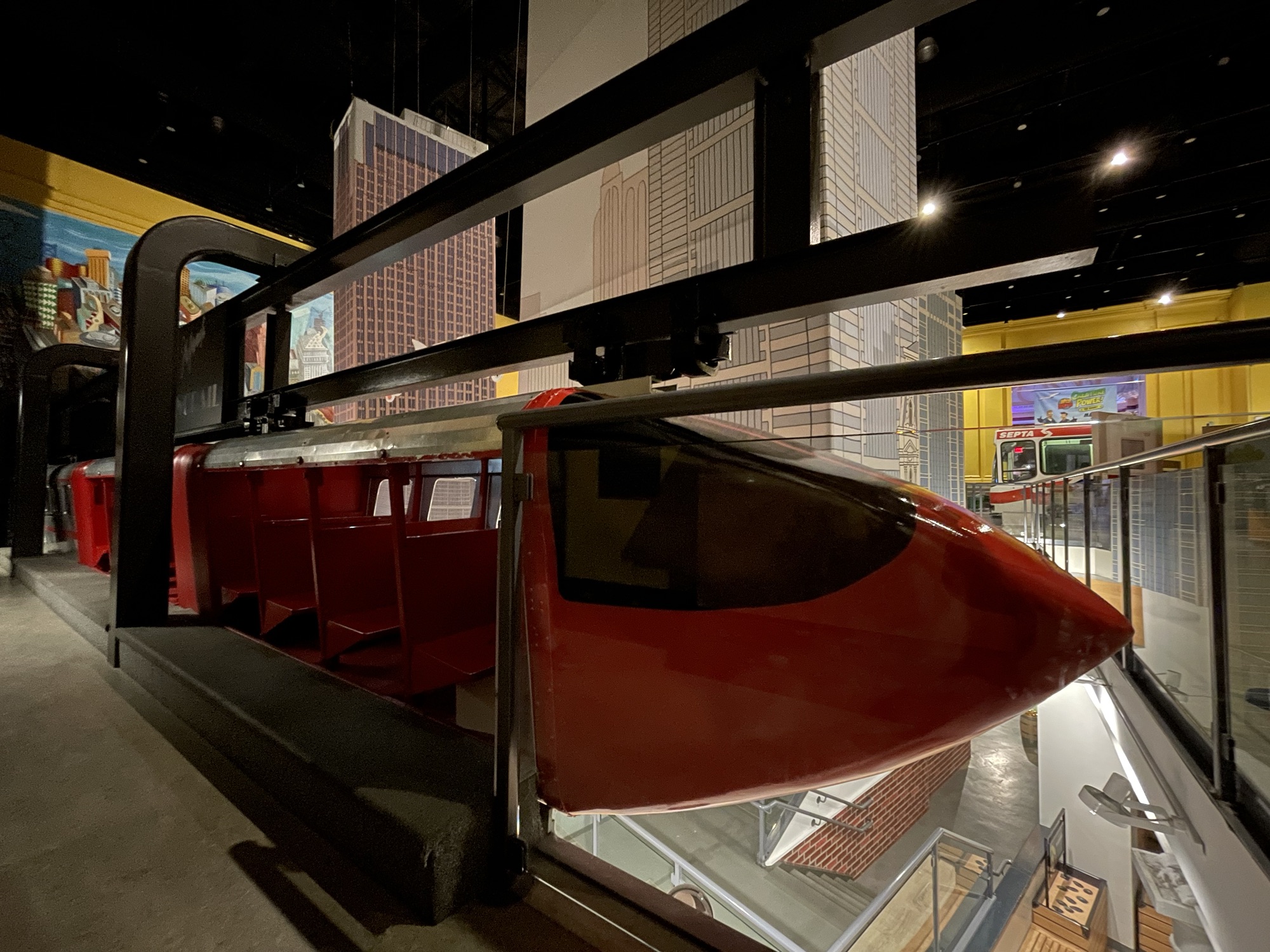
Called Memorial Hall, it housed the exhibits that would later become the foundation of the Philadelphia Museum of Art. Today, it houses a 1908 carousel and the monorail that once ran around Wanamaker’s department store.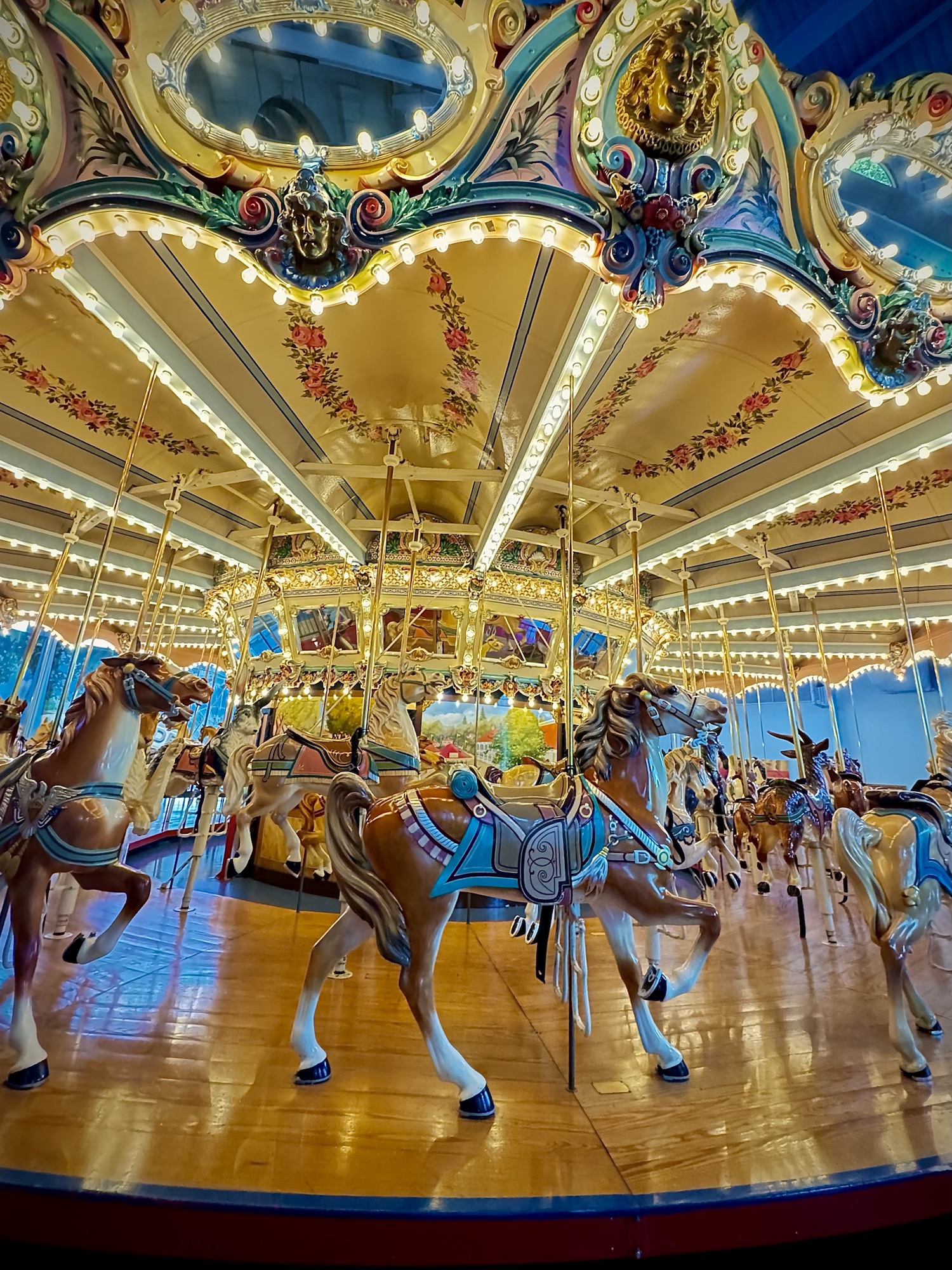


Horticulture Hall: Located on the site of the Centennial Exposition’s horticulture building (which was damaged by a hurricane and torn down in 1954), its greenhouse and outdoor gardens are open daily (free!) and are nice for a dose of nature in cold weather. They offer yoga classes and other activities.


Tip: This area is one of the best places in Philly to enjoy cherry blossoms in the spring (typically around the first week in April). 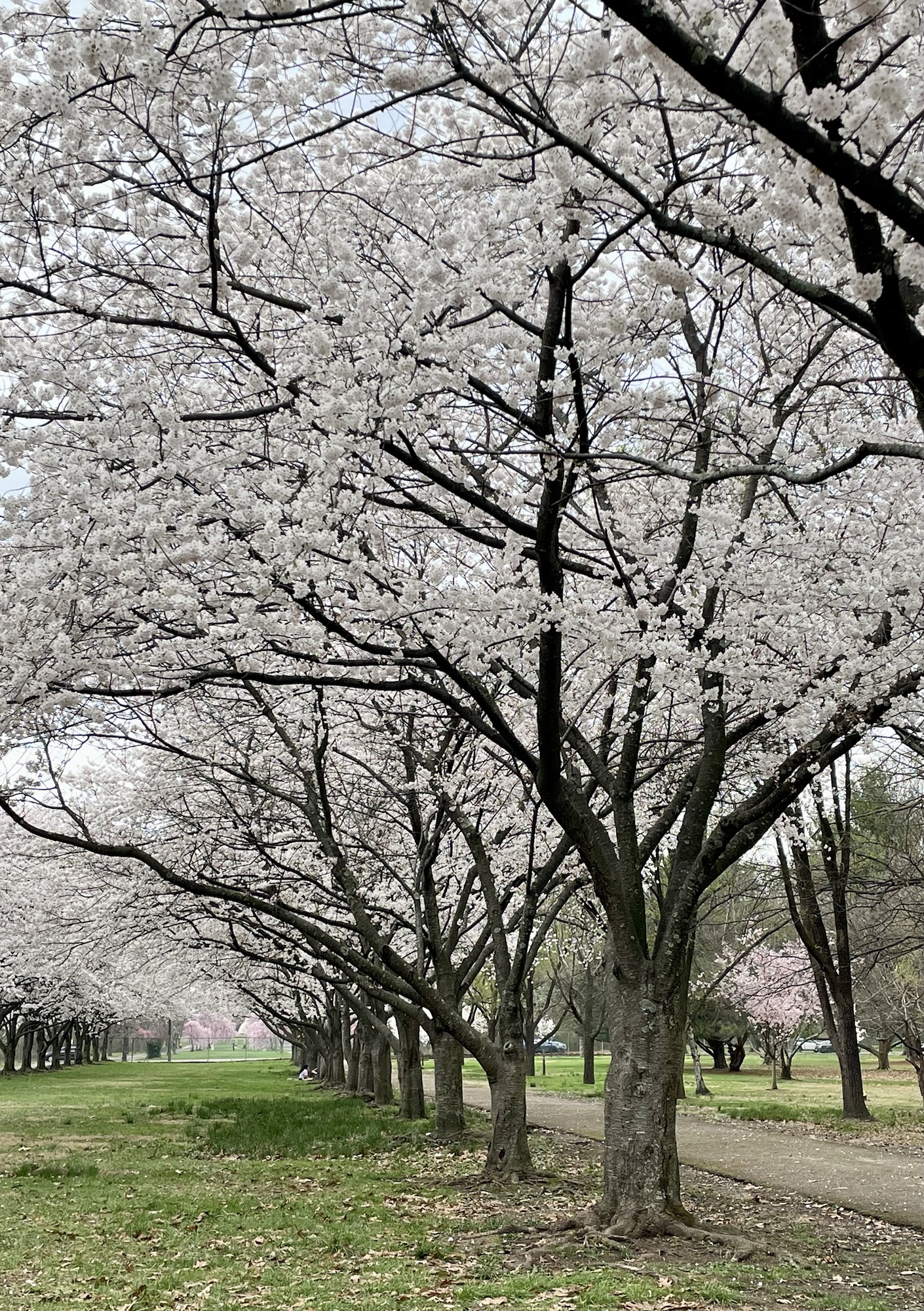


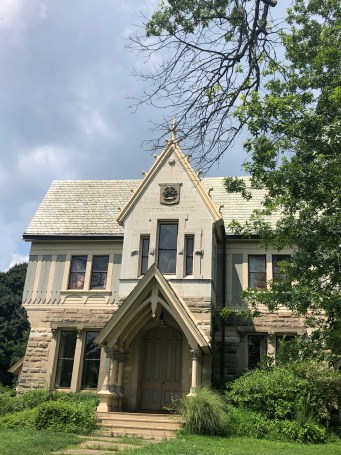
**These sites are within a short walk of each other.
Note: On weekends, 6am-5pm, April-October, Martin Luther King Drive (which runs along the river) is closed to vehicle traffic and opened up to bikers, joggers, etc. for recreational activity.
 Secrets of Philadelphia
It’s a shame there’s not more Centennial Exposition buildings still standing, but the ones that are there look pretty great. Of course I’d have to see Ohio House! I also love the Horticulture Hall – I really like glasshouses. It’s like being outside without having to actually be outside and deal with bugs, direct sunlight, etc.
LikeLike
Your comments always make me laugh. What a coincidence that the only state house left is the Ohio house -a “reward” for the one person who I know reads my posts 🙂
LikeLiked by 1 person