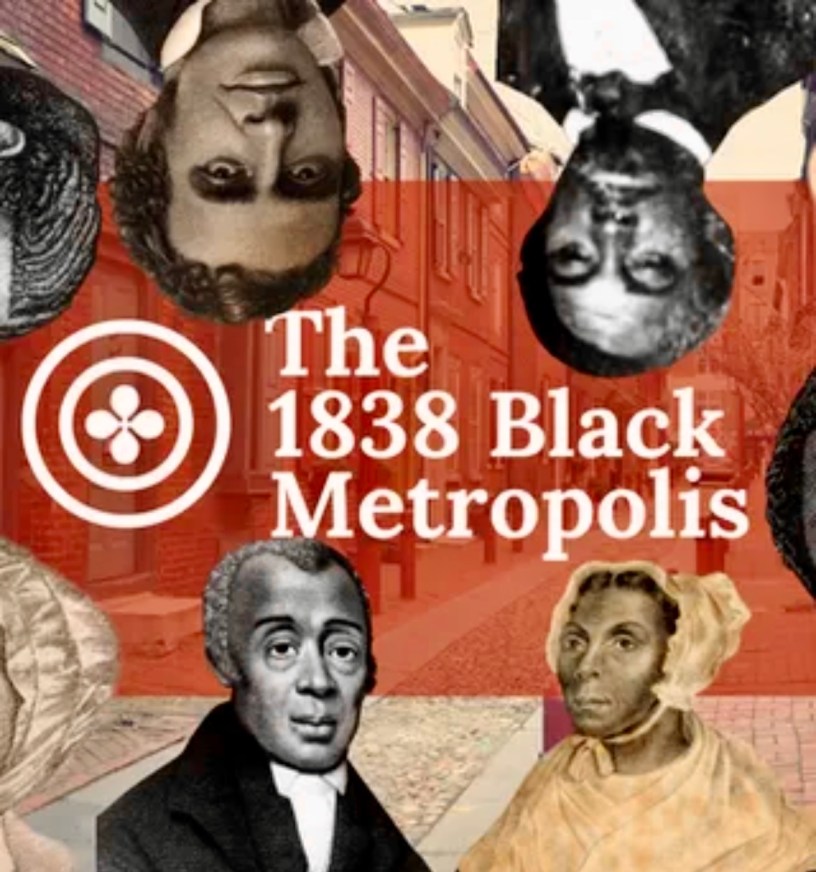
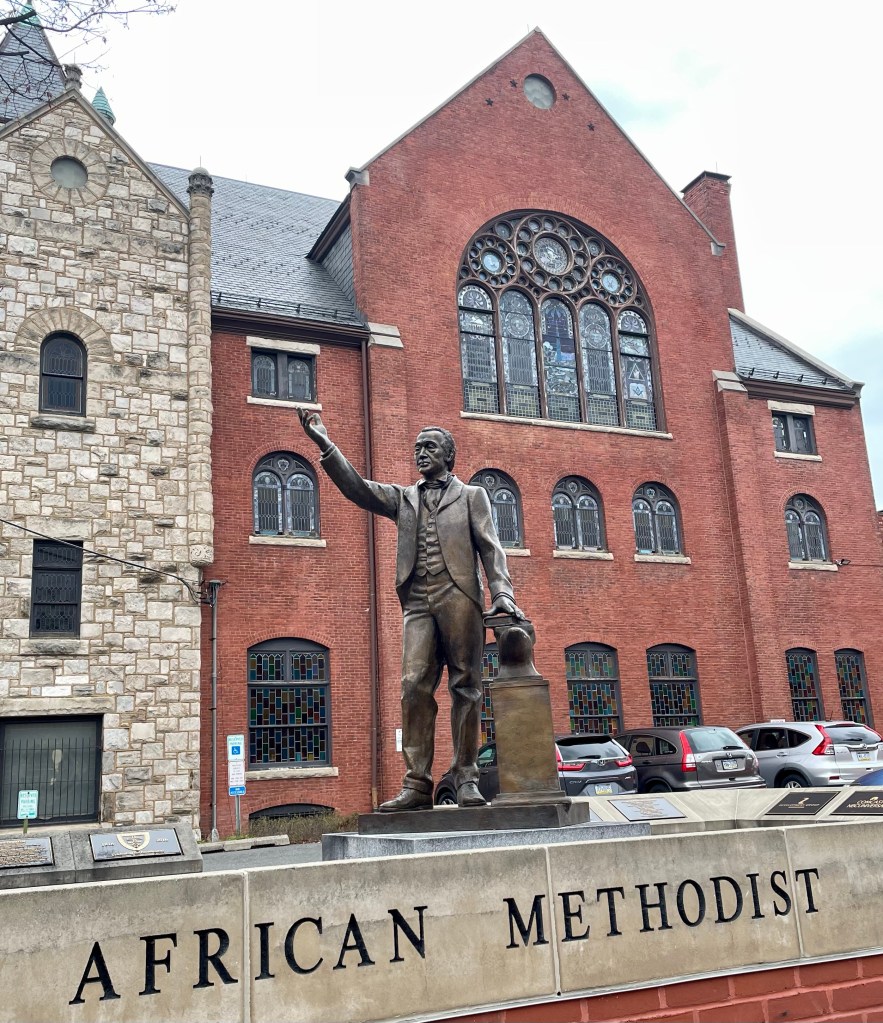
Whose stories do we tell? One that is frequently overlooked in Philadelphia is that of the thriving free Black community that existed in Philadelphia. There is plenty of information about William Still & the Underground Railroad (The Remarkable Story of the Still Brothers) and Richard Allen & the AME Church (The Richard Allen Museum: Black History, The AME Church, and Victorian Stained Glass), but what is rarely mentioned are the individual stories of the residents of this diverse community that made up 1/5 of the city’s population.
The 1838 Black Metropolis project began with a copy of an 1838 census funded by the Pennsylvania Abolitionist Society. Using this and a variety of other primary sources, these stories are being brought back to life on a website that includes self-guided walking tours (and occasionally in-person tours – follow on social media for more information).
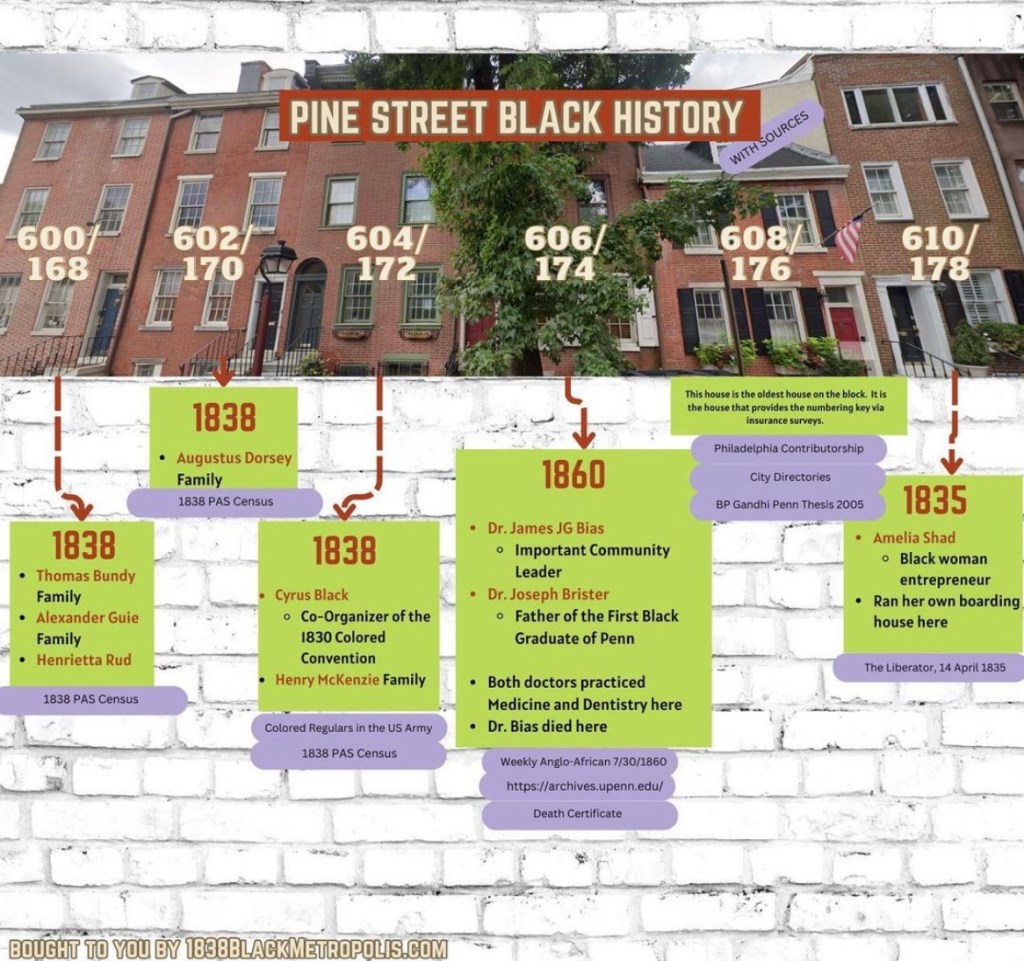
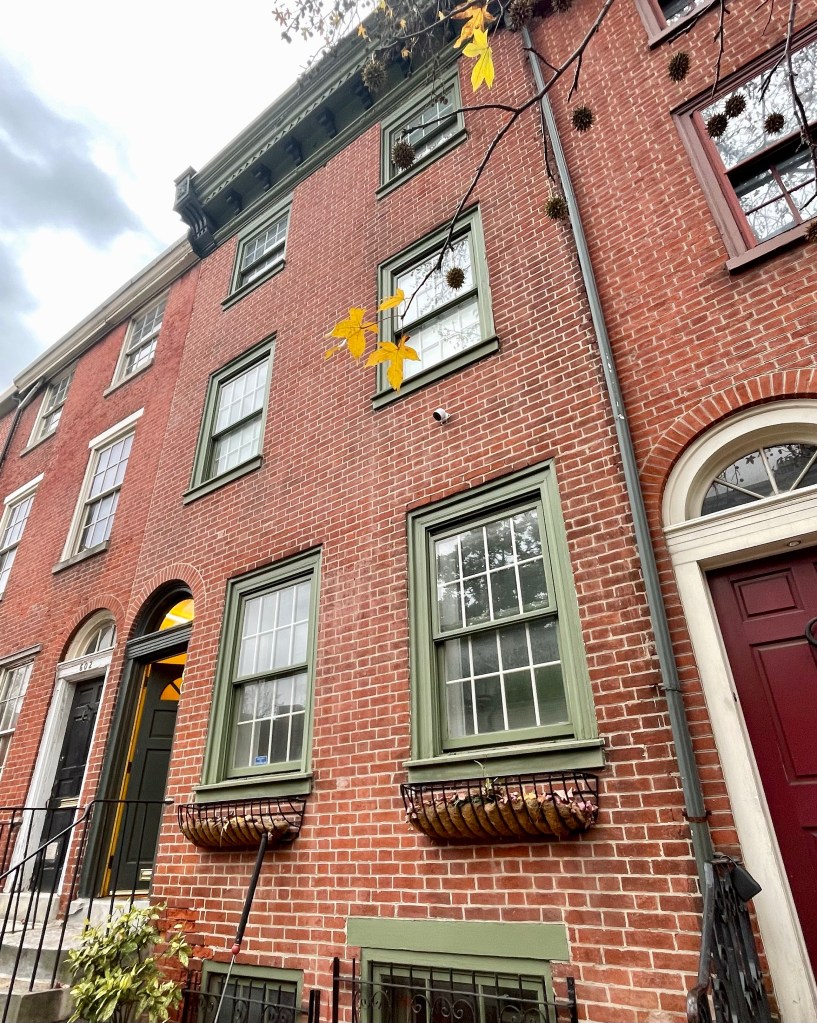
Stops cover stories such as: the oldest African American newspaper in the country, a Black woman-owned boarding house on Pine Street, and a discussion of mid-19th century Black public schools. While many original structures have been lost, some are still around, and the website uses historic photos and drawings to illustrate those that have been lost. Historical markers are being added to highlight more of these stories.


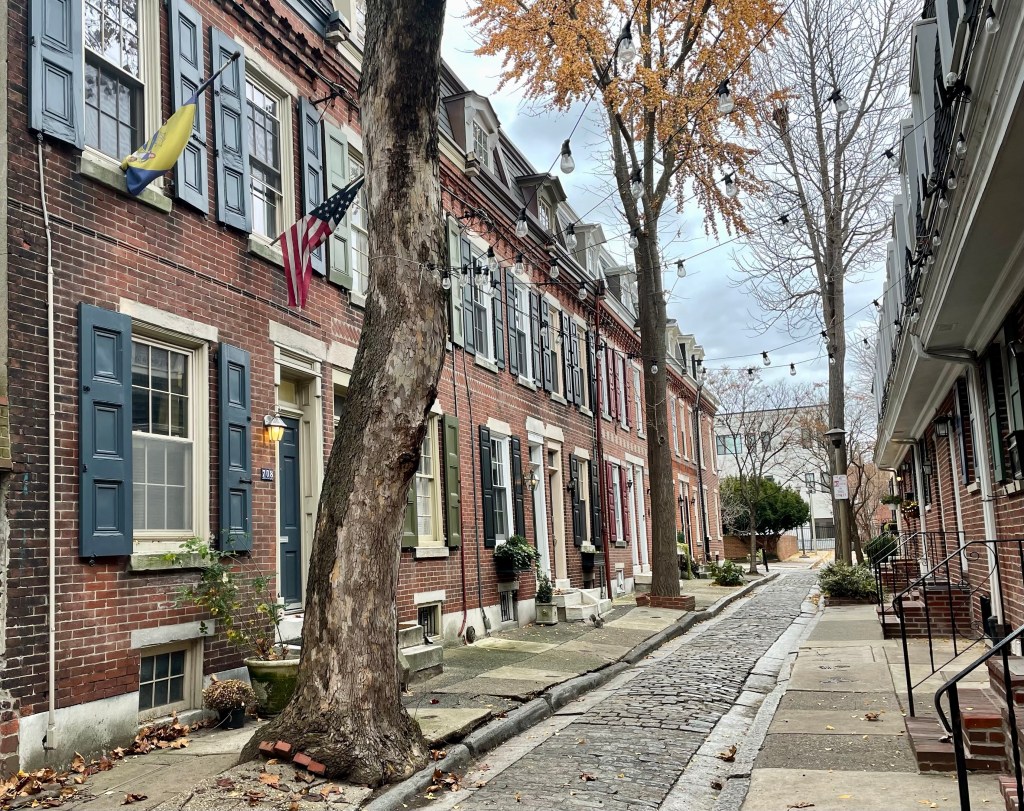

Located just blocks from Independence Hall, these tours give a different perspective on the city of Franklin and the Founding Fathers.


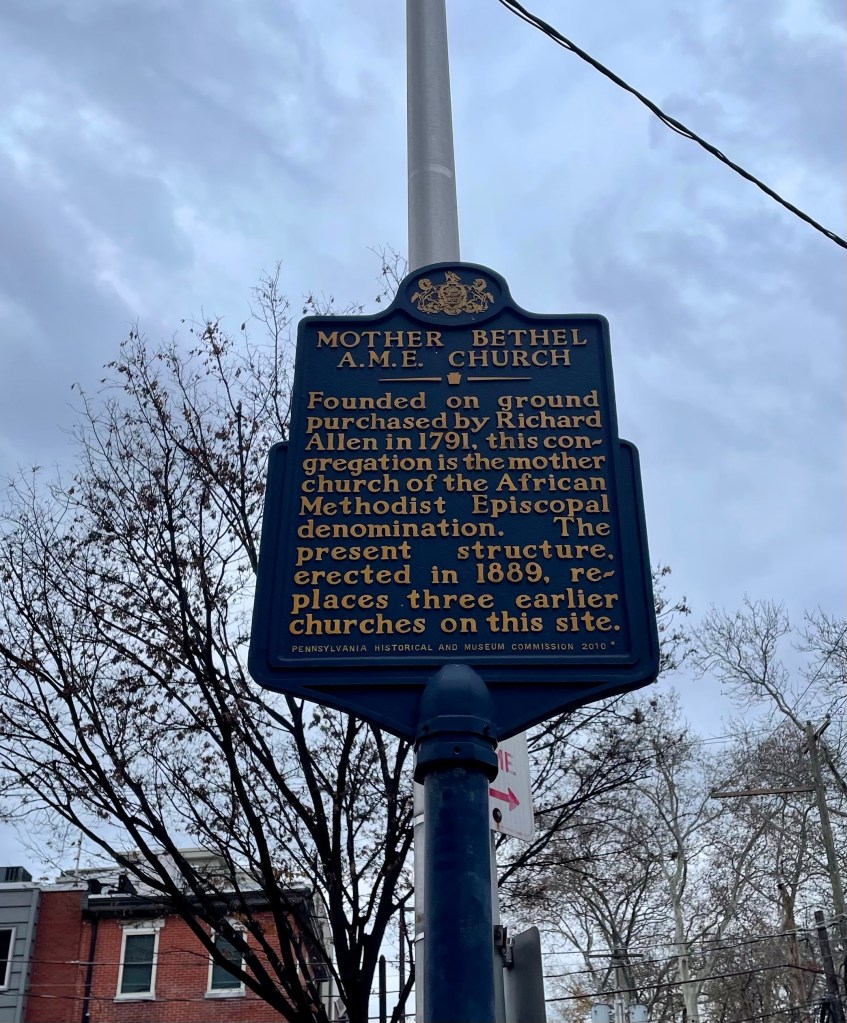
https://www.1838blackmetropolis.com/walking-tours
One fascinating story from our 2024 walking tour was the story of abolitionist William Whipper. Although the term “underground railroad“ is generally used metaphorically, Whipper did in fact use trains. The freeborn son of a black servant and her white employer, Whipper created one of Pennsylvania’s premier lumberyards and used secret compartments built into his railcars to move escaped slaves north. He also used his house in Philadelphia to house fugitives.

To learn more about black history in Philadelphia, check out the walking tours offered by The Black Journey and visit the African American Museum of Philadelphia, both of which highlight stories of both well known black revolutionaries and those whose stories have been largely forgotten.
 Secrets of Philadelphia