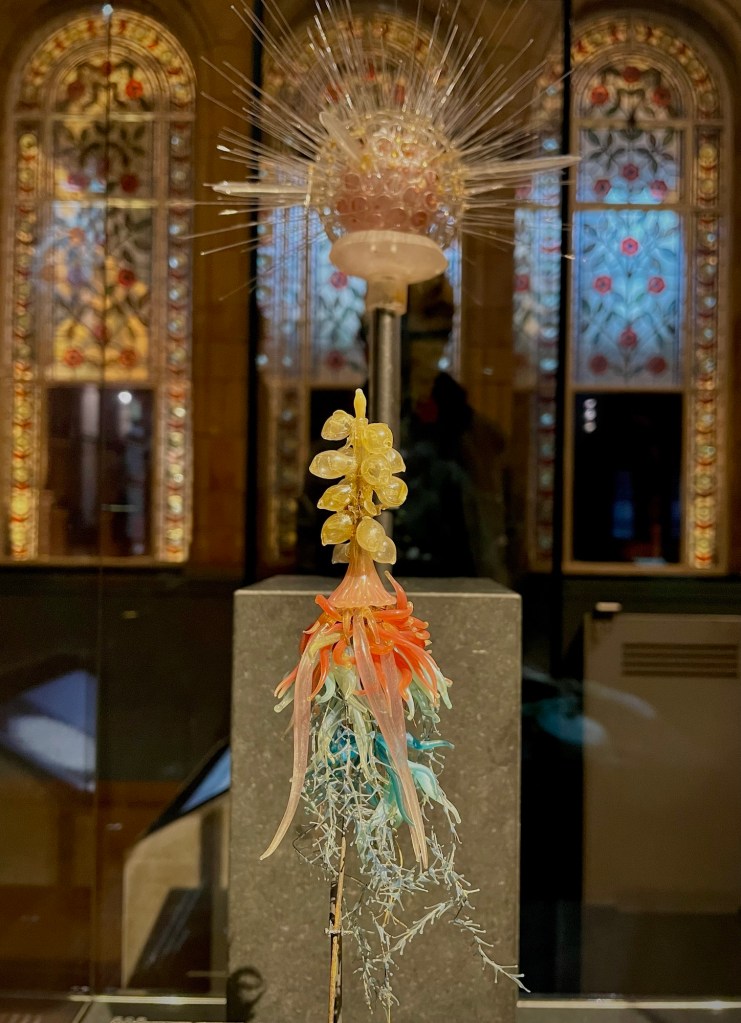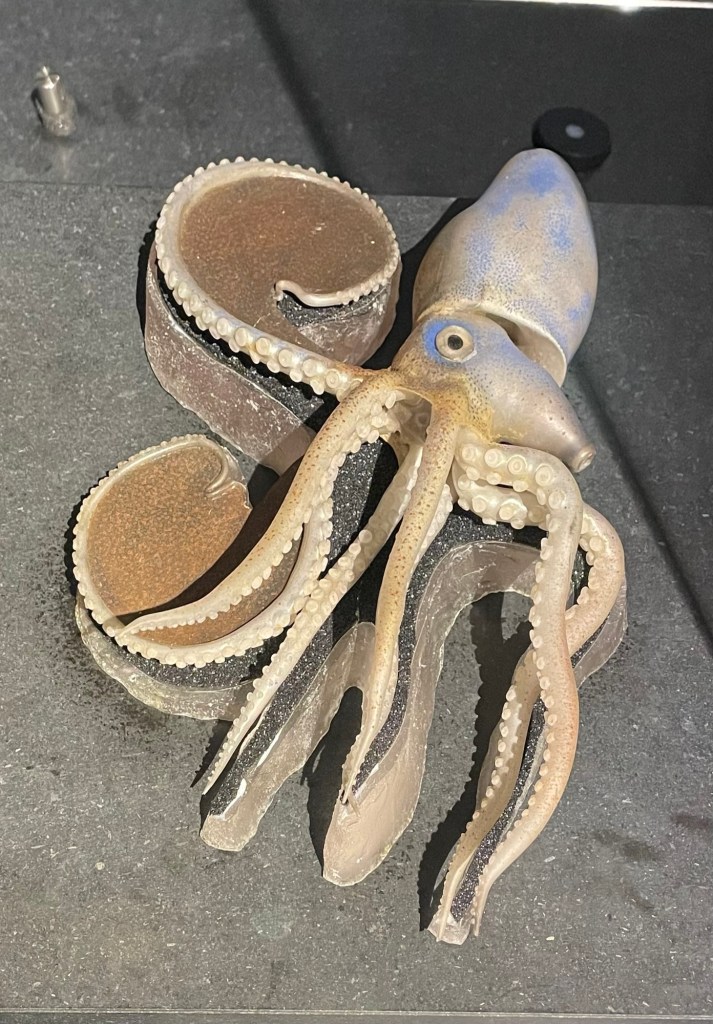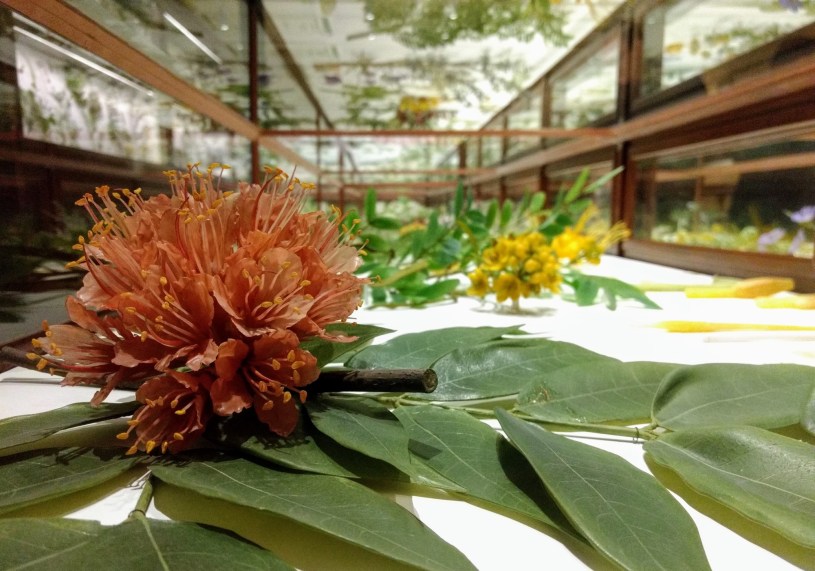
Although pieces of the Blaschka’s amazingly realistic glass work can be found in collections all over the world, the Harvard Museum of Natural History is the only place where you can see their glass flowers.

Start your visit in the marine gallery, because it was works like these that brought Leopold Blaschka to the attention of the world. In 1822 Leopold was born into a family of Bohemian glassmakers, and was already a successful maker of glass eyes when he started using his skills to create natural history models. At the time, the only way to preserve marine invertebrates was to store them in a preserving solution, a process that leached any color and eventually turned the specimens to amorphous blobs. Soon, museums all over the world were purchasing his marine specimens, and he began training his son Rudolf to assist in their production.

A collection of these marine invertebrates was seen by Harvard botany professor George Goodale, who was working to create a campus botanical museum for use by his students. Displaying botanical specimens had similar challenges to marine specimens. If they were dried or pressed, they lost their shape and color. Wax models or papier-mâché were imprecise, and drawings or paintings only show two dimensions. So, Goodale traveled to Dresden to persuade the father and son duo to furnish his museum with super realistic glass models, and persuaded a former student and her mother to finance the collection. Thus, the Ware Collection was born.

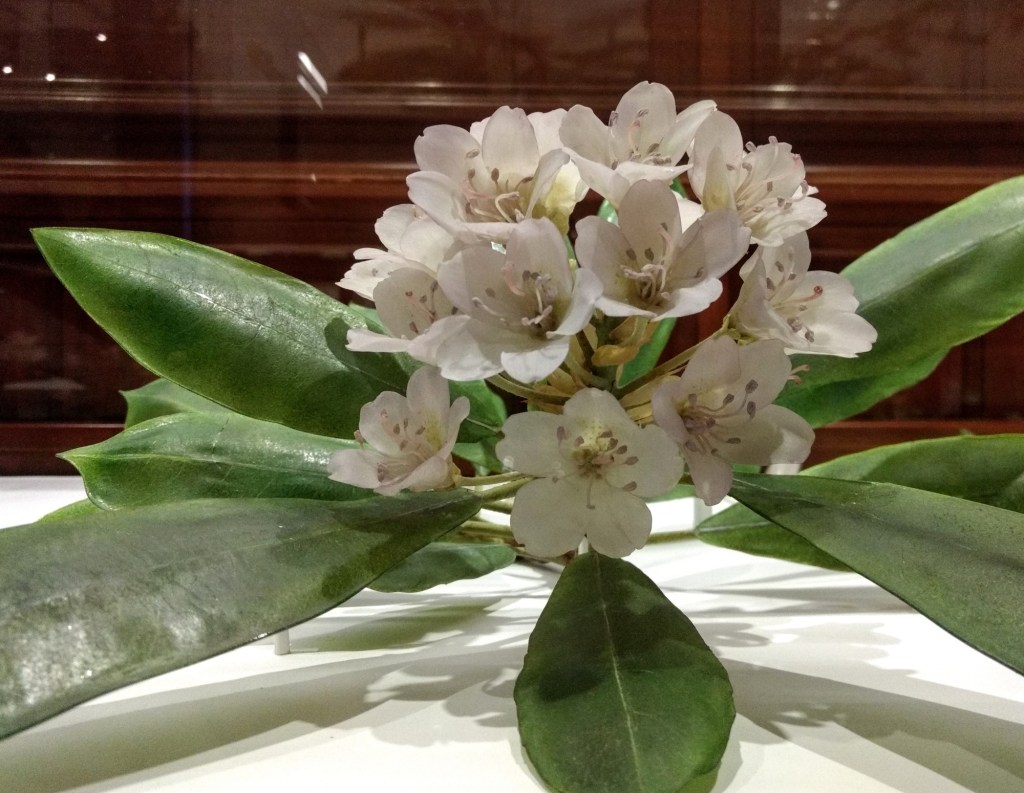


Averaging 50 models a year, the collection grew for almost 50 years, long after the death of Leopold in 1895, stopping only upon the death of Rudolf in 1939. By then, the collection consisted of about 4,300 glass models representing 780 species. Models were not only of flowers, but of other plant parts, cross sections, and diseased specimens. The Blaschkas got their inspiration from a special American Garden they grew at their home, along with visits to European botanical gardens and, in the case of Rudolf, travel to the Caribbean and around the US.

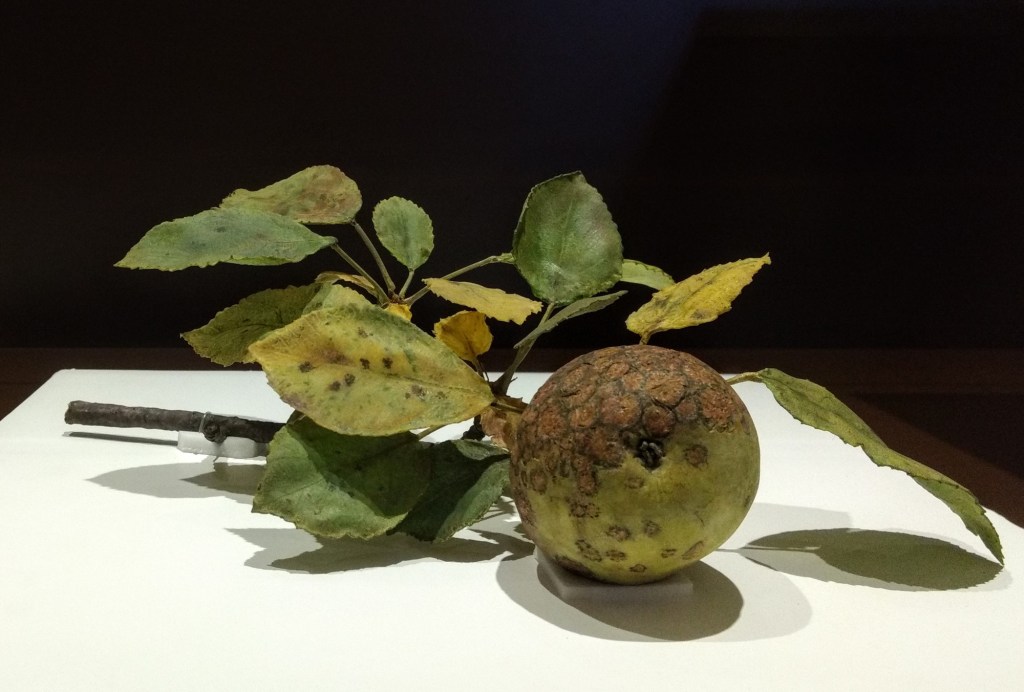
The Glass Flowers gallery first opened to the public in 1893 and still contains the original display cases.

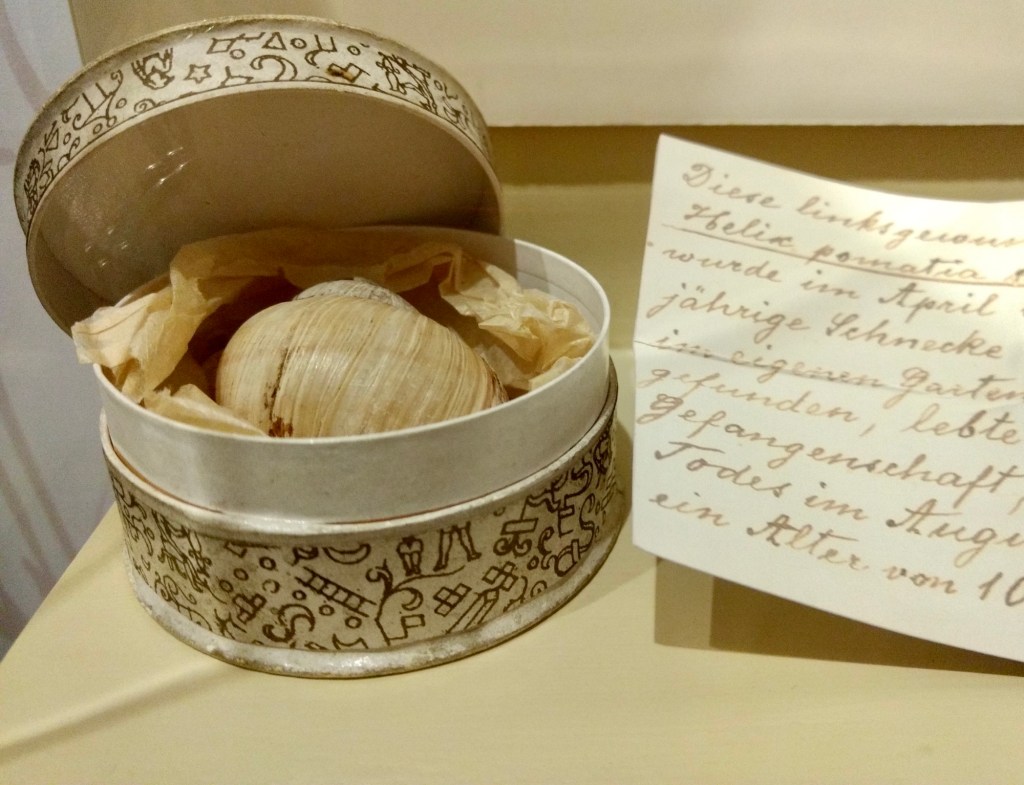
Tip: Make sure you check out the case displaying the shell of Rudolf’s pet snail, Lotte!
After exploring the treasures of The Natural History Museum, cross the hall into the attached Peabody Museum of Archaeology and Ethnology, which includes a collection of items brought back by the Lewis & Clark Expedition.
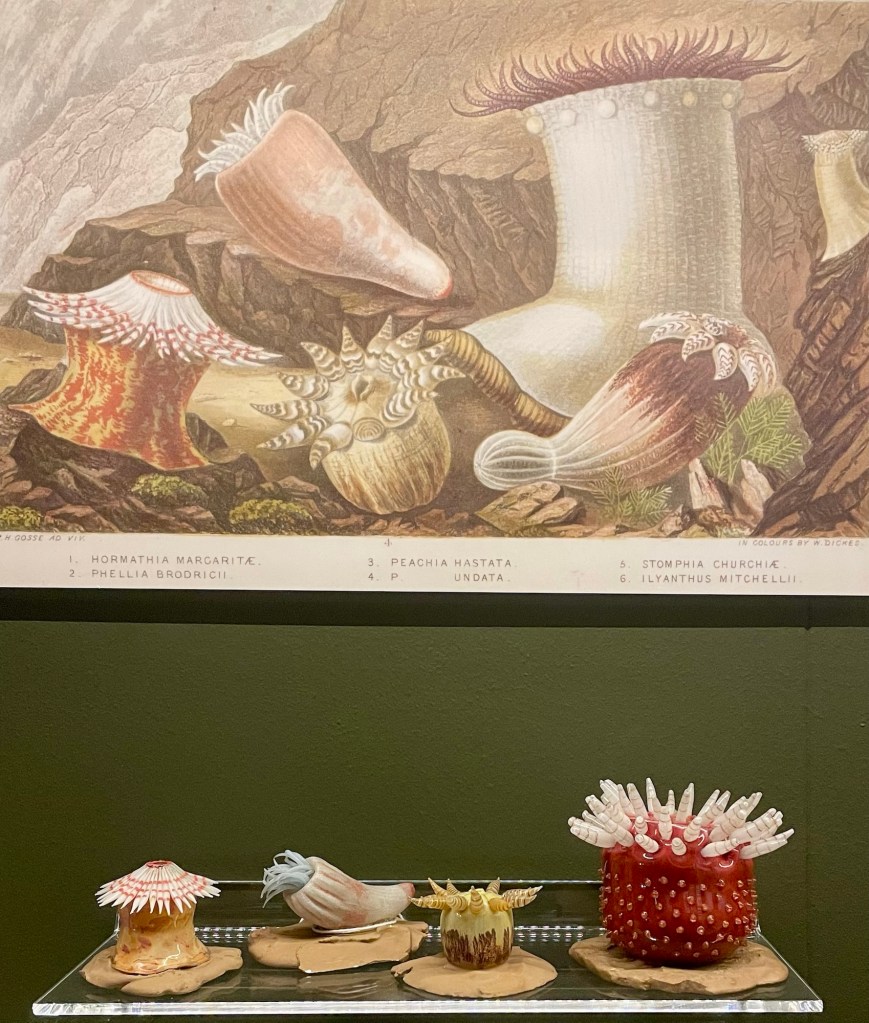
Note: Keep your eyes peeled when visiting other natural history museums as the Blaschkas’ sea creatures made their way into collections worldwide. I recently came across this tiny, yet amazing display at the University of Manchester’s Museum, showing a few items from their teaching collection alongside an illustration by the naturalist Phillip Gosse, the glass blower’s inspiration.
I found these on display at London’s Natural History Museum: