
George Washington was an early proponent of using waterways to connect the Eastern states with the new country’s interior, and in 1785 founded the Potowmack Company to improve the navigability of the Potomac River. The company built 5 skirting canals around the river’s major falls allowing for easier downstream navigability. After construction of the Erie canal in New York threatened to take business from DC, Maryland and Virginia, plans were formalized for a canal running the length of the river from Georgetown to the Ohio River, and in 1824 the holdings of the Patowmack Company were turned over to the Chesapeake and Ohio Company. In the end only the Eastern section was constructed from Georgetown to Cumberland, Maryland.
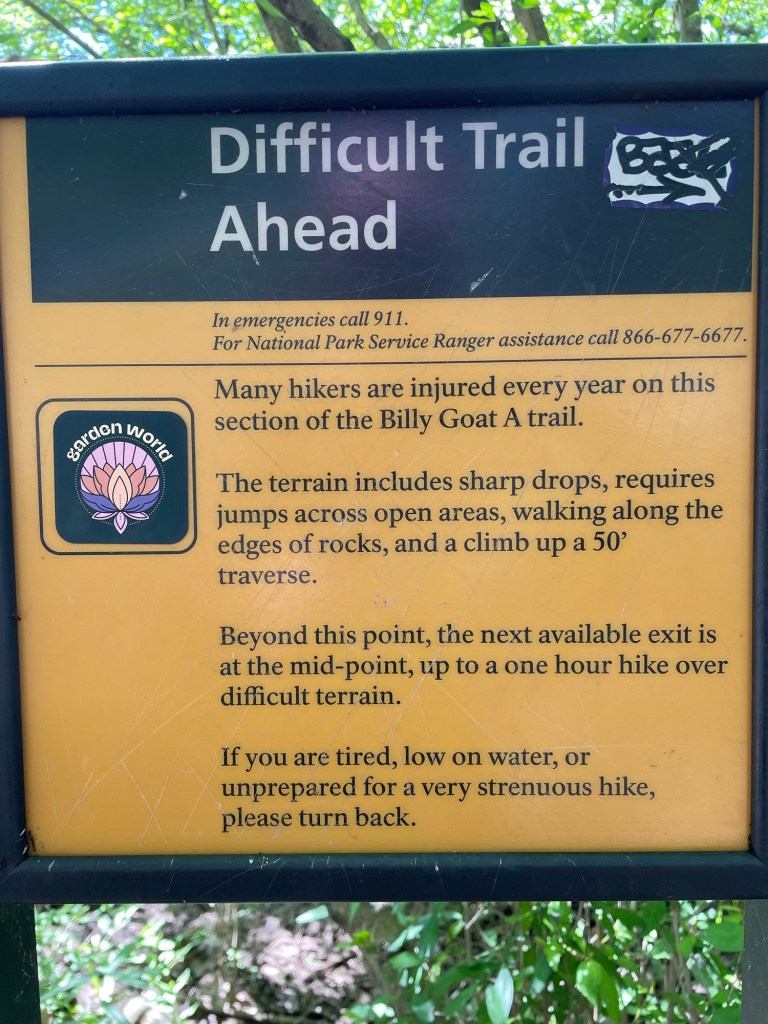
In use for almost 100 years, today the canal’s 184.5 miles of former towpath is a National Historical Park. One of the most fun places to explore is section A of the Billy Goat trail. Parking at the Great Falls Tavern Visitor Center (fee to enter the park at this entrance), you have a 1.7 mile hike/rock scramble before reuniting with the towpath back to the start point, passing locks, a feeder canal, wide-water, and other points of historic interest.
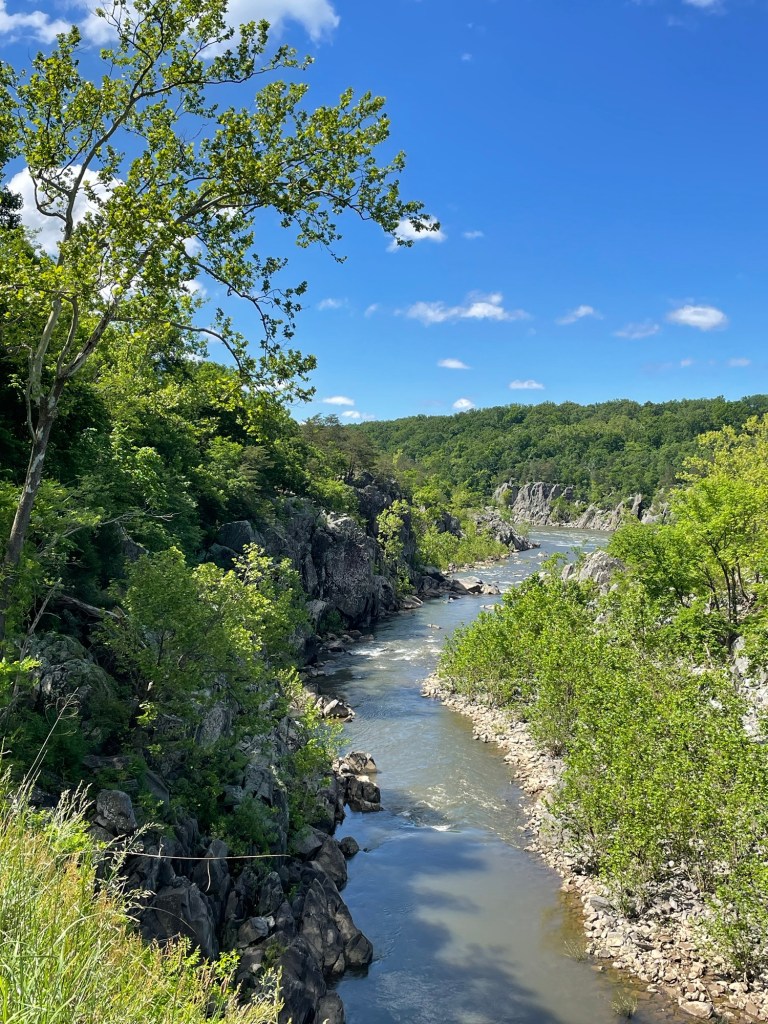
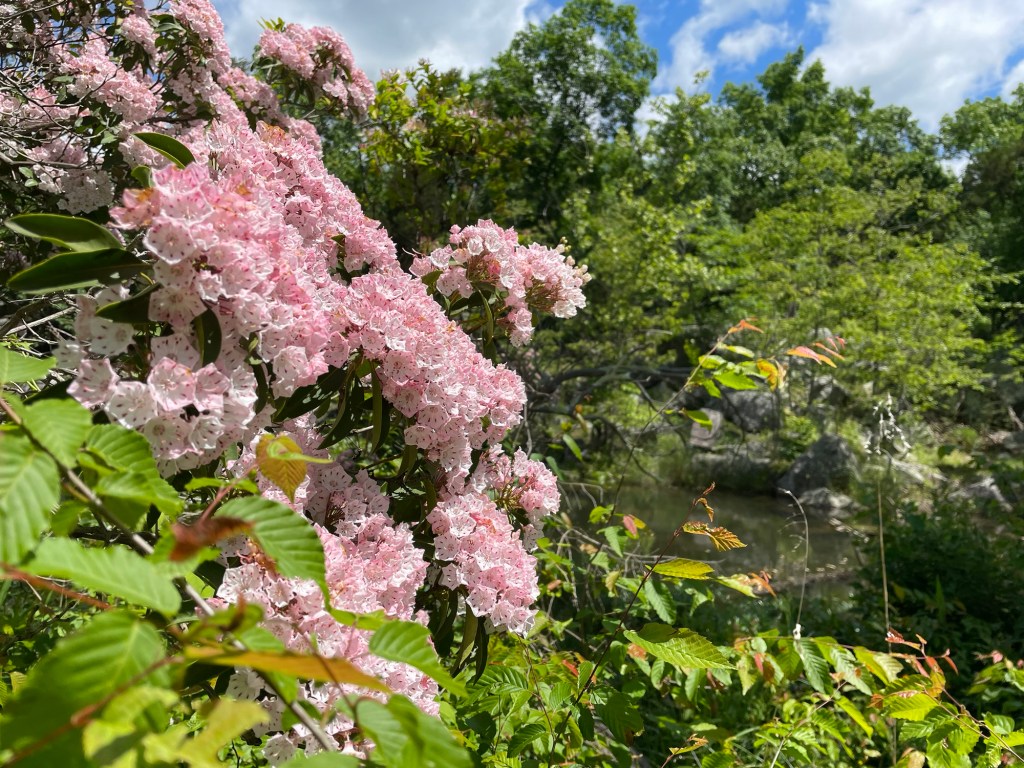
The Billy Goat trail offers fantastic views of the falls and river, with rock scrambling on the way.
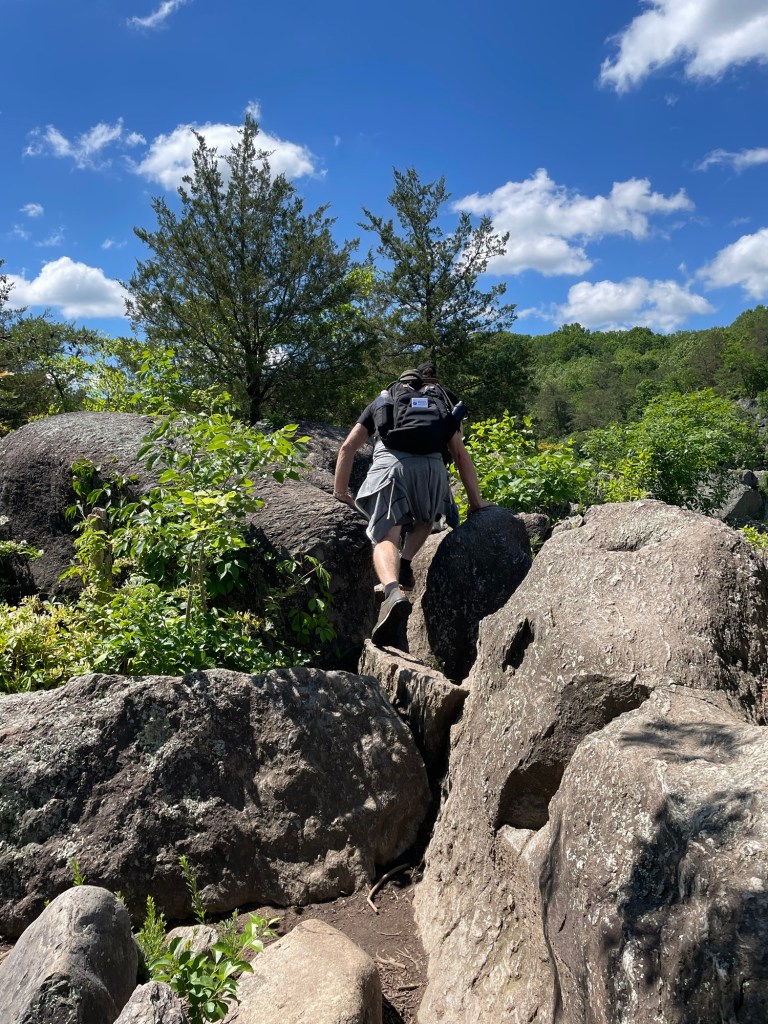

There’s lots of wildlife viewing along the trail and towpath:
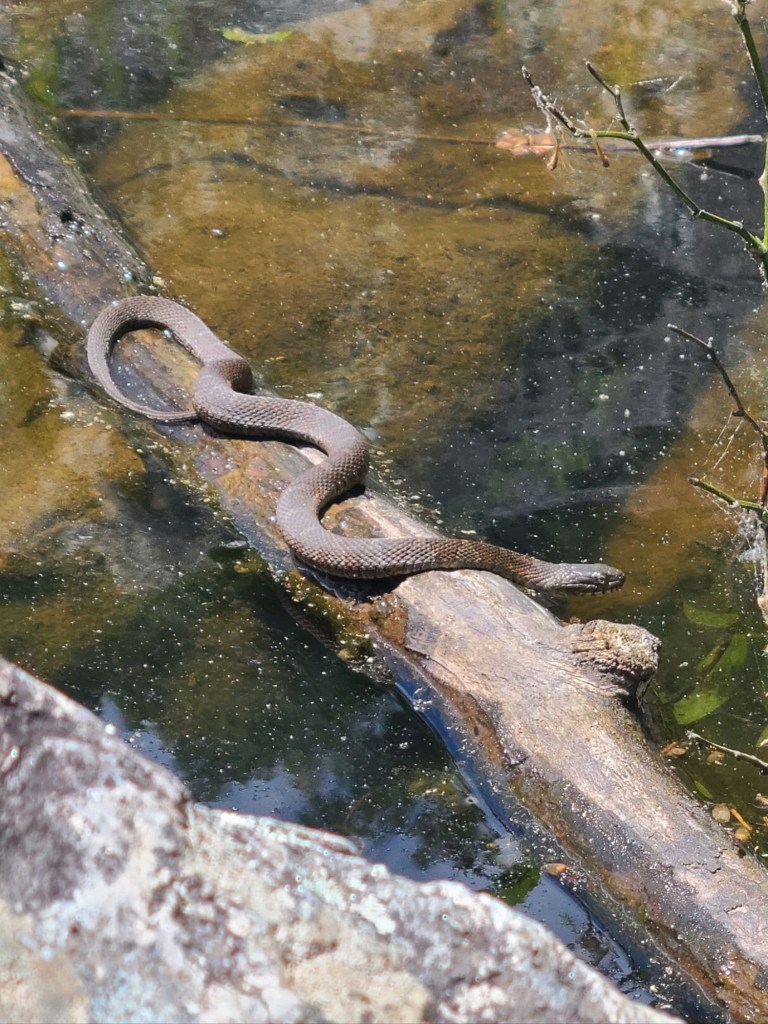
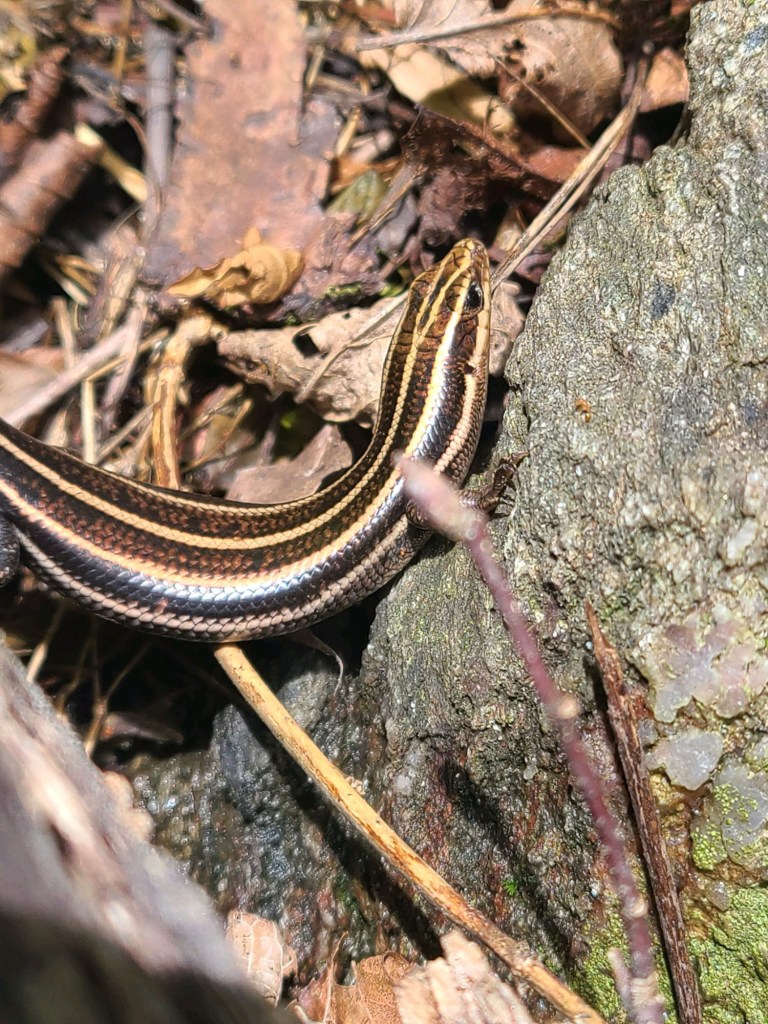

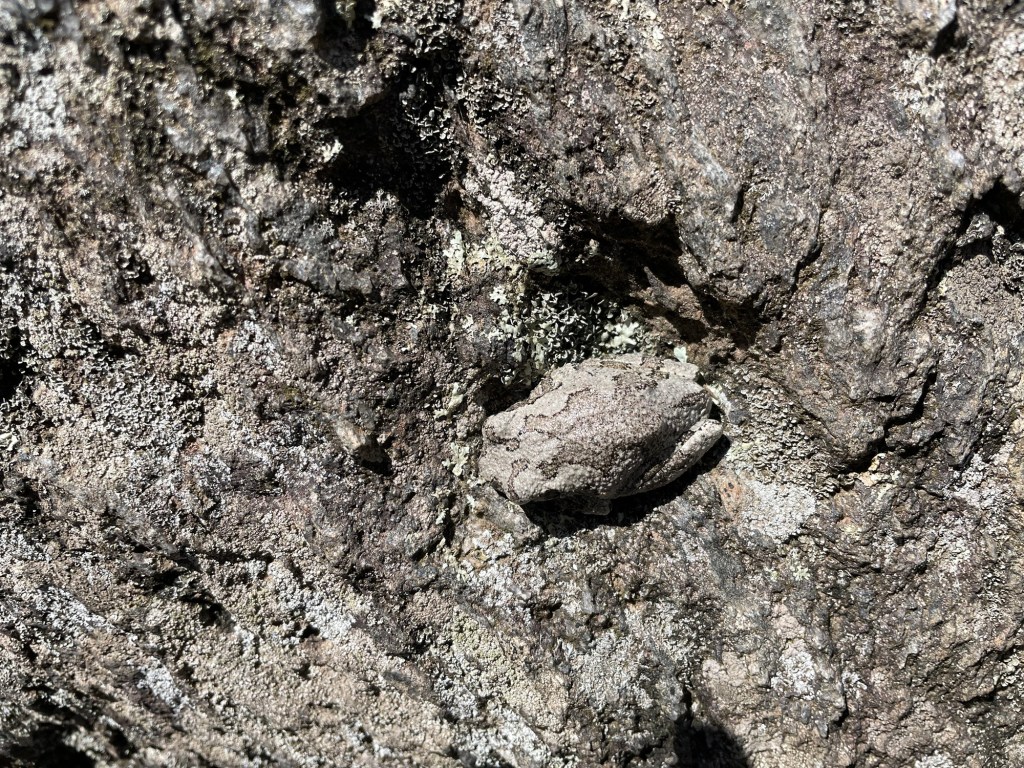
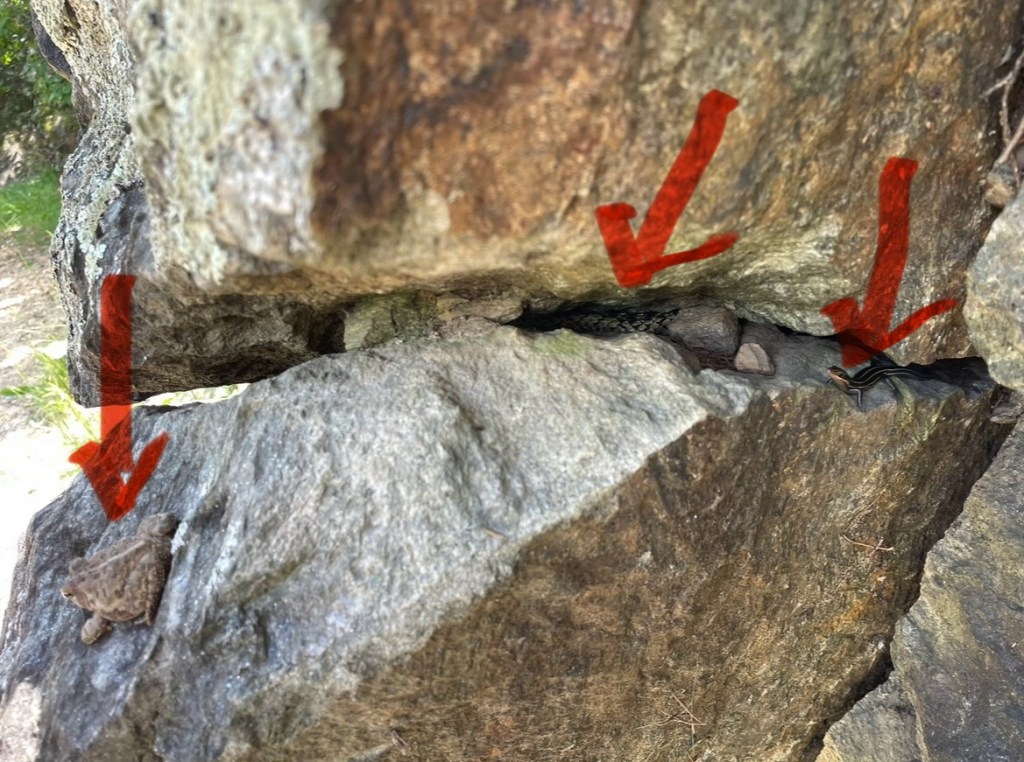
including a rock crevice being shared simultaneously by a snake, a skink and a toad.
Note: The trail gets very busy during peak season and is one-way only from north to south. It can be treacherous when wet or icy.
For another unique C&O canal experience, check out the Paw Paw tunnel near Cumberland, MD, one of the greatest engineering feats of its day.
 Secrets of Philadelphia
Or, get on your bicycle and pedal from Pittsburgh to Washington DC. It’s a great ride!
LikeLiked by 1 person
Agree! My dad did it years ago the opposite direction and loved the trip. A bit more of a time commitment, though.
LikeLike