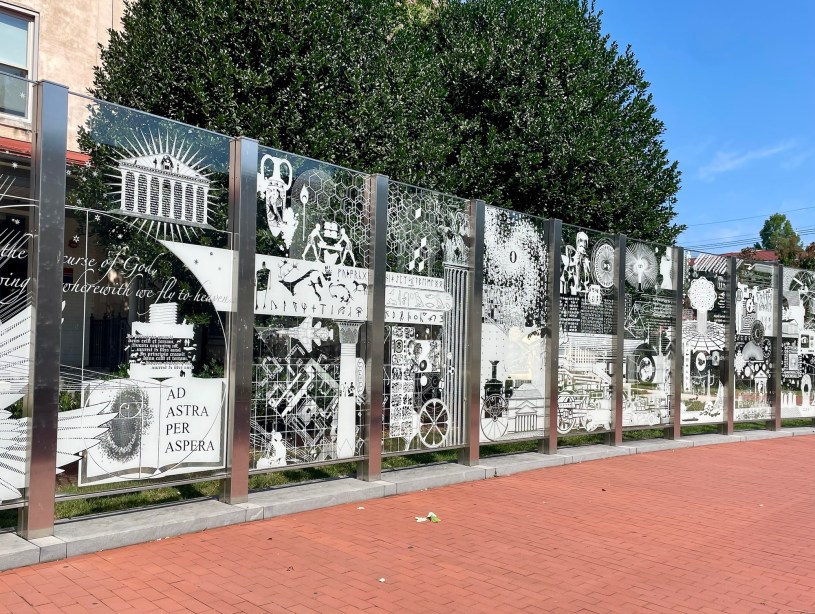
From colonial ferry to industrial hub to most dangerous city in America to expanding meds & eds, Camden has been an ever evolving city since its founding in the 1680’s. A walk down today’s Cooper Street brings many of those changes into focus. Built in 1765 as a main artery connecting South Jersey to Philadelphia via Cooper’s ferry, it remained a main artery until the first Philly to Camden bridge was built a few blocks away in 1926 (Walking the Ben Franklin Bridge). Today, it is a historic district lined with highlights of this history.

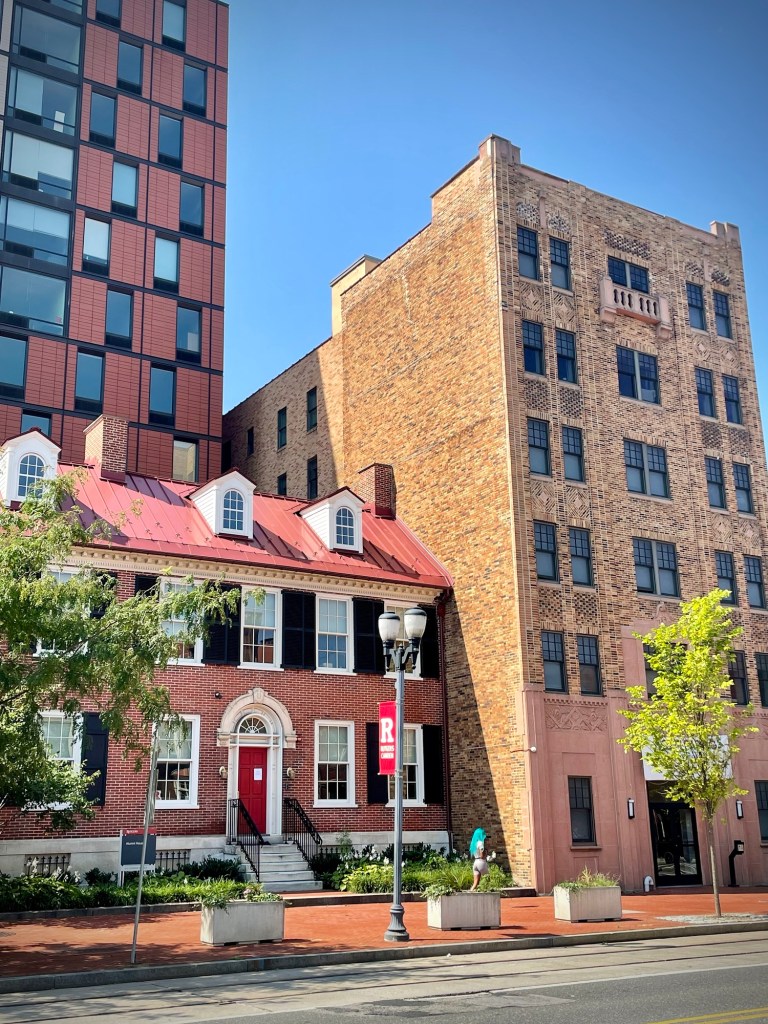
Originally a street of wealthy residential properties, the oldest building on the street today is the 1810 summer house Edward Smith, co-owner of a South Jersey iron foundry. This photo illustrates the age range of buildings along the street, from the early American Smith house, through art-deco, and contemporary.
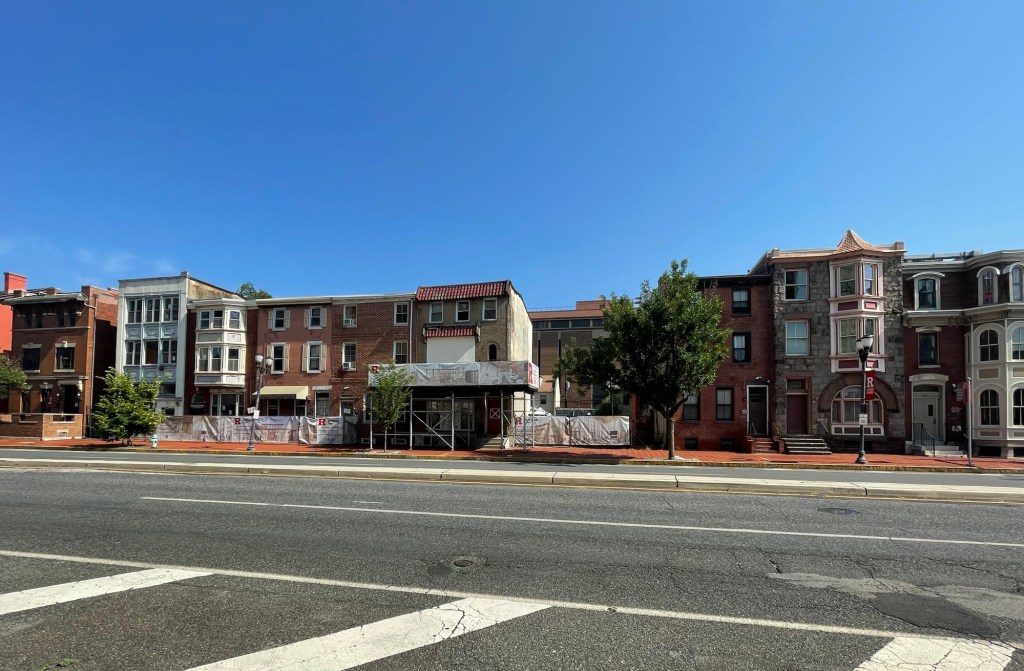
By the mid-19th century, the street was evolving, and the buildings became a mix of residential and commercial properties, including some beautiful architect- designed Victorian residences/offices.


Running along the back of these lots were rental properties that housed trades people, including shoemakers and carpenters, several of which are still standing.

This view from 1916 shows that many of these buildings survive today.

One of the largest commercial properties along the street was the Victor Talking Machine Corporation (which became RCA), and was built over the original ferry landing. By 1917 the company’s Camden factory was producing 500,000 Victrolas annually and had an in-house studio to record and produce records. Artists that recorded here included Frank Sinatra, Woodie Guthrie, and Elvis Presley. Several of the original buildings still stand, including the main headquarters and a factory that has been converted into apartments.


In 1918, the company built this building to house a cultural center for its employees. They surrounded it with a community park, wading pool, Peter Pan sculpture, and beautiful Trenton-made tiles of nursery rhymes (Trenton Makes/The World Takes).

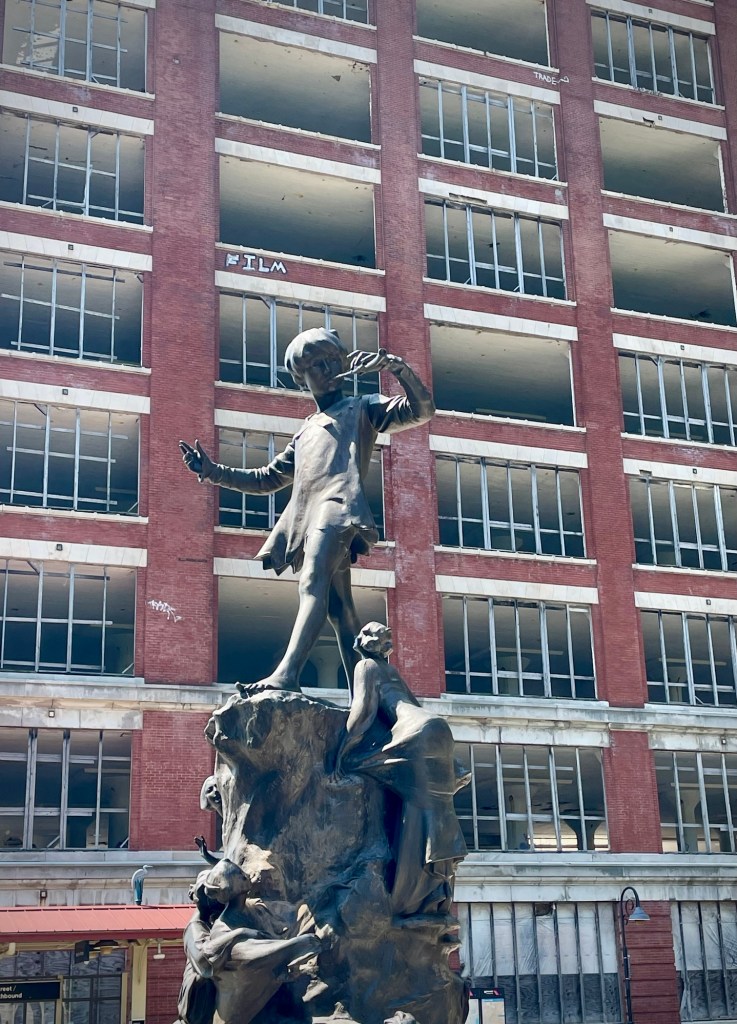
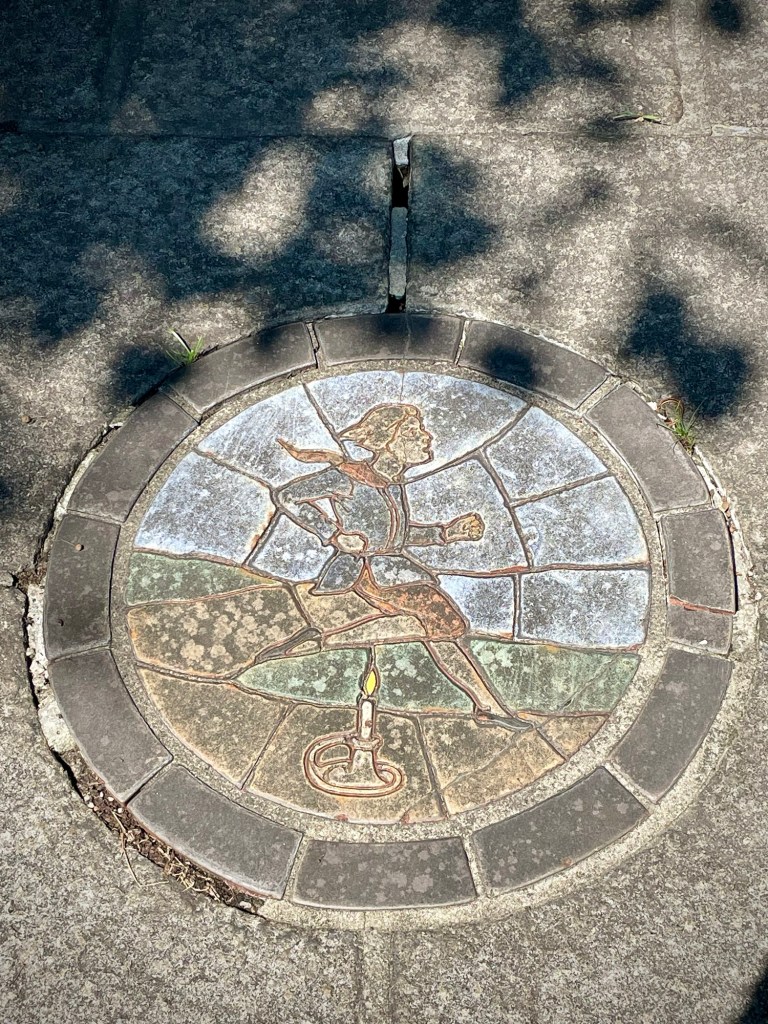
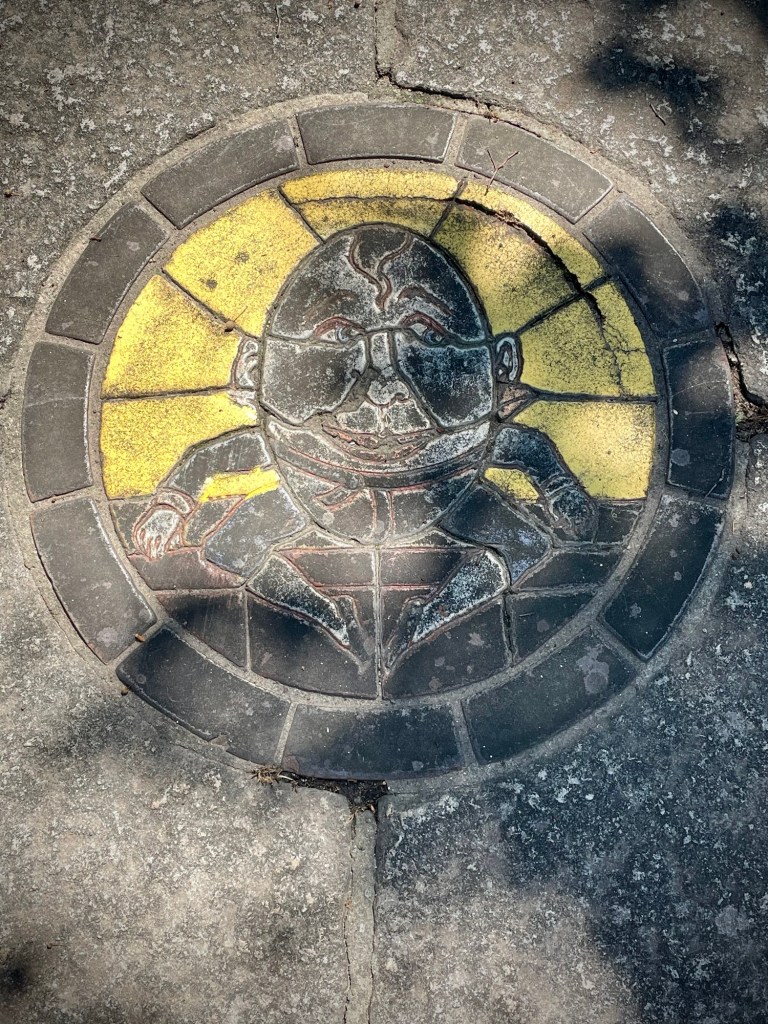


It later became a branch the public library, and today, like many of the properties on the street, is owned by Rutgers University, another illustration of Cooper Streets’s evolution.
After the building of the bridge to Philadelphia in 1926, traffic began to bypass the street and the area fell into decline. A push for urban renewal in 1940’s led to Rutgers University establishing a campus here, and today much of the area is part of its growing campus. While many of the older structures have been demolished to make way for the campus, there is a push to incorporate the still existing structures into the expanding campus. Cooper Hospital also has a big presence in the area, and the meds and eds are now Camden’s largest employers.
To learn more about the region visit the Camden County Historical Society, which houses exhibits spanning the area’s history, from remnants of a Revolution-era chevaux-de-frise used to try to prevent the British from bringing ships up the Delaware, to objects from Camden’s manufacturing history, such as Campbell’s soup cans and an original Victor stained glass window.
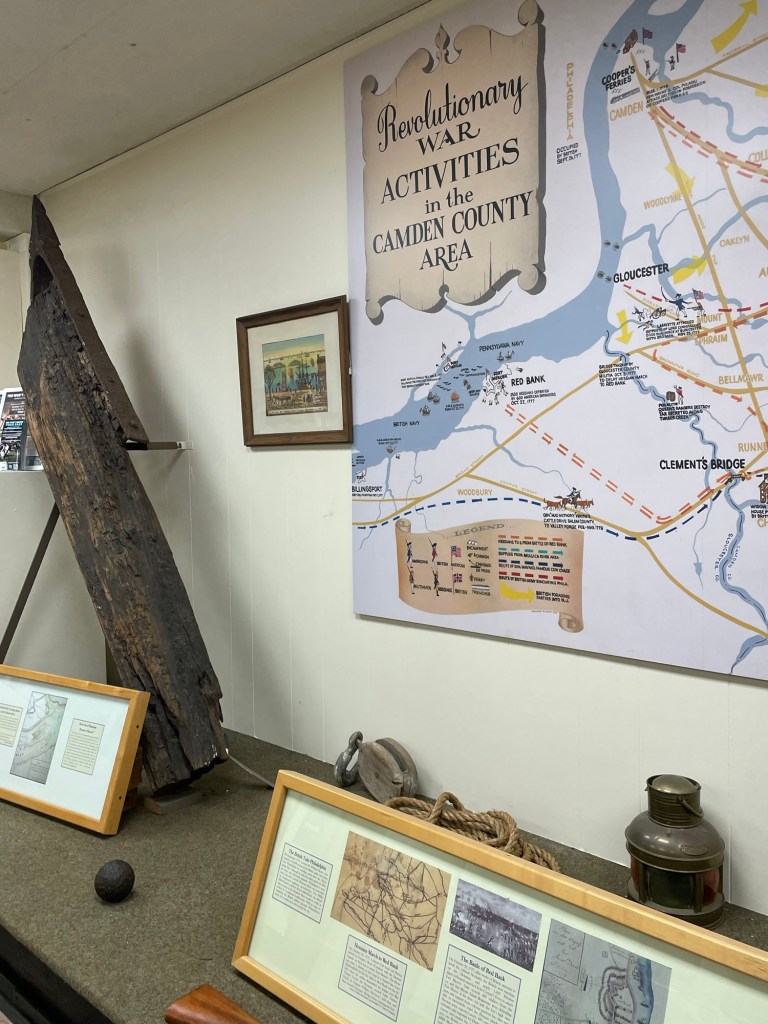


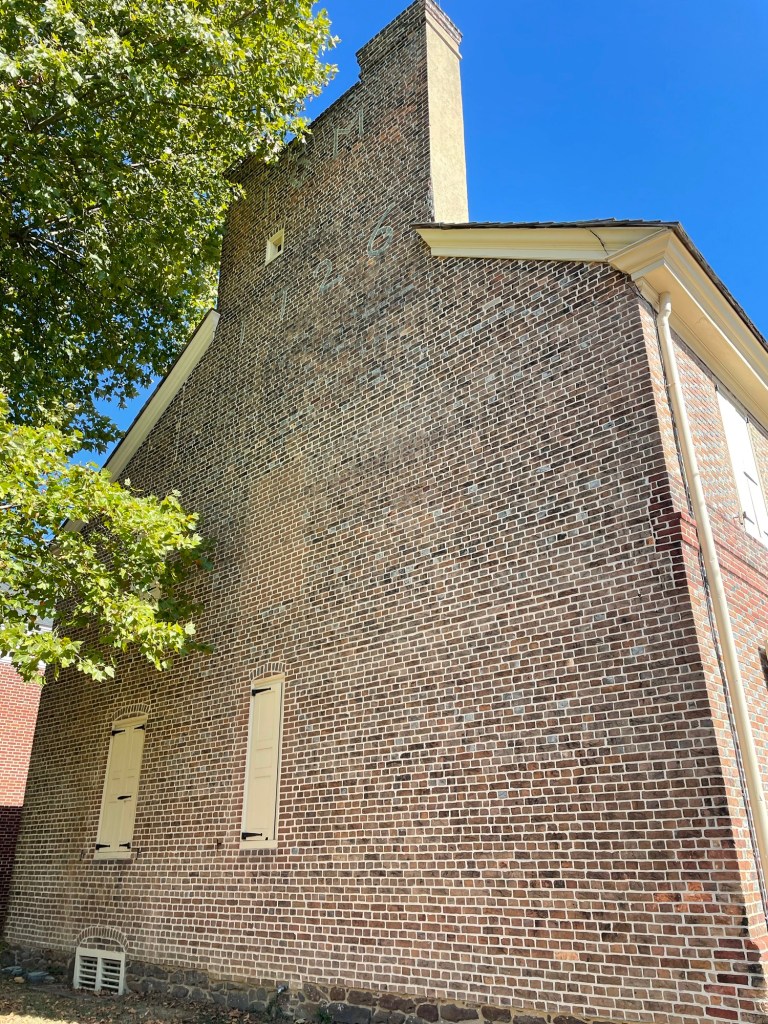
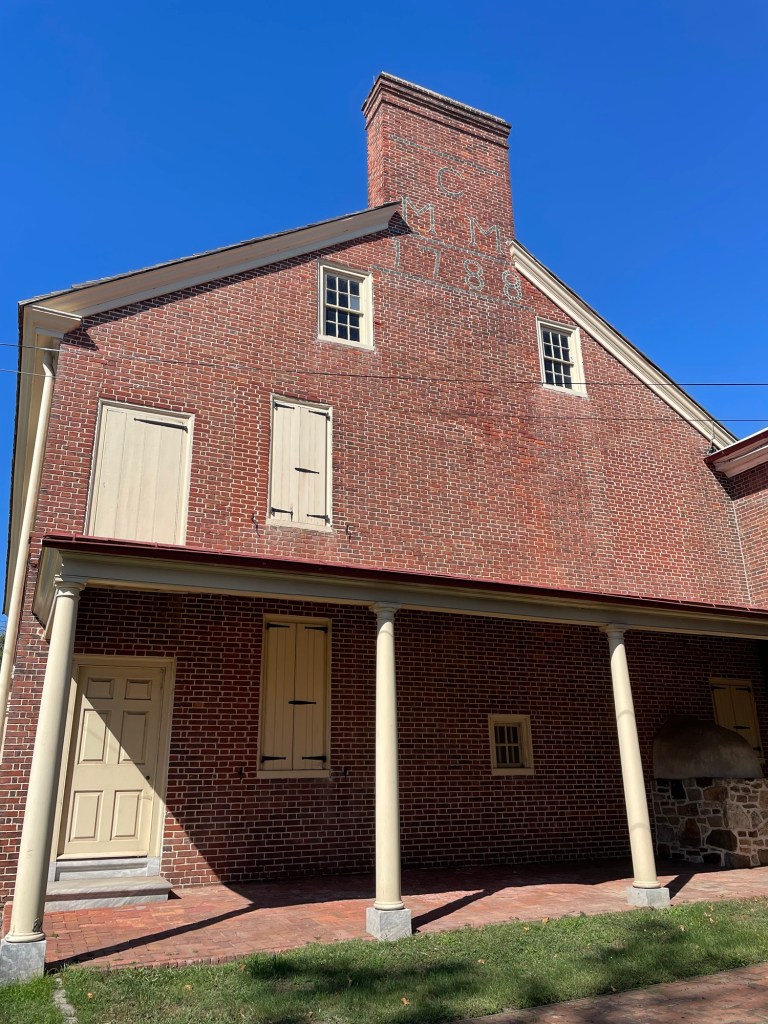
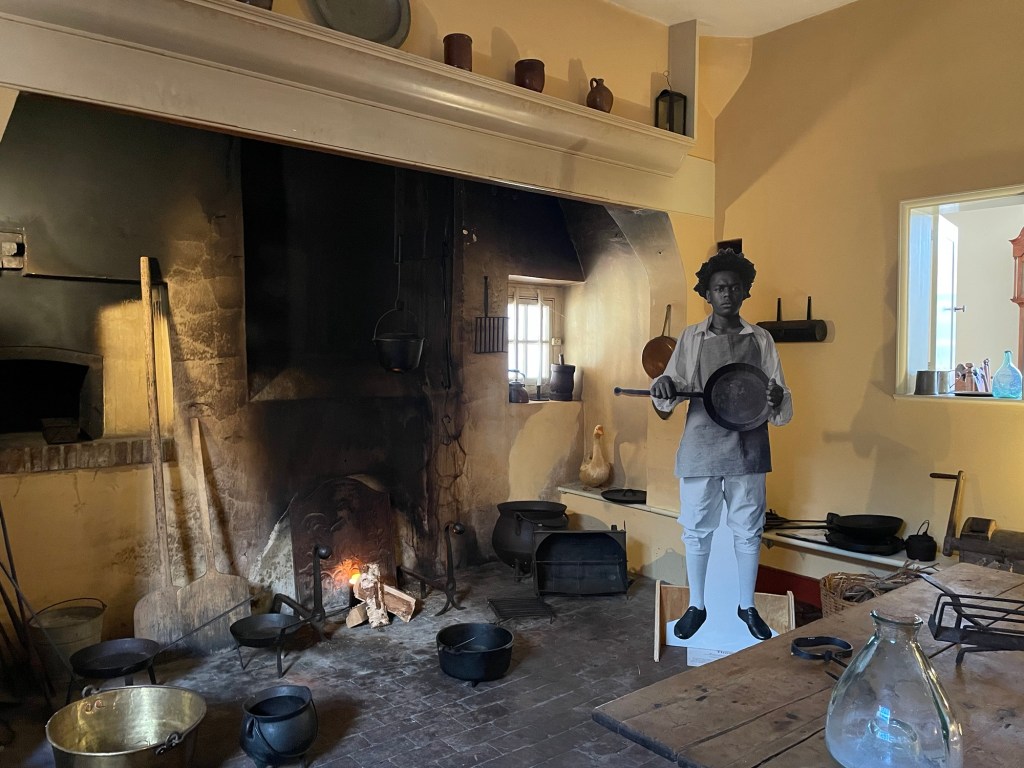
The historic society also owns the adjacent Pamona Hall, originally built by Joseph Cooper Jr, grandson of the original owner of Cooper’s Ferry. The house dates back to 1726, with a large 1788 addition. Visitors can tour the inside, with its original open hearth kitchen. Free!
Although Cooper’s Ferry is long gone, summer visitors can once again enjoy a summer boat ride across the river on the Riverlink ferry between Camden and Philadelphia. https://www.riverlinkferry.com/
 Secrets of Philadelphia