Inspiration for this post came from a tiny detail in this photo of the Center Square pump-house from the Atwater Kent collection (on display in an exhibit at PAFA in 2025). Unfortunately, the collection is homeless since the closing of the Philadelphia History Museum, and now lives in the archives of Drexel University.

Look close to see this tiny fountain out front:

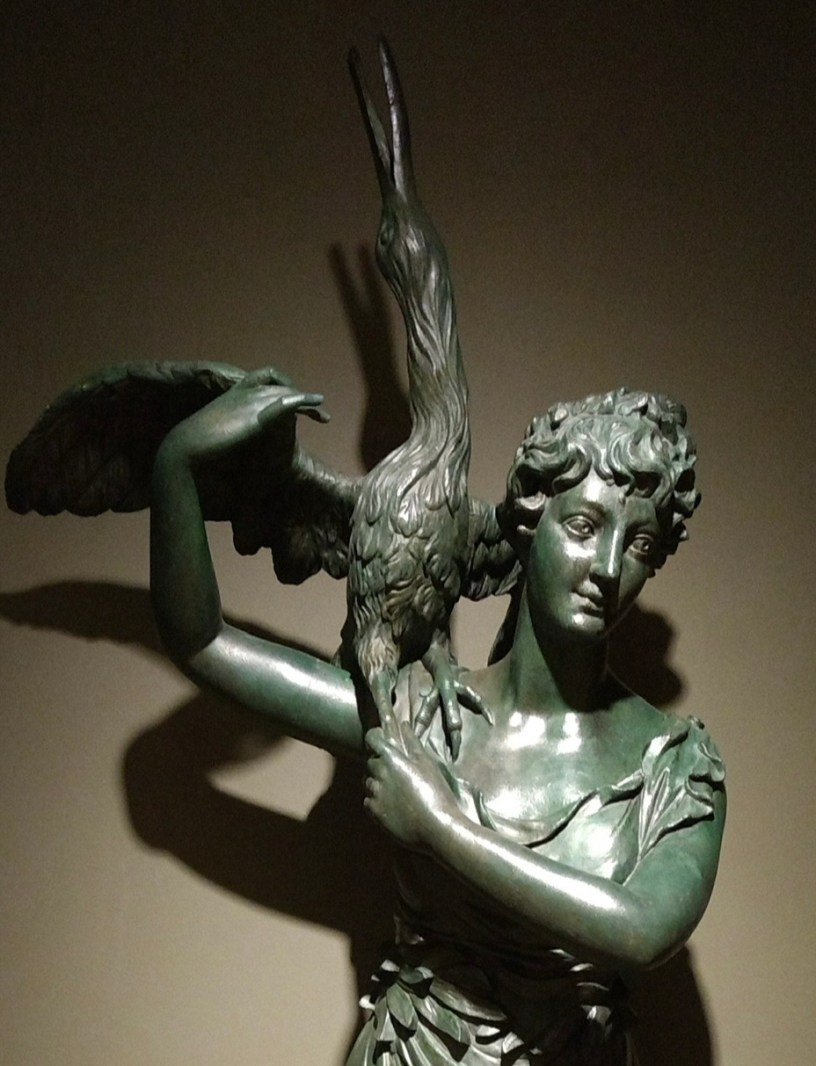
This is William Rush’s 1809 “Water Nymph and Bittern.” Rush is considered America’s first homegrown sculptor, and was a Philly guy. He was born here in 1756, died here in 1833, and is buried in Woodlands Cemetery (Botany in Early Philadelphia (pt. 2): Woodlands – America’s First Neoclassical Mansion and a Victorian Cemetery).
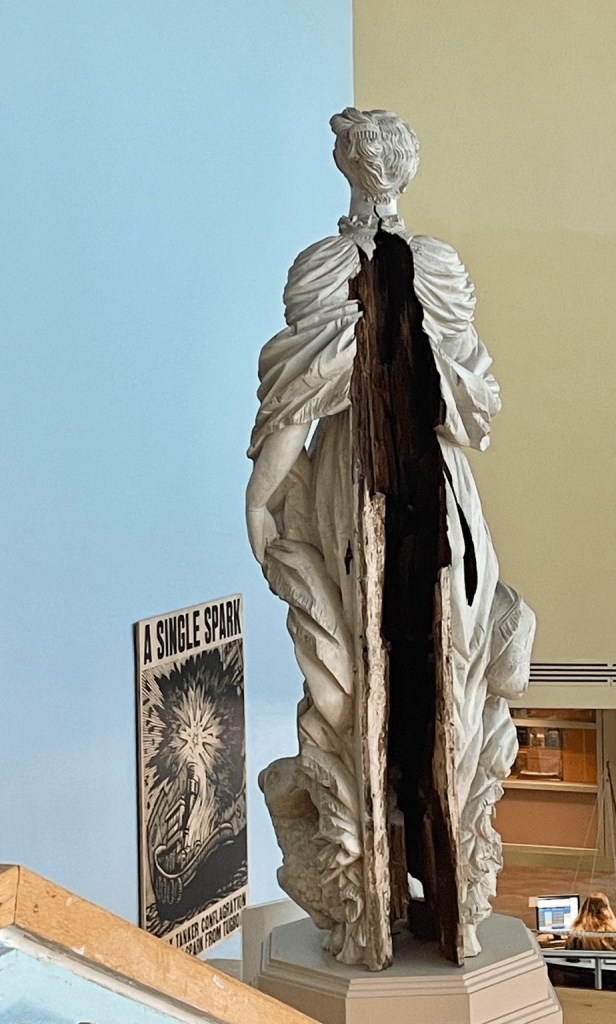
Rush began his career as a woodcarver, primarily working on ships’ figureheads. One of the few still remaining can be seen at the Independence Seaport Museum:

After a stint as an officer in the Revolutionary War, he opened his own woodcarving shop, and the results can be seen all over town, from the Masonic Lodge, Library Company, and Philosophical Society to George Washington at the Portrait Gallery in Independence National Park:

and the Philadelphia Museum of Art, which has several pieces, including this eagle:

When the Central Square pump-house shut down and the city’s pumping station moved to the Fairmount Waterworks (Philadelphia’s Waterworks: A Free Museum And Secret Garden), the Rush carving went along. Over time the wooden carving deteriorated, but was cast in bronze and reinstalled. After the waterworks closed, it was removed in 1937 and put in storage.

In 2017, the sculpture was re-cast and re-installed in its original location where it is overlooked by two other Rush carvings, “Schuylkill Free” and “Schuylkill Chained.”
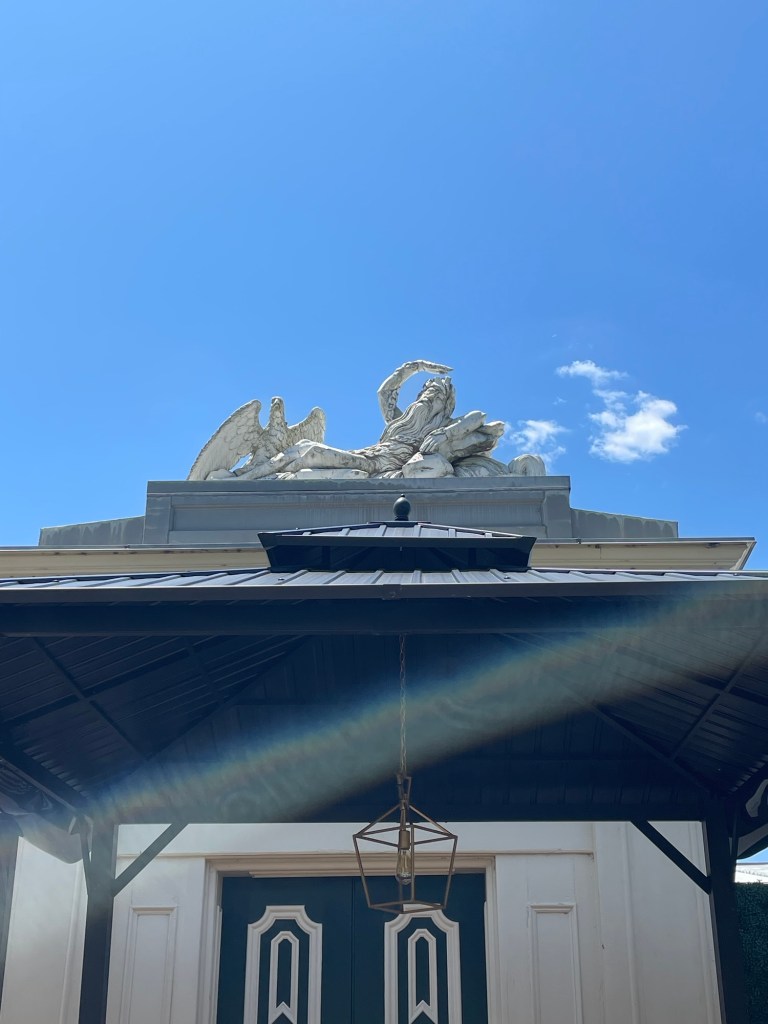
In addition to his woodcarving business, Rush helped to found the Pennsylvania Academy of Fine Arts (Pennsylvania Academy of Fine Arts: American Art & Victorian Splendor), where he taught. Several of his carvings are still in their collection.

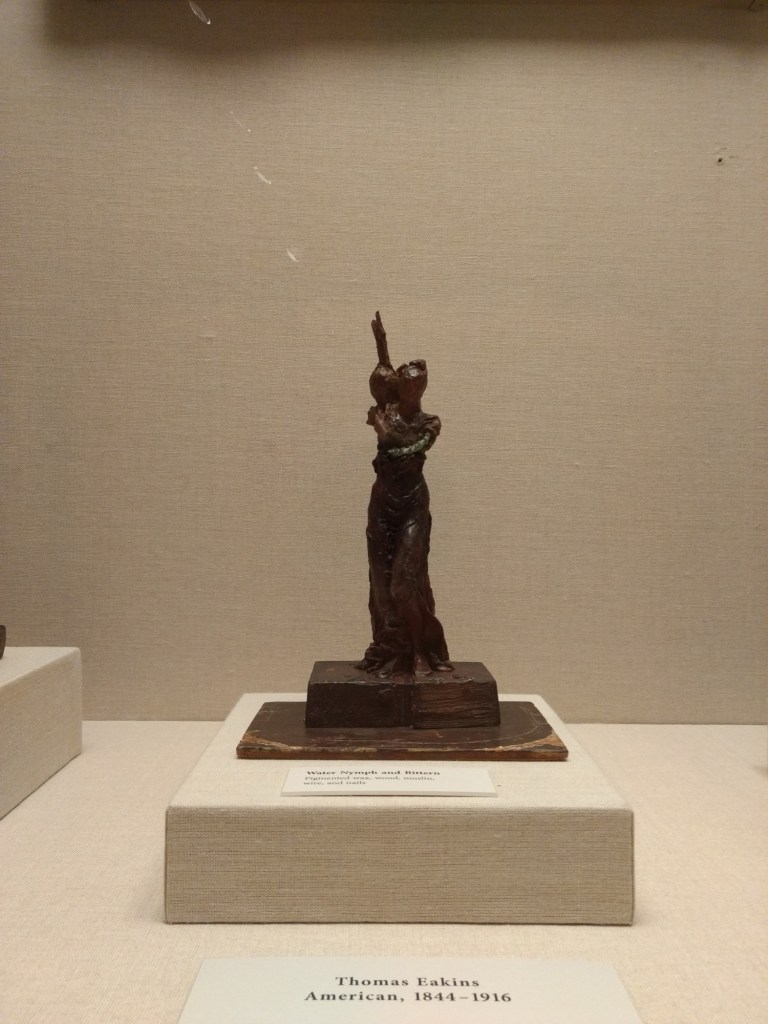
Rush had an impact on another famous Philly artist, Thomas Eakins, who painted several versions of Rush carving “Water Nymph and Bittern.” One lives in the Philadelphia Museum of Art’s extensive Eakins collection along with several wax models Eakins created in preparation for the painting.

 Secrets of Philadelphia