Always on the lookout for connections between Philly and the rest of the world!
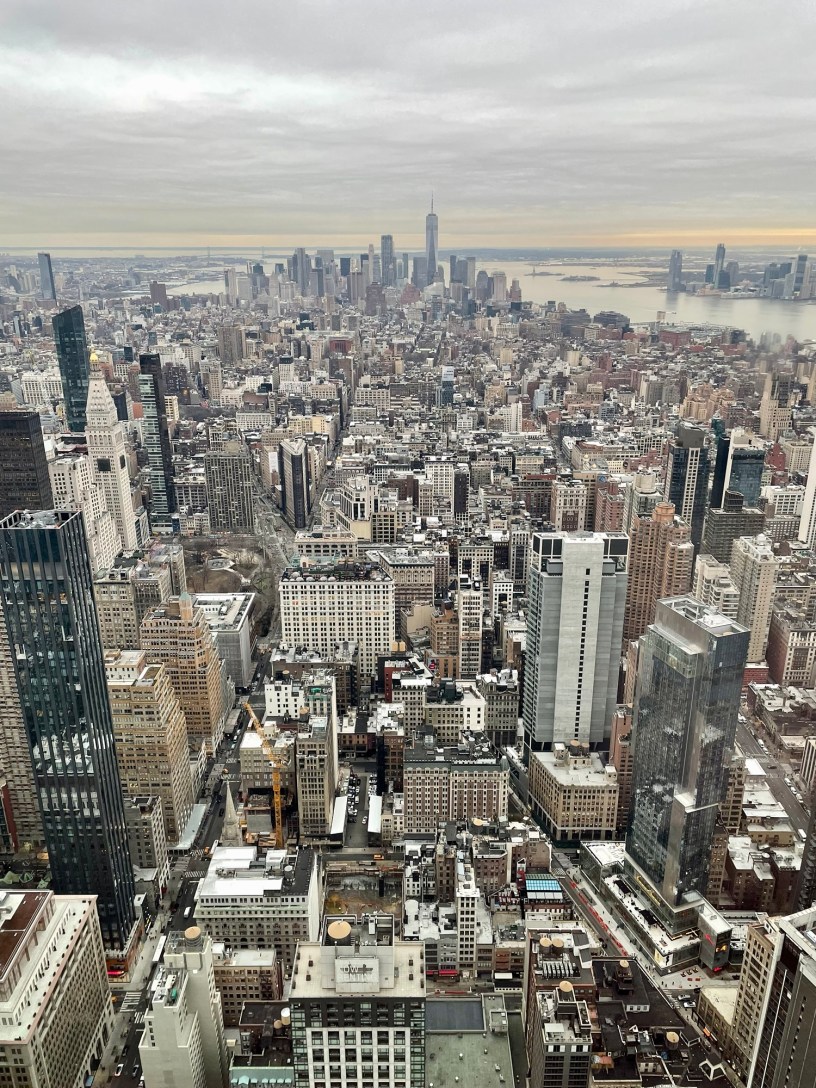
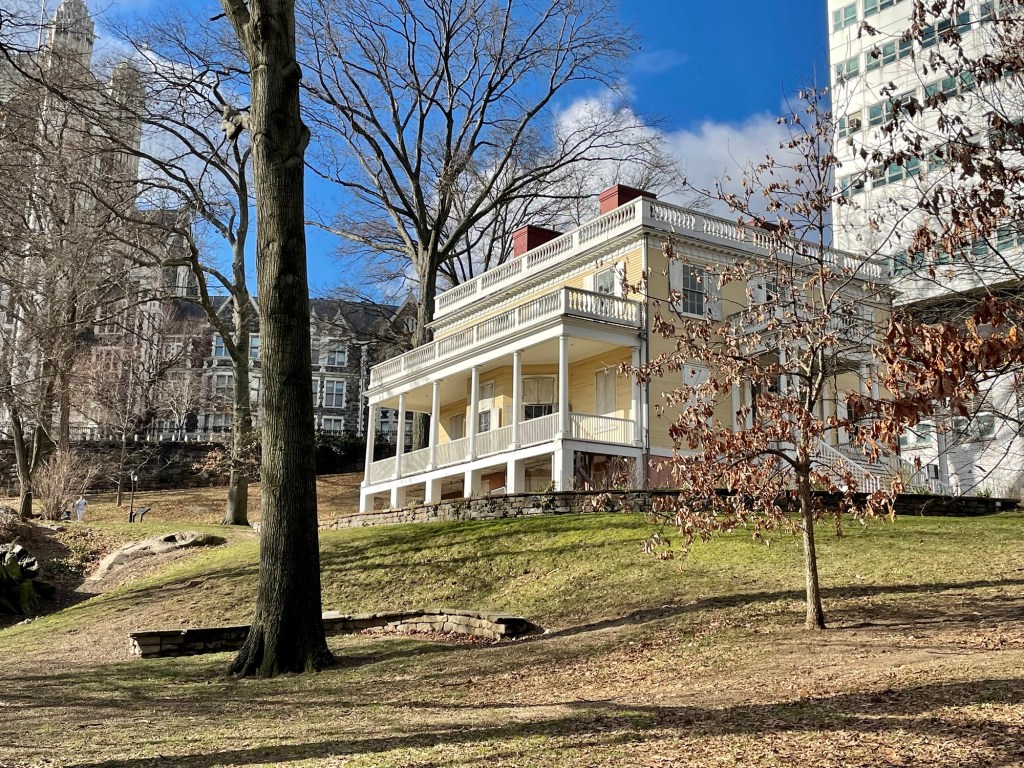
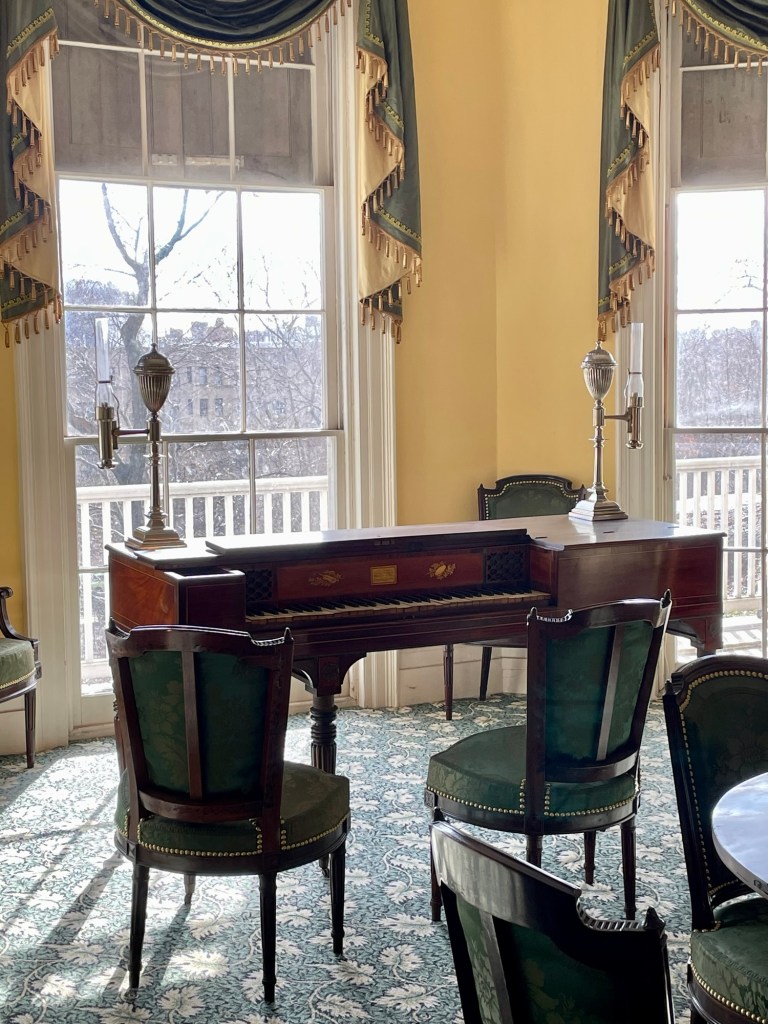
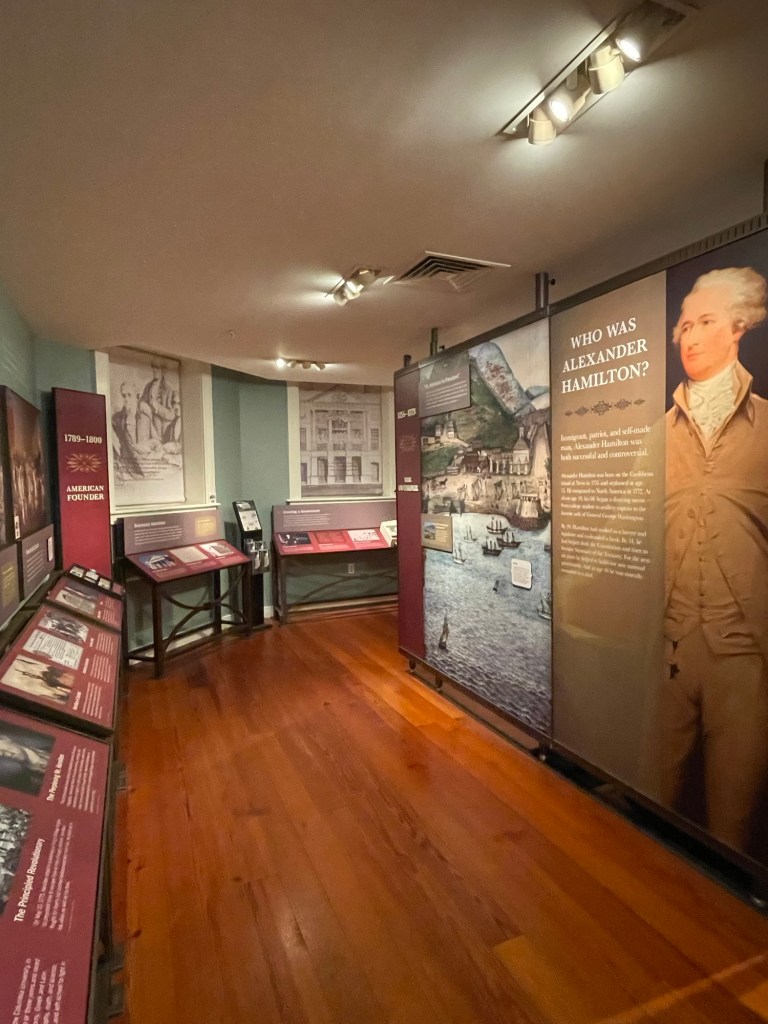
Although many of Alexander Hamilton’s accomplishments happened in Philadelphia (Alexander Hamilton’s Rise and Fall in Philadelphia), he was a New Yorker at heart. Except for his early years in the Caribbean and his time with the government in Philadelphia, this was his city. First up… Hamilton Grange, the only known home that Hamilton actually owned. He only lived here for the last 2 years of his life (1802-04), but Eliza lived here much longer. Now run by the National Park Service, the house has been moved twice, but is still on what was Hamilton’s property. Tours take place on the first floor with a few original Hamilton items (books, a piano), and a small museum in the basement.
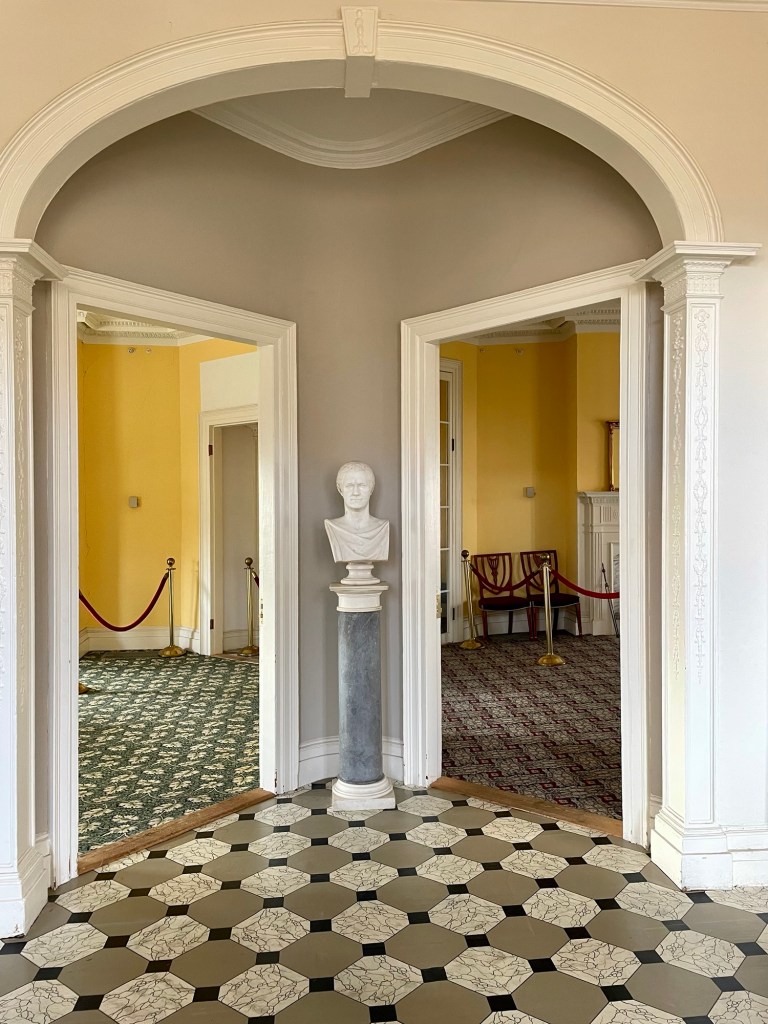
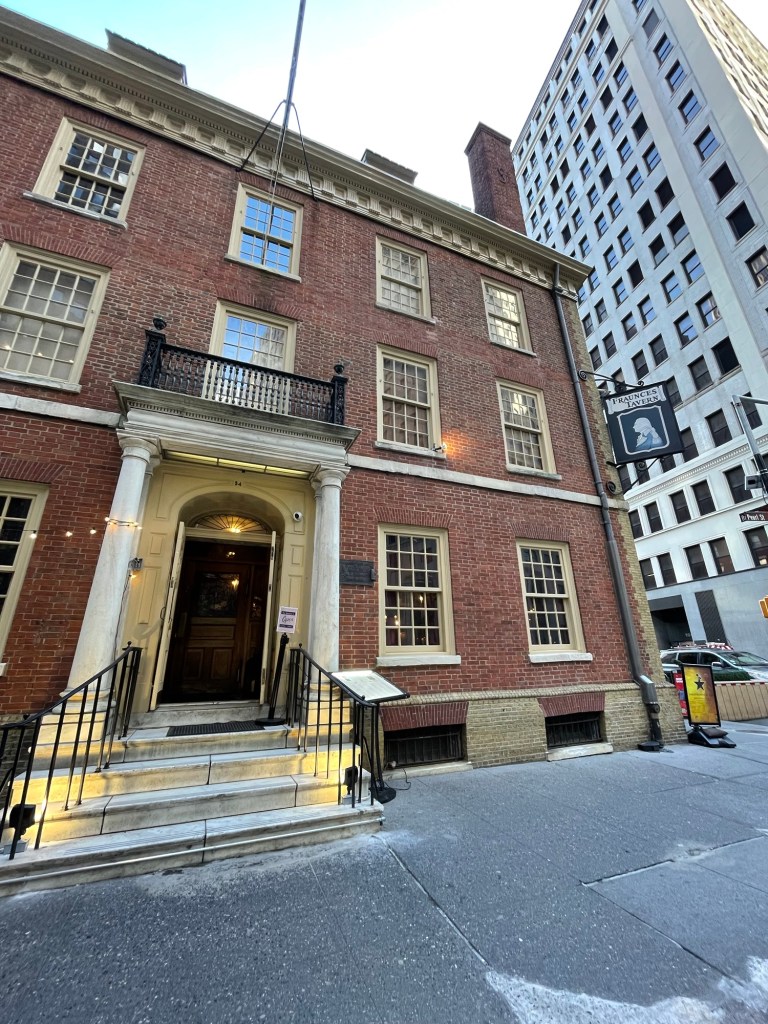
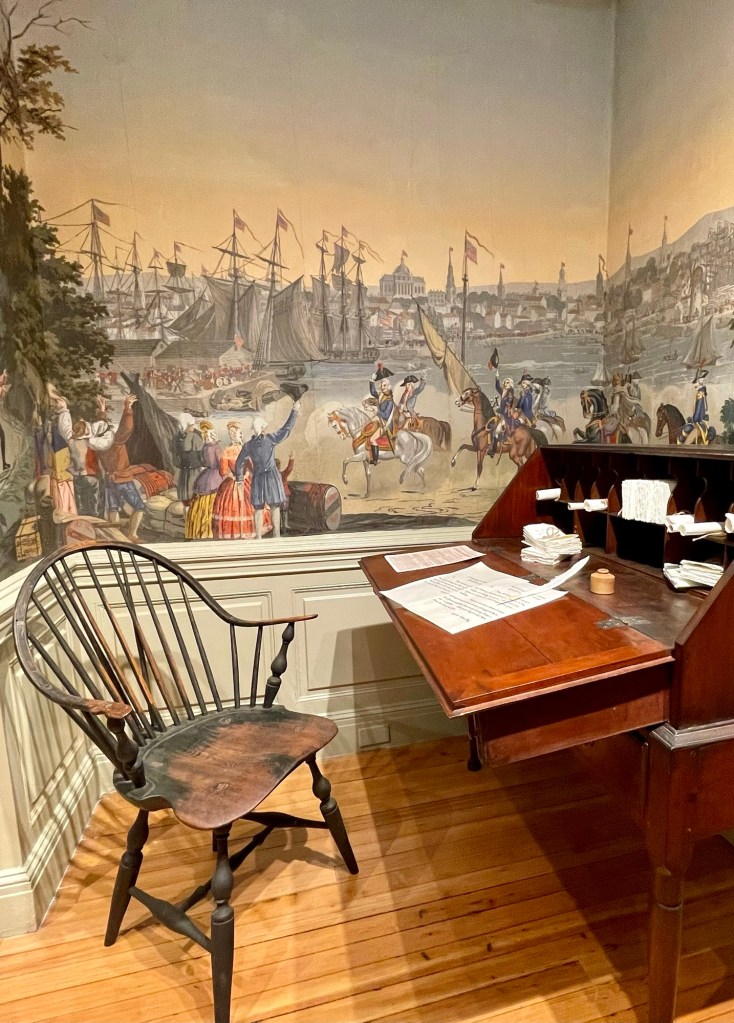
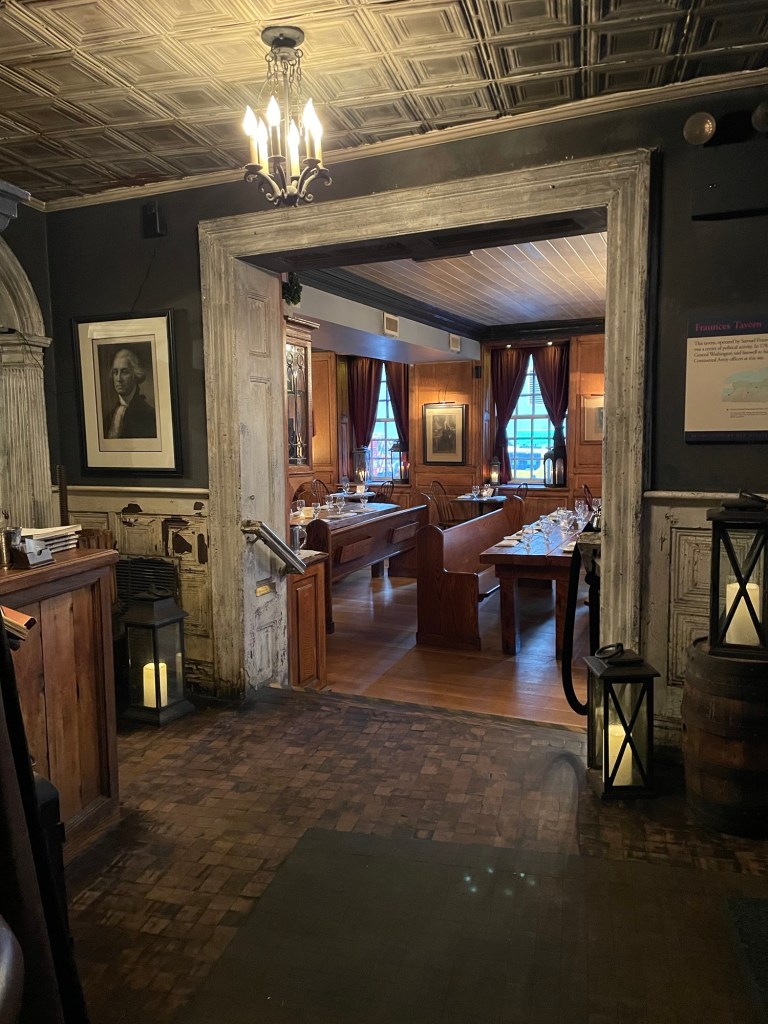
Another site in NYC related to Hamilton and the early republic is the Fraunces Tavern. Although much renovated over the years, it is back to the way it looked when Hamilton and Burr met here a week before their duel. Rooms in the upstairs museum recreate with period antiques (and smells!) both the room where George Washington gave his farewell speech to his officers at the end of the war, and the office of the Departments of War and Foreign Affairs that were housed here when NY was the nation’s first capital. Dining is still available downstairs.

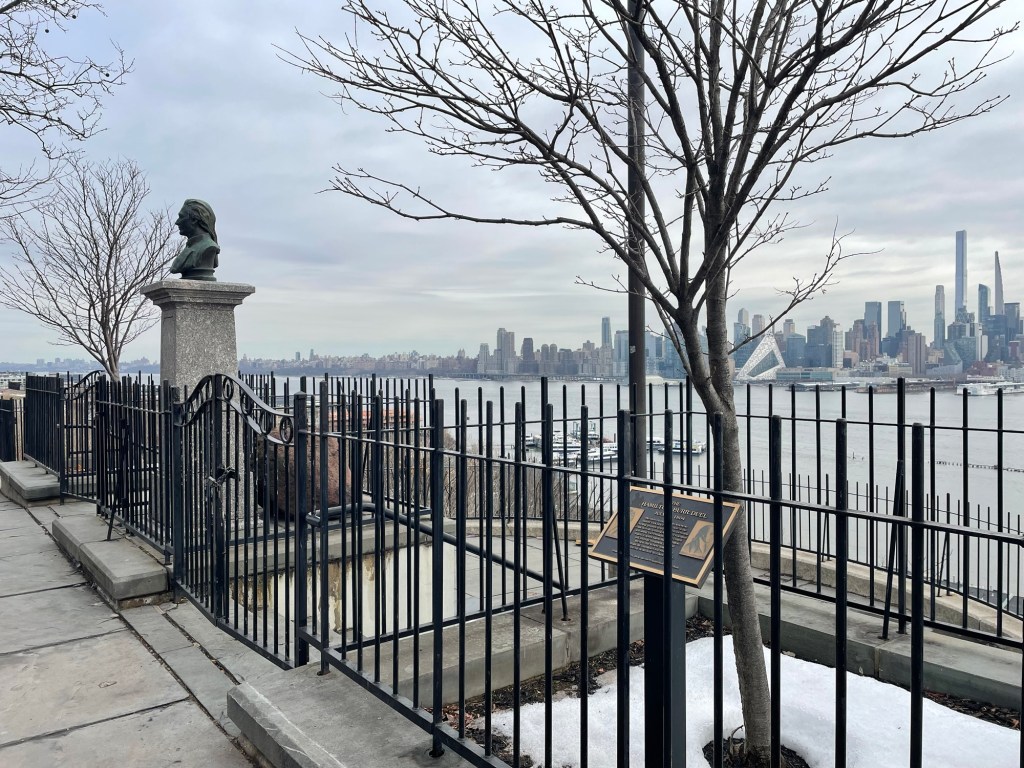
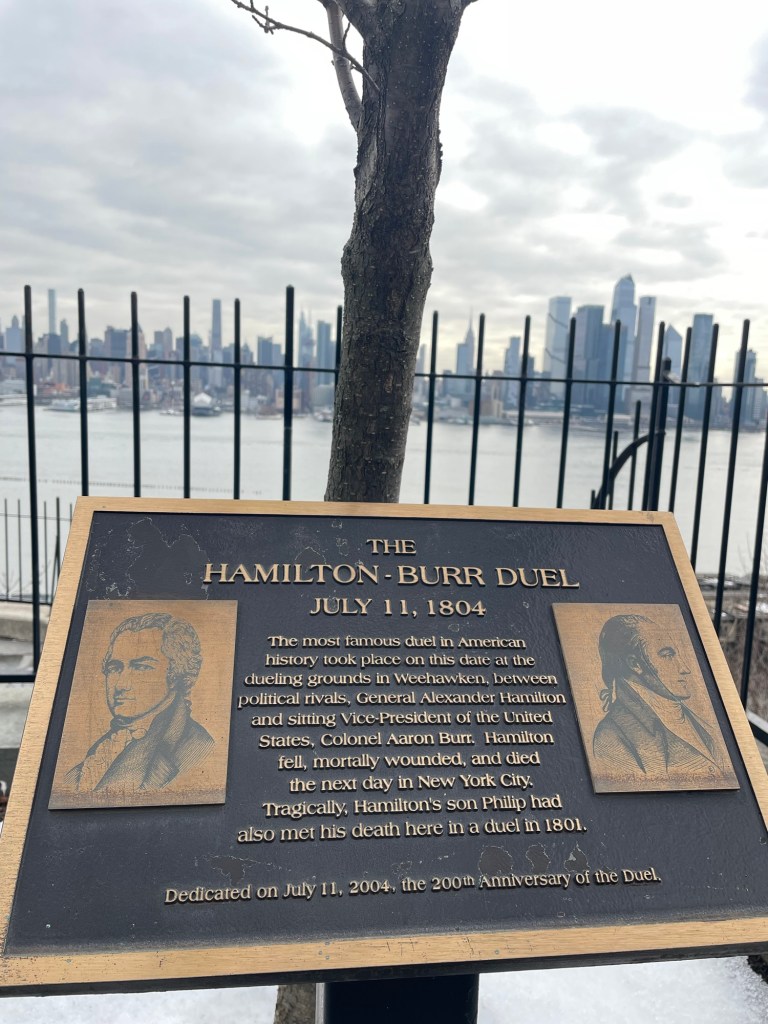
Once accessible only by boat, across the Hudson River in New Jersey is the site of the Weehawken dueling grounds where Hamilton met Burr for their infamous 1804 duel, the culmination of a decades long feud. This was a popular spot for dueling because although it was remote, it was a quick boat ride from the city. An unlucky spot for the Hamilton family, it’s where Hamilton’s son had been killed in a duel three years earlier. Sadly, the original site no longer exists, having been covered by industrial development, but it was located just below the cliffs where the monument now stands. Behind the bust of Hamilton is a boulder that legend claims Hamilton rested on after being shot. Today, it’s located near the entrance to the Lincoln Tunnel.
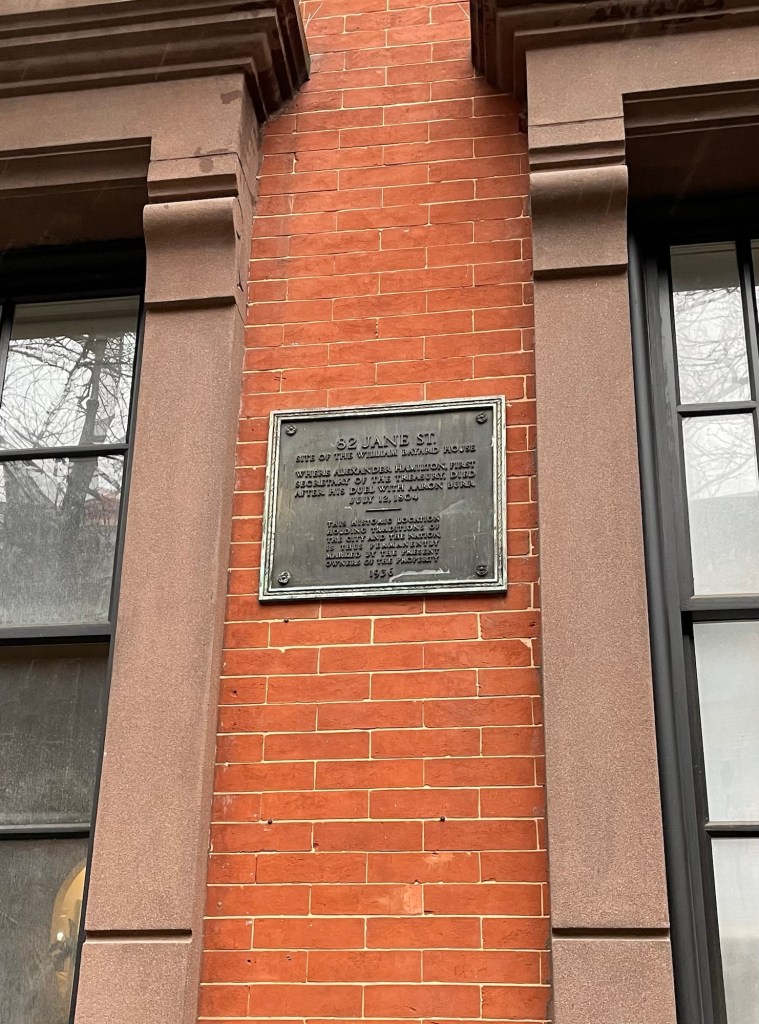
This plaque at 82 Jane Street marks the location of the house where Hamilton died after his duel (Although the house was actually between present-day Horatio and Gansevoort Streets).
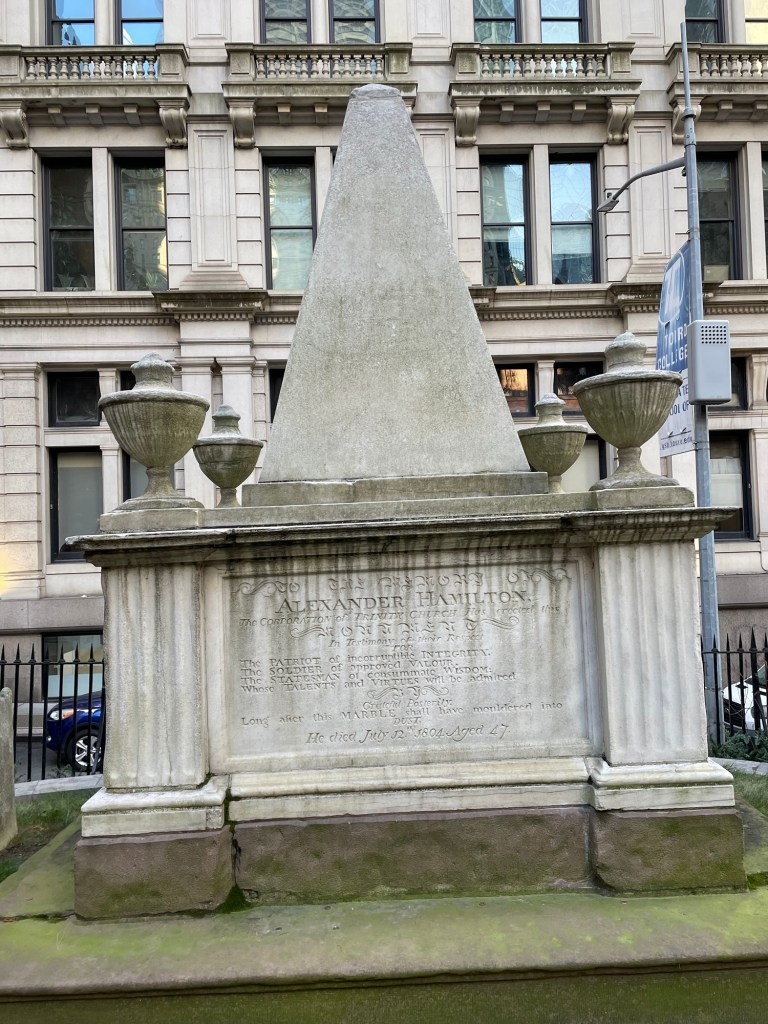
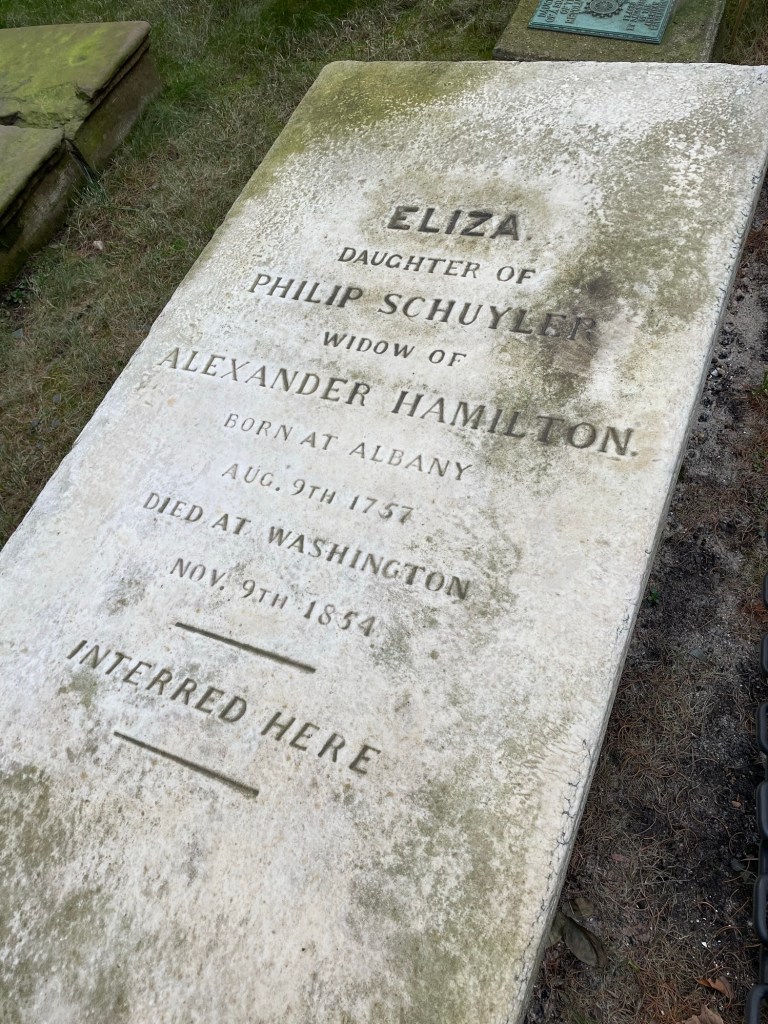
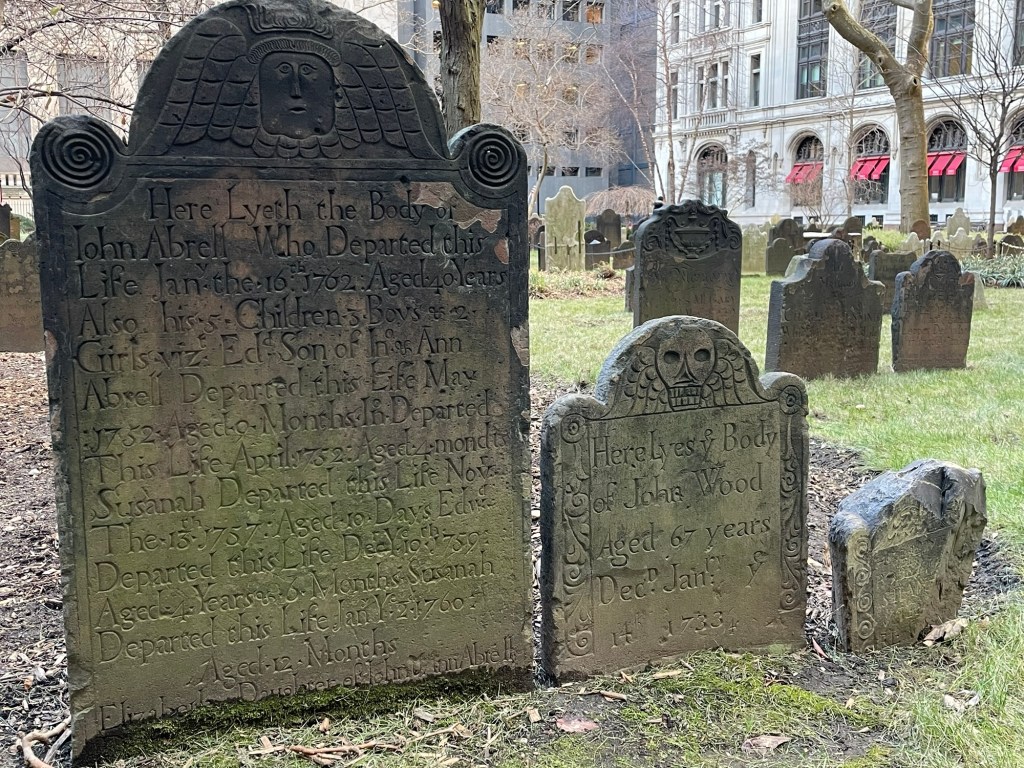
Of course no Hamilton trip to NYC would be complete without a final farewell to him and Eliza, who are both buried in the cemetery at Trinity Church. Although the church is 19th-century, the graveyard dates back to pre-revolutionary times and has some fantastic tombstones dating back to 1681.

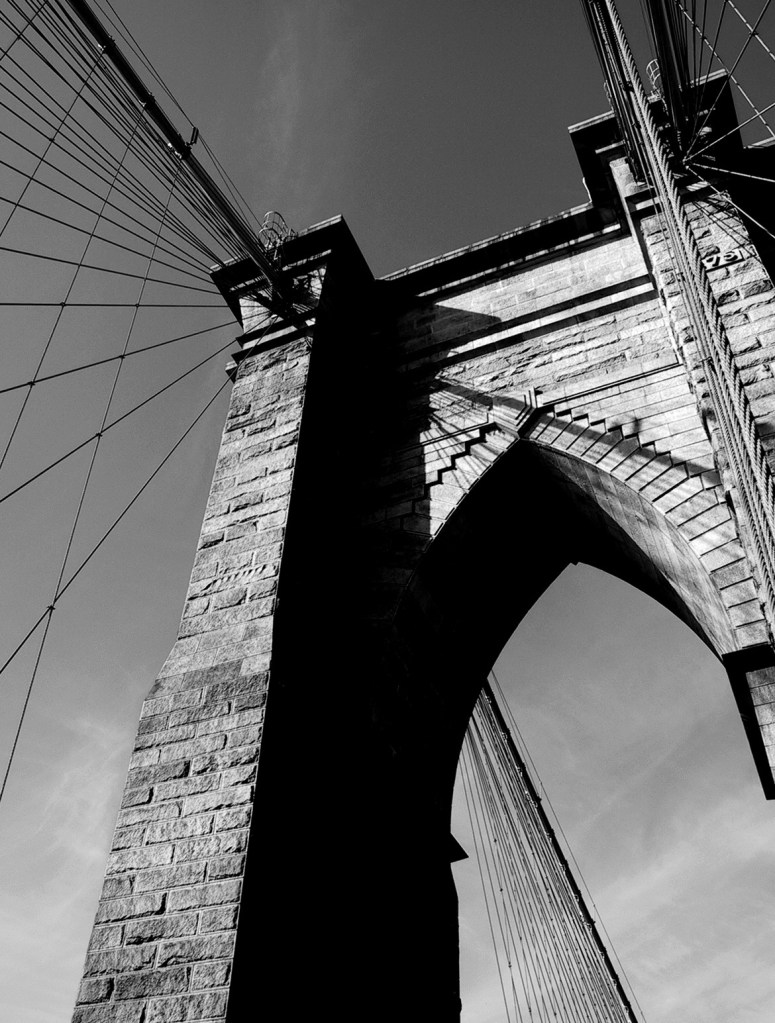
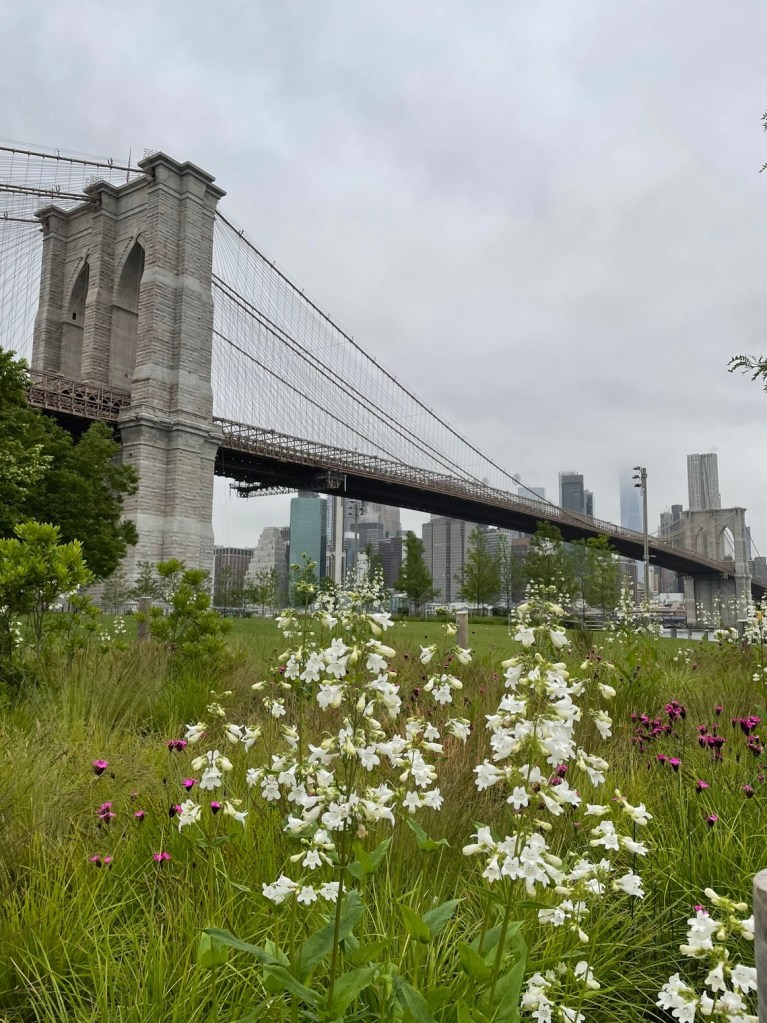
The Brooklyn Bridge was the Roebling Company’s (Roebling, NJ: The Company Town that Built Modern America) most high profile job, and figured in the death of John and Washington’s debilitating condition. It was the longest suspension bridge in the world, and you can still walk it. Hint: The walk from Brooklyn to Manhattan is better than vice versa, since it has fantastic views of downtown Manhattan.
Although Philadelphia has a terrific Audubon museum (Delicious and Rancid: Audubon’s “Birds of America”), to see his original watercolor models for the 435 plates of The Birds of America requires a trip to the NY Historical Society. In 1863, the society purchased 434 of the watercolors from Audubon’s wife. The final painting was donated in 1966. Today, the highlight of the tiny Audubon gallery is a display of one of these watercolors along with the corresponding page from the double elephant folio.

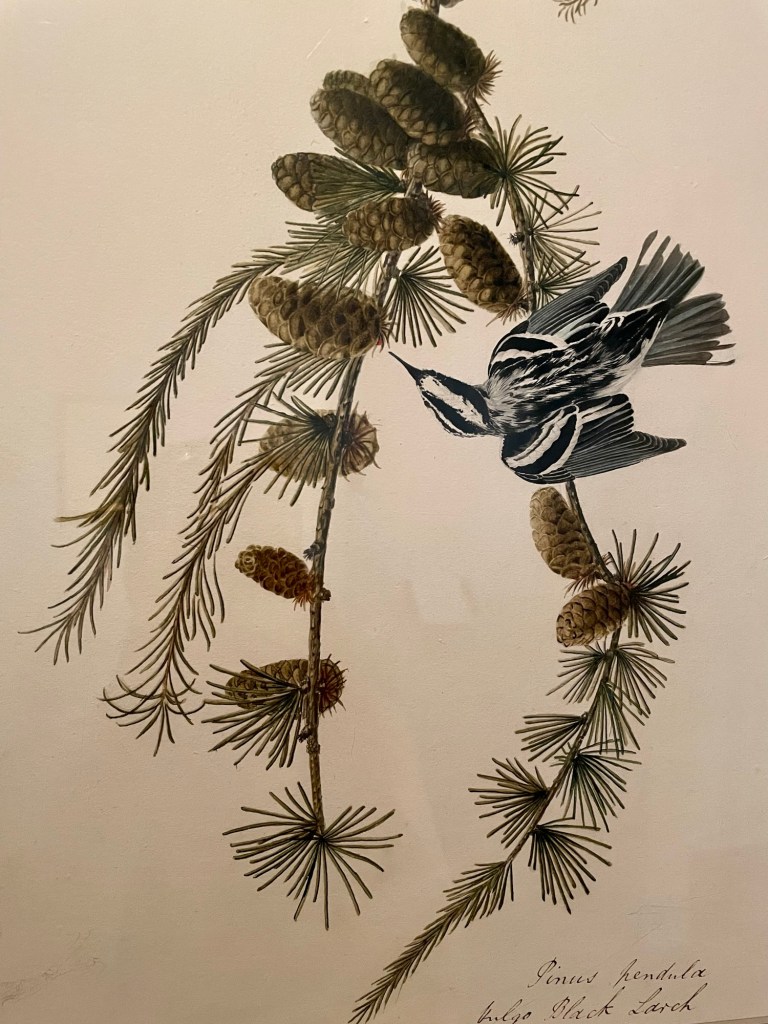
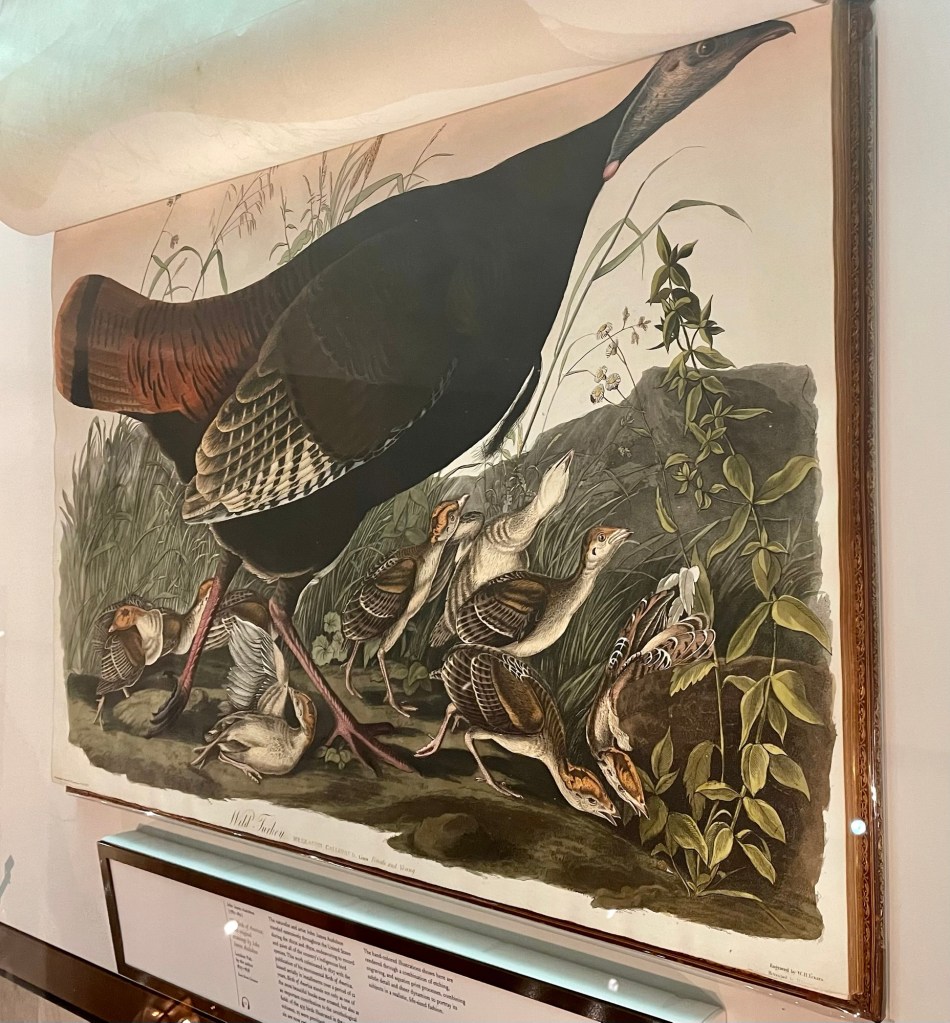
Although not directly connected to Philadelphia, a visit to see the Treasures exhibit at The New York Public Library often reveals some connections: an Audubon elephant folio:
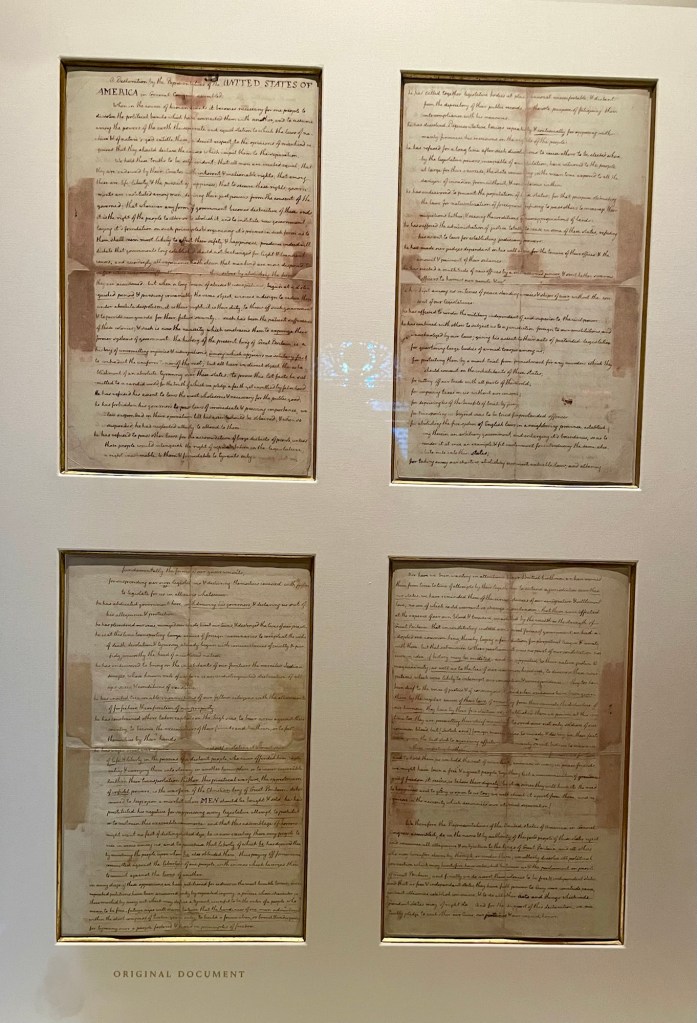
Thomas Jefferson’s handwritten copy of the Declaration of Independence, written in Philadelphia:
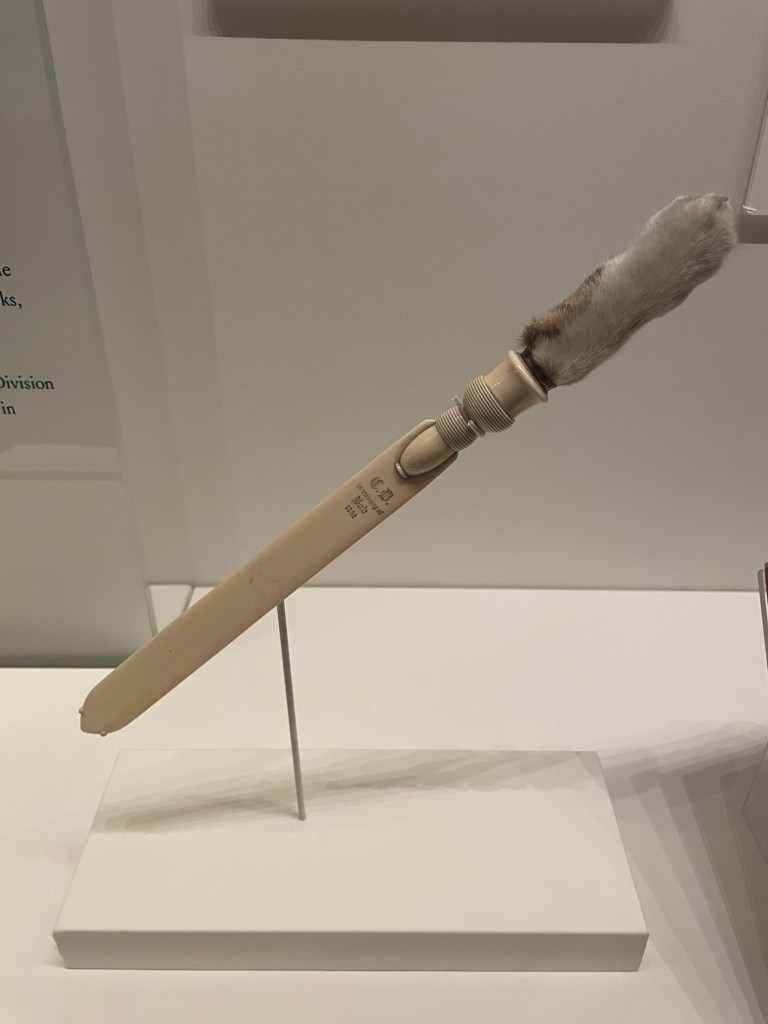
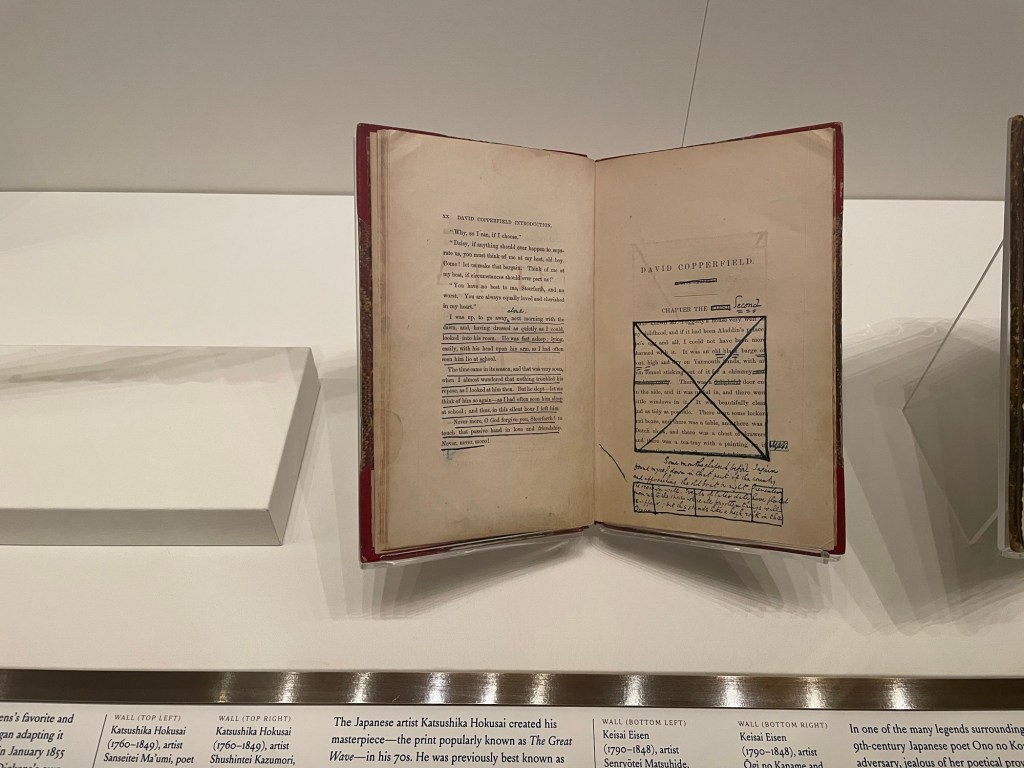
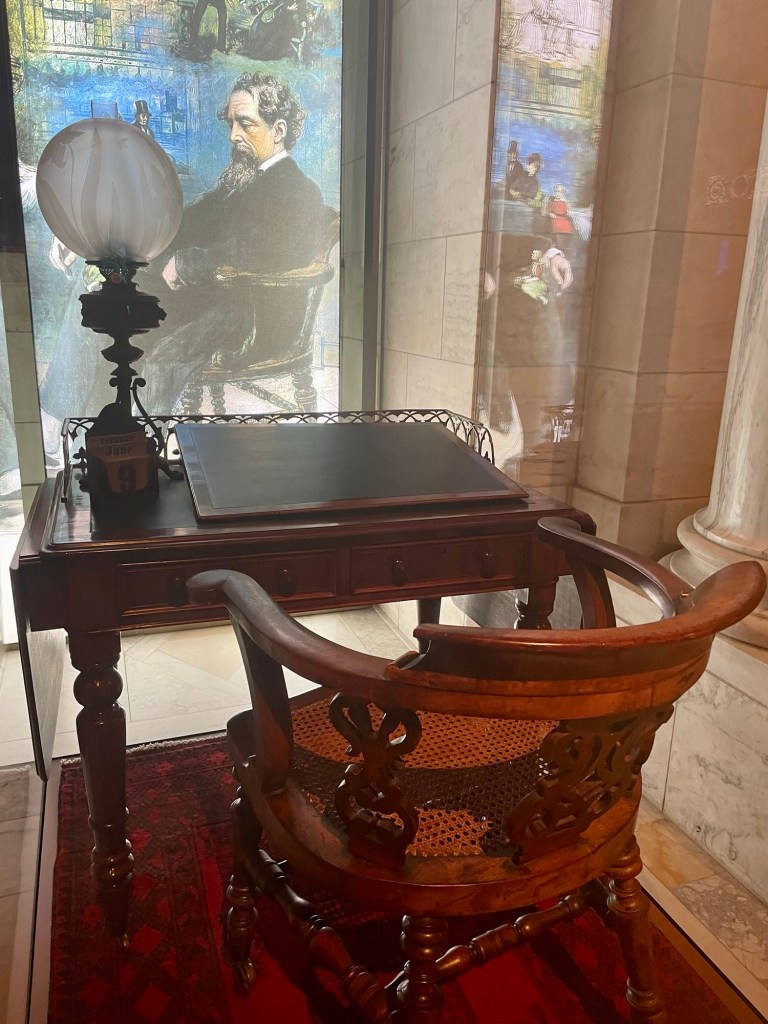
and, Charles Dickens’s (Philadelphia: Charles Dickens Was NOT a Fan) cat’s paw letter opener, the copy of David Copperfield he used for his American readings, and one of his desks:
 Secrets of Philadelphia