
Always on the lookout for connections between Philly and the rest of the world!
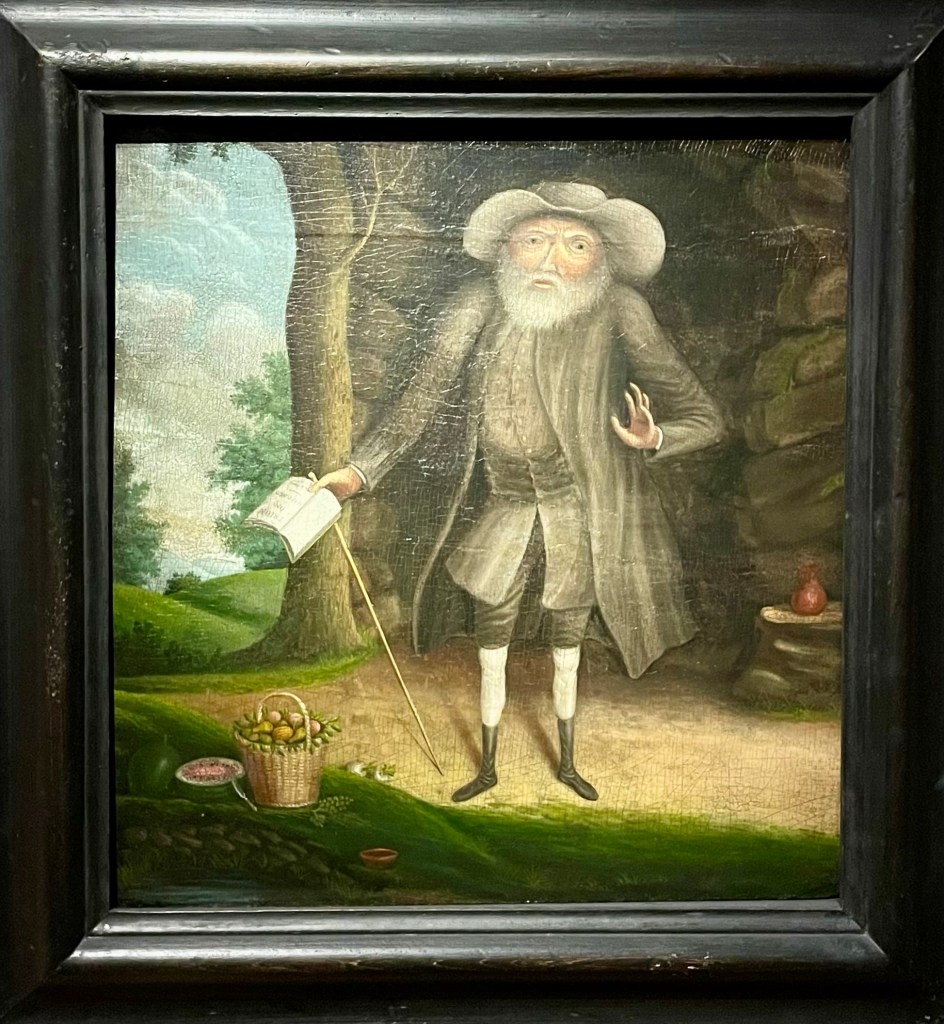
My vote for the Most Colorful Colonial Character is this 4’ hunchbacked Philadelphian. An ardent abolitionist, Benjamin Lay once stabbed a bible filled with red dye during a sermon covering the congregants in fake blood. Benjamin Franklin published his writings, and Lay may have been the one that convinced Franklin to free his slaves. He was also a vegetarian (Vegan Philly!) which the painter referenced by the inclusion of a basket of fruits in the corner of his portrait. Painted in 1750, this painting from the National Portrait Gallery was commissioned by Deborah Franklin as a gift to her husband.
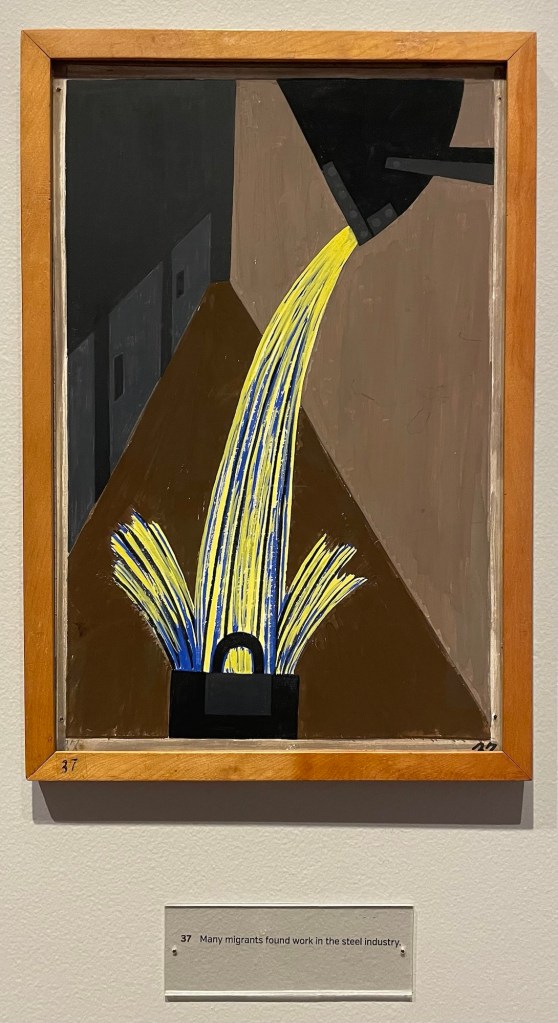
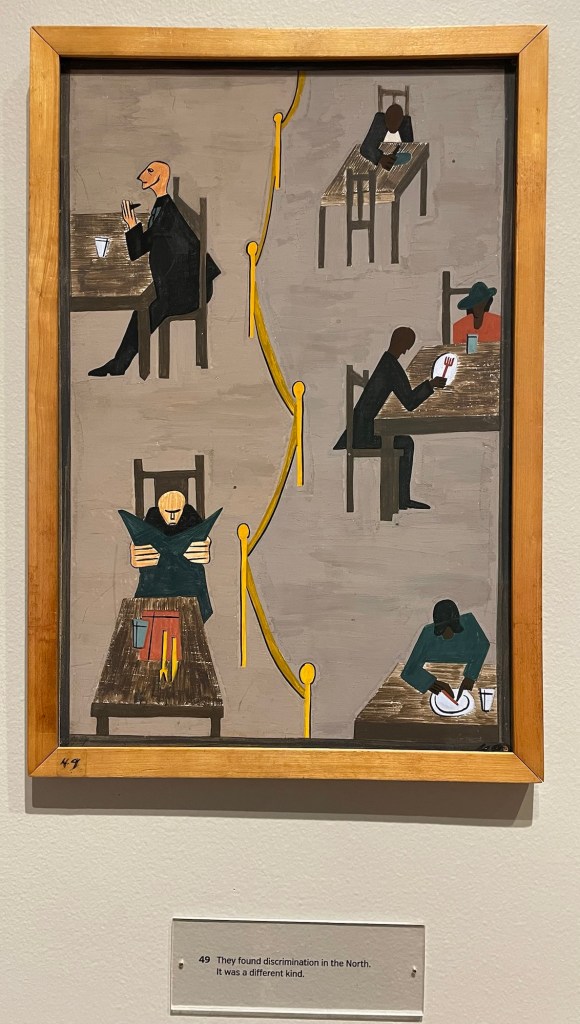
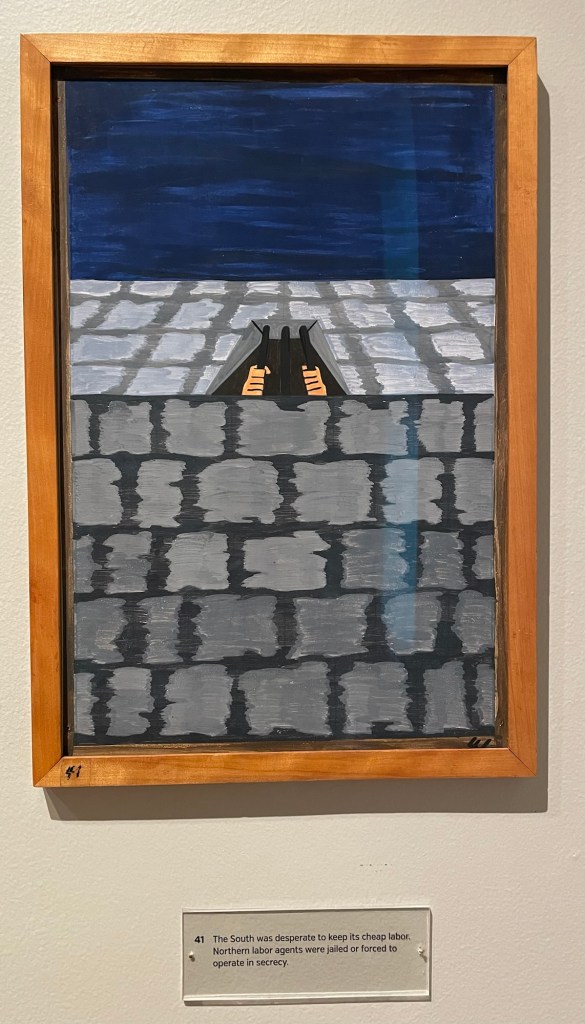
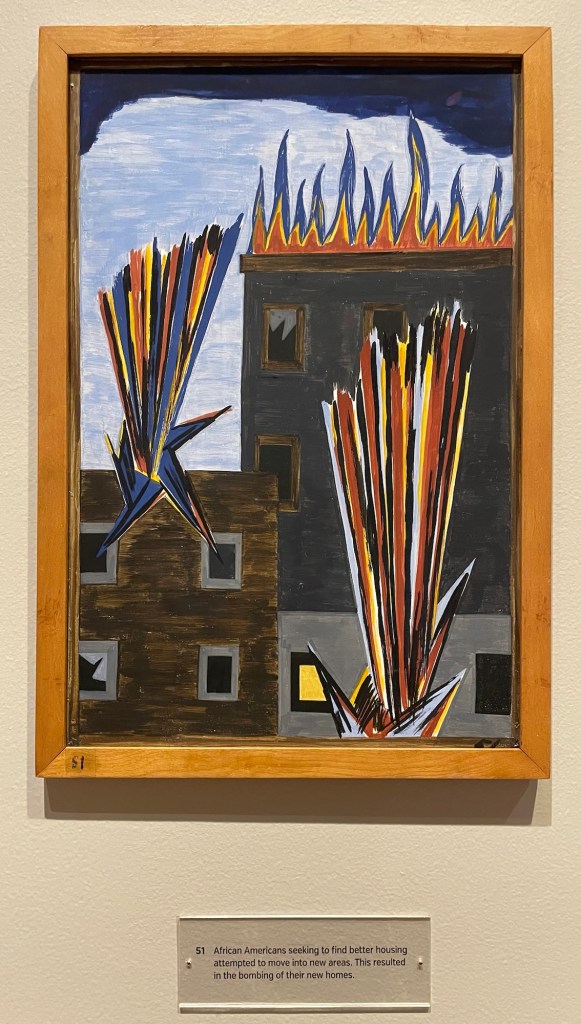
Although he was born in Atlantic City and spent time in foster care in Philadelphia, it’s a bit of a stretch to claim Jacob Lawrence (Philly(ish) Artist: Jacob Lawrence) for Philadelphia, but I’ll do it anyway. Lawrence was really a product of Harlem, and his “Migration Series“ is one of the most powerful depictions of this pivotal moment in American history. See half of the series at the Phillips Gallery, the other half at MOMA in NY.
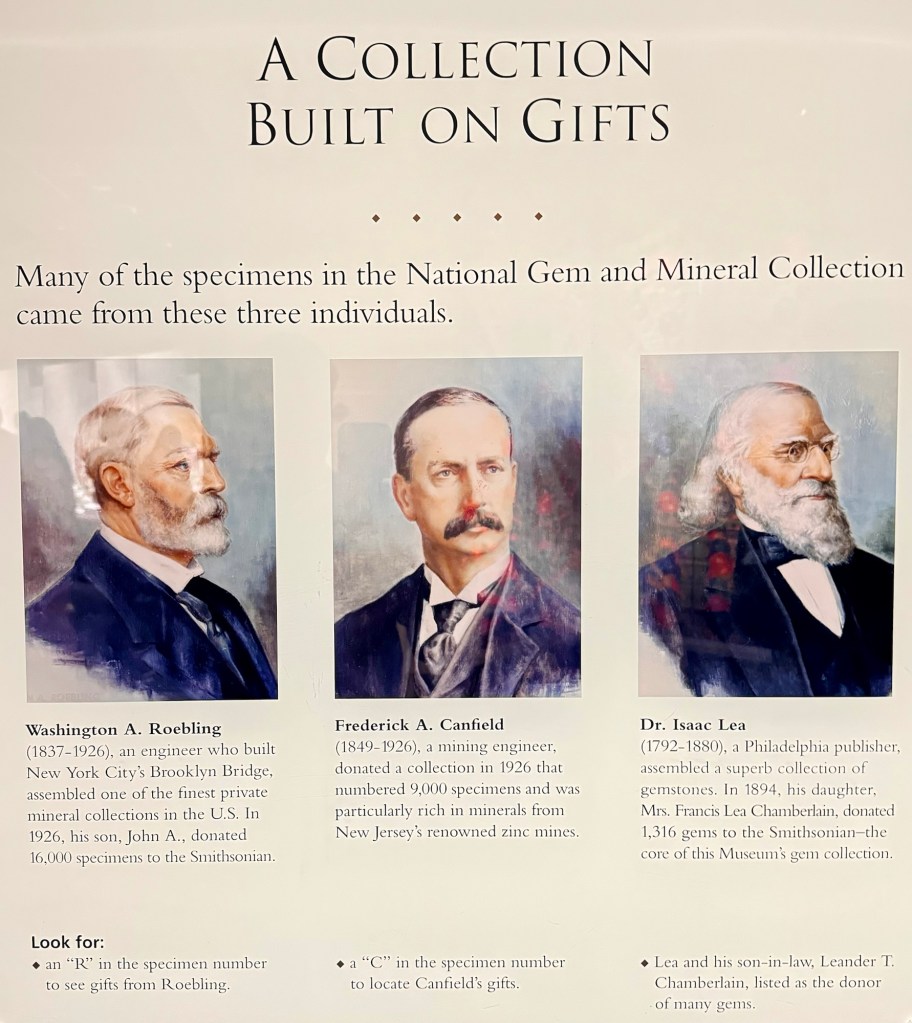
Washington Roebling of Brooklyn Bridge/Roebling, NJ (Roebling, NJ: The Company Town that Built Modern America) fame was a big mineral collector and his collection forms the basis of the Smithsonian Natural History Museum’s mineral collection. Try to spot one of the 16,000 specimens marked with an “R” in the collection! PS: The other 2 guys were locals, too: Isaac Lea was a Philly guy: President of the Academy of Natural Sciences and Vice President of the American Philosophical Society. Frederick Canfield was from NJ.
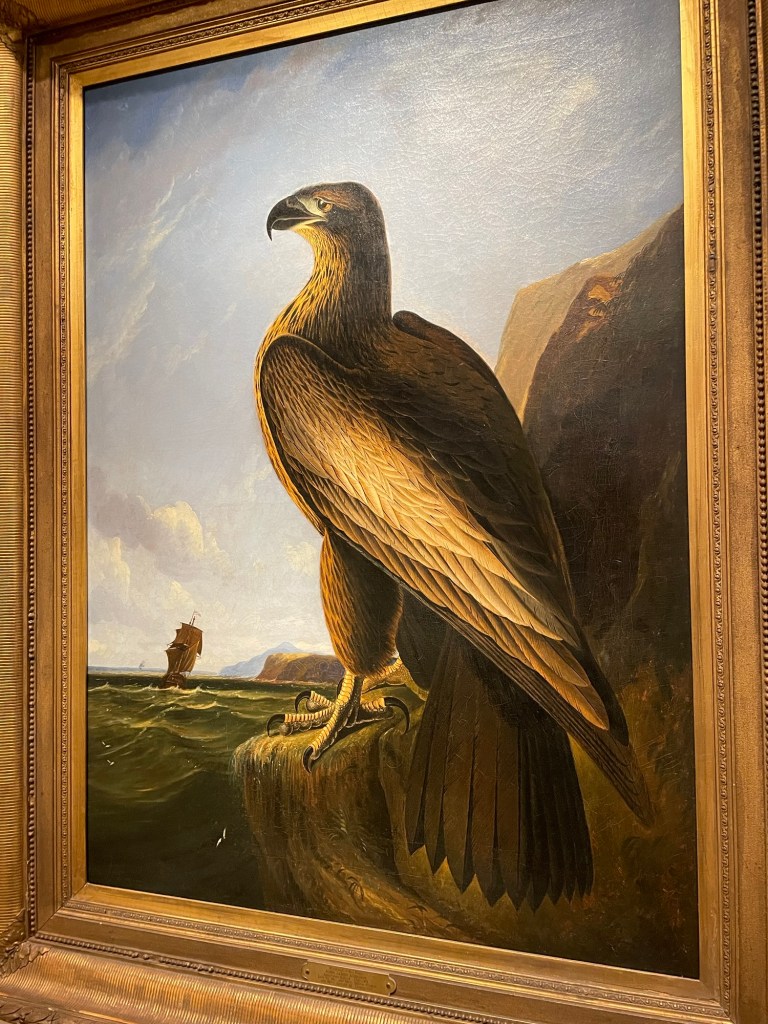
You can see the fake that launched Audubon’s (Delicious and Rancid: Audubon’s “Birds of America”) fame at the Smithsonian American Art museum. Whether it was a misidentified juvenile Bald eagle or a deliberate invention, no bird matching this description has ever been identified. However, calling it “Washington’s Eagle” tugged on 19th-century heartstrings and resulted in many advanced sales of Audubon’s Birds of America. It was the first plate to be published in the collection.
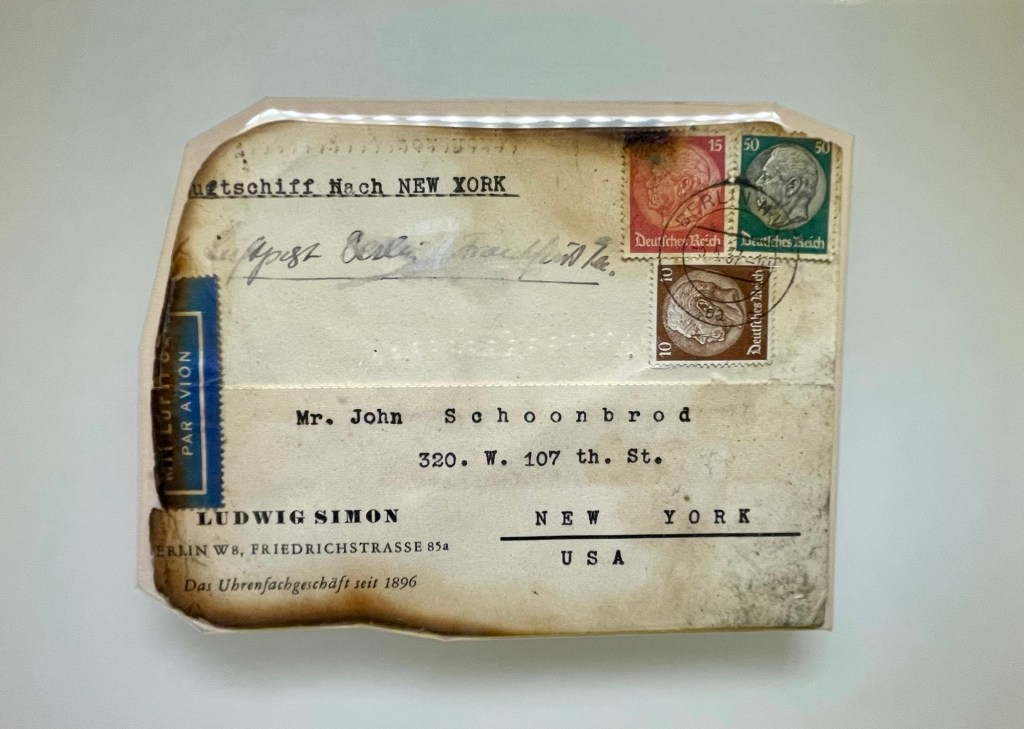
While “exploring America’s postal history” might not sound super exciting, this is actually a fun museum. Way bigger than expected, the National Postal Museum is one of the Smithsonian’s less visited museums. Taxidermied dog, anyone? (The Stuffed Dogs of Washington DC). It is also where I spotted this scorched relic of the Hindenburg disaster (“Oh, the Humainty…” – an Explosive ending to Airship Travel):
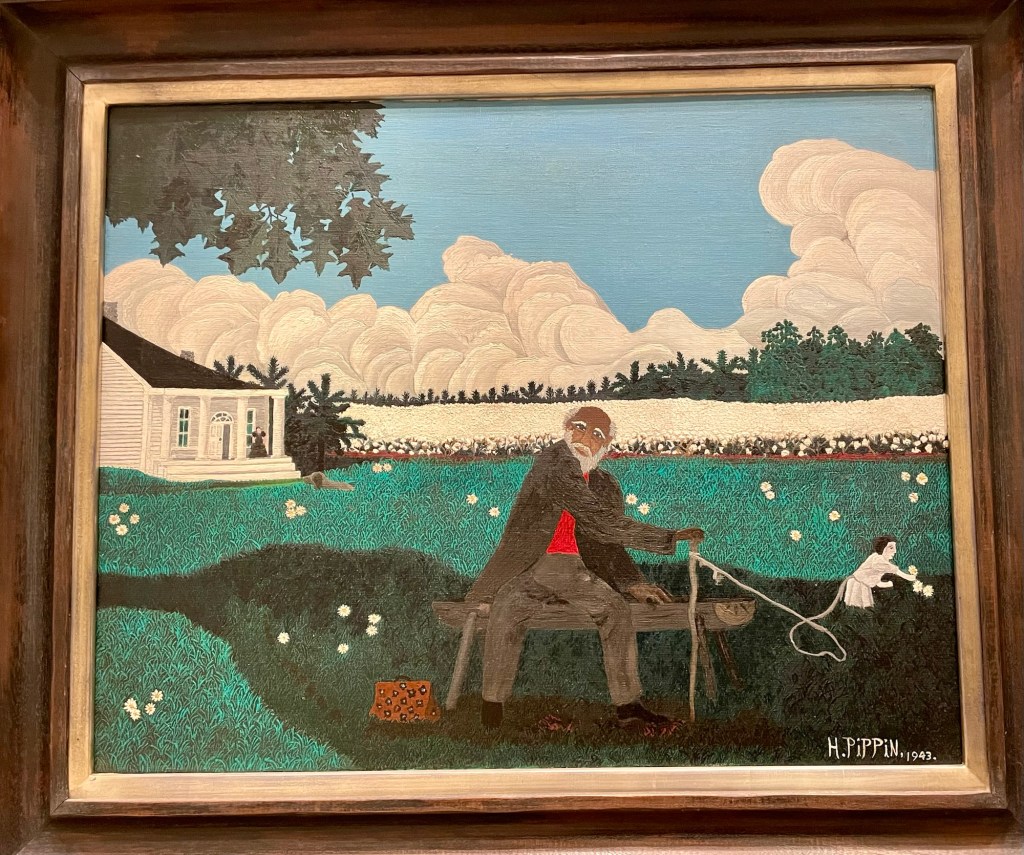
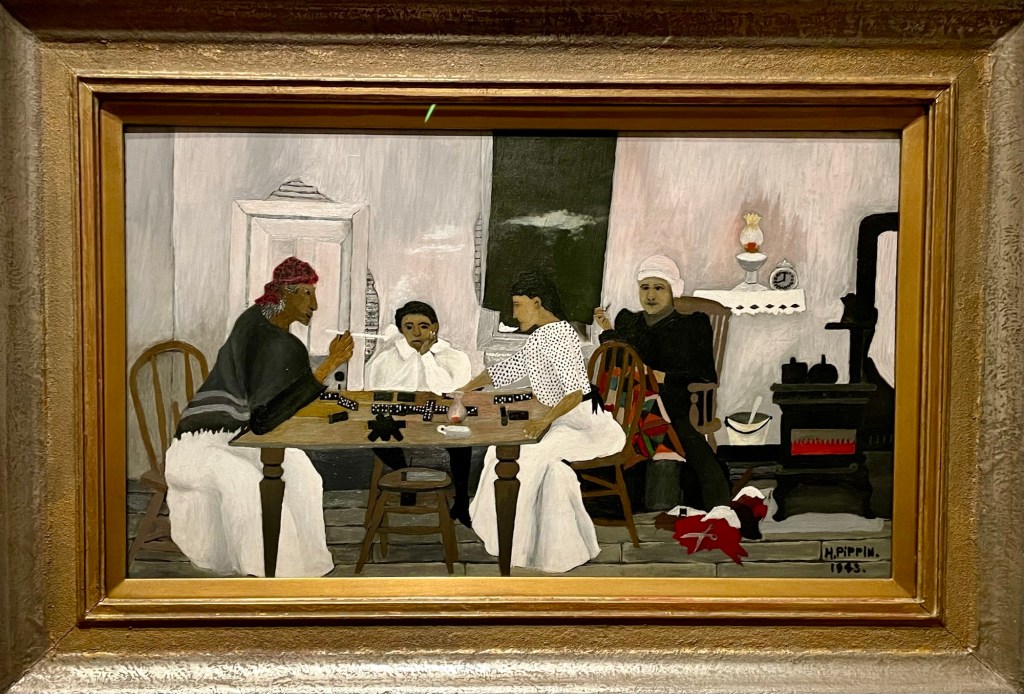
Another Philly-ish painter I love is self-taught artist Horace Pippin (Philly (area) Artists: Horace Pippin), a PA native. I found these paintings in the Phillips Collection and at the Smithsonian American Art museum. All the big Philly art museums have his works in their collections.
 Secrets of Philadelphia