
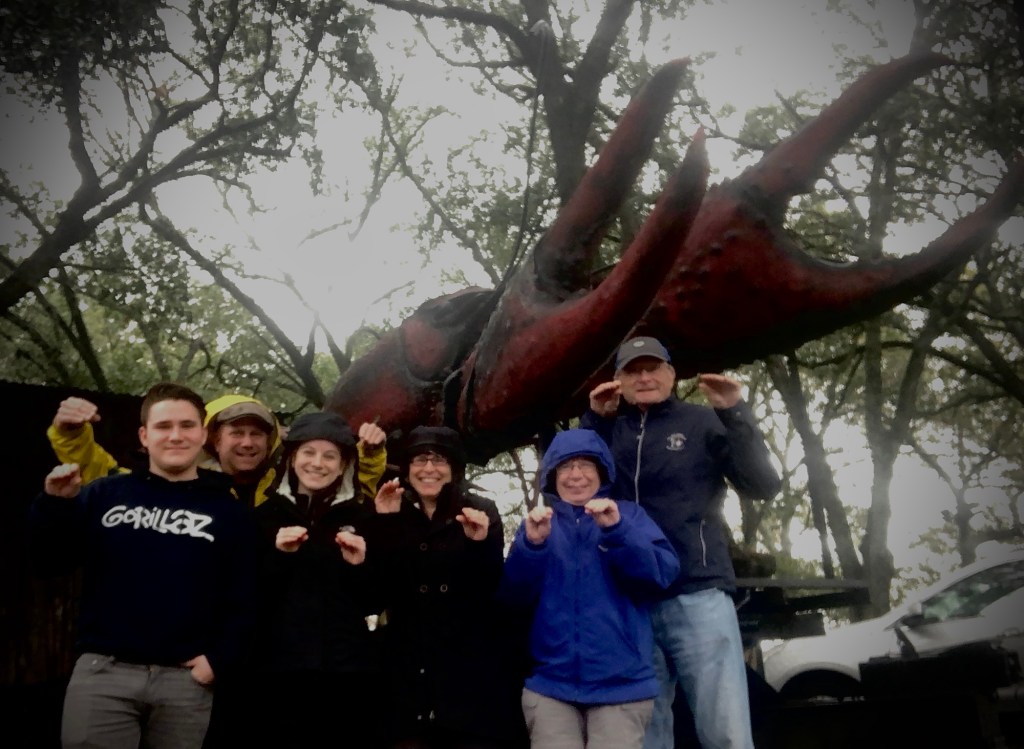
Whether it’s visiting the home of a unique food or embarking on a quest to try various iterations of the same local cuisine, eating regional foods is one of my favorite parts of travel. Most places have one or two, but maybe because of its history as a colony of both France and Spain, its large West African slave population, and its waves of immigrants ever since, Louisiana has countless choices. The most famous is crawfish, but aside from seeing this giant guy (and insisting my family pose for an embarrassing photo), I’ve never visited when they are in season (the peak is March-May), but traveling at any time of year offers plenty of other opportunities. These are a few we explored:
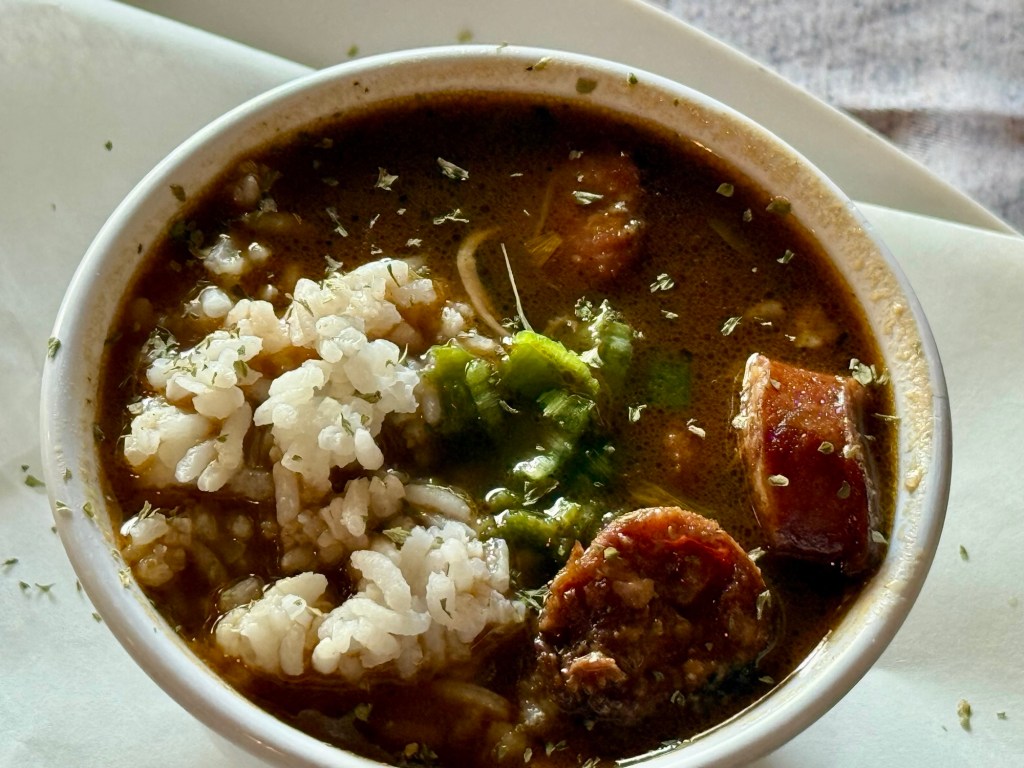
Gumbo: Next to crawfish this is probably the most famous Louisiana dish, and one that spans its melting pot of cultures from the okra of West African slaves to the ground sassafras leaves (filé) of local Native American tribes to the roux of French cooking. The exact recipe and ingredients vary from place to place, making it an excellent choice for a statewide quest.

Po’ Boys: Other places have their hoagies, heros or grinders, Louisana has po’ boys, the French bread stuffed equivalent. Fillings vary from cold cuts to fried seafood. “Dressed” has pickles, lettuce, tomato and mayo. Primarily an inexpensive sandwich, variations are found across the state.

Muffuletta: (sorry, no photos. We ate them too quickly in our hotel room). This is the lesser known sandwich choice in Louisiana. First created by an Italian immigrant in the early 1900s, it consists of a loaf of round Italian bread stuffed with ham, cheese, salami, and an olive salad that raises it above a typical Italian hoagie.
Beignet & Coffee: Another classic. Brought to Louisiana by French-Canadian (Cajun) settlers after the English kicked them out of Canada in the mid 1700s, most people are familiar with New Orleans’s Cafe du Monde (I have NEVER seen that much powdered sugar in one place!), but these deep fried, powdered sugar covered dough balls can be found everywhere. They are often consumed for breakfast with chicory coffee that also traces its roots back to the Cajun settlers. Adding ground chicory roots to coffee (or in place of coffee) was revived during the Civil War when southern ports were blockaded and getting coffee beans became impossible.
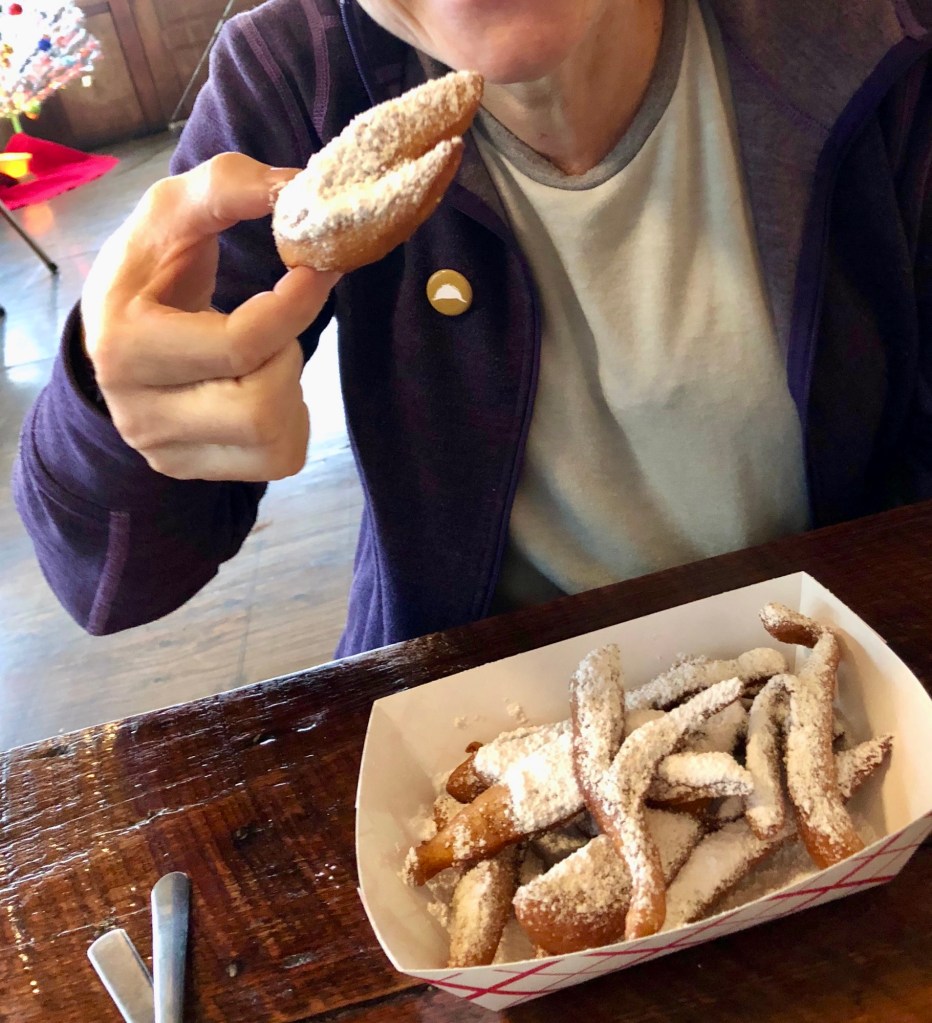
Just to show exactly how much powdered sugar we are talking about (this is from the New Orleans airport outpost):

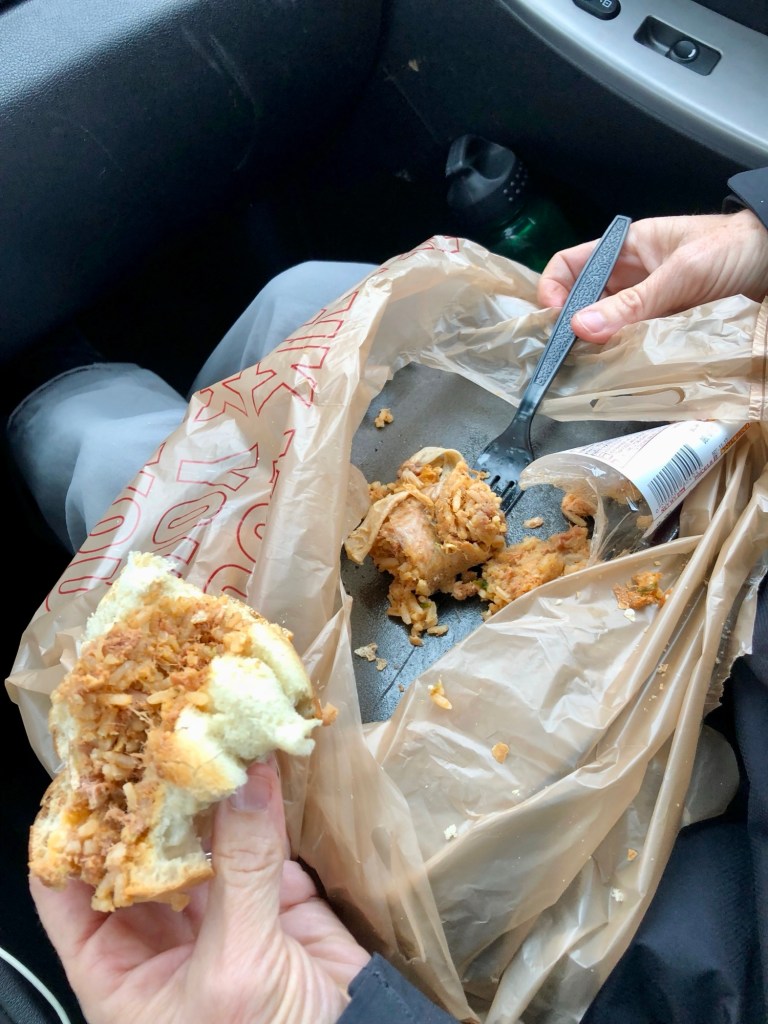
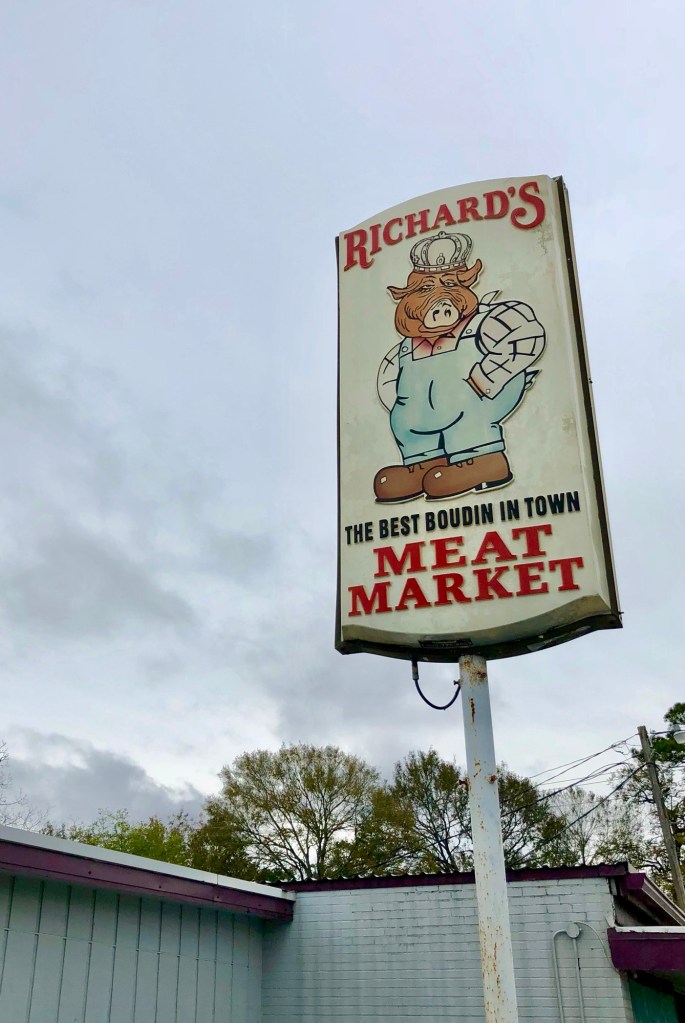
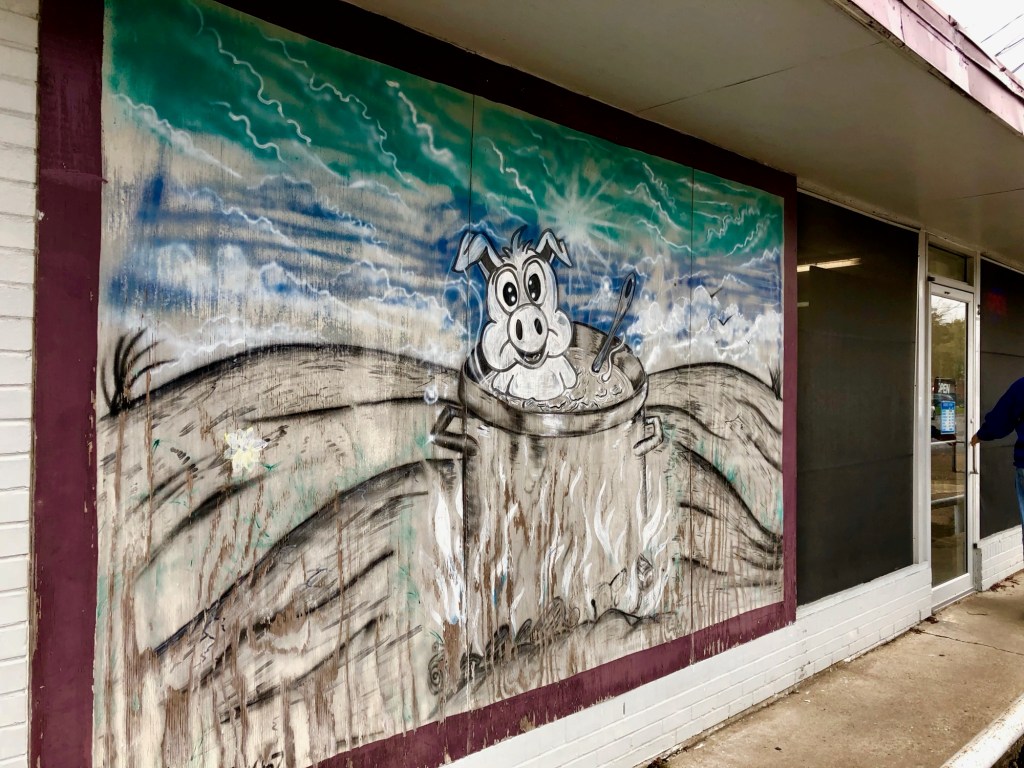
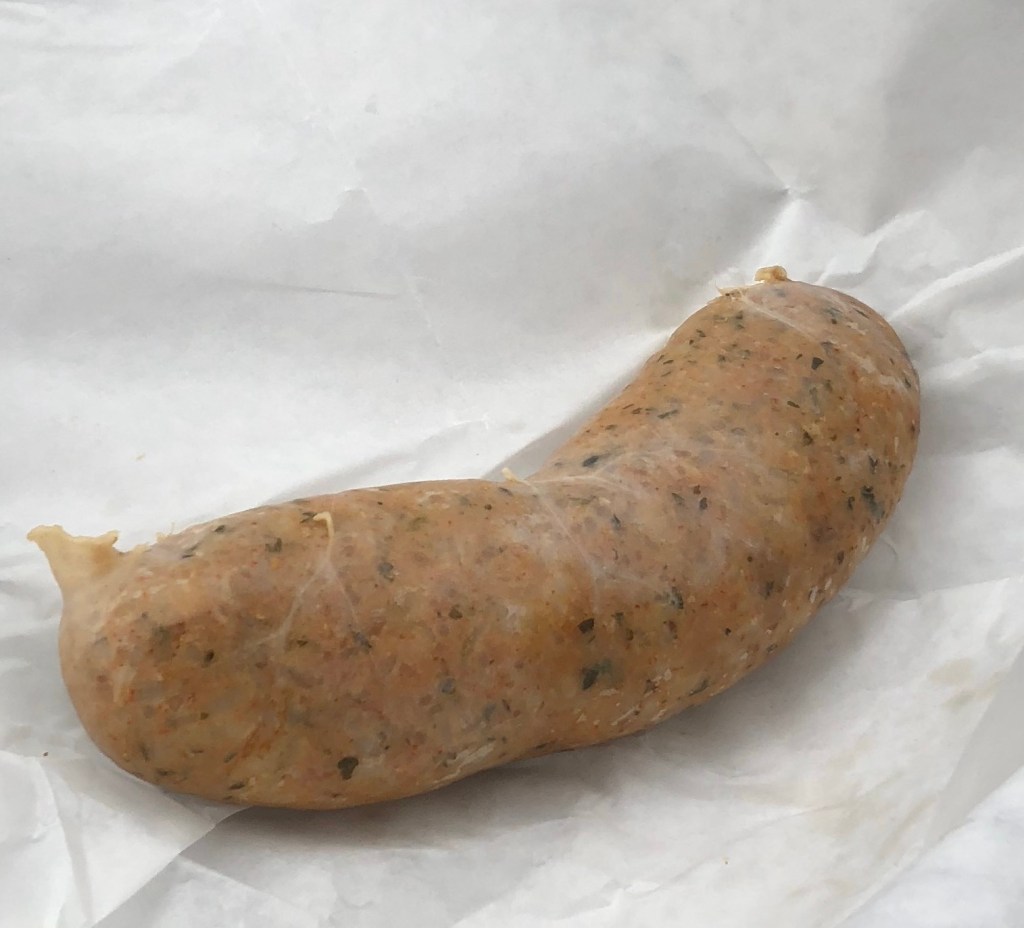
Boudin: Lewis & Clark recorded tasting boudin from a French fur trapper during their explorations of the Louisiana Territory in the 1800’s. Another dish with Cajun roots, it’s a sausage made from (usually) rice, pork, and seasonings that is one of the least touristy food quests. Boudin (besides being impossible to photograph in an appealing way) is rarely served in touristy places; butchers, mini markets, Cajun restaurants, and gas stations are where you will find it.
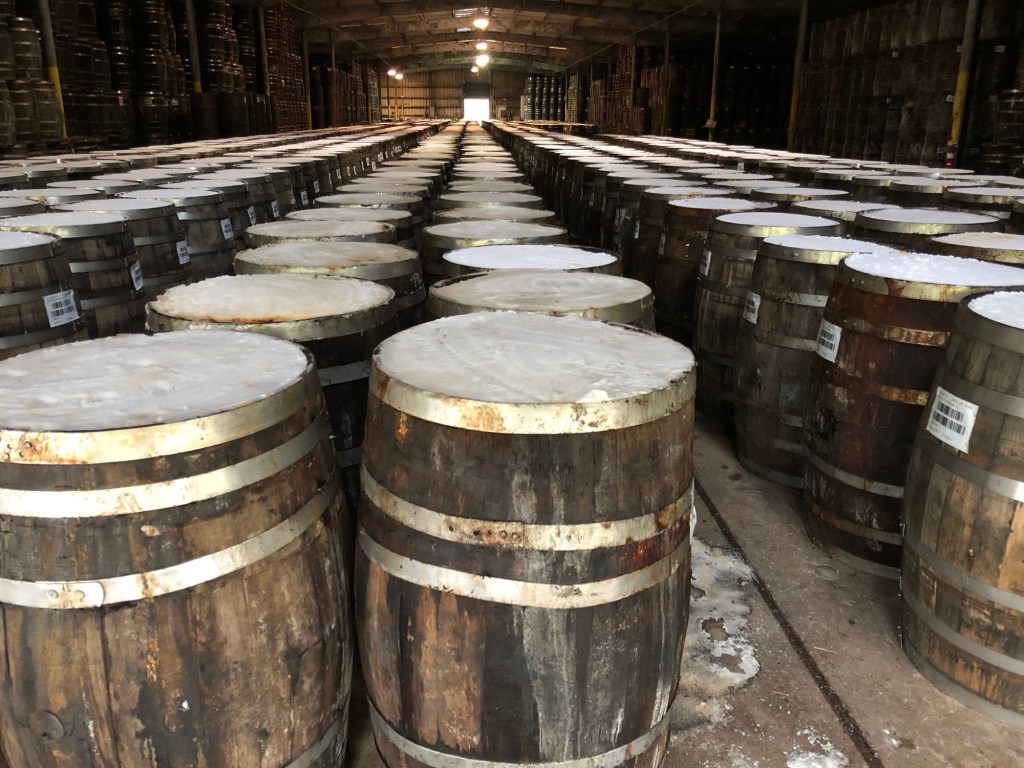
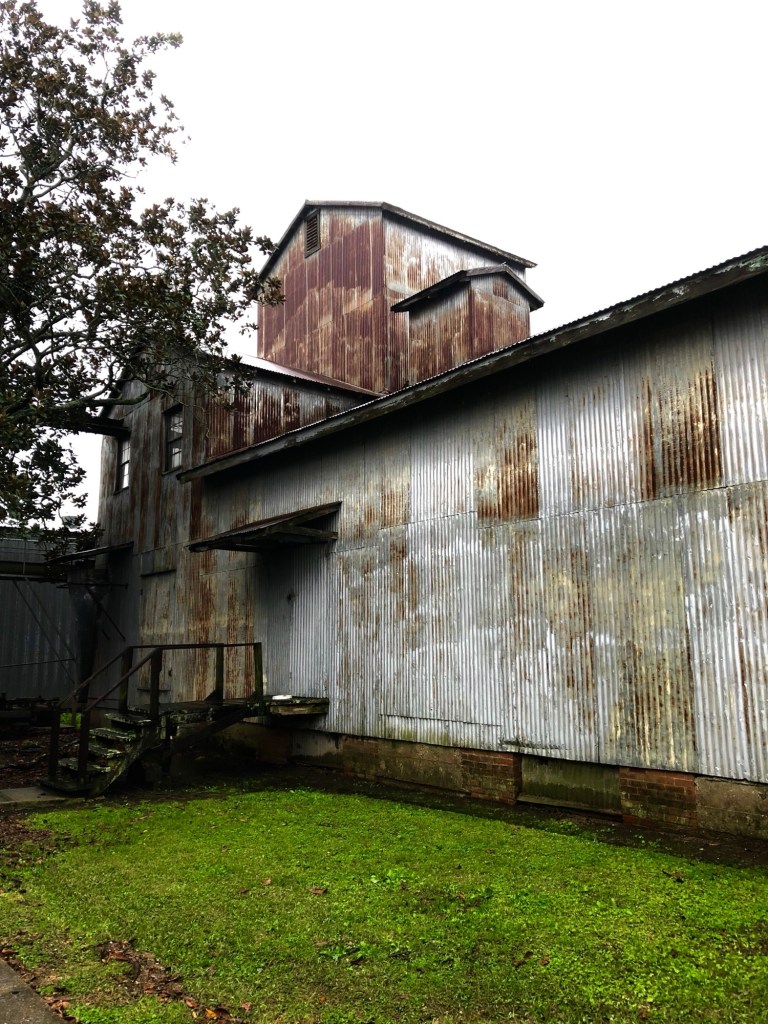
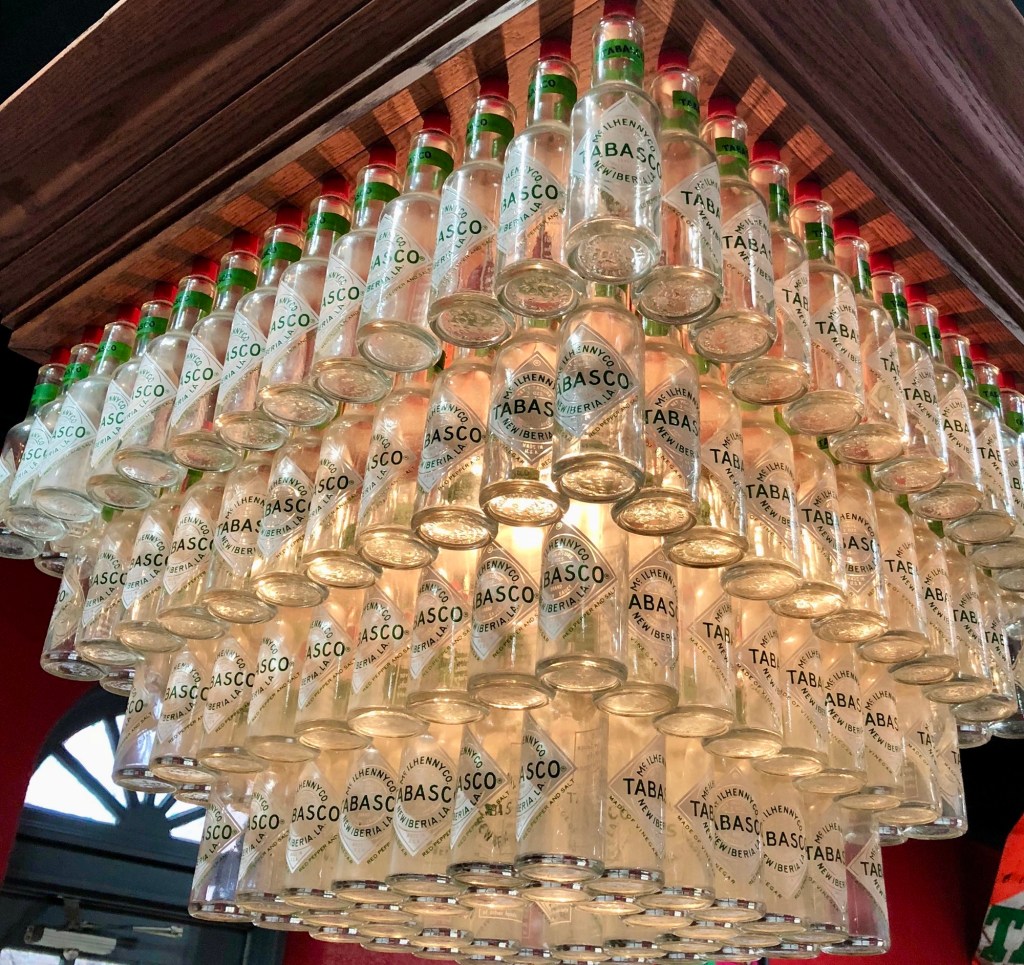
Tabasco Factory: Taking a cooking class and touring the factory was actually the jumping off point of our Louisiana culinary adventure. Tabasco brand hot sauce was first produced in 1868 by Edmund Mcllhenny using peppers grown on Avery Island, Louisiana. Today they still use the same basic recipe and ingredients, and the products are still aged, blended and bottled here. After exploring the museum take a Tabasco-themed cooking class for the full experience.

If this isn’t enough, there are plenty of other options: alligator, jambalaya, shrimp étouffée…
 Secrets of Philadelphia