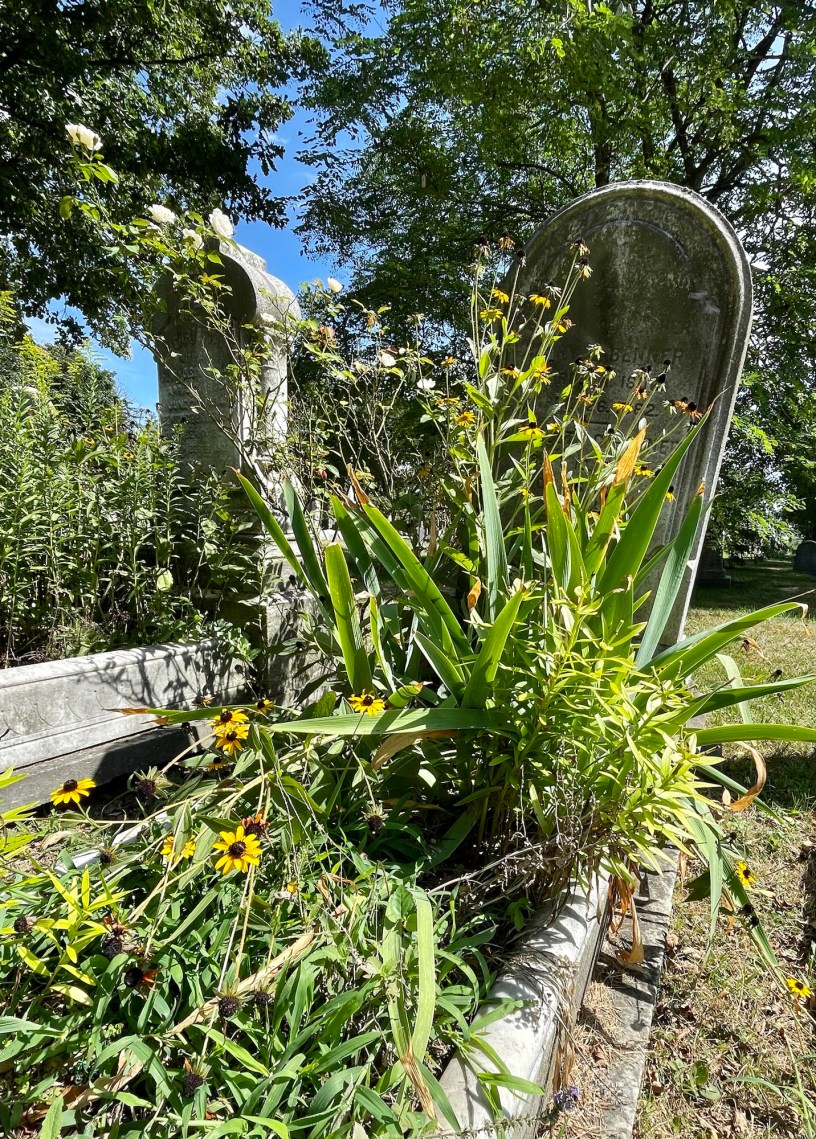
Cradle graves were a way for Victorians to combine their passion for death, symbolism, family, and gardening all in one.
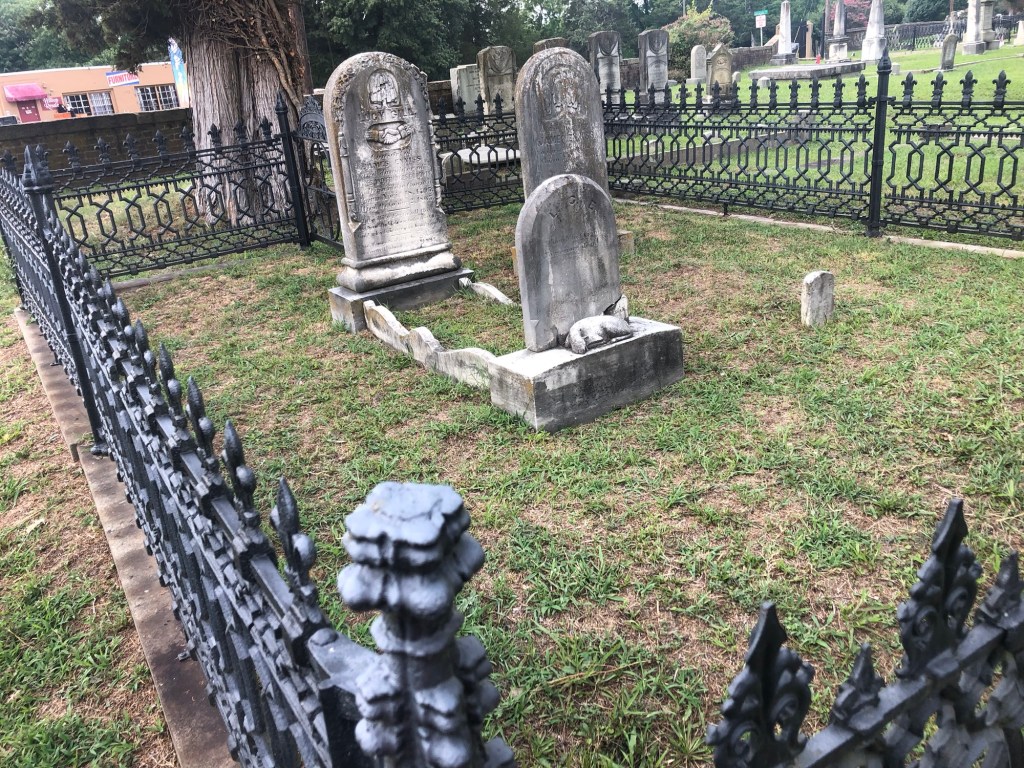
Their popularity grew alongside the landscape cemetery movement of the mid-1800’s. Looking very similar to a cradle or bed, they have a central planting space surrounded by headstone, foot rest and side rails. They were used for people of all ages, Victorians believing that regardless of age at death every person was a child of God.
A visit to one of these beautiful Victorian cemeteries was a family event: strolling, picnicking, and tending to a loved one’s grave. Gardening was big business in the Victorian age, and plant hunters were constantly sending home new and exotic species. Thus, Victorians planting their cradle graves had a wide selection of plants to choose from, adding the exotic alongside familiar plants chosen for their sentimental meaning, fragrance, and ability to naturalize.
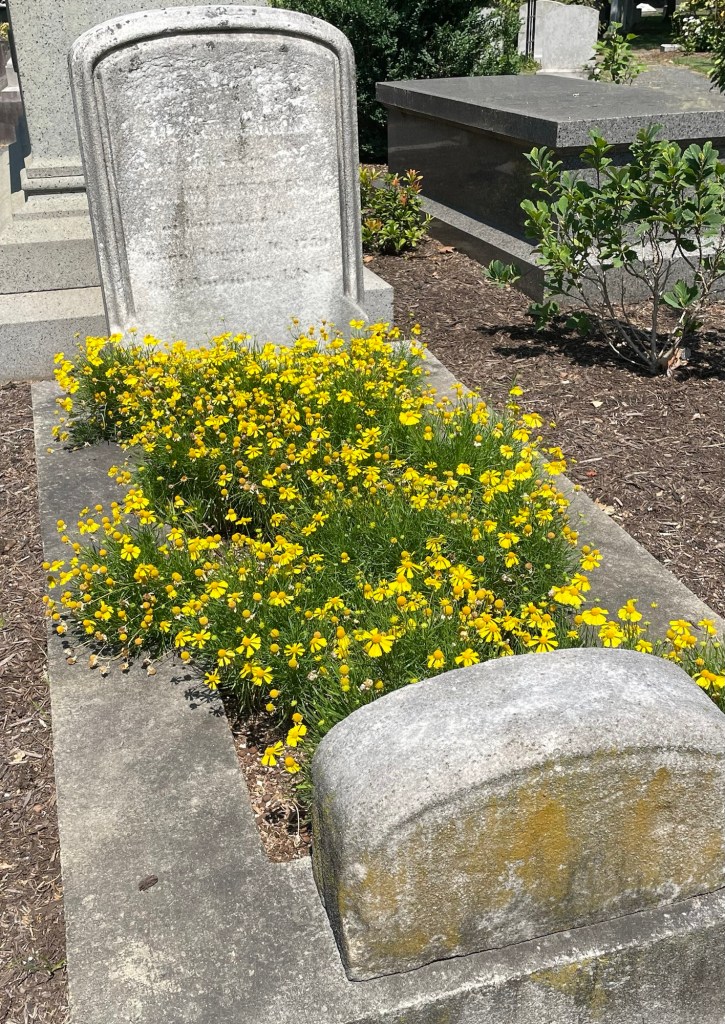
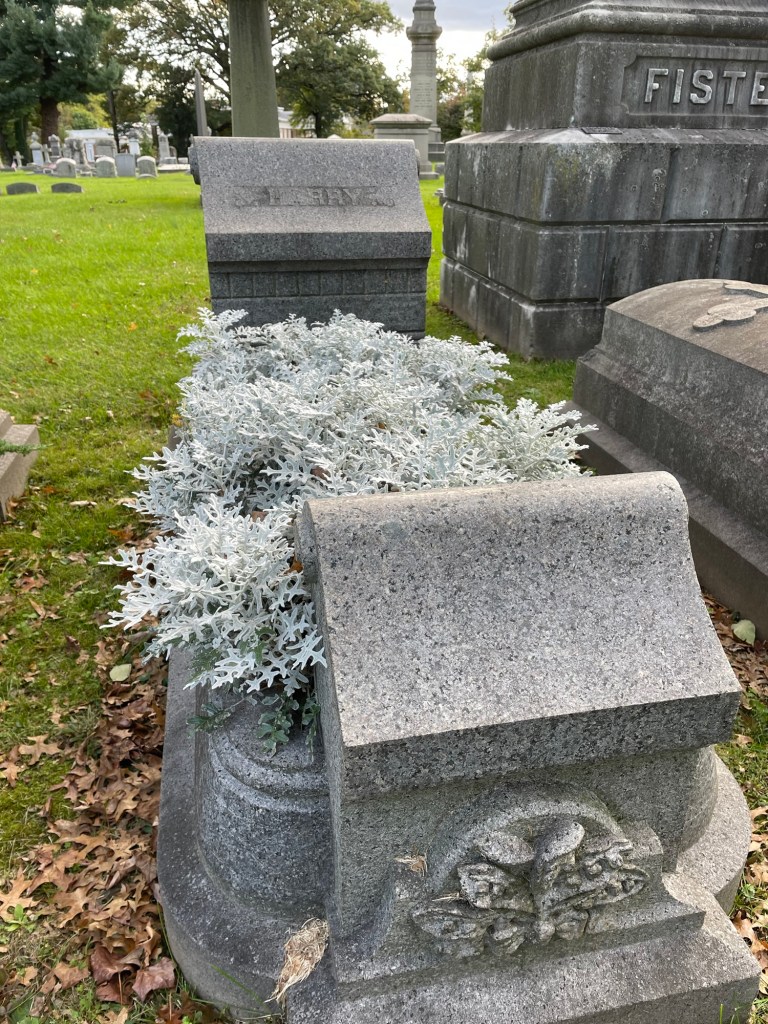
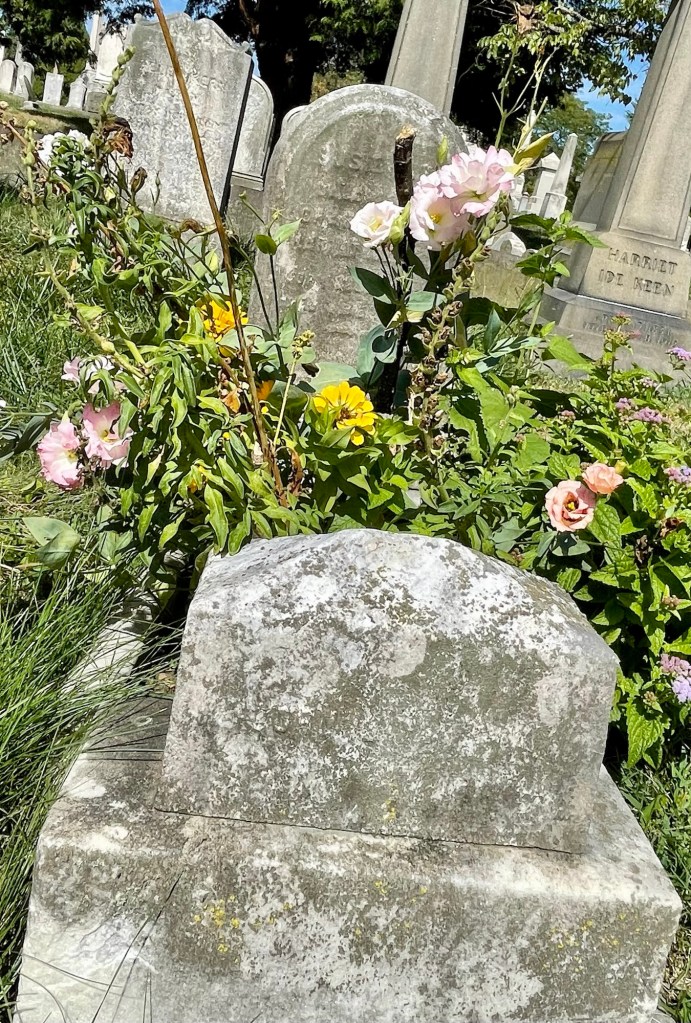
Today, cemeteries are replanting these old cradle graves, often with period-appropriate plantings. Sometimes these mimic a blanket covering the grave, while others are a mixture of species:
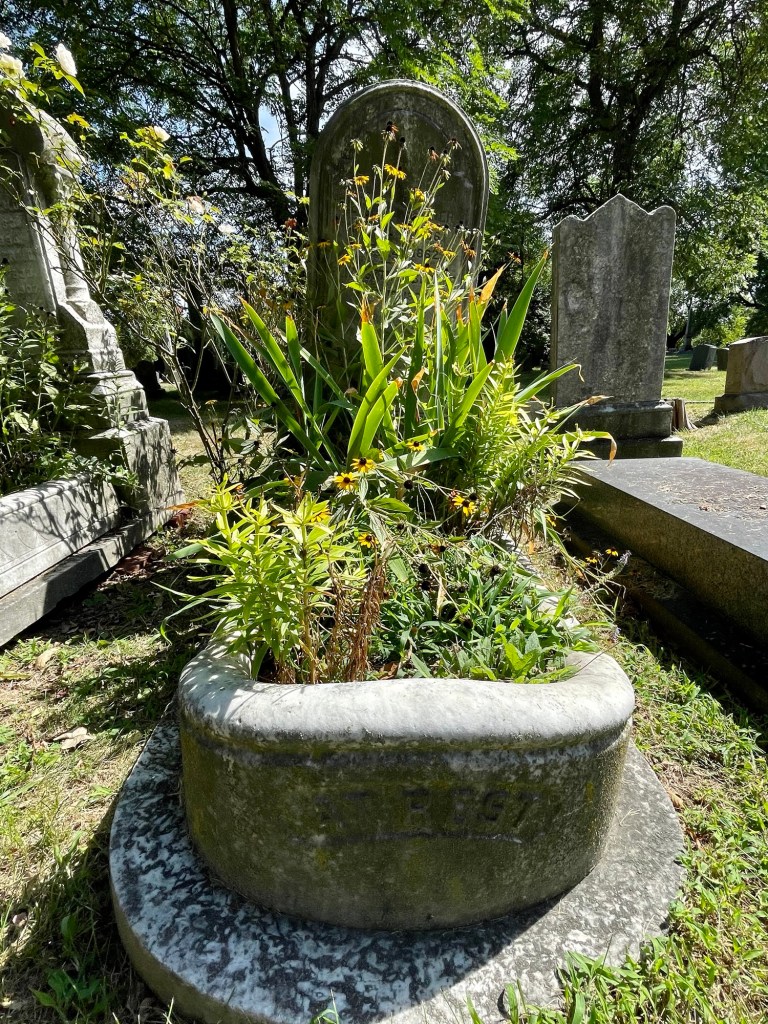
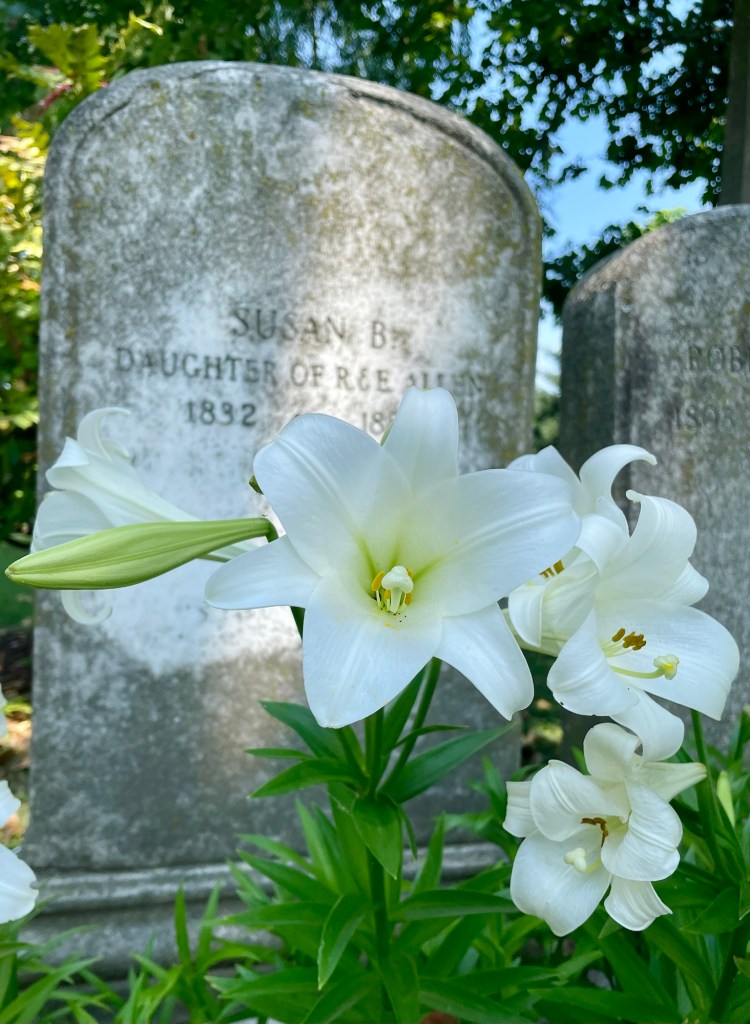
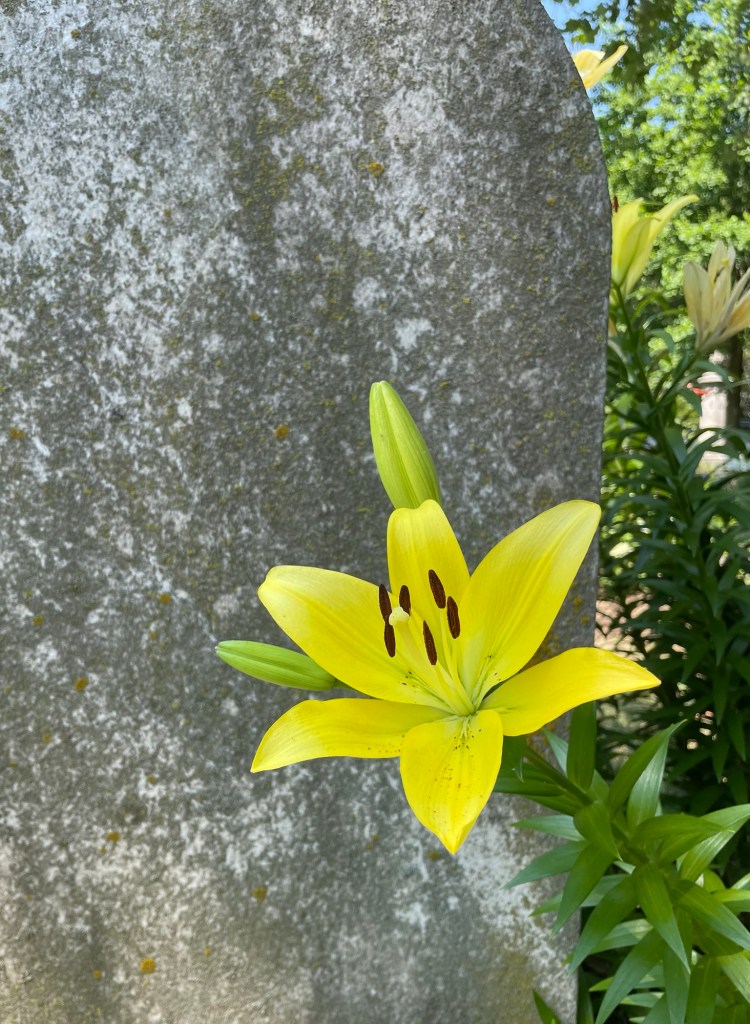
One of the most popular flowers in the Victorian language of flowers is the lily, the classic symbol of death, standing for purity and resurrection. Yellow adds a bit of joy.
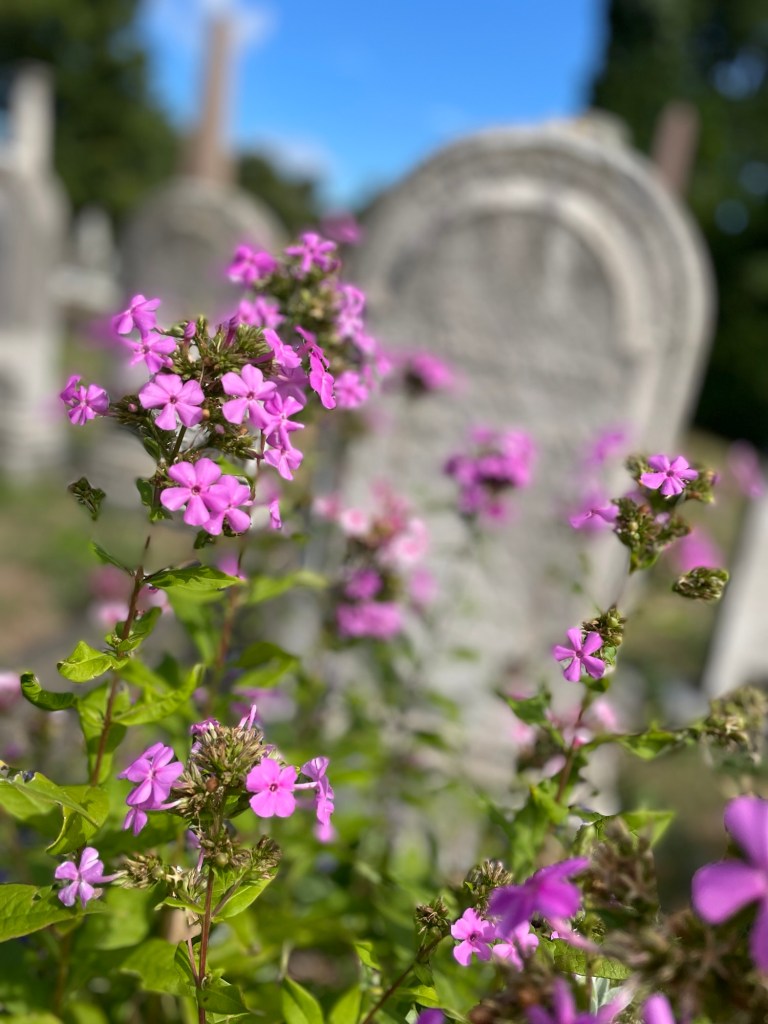
Phlox symbolize an unbreakable, eternal connection with the deceased:
Dusty Miller symbolized purity, innocence, and hope:
Yellow zinnias conveyed daily remembrance:
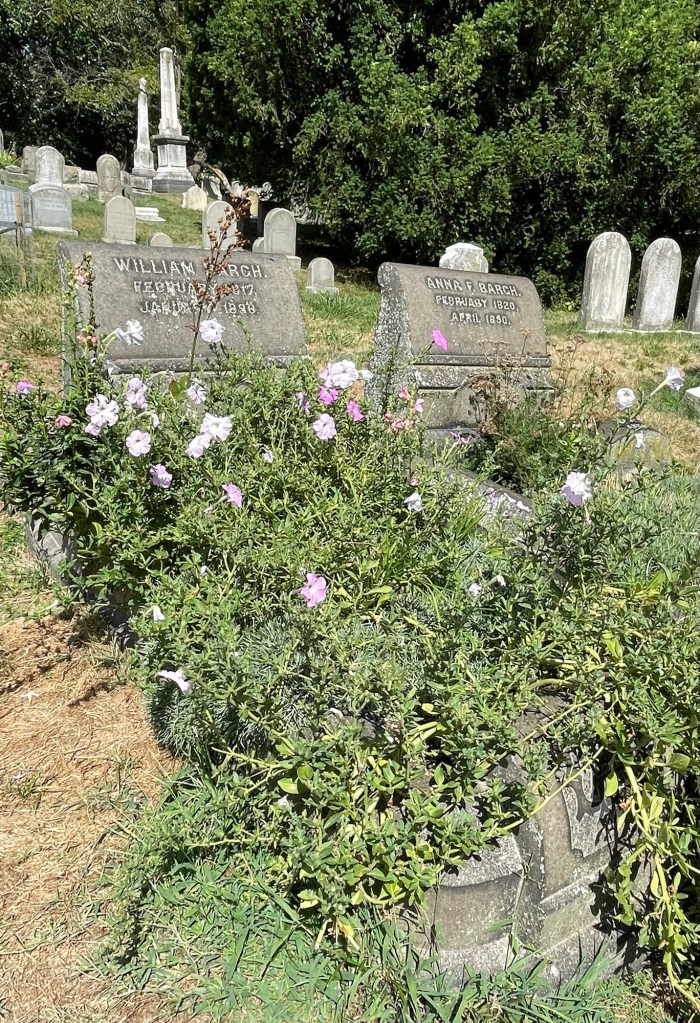
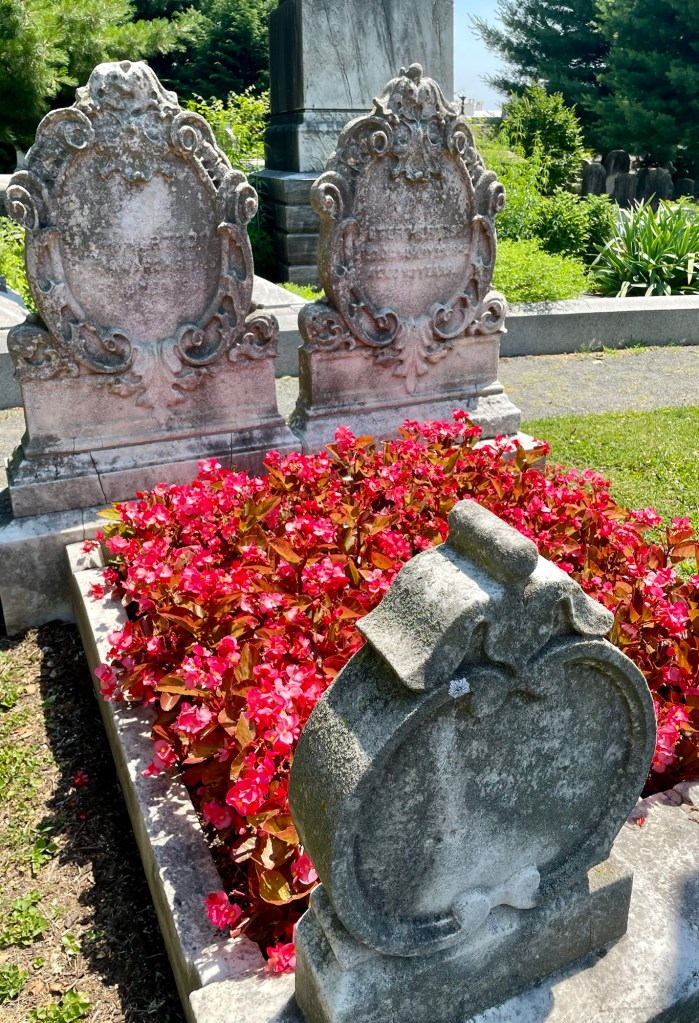
Some plants had a duel meaning. Petunias symbolized anger and resentment, but also represented soothing, comfort, and the desire to be with someone, especially when used around a gravesite. Red begonia is often associated with cautionary messages, but on a grave can convey, “I will never forget you” or “My heart aches for you.”
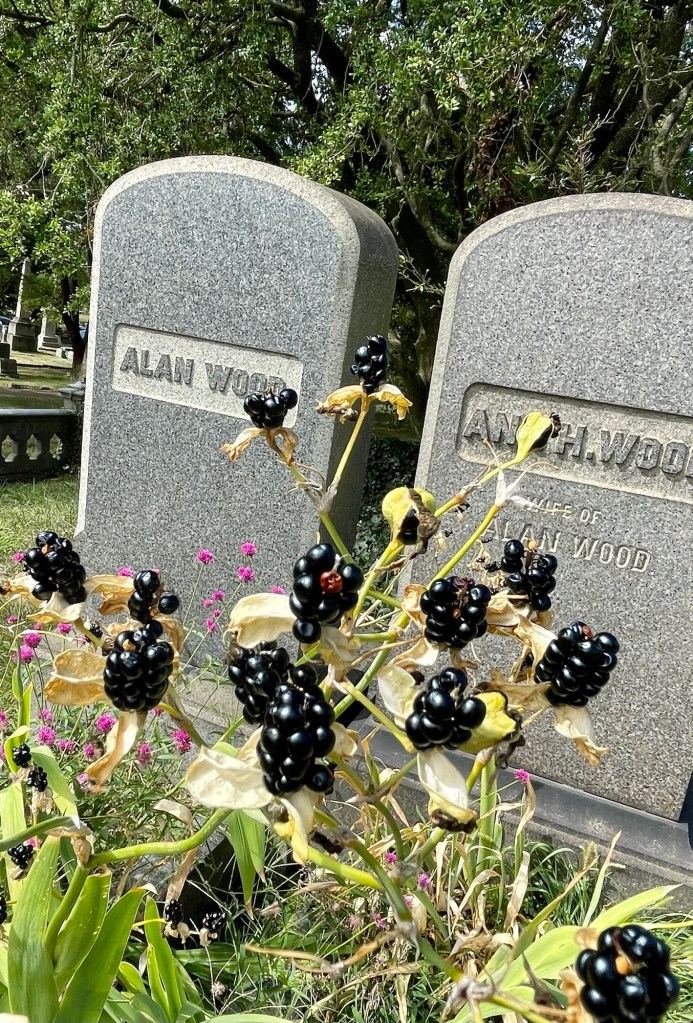
Unlike the (mostly) annuals above, the Victorians also planted hardier, perennial plants that come back bigger each year. These included the Iris: hope of resurrection.
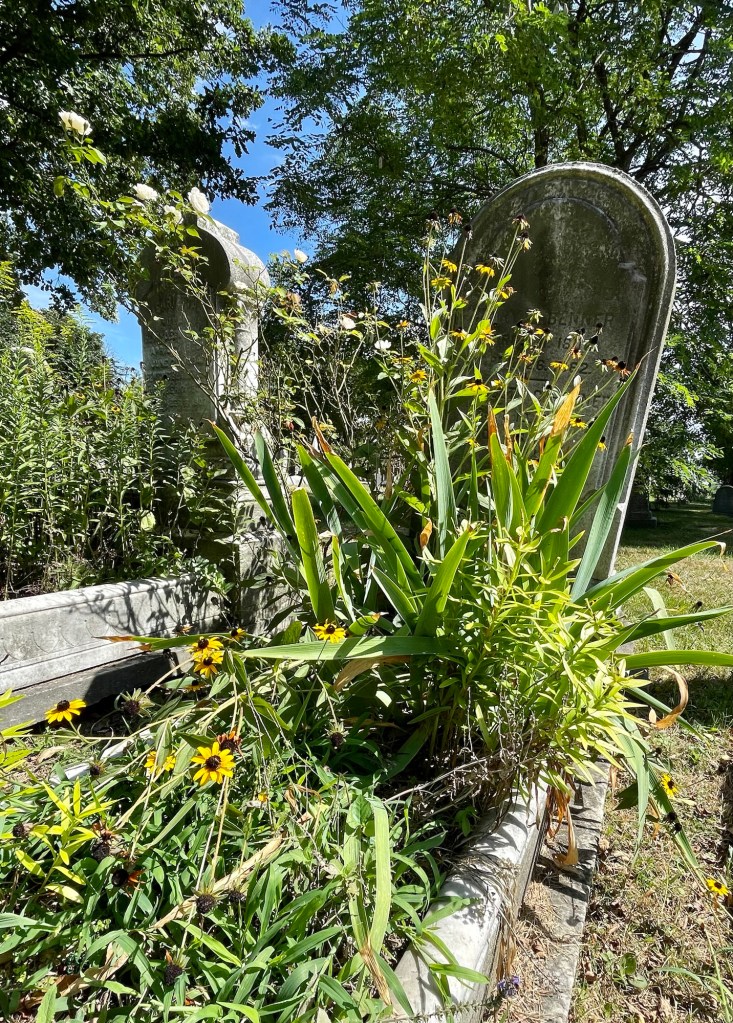
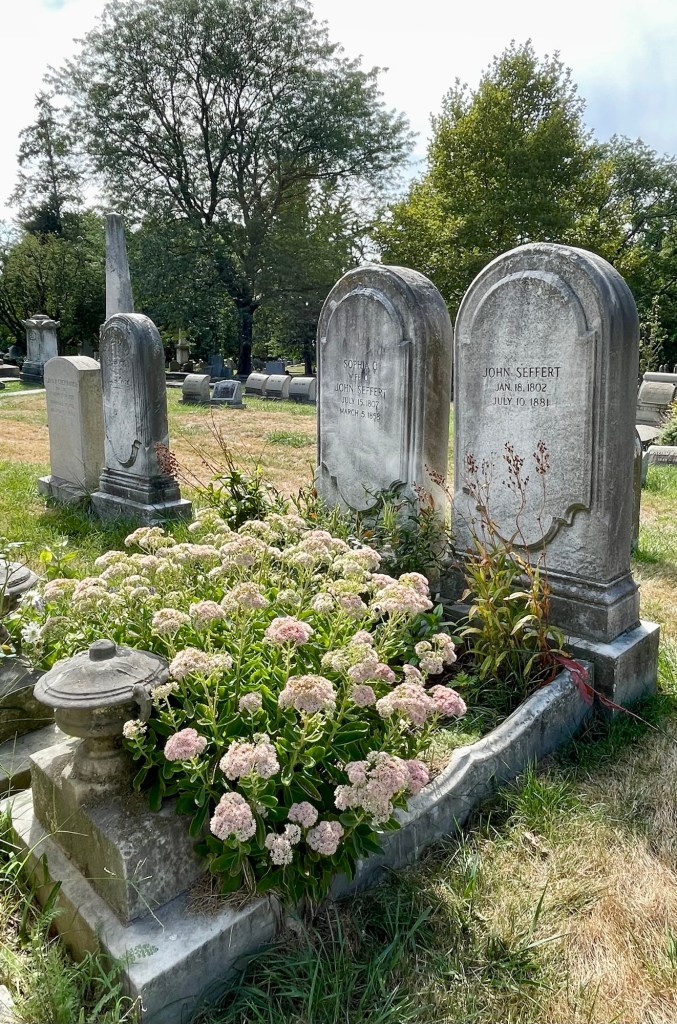
Sedum: tranquility, peace, and, due to its hardy, drought-resistant nature, enduring, long-lasting love.
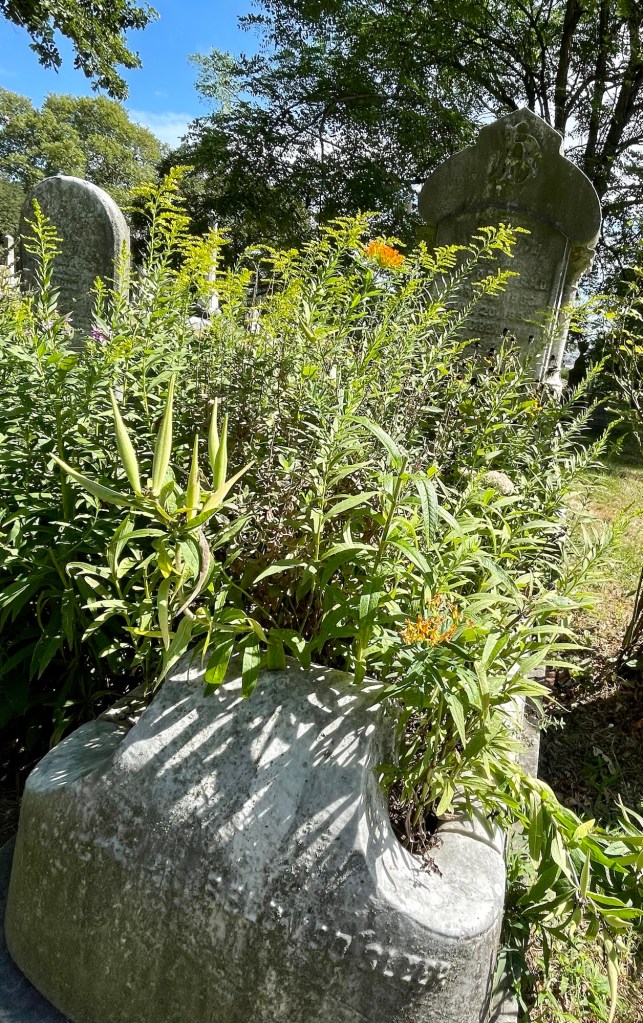
Golden Rod: encouragement and support. Because of its hardiness it was used to offer comfort and positive energy at gravesites. Butterfly Milkweed: transformation.
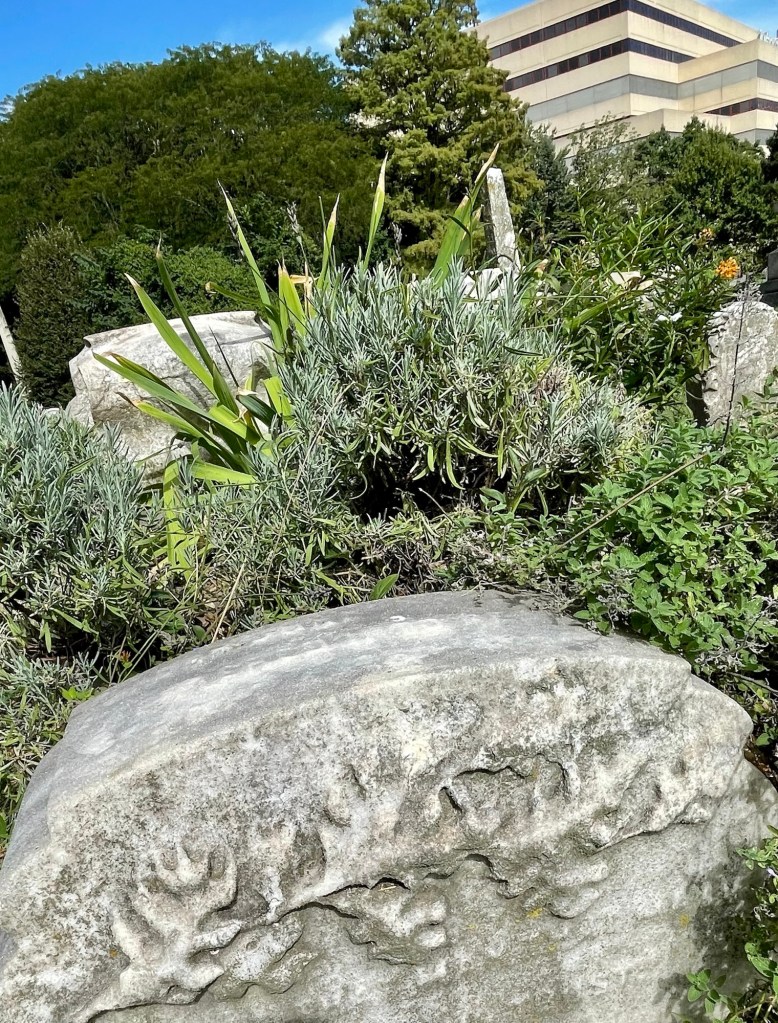
Other plants had symbolic meanings but were equally prized for their scented foliage, including santolina, lavender and sage.

Since Victorian cemeteries can be found worldwide, there is always the possibility they contain cradle graves. In Philadelphia the Woodland Cemetery has tons (Botany in Early Philadelphia (pt. 2): Woodlands – America’s First Neoclassical Mansion and a Victorian Cemetery) and Laurel Hill (Exploring Philly’s Victorian Cemetery: Laurel Hill) has a few. They were the setting of most of these photos.
 Secrets of Philadelphia