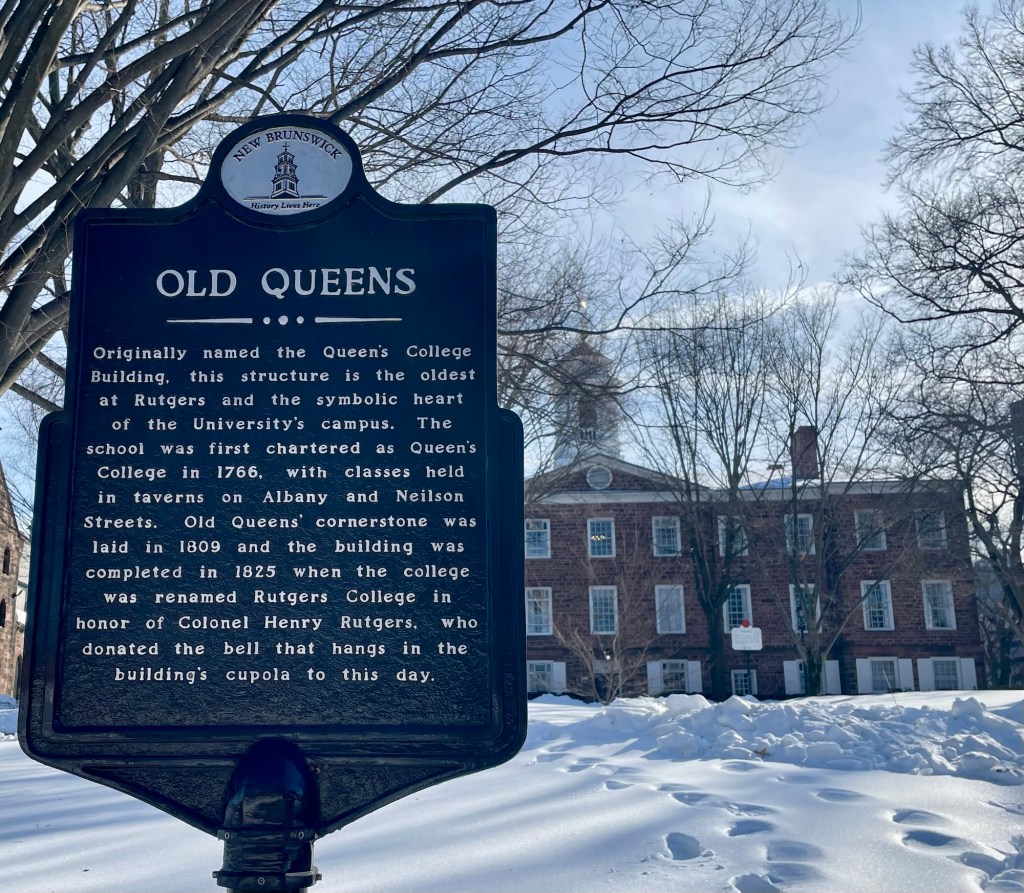
Founded in 1766 as Queen’s College, Rutgers is one of nine colonial colleges established before the American Revolution. They are all still in operation, but Rutgers and William & Mary are the only ones that are now public. The others are still private, part of the Ivy League. Rutgers’s first permanent building was completed in 1825 and still stands at the heart of the New Brunswick campus.
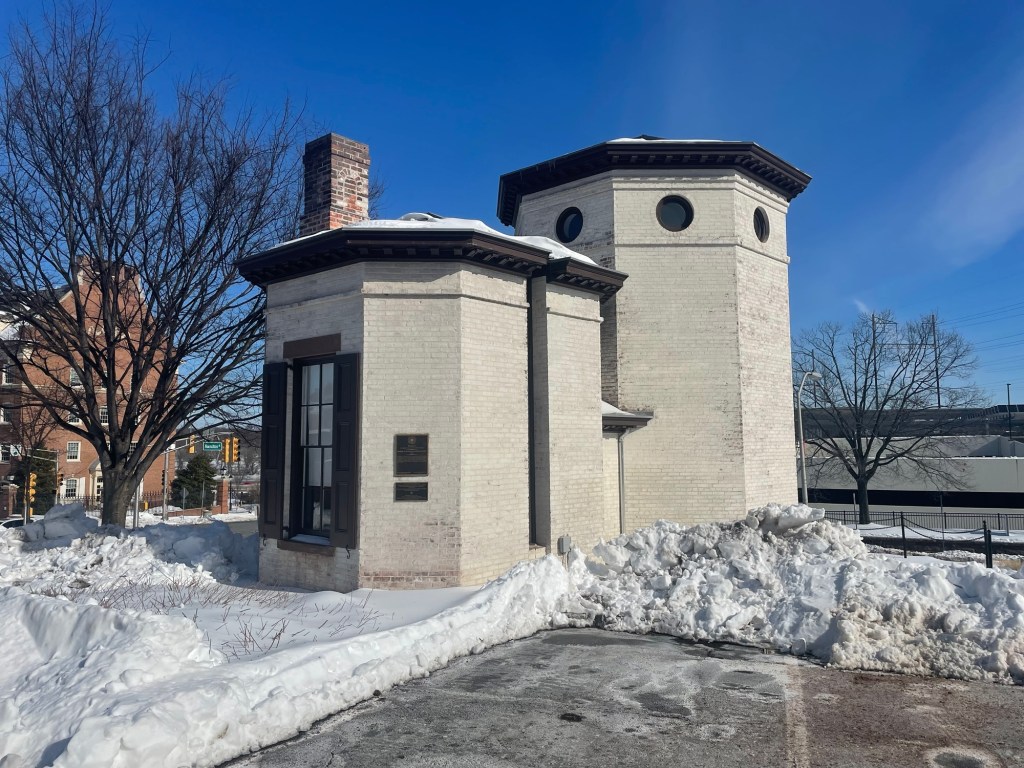
In 1864, Rutgers became New Jersey’s land grant college which provided federal funding to develop agricultural and science focused curriculum. As part of this new priority the Schanck Observatory was completed in 1866 to study astronomy and in 1872 Geology Hall was built to house the college’s geological collections and museum.
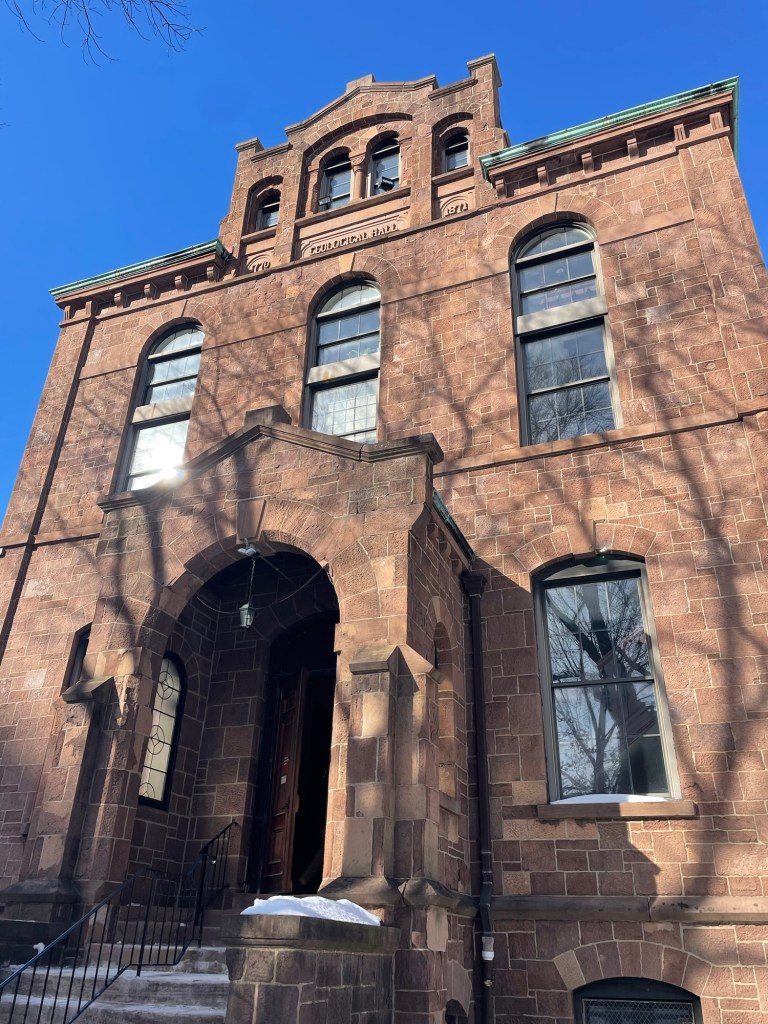
They are both still standing, and the museum is now the oldest collegiate geology museum in the country. Like many museums of the Victorian era, it walks a fine line between a display of curious objects and a scientific collection.
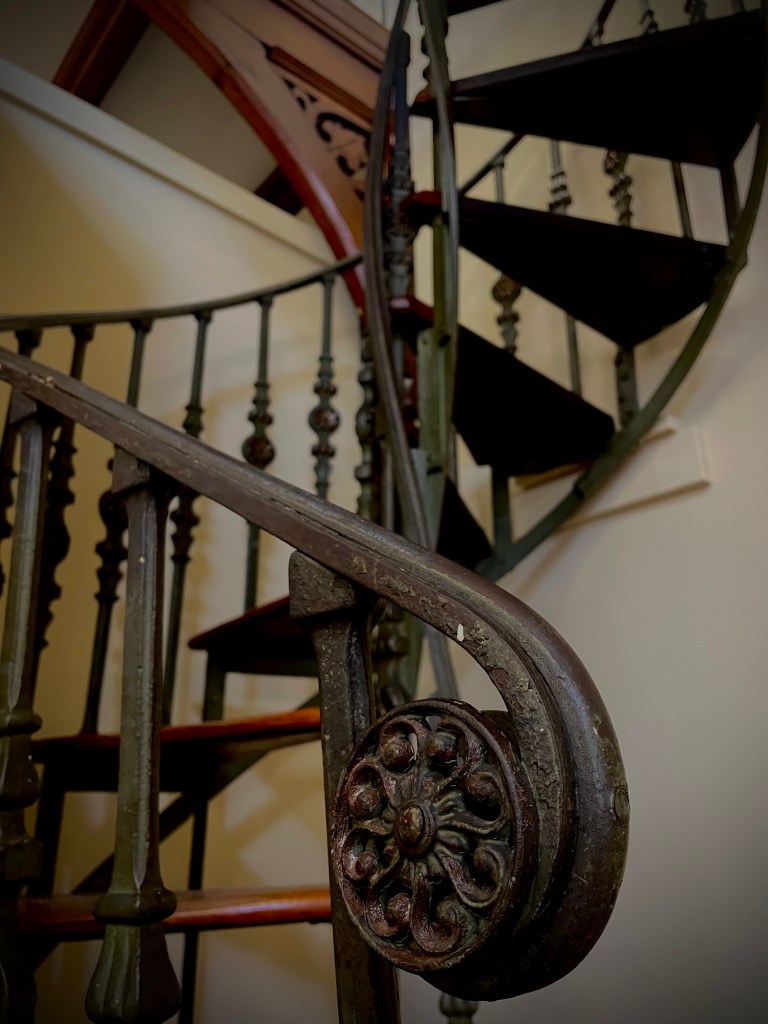
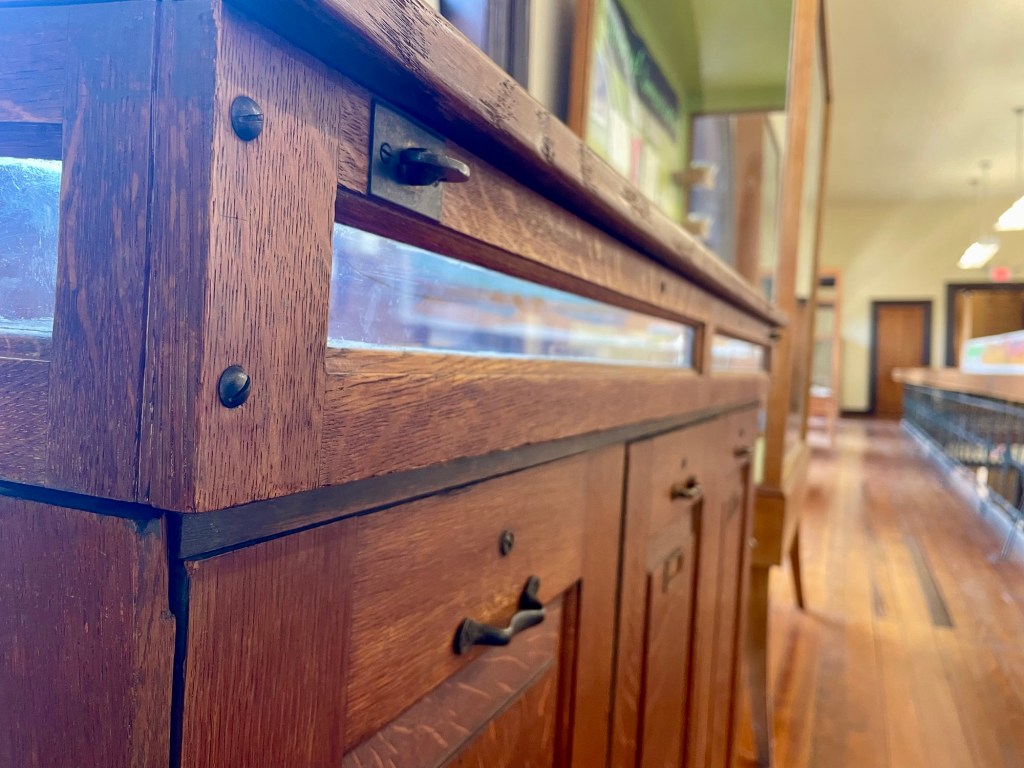
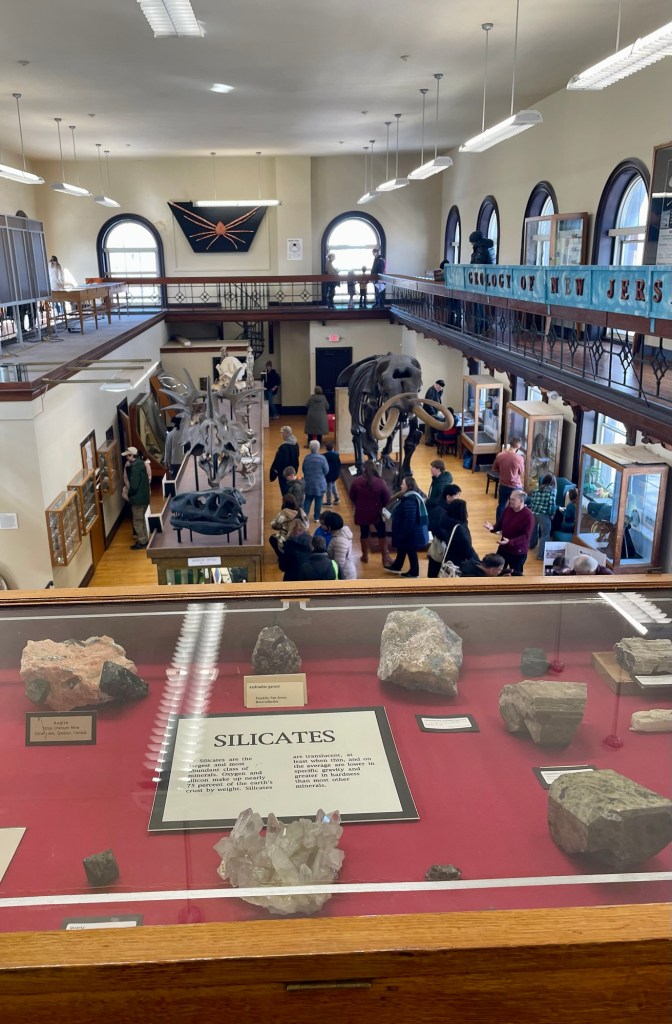
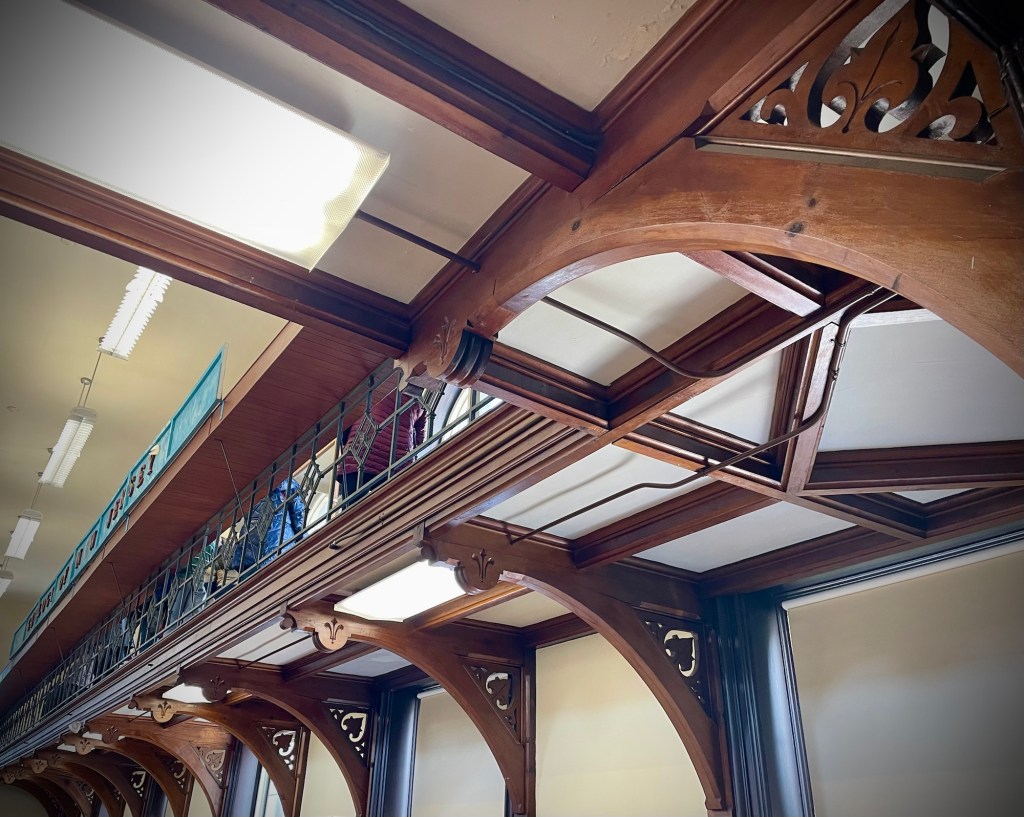
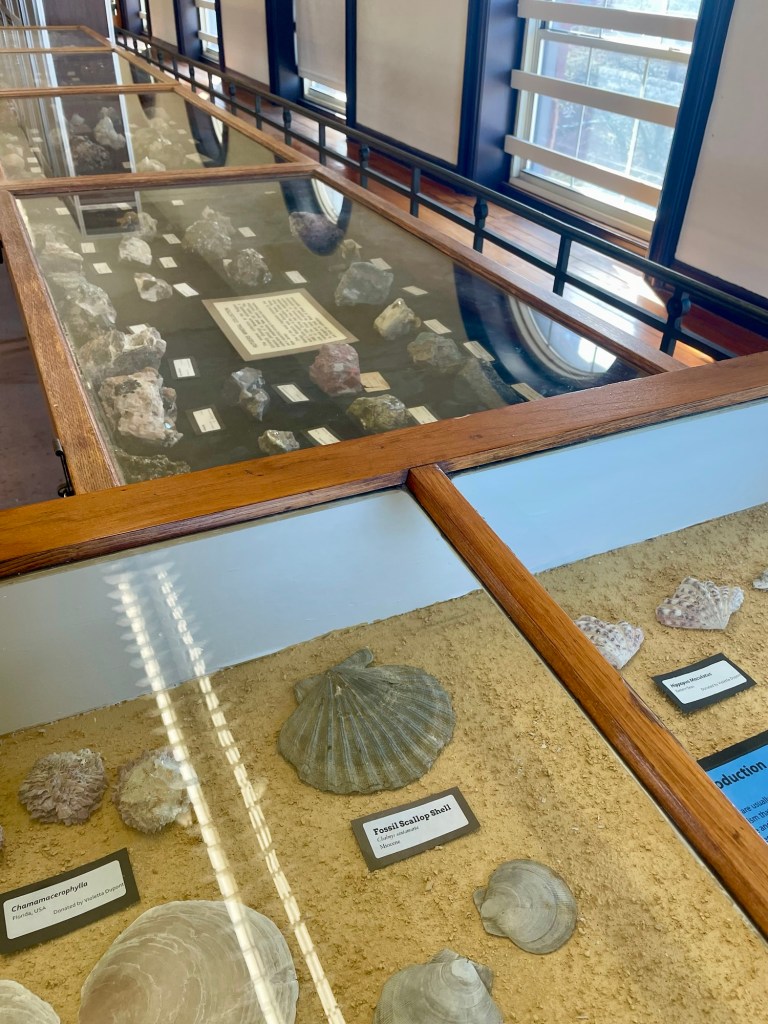
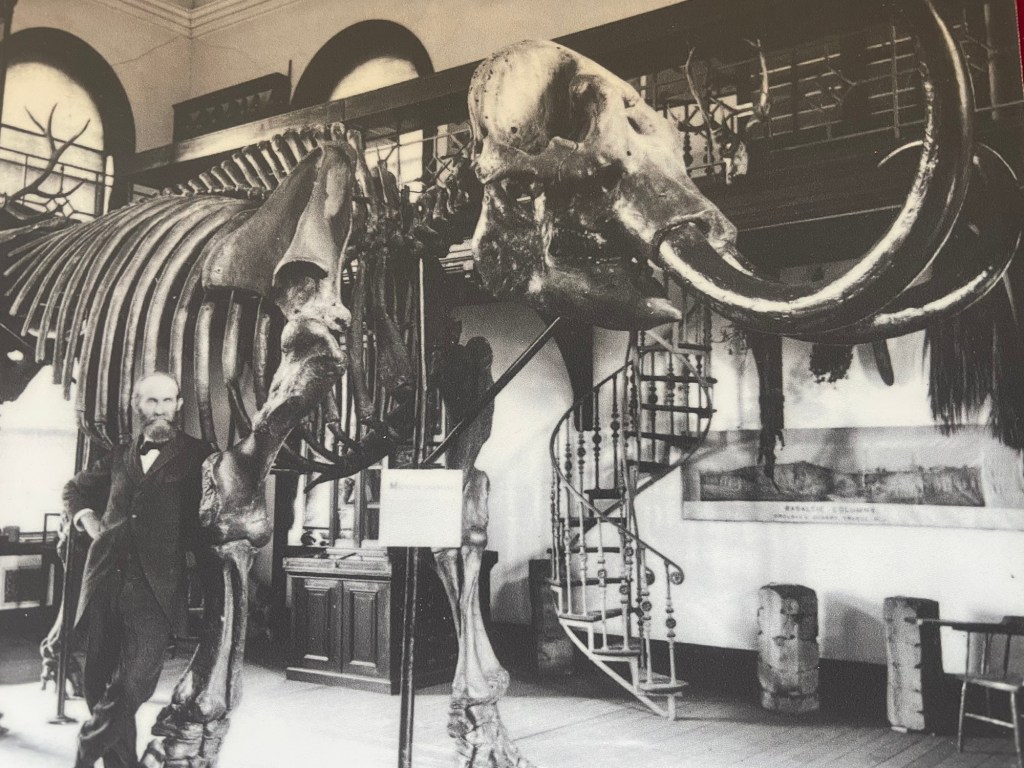
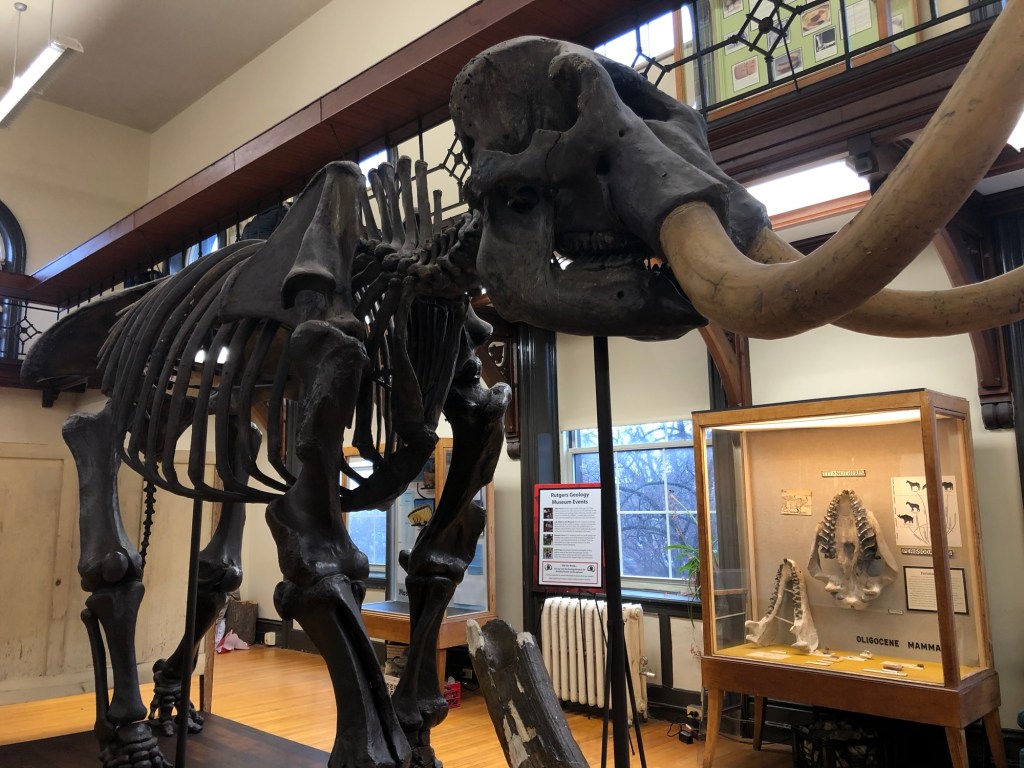
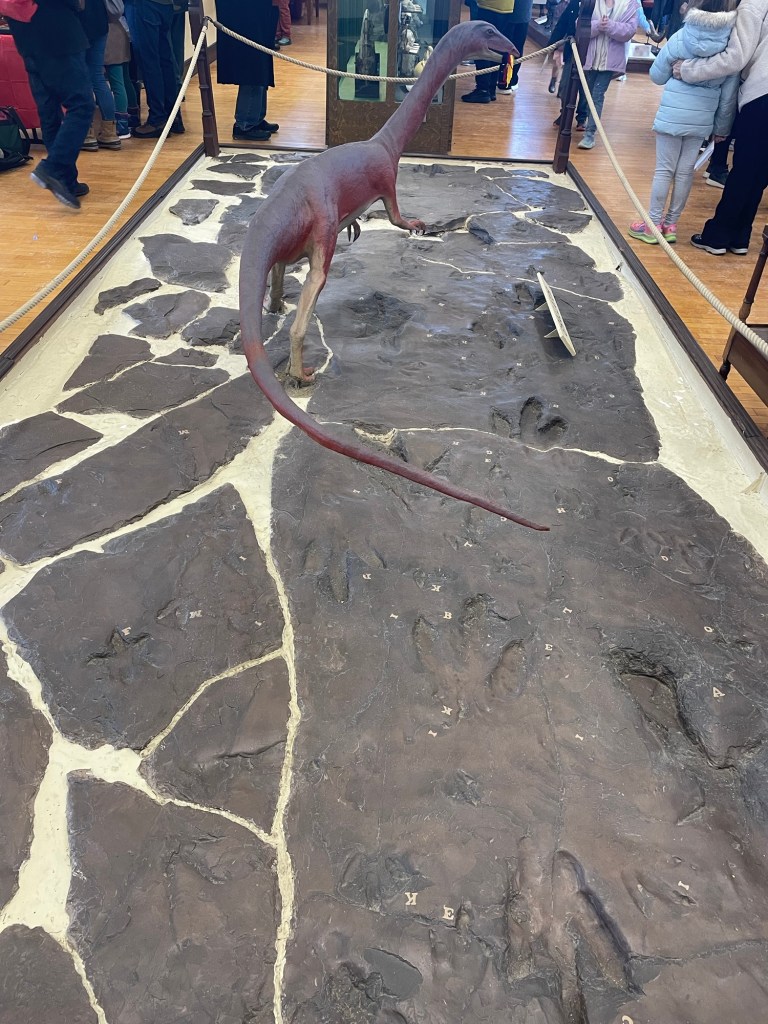
Displayed among the Victorian architecture is one of the best collections of minerals from New Jersey, along with some amazing New Jersey fossils, including one of the most complete mastodon skeletons ever found and a cast of Jurassic reptile trackways.
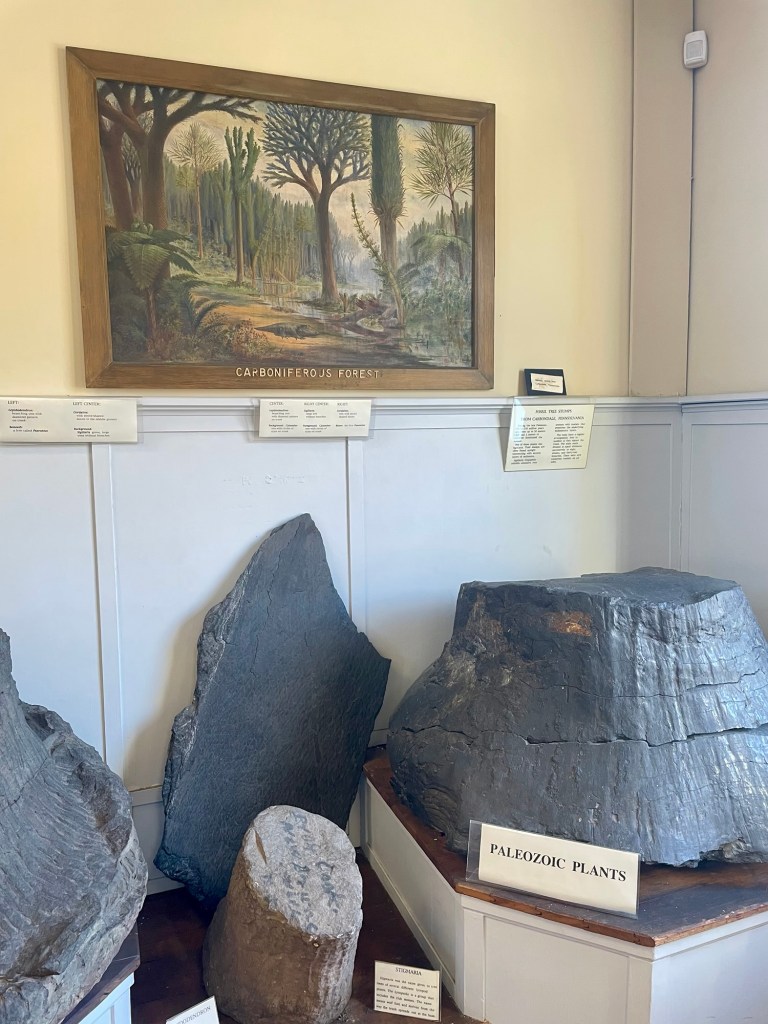
My favorite is this amazing 1936 paleo-art painting by WPA artist Alfred Poledo hung alongside a collection of the museum’s botanical fossils.
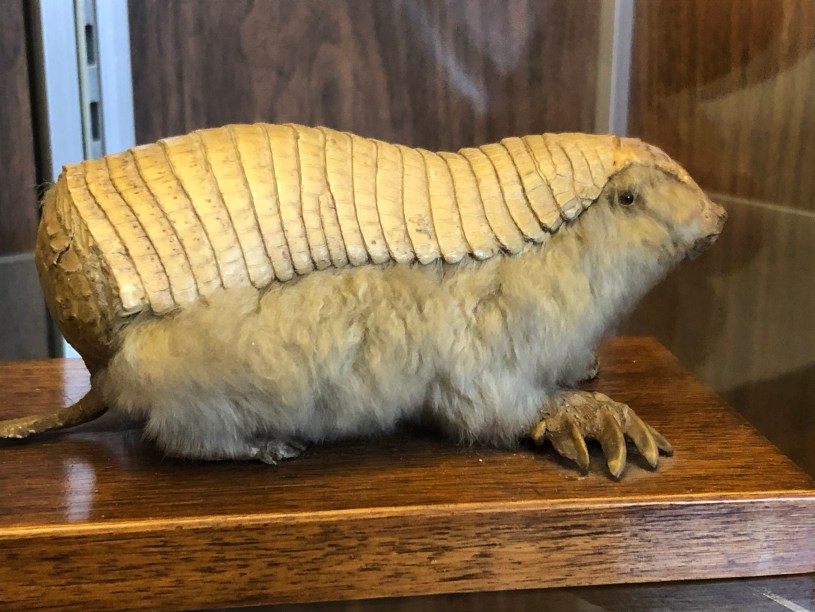
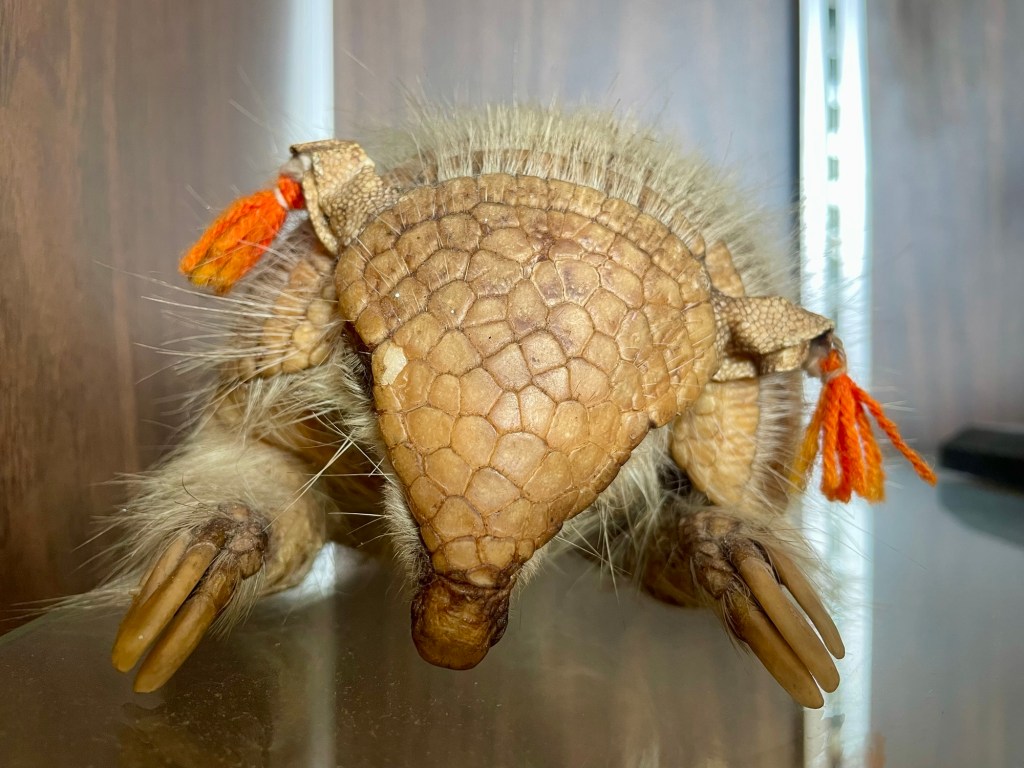
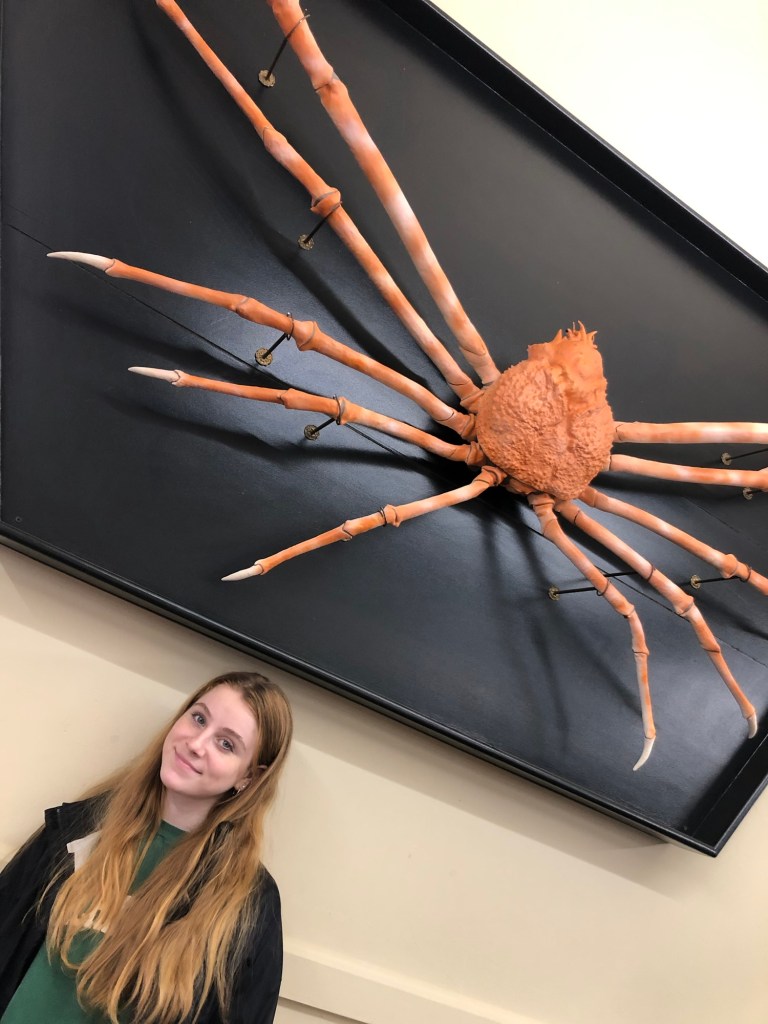
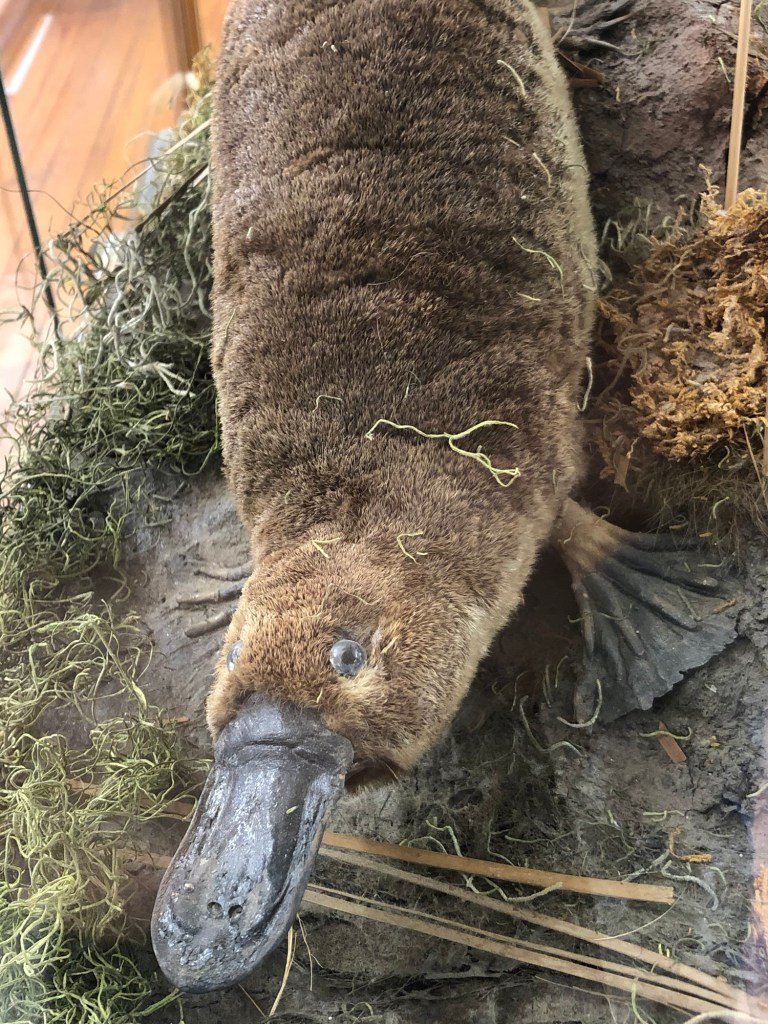
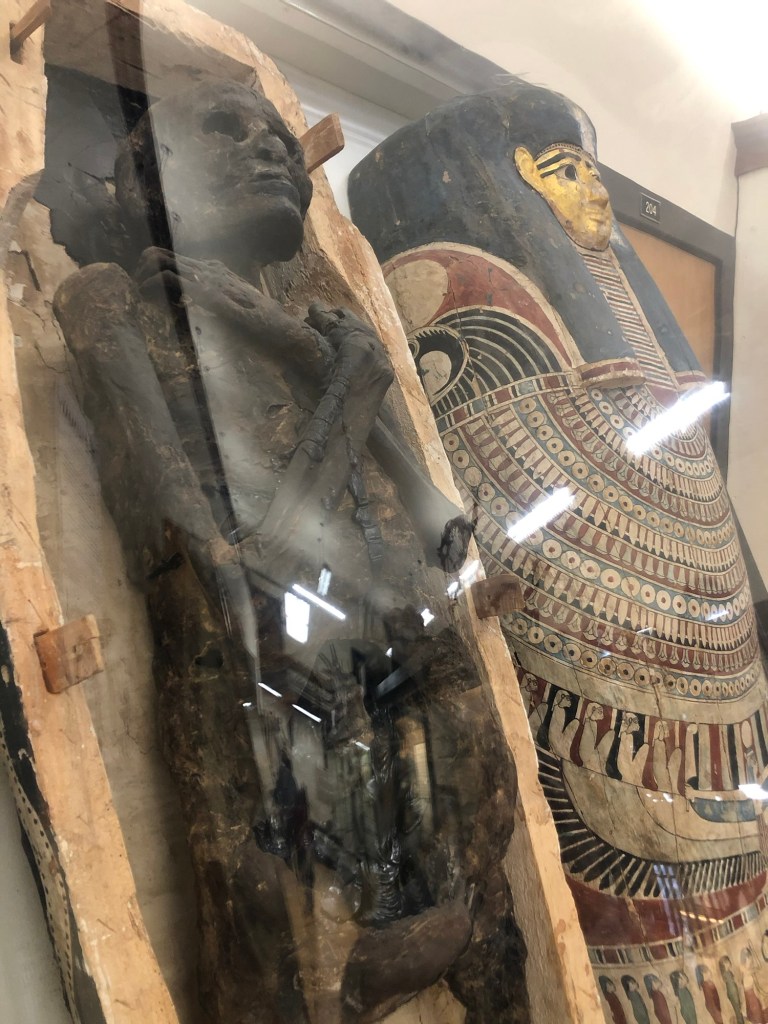
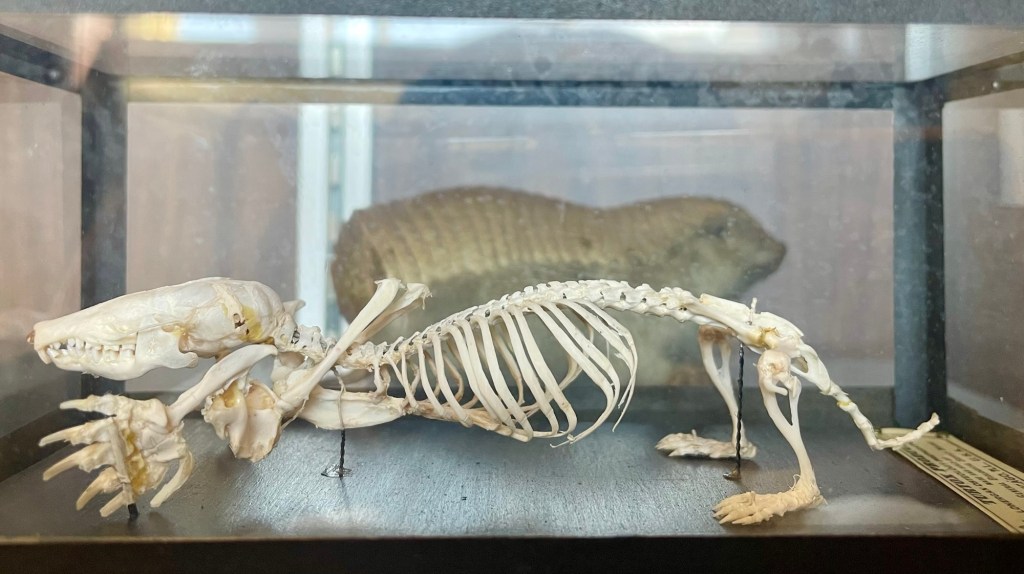
In addition to the rocks and fossils expected in a geology museum, there are some bizarre objects: an Egyptian mummy, a giant spider crab that arrived at the university in the late-1800s along with several Japanese students, and a stuffed platypus. Since there is minimal signage on some of these displays, I have no idea what the story is regarding the Screaming Hairy armadillo’s (yes, that is its actual name!) earrings??
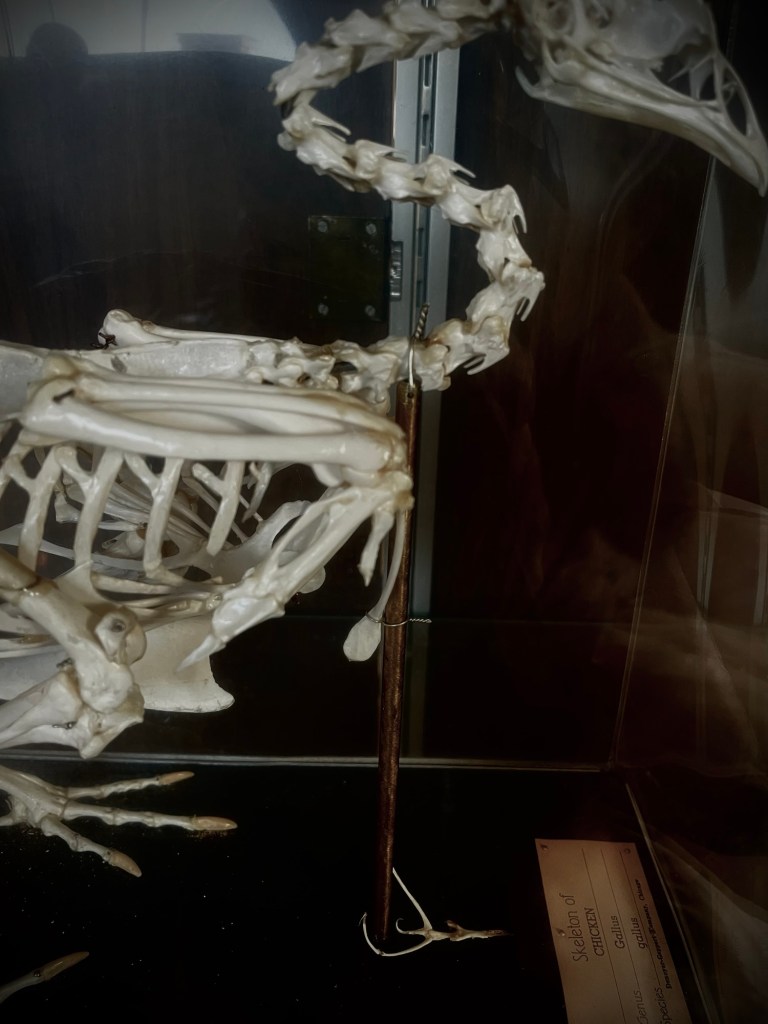
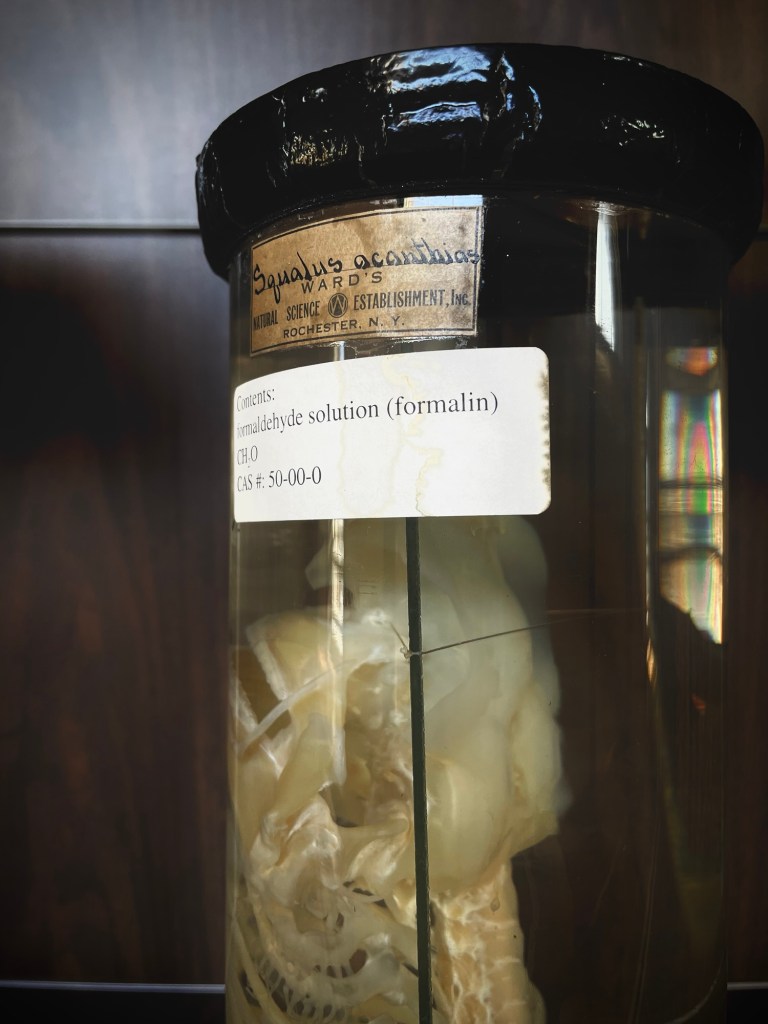
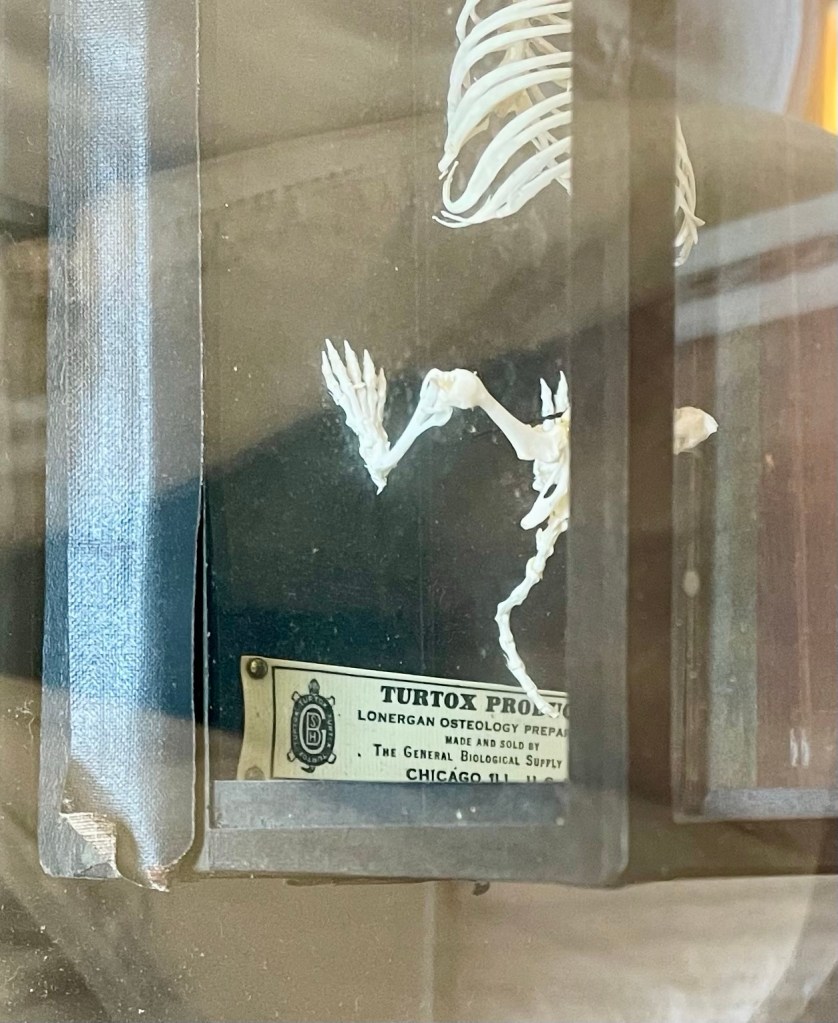
My favorite discovery was the (small) collection of vintage science education materials. Honestly, it wasn’t actually a display, more like a collection of cast-offs, but still so cool.
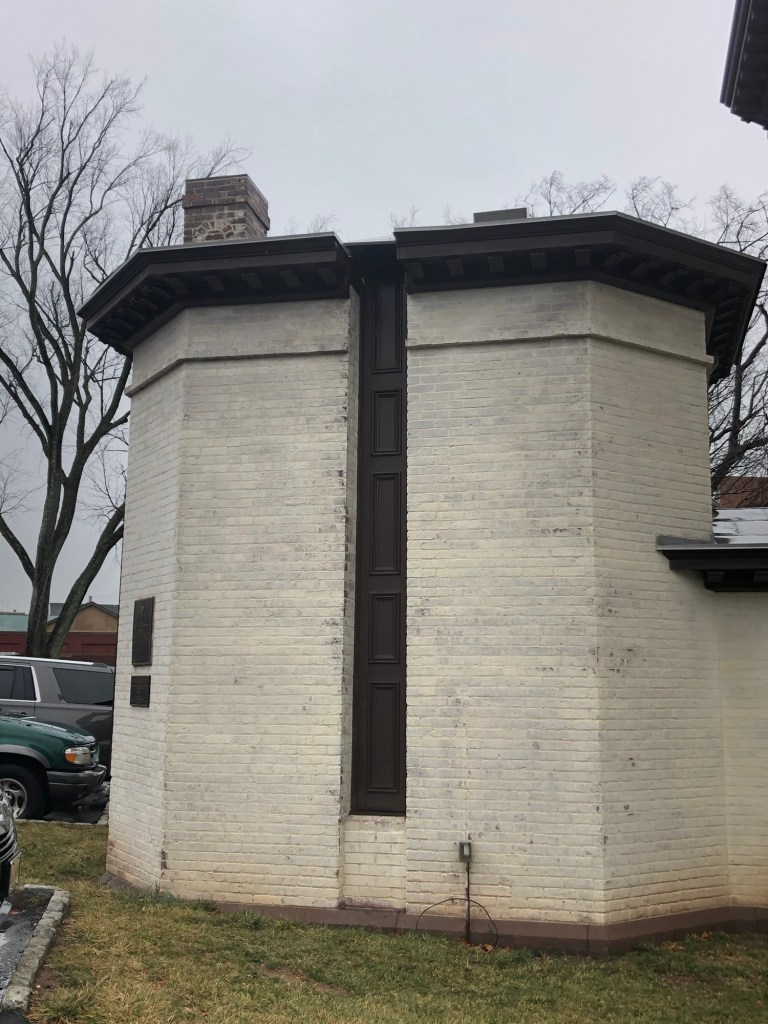
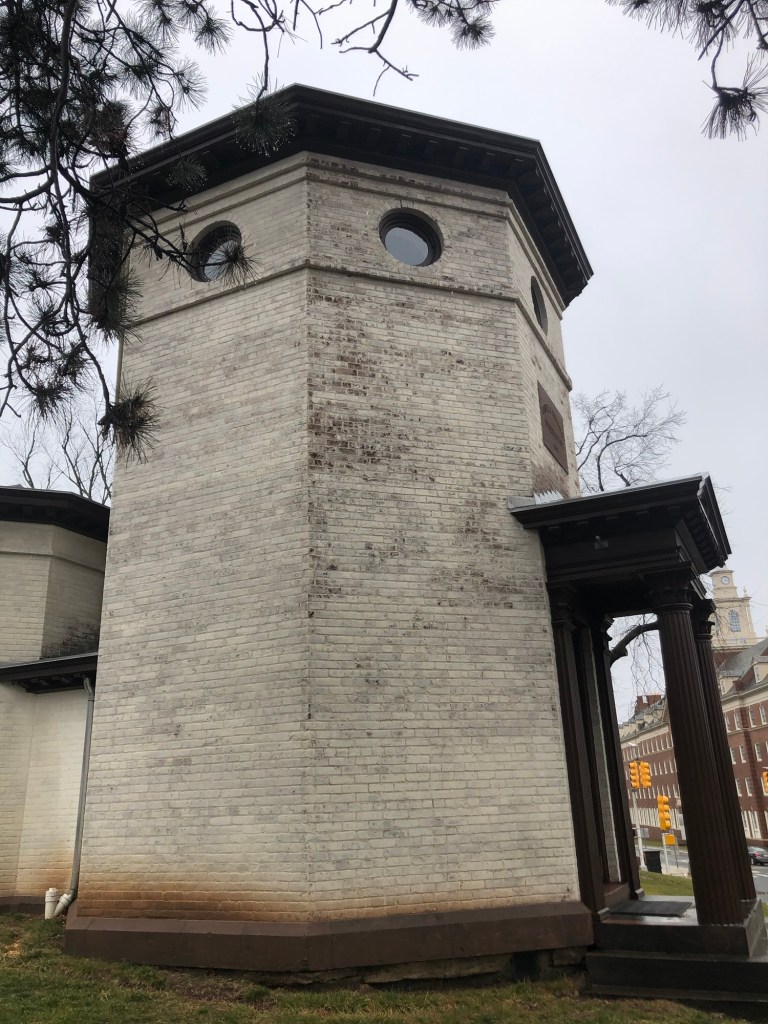
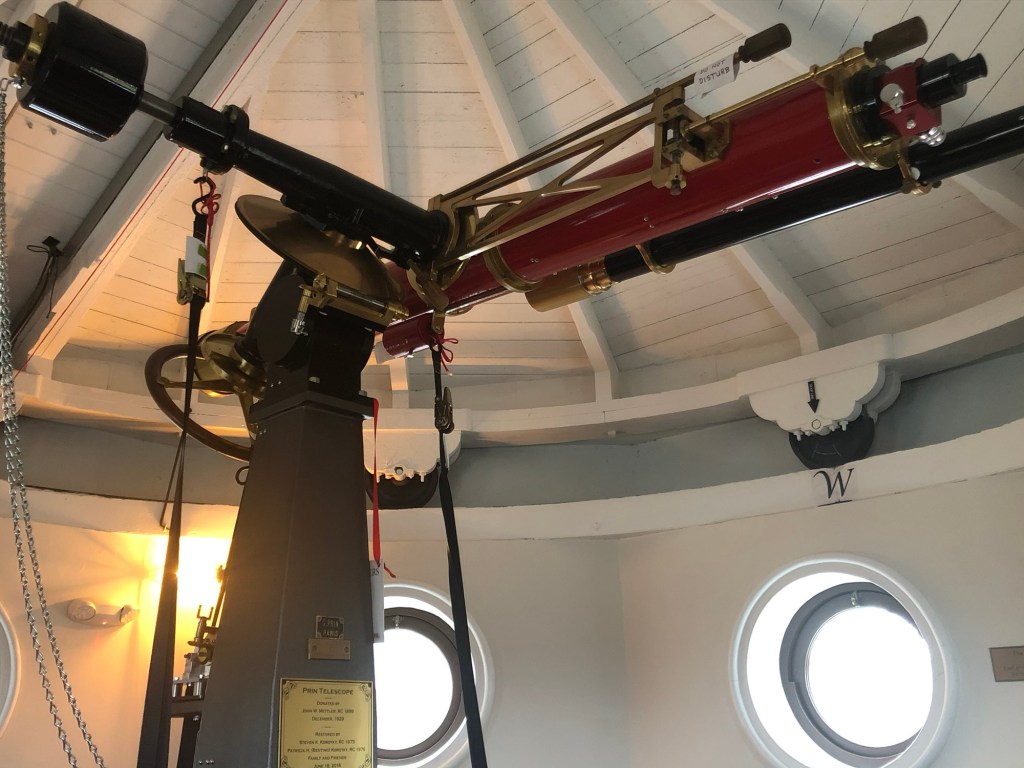
Across the parking lot from the museum is the Schanck observatory, which is composed of two interconnected circular rooms. One has a mounted telescope and rotating roof, with balconies to allow students to view the proceedings. Its original telescope is gone, but has been replaced with a restored 1929 model. The second room is a Transit Observatory with a complete 180-degree cut that bisects the room. It’s designed to have a view of the local meridian from horizon to horizon, and was used to measure latitude and longitude. Although the historic observatory is only open periodically, you can still see some of the unique architecture, including the transit observatory windows from the outside. Follow on Facebook for tour dates.
Just across the street is the Rutgers Art Museum, founded in 1966.
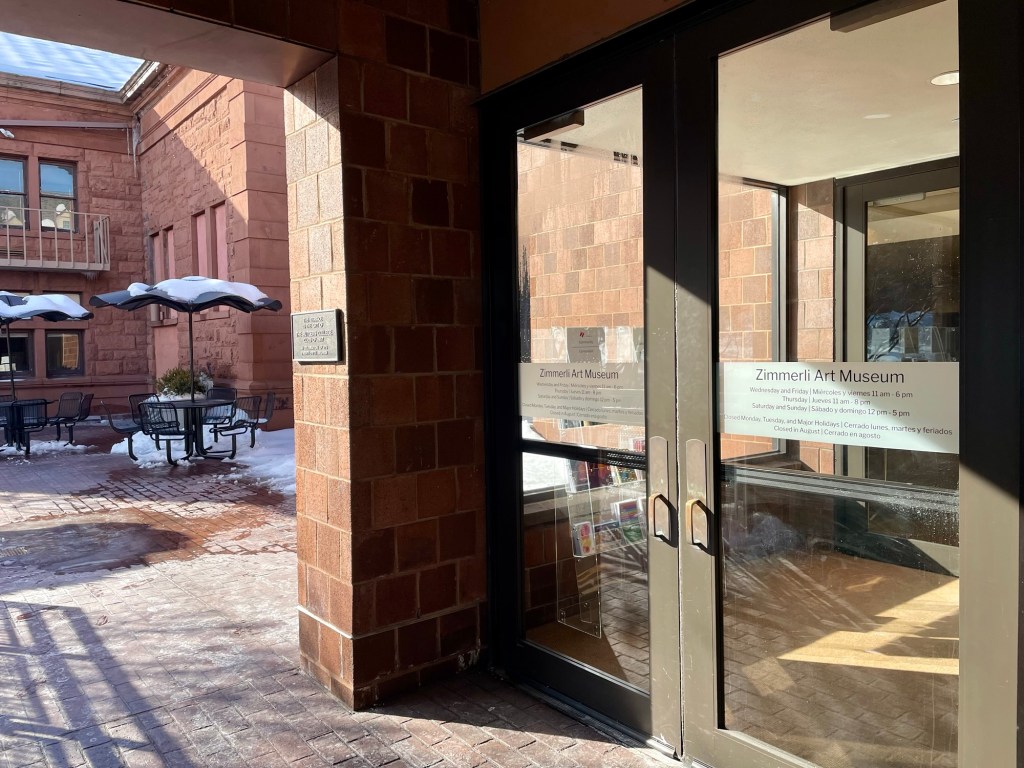
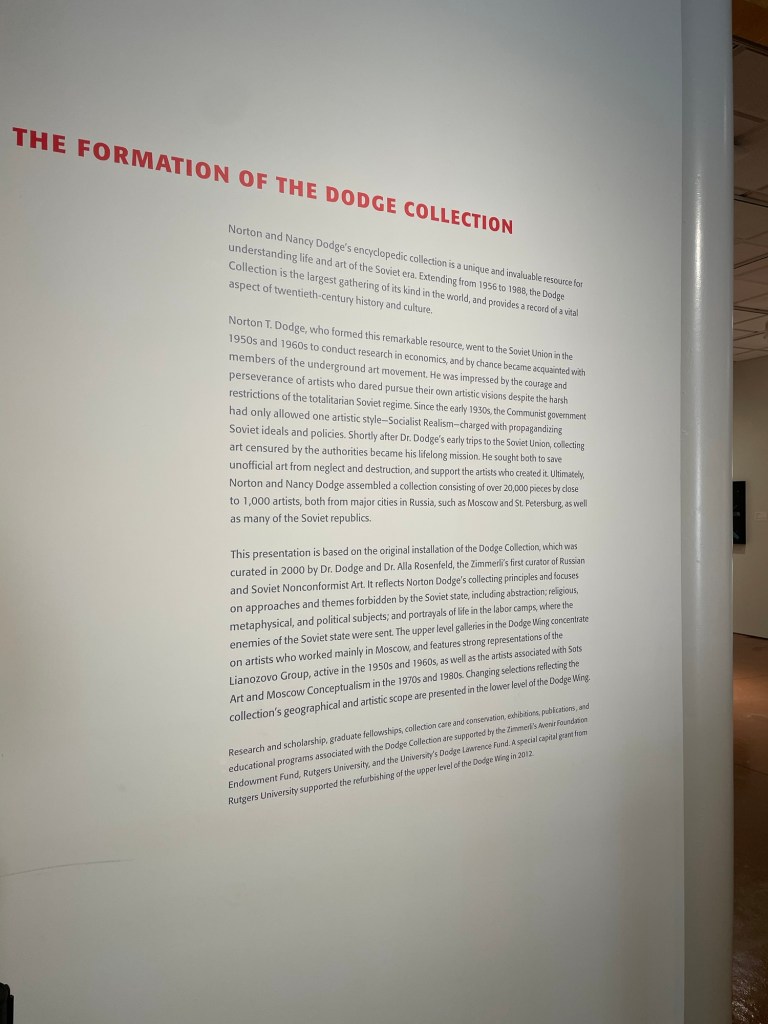
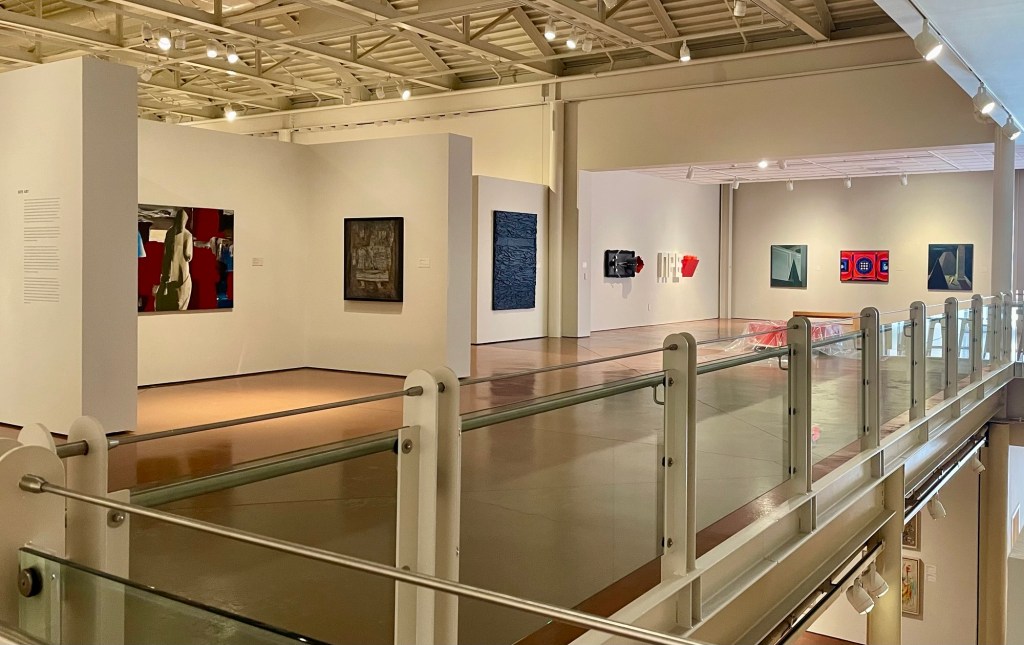
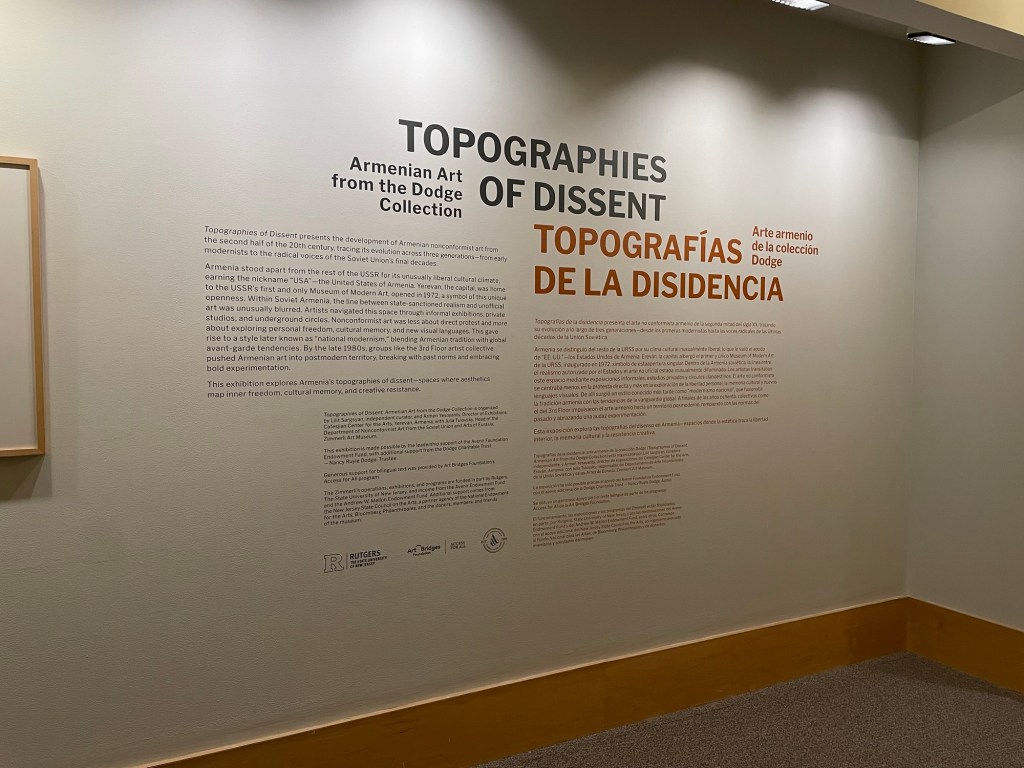
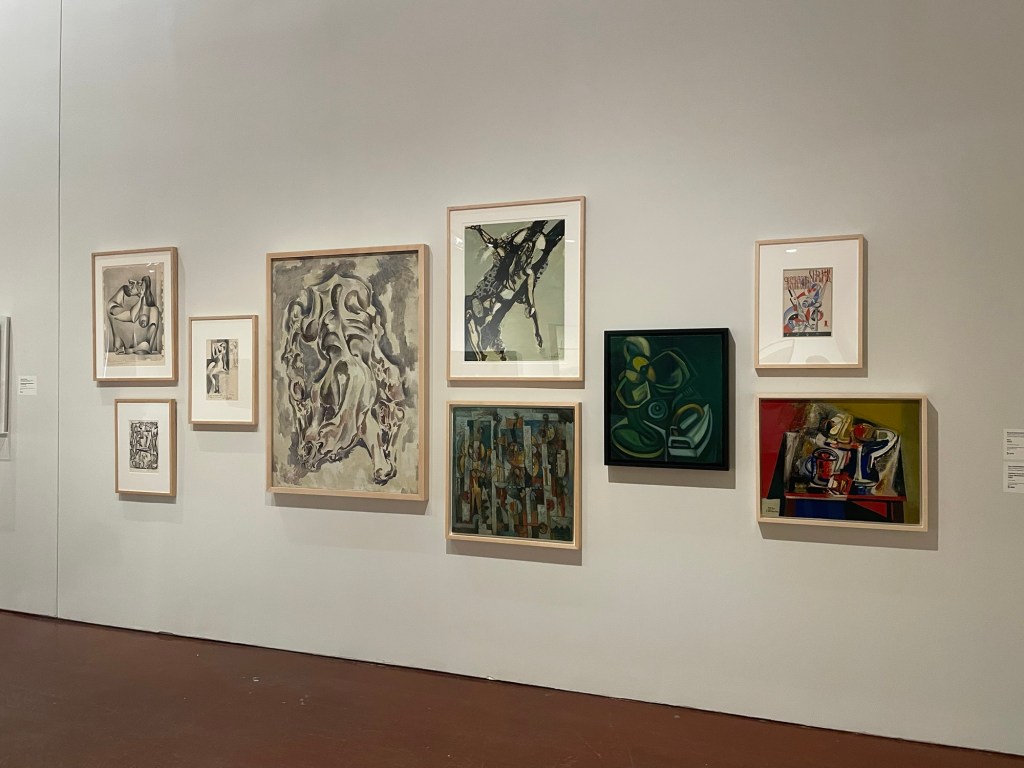
In addition to the typical exhibits found in a collegiate art museum there is a world-class collection of Soviet Non-conformist art donated by Norton Dodge, “the Lorenzo de Medici of Russian art.” Dodge was an economist and professor who smuggled nearly 10,000 works of dissident art out of the USSR during the height of the Cold War. Tupitsyn states “It wouldn’t be an exaggeration to say that Norton singlehandedly saved contemporary Russian art from total oblivion.” Prior to entering the main exhibit there are several cool Soviet-era social realism posters.
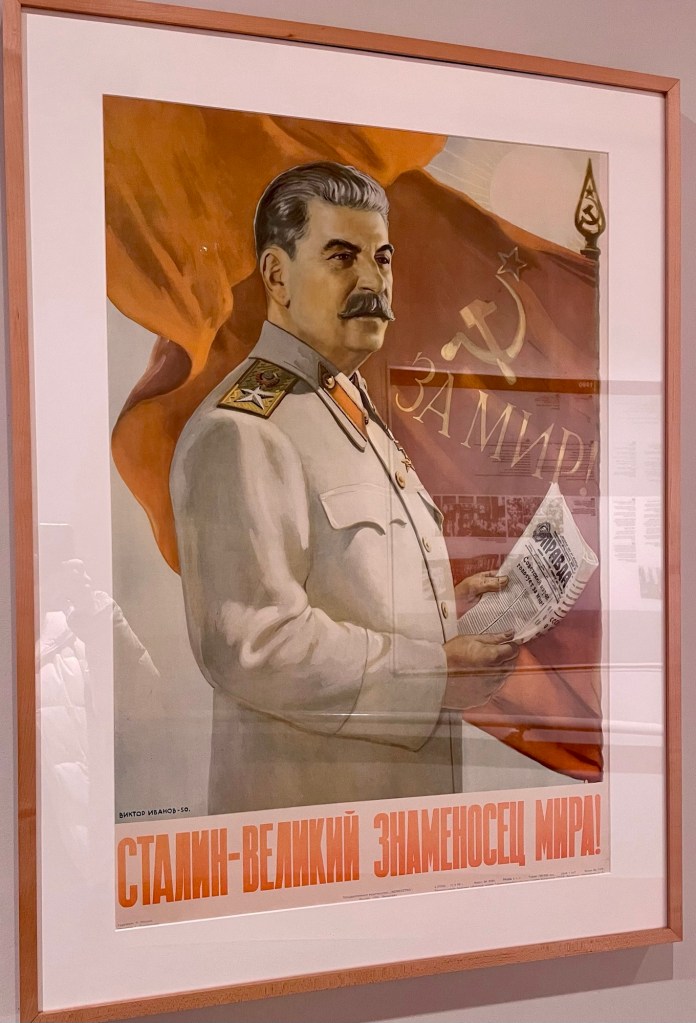
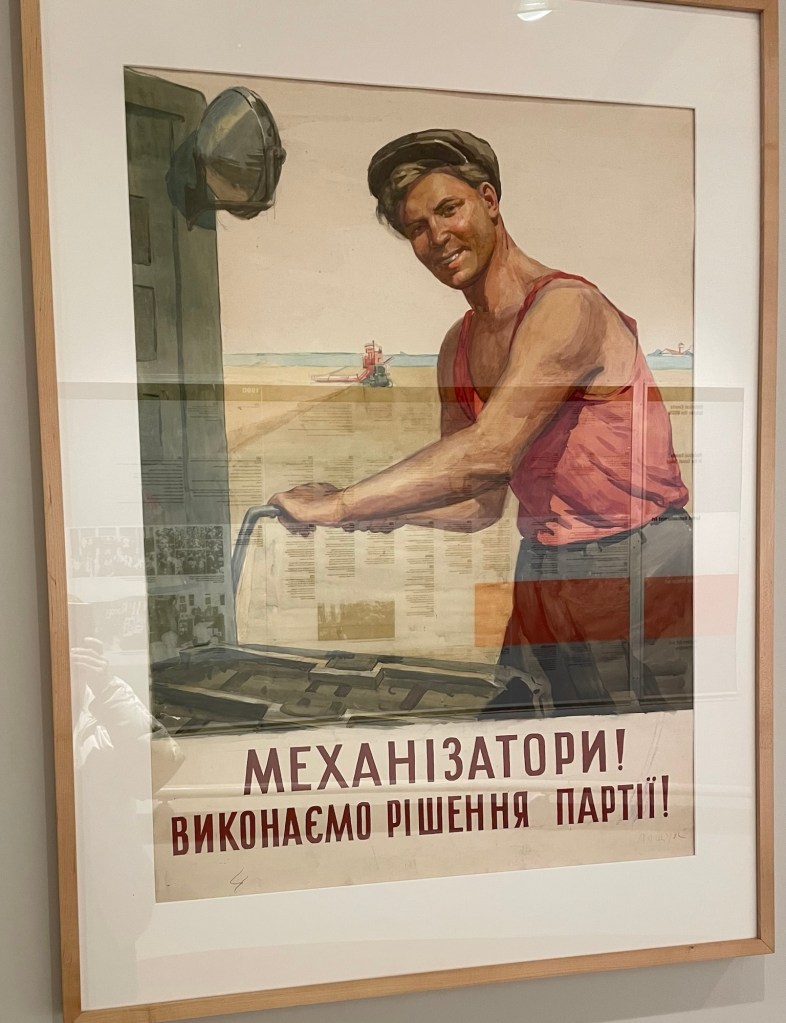
Then there are several permanent galleries devoted to the collection, as well as a large temporary exhibit downstairs.
All of these sites are free!
The trio of sites are easy walking distance from each other and visiting can fill most of a Central Jersey day.
 Secrets of Philadelphia