No politics here, just a reminder that one of the best ways to enjoy a new place is through its immigrant communities. Everyone knows how much I love a good food adventure, and exploring a destination’s cuisine is top on my list. I usually plan a food tour for day #1, but these often focus on typical regional foods. After that it’s time to explore the local immigrant culture.
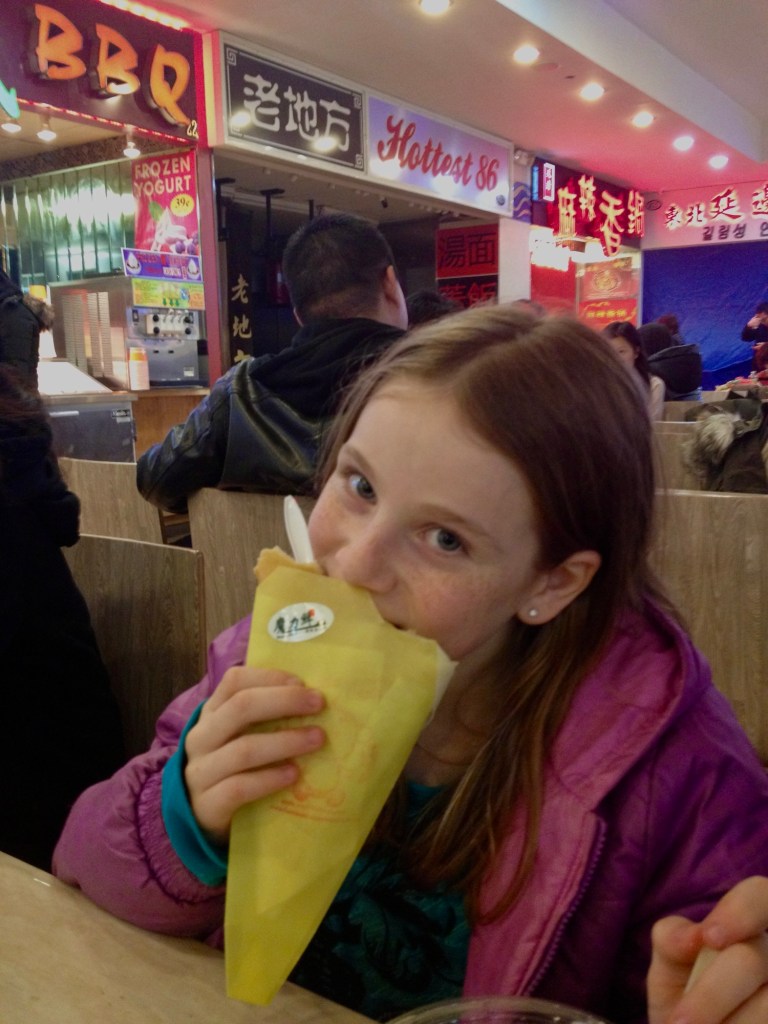
San Francisco’s Chinatown and New York’s Little Italy are well known, but while still vibrant, many of these older areas have become as much tourist destination as actual neighborhood. When this happens, prices rise and communities shift to cheaper locals. While Chinatown in Manhattan is still fun and has great dining opportunities, newer areas like Flushing, Queens have a much less touristy vibe. Several of the malls have food courts in the basements with a great selection of eateries.
Even if rents stay low, populations still shift over time. While Philly’s Italian Market retains some of its classic Italian shops and restaurants, the (recent) Italian immigrants are long gone, and it is now home to a large Mexican and Central American population. However, evidence of its history is visible as you walk the streets around the market noting the businesses set up to assist Italian immigrants as they began arriving in the 1800’s. Banks such as the Banca Calabrese and Banca D’Italia did more than just hold money, they provided immigrants with loans, money transfers, even railroad and steamship tickets.


Major cities are often ground zero, but sometimes immigrant communities pop up in unexpected places. In addition to the culinary treats, keep an eye out for opportunities to learn more about the culture, including festivals and museums.
Vietnamese Biloxi
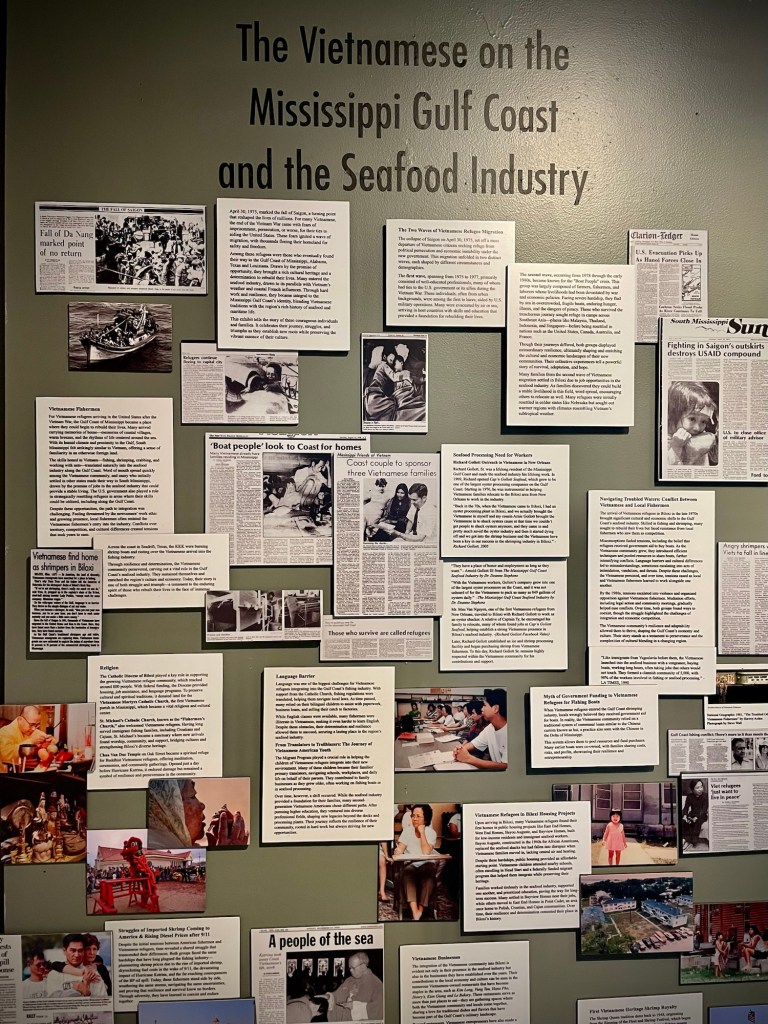
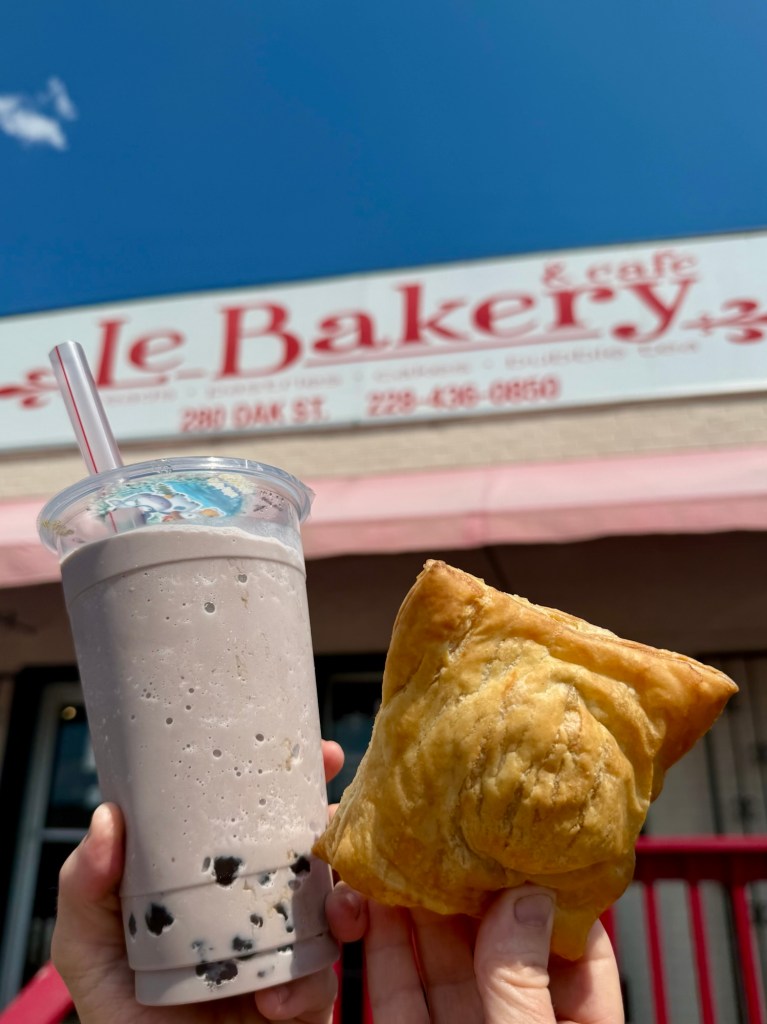
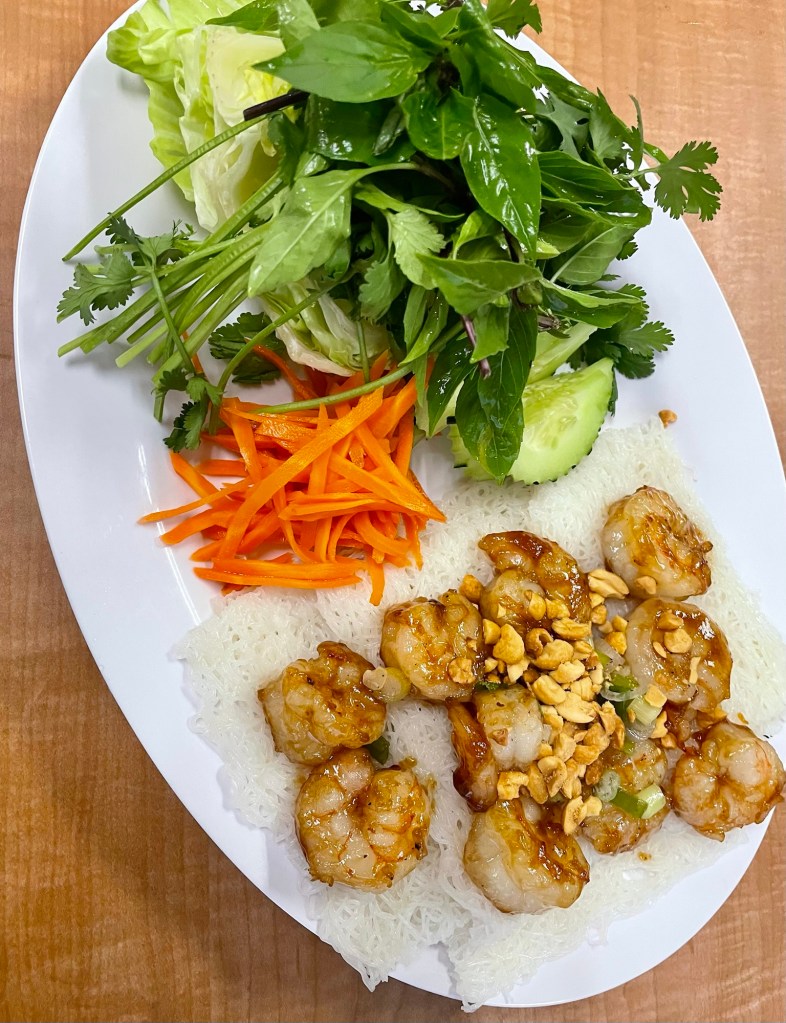
In the 1970s refugees fleeing the Vietnam War found employment along the Gulf coast in the fishing industry. Today there is still a large population and many Vietnamese restaurants, including the Le Bakery where we ate breakfast twice over a long weekend. Learn more about this history at the Maritime & Seafood Industry Museum (Mississippi: Shrimp & Gators).
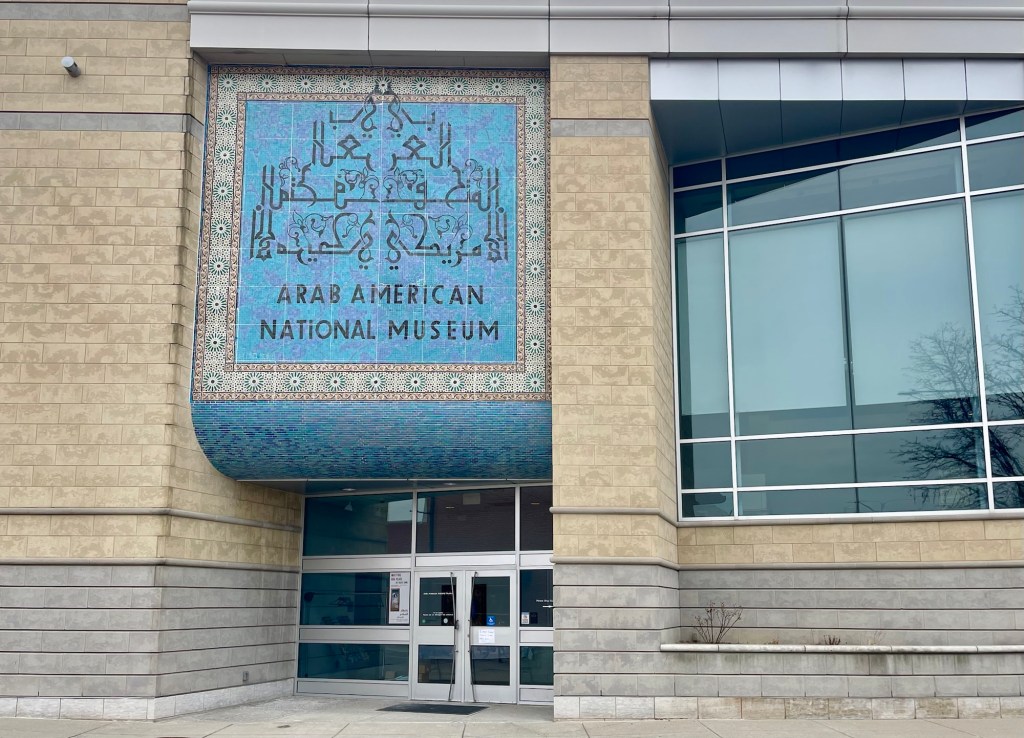
Arab Dearborn
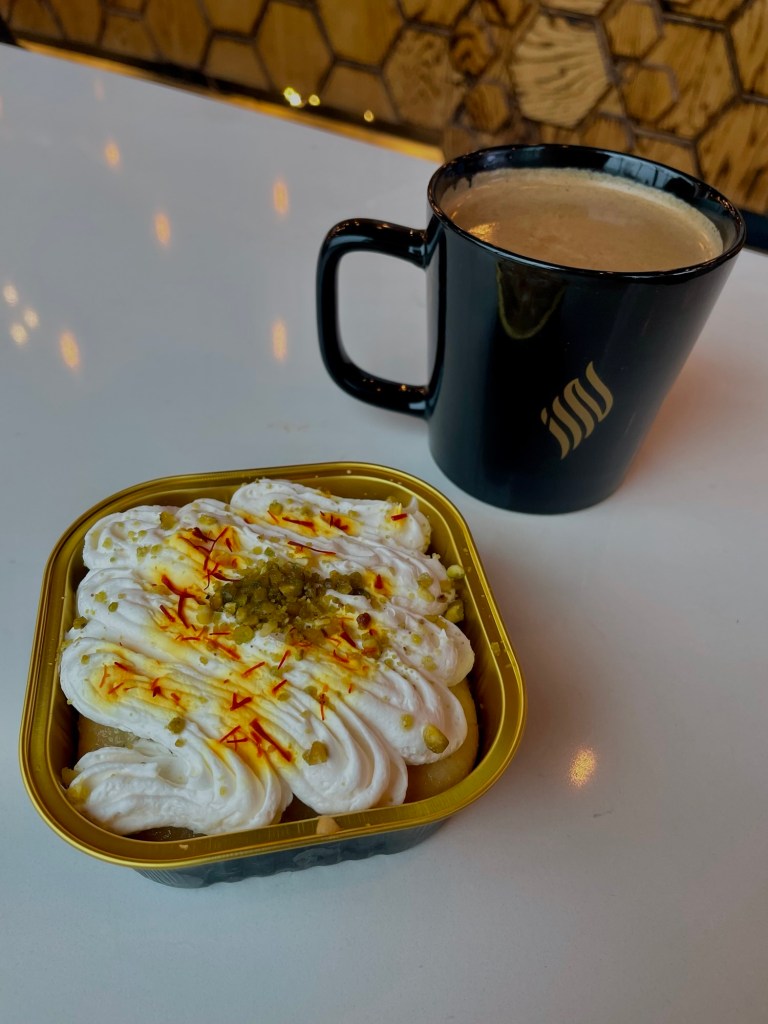
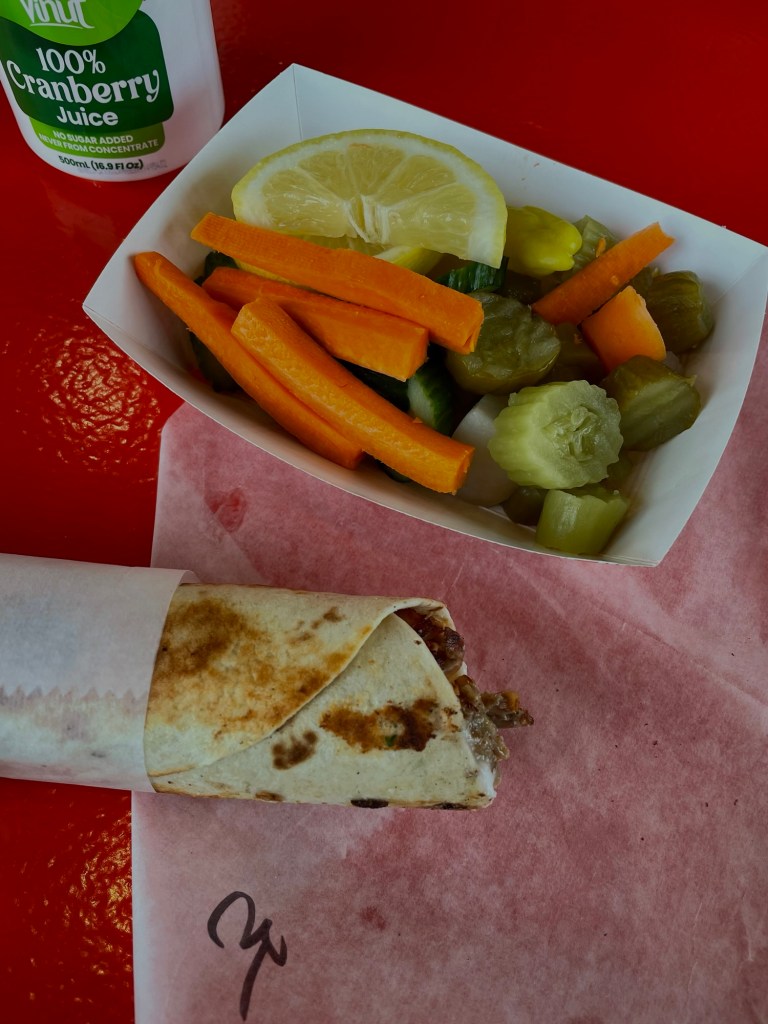
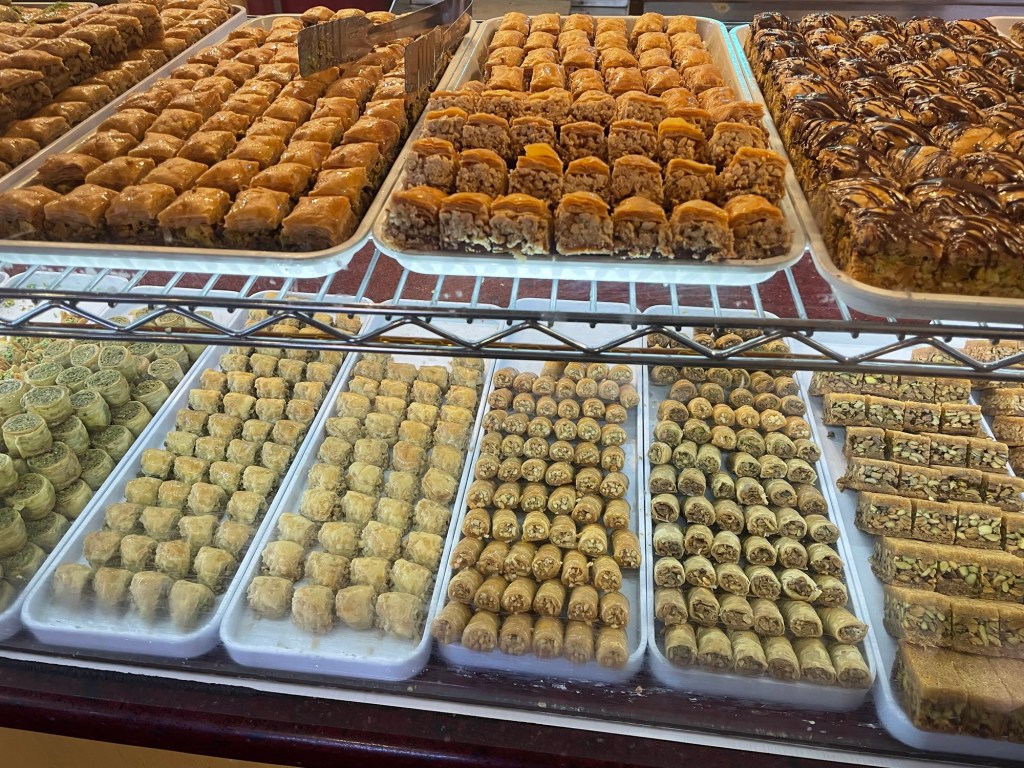
Henry Ford refused to hire Jews for his assembly lines, instead hiring from other ethnic groups including Arabs. Some estimates claim that by the early 1920s the majority of workers on his assembly line were of Arab descent. Today Dearborn is home to the nation’s largest concentration of Arab Americans, and has a huge variety of restaurants, bakeries, and coffee houses. To learn more about the Arab American experience visit the Arab American National Museum (Henry Ford, Hitler & Michigan’s Arab Immigrants).
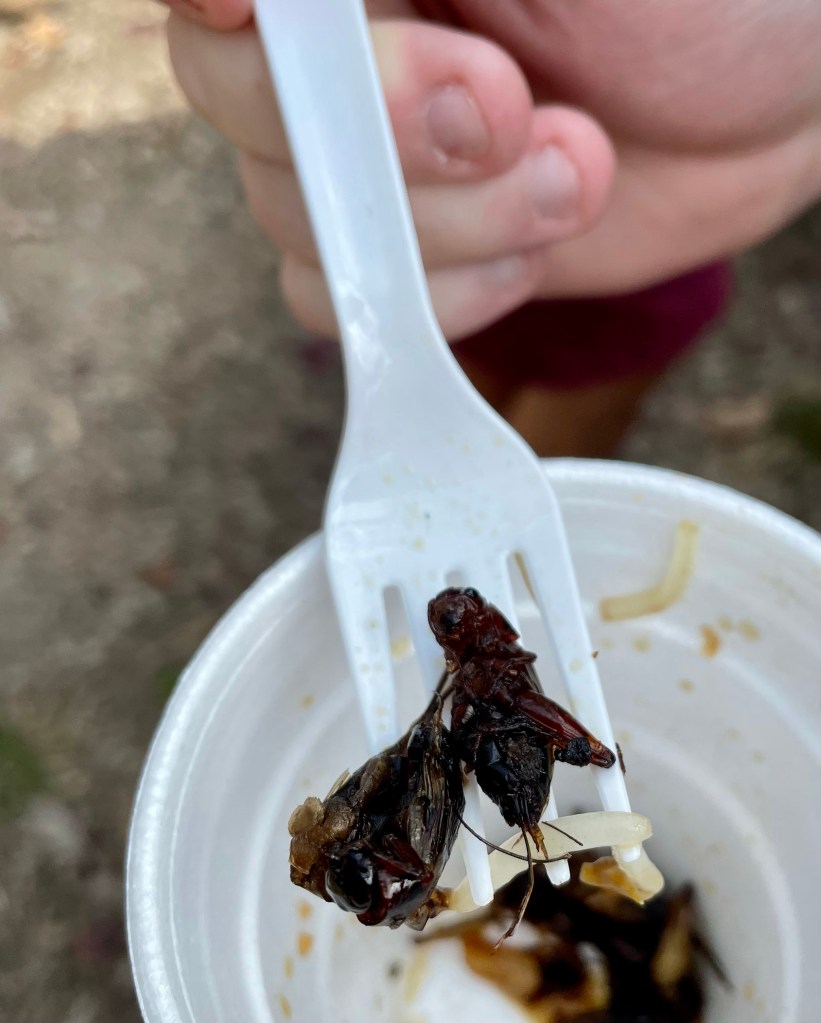
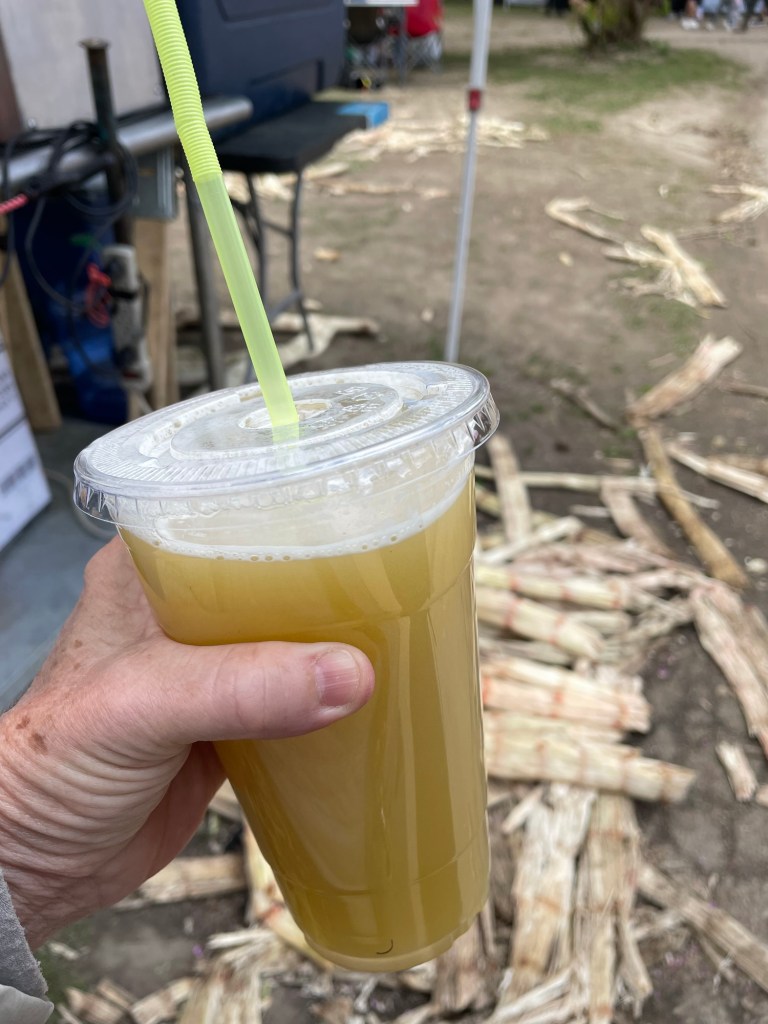
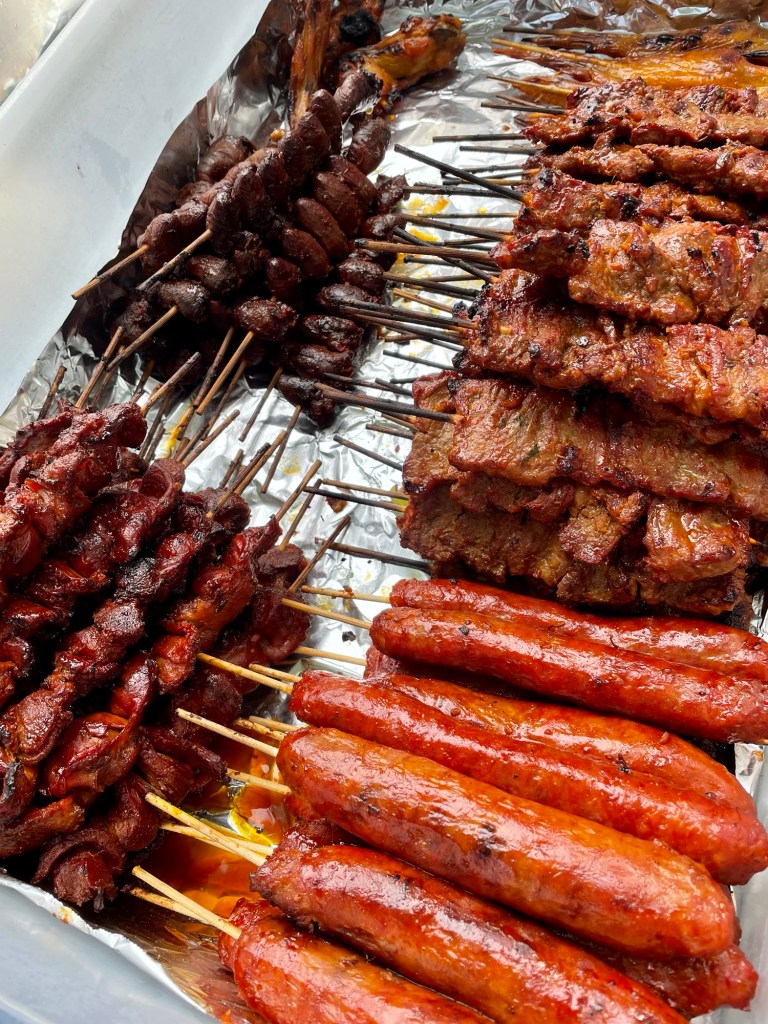
I’m most familiar with the communities in Philadelphia, from Post-Soviets in North Philly to Polish in Port Richmond to Africans in West Philly (African Food: West Philly) to the Hispanic communities in South Philly (Exploring Mexican South Philly/Italian Market). My favorite experience is the spring-fall SEA Market in FDR Park (Chicken Embryos and Mango Sticky Rice: Eating Our Way Through Philly’s Southeast Asian Market). Philadelphia is home to one of the largest concentrations of Southeast Asians on the East Coast, and this market catering to both locals and tourists not only has a wide variety of food, but also community events and shopping. It’s a great way to experience Philly beyond the cheesesteak.