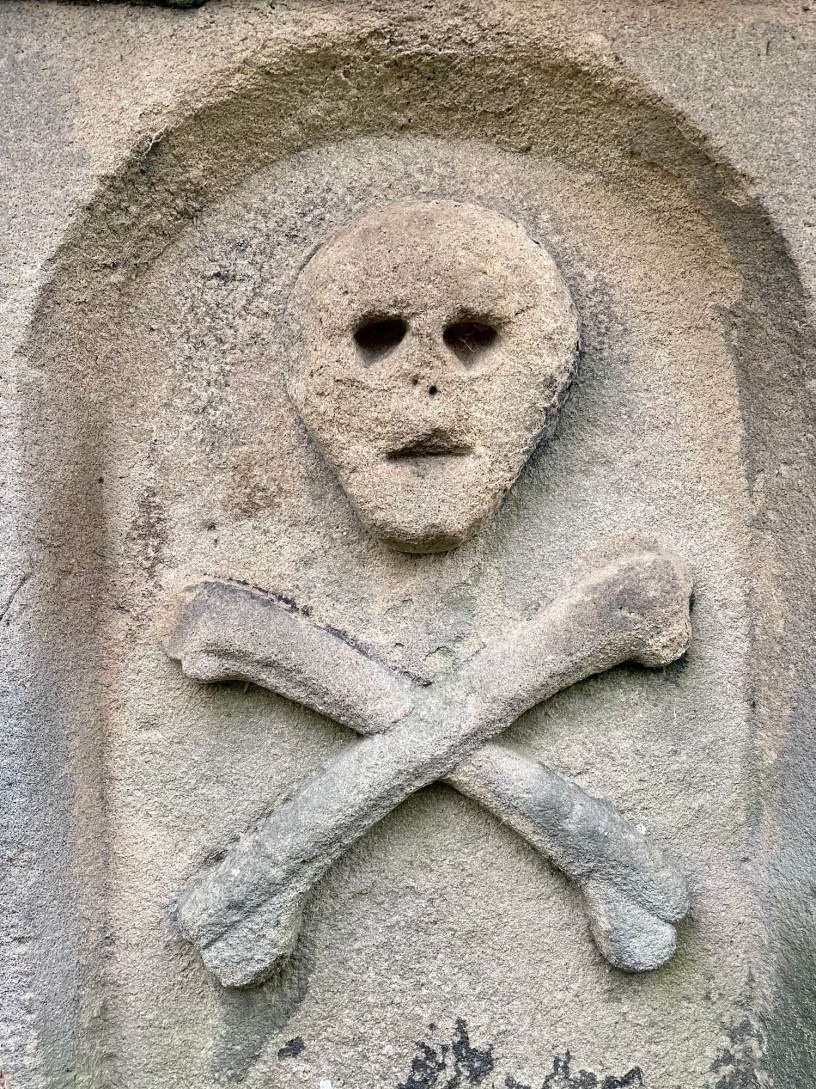
Taking the waters has been a life enhancing experience in England since before Roman times, just as grizzly death has always lurked not far behind. A visit to the Peaks District highlights both.
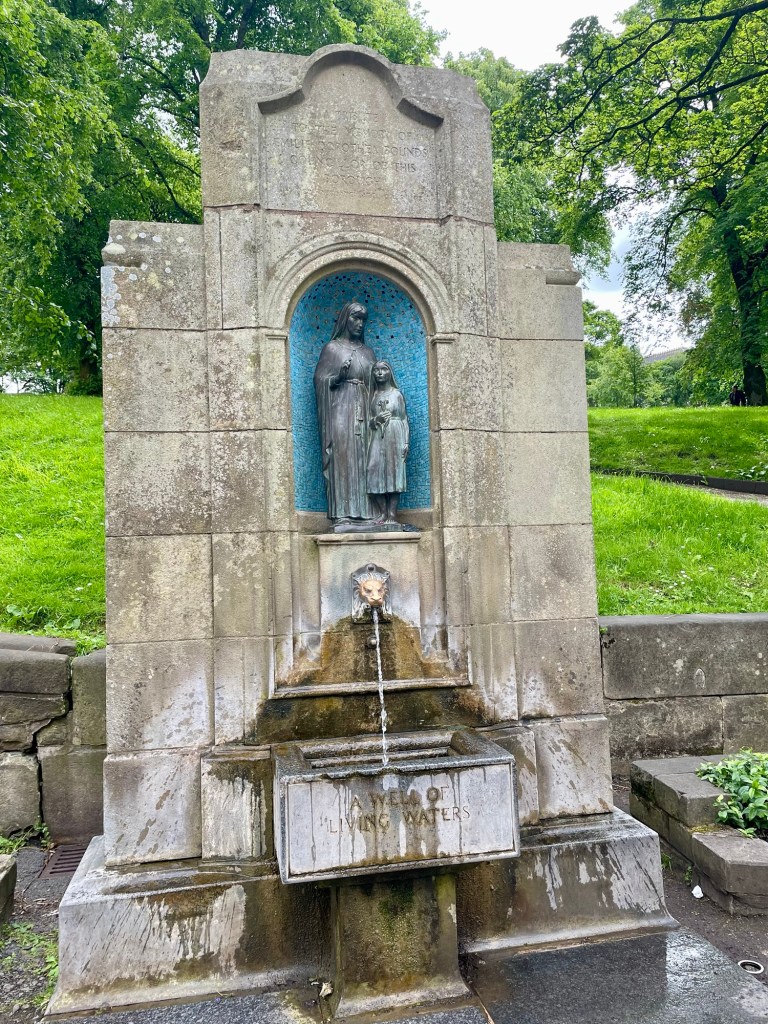
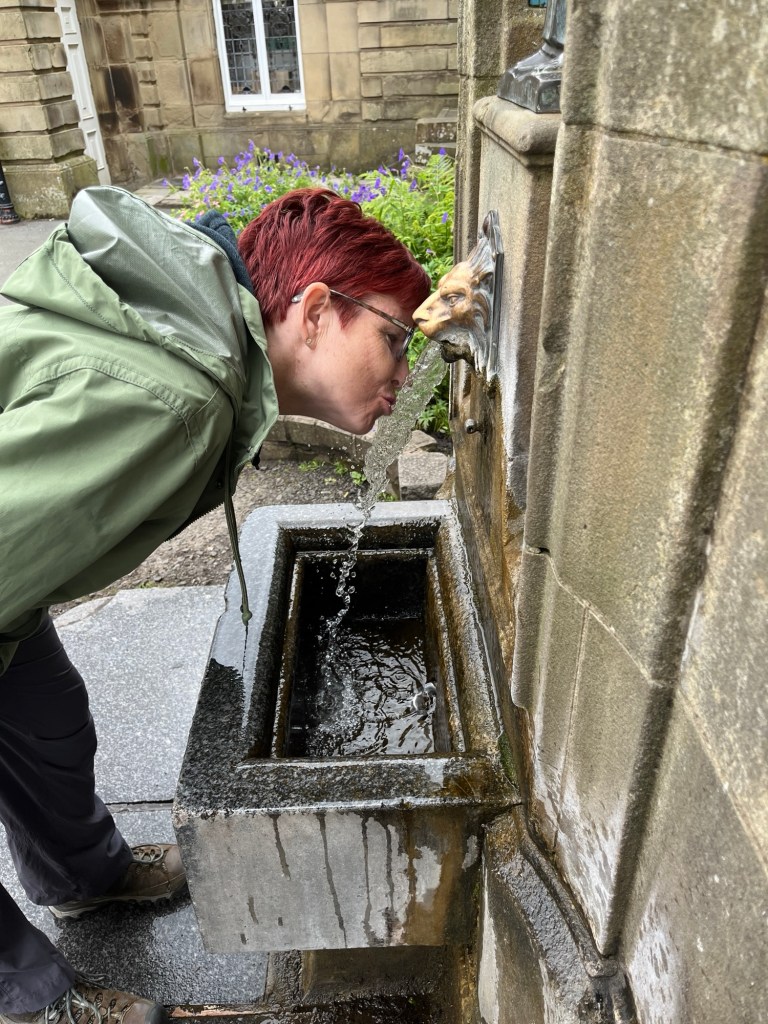
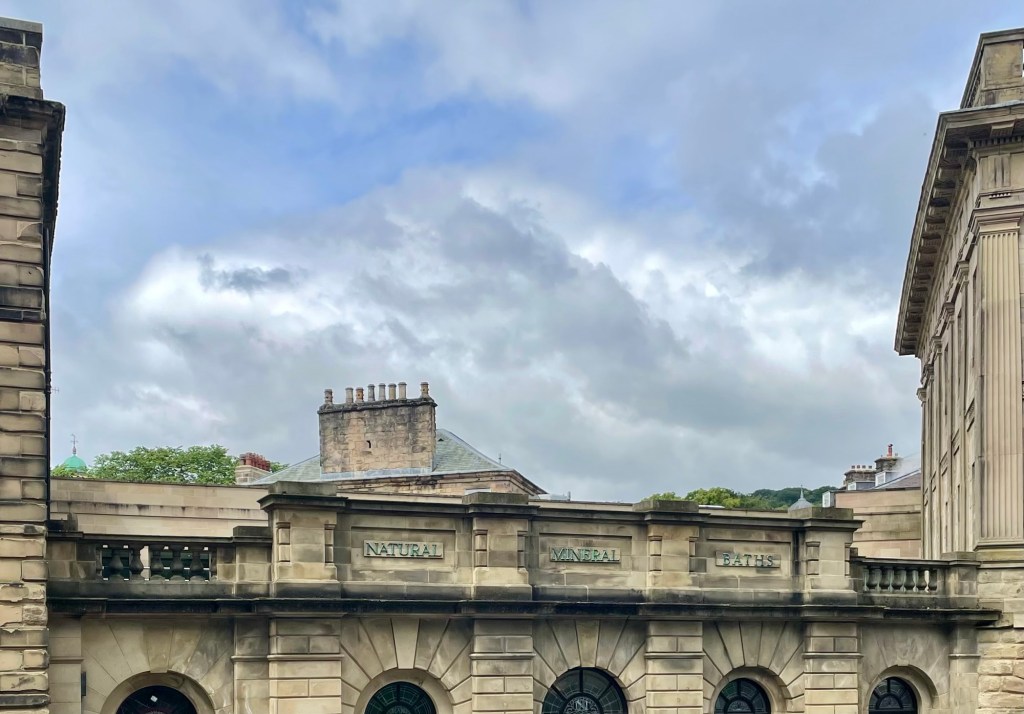
The Romans called Buxton the “Baths of the Grove Goddess.” In the Middle Ages it was declared holy and dedicated to St. Anne. By Georgian times had become an elegant spa destination rivaling Bath. For your own taste of water that “cures the palsied members of the old, and cherishes the nerves grown stiff and cold,” head into the restored 1894 Pump Room where you can also learn about the city’s history, or cross the street to the outdoor St. Anne’s well. Both are free.
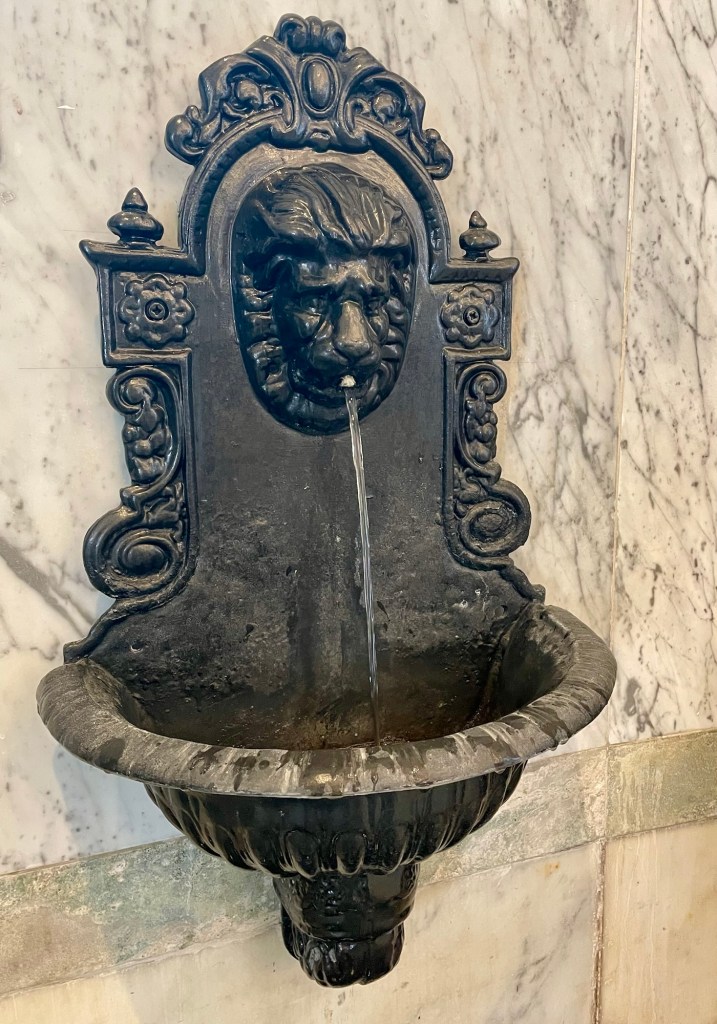
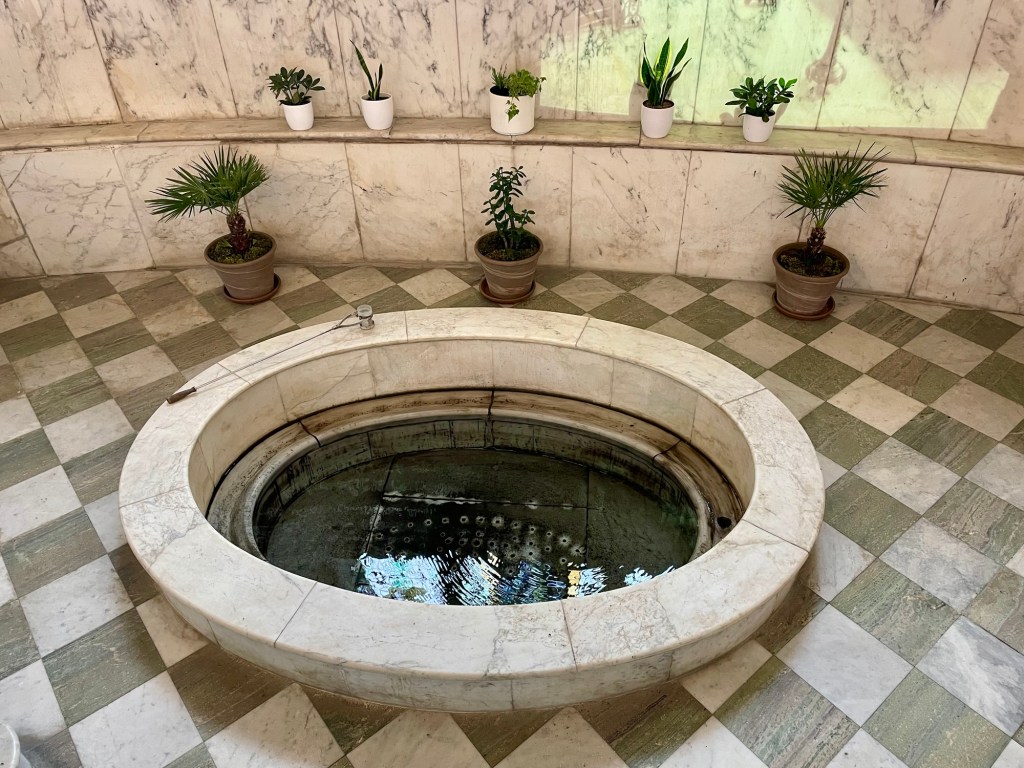
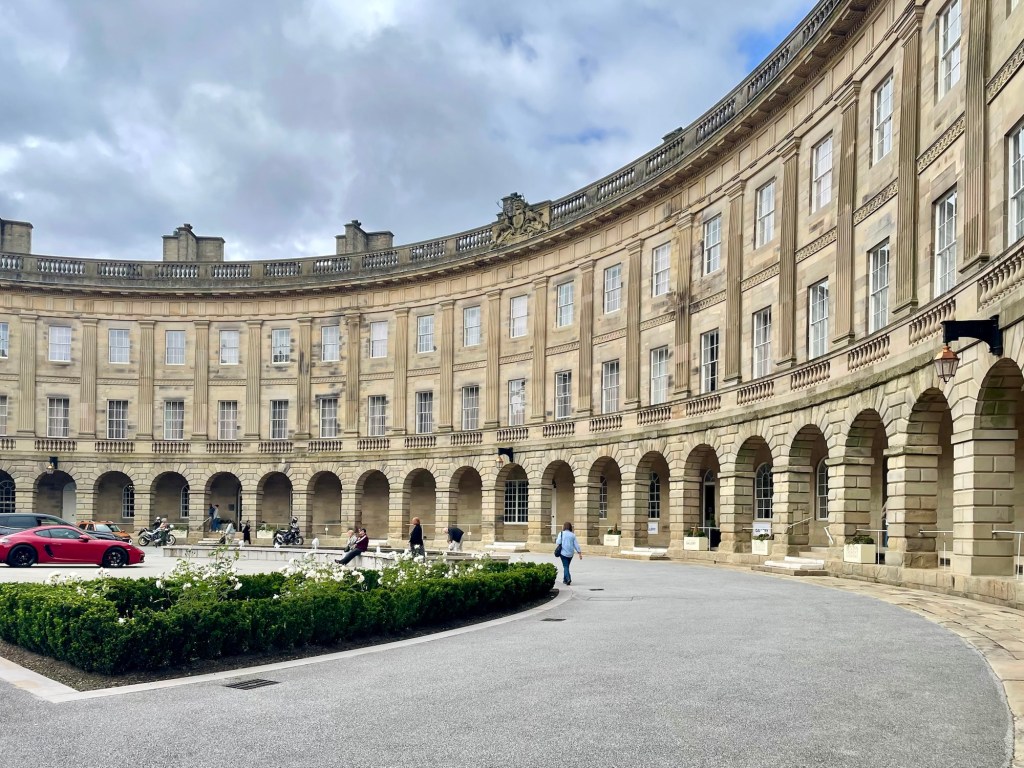
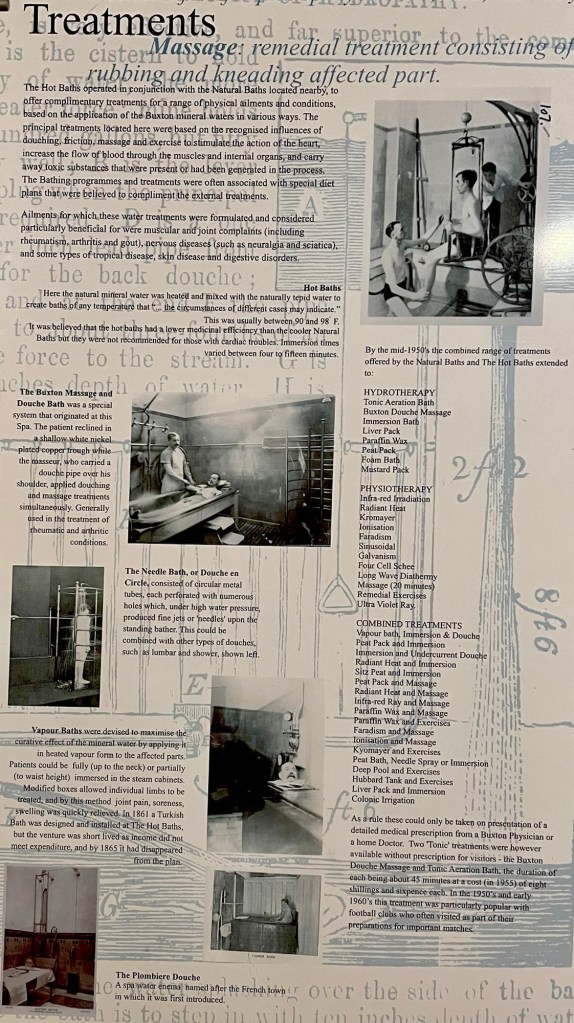
You can still immerse yourself in the waters at the historic crescent’s spa, although sadly I don’t think tonic aeration baths, liver packs or needle baths are available.
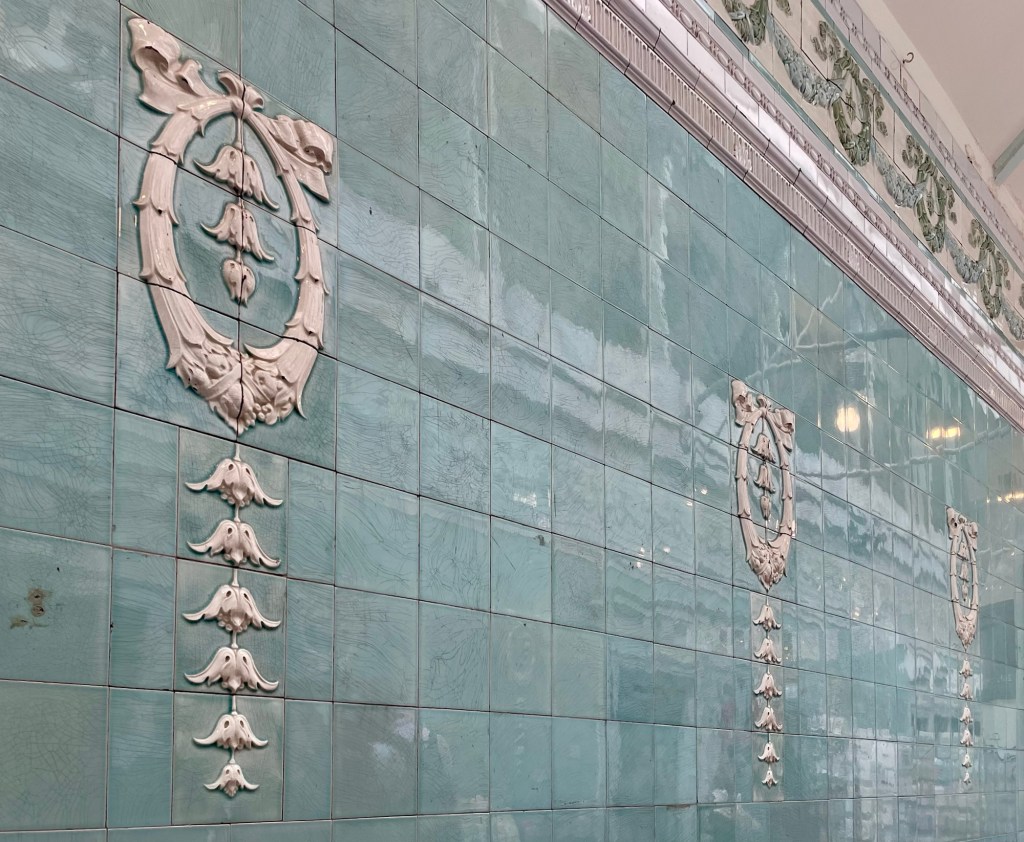
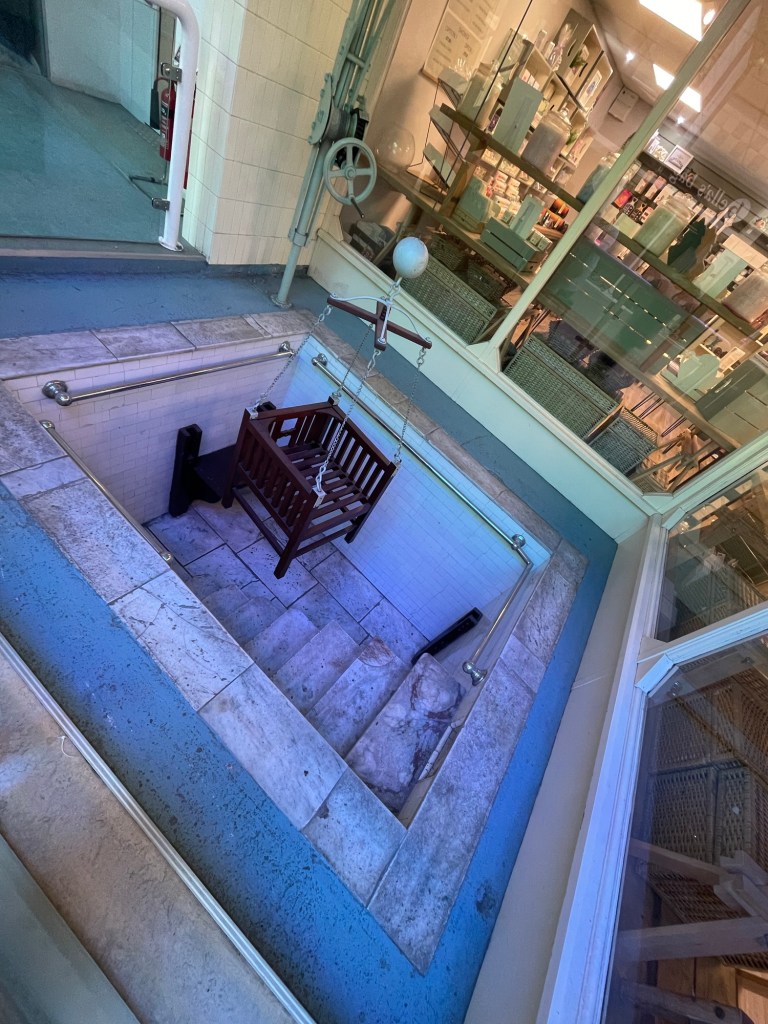
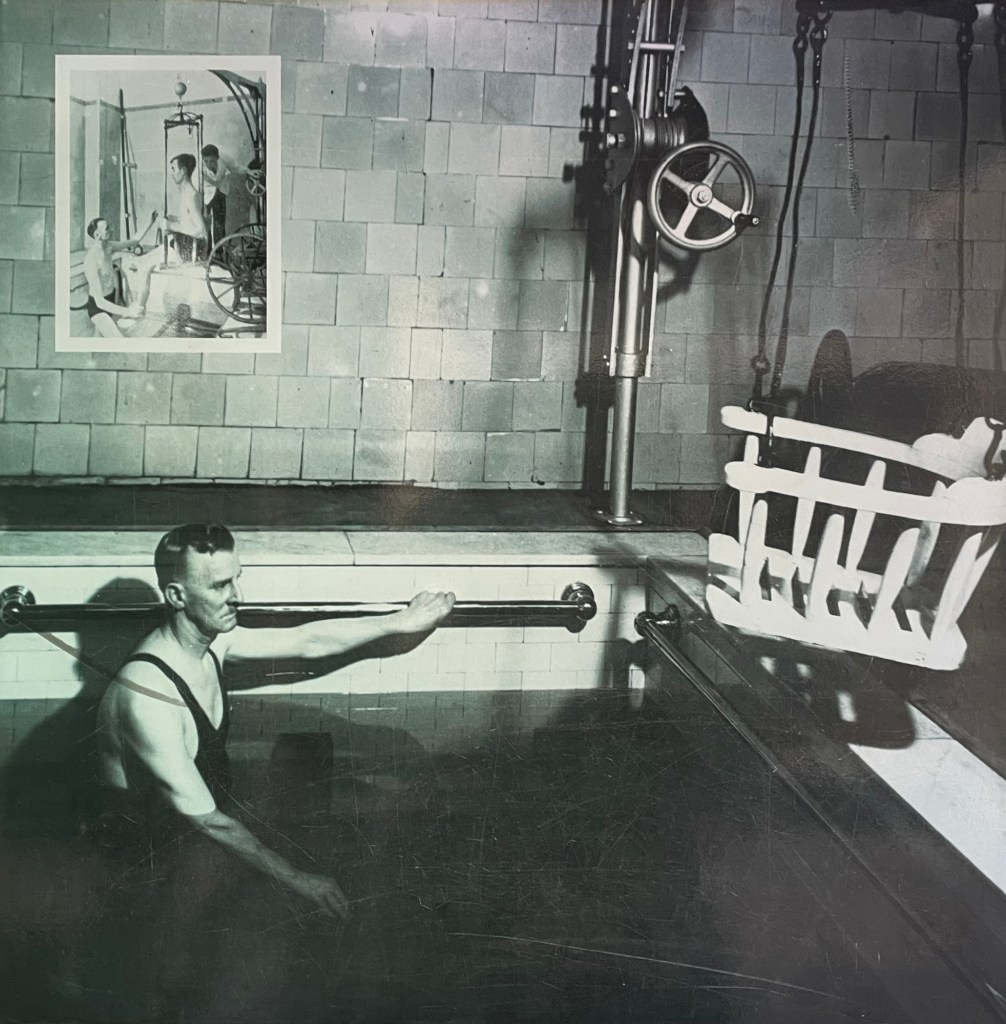
Although that is the only actual bath left, there is still plenty of evidence of the historic baths that once populated the town, including the 1854 Cavendish Arcade with its original plunge bath and Minton tiles.
A scenic 45 minute bus ride away is the village of Eyam, where in 1665-66 a large percent of the population died in the last major outbreak of the Black Death in England. Painful swollen lymph nodes in the groin, dried blood under the skin, severe coughing with bloody mucus- the plague was a pretty horrible way to go.
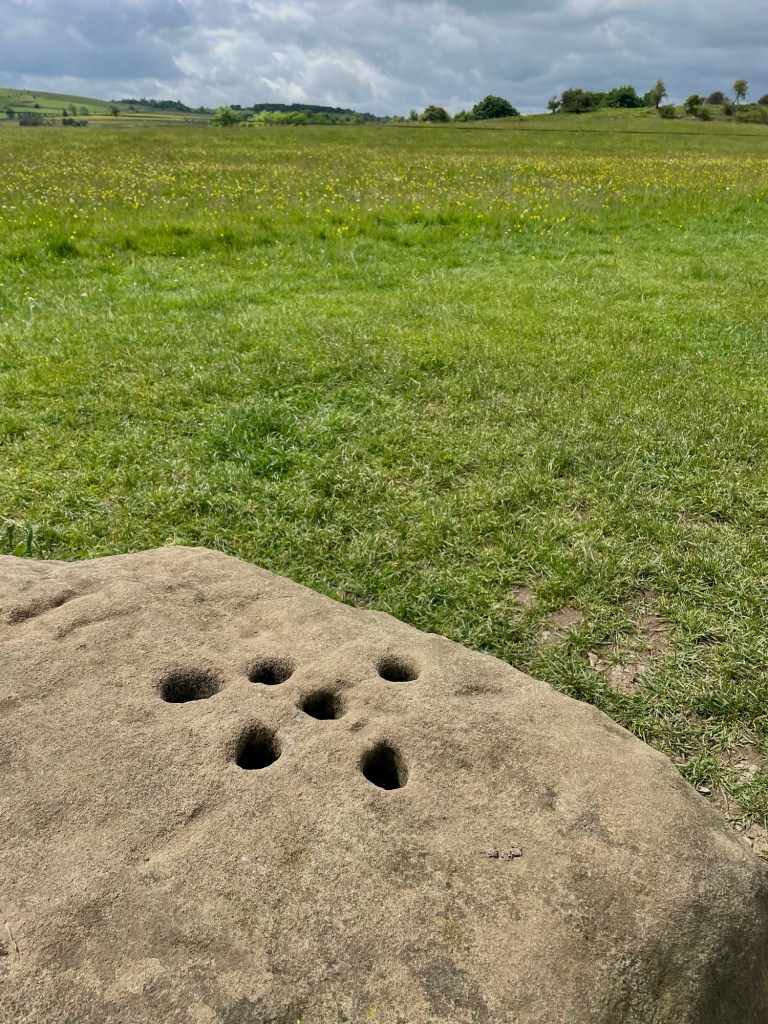
Arriving from London in a package of cloth, the village tailor’s assistant was the first to succumb after coming in contact with flea’s infesting the cloth. Within a month, he and two young members of his household were dead. The following spring as cases began to spike, the parish rector William Mompesson and his predecessor convinced the community to isolate itself in an attempt to prevent the disease from spreading to neighbouring villages. Church services were held outdoors, socially distanced. Burials were kept private, often in backyards. Travel was restricted, with outsiders leaving supplies on boundary stones and payment left in holes filled with vinegar disinfectant. Thanks to these precautions the plague did not spread, however hundreds of Eyam’s residents died.
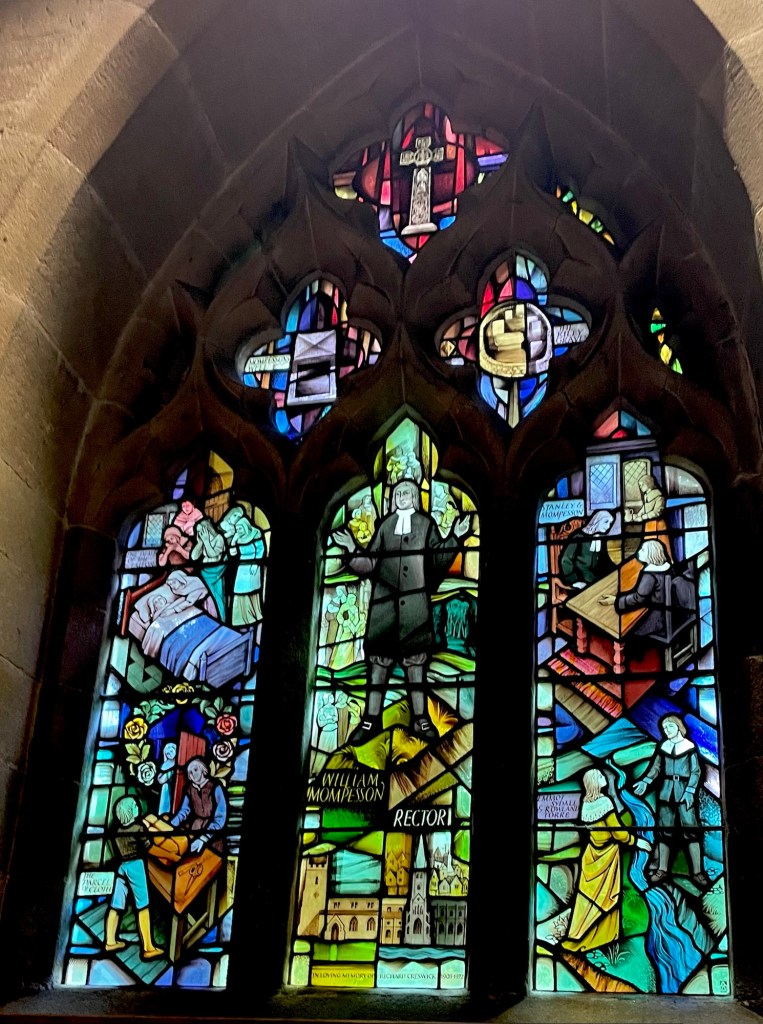
A modern window in the church depicts William and events associated with the outbreak:
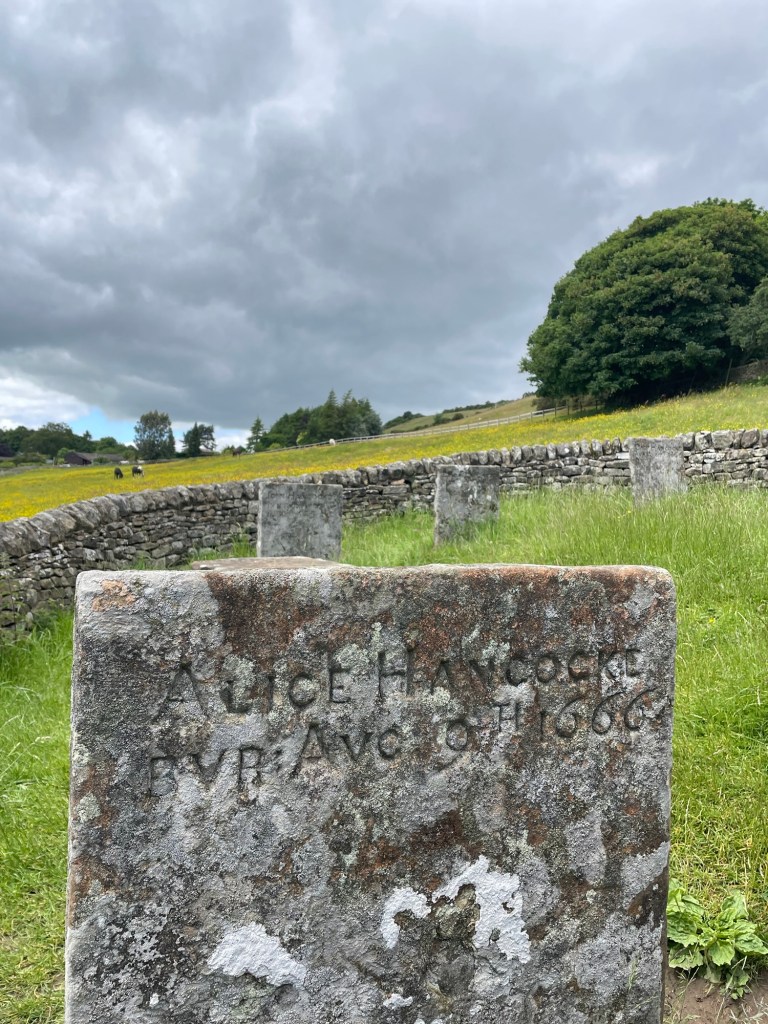
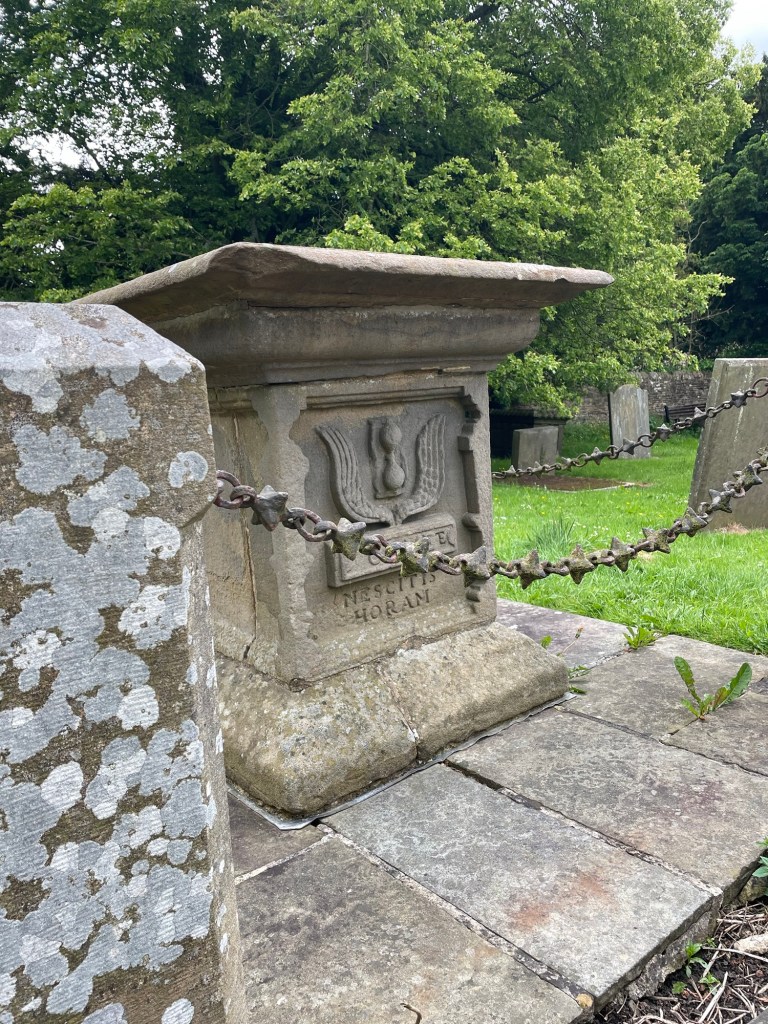
Outside is William’s wife’s grave, one of the only plague victims allowed burial in the churchyard.
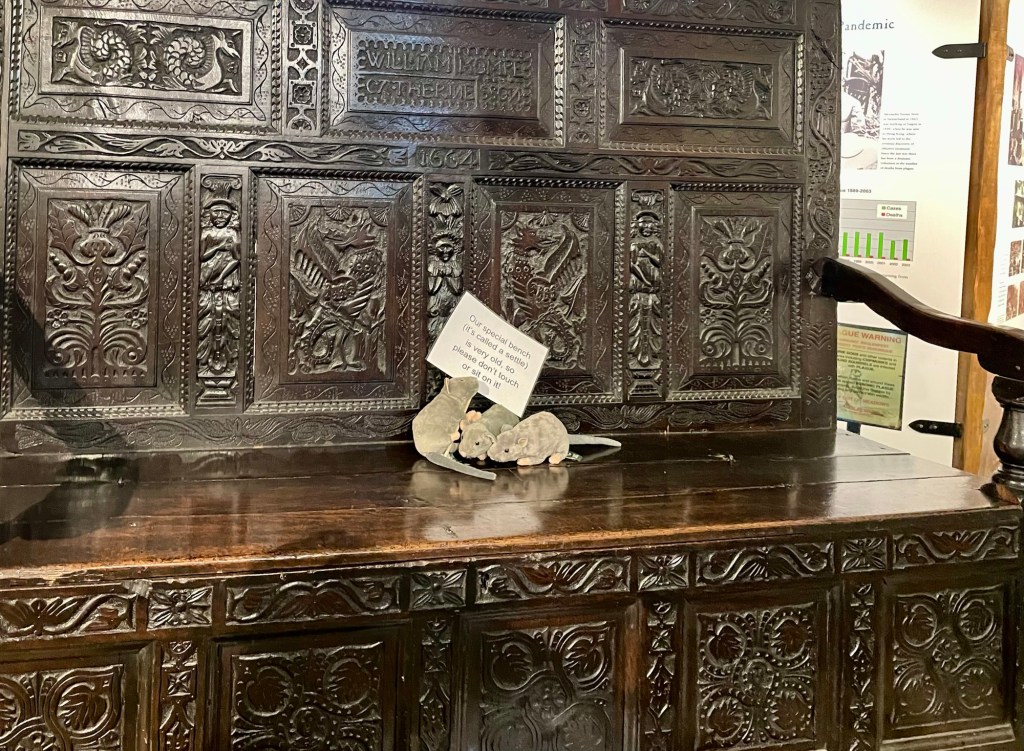
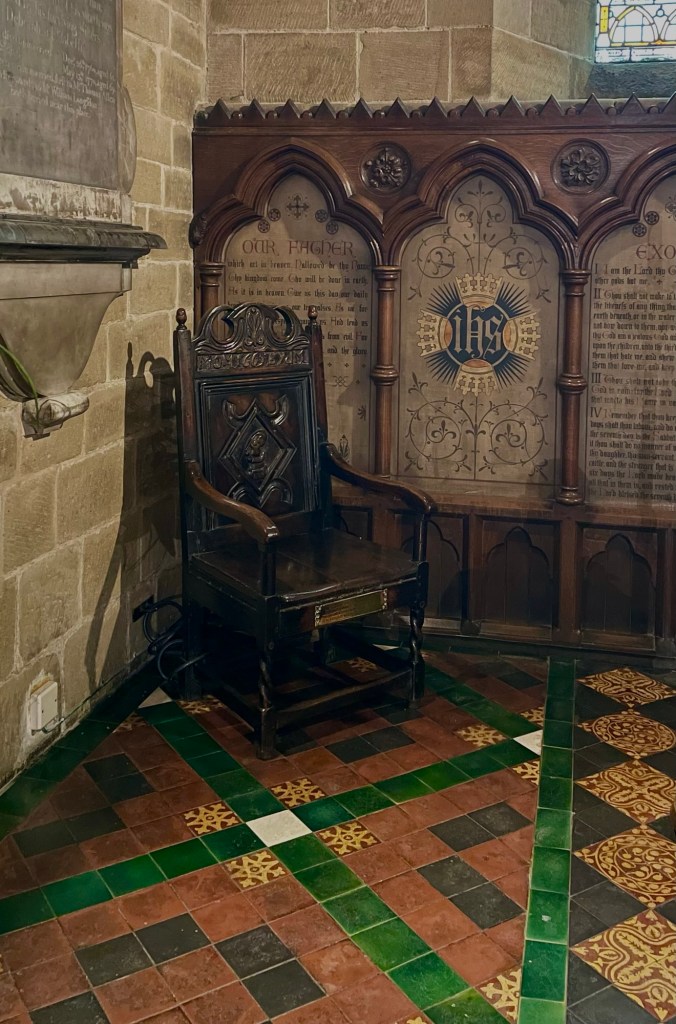
The couples’ settle can be found in the museum, while William’s chair can be seen in the church.
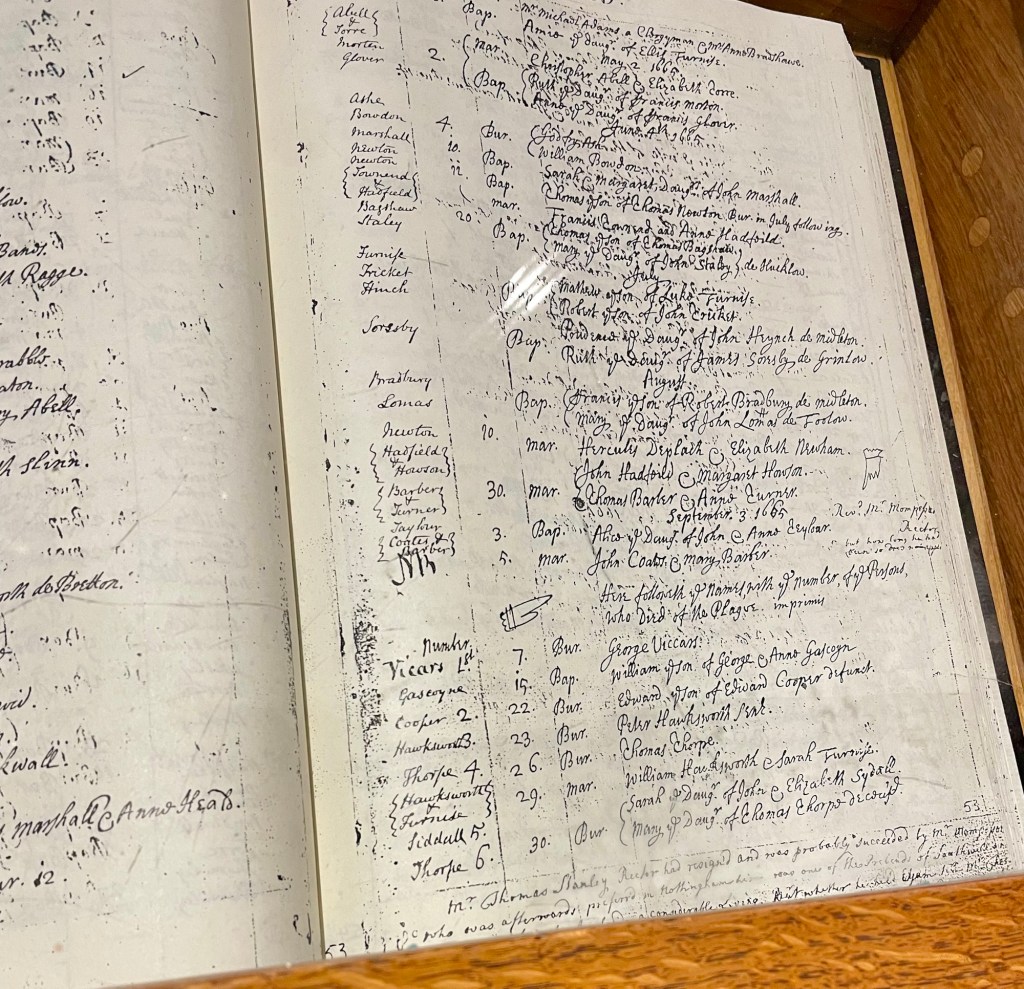
The church also has records of the 273 victims, while labels on the cottages themselves identify where many of these victims died.
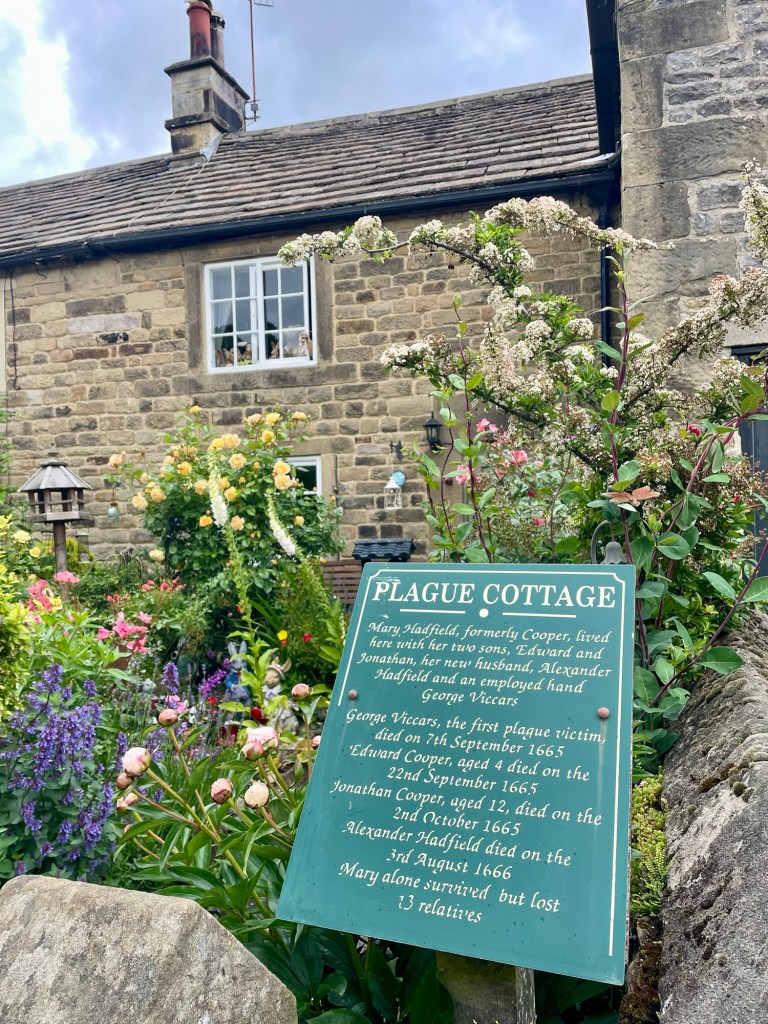
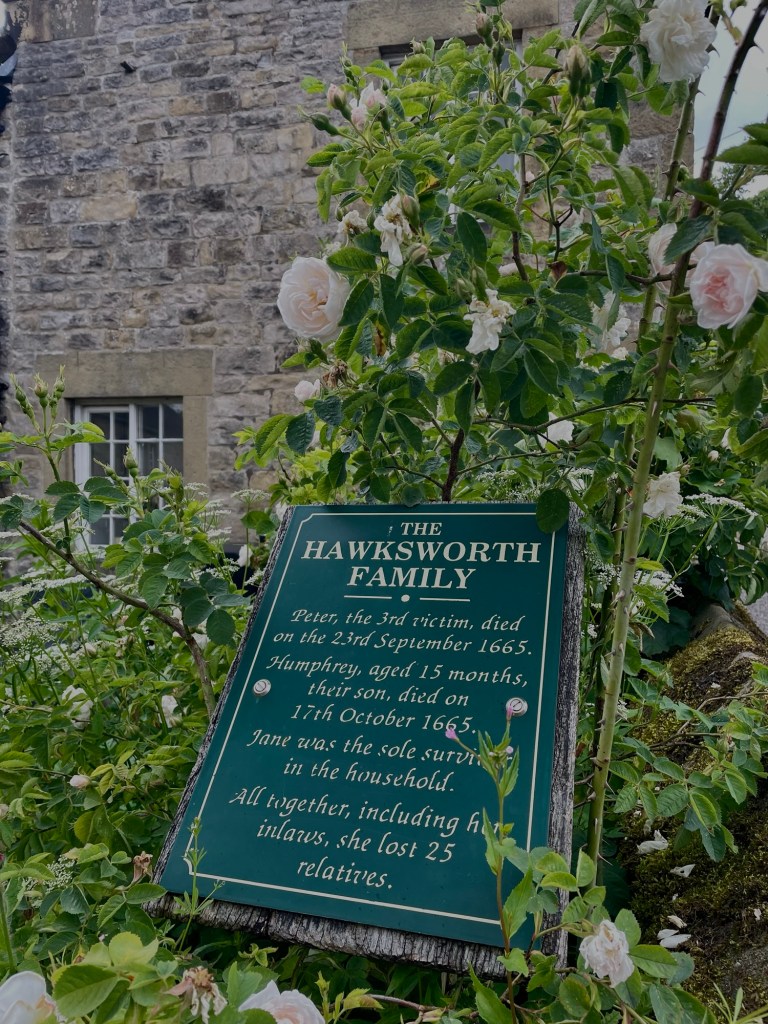
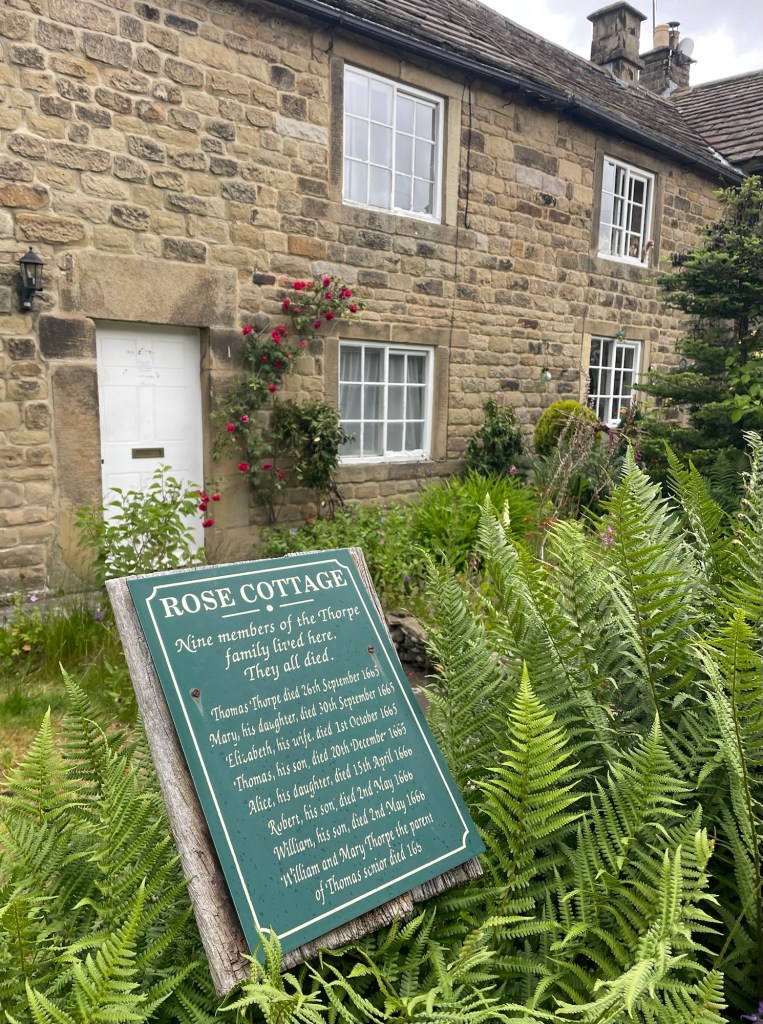
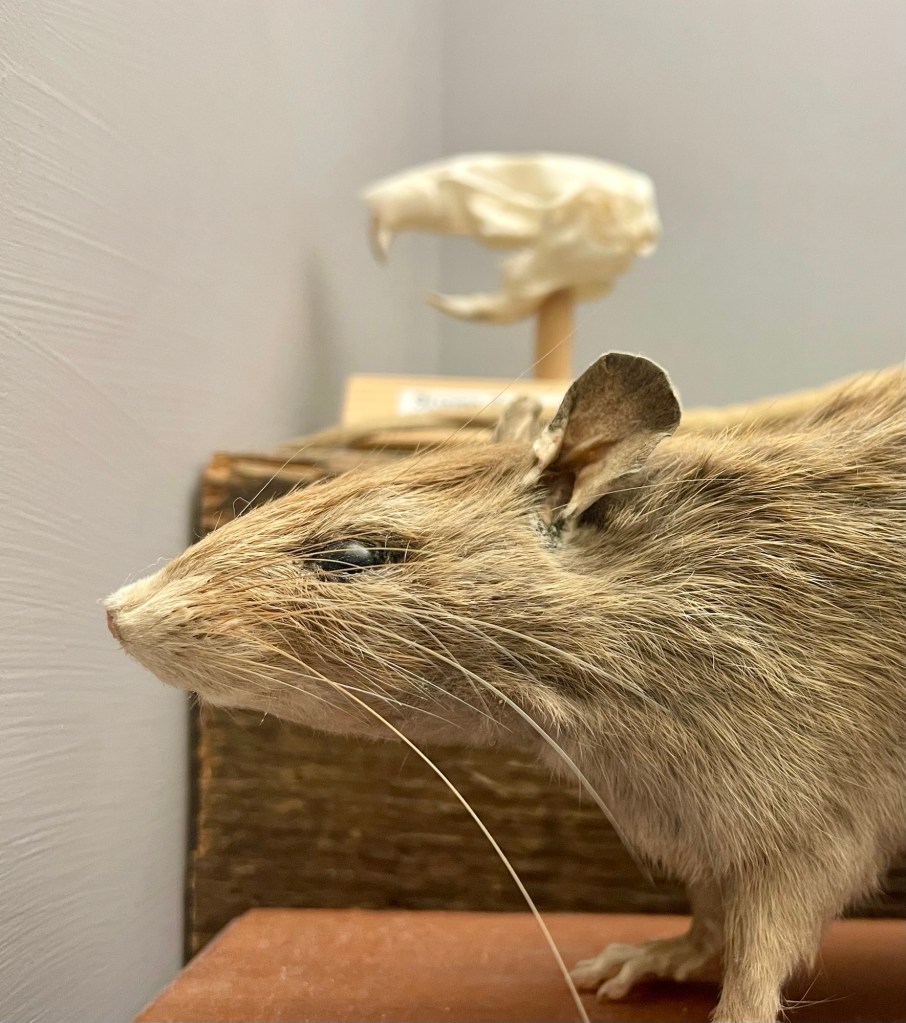
A good place to start exploring is the village museum where you come face to face with the rats that carried the infected fleas. You can also purchase a map with directions to sites around the village.
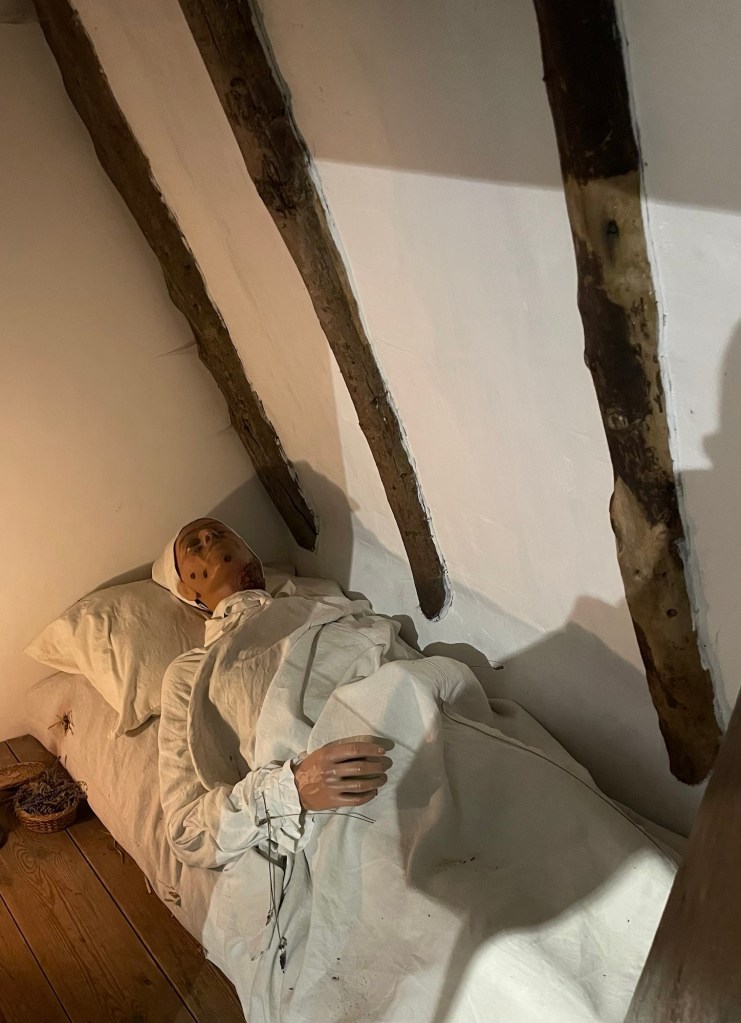
Once just an old fashioned look into the past, Eyam’s story takes on a new significance for those who lived through the Covid pandemic.
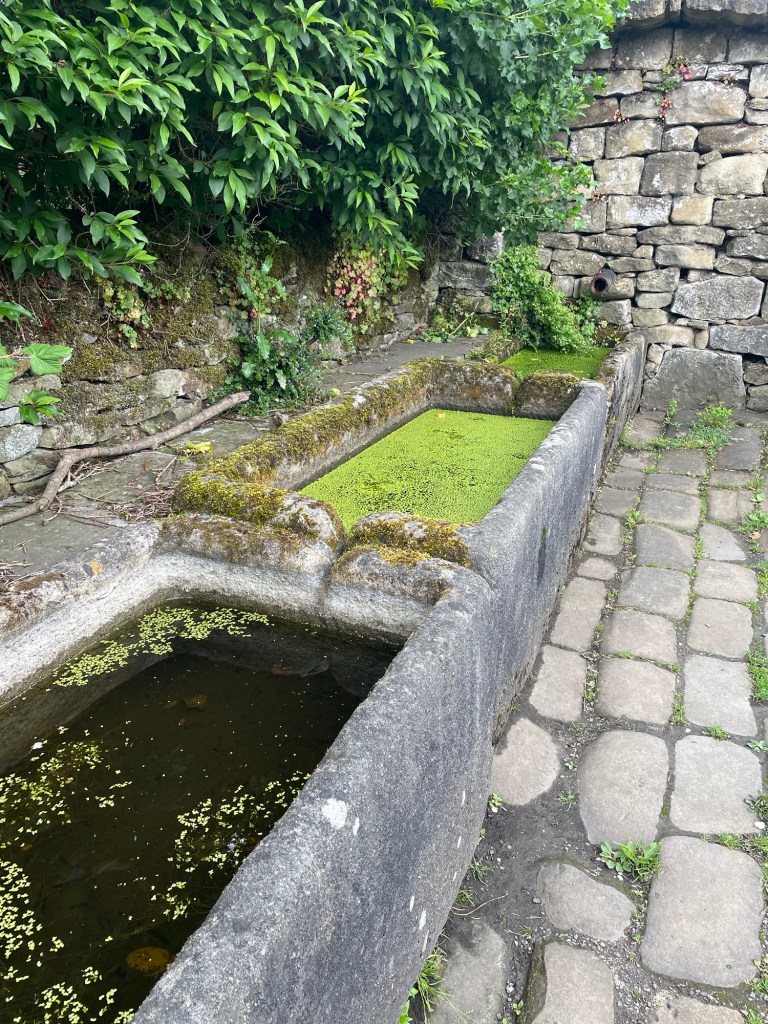
PS: While wandering the village keep an eye out for the stone water troughs dating back over 500 years to one of the first public water systems in England.
 Secrets of Philadelphia