
Note: For this one you’ve got to check their Facebook page because it only happens once a year, usually end of July/early August.
Despite being born into a family of Philadelphia physicians, W. Atlee Burpee started out as chicken man, breeding and selling poultry along with corn seed for poultry feed. Soon his poultry customers were requesting other types of seeds and in 1877 the business pivoted to primarily garden seeds (but live poultry was still sold until the 1940s!).
But Burpee didn’t just sell the seeds. He was the first research-based seed company in the United States and over the years developed many of the plants that have become mainstays of American gardens: the disease-resistant Big Boy tomato, the first yellow sweet corn, the first stringless green bean, and iceberg lettuce. In addition to his breeding successes, Burpee helped pioneer the mail order catalog. In 1915 the Burpee catalog was sent to over a million American gardeners, receiving approximately 10,000 orders per day in return.
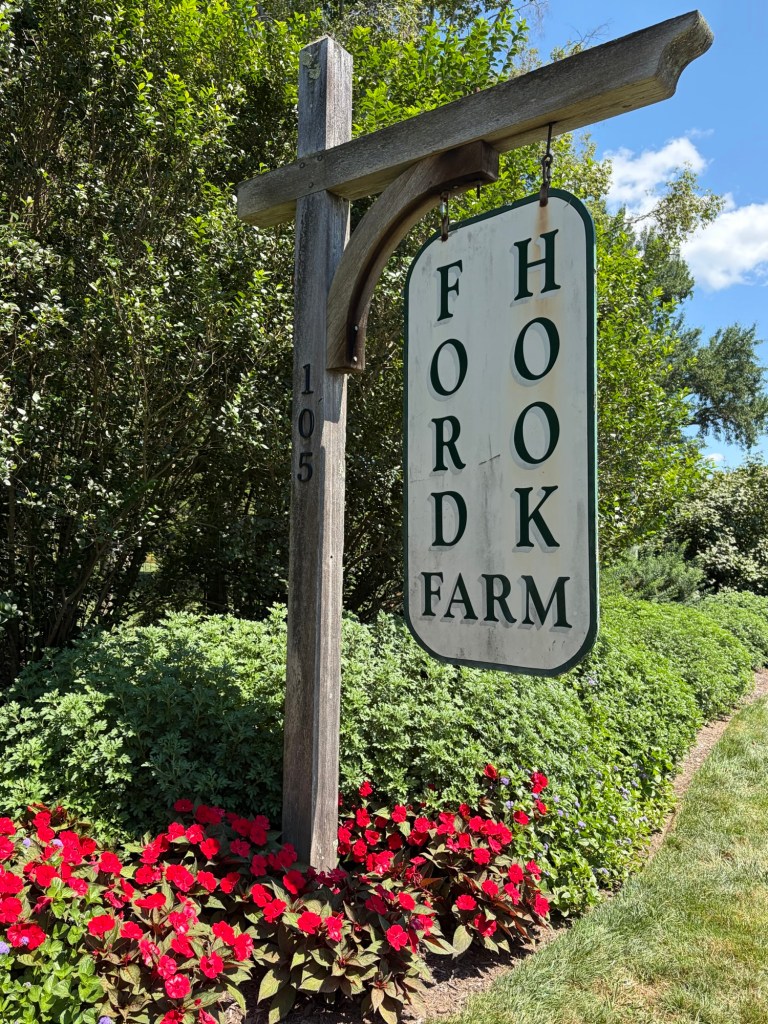
In 1888, Burpee purchased a farm in Bucks County, which became his home and the company’s primary experimental garden. Fordhook remained in the family until 1999 when it, along with the company, were bought by another member of American seed company royalty, George Ball.
Although some breeding and trials still take place here, the farm is no longer the epicenter of American plant breeding. But once a year, just as they’ve done since 1895, the gardens open to the public for a chance to glimpse their storied history.
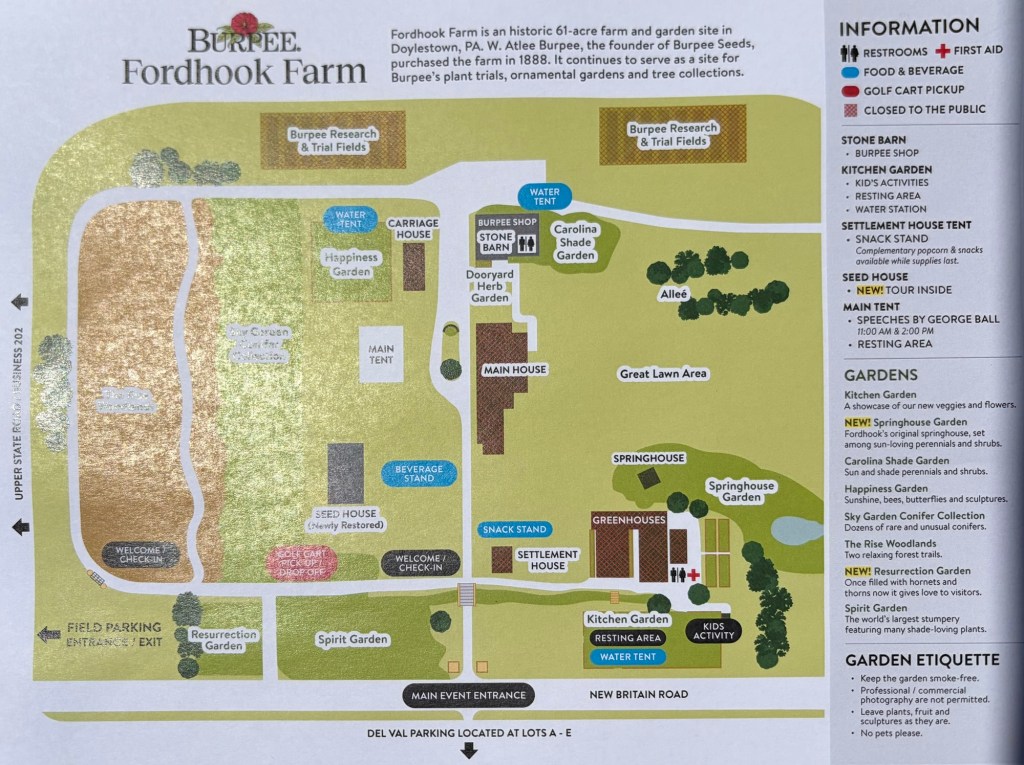
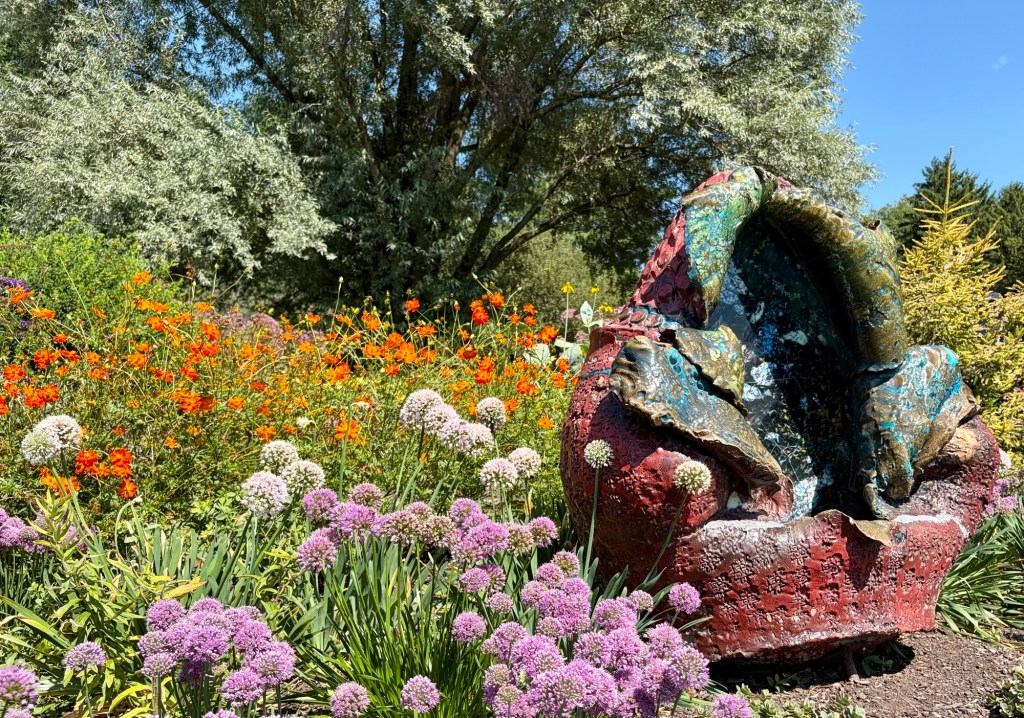
Visitors can wander the formal gardens,
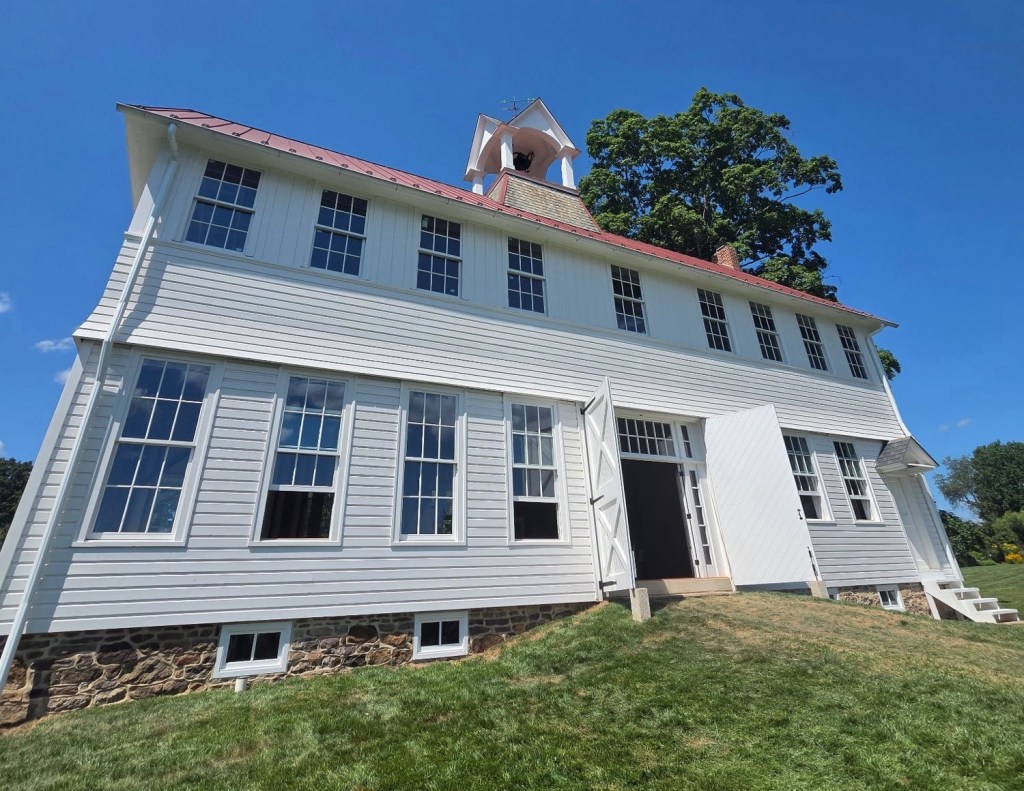
visit the newly restored 1893 barn once used for drying and storing seeds,

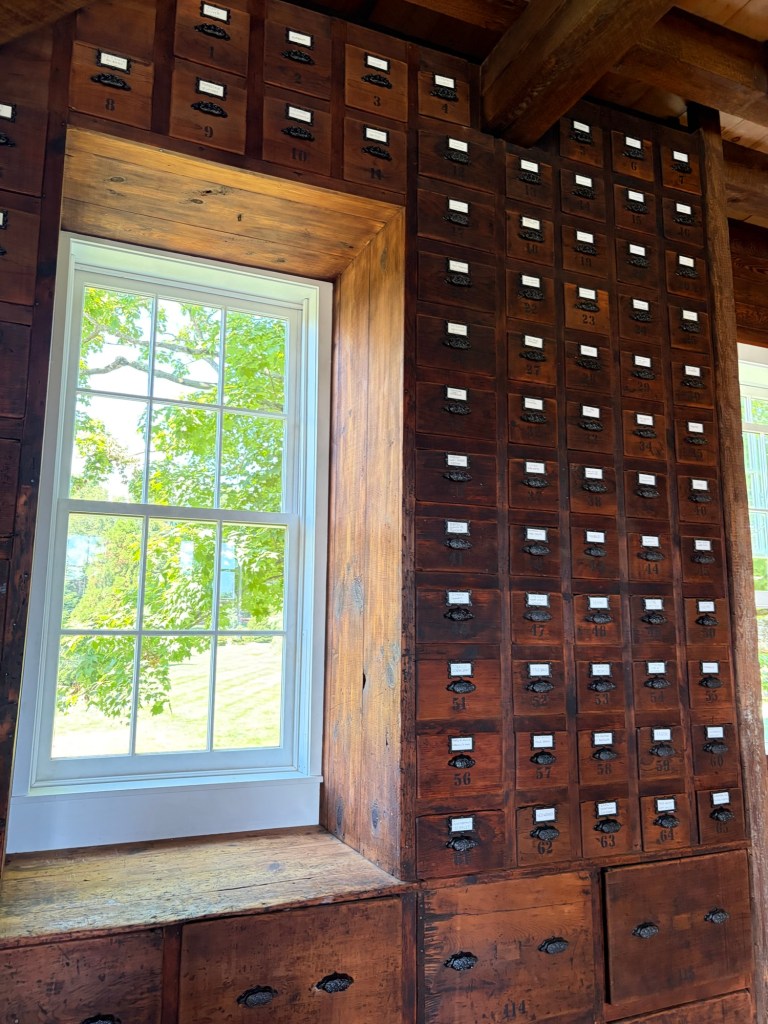
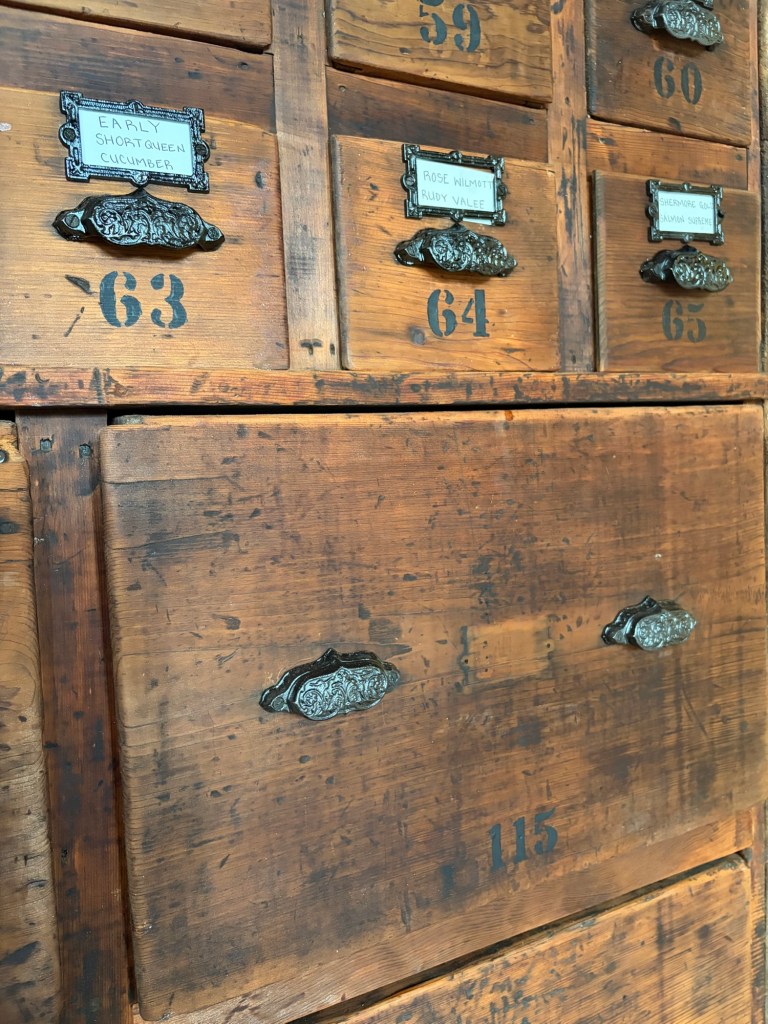
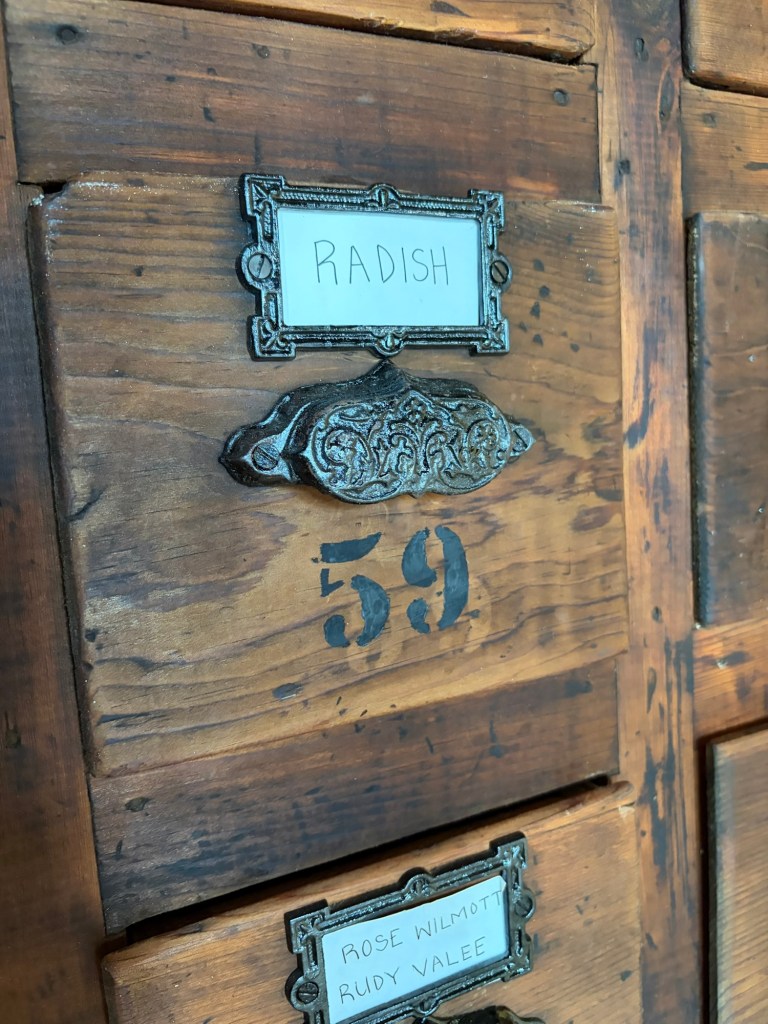
see several historic buildings,
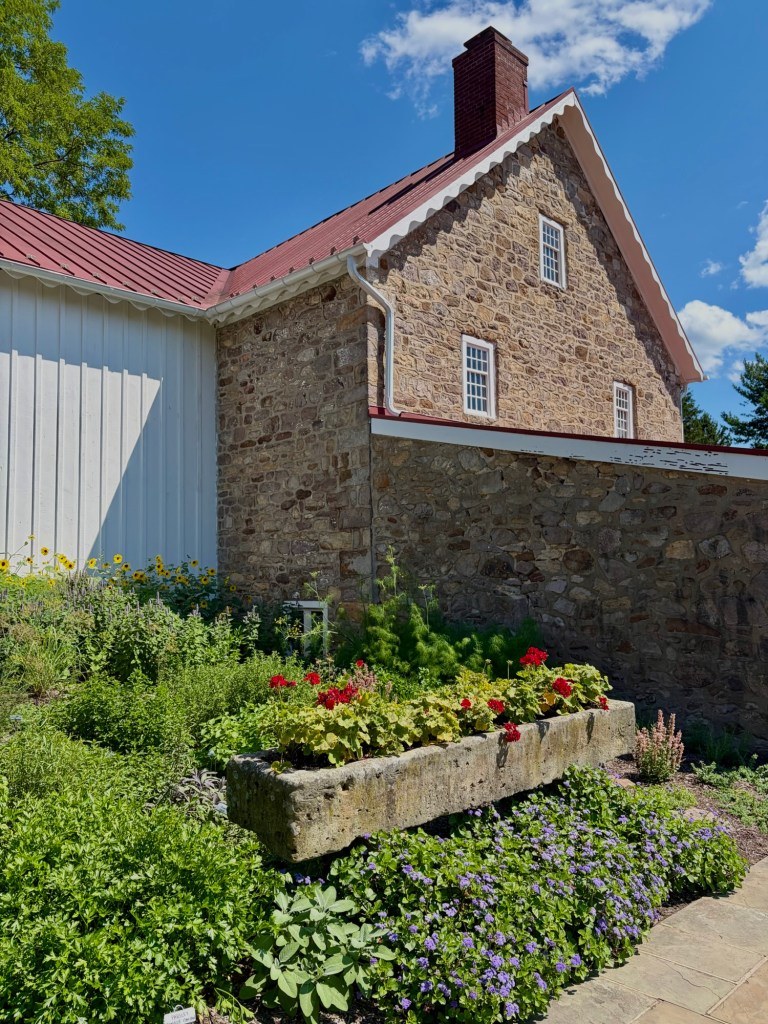
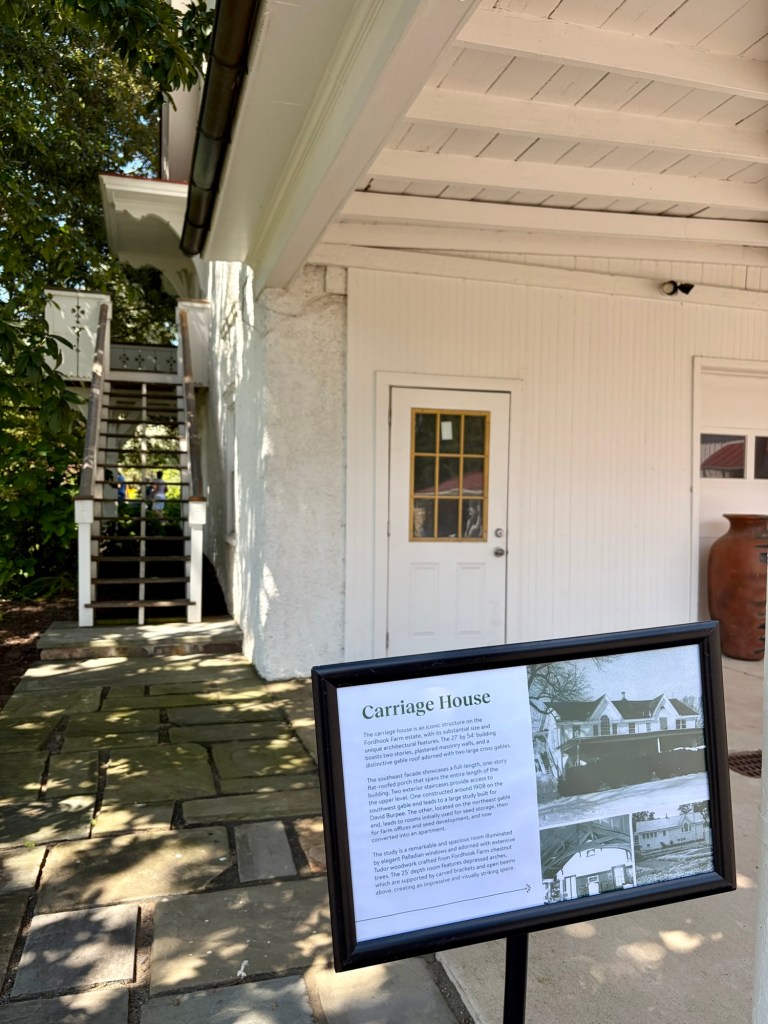
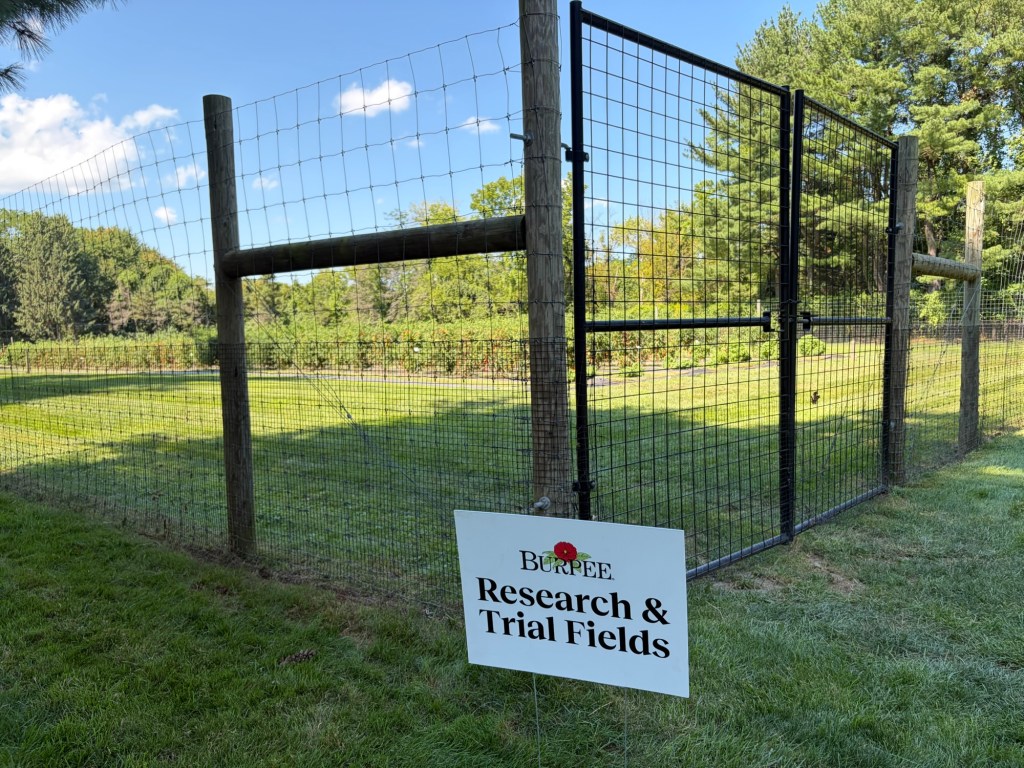
and check out new varieties in the trial and show gardens.
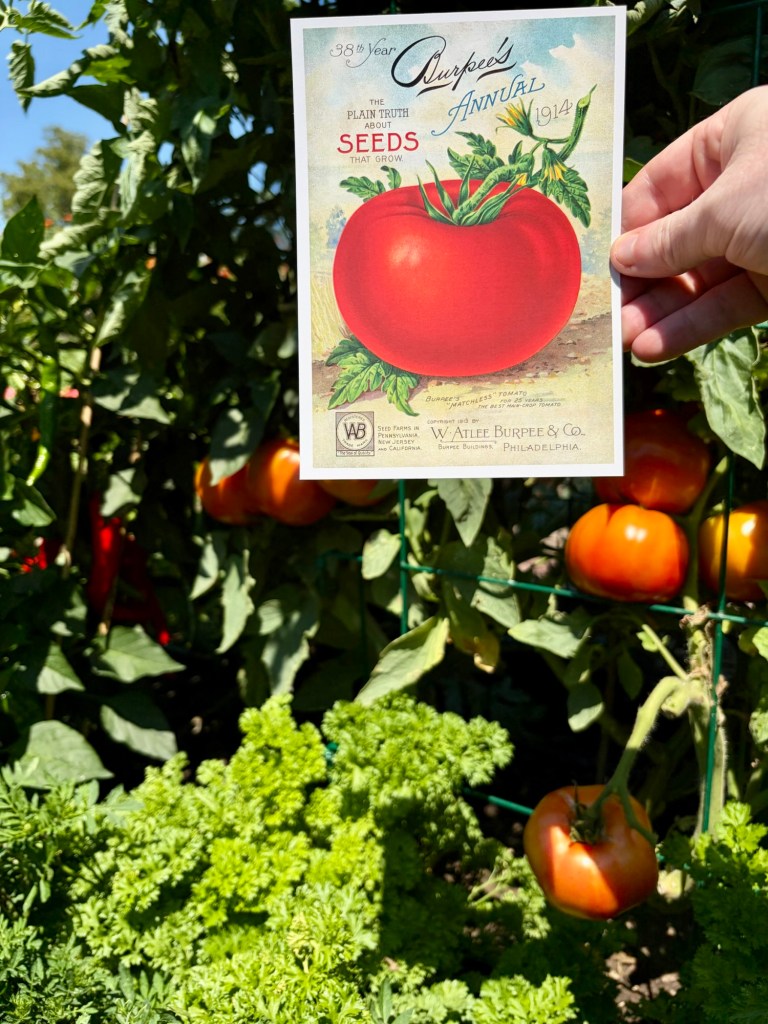
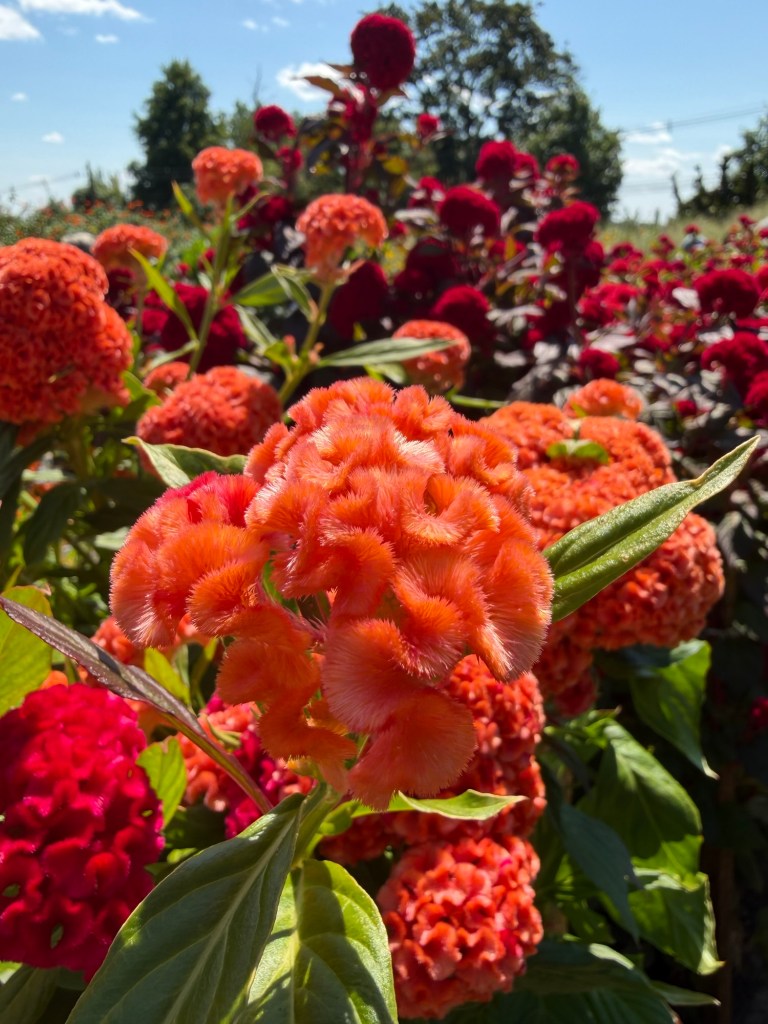
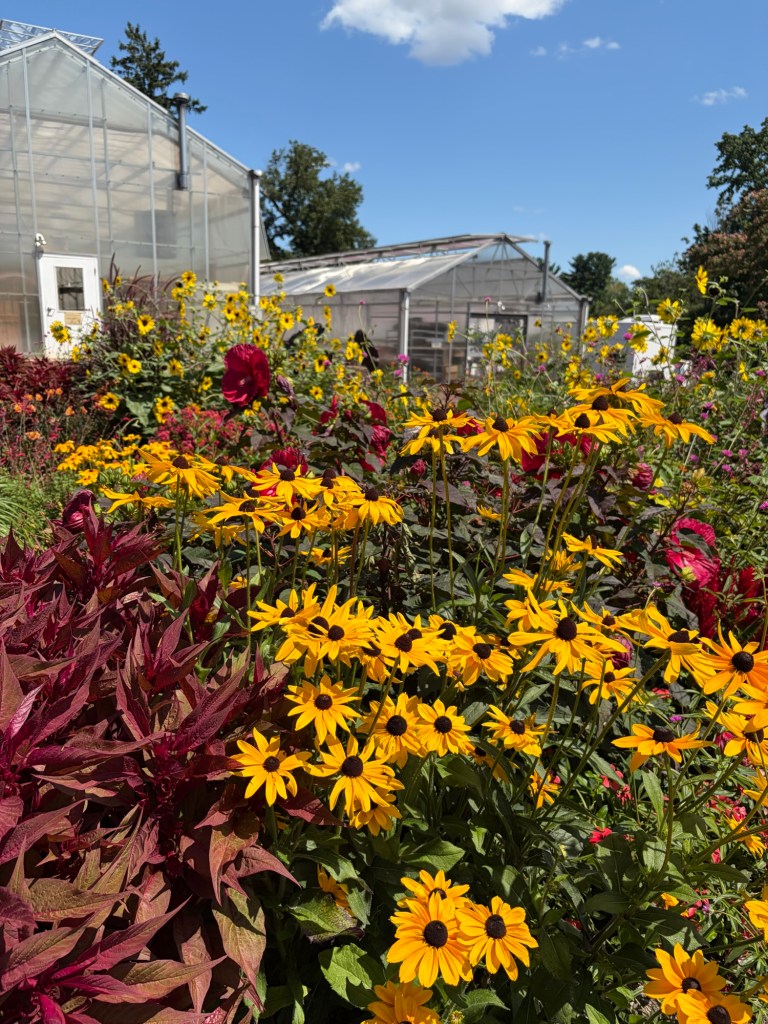
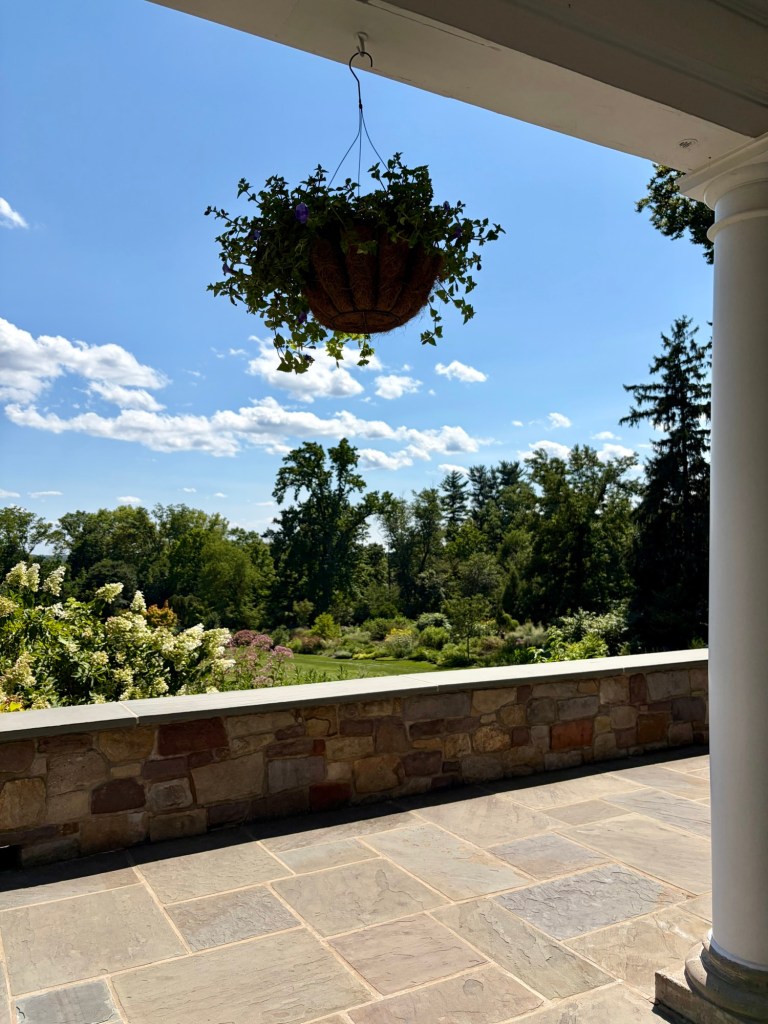
You can even sit on the back porch of Burpee’s home, whose original core predates Burpee’s plant breeding era.
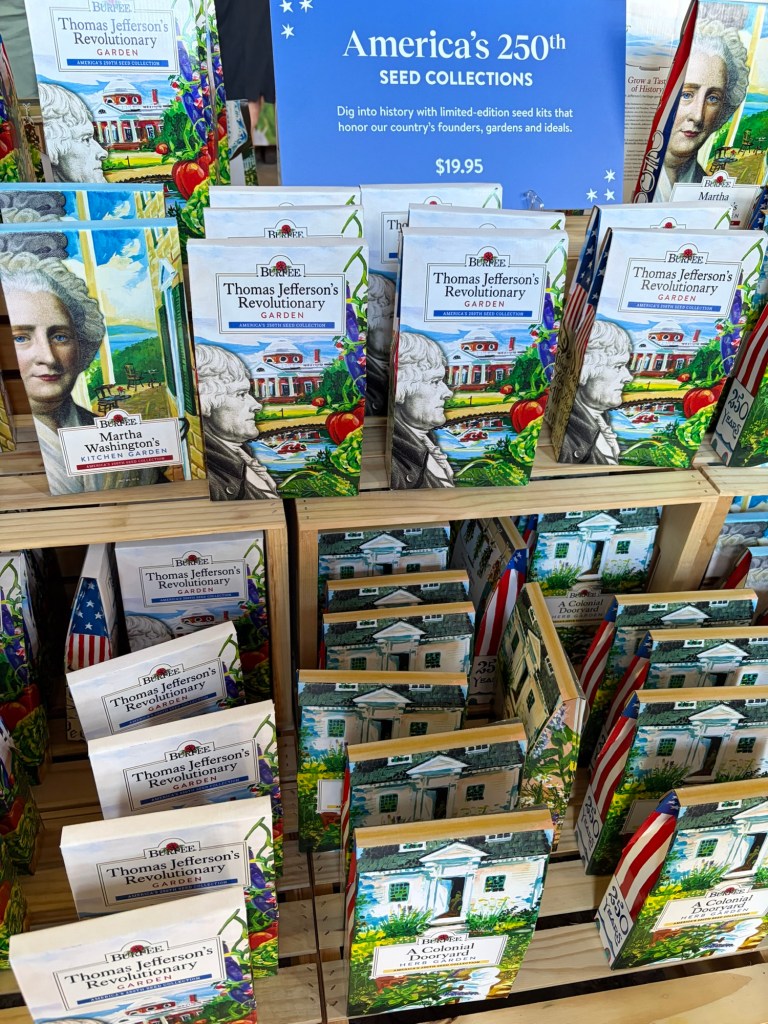
The farm is a welcoming host, providing visitors with free water & lemonade, kid’s activities, talks, gardening advice and clean bathrooms. There is also a sales booth, which in 2026 offered these patriotic collections:

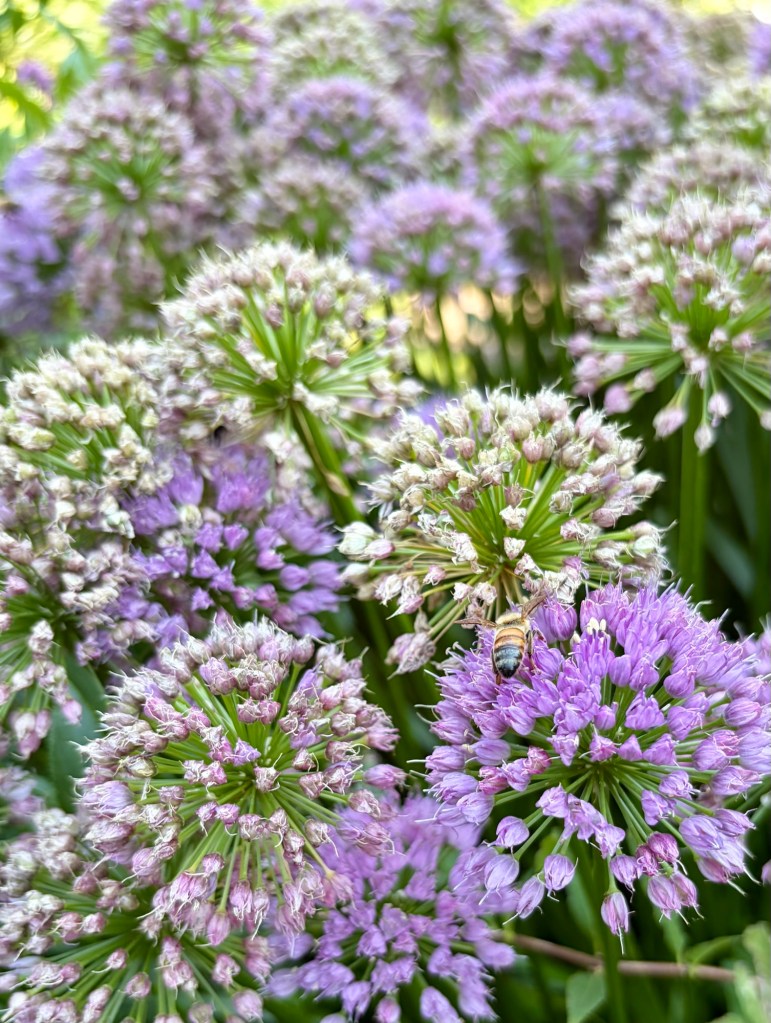
The bees enjoyed the blooms even more than the human visitors!

Note: It gets super busy, so I definitely recommend visiting early or late in the afternoon. There is plenty of free parking, but you might have a bit of a walk.

