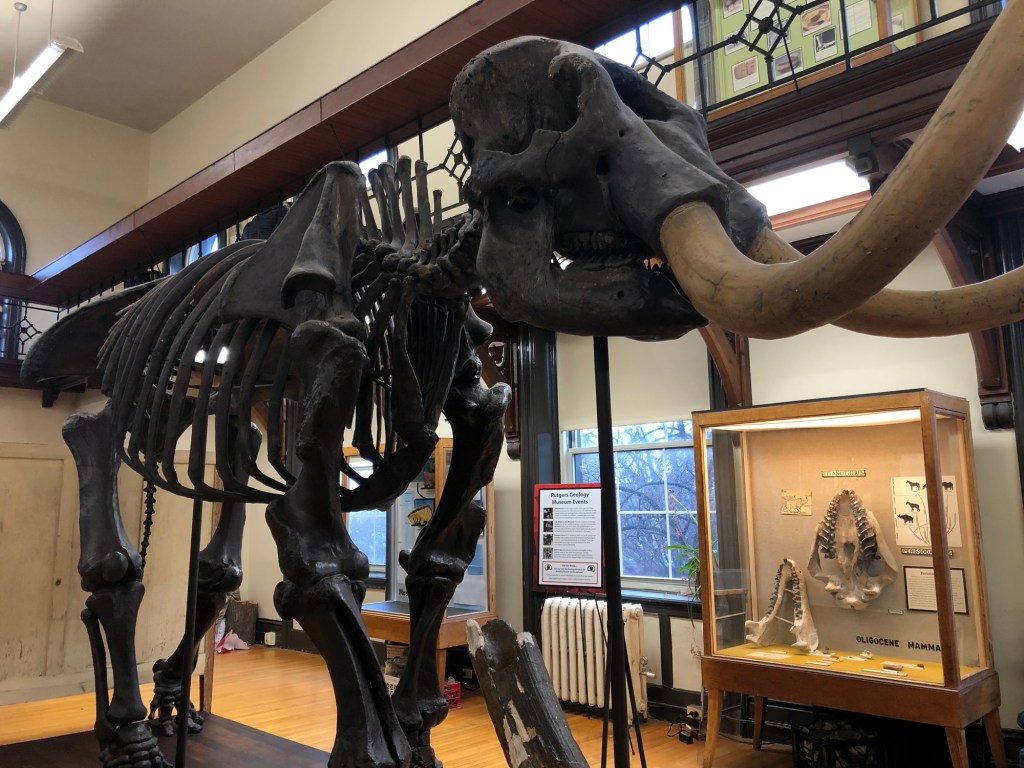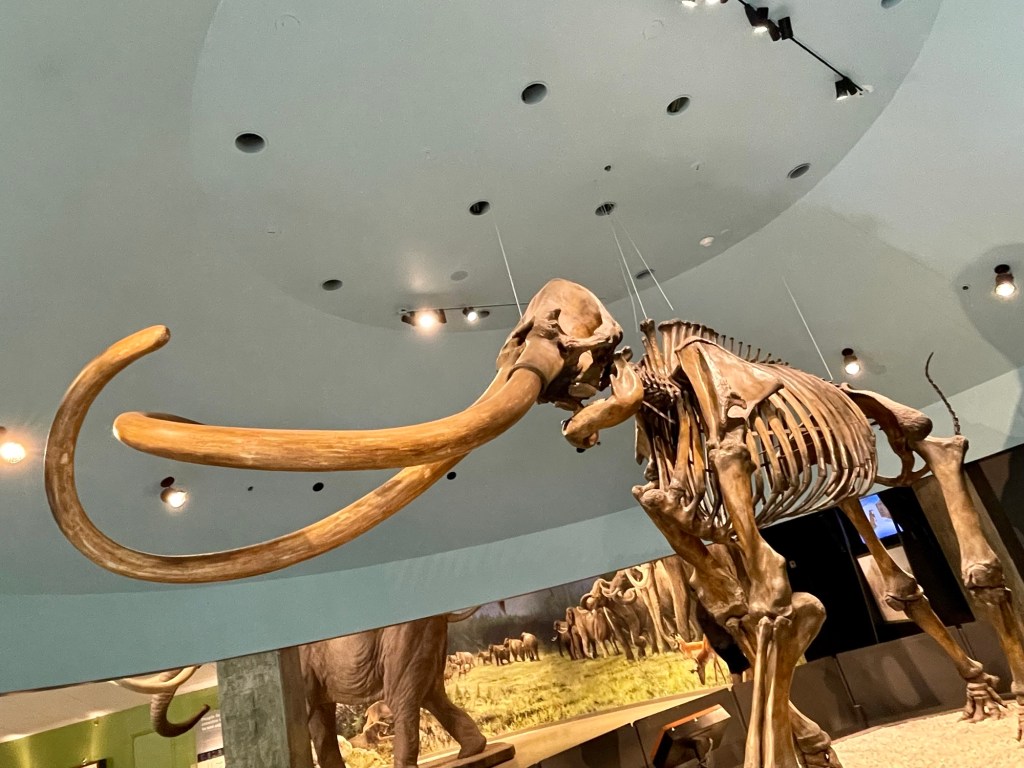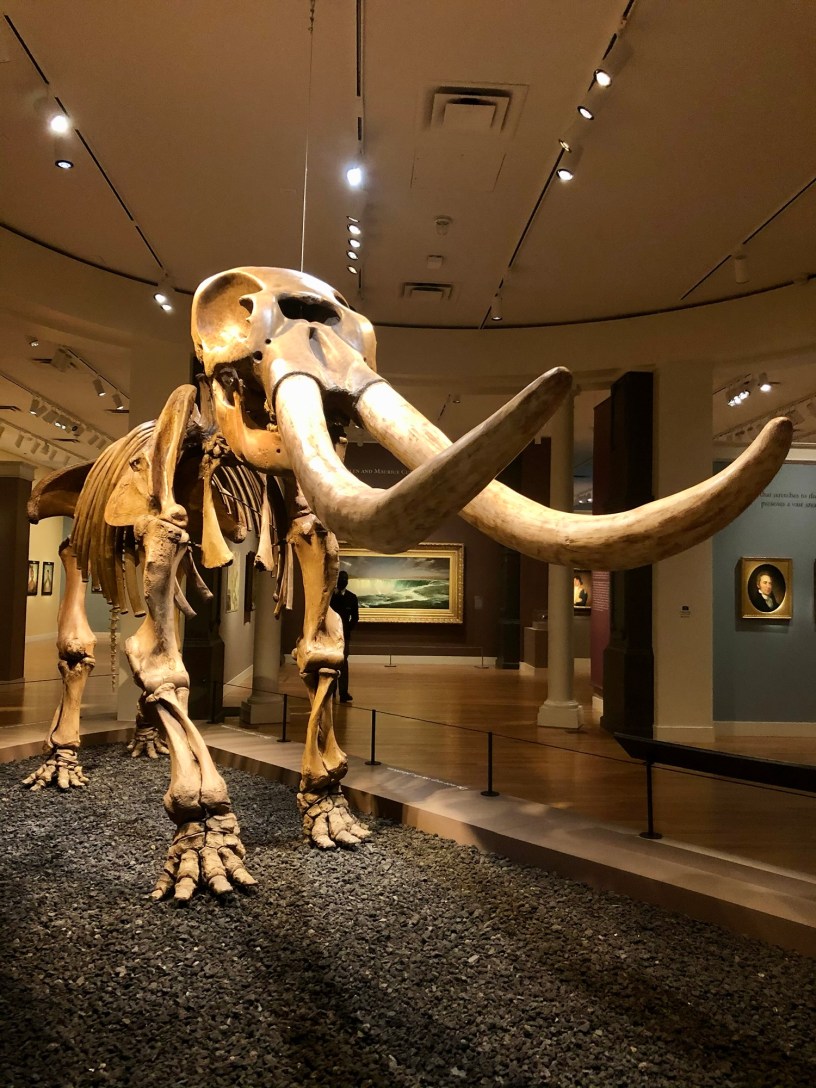
When Thomas Jefferson sent Lewis & Clarke off to explore the newly purchased Louisiana Territory one of their goals was to find a living mastodon, part of Jefferson’s mission to disprove the theory of American Degeneracy.
Popularized by Frenchman Comte de Buffon in the 1760/70’s, the theory held that American animals (including people) were inferior to their European counterparts. The climate produced “cold men and feeble animals,” and even people of European descent lost their vigor the longer they remained on the continent. The country’s reputation was at stake and Jefferson took it personally, spending decades refuting the theory. While minister to France during the revolution he’d had a large moose skeleton sent to Buffon to show off its size and grandeur.
Mastodon’s were even larger and more impressive than moose. Jefferson knew of their existence in North America and had long been collecting bones of these giant animals. In 1801 as president of the American Philosophical Society, he supported Charles Willson Peale’s excavation of a mastodon skeleton in New York.
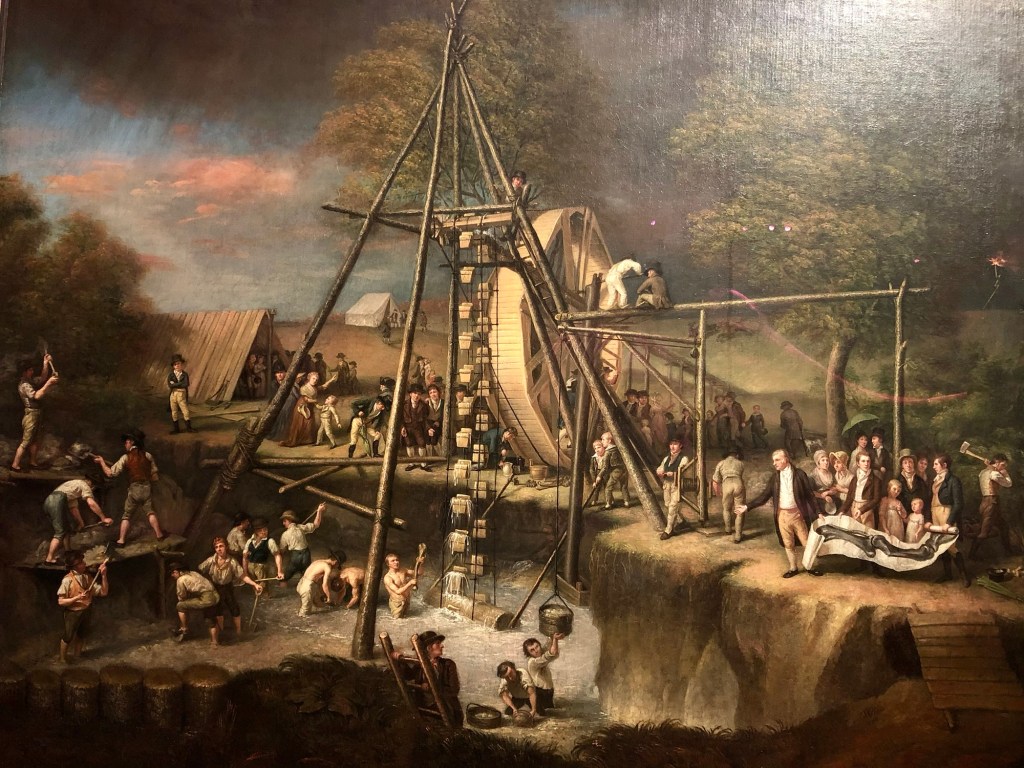
It was the world’s first fully articulated prehistoric skeleton found, and was put on display in Peale’s Philadelphia museum.
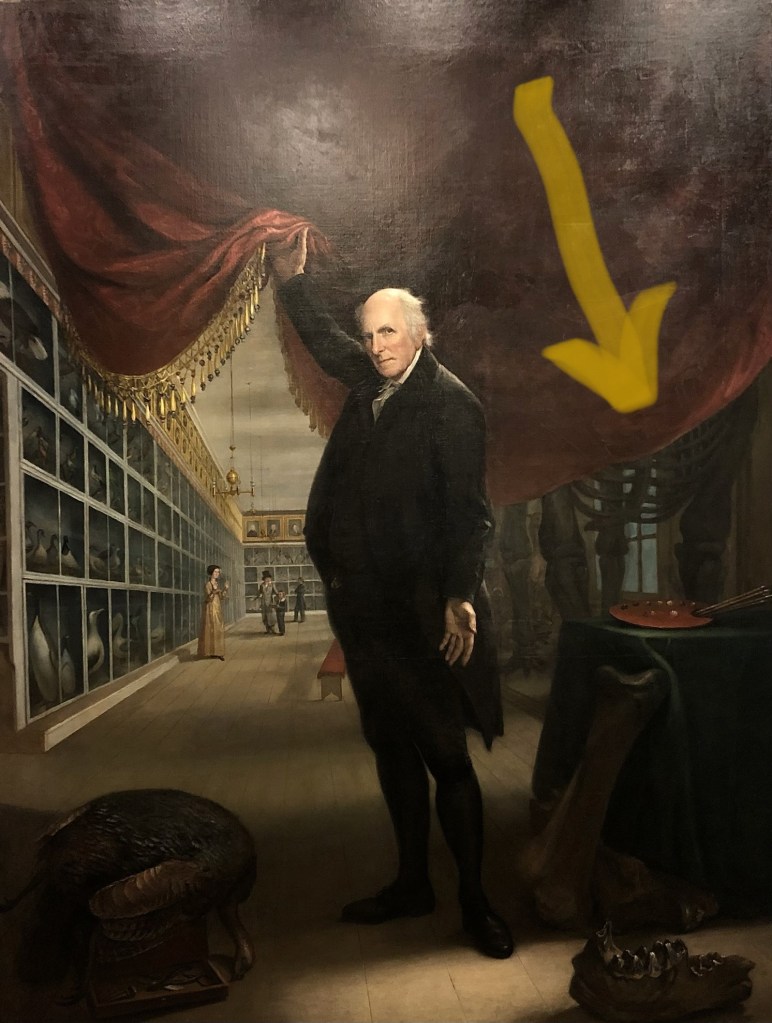
There are numerous illustrations of the fossils and skeleton by Peale and his sons.
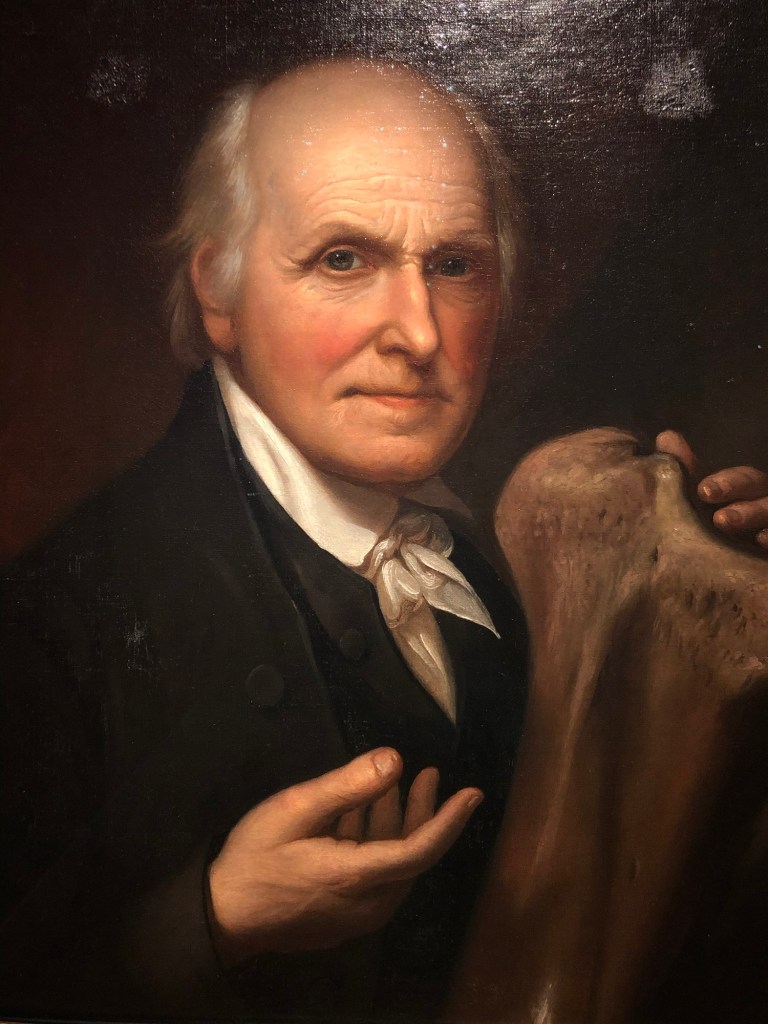
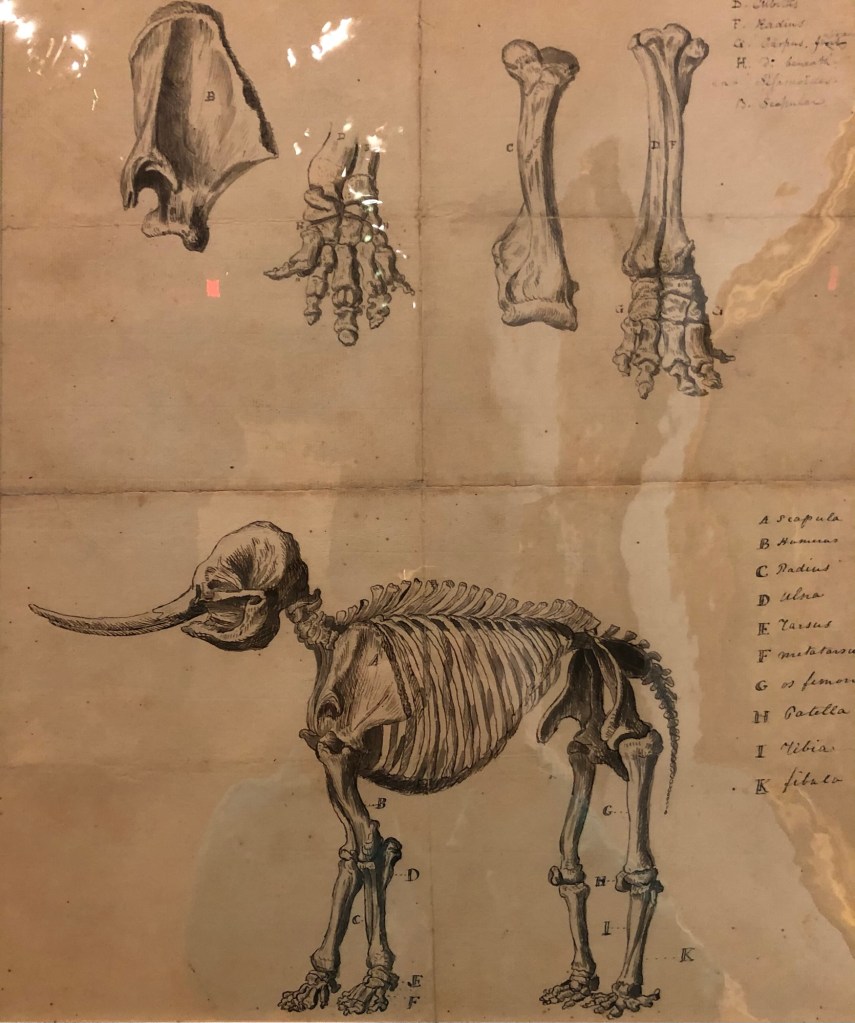
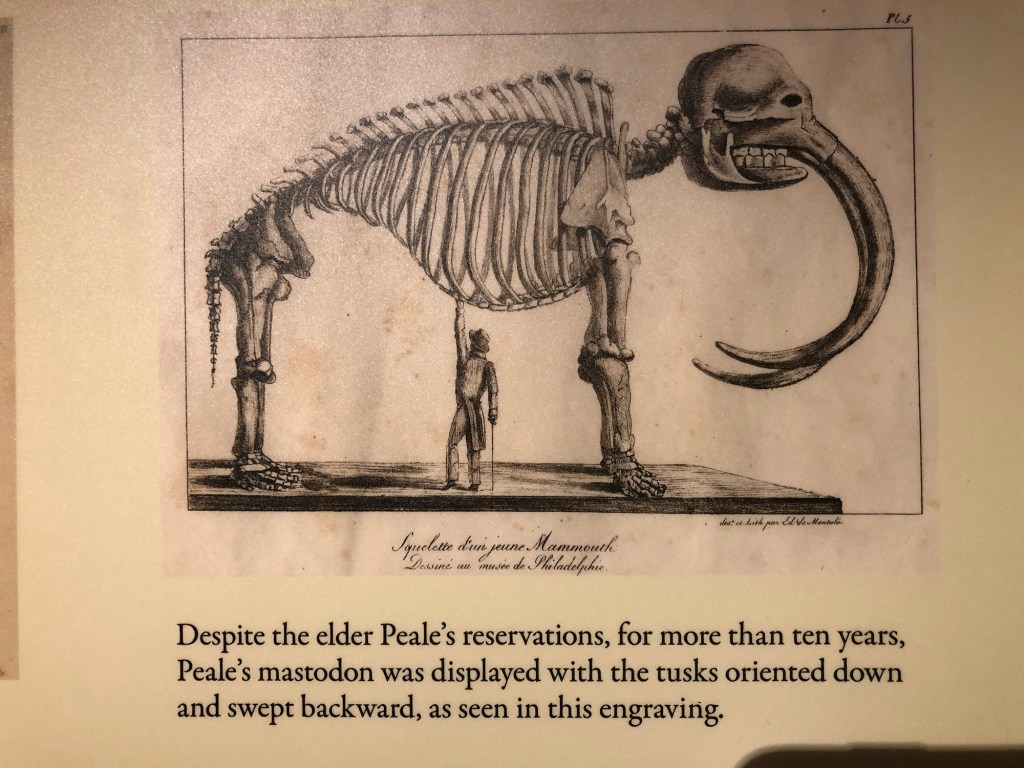
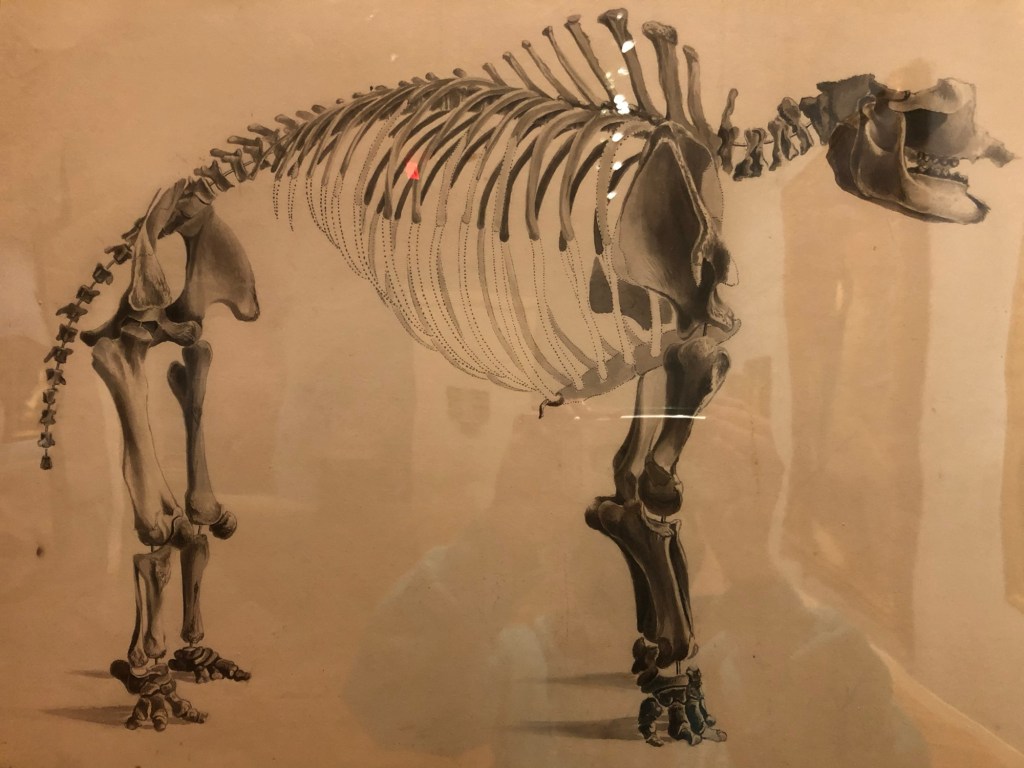
The skeleton still exists, although it now lives in Germany (these photos are from a 2020 US exhibition).
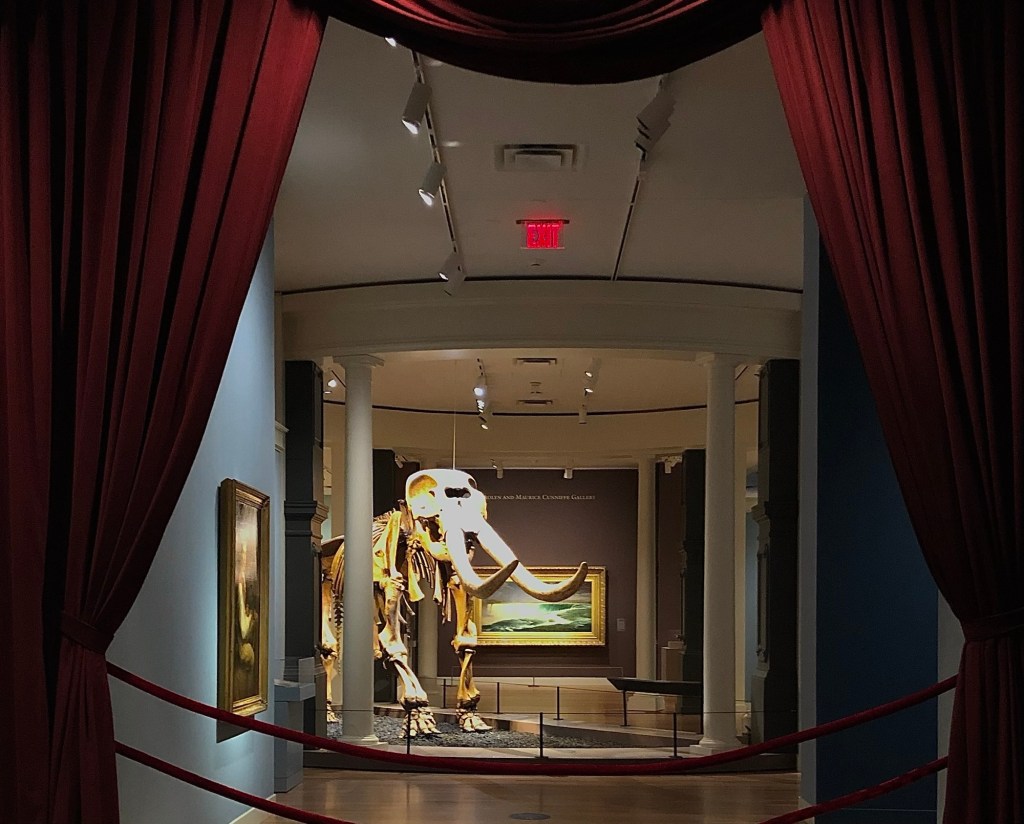
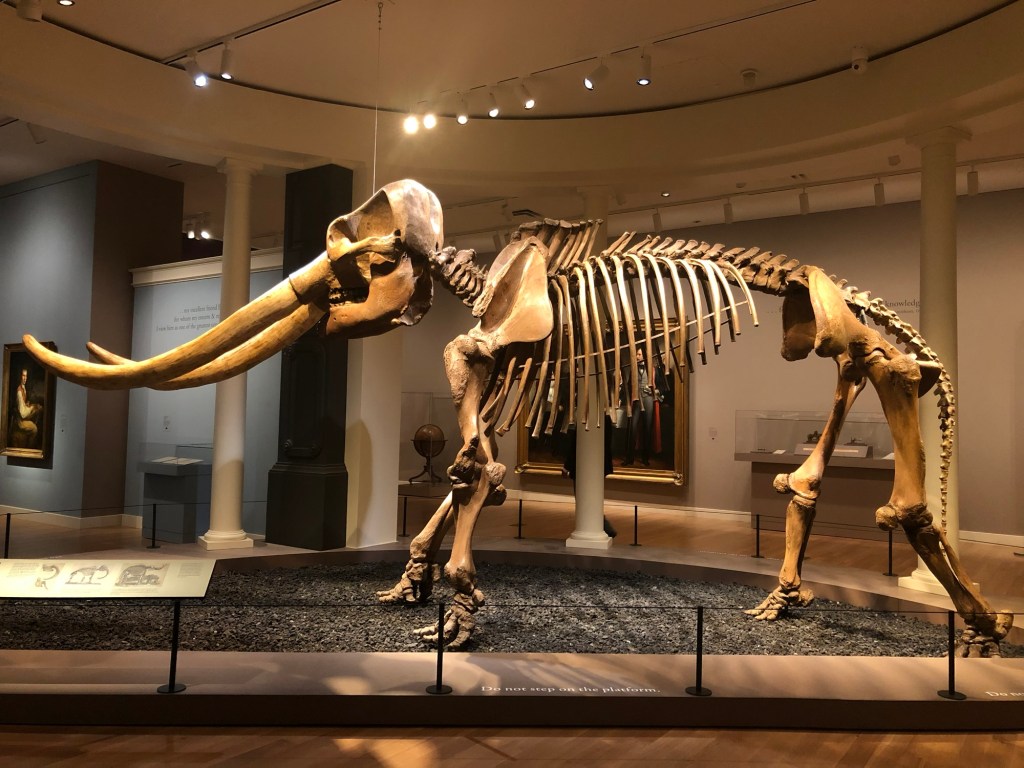
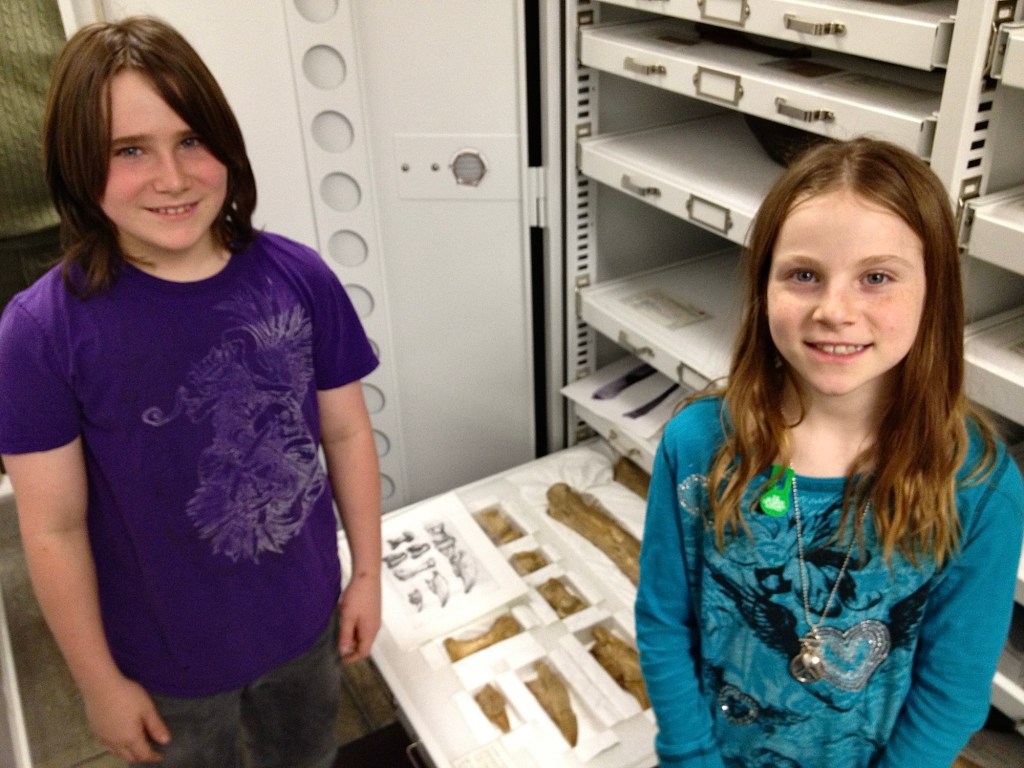
The idea of extinction was controversial, and most people, including Jefferson, believed that if there were bones they came from an existing species. Hence the hope that mastodons were still living in the unexplored parts of North America and that their discovery would put to rest the idea of American Degeneracy. Obviously, Lewis and Clark didn’t find any mastodons out west, but they did find more fossils. In 1807 Clark conducted the nation’s first formal excavation at Big Bone Lick, Kentucky in what is now recognized as the beginning of scientific vertebrate paleontology in America. Many of Jefferson’s fossils, including those collected by Clark, now reside in the collection of the Academy of Sciences in Philadelphia, where they are occasionally visible on tours or special exhibitions.
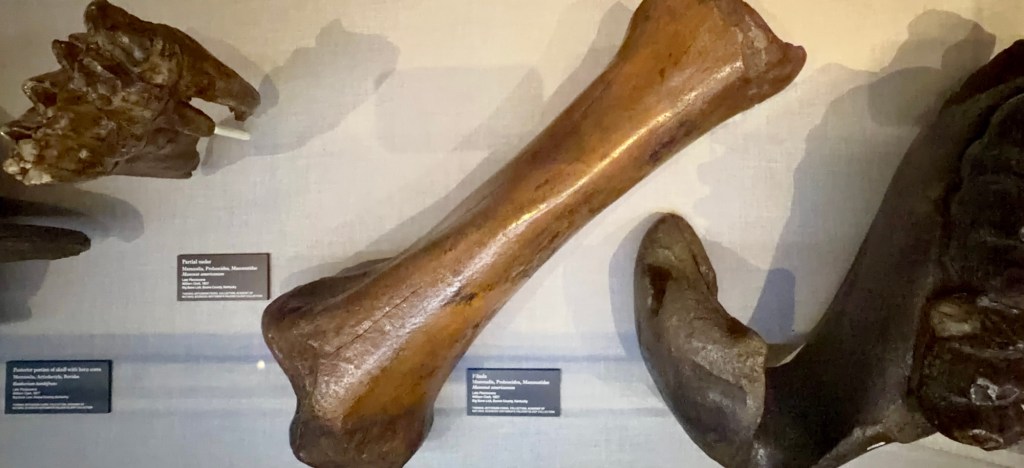
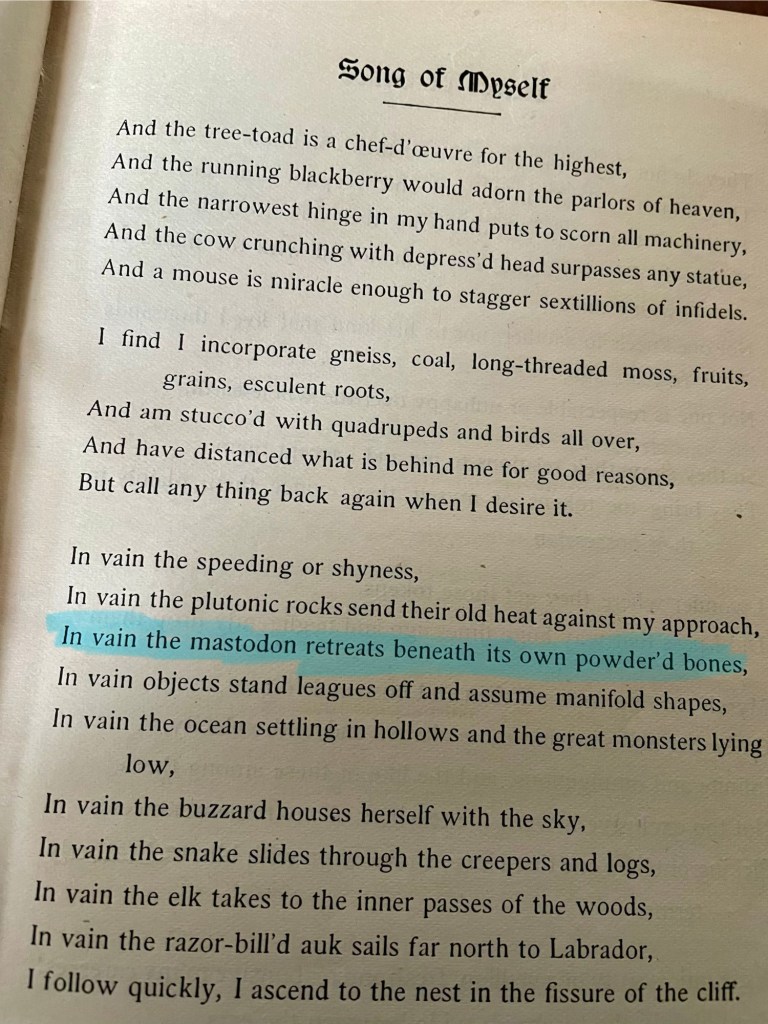
As America became more important on the world’s stage, the idea of American Degeneracy faded but fascination with these impressive creatures remained, even earning them a mention in Walt Whitman’s monumental “Leaves of Grass.”
We now know that mastodons were creatures of the ice age, becoming extinct about 11,000 years ago. During that time they roamed the continent in large numbers, so fossil remains are common and displays can be found throughout the country, including these from the Rutger’s Geology Museum in New Jersey and the La Brea tar pits in California.