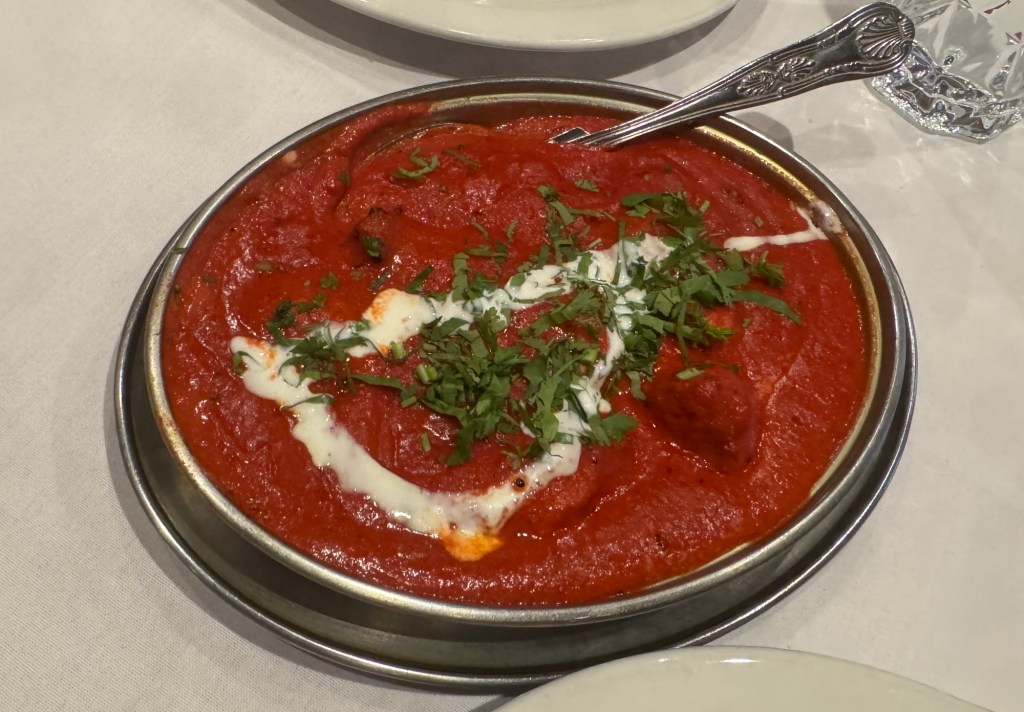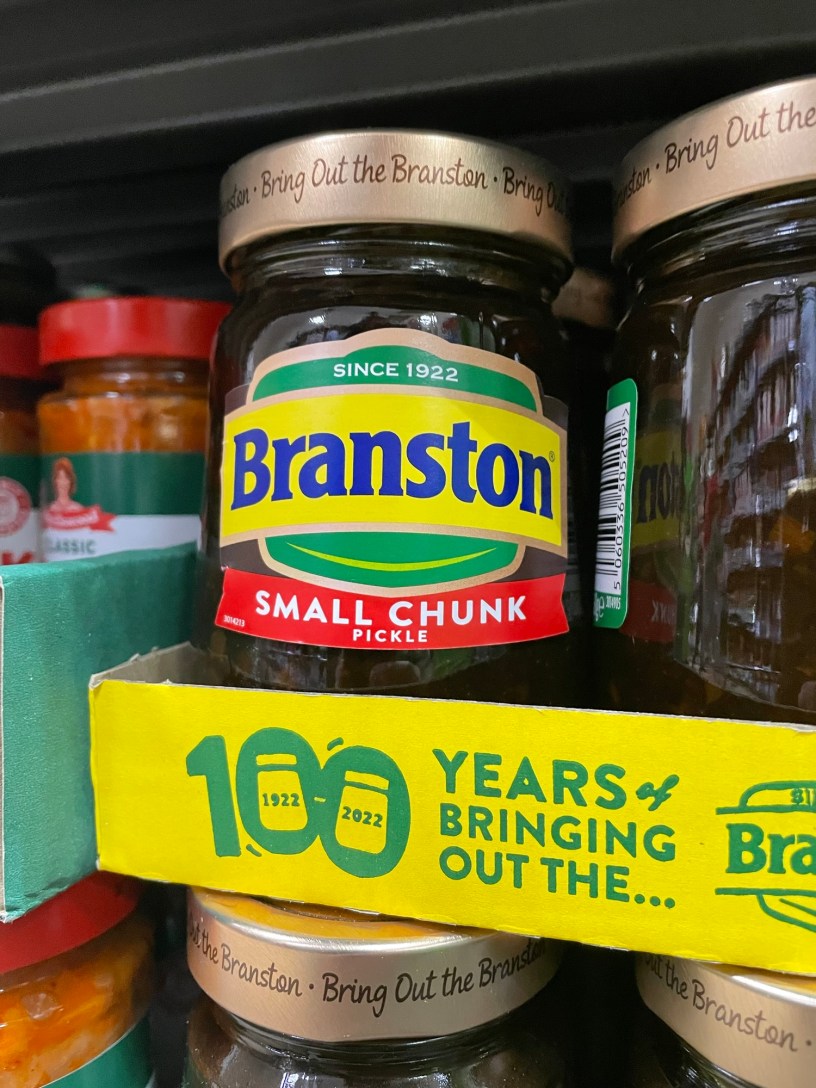
The British East India Company’s first trading post in India was established in 1612, and the cuisines have been entwined ever since. Originally Indian spices were brought back to liven up traditional British dishes, with the British eventually creating premade spice mixes to add the flavor without the work. Called “curry powders,” they differed from the freshly ground mixes used in traditional Indian cuisine. Soon actual Indian dishes were being modified for British tastes and ingredients, creating hybrid recipes like Mulligatawny soup and kedgeree.
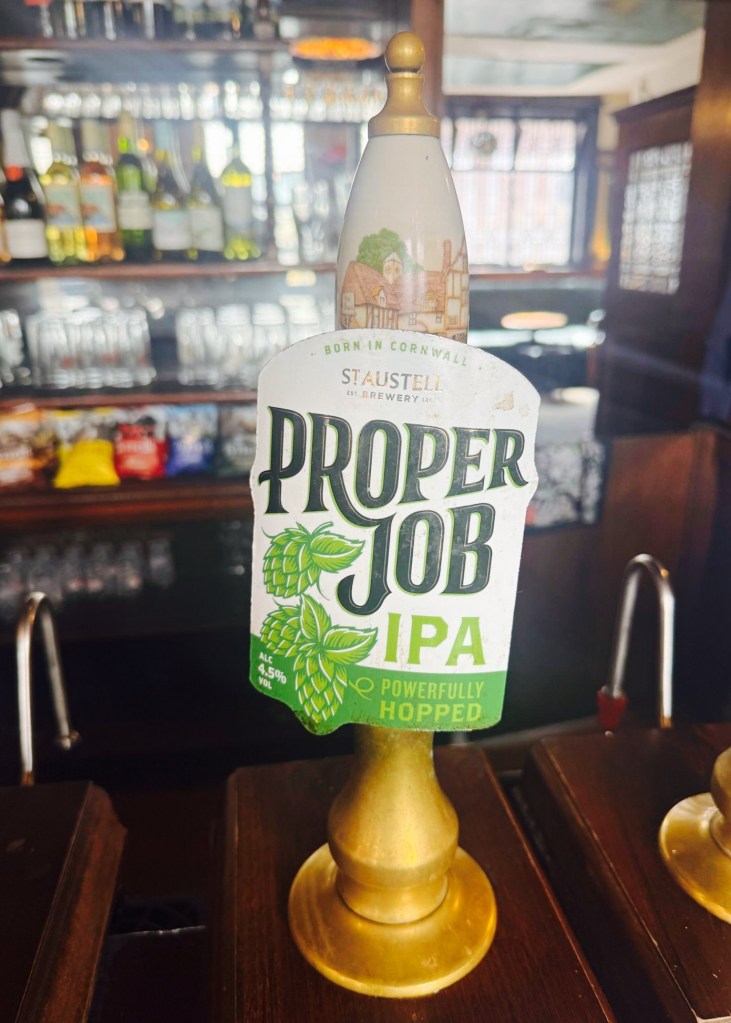
By the mid 1800’s India was officially under British rule and ships regularly traveled between the two, a journey that went from months to weeks after the 1869 opening of the Suez Canal. Because food spoilage was common during these voyages, recipes were tweaked to improve longevity. Beer underwent one such modification, and the IPAs of today date back to this period. Short for India Pale Ale, these extra hoppy brews with a higher alcohol content were originally developed for Britain-India travel, with the extra hops to act as a preservative, insuring the beer made it to India unspoiled.
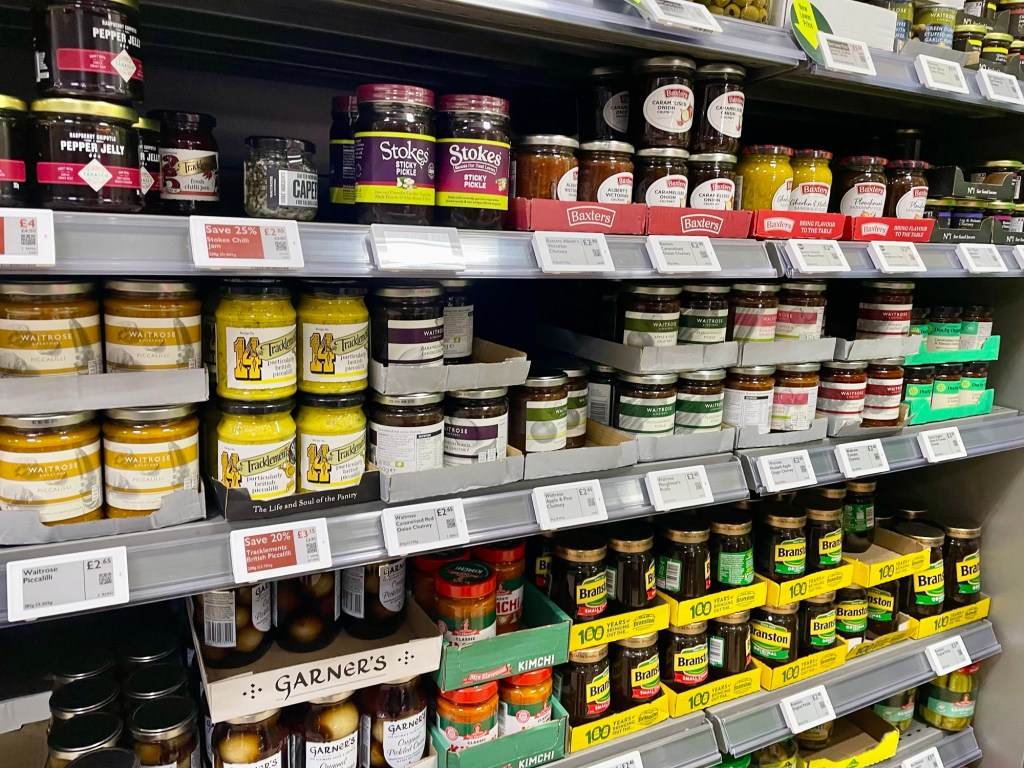
Chutney, relish, and pickle are another common Anglo-Indian hybrid born during the colonial era. They are adapted from the fresh Indian “chatni” into cooked sweet and sour reductions with a long shelf-life suitable for transport. British recipes often included sweeteners and preservatives such as brown sugar, fruits, and vinegar. Today these have become an integral part of British cuisine. Cheese and pickle sandwich? Chutney with roast pork? Although food preservation is no longer a necessity, grocery store shelves are still full of these condiments.
Even chai tea has a colonial history. The British introduced tea plantations to India in the 1830s in an attempt to break China’s tea monopoly. The Indians took the beverage and adapted it to their taste with more milk, sugar, and spices, creating the spicy chai tea we know today.
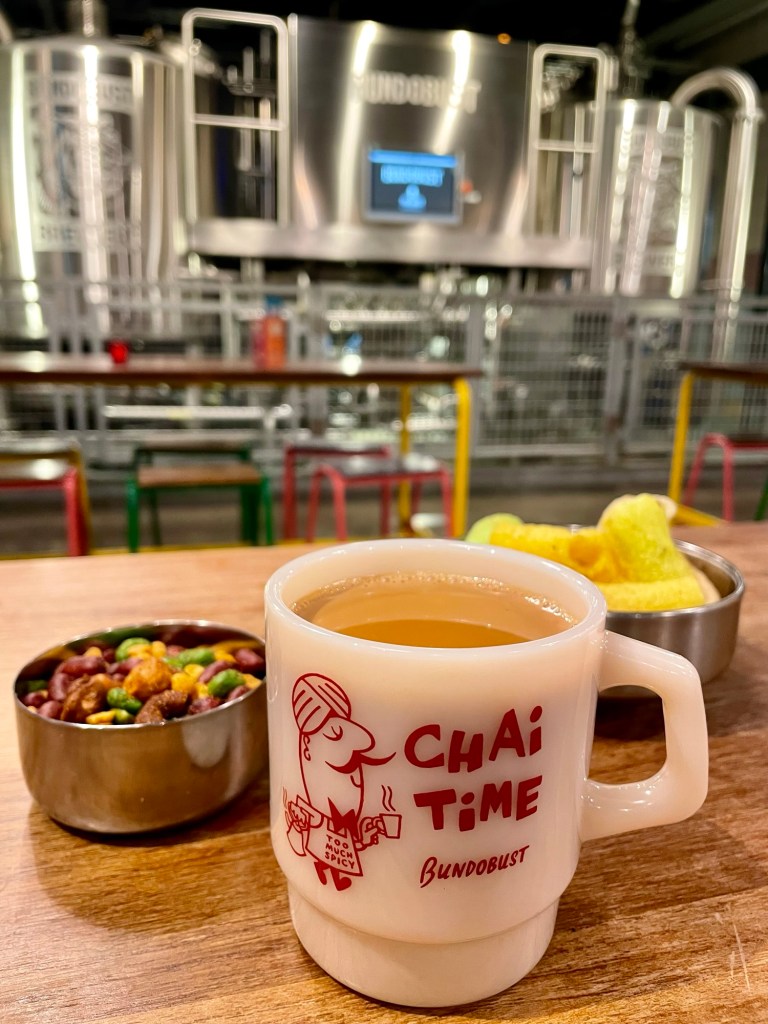
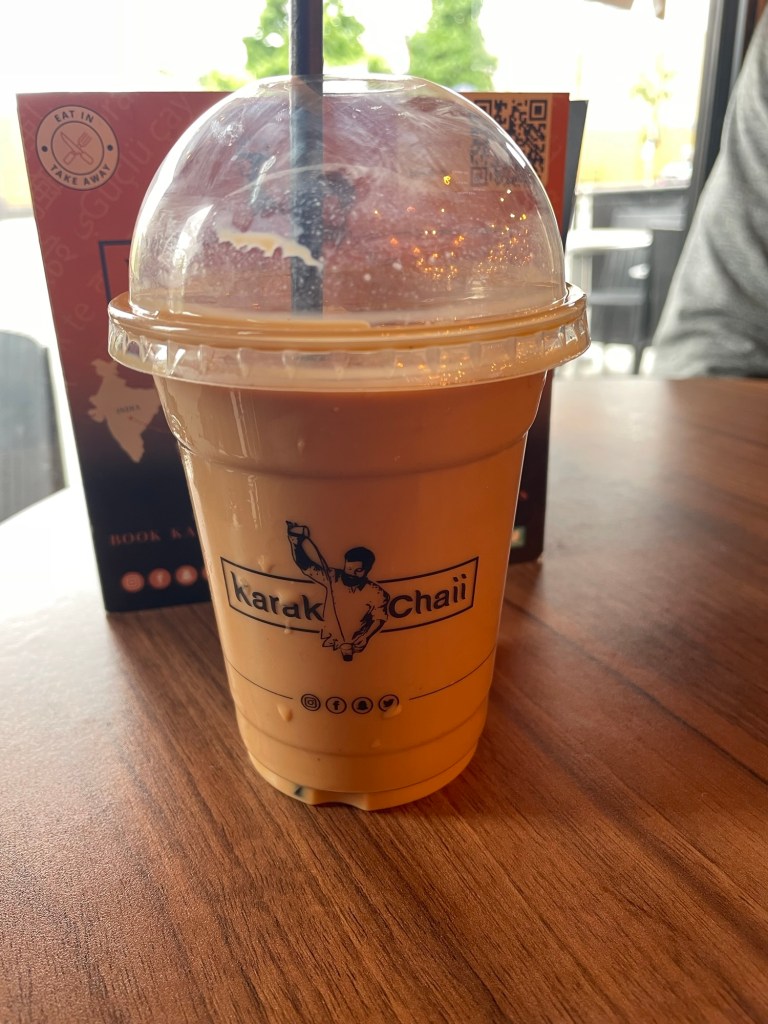
The first Indian restaurant in England opened in London around 1810 to satisfy the public’s fascination, and today they are everywhere. Brick Lane in London is a well known spot with wall to wall restaurants, snack shops and groceries. Rather than authentically Indian, most serve the hybrid Anglo Indian cuisine that developed during the colonial era.
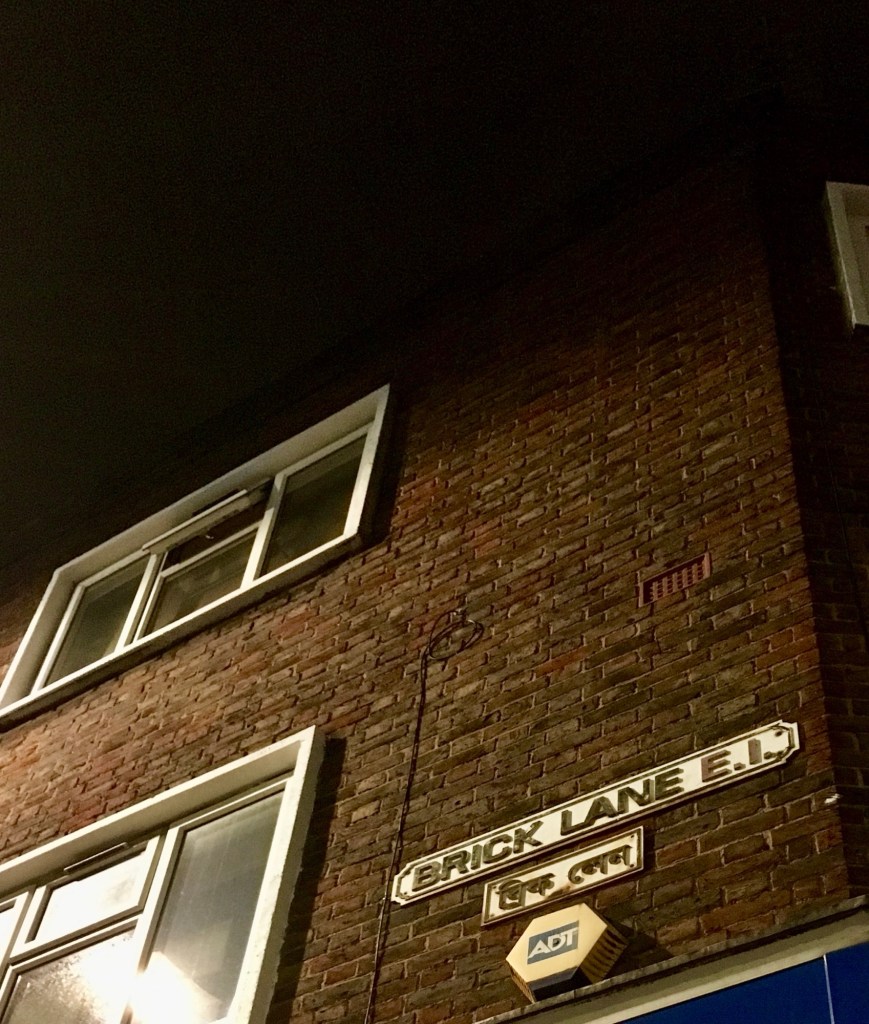
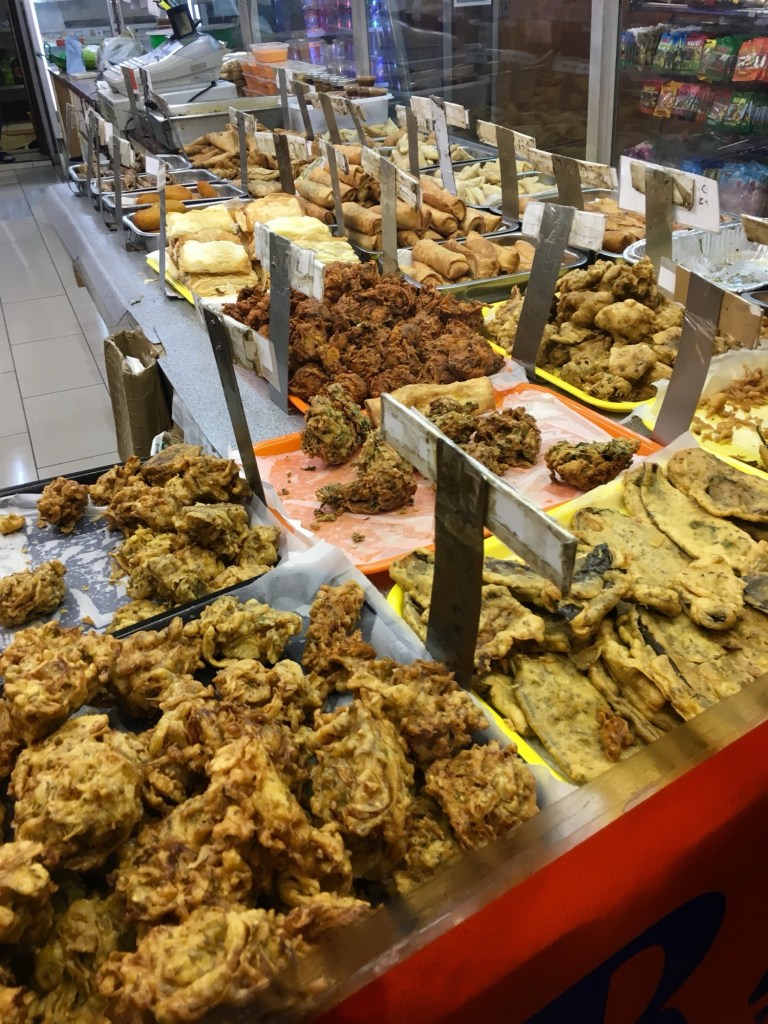
Chicken tikka masala is found everywhere, not only in Indian restaurants, but from snack wraps at the local Tesco’s supermarket to British pie shops. It’s a British culinary invention combining Indian tandoor roasted chicken with a tomato and cream gravy. Whether invented by a Scottish chef in response to a customer’s complaint that their chicken tikki was too dry, or a colonial-era adaptation to lessen the spiciness of a traditional dish, chicken tikki masala is so ubiquitous that it’s often referred to as the UK’s national dish, a true reminder of the nation’s colonial past.