When 20 year old Vincent van Gogh was transferred to London by his art dealer employer he was actually quite successful, earning more than his father and wearing the latest fashions. “Our Vincent wrote that he had bought a top hat; you cannot be in London without one.”
Initially he loved his time in the city, “Things are going well for me here, I have a wonderful home and it’s a great pleasure for me to observe London and the English way of life and the English themselves, and I also have nature and art and poetry, and if that isn’t enough, what is?”
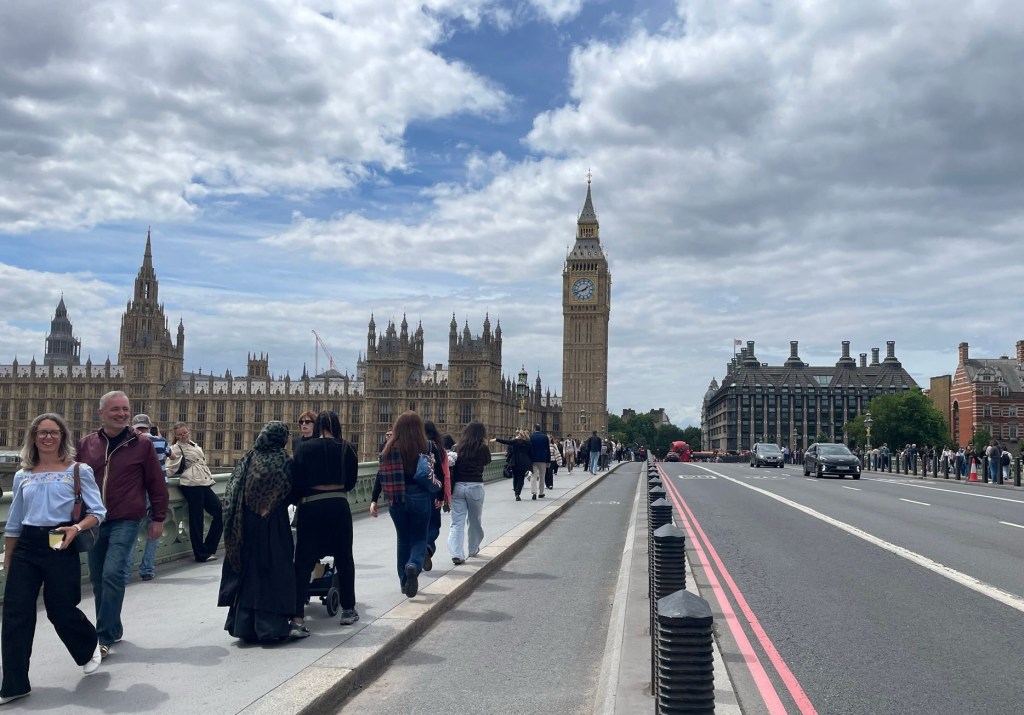
His daily walk to work in Covent Garden took him across Westminster Bridge. Years later upon seeing a picture of the bridge he recalled, “I crossed Westminster Bridge every morning and evening and know what it looks like when the sun’s setting behind Westminster Abbey and the Houses of Parliament, and what it’s like early in the morning, and in the winter with snow and fog… I felt how much I love London.”
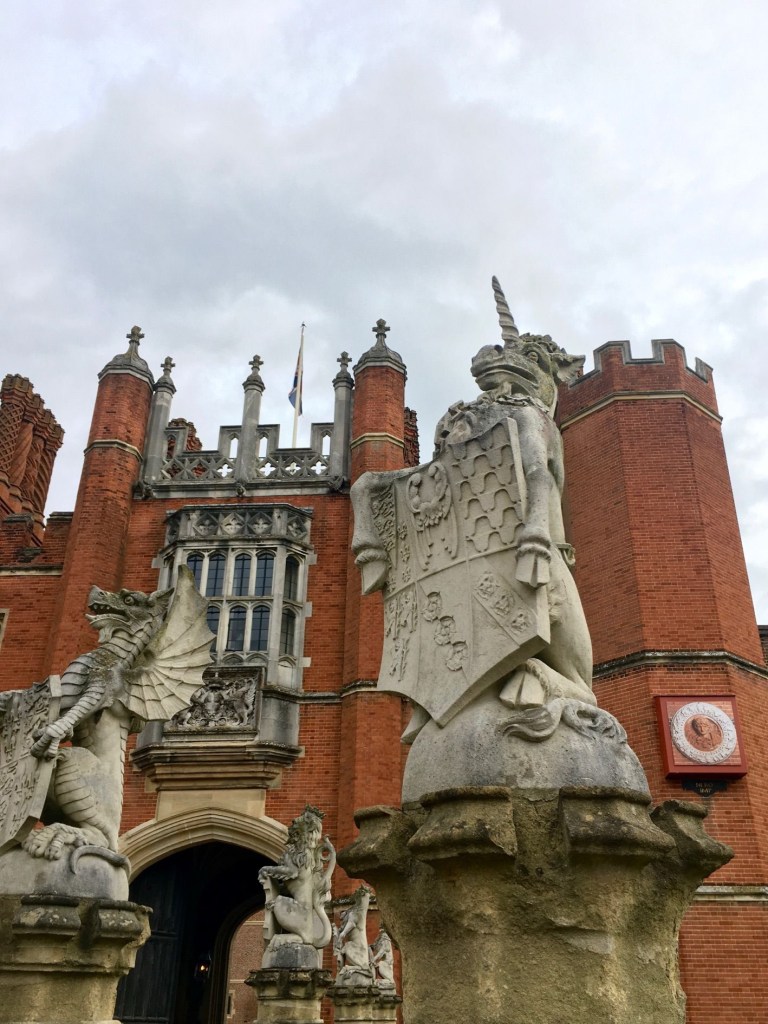
Van Gogh walked all over the city, using his free time to explore. “Last week I was at Hampton Court to see the splendid gardens and long avenues of chestnut and lime trees where masses of crows and rooks have their nests, and also to see the palace and the paintings.” He enclosed a feather from one of the rooks in his letter.
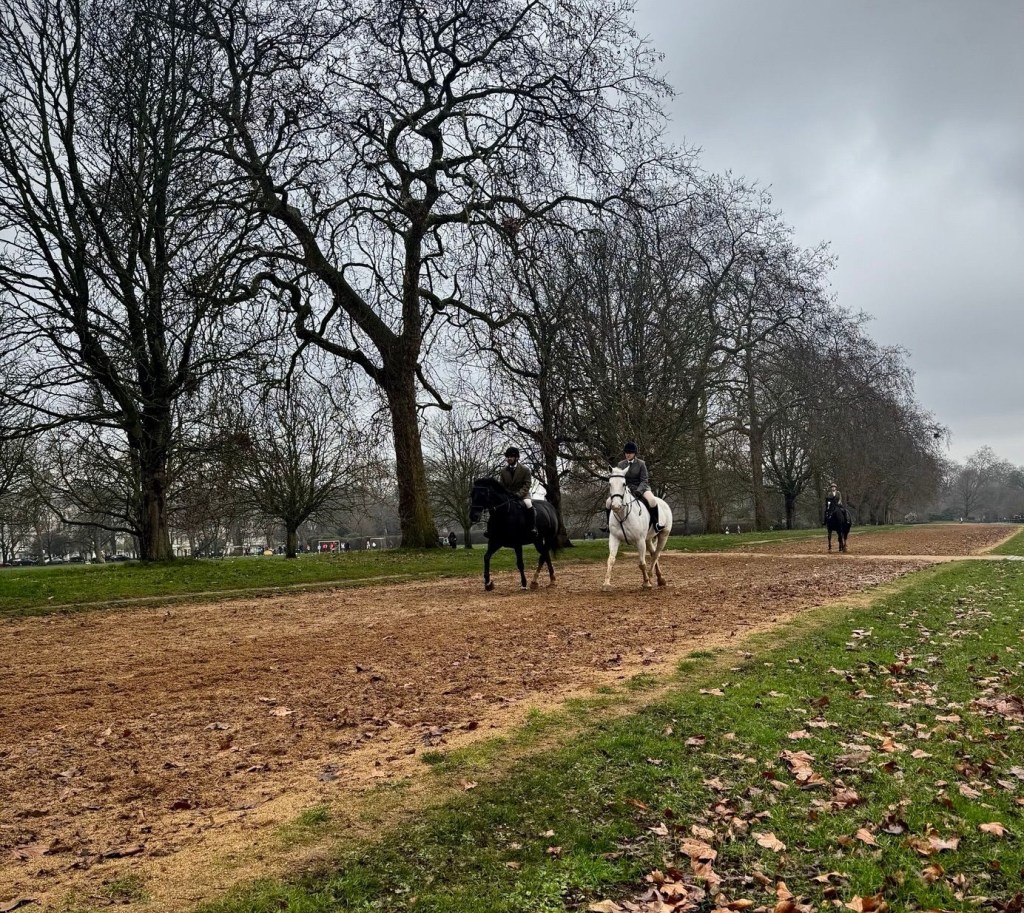
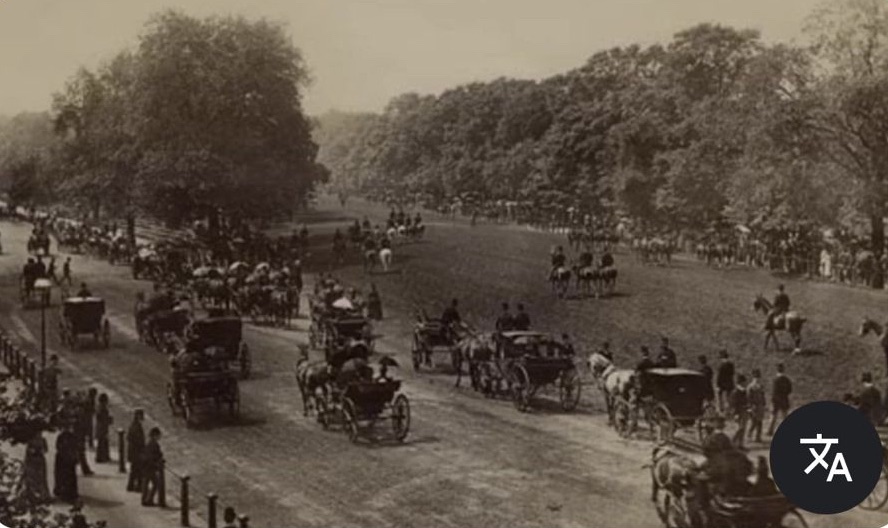
As he wandered the city, his appreciation for its green spaces grew, “One of the nicest things I’ve seen here is Rotten Row in Hyde Park, which is a long, broad avenue where hundreds of ladies and gentlemen go riding. In every part of the city there are splendid parks with a wealth of flowers, such as I’ve seen nowhere else.”
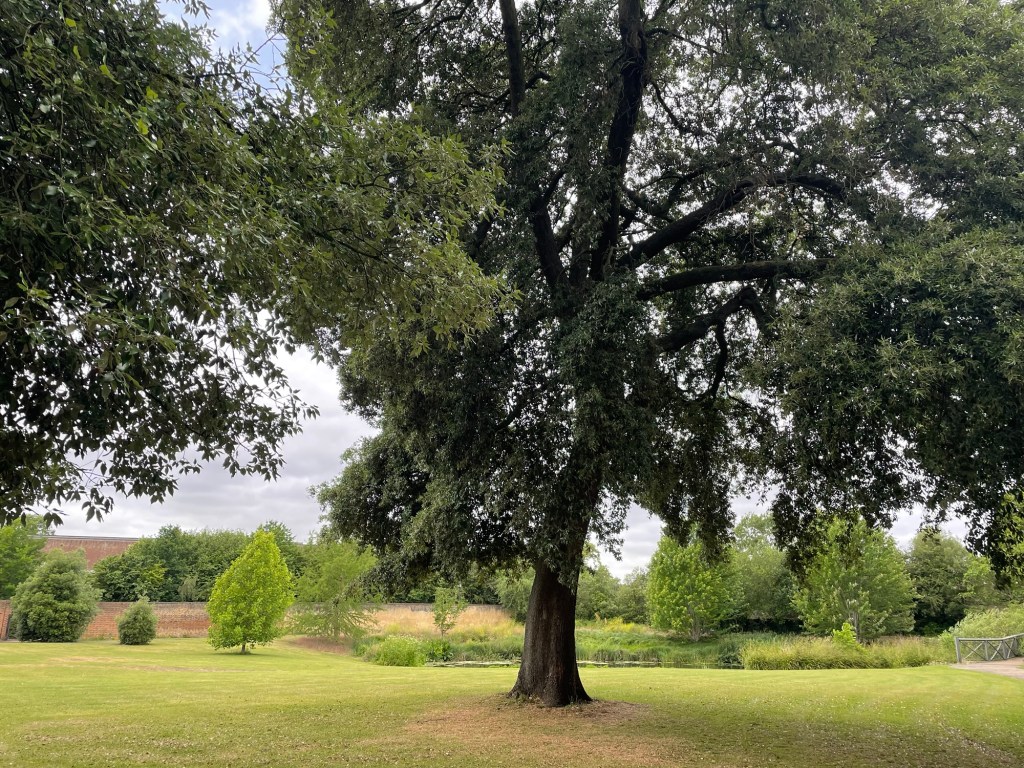
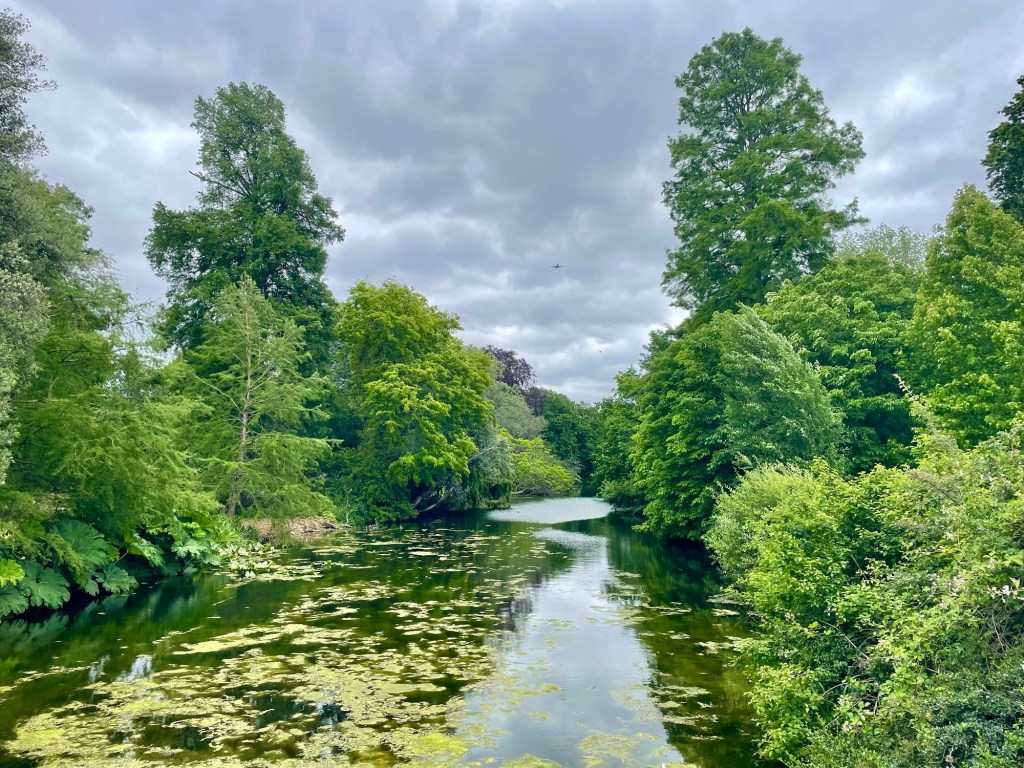
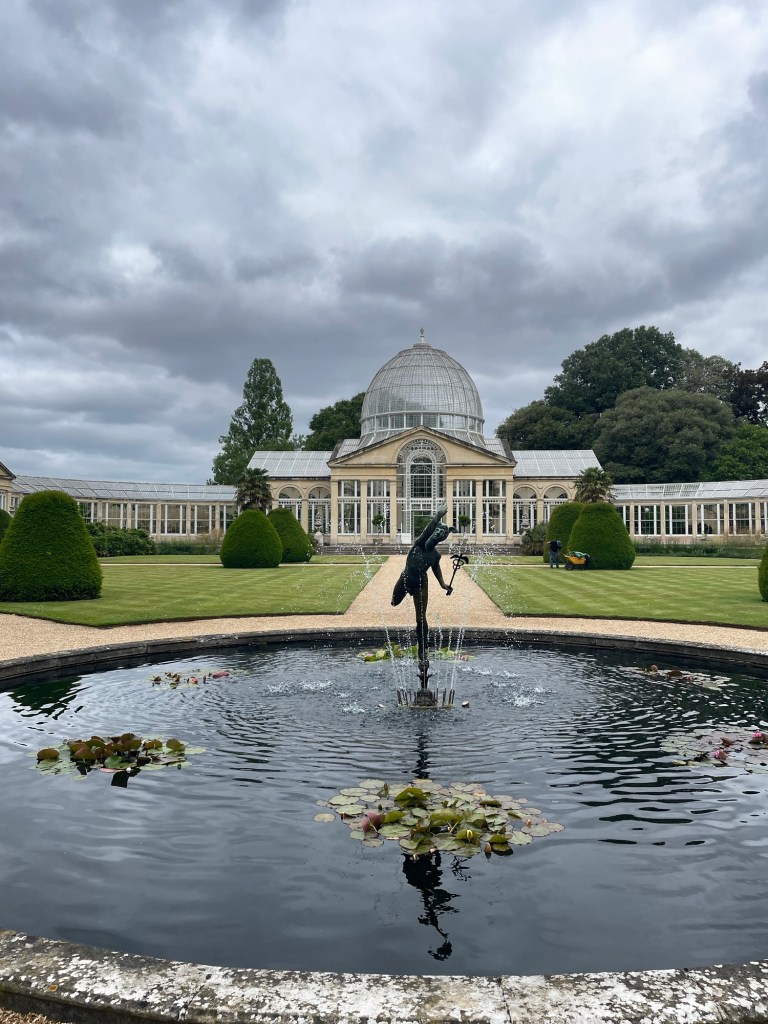
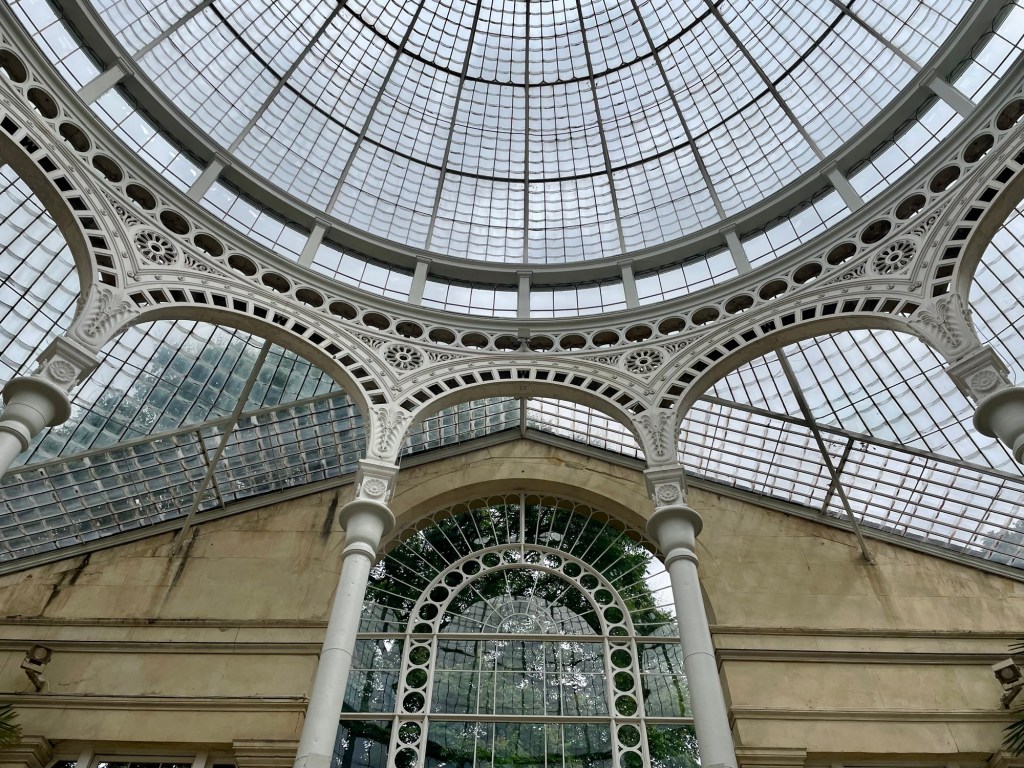
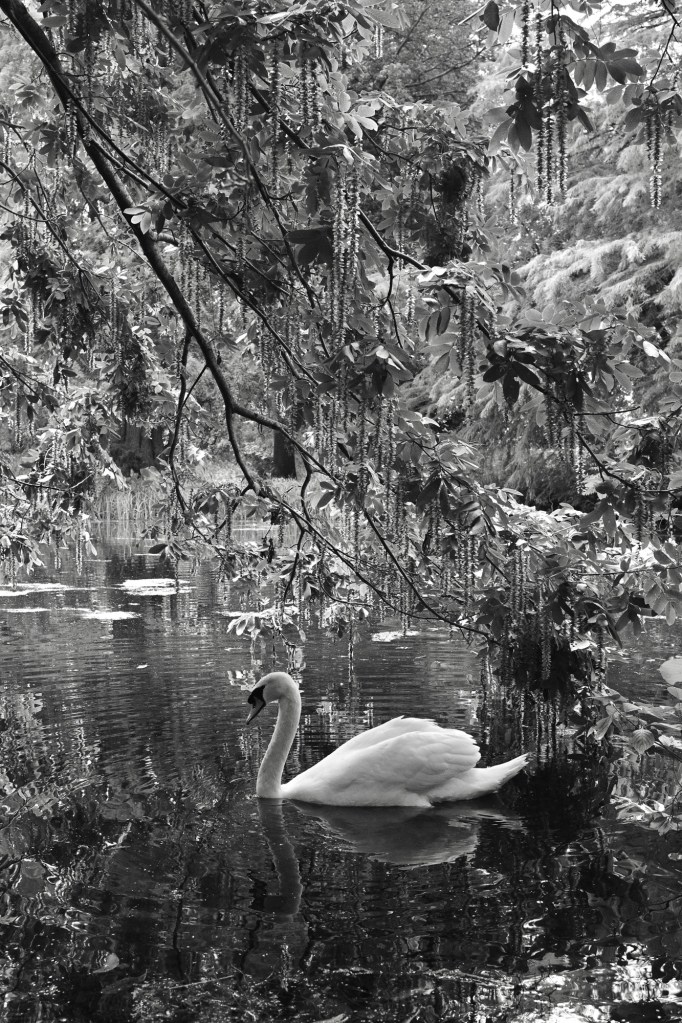
Another of these parks was Syon, where Vincent wandered the gardens and saw the amazing iron and glass conservatory. “It’s lovely here now, especially in the streets in the evening, when it’s a bit foggy and the street-lamps are lit, and also in that park I wrote to you about, I saw the sun setting there a couple of days ago, behind the elm trees whose leaves are now the colour of bronze… and a brook runs through that park in which one sees the swans swimming”
His appreciation for art expanded during his time in the city, and in his letters he wrote about the city’s museums and galleries. He made recommendations to his brother, and discussed several not to miss paintings. One recommendation was for the South Kensington Museum (now the V&A). Perhaps Vincent ate in one of its spectacular dining rooms (London: Victorian Opulence)? The art that he saw in London would have a major impact on his own future artistic career.
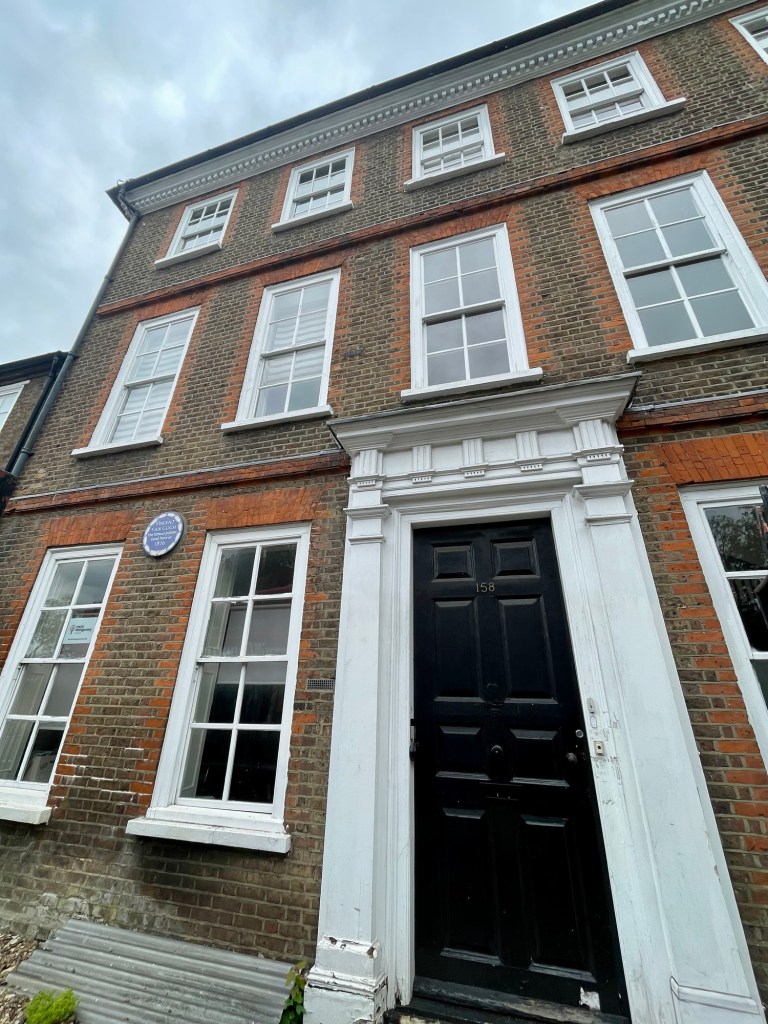
But financial success and happiness were not to last. Shocked by the poverty on the streets, van Gogh became more and more interested in social reform and the church. Depression set in after a failed love affair and he was fired from the art dealer. He eventually found a teaching job in Ramsgate. Shortly after joining the school it moved to Isleworth, and he switched jobs to a nearby school where he could also preach in the church. He had a room on the school’s second floor which he decorated with photographs of his family and prints by artists he admired. “The acacias in the playground have already lost many of their leaves, one sees them through the window in front of my reading-desk, sometimes they stand out dark against the sky, sometimes one sees the sun behind them, rising up red in the mist.”
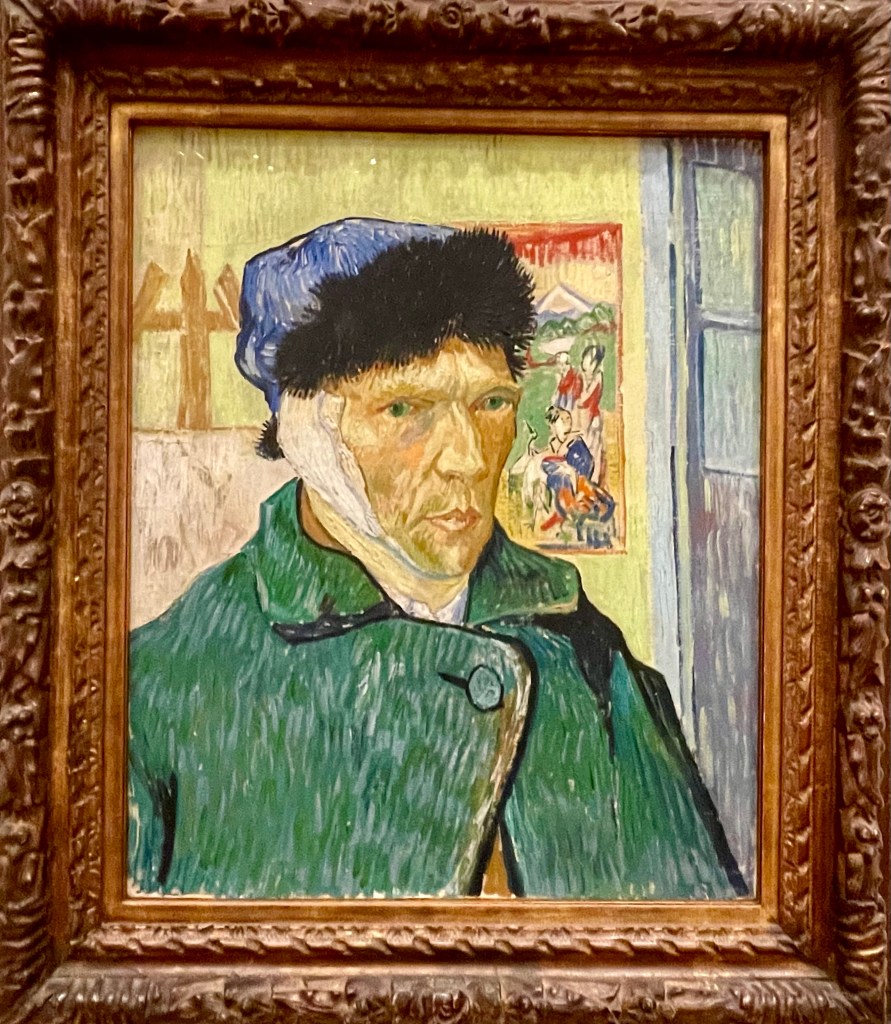
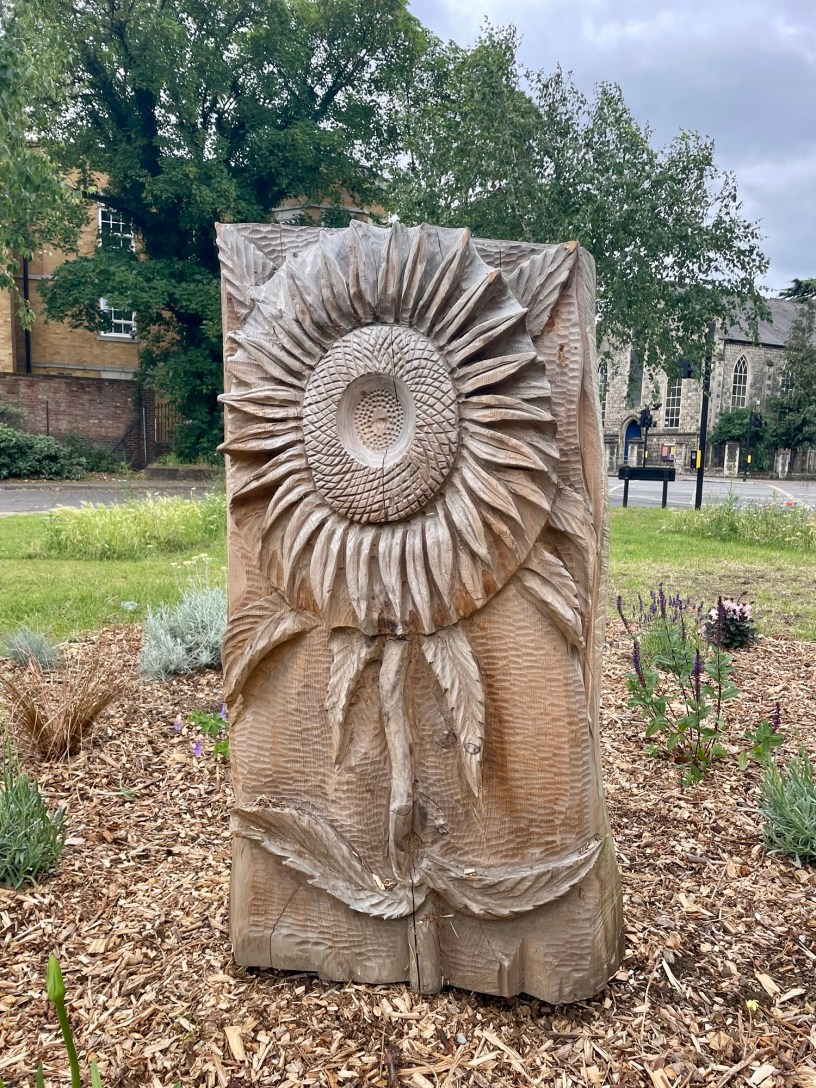
Although he enjoyed teaching and the opportunity to preach, it wasn’t enough to lift his depression. With his prospects limited in London, Vincent returned to the Netherlands to pursue a full-time career in the church, never to see England again. Today, the city is home to several paintings important in van Gogh’s artistic career, including one of his famous sunflowers at the National Gallery, and his self-portrait with bandaged ear (London: Van gogh’s Ear).