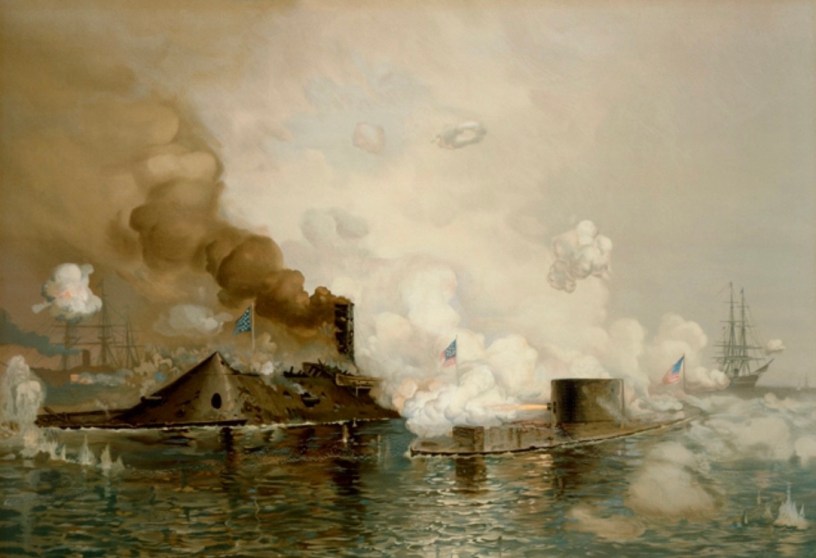
1862. The Civil War rages as the Industrial Revolution pulls warfare into the modern age.
The Problem: Northern blockades prevent supplies from reaching critical areas in the south.
The Solution: A new type of ship.
The Beginning: Three days after Virginia succeeded from the Union the US Navy destroyed the Norfolk Navy Yard to prevent its capture by the Confederacy. However, the USS Merrimack burned only to the waterline and her engines were still intact, plus the yard’s dry dock was relatively undamaged, setting the stage for a battle that would change the future of naval warfare.
Since the Confederacy could not match the industrial Union in number of ships, they sought to compete by building vessels that could outclass them. Believing armor would provide that edge, the Merrimack was raised, covered with armor reaching 28 inches thick, including two layers of two-inch iron plate, fitted with a cast iron ram, and renamed the CSS Virginia.
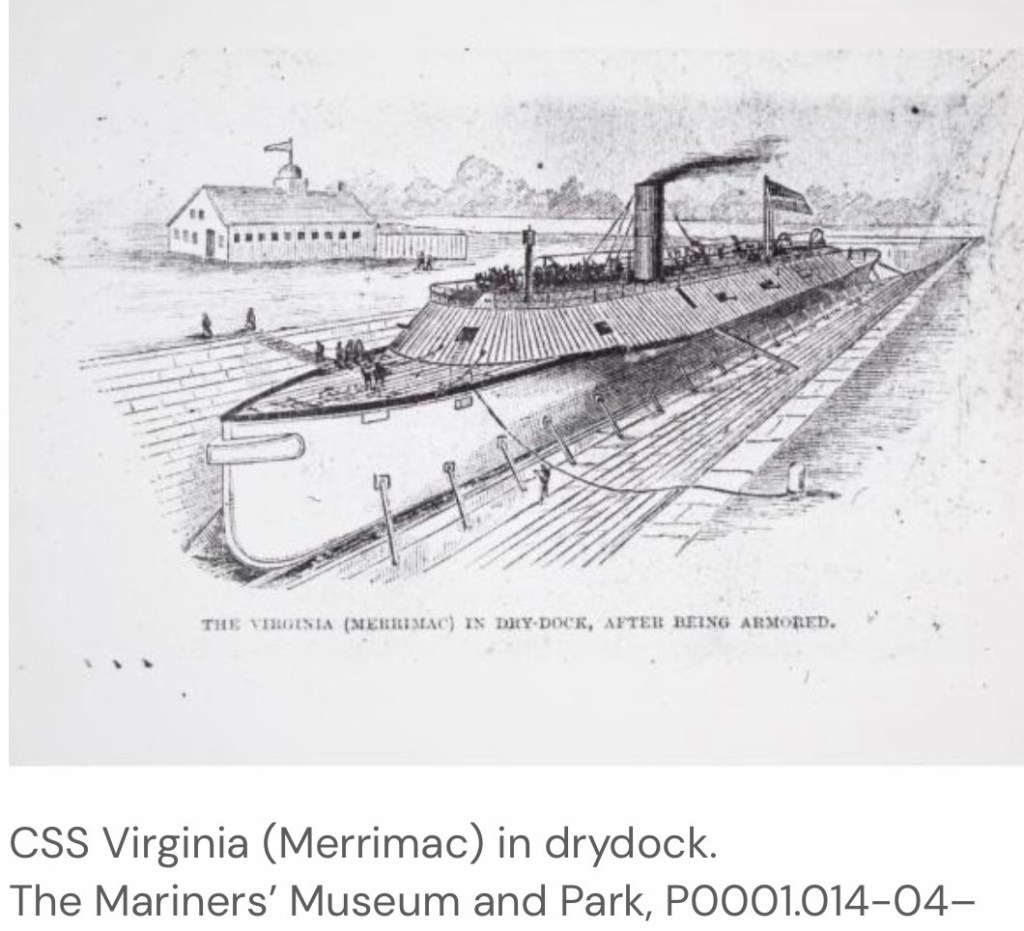
Knowing of their plan, the North began working on their own versions of the armored ship, and the first completed was the USS Monitor, which promptly headed south.
March 8 was the first day of the Battle of Hampton Roads, and the ironclad Virginia showed her superiority by quickly destroying two of the Union’s wooden-hulled ships and was about to attack a third which it had run aground when action was halted by darkness and falling tide.
The Outcome: On day two the Monitor arrived and the first battle between ironclads began. The ships fought for about three hours, with neither able to inflict significant damage on the other. Although the battle did not end the blockade or significantly impact the Civil War, it did mark the end of wooden warships, heralding the arrival of the modern battleship.
Sadly, neither of these revolutionary ships lasted long after the battle. The Virginia was destroyed two months later to prevent her from falling into Union hands, and the Monitor lasted only 7 months after that before going down in a storm off Cape Hatteras.
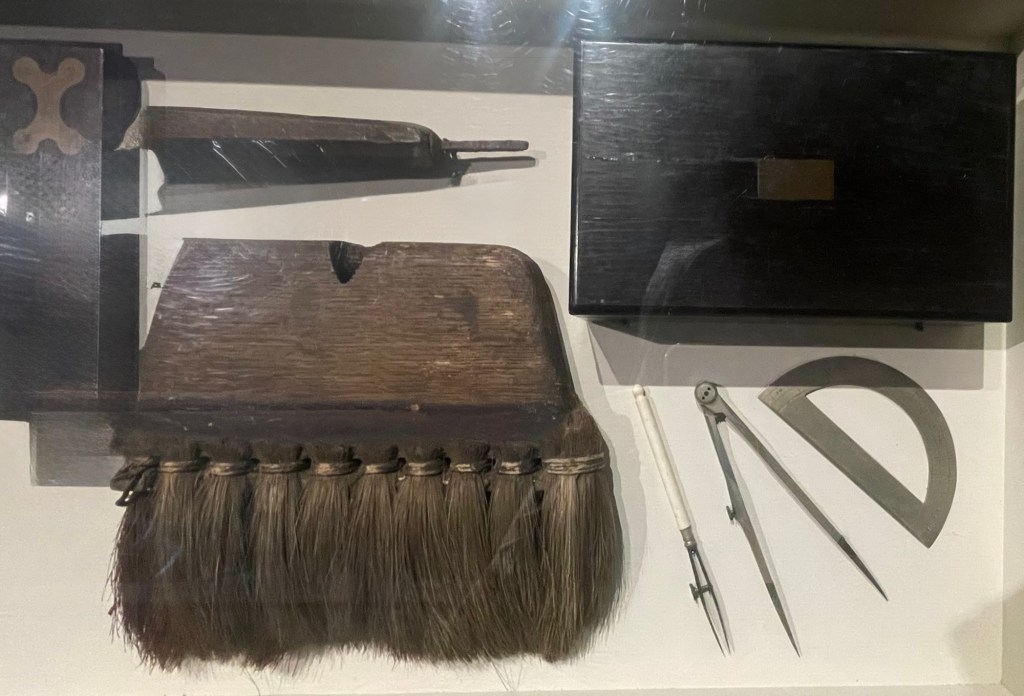
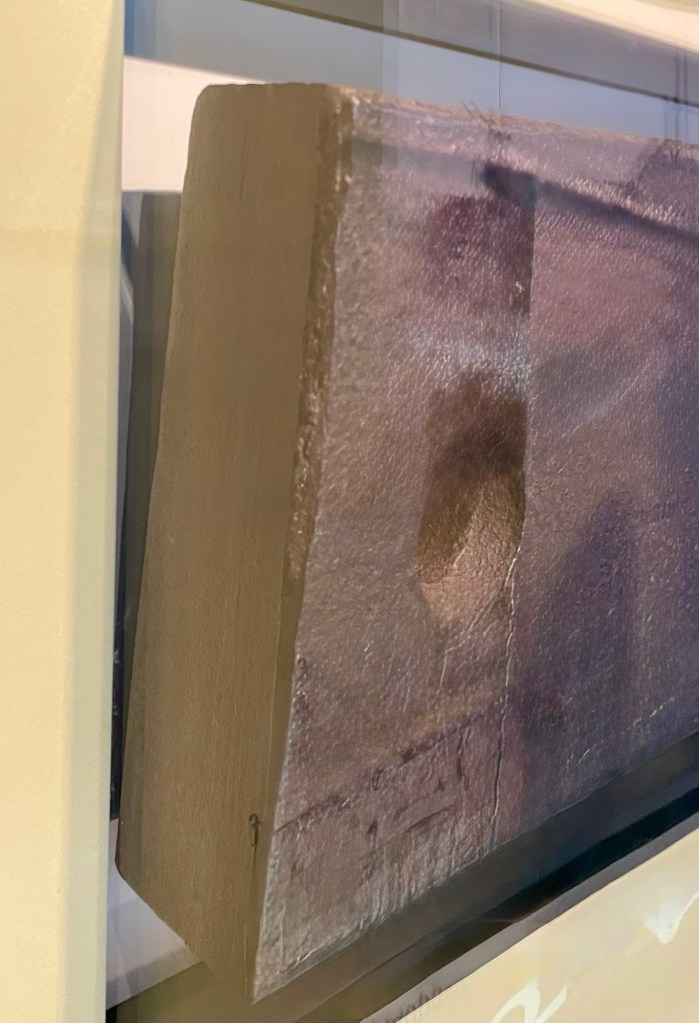
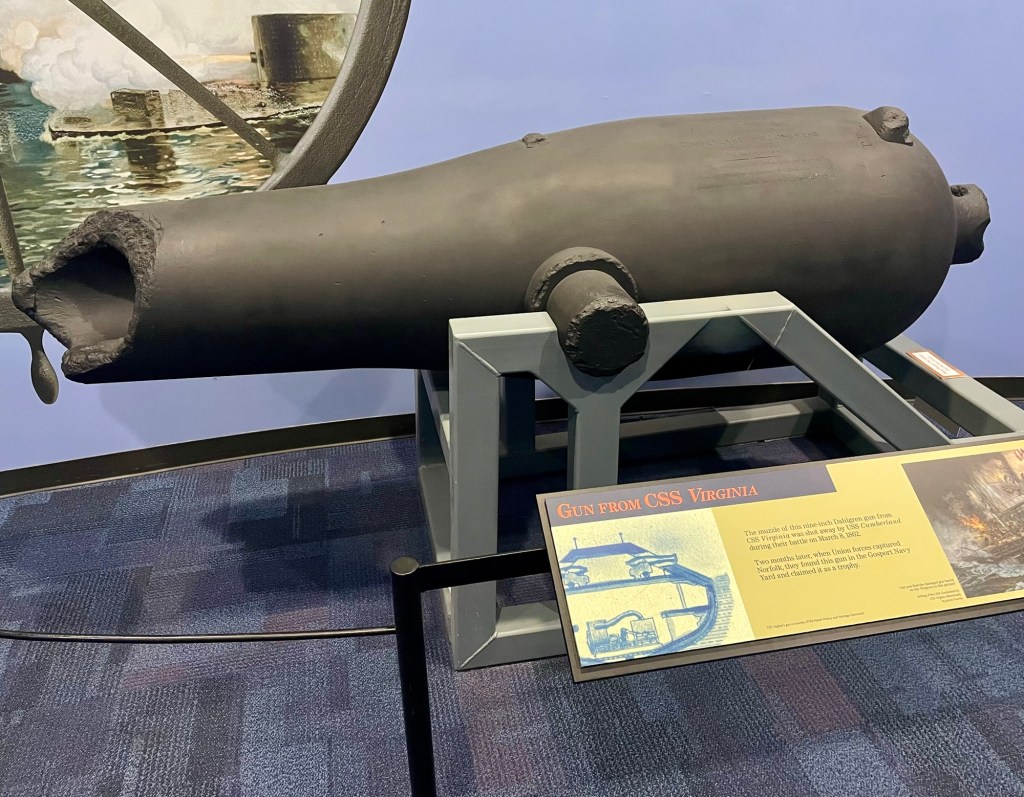
The Mariner’s Museum in Newport News is the premiere destination to learn more about the battle that took place just off shore and the ironclads. One of the largest maritime museums in North America, they have a few pieces from the Virginia, including drafting tools used in its renovation, a piece of its iron cladding, and one of its cannon.
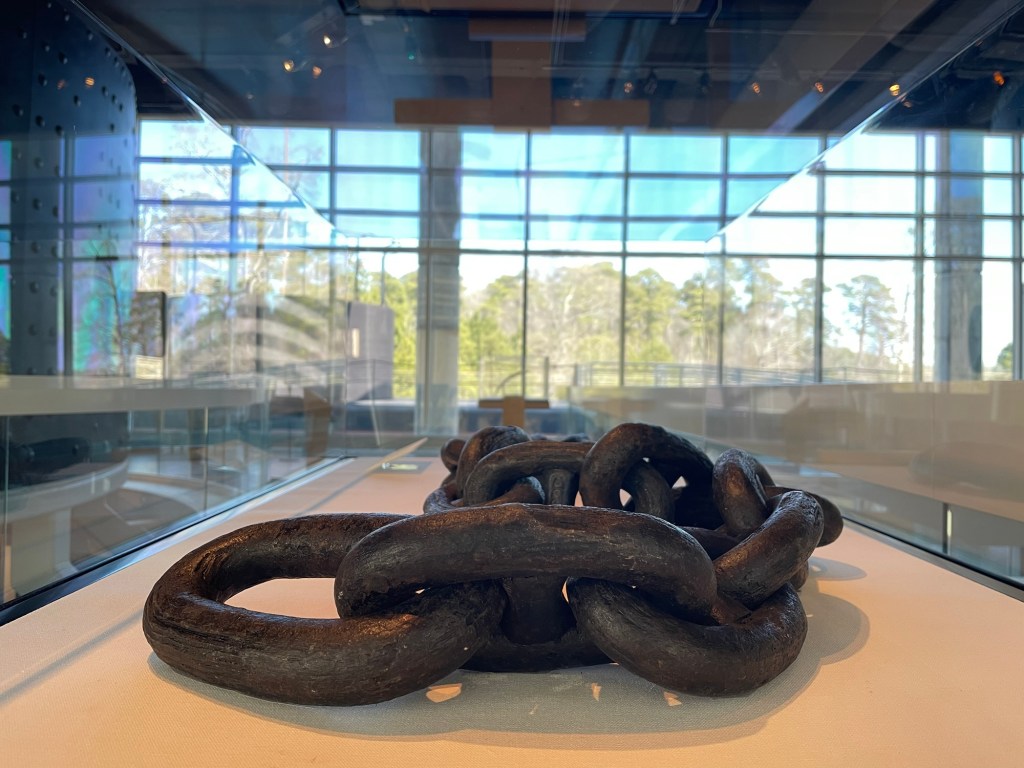
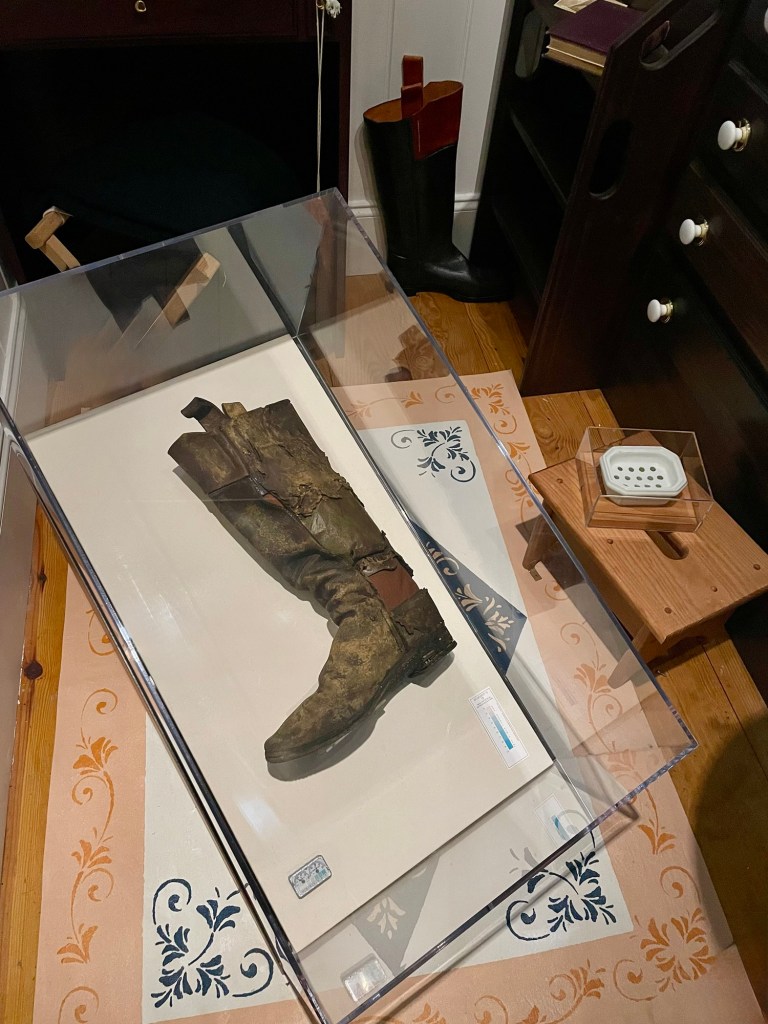
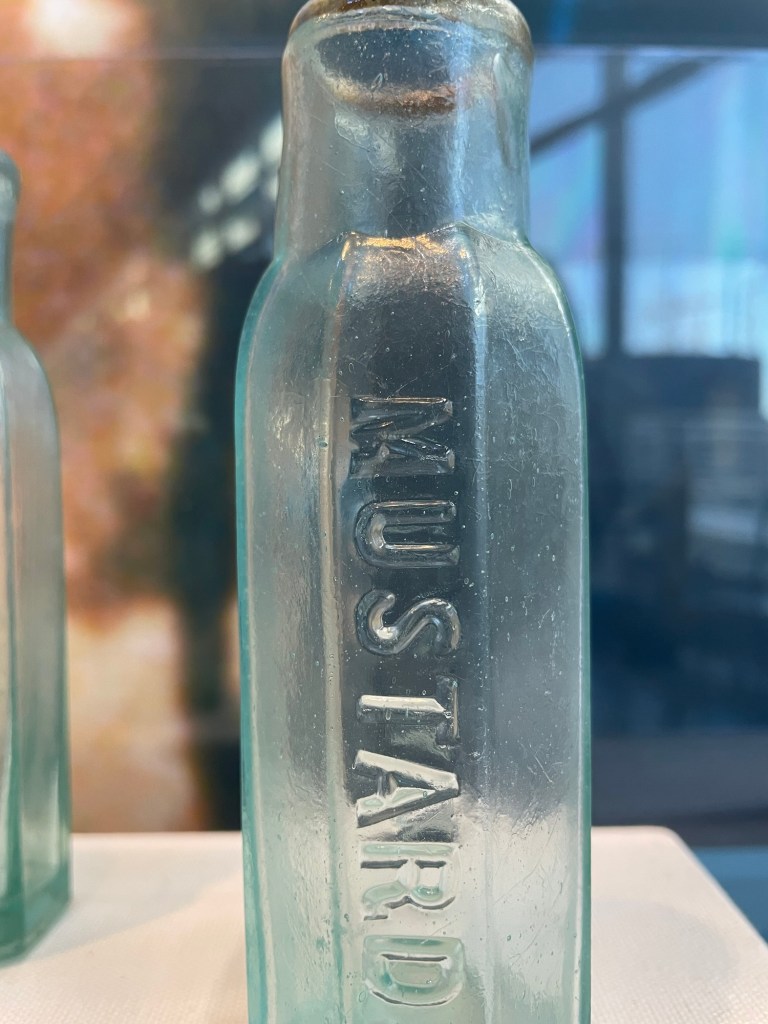
Most of the collection comes from the Monitor, whose shipwreck was discovered in 1974. The museum is the official home for all relics raised from the site.
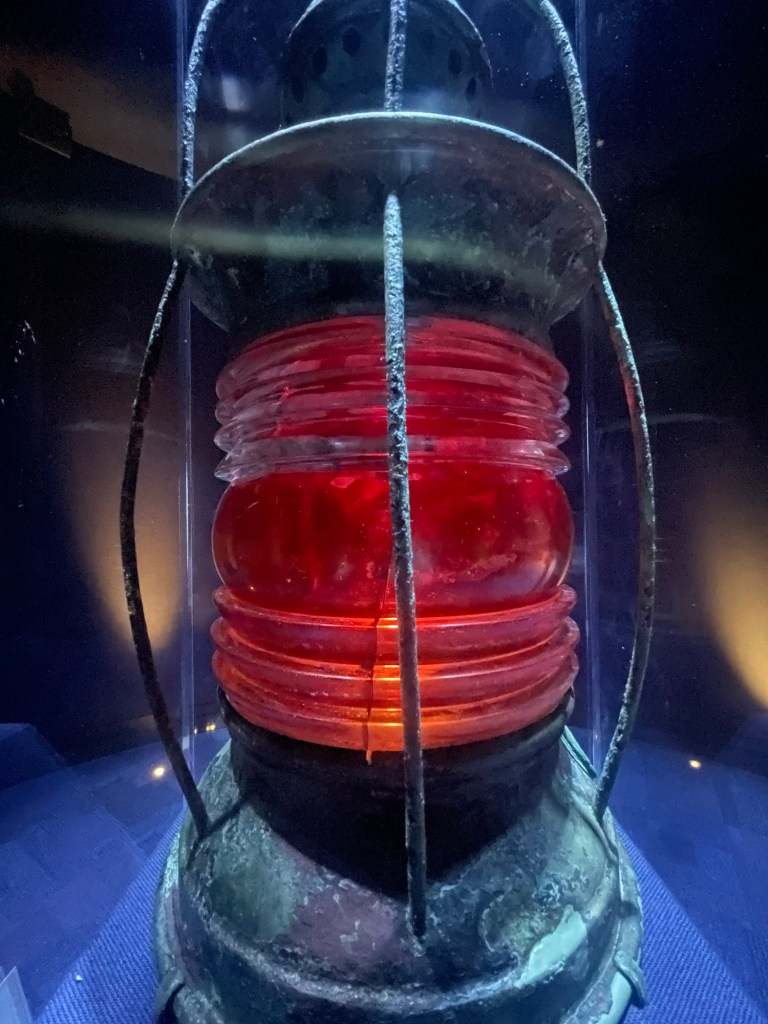
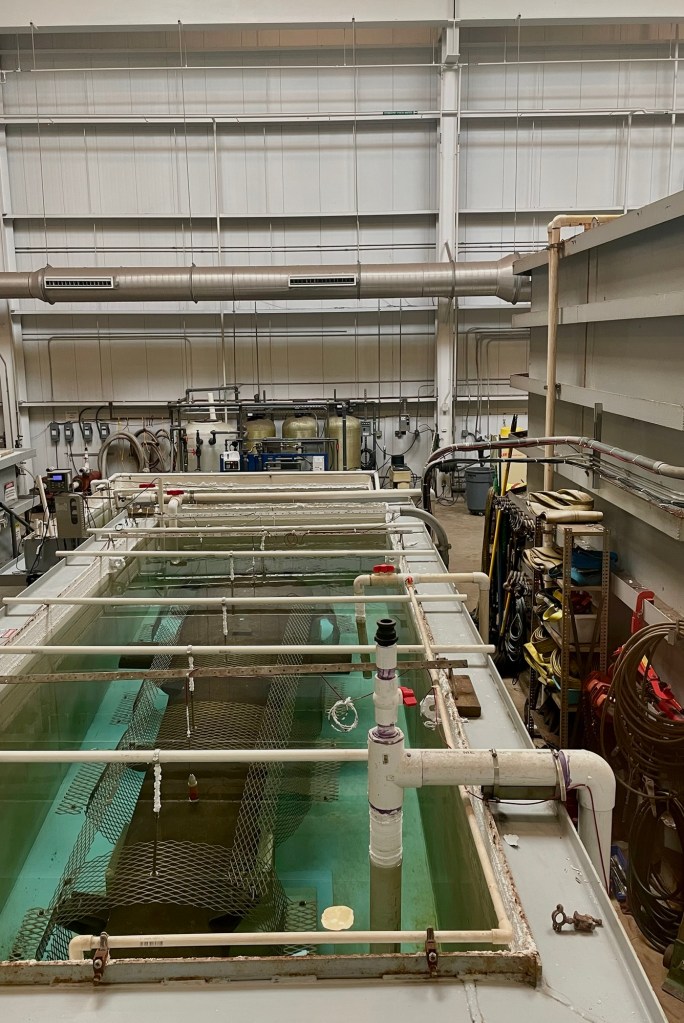
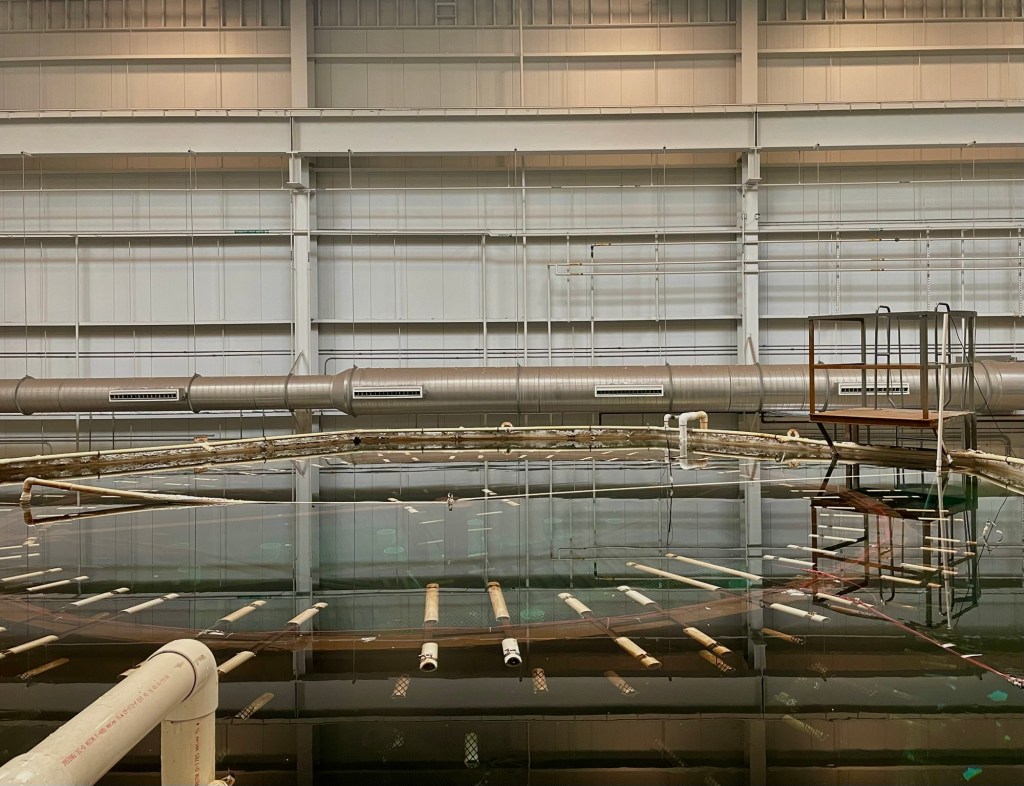
In addition to the museum, there is an attached building where visitors can view ongoing conservation of the gun turret (which was raised in 2002) and other artifacts.
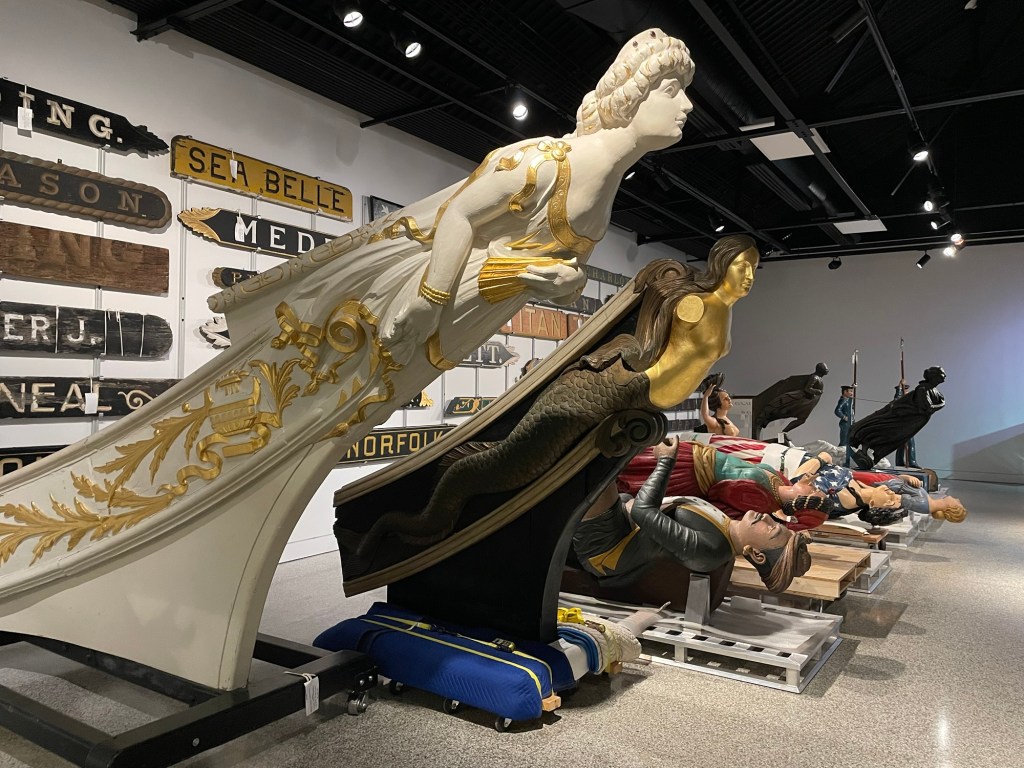
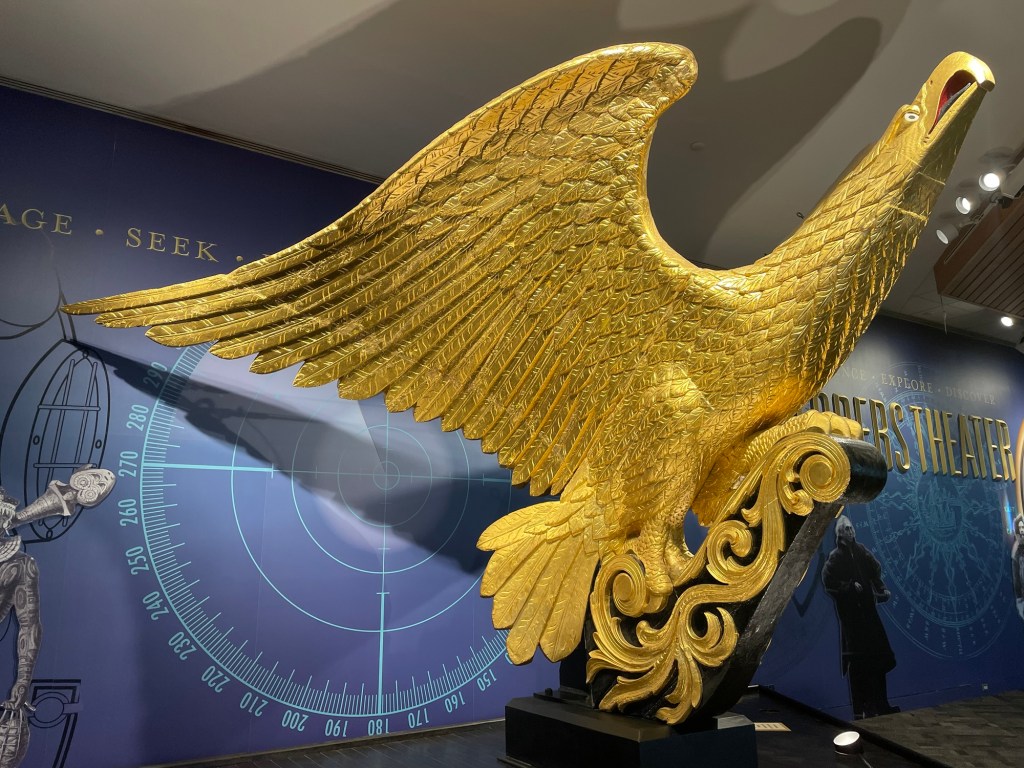
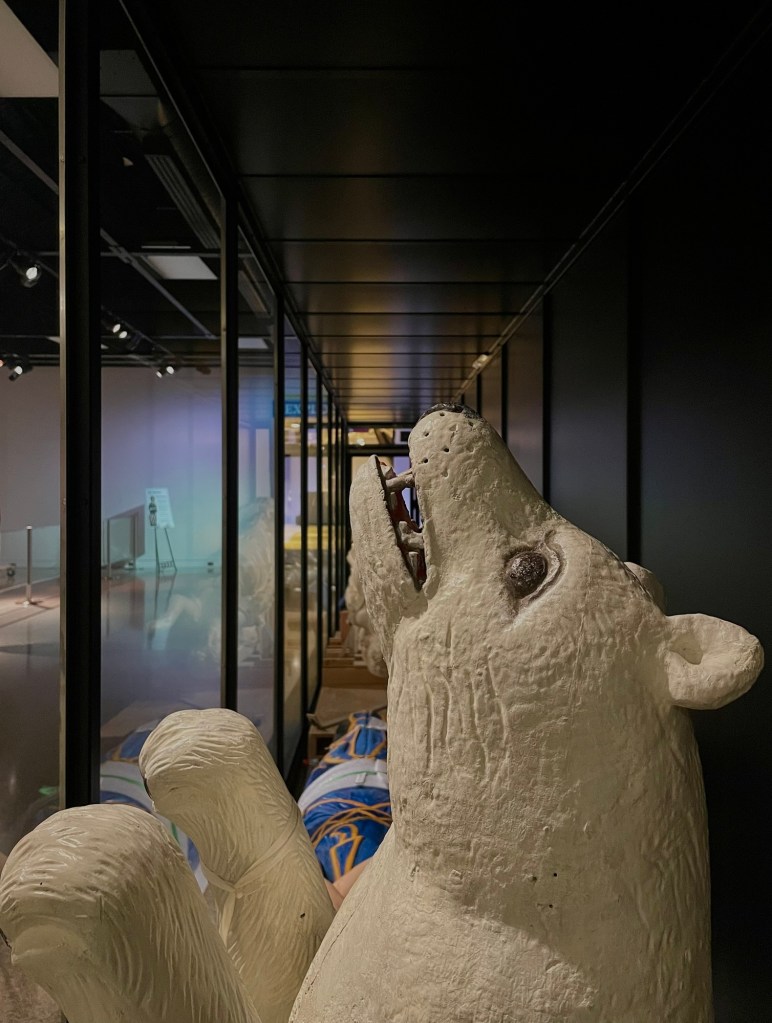
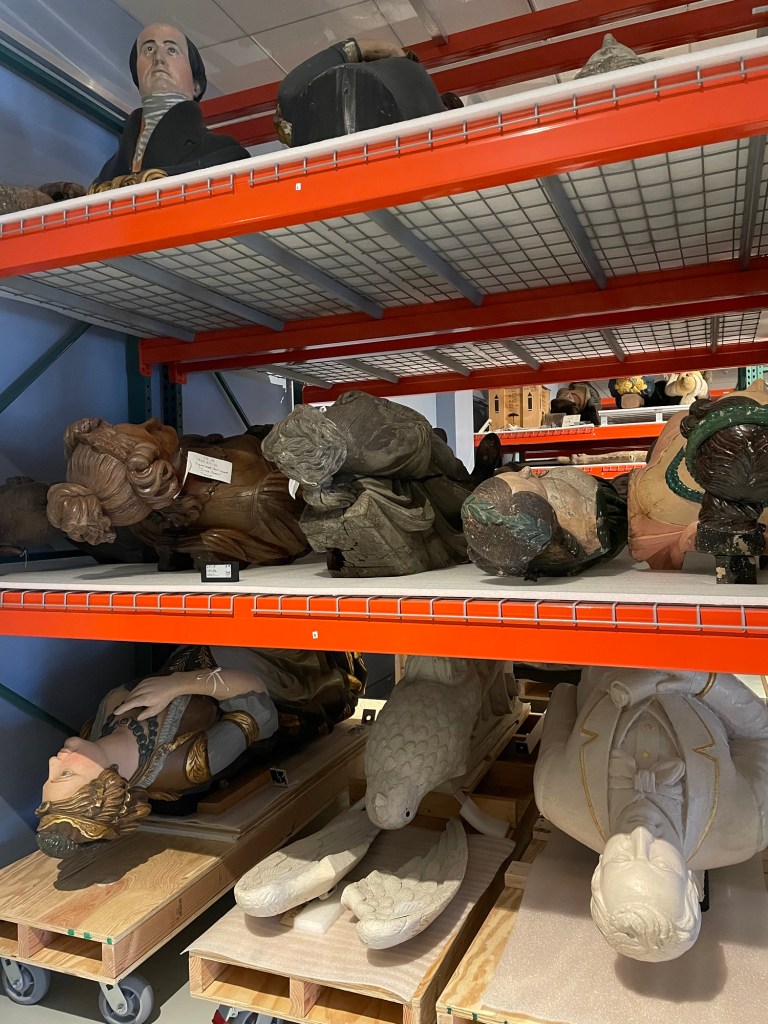
The museum also houses one of the world’s largest collections of ship figureheads, but even more amazing… admission is only $1!