Tappan Zee, Kinderhook, Catskill, Harlem… reminders of New York’s Dutch past are everywhere. European colonization began in 1609 when Henry Hudson sailed up the river now known by his name, claiming the territory for the Dutch. By 1614 the first trading post was established near Albany, and by 1624 the first permanent settlers arrived. In 1625 New Amsterdam was established at the tip of Manhattan, and the area remained under Dutch control until 1664 when it was surrendered to the British (in exchange for Surinam, but that is a whole other story… When the Dutch Ruled the Seas).
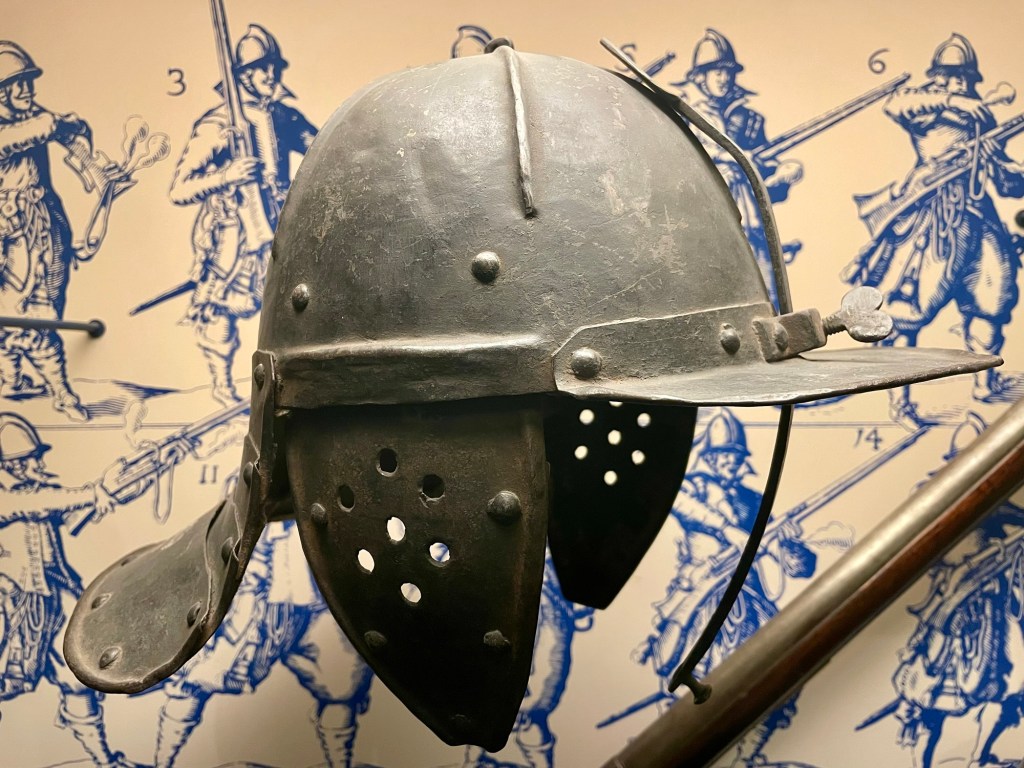
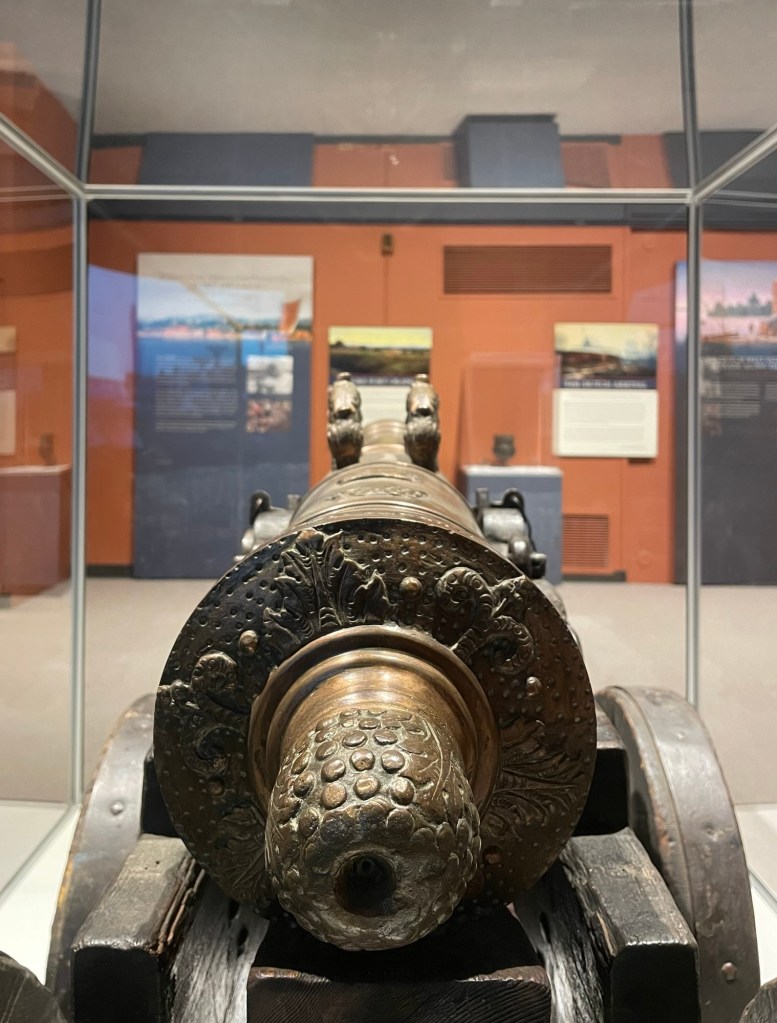
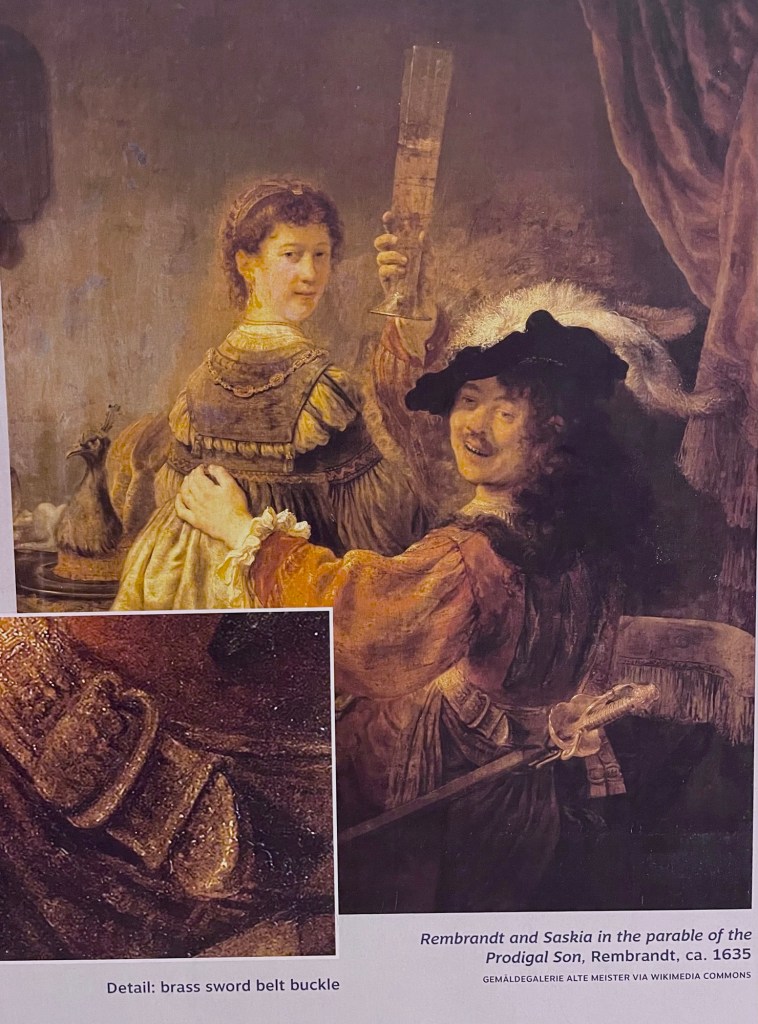
Opportunities to learn more of this history abound. The State Museum in Albany has exhibits on the Dutch history of New York, including one of my all time favorites that shows Dutch Golden-age paintings alongside local archaeological finds.
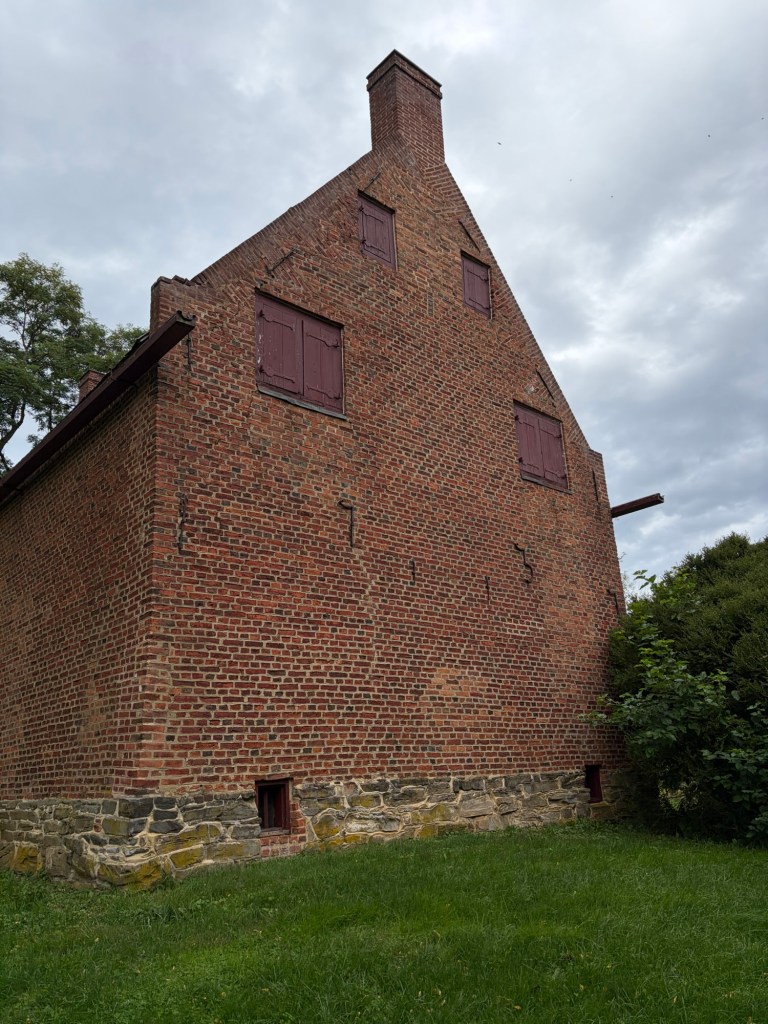
There are also plenty of Dutch buildings remaining up and down the Hudson, including the Luykas van Alen house in Kinderhook
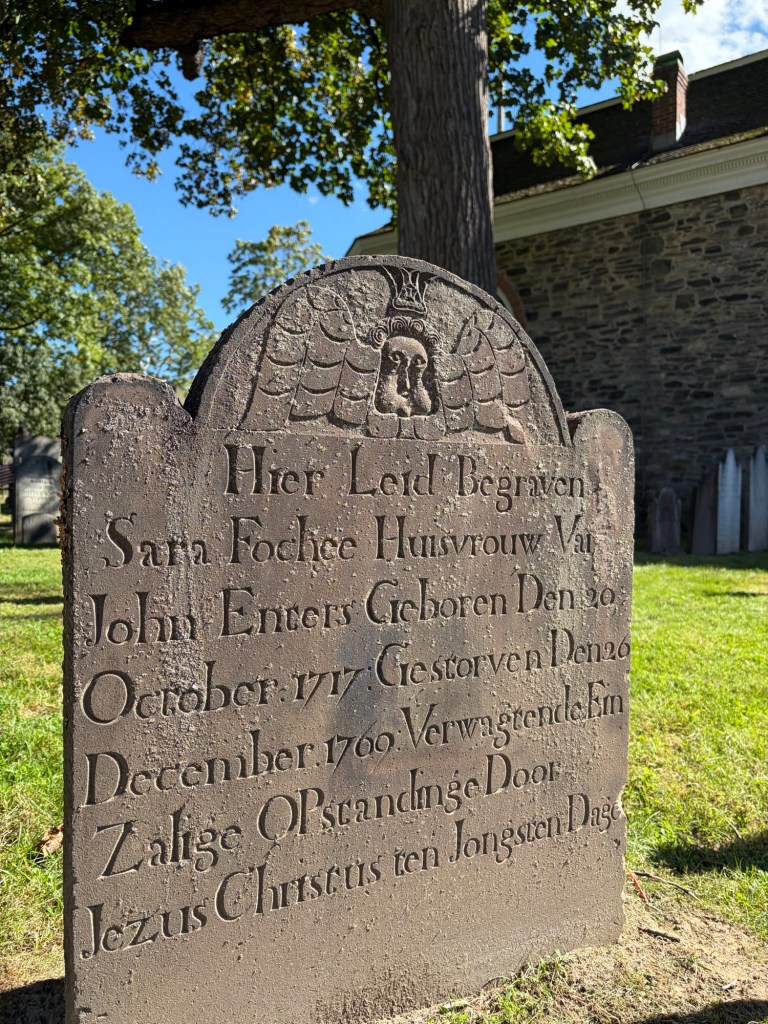
and the Old Dutch Church in Sleepy Hallow, setting for Washington Irving’s Headless Horseman. Several headstones are written in Dutch, including this one where “Here lies buried Sara Fochce…”
Three of our presidents date back to these early Dutch settlers. Fifth cousins Franklin and Teddy Roosevelt trace their history back to Claes Martenszen van Rosenvelt, a Dutch farmer who arrived in New Amsterdam between 1638-50.
Although America’s eighth president Martin Van Buren was the first to be born a US citizen, he actually grew up speaking Dutch and was of completely of Dutch heritage, dating back to an ancestor who arrived in 1631. Today, you can visit Lindenwald, the post-presidential home he purchased in 1838 just outside his birthplace of Kinderhook. Van Buren lived here until his death in 1862.
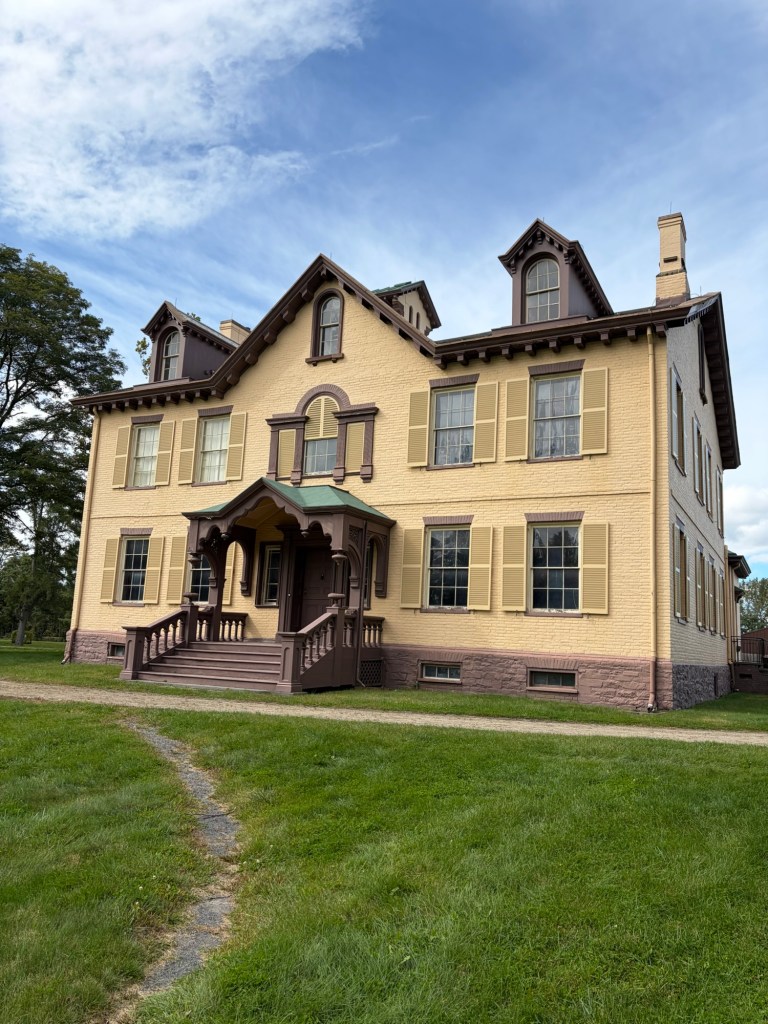
Definitely worth a visit to learn more about Van Buren, but the best part is the dining room where most of the walls are still covered with the original 1841 French hand-printed woodblock wallpaper, and the original 1849/50 toilet, one of the first installed in this part of New York.
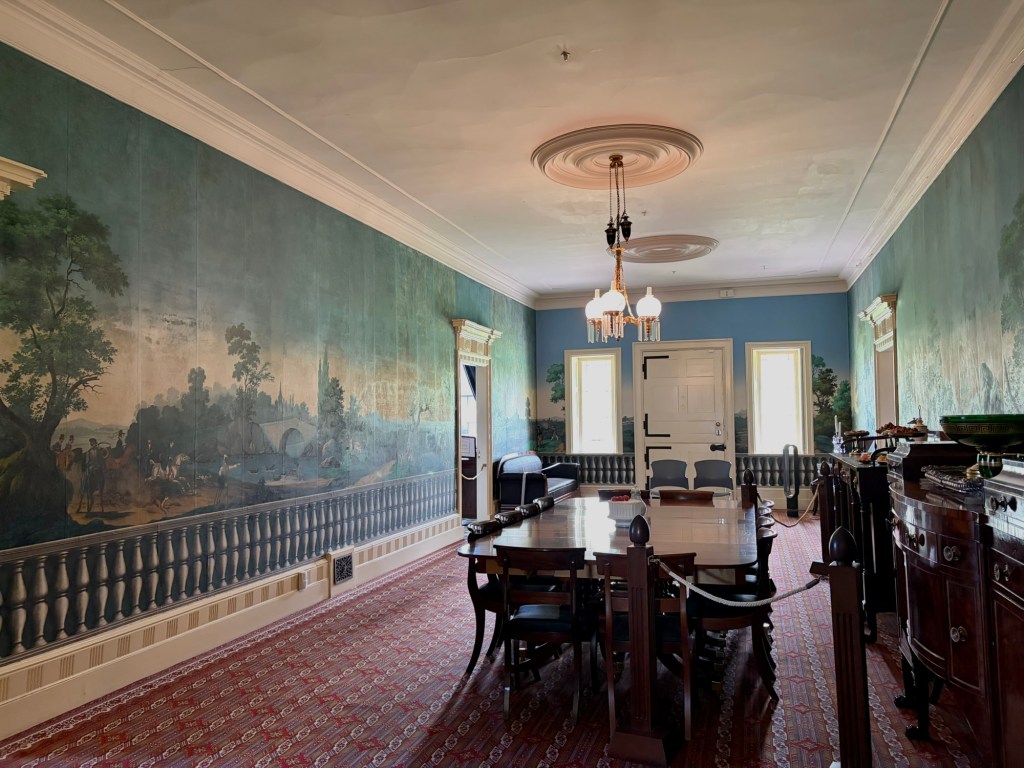
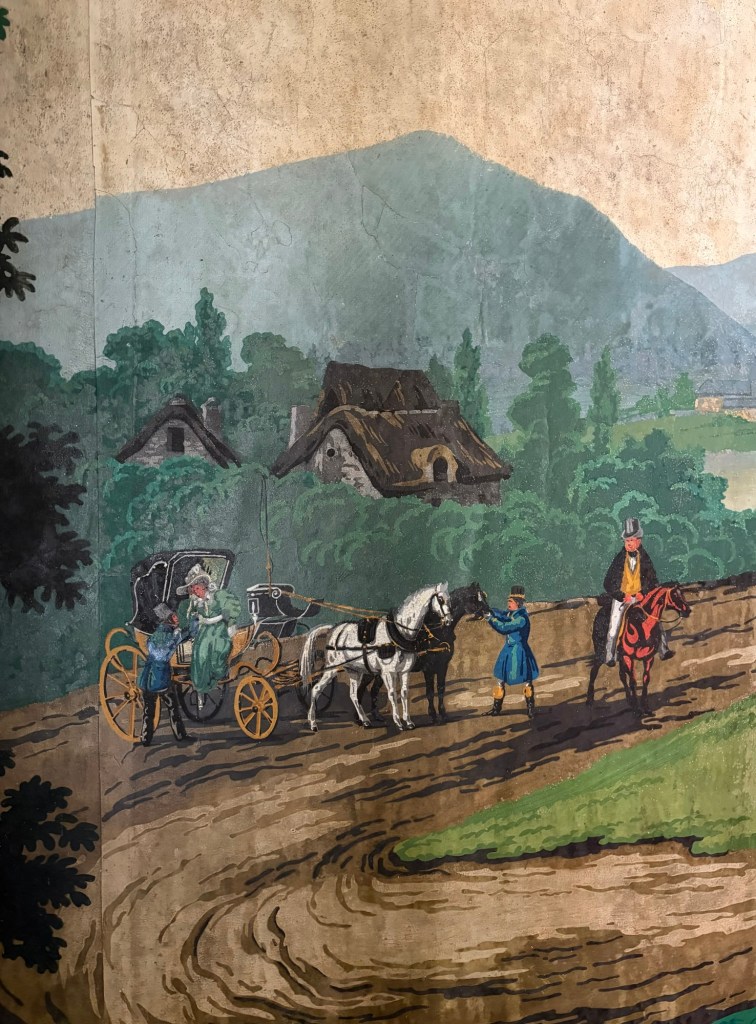
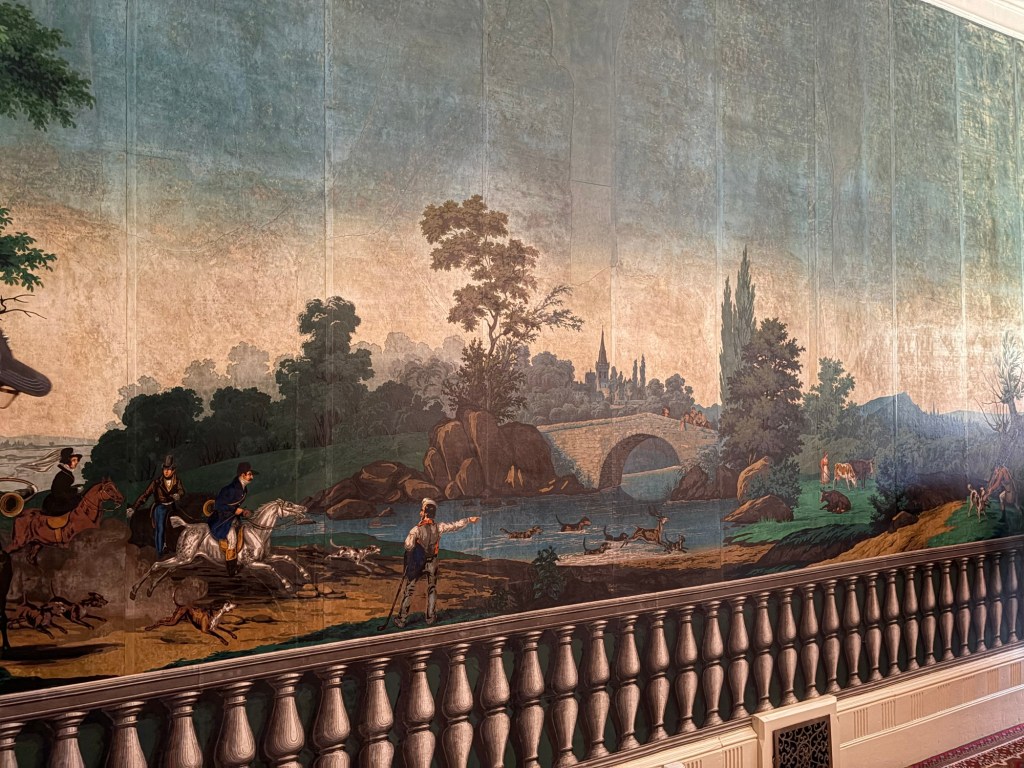
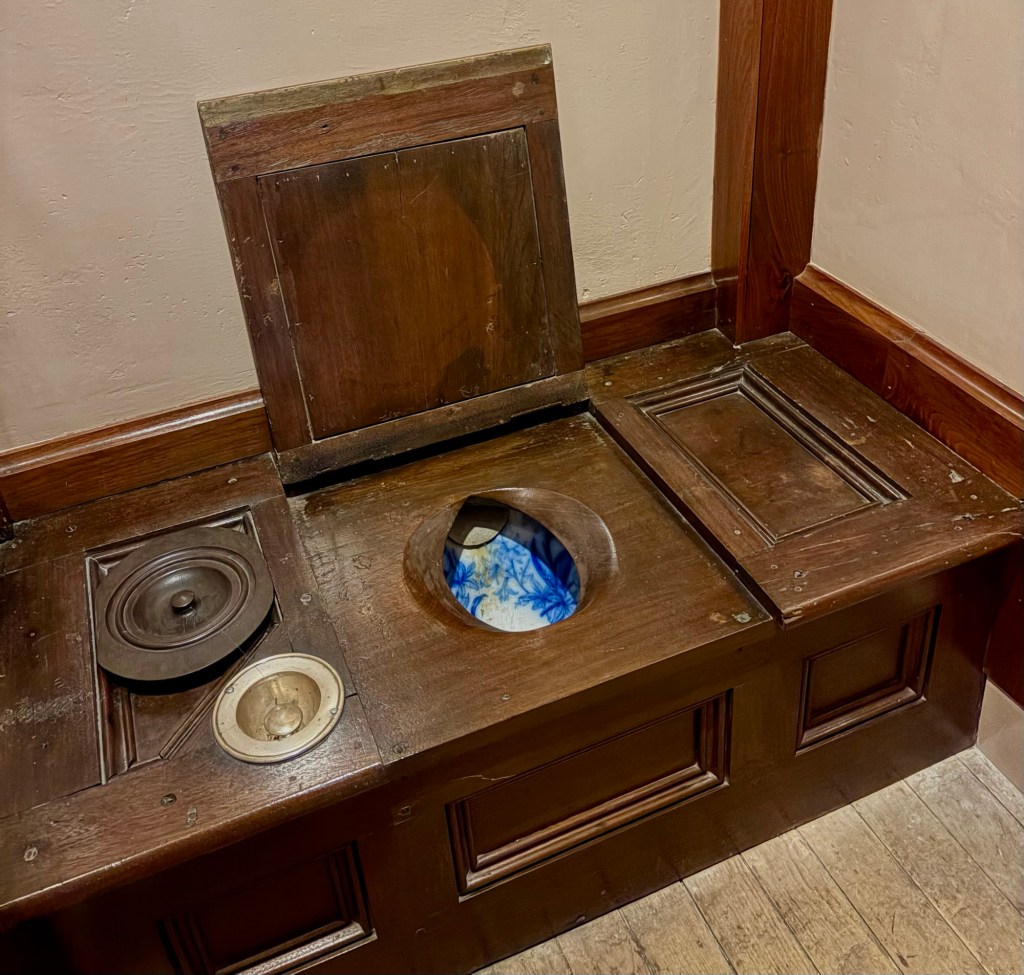
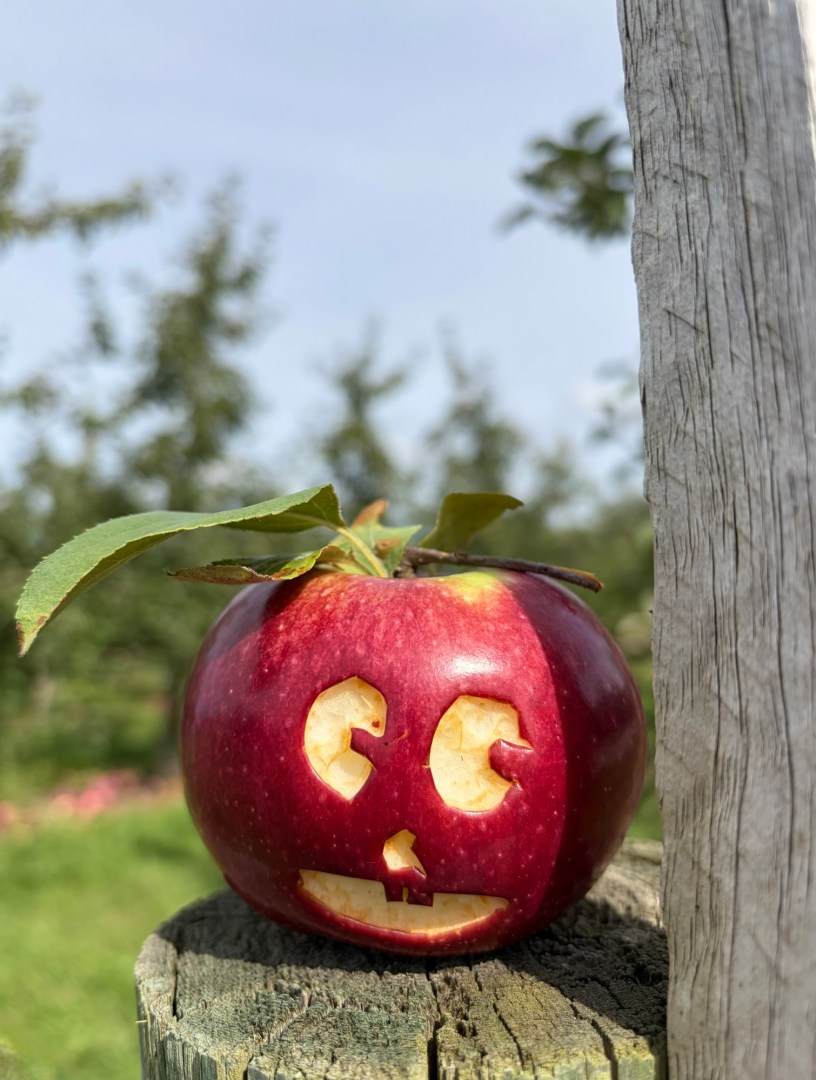
Besides his ongoing political career shaping the new Democratic party, Van Buren focused on agriculture, planting (among other crops) extensive apple orchards. The first recorded European apple (not native crab apple) grown in New York was planted by the Dutch in 1647 in New Amsterdam. Today, the state’s total production is second only to Washington state, with over 250 varieties. Fresh, sauce, cider, fritters, butters, so much to choose from.
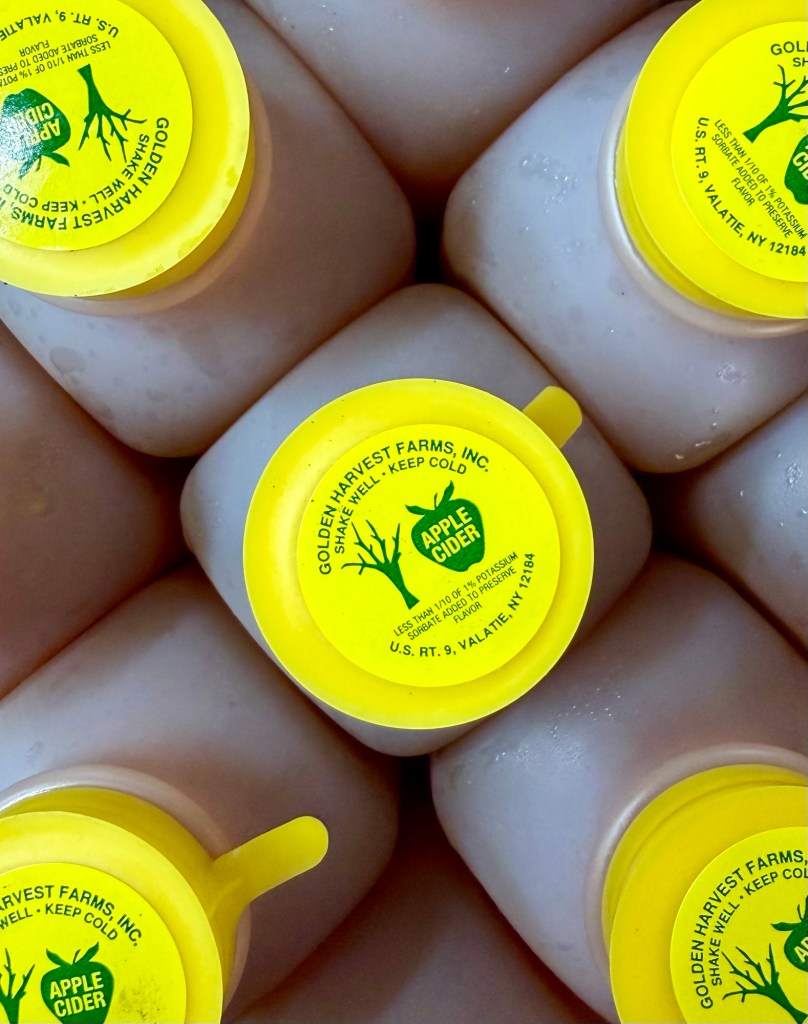
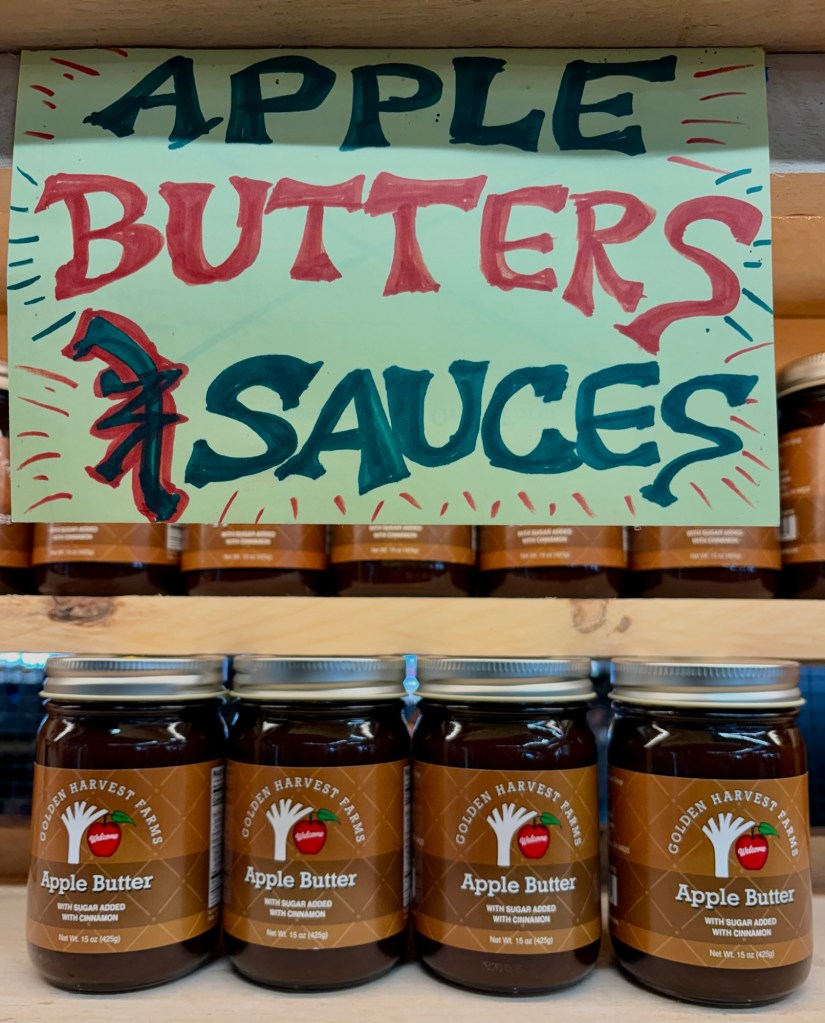
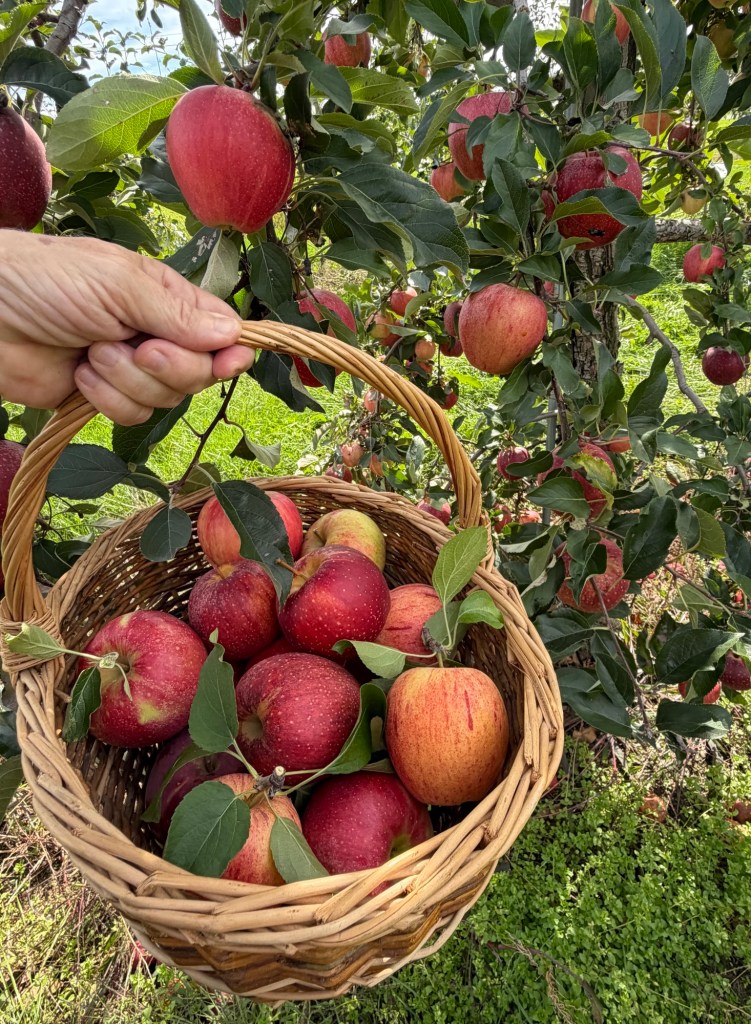
For the ultimate experience, visit a pick-your-own like Samascott where you can choose from over 70 different varieties.
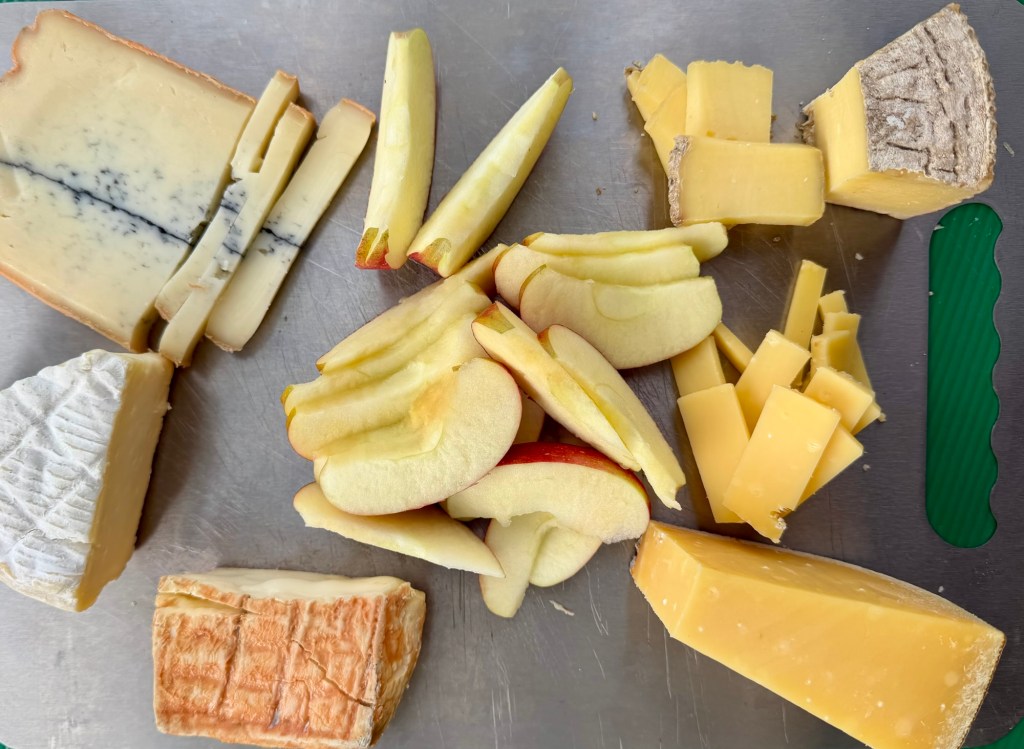
Pair them with cheese from the amazing selection at Talbot & Arding in Hudson for a memorable Dutch Apple picnic.
Note: For the full experience, this is obviously a fall trip to coincide with the apple harvest.

