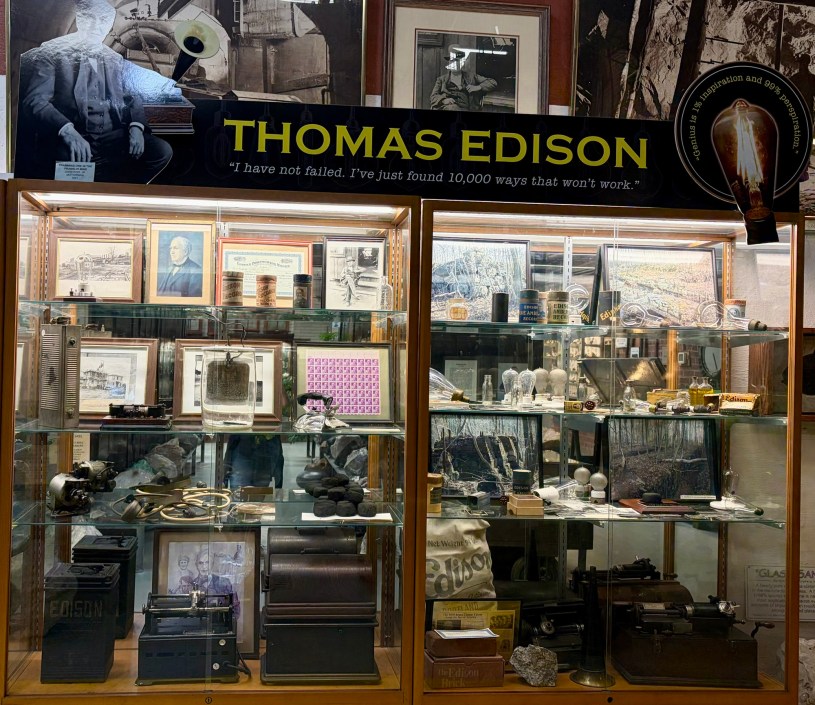
Lightbulbs, phonographs, motion pictures, storage batteries, power grids… Thomas Edison was responsible for many things, but mining is not one that usually comes to mind. Yet it was his worst financial mistake, costing him millions. Edison became interested in mining after some experimentation developed into several patents related to ore processing. In 1889 he purchased a huge tract of land on Sparta Mountain in New Jersey that included mines that had been opened since before the American Revolution. He built a massive plant filled with assembly lines of rollers, crushers, sieves, and magnetic separators, but despite Edison’s innovations the plant lost money and was shuttered in 1899.
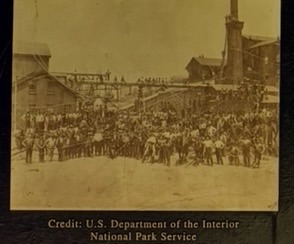
The site looks a little different today, with only a monument left.
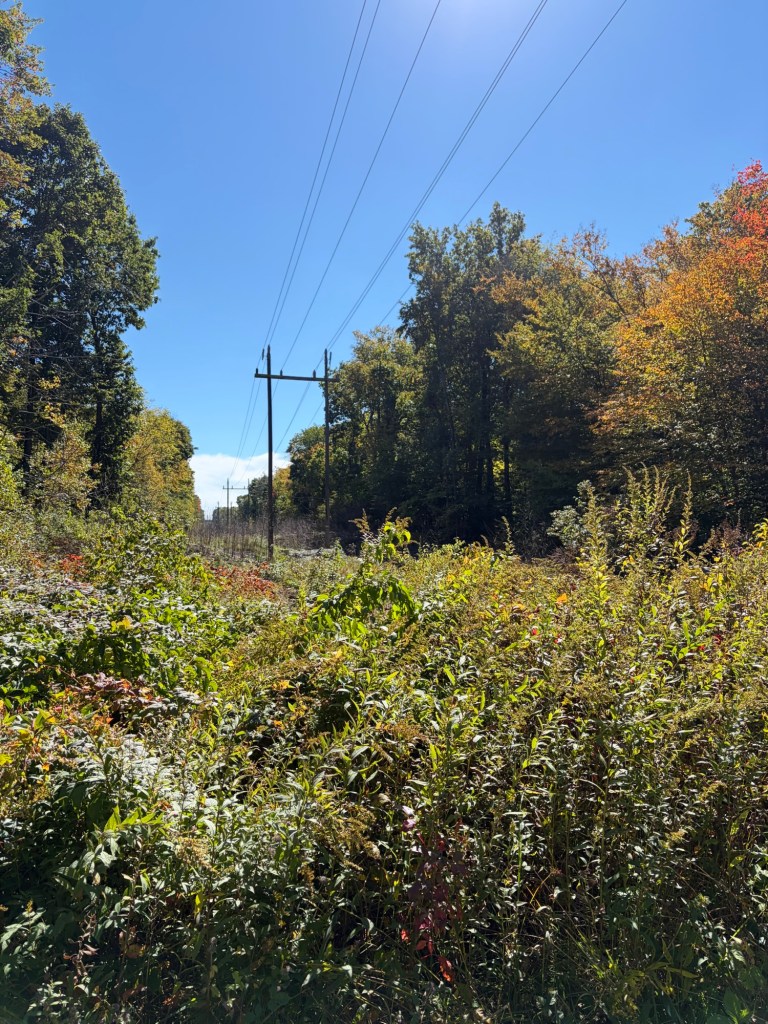
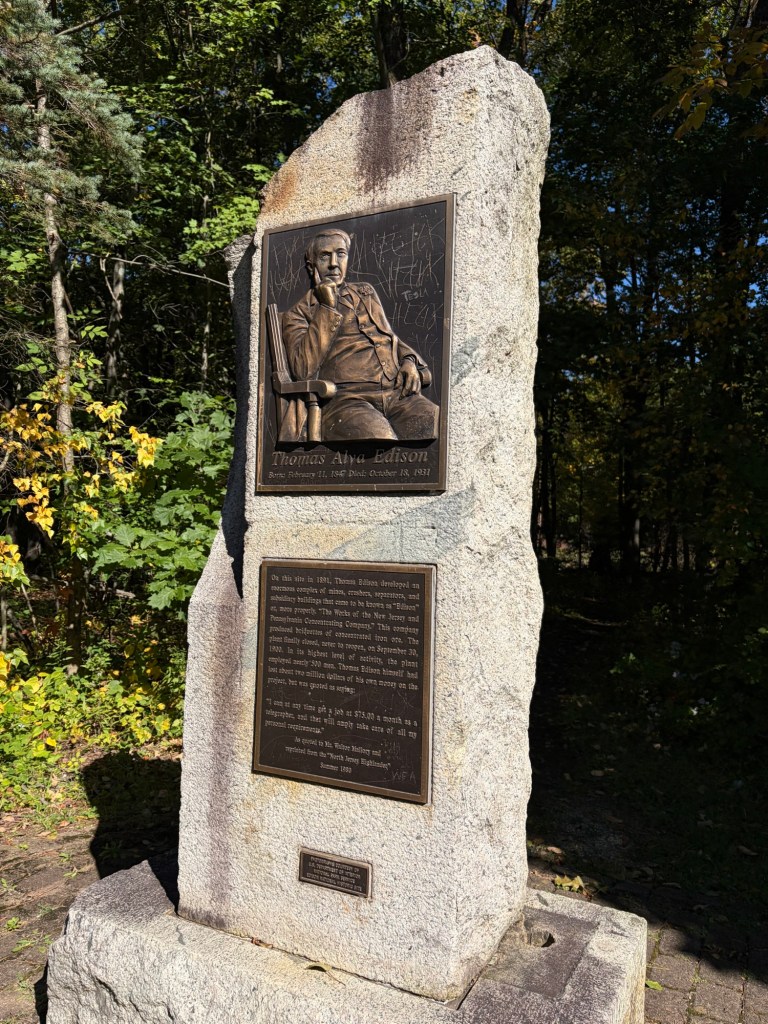
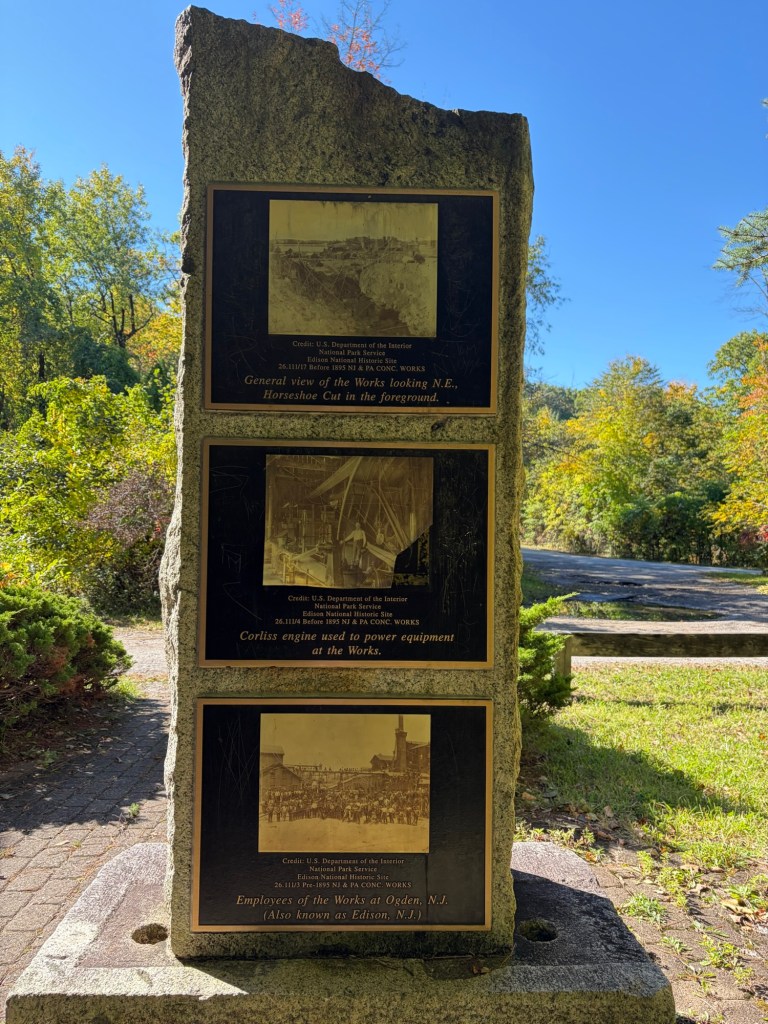
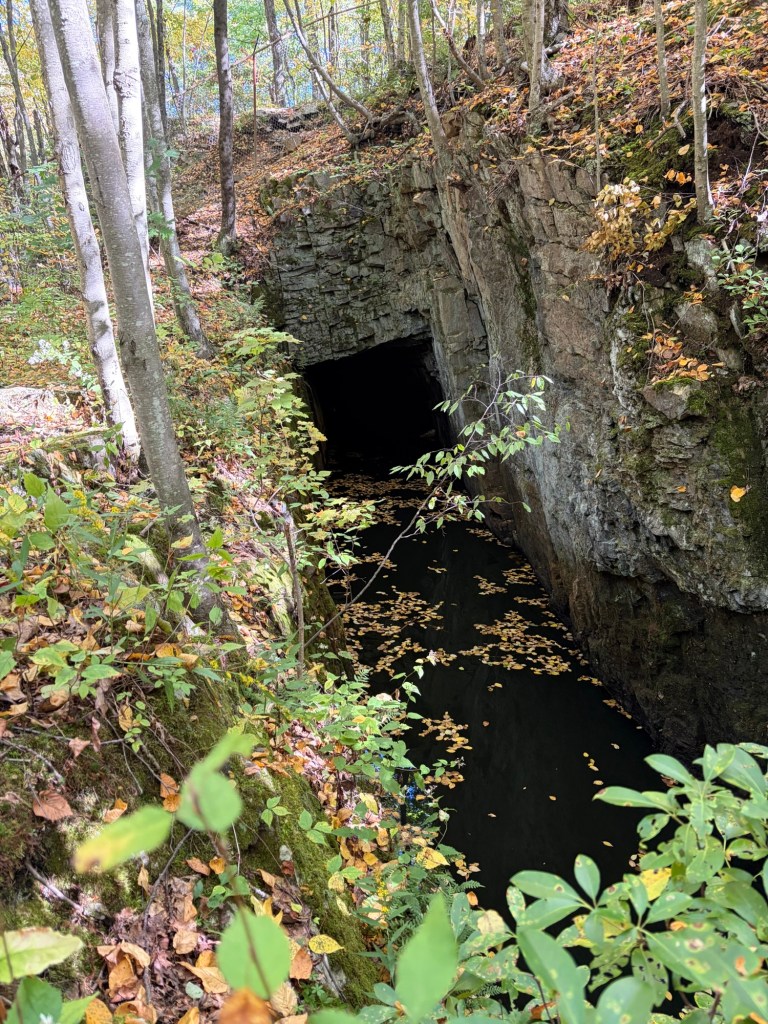
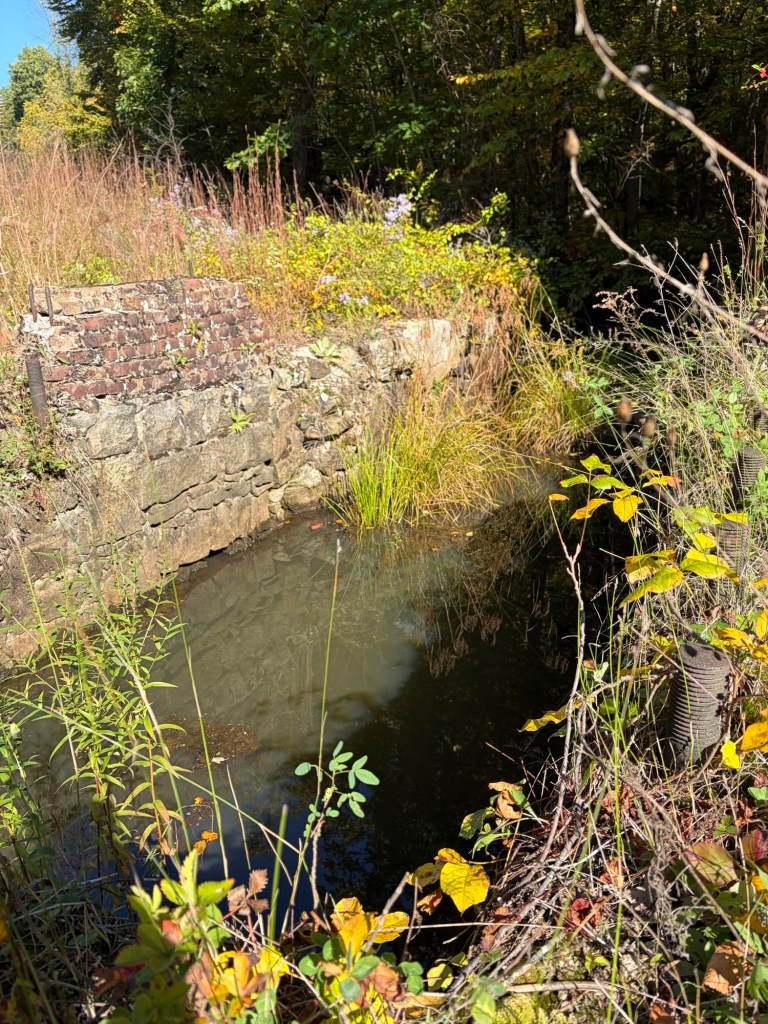
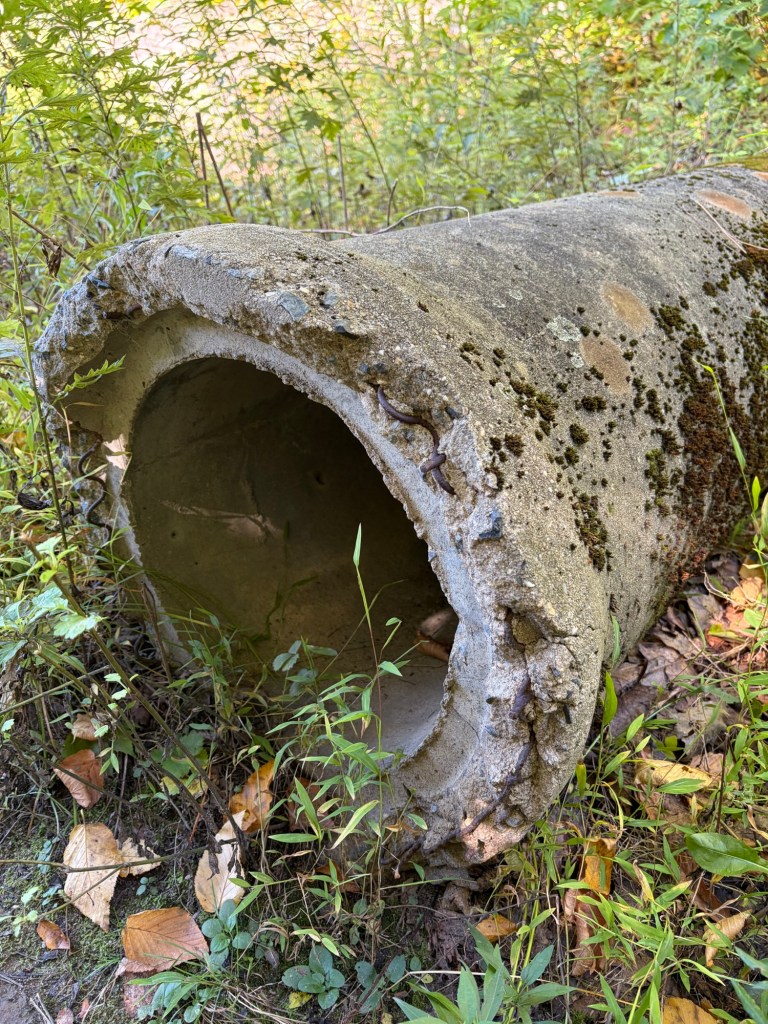
However, trails crisscross the area and with a little searching you can still find traces: mine shafts, building foundations, tram tracks, and other relics.

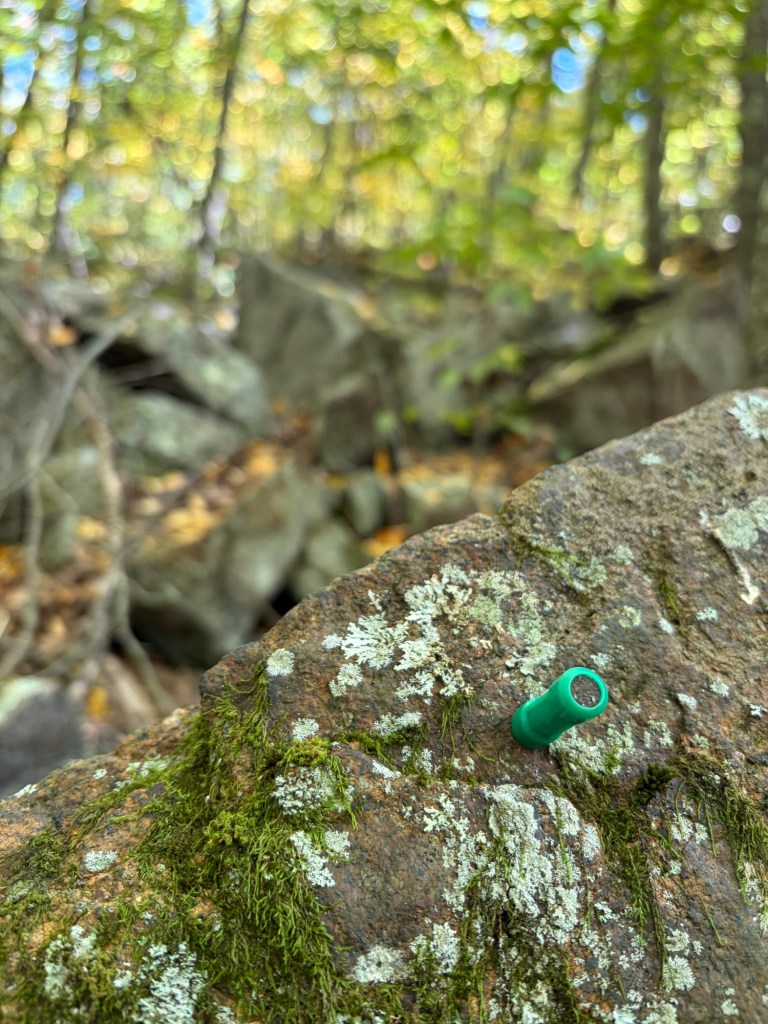
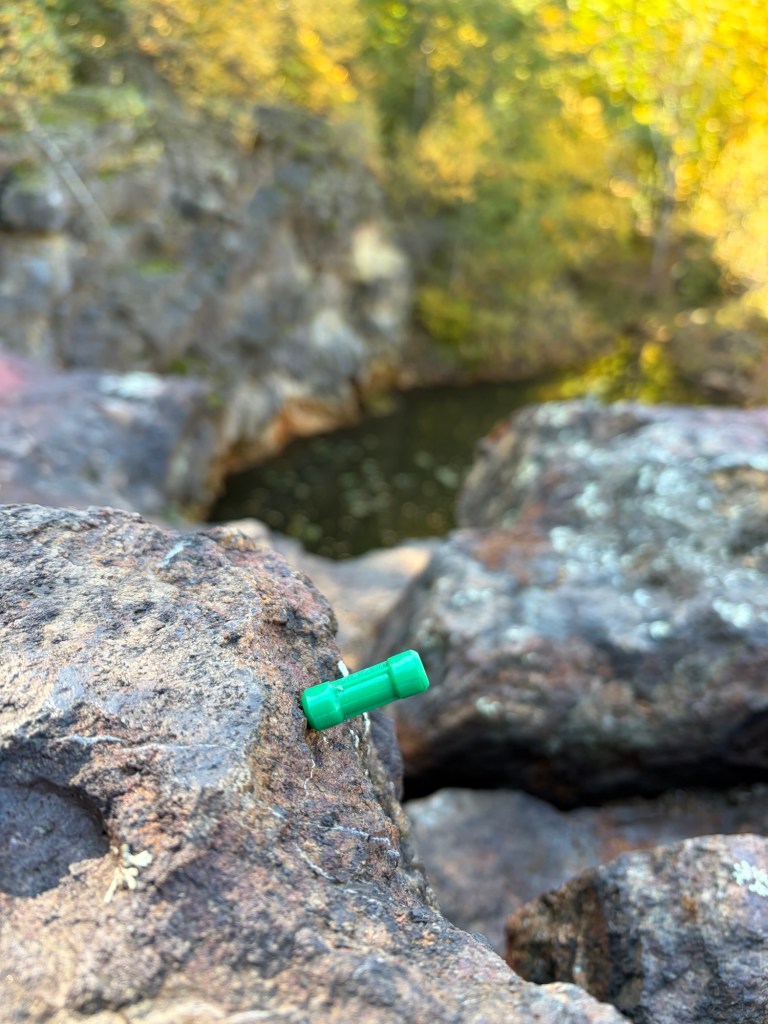
With magnet in hand you can even identify the iron rich rocks that were Edison’s target.
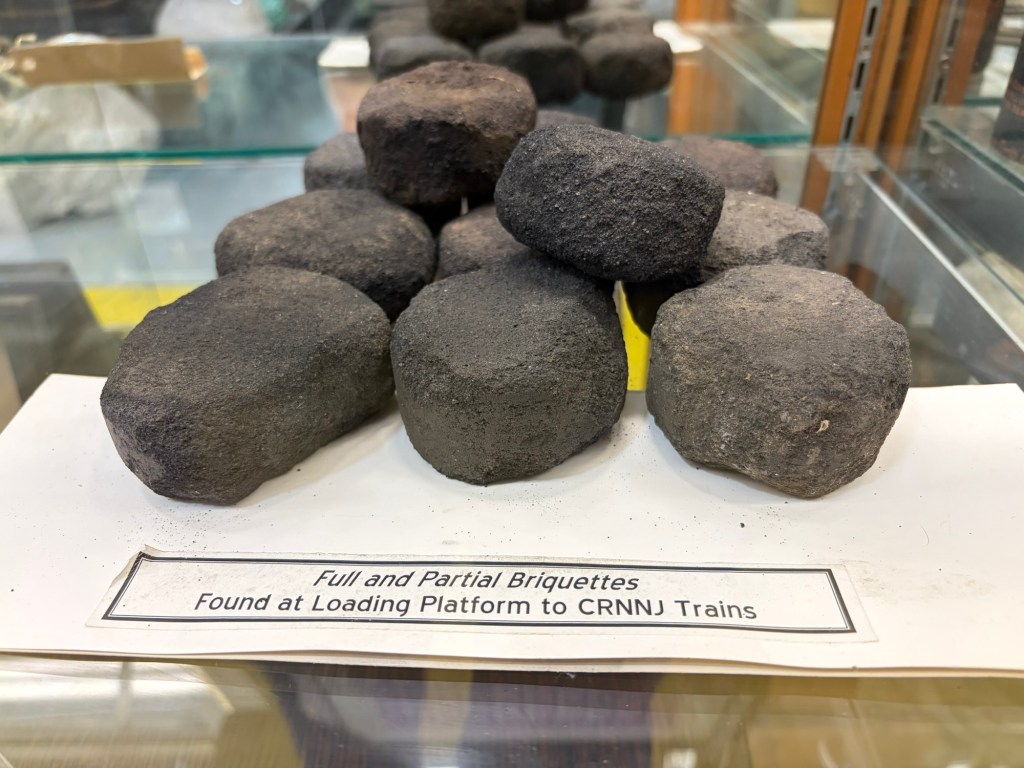
If you’re lucky you may even find an iron briquette that was Edison’s finished product. We spotted these in the nearby museum at Stirling Hill Mine.
After the failure of his mining company, Edison pivoted, using some of the equipment and the waste sand to establish a cement company which built both the first concrete highway in New Jersey and the original Yankee Stadium. He then developed a system for casting a whole three story house from cement in a single mold, including the sides, roof, partitions, bathtubs, floors, the stairs, mantels, ornamental ceilings and other interior decorations and fixtures. He didn’t do the construction himself, but patented the idea which was used by others.
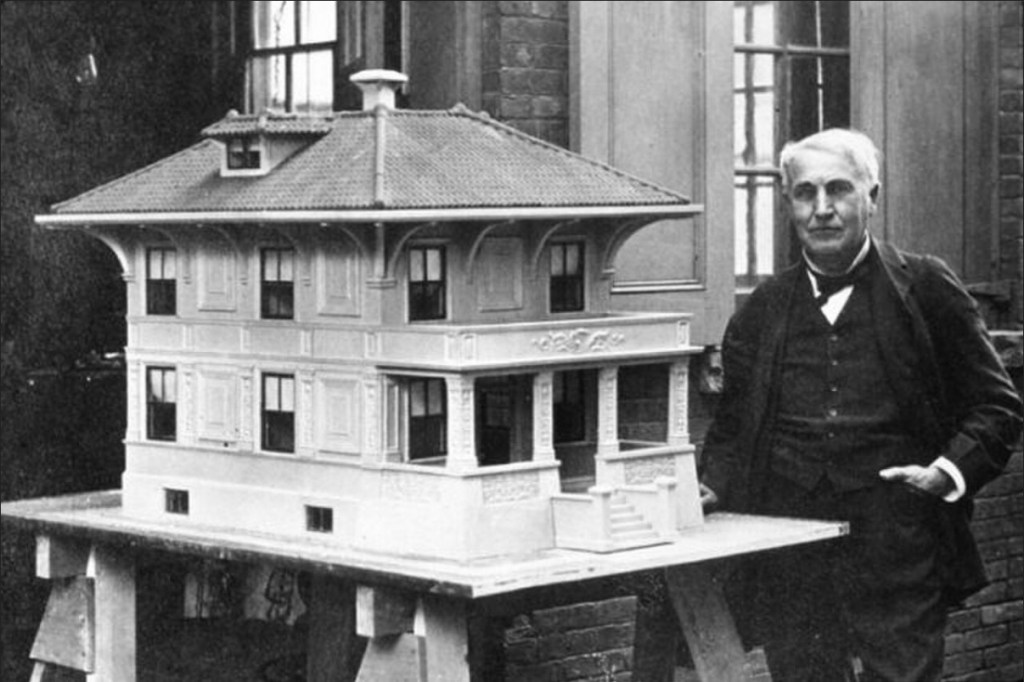
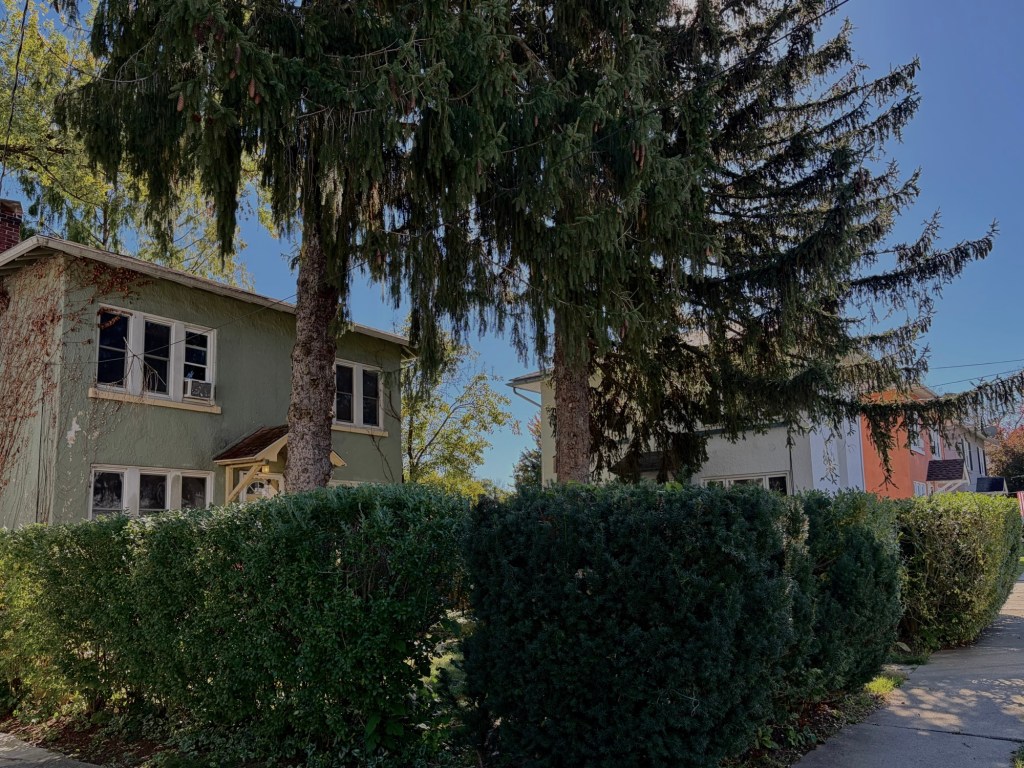
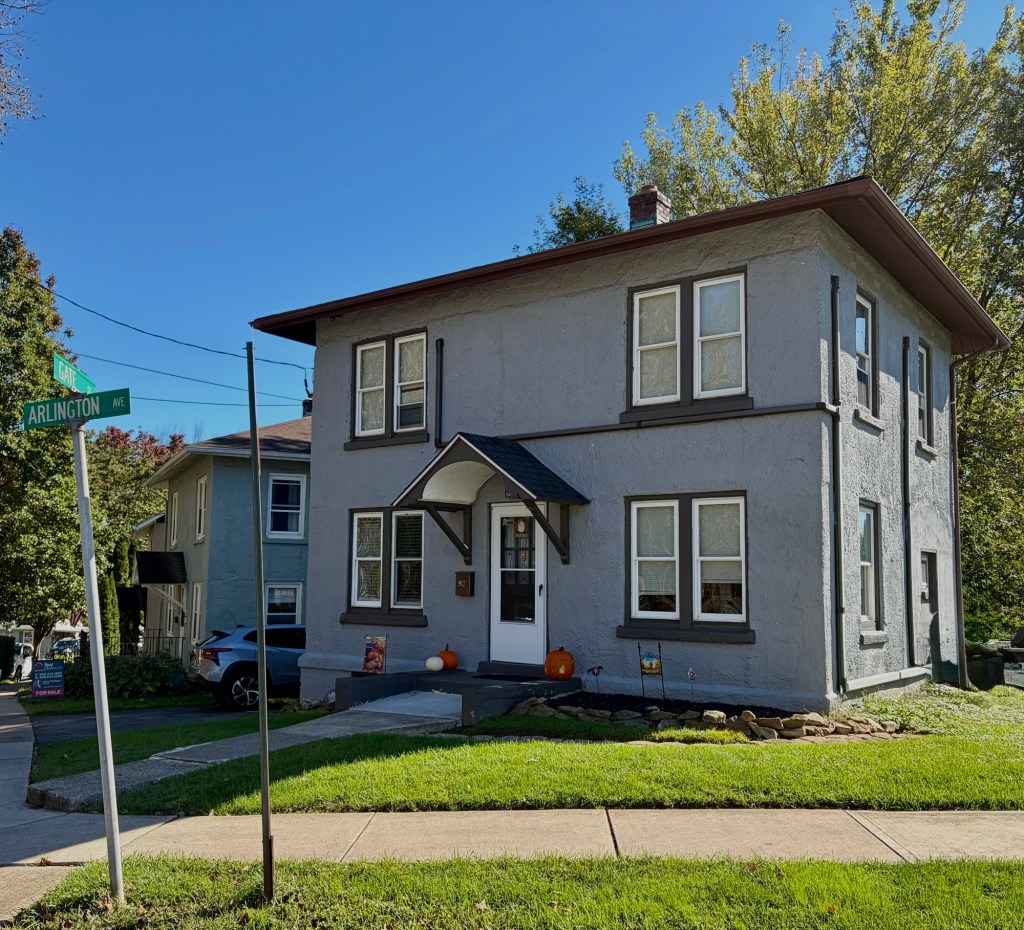
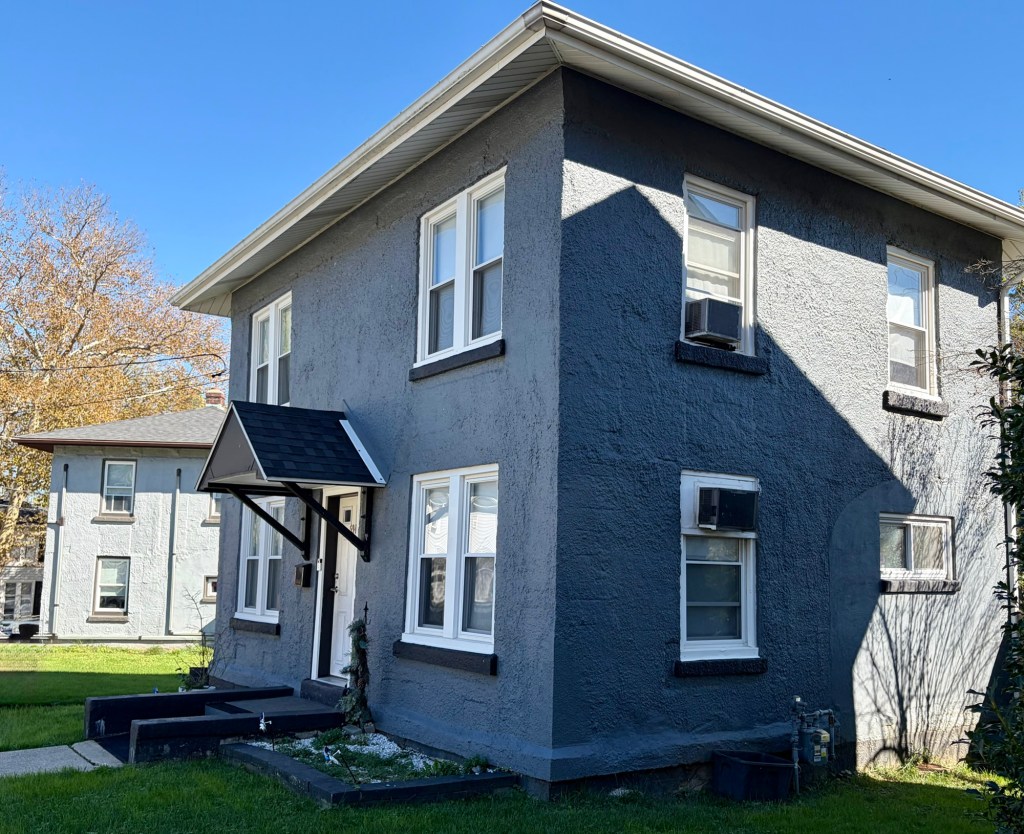
A group of these that you can visit today is in the town of Phillipsburg, where the Ingersoll-Rand Company constructed them as employee housing.

Because concrete is paintable, today they can be found throughout the neighborhood in a rainbow of colors.
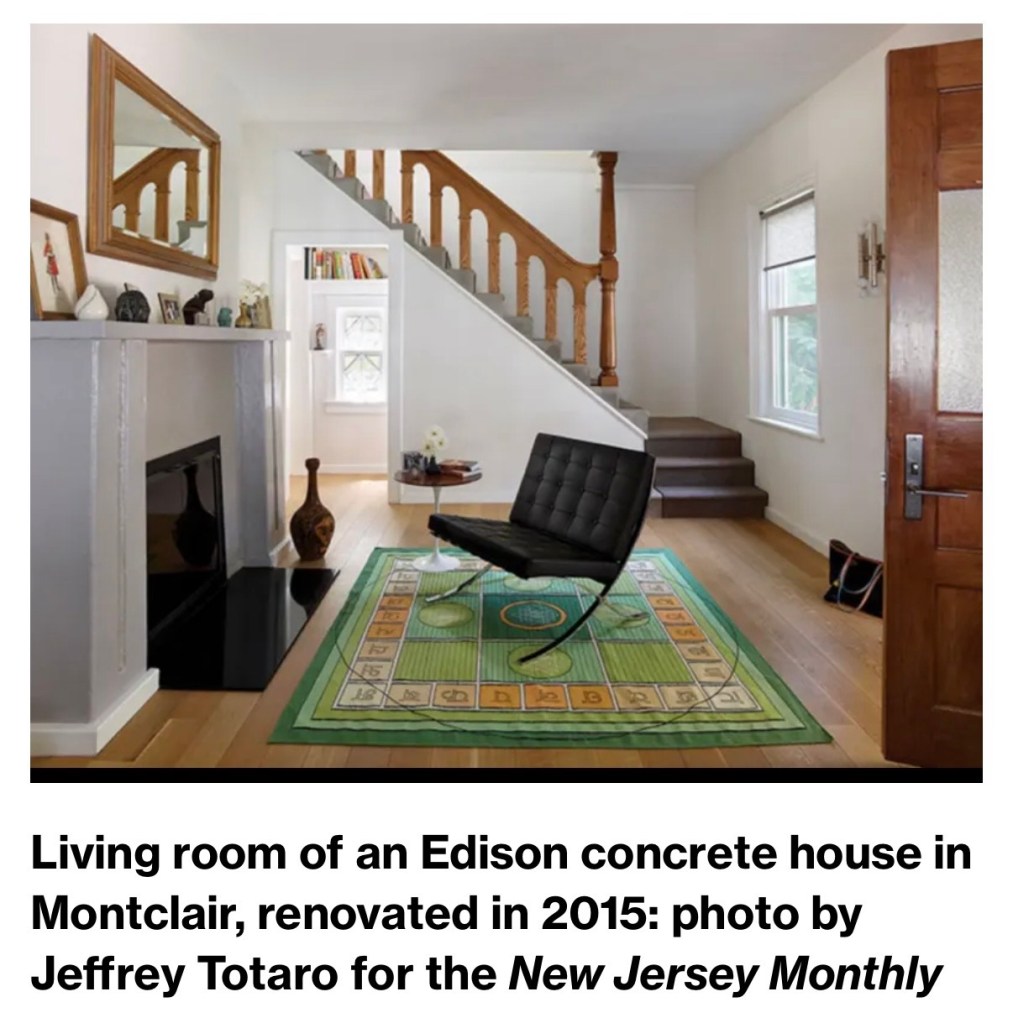
This image shows an original poured fireplace mantel and steps.