Who knew that less than three hours from Philly is one of the world’s premier rock collecting destinations? The area around Ogdensburg has over 350 different minerals, about 90 exhibiting fluorescence and more than twenty found nowhere else on Earth.
The region has been mined for a variety of minerals since before the Revolutionary War, but the most intense commercial zinc mining took place in the early to mid-twentieth century.
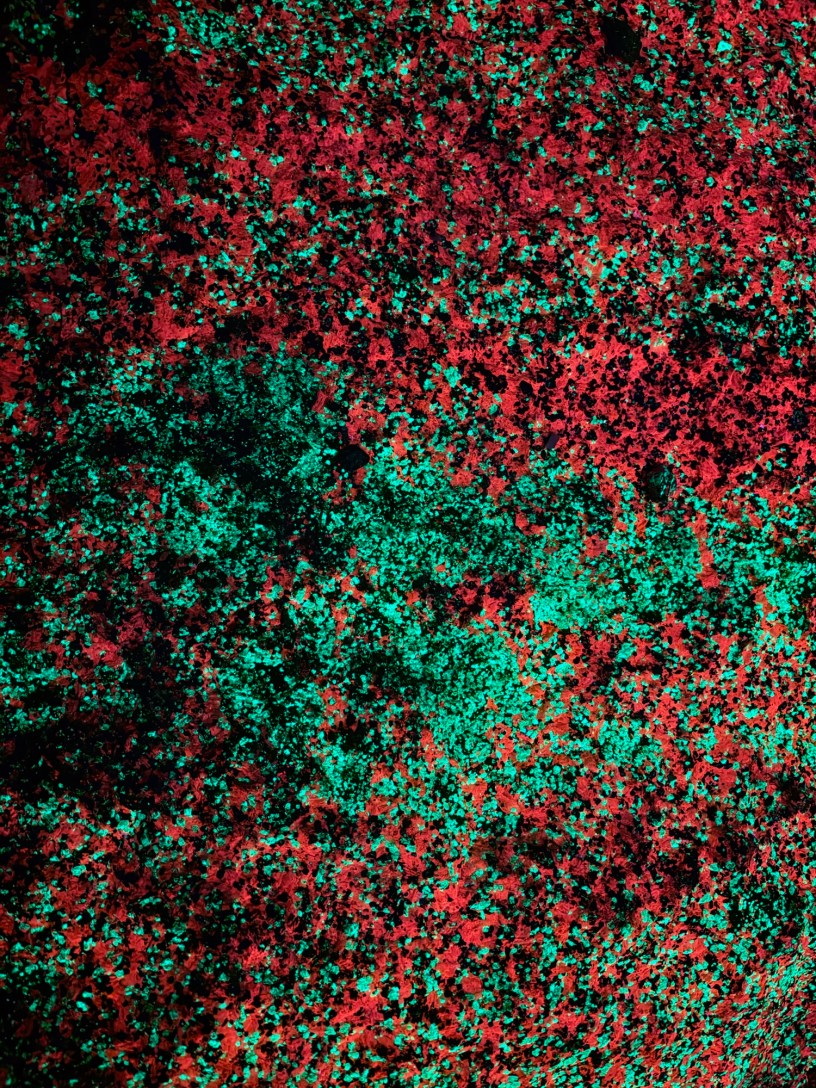
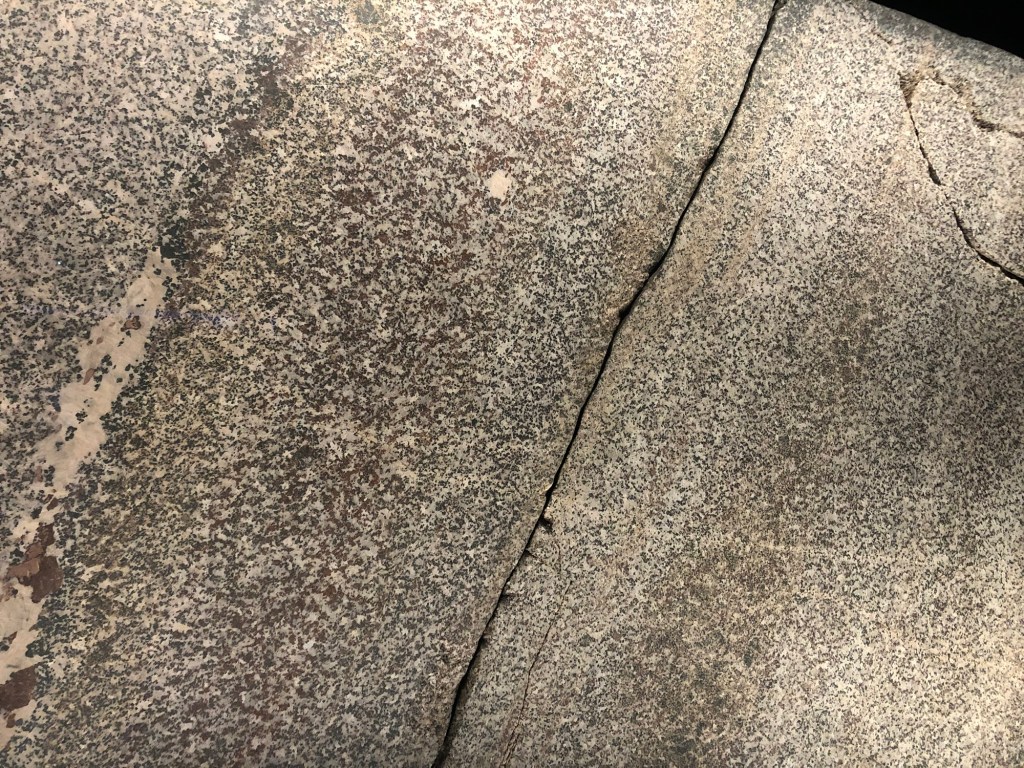
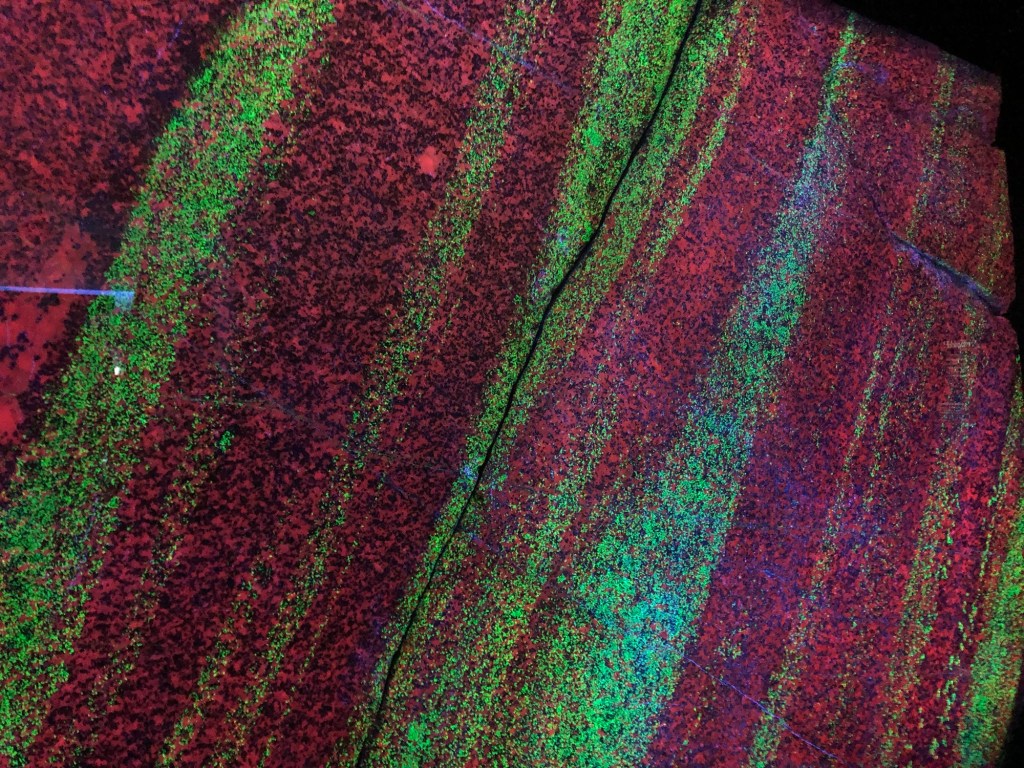
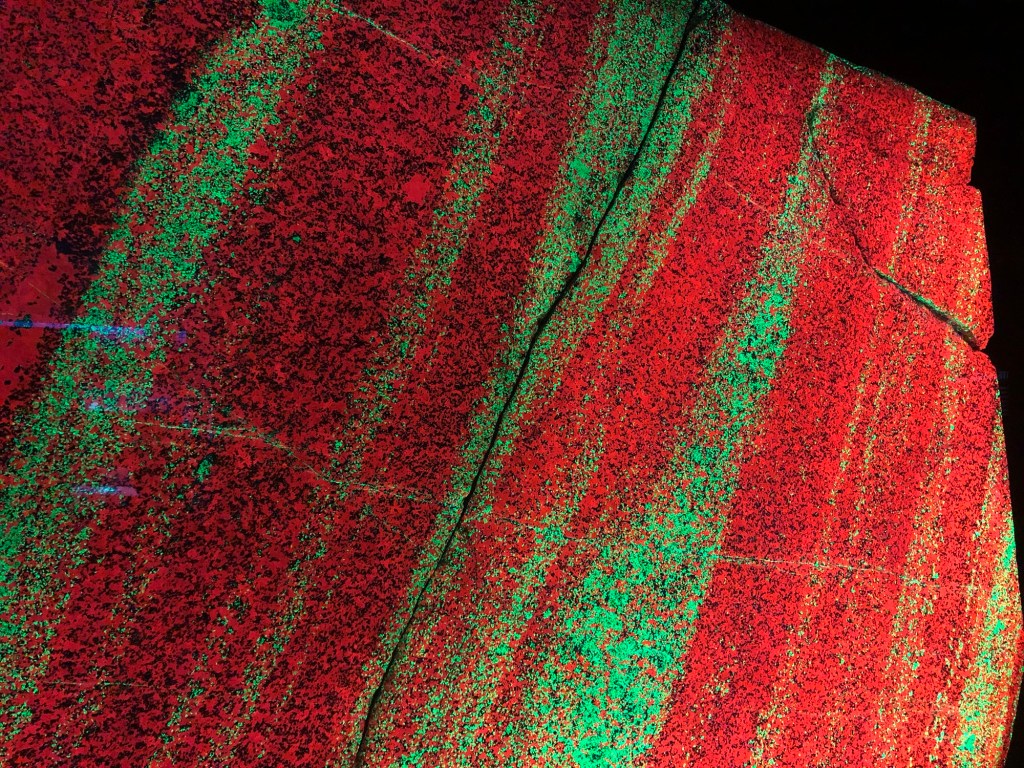
The local rock’s fluorescence is so impressive that no matter where you encounter a glowing museum display, chances are it’s from here. This exhibit from the American Museum of Natural History showcases one of the rocks under natural, long wave and short wave UV light. So cool!
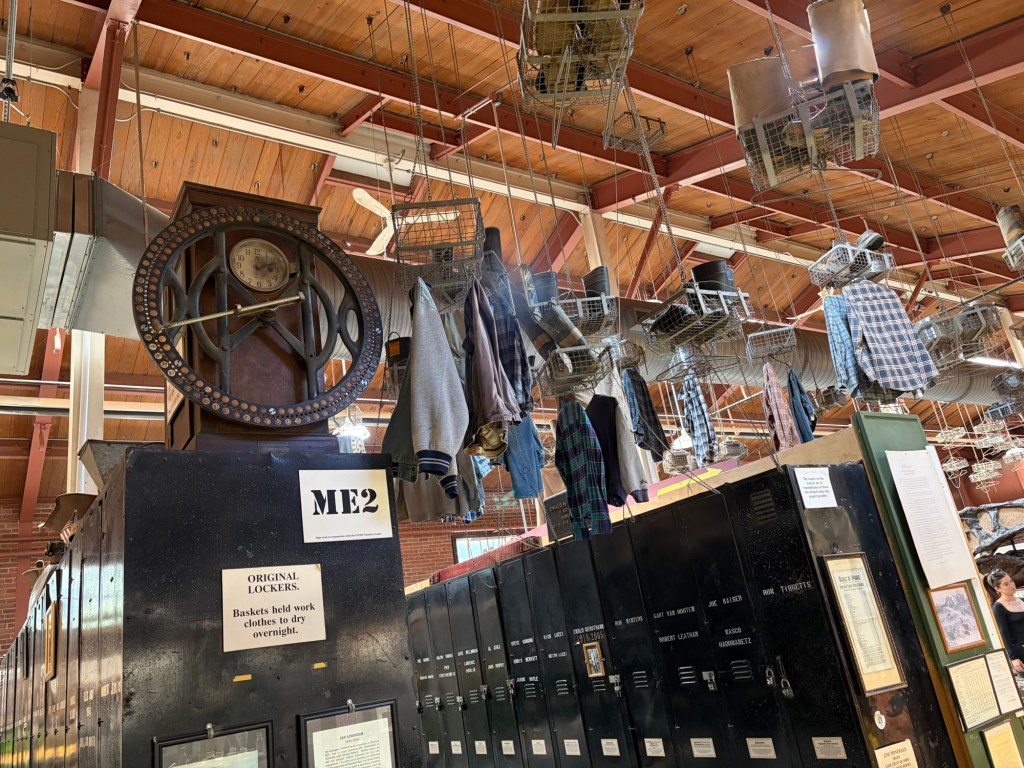
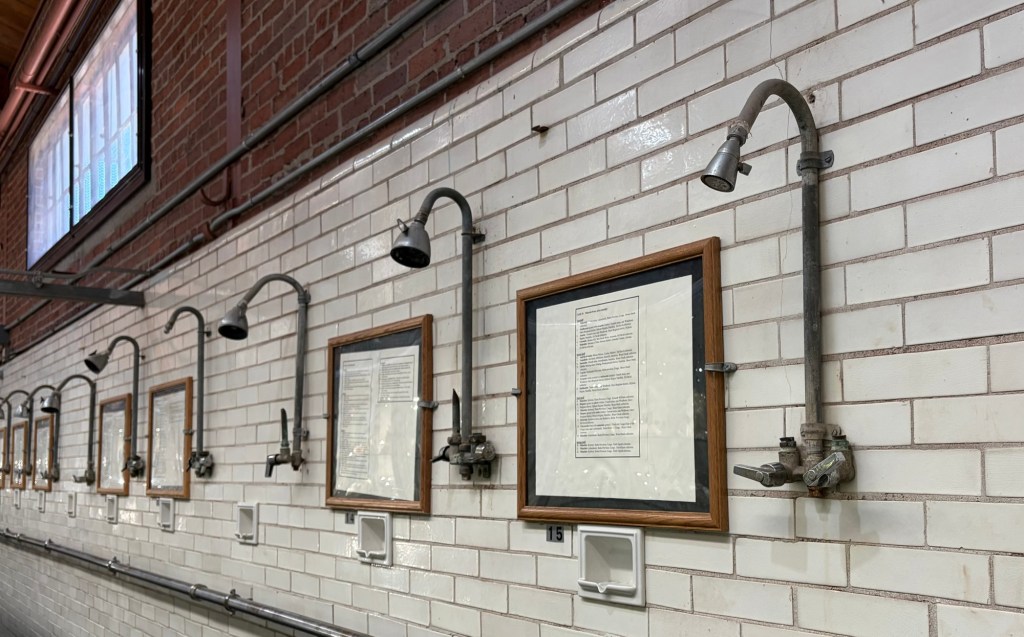
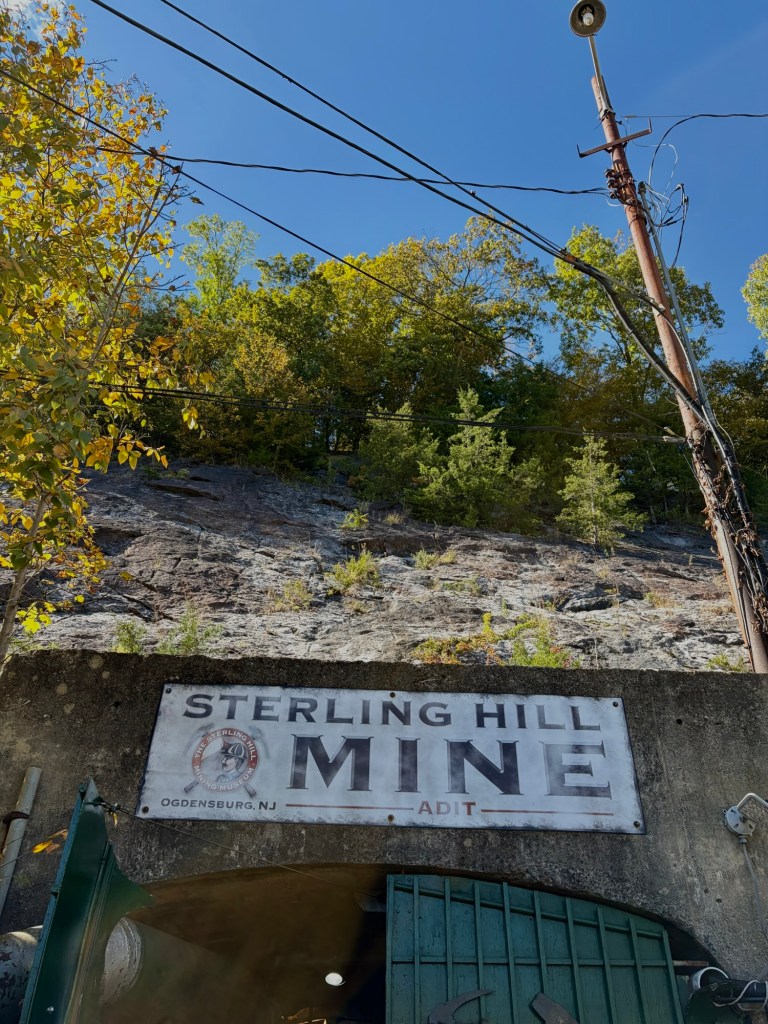
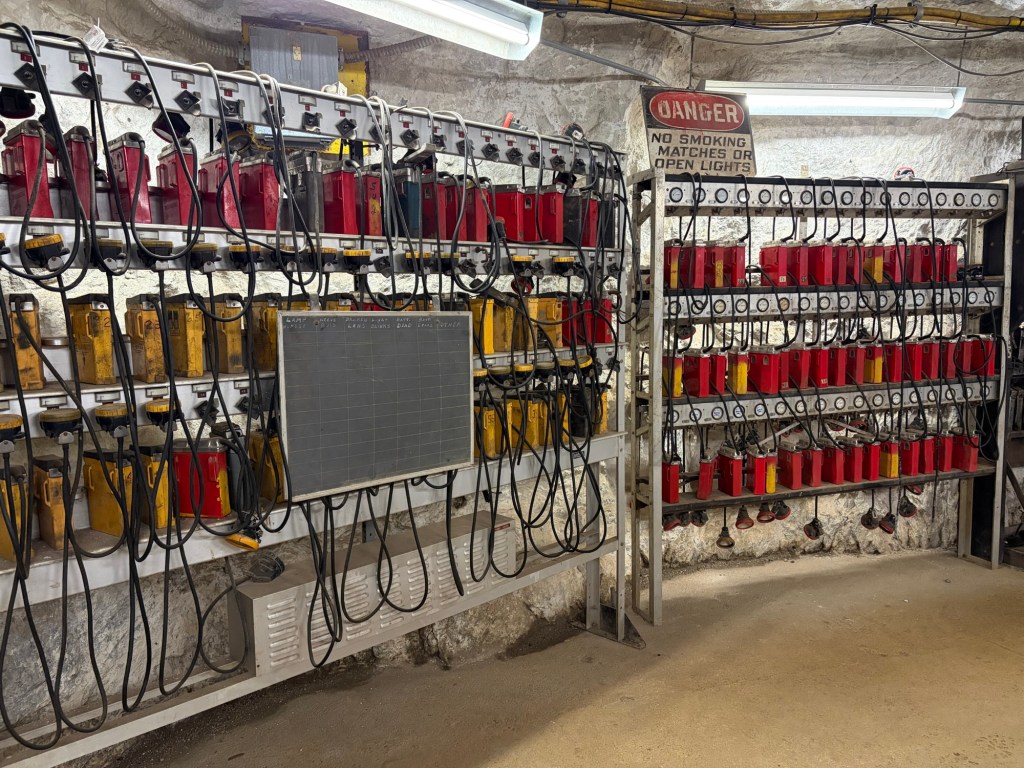
The best place to start exploring is the Stirling Hill Mining Museum. The two hour tour includes stops in their fluorescence building and the mining museum housed in the former changing house. Make sure to check out the lockers, elevated clothes drying baskets, and showers. The museum highlights (among MANY other things) the mine’s history, geology, and products made from the region’s unique minerals.
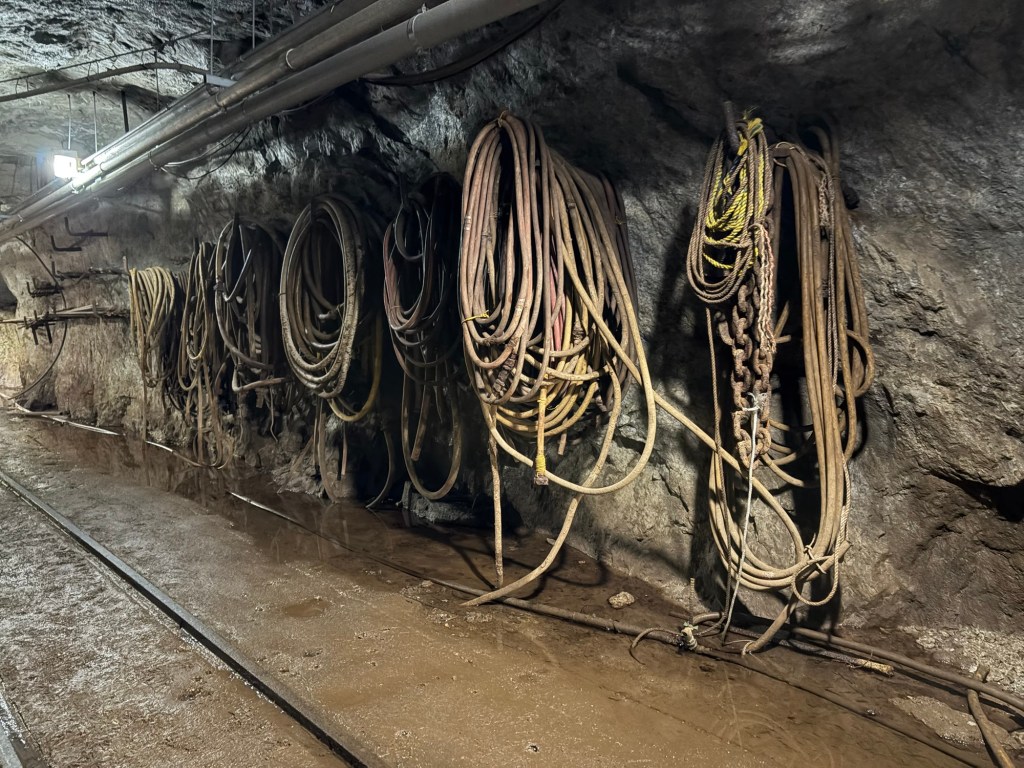
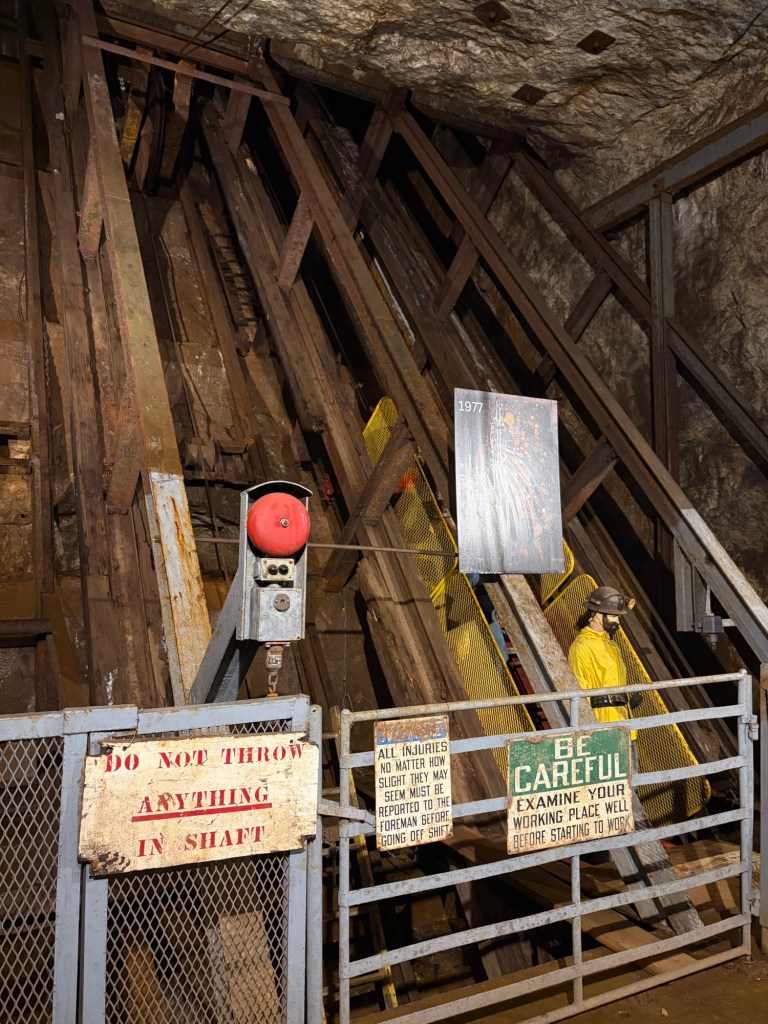
After that, it’s into the zinc mine itself which ran from 1836-1986. After traversing several shafts to learn its history, the final stop is lights out in the super impressive rainbow room.
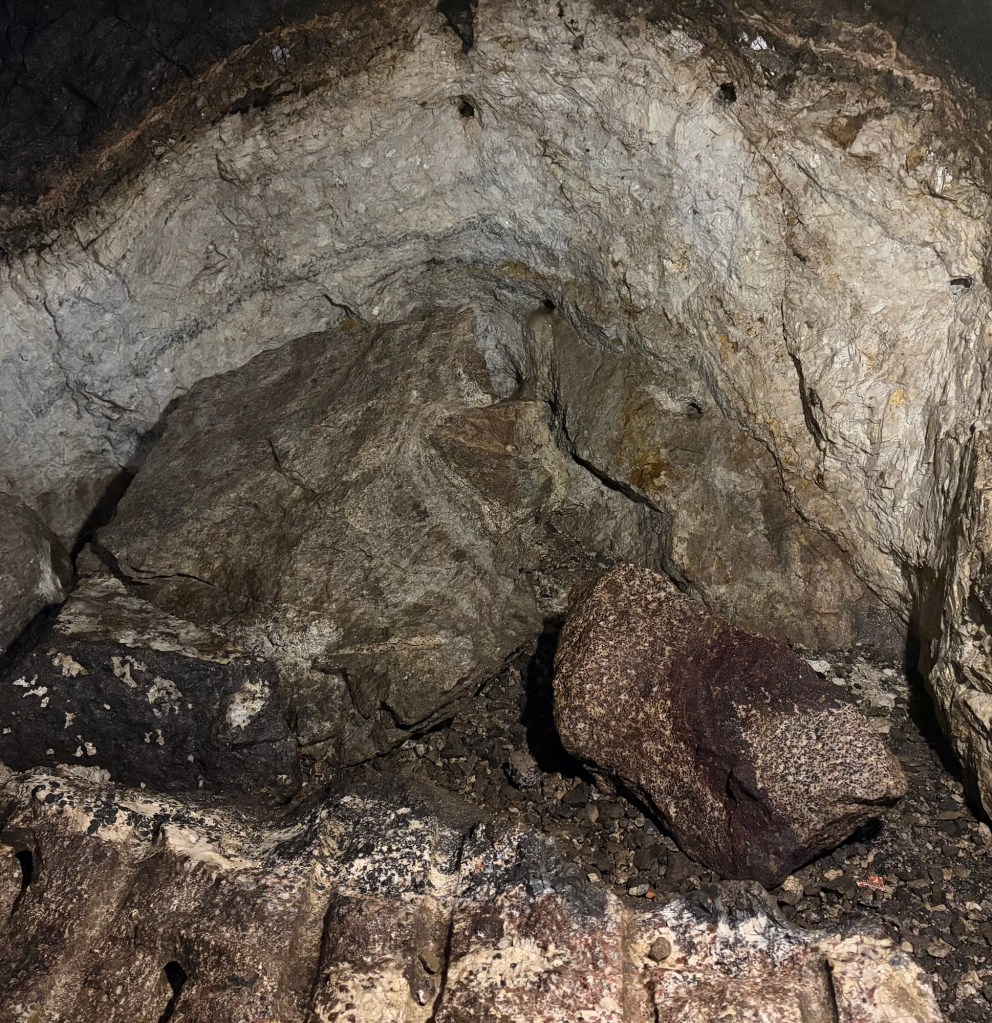
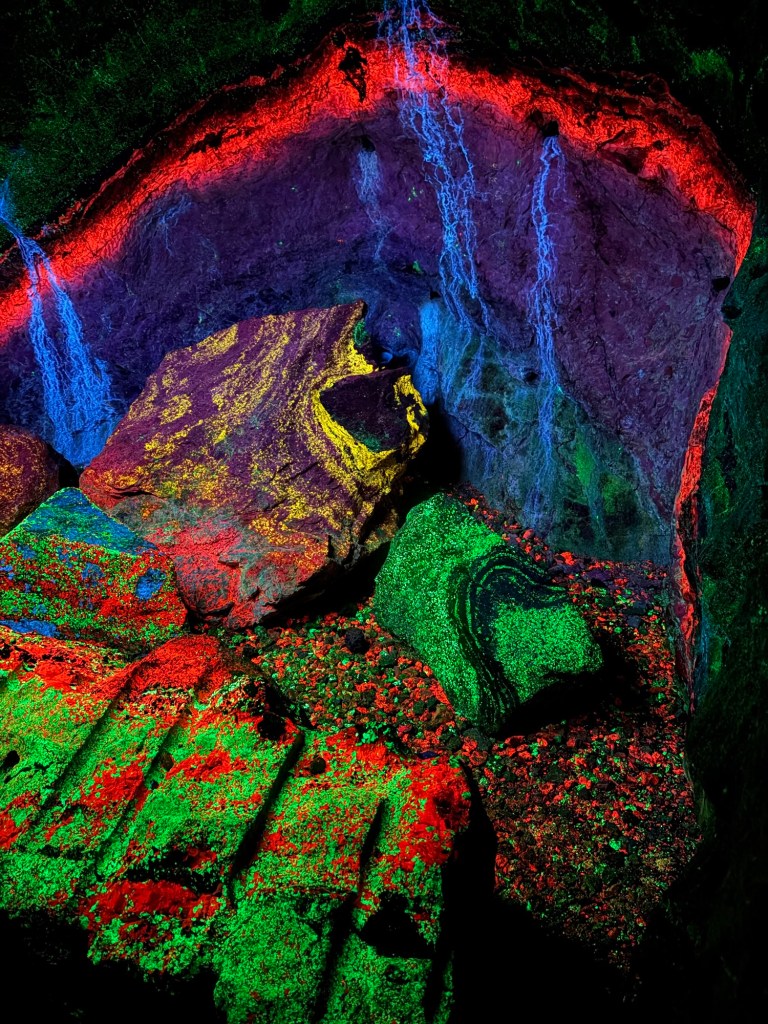
You can even collect your own fluorescent rocks, an activity which is fun for all ages. No need for hammers or special equipment. They provide identification guides, buckets, and a shed with UV lights. Everyone will find something cool, guaranteed. If you look at the ground in this photo (illuminated with a powerful UV light) you can see that it is literally covered with specimens. Even the dust glows!
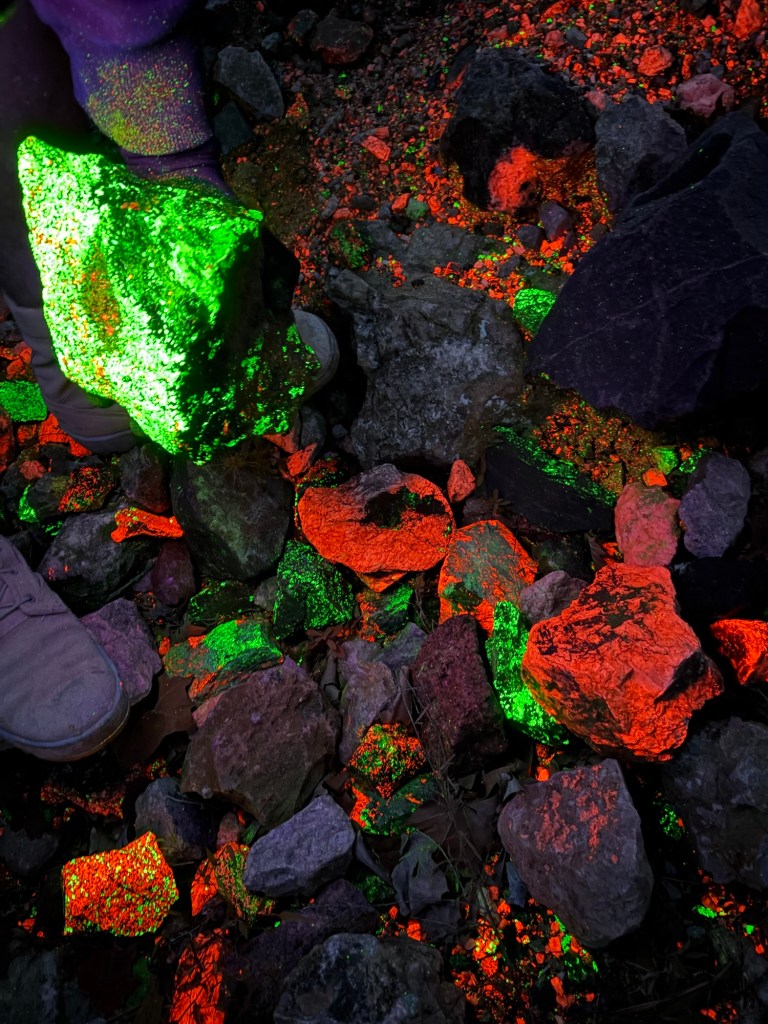
Stirling Hill has a collecting area where piles of local rock have been dumped, or head over to the nearby Franklin Mineral Museum with its adjacent quarry that was once a local mine’s dump site (they also have a museum, but no actual mine tour).
However, Franklin is the place to go for their unique night dig. Once a month (in season) they open the quarry after dark for everyone from families to serious collectors. There is no need for special equipment since the UV shed stays open. Investing in a small handheld light can add to the experience ($65-125), but everyone is happy to point things out and show off their finds to newbies. A long wave light picks up more varieties (left photo), while short wave shows the red calcite more intensity (right photo).
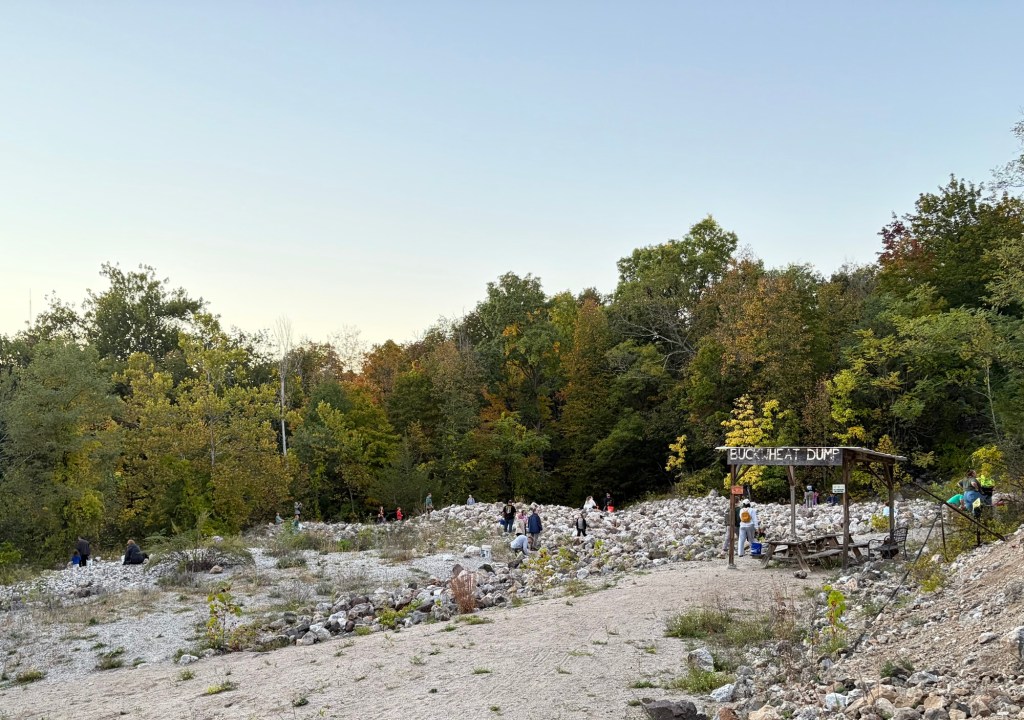
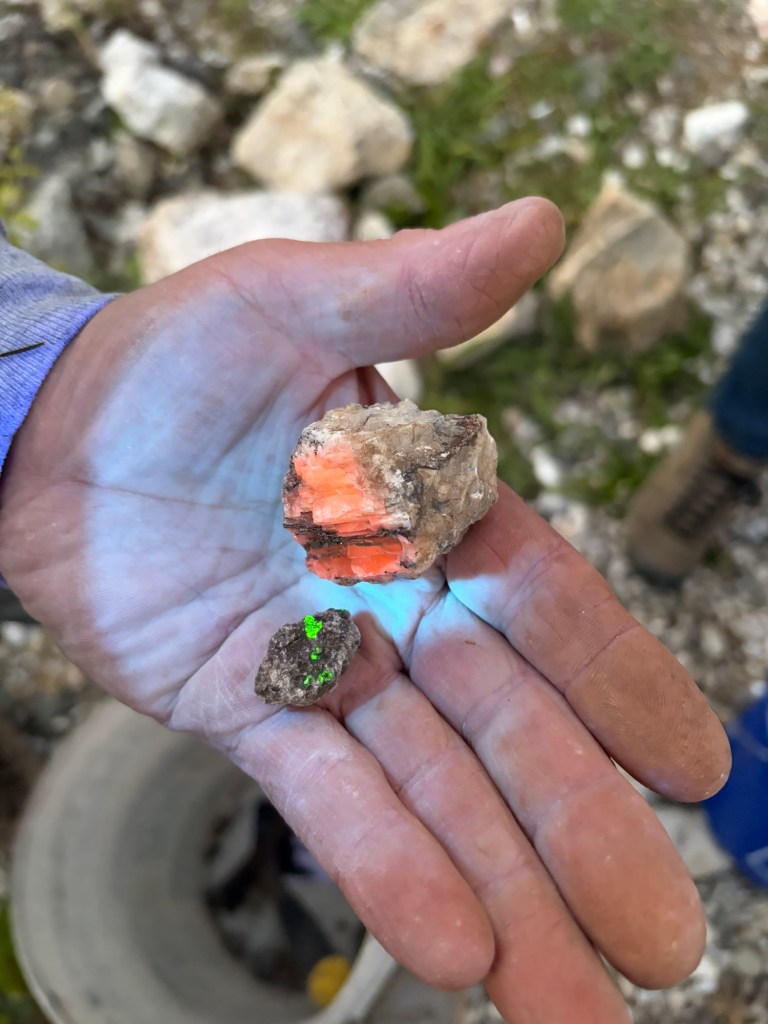
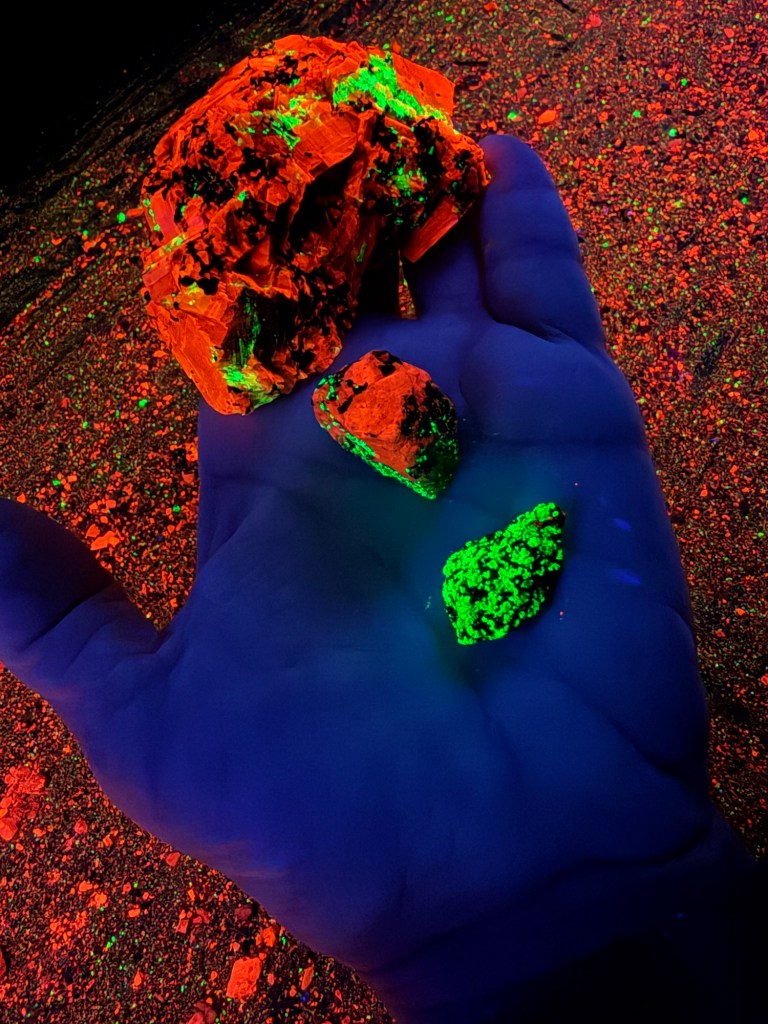
Note: Closed-toed shoes are required, as are goggles if using rock hammers. Bring water in the warm months! See their website for dates and details.
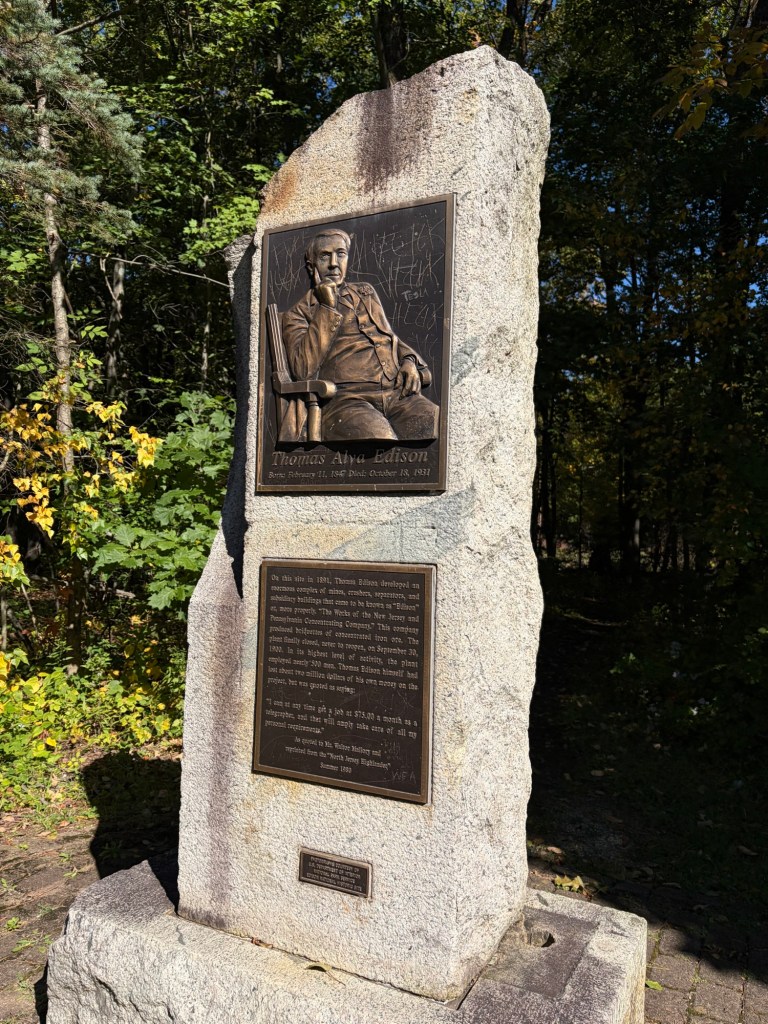
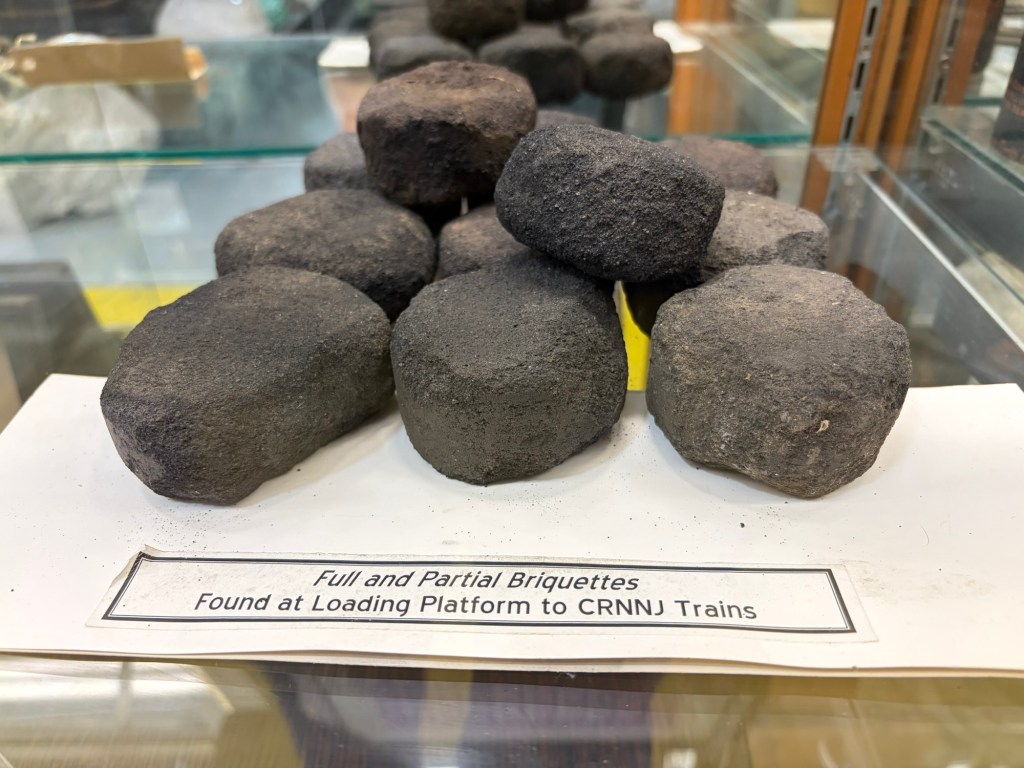
Nearby: Thomas Edison was one of the businessmen to take advantage of the area’s unique geology (Edison: Beyond the Lightbulb). Although there’s not much left today of his massive iron processing plant, you can still find traces while hiking around the historic marker in Sparta and spot its iron briquettes in area museums.