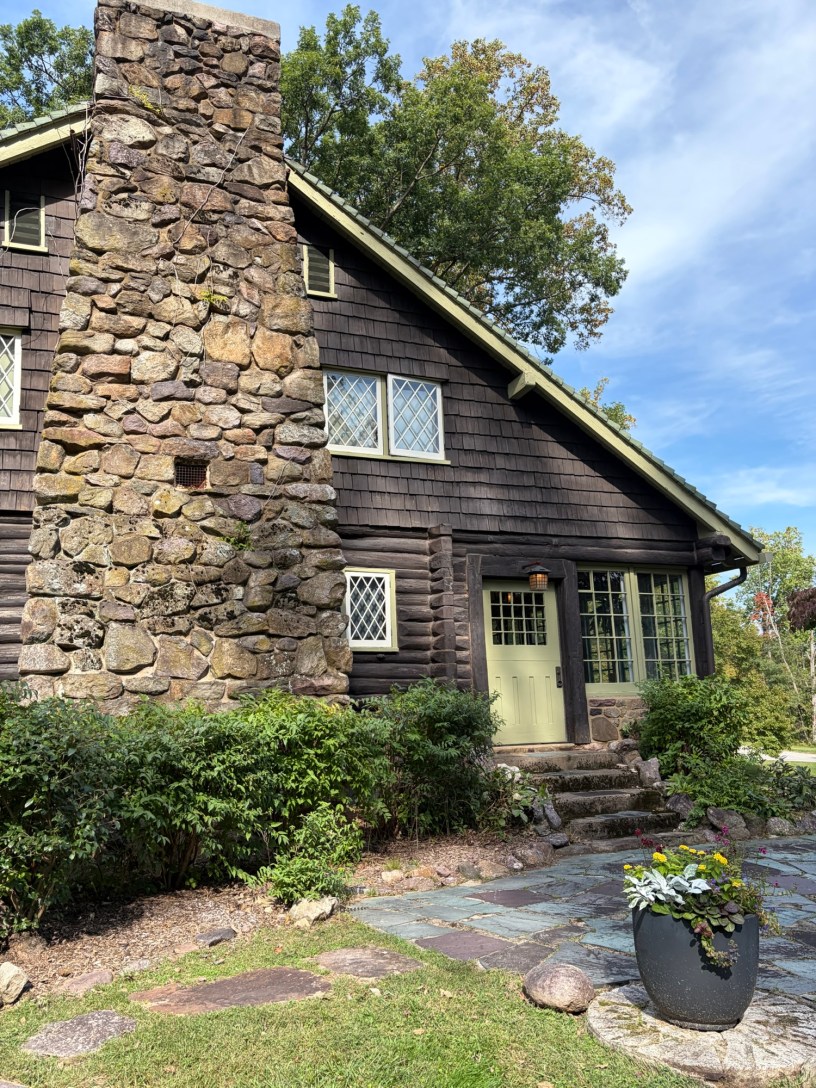
Less than two hours from Philly is a total immersion into the American Arts & Crafts movement.
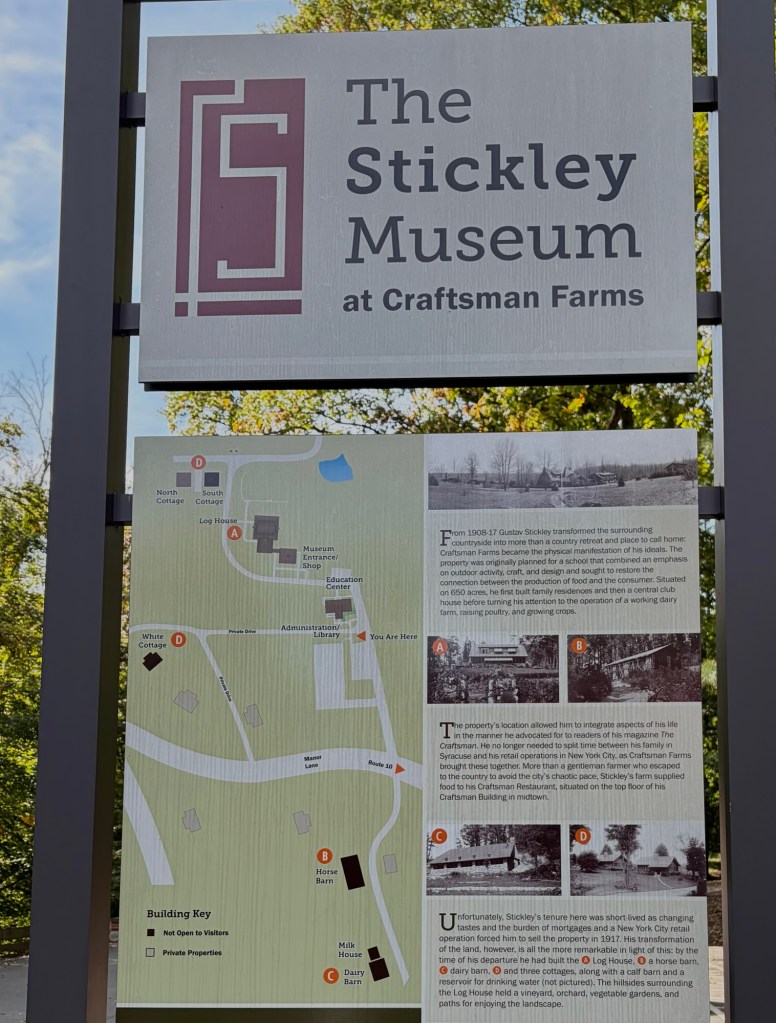
Gustav Stickley bought the property in the early 1900’s with the intention of turning it into a self-sustaining school for boys to learn practical farming and other skills. By this time Stickley had risen from the eighth-grade educated son of poor German immigrants to a central figure in America’s Arts & Crafts movement, becoming one of the nation’s leading furniture makers with associated publishing and retail empires.
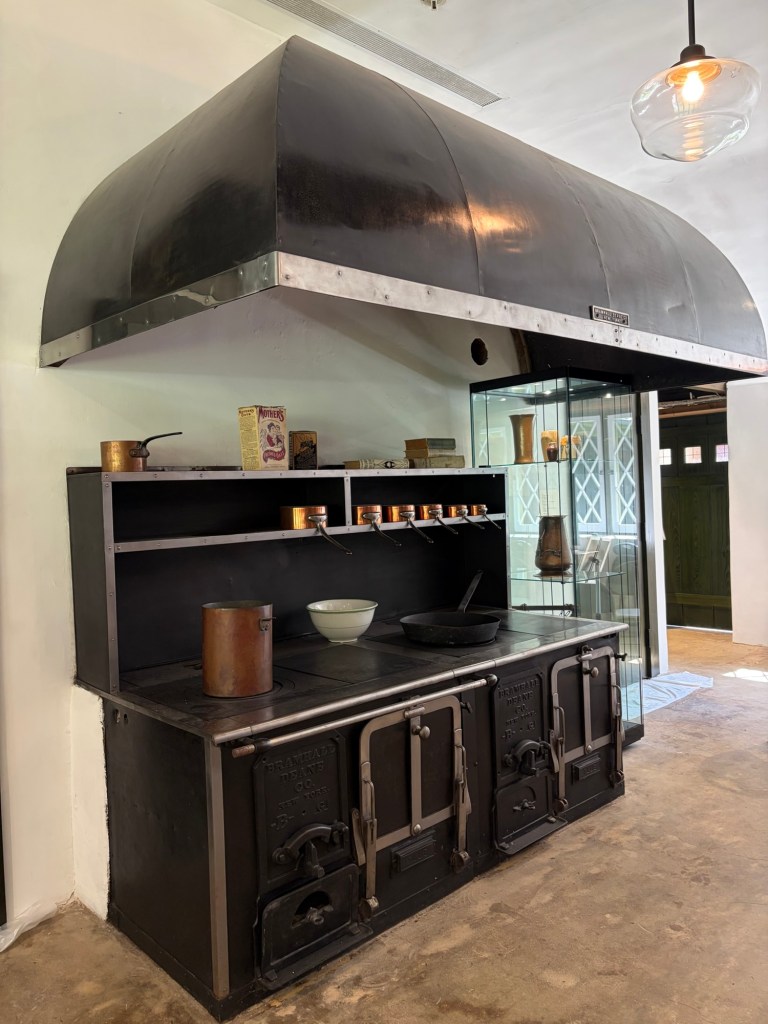
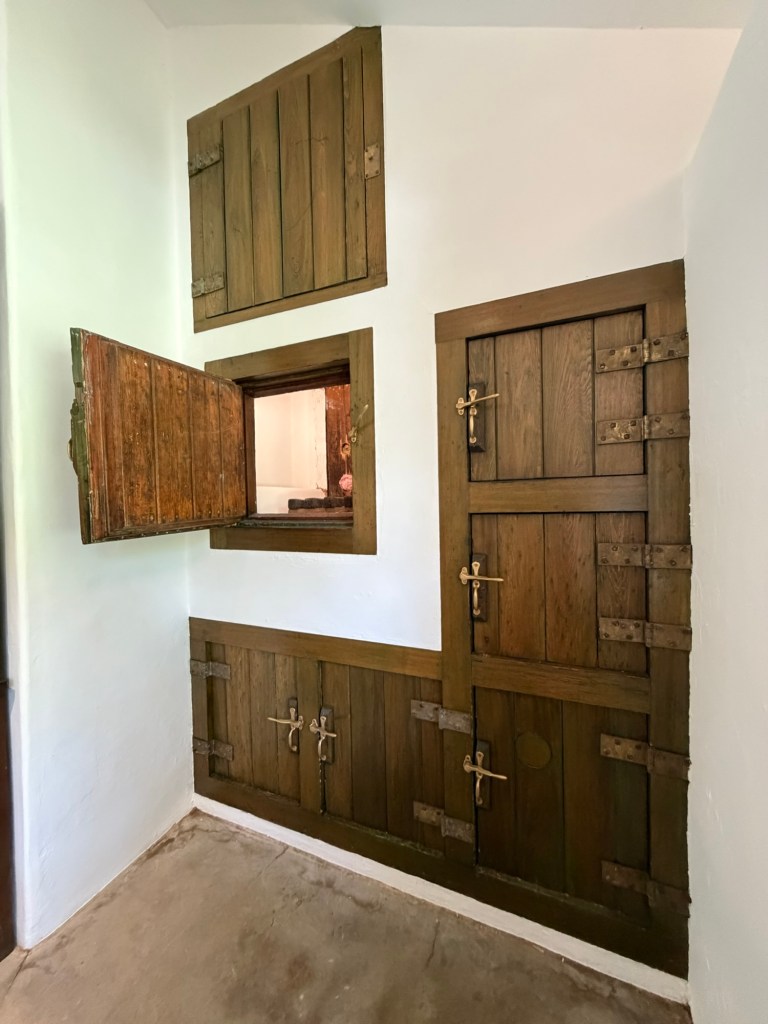
The farm’s main building was finished in 1911, but when the school concept proved too expensive Stickley converted it into his family’s private residence. Walking into the kitchen area gives an immediate sense of Stickley’s original plan. Built to prepare meals for 100 people, the size of the range, refrigerated storage and cabinets were obviously not meant for a single family.
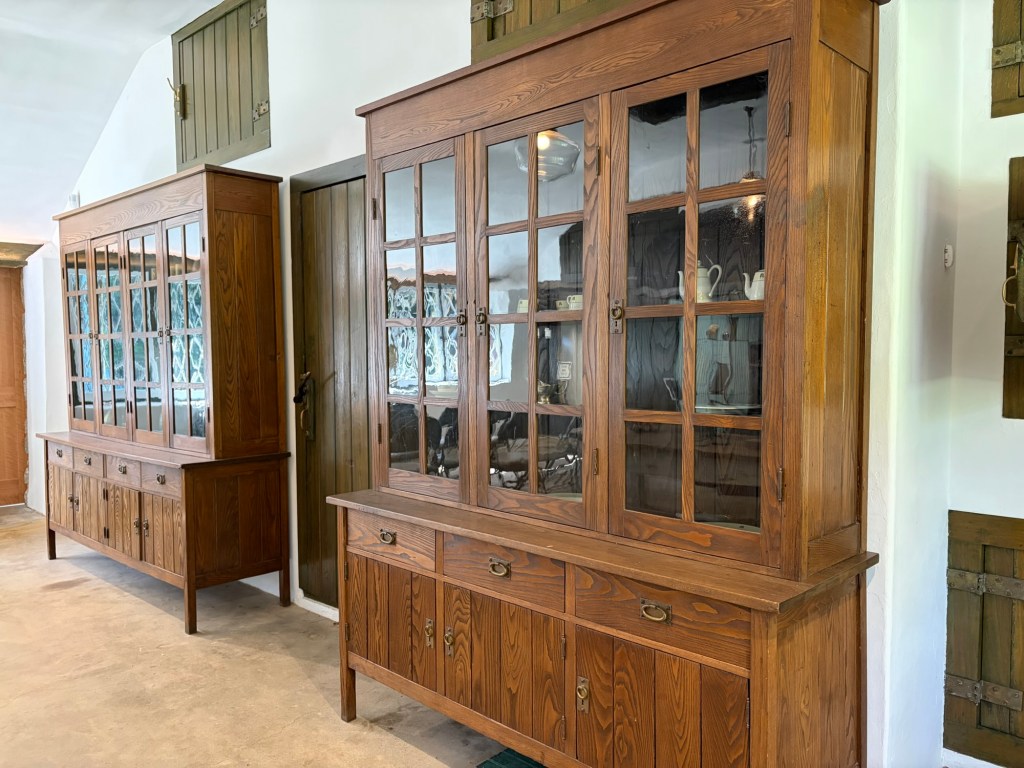
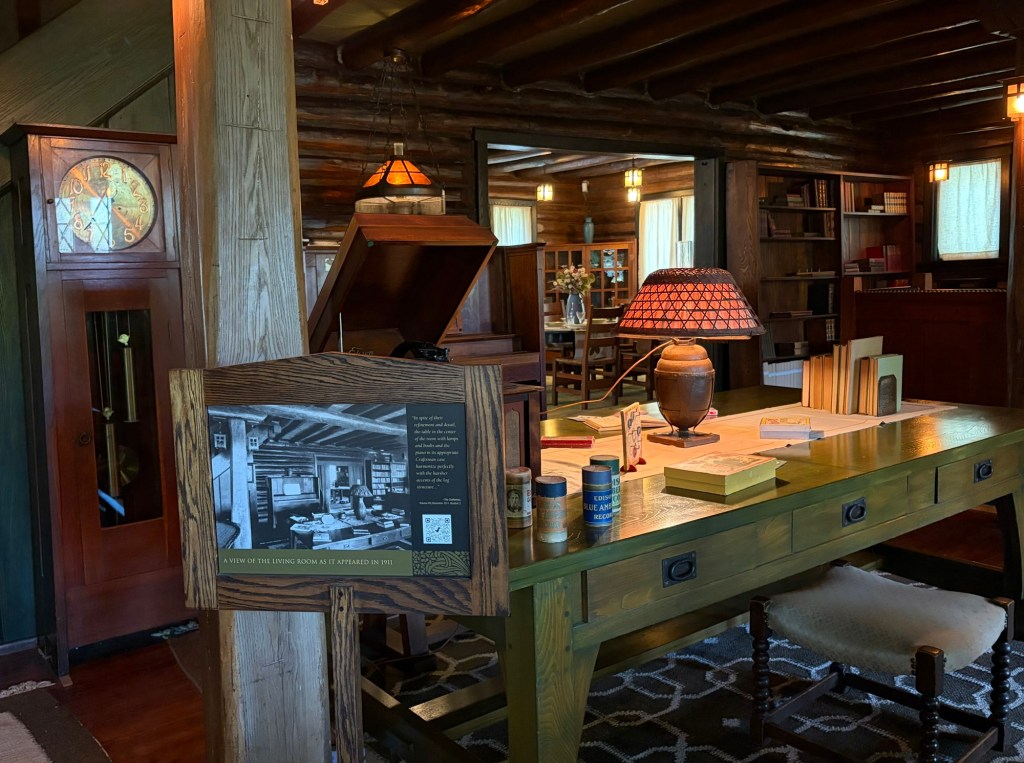
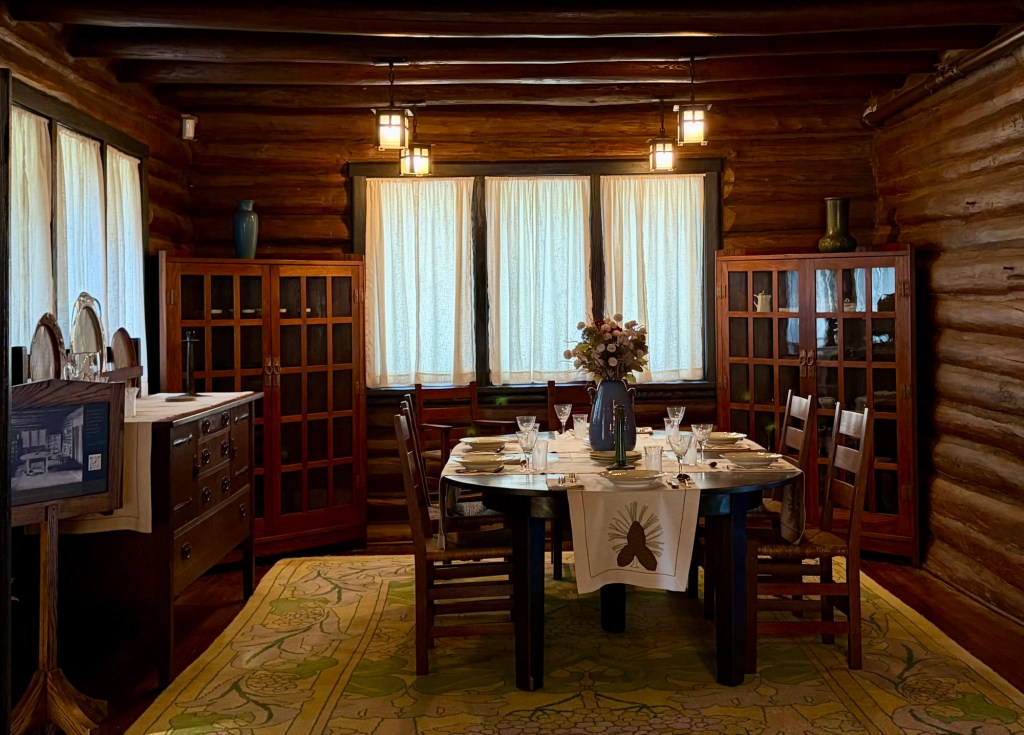
From there you enter the main house which is not only built in Stickley’s Arts & Crafts style with it’s emphasis on natural materials, but is also filled with pieces of his furniture, textiles, metal work, ceramics…. Throughout are period photos comparing then to now.
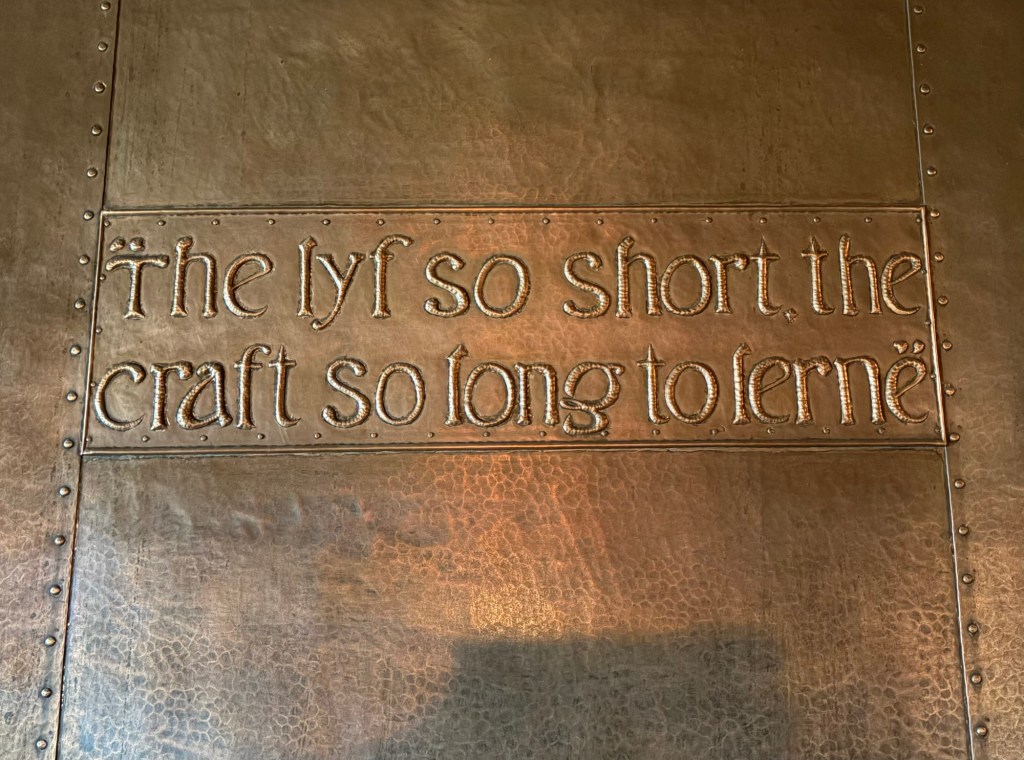
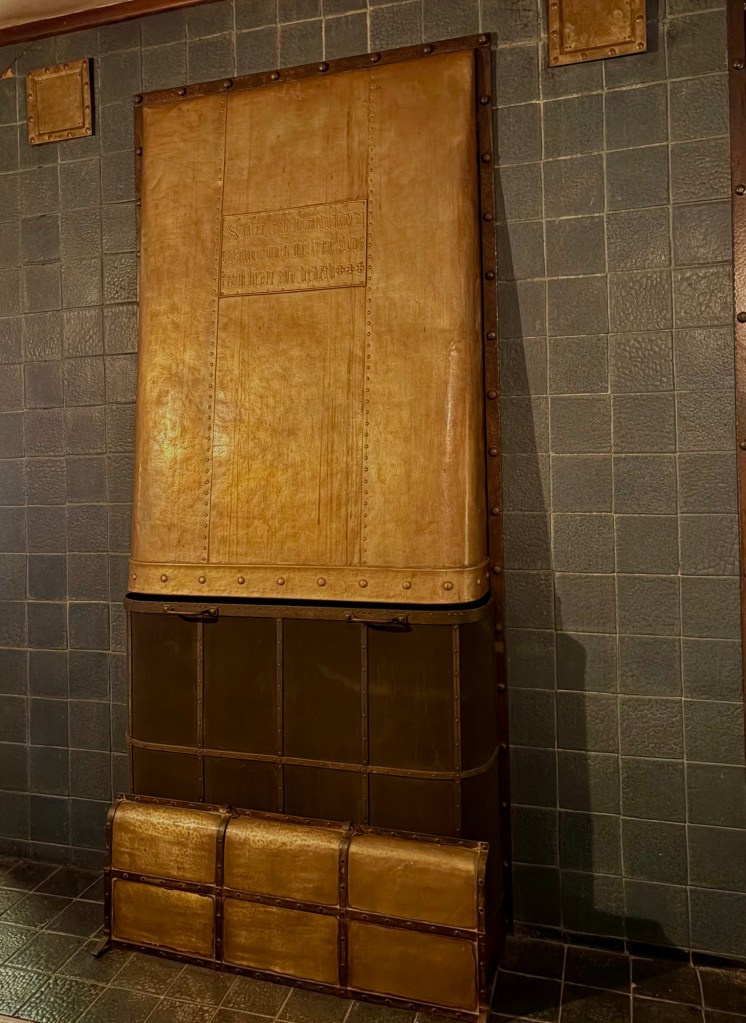
Of course everything is amazing, from the large copper & iron fireplace hoods featuring mottos like “The lyf so short, the craft so long to lerne” from Chaucer, down to the hardware:
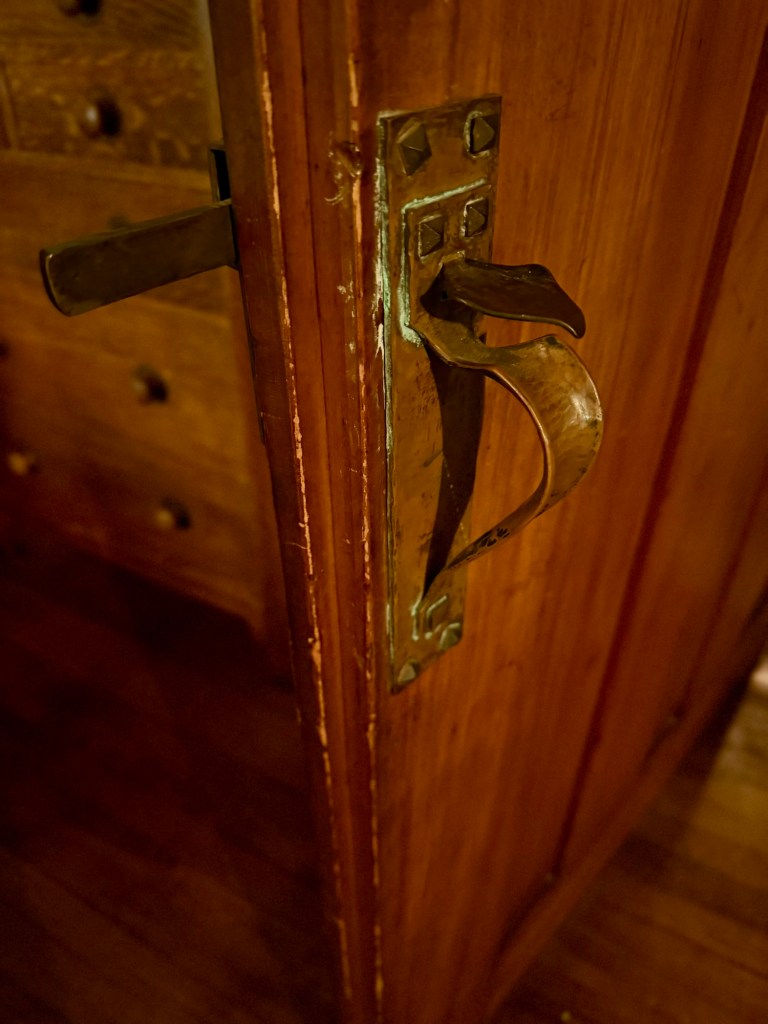
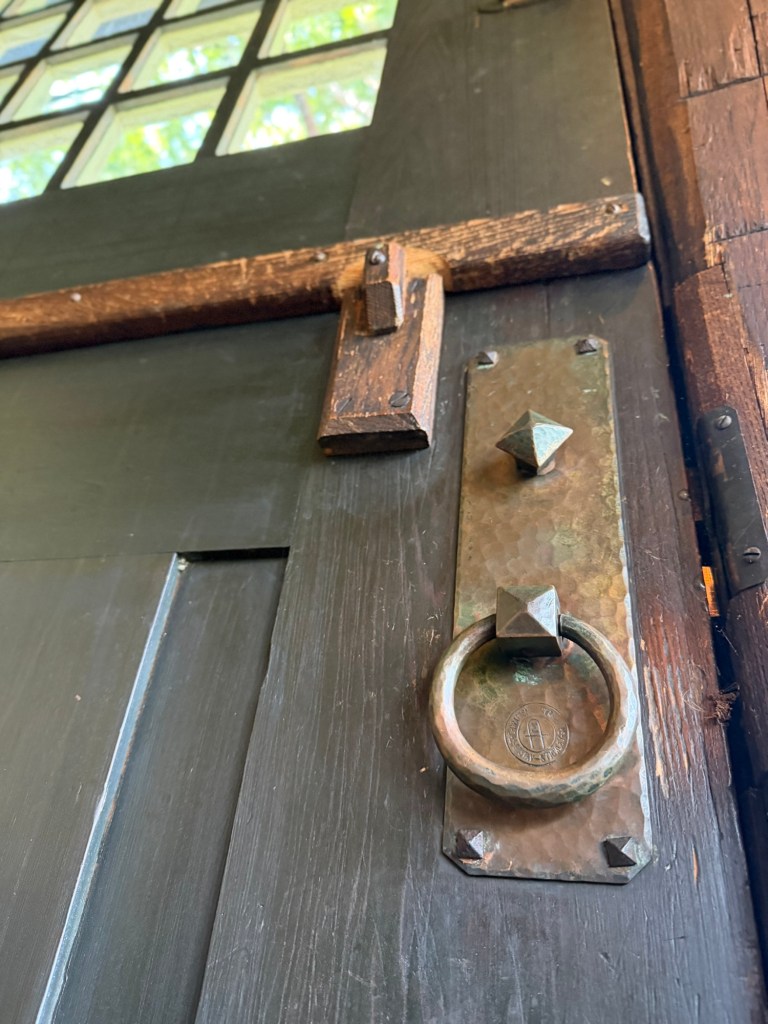
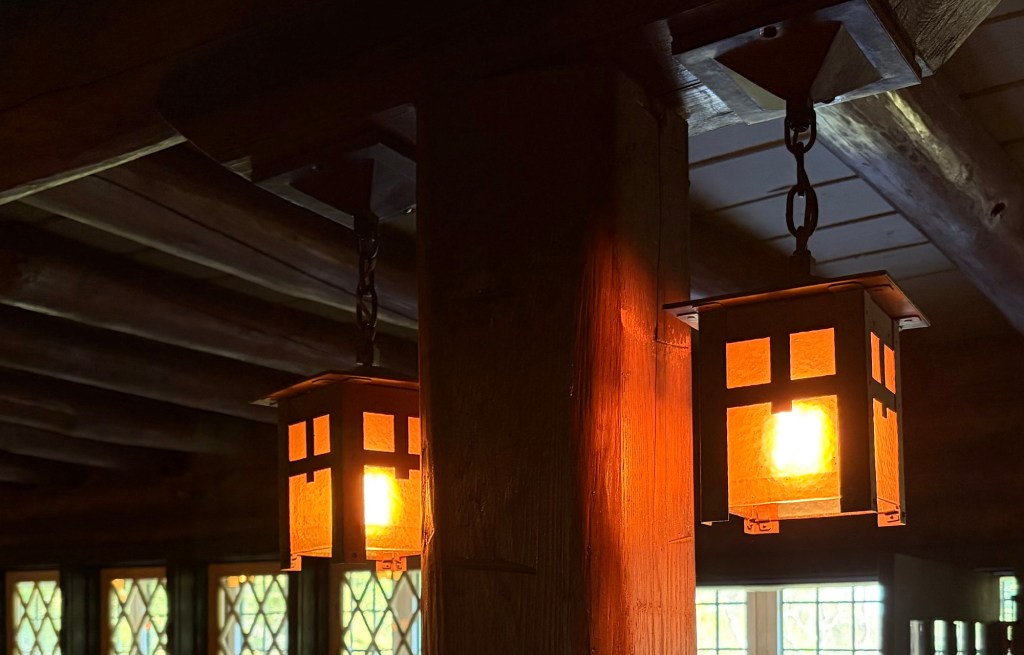
to my favorite part, the lighting:
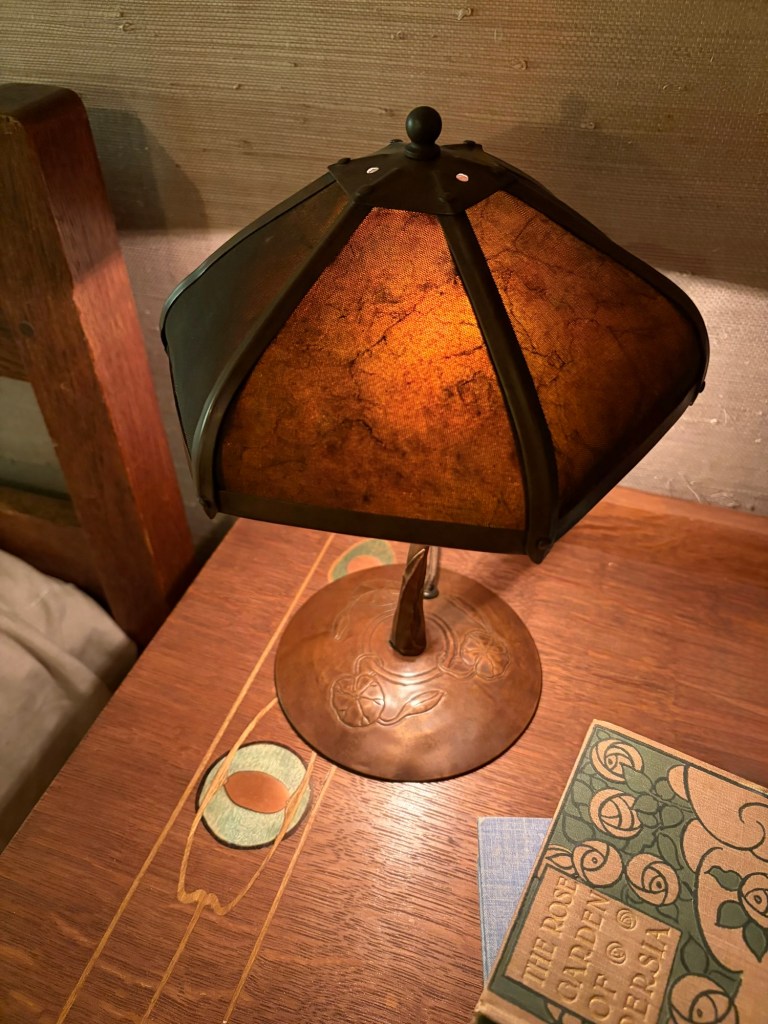
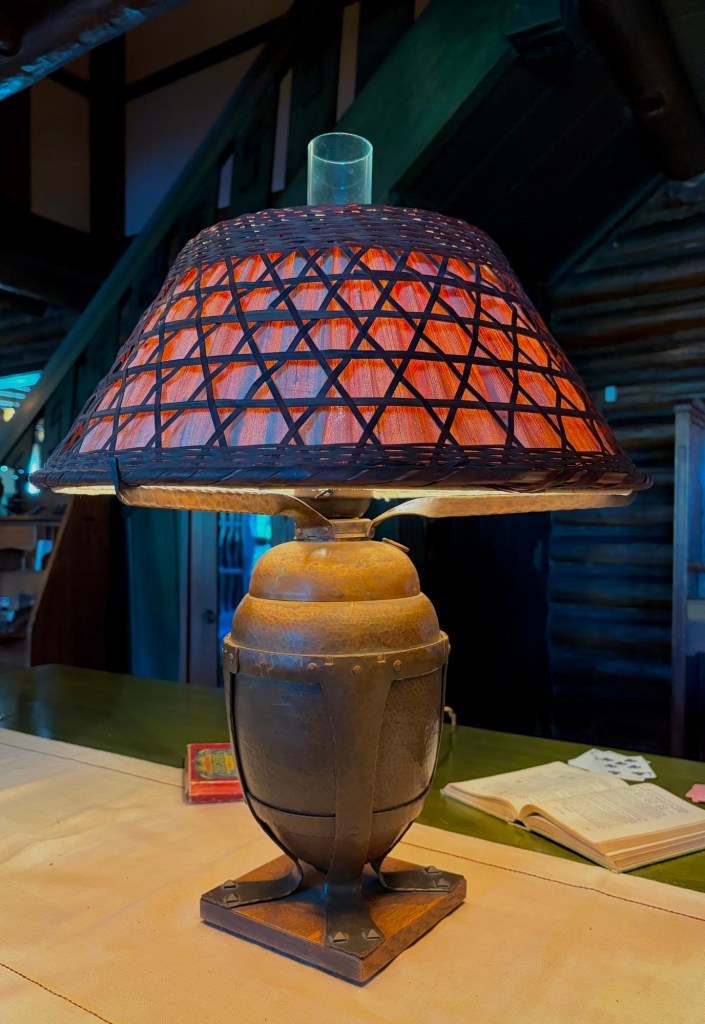
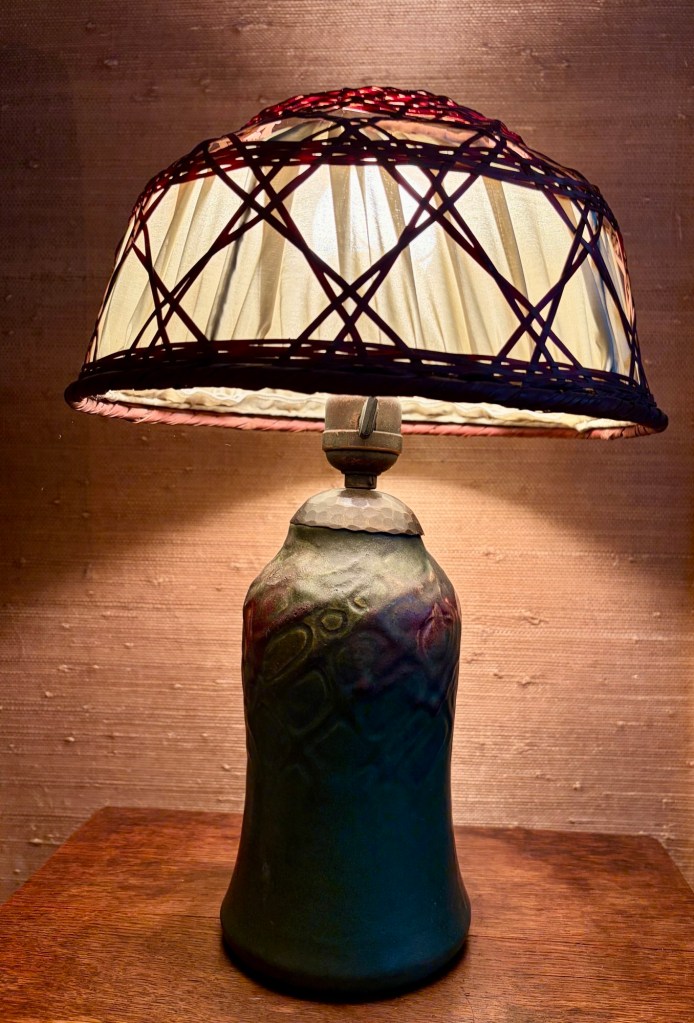
Keep eye out for the Stickley’s personal trademark, a joiner’s compass often with the phrase “Als ik kan“ (“to the best of my ability”).
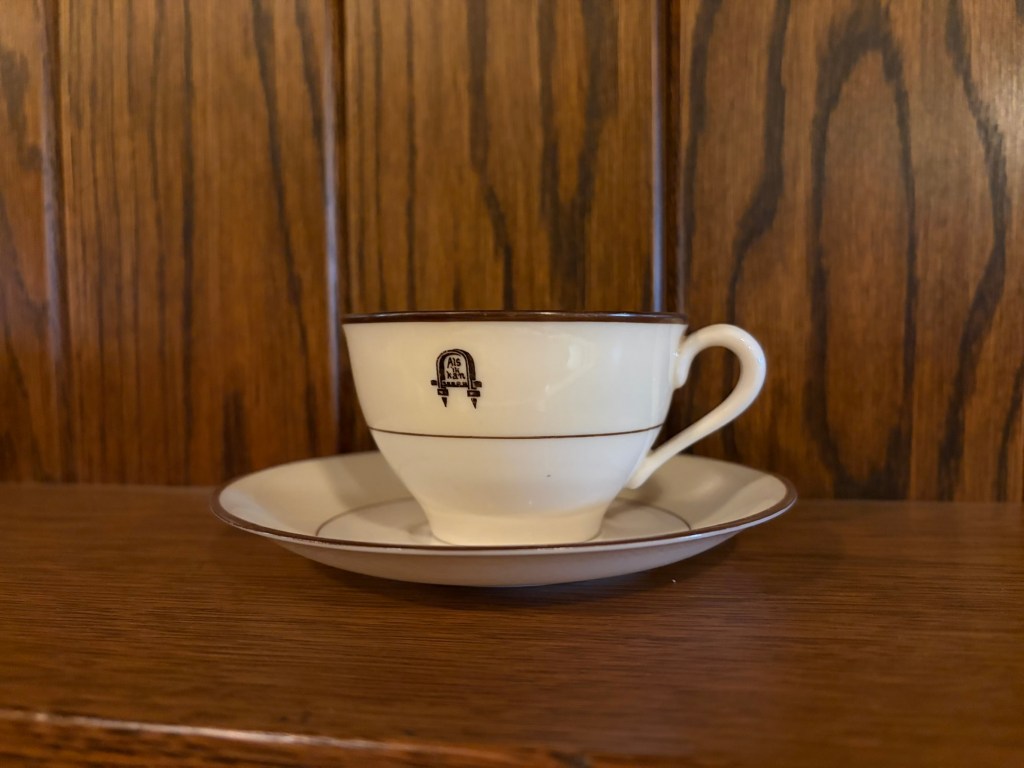
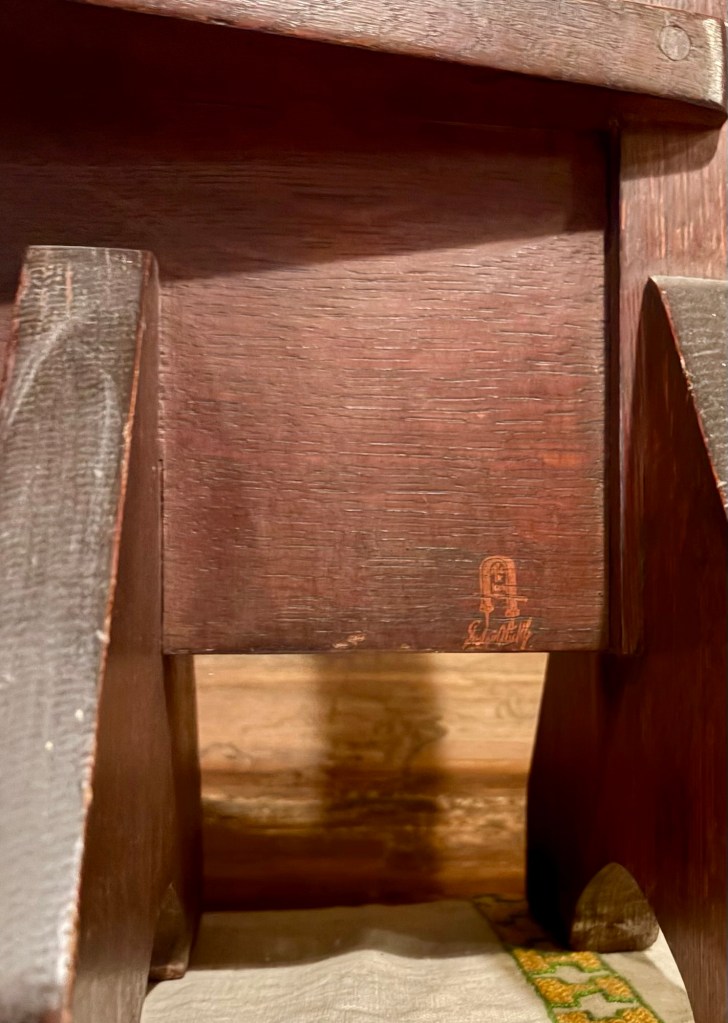
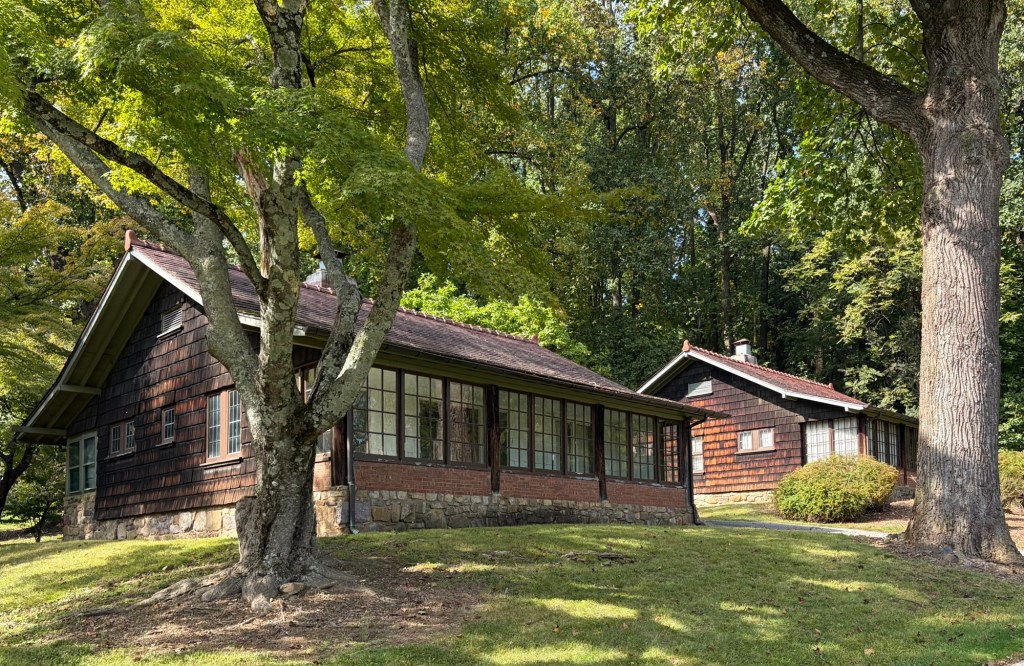
Sadly, changing tastes and the financial strain of his building in Manhattan took their toll financially and Stickley was forced to file for bankruptcy and sell the farm in 1915. Luckily, the new family maintained most of the interior until 1989 when it was purchased by the township and opened as a museum. The house is open for tours on Friday-Sunday, and you are free to explore the grounds on your own where you can still find several original cabins.
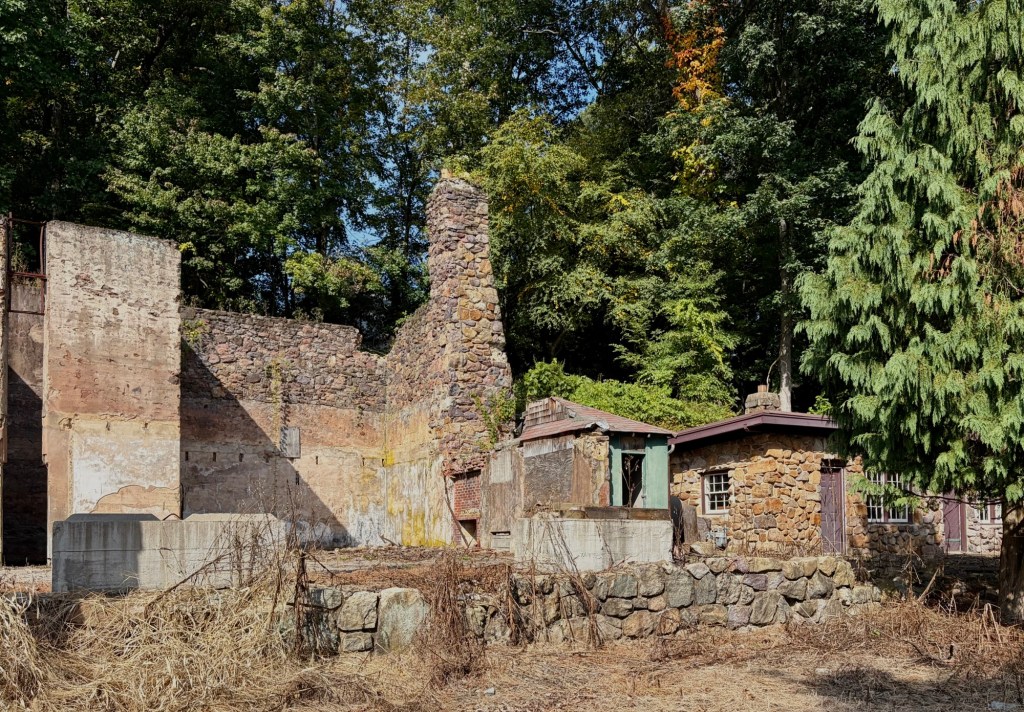
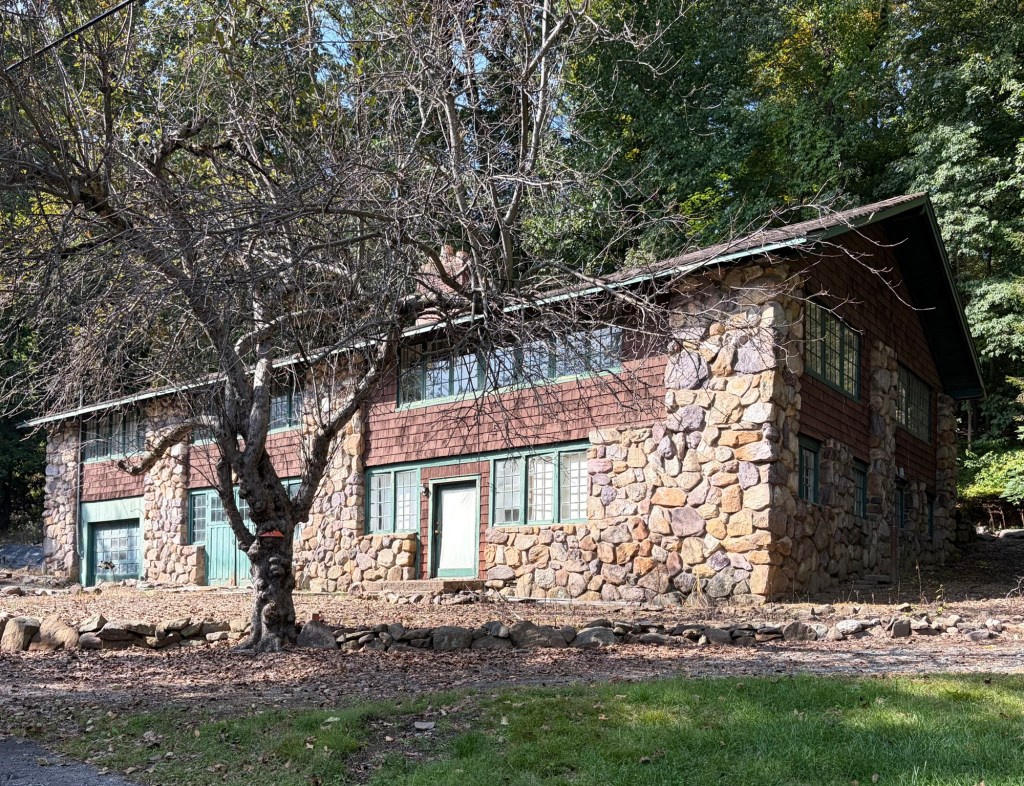
Across the street are the remains of the farm’s original horse barn and dairy house.
Nearby: The farm is just outside of Morristown, so easily combined with the city’s Revolutionary War and telegraph history.

