
I love this little museum. It’s FREE, it’s fun for children & adults, it’s right next to the Schuylkill River trail, and it has its own secret sculpture garden. What more could you want? 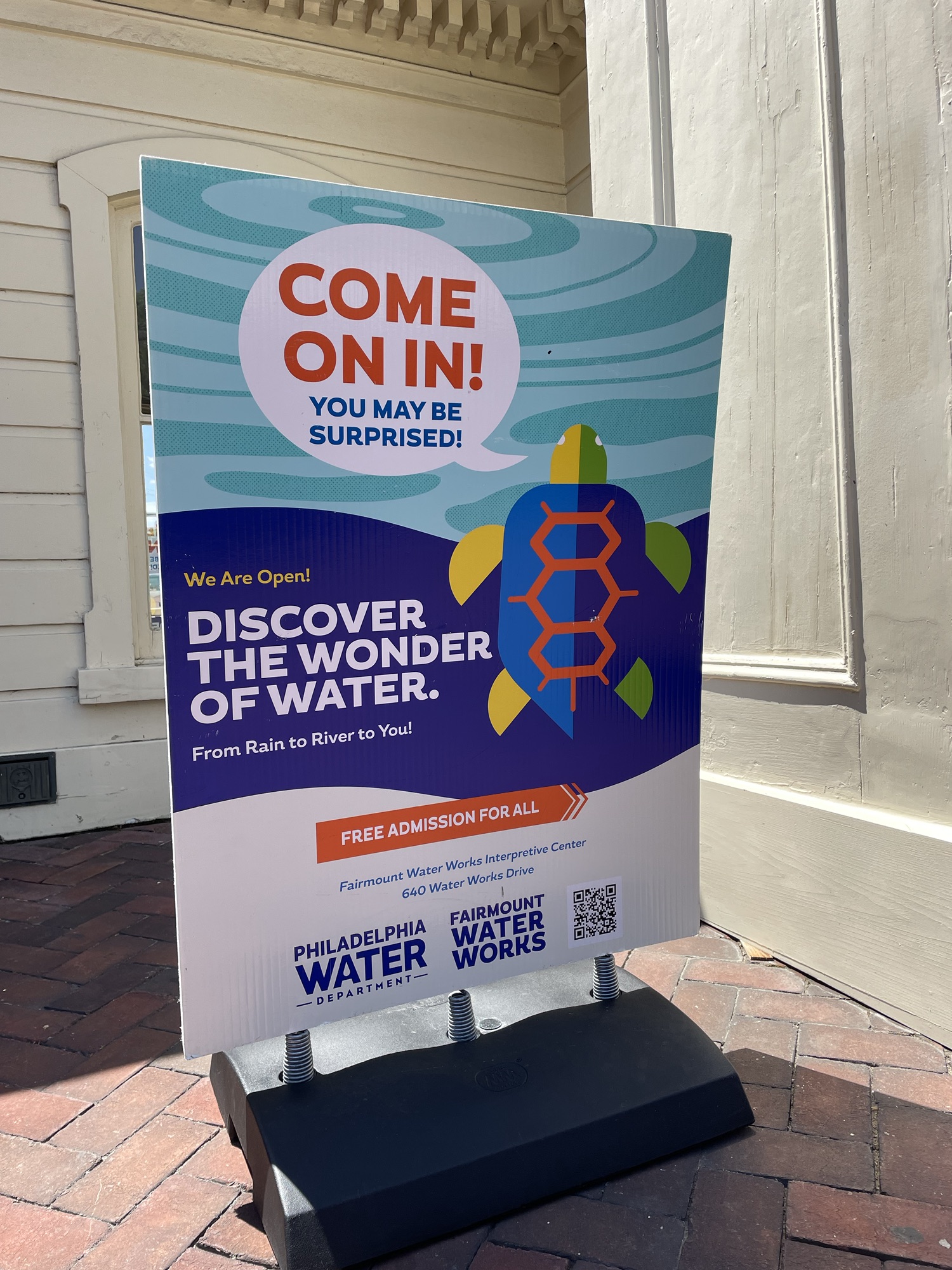
Philadelphia’s first pump house was built in Center Square, on the site where city hall now stands. 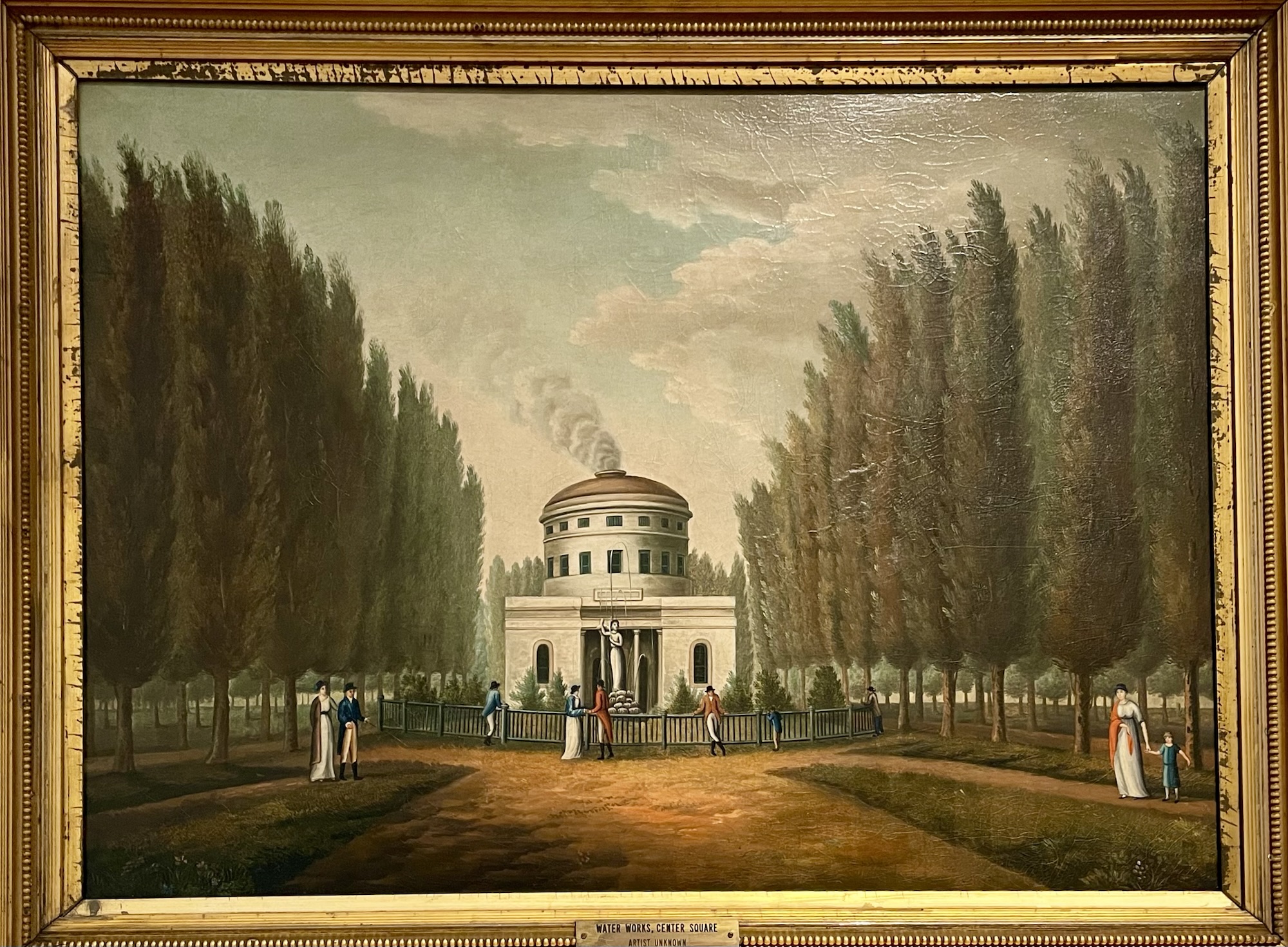
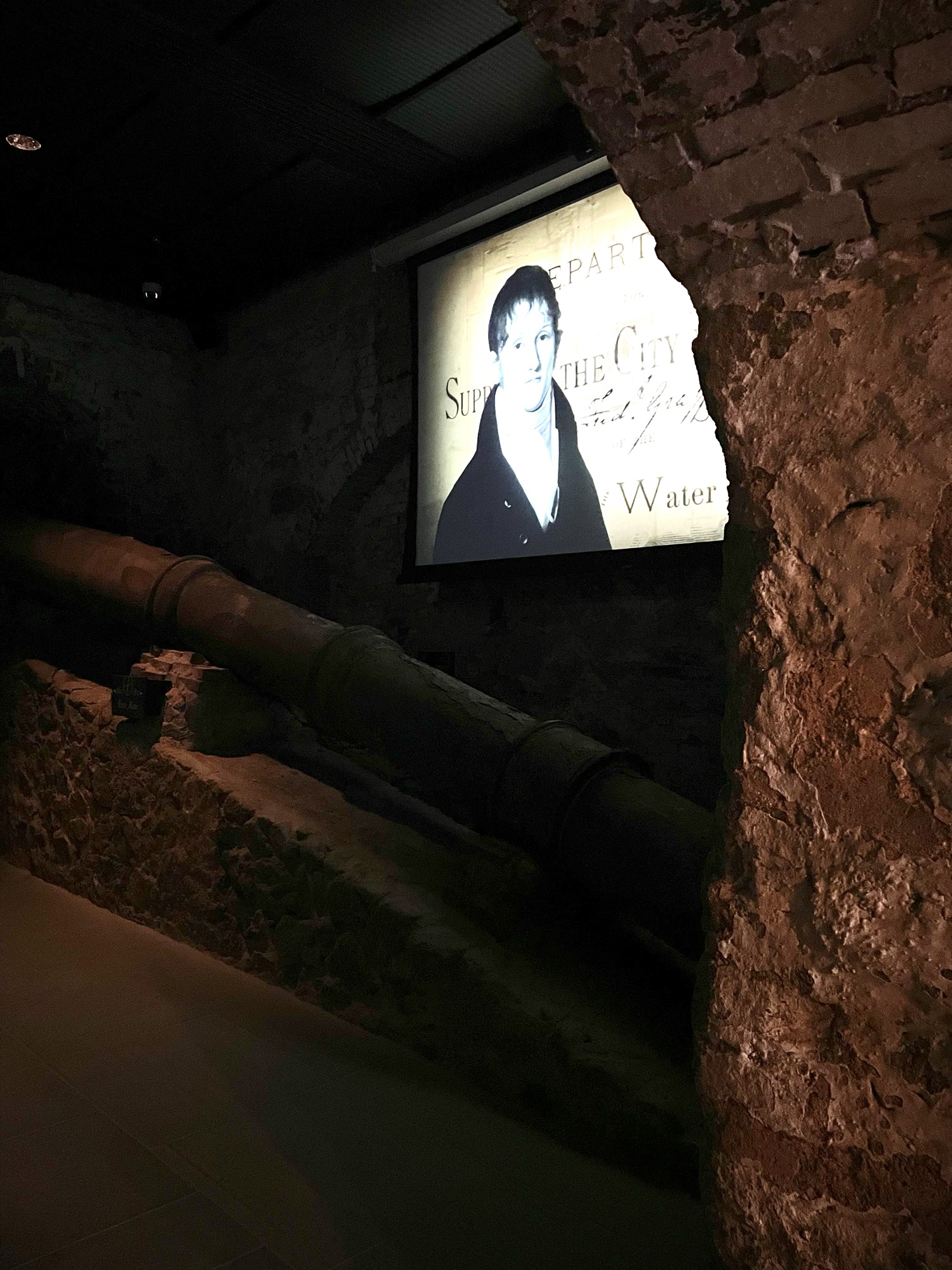
It quickly proved unreliable, and a new waterworks was built closer to the Schuylkill. To learn the history behind the challenges of supplying fresh water to the city, check out this free museum in the basement of the c.1821 Old Mill house. A movie, original artifacts, and exhibits bring the world’s first large scale municipal water system to life. Built in 1815 after the deadly outbreak of yellow fever (Epidemic! The 1793 Yellow Fever Outbreak in Philadelphia), the waterworks provided water to Center City Philadelphia until 1909.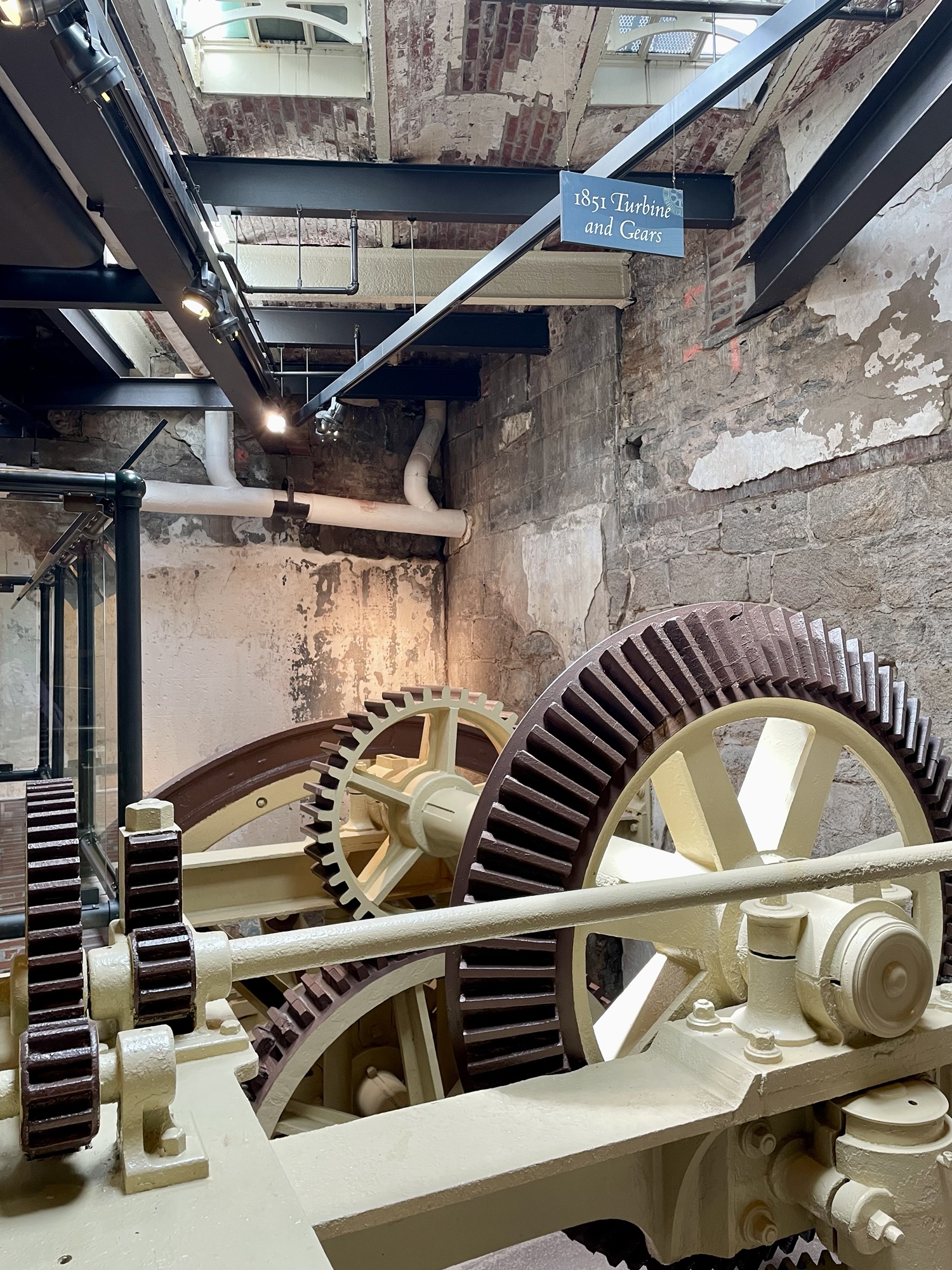

There wasn’t much Charles Dickens enjoyed during his 1842 trip to the US (Philadelphia: Charles Dickens Was NOT a Fan), but the waterworks was an exception. A wonder of the Victorian age, today you can enjoy the gardens as you walk the Schuylkill River trail (Enjoying the River Along The Schuylkill Banks Trail). Keep an eye out for remnants of the original wooden dam and stone reservoir (located where the art museum is today). Today’s parking lot covers the basin where water was diverted to flow into the pump house. 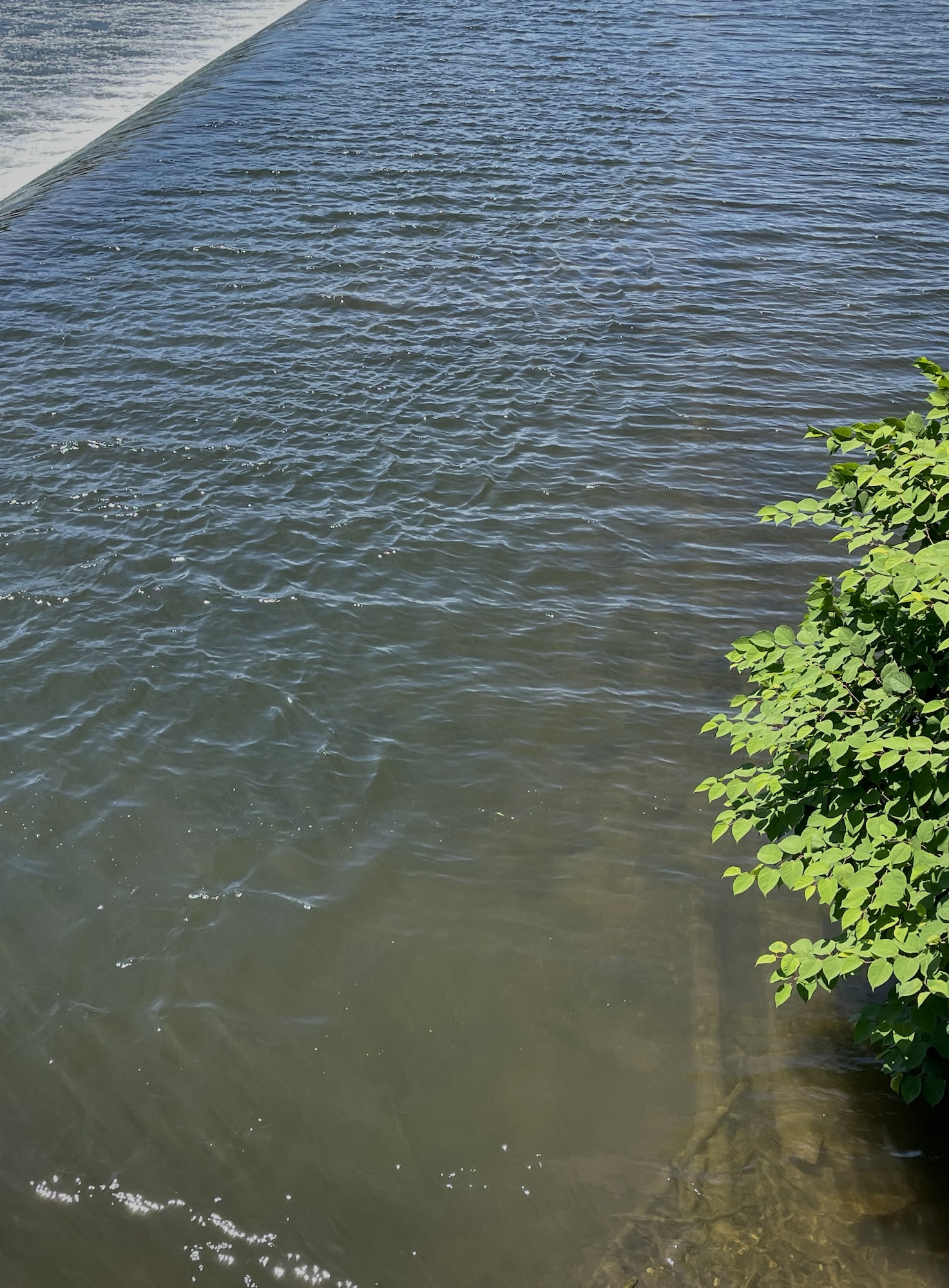

Copies of William Rush sculptures adorn the buildings (originals are in the art museum). Lots of interpretive signs highlight the history of the area.

WAY off the beaten path (down a small staircase to the left of the Waterworks), hidden down at river-level, is a sculpture garden focusing on the history of the Schuylkill River – from a source of food for the native Lenape and resource utilized by colonists, through its emergence as a manufacturing hub during the Industrial Revolution – and its return to health as a fishery and public resource. We have occasionally come across art students sketching, but often have the place totally to ourselves.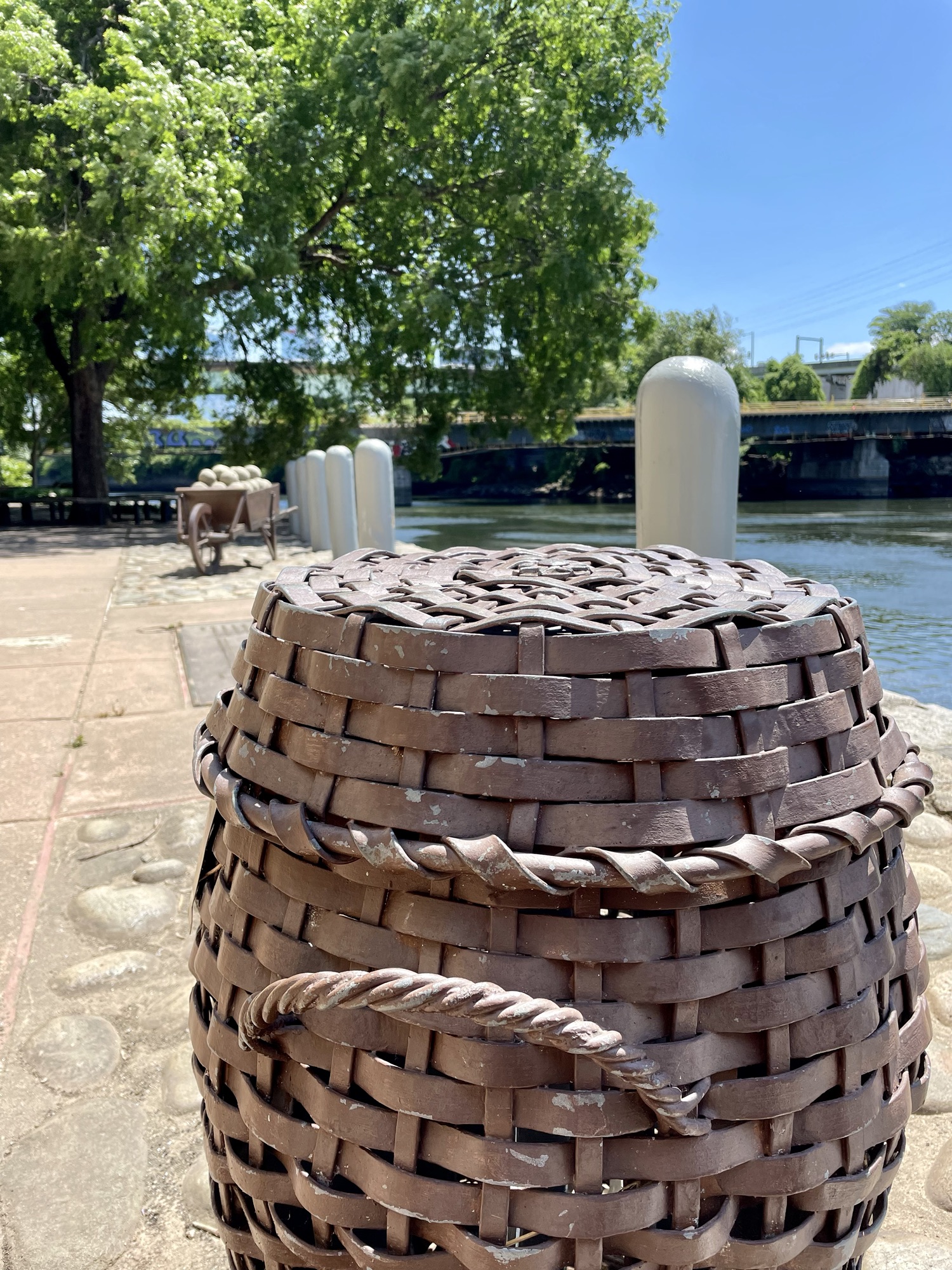

They offer periodic free walking tours highlighting the history of the site.
FIELD TRIP: The year that we discovered the museum, we happened to be studying ecosystems in one of our home-school groups. They were happy to customize a class for our group focusing on the river and the watershed.
 Secrets of Philadelphia