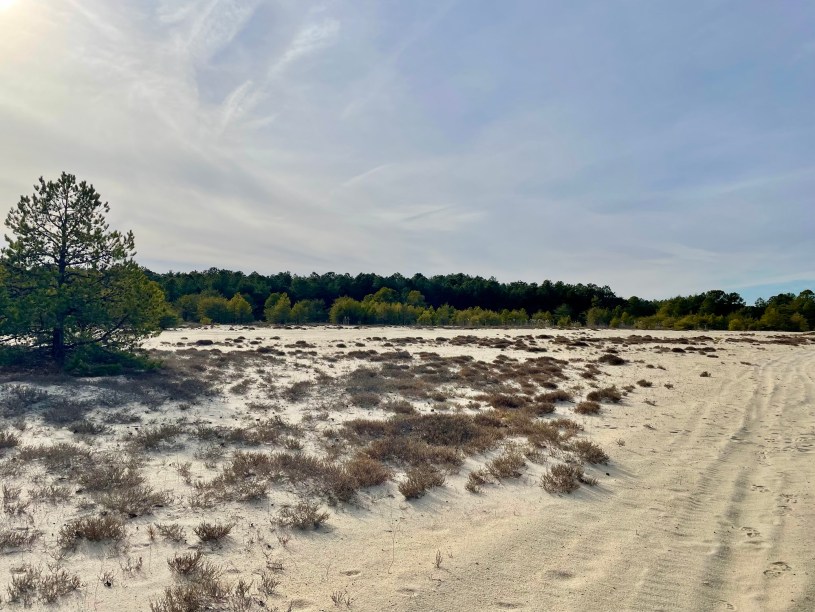
Originally called “barren” by early European settlers due to their unsuitability for traditional farming, New Jersey’s pinelands quickly became a hub of early American industry.
Timber, iron, glass and agriculture. Eventually most of these industries moved out and the towns supporting them were abandoned. In 1978 the nation’s first National Reserve was created to protect over 90,000 acres (and the large aquifer under it) from development. It is still administered by the Pinelands Commission, who work with the various towns and counties included in the reserve.
Evidence of the area’s history can be found in abandoned sites all around the area. To learn about the industries that once dominated the region head to one of the abandoned villages that are well interpreted. The museum at Batsto is best for learning about the region’s history of iron and glassworks. As one of the main colonial-era furnaces it produced cannonballs for the Revolutionary War (Exploring the Pine Barrens (part 2): Cannon Balls, Company Towns & Blueberry Ice-cream).
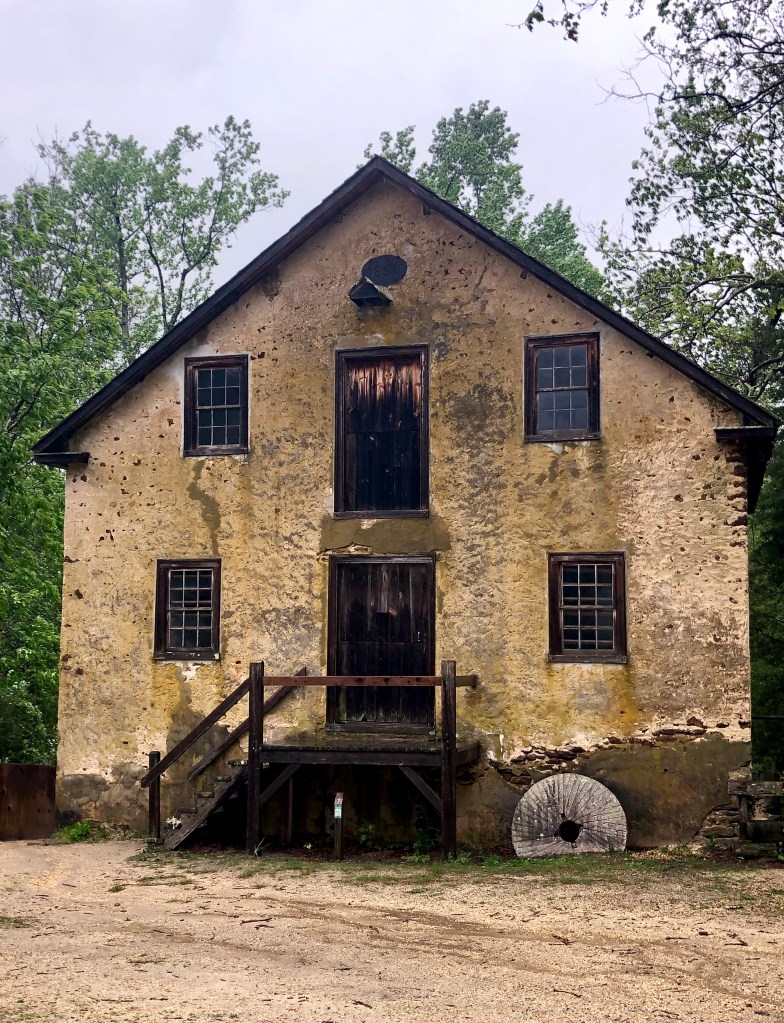
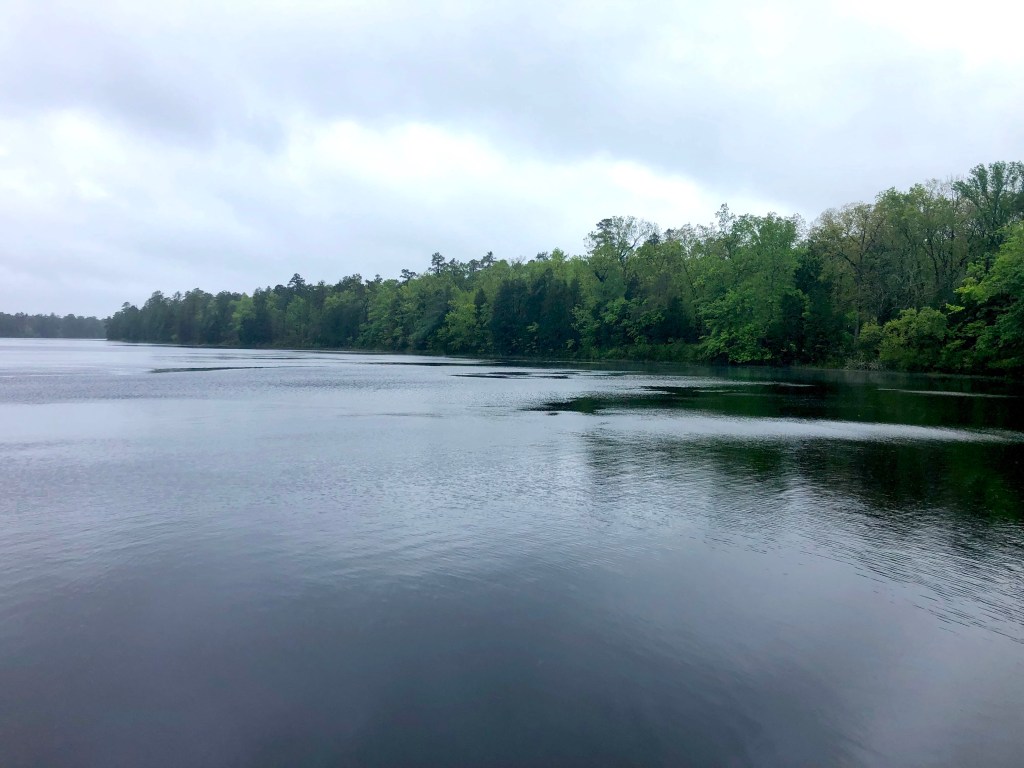

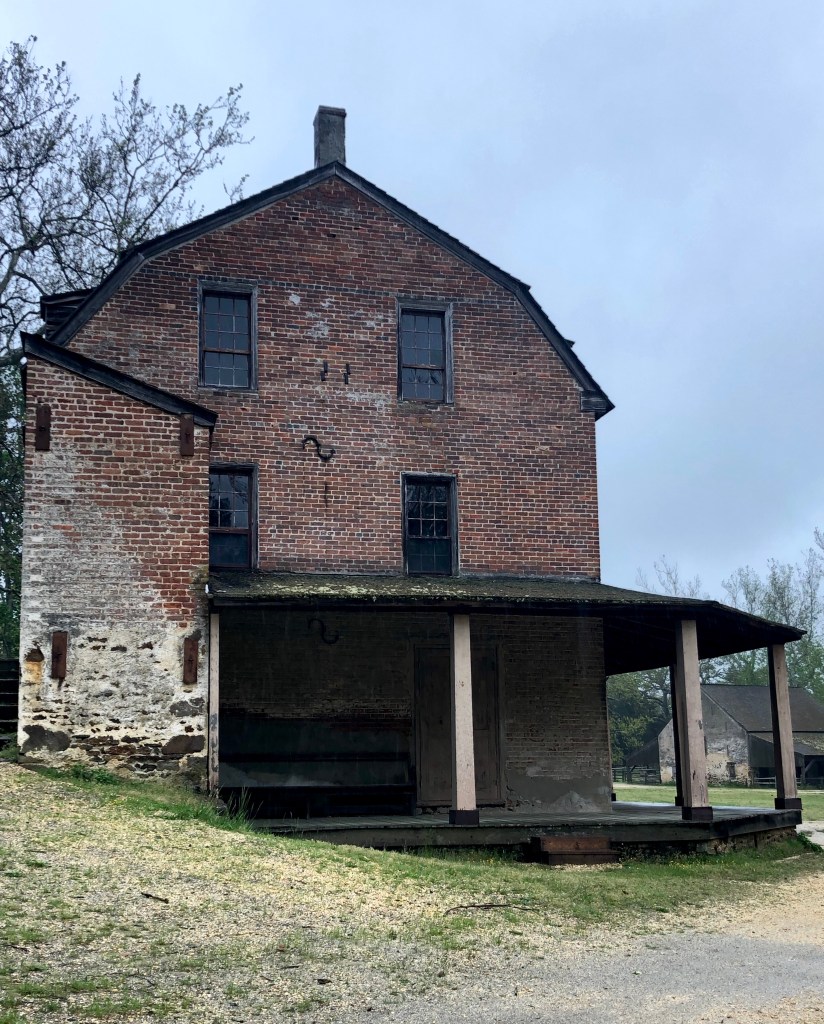
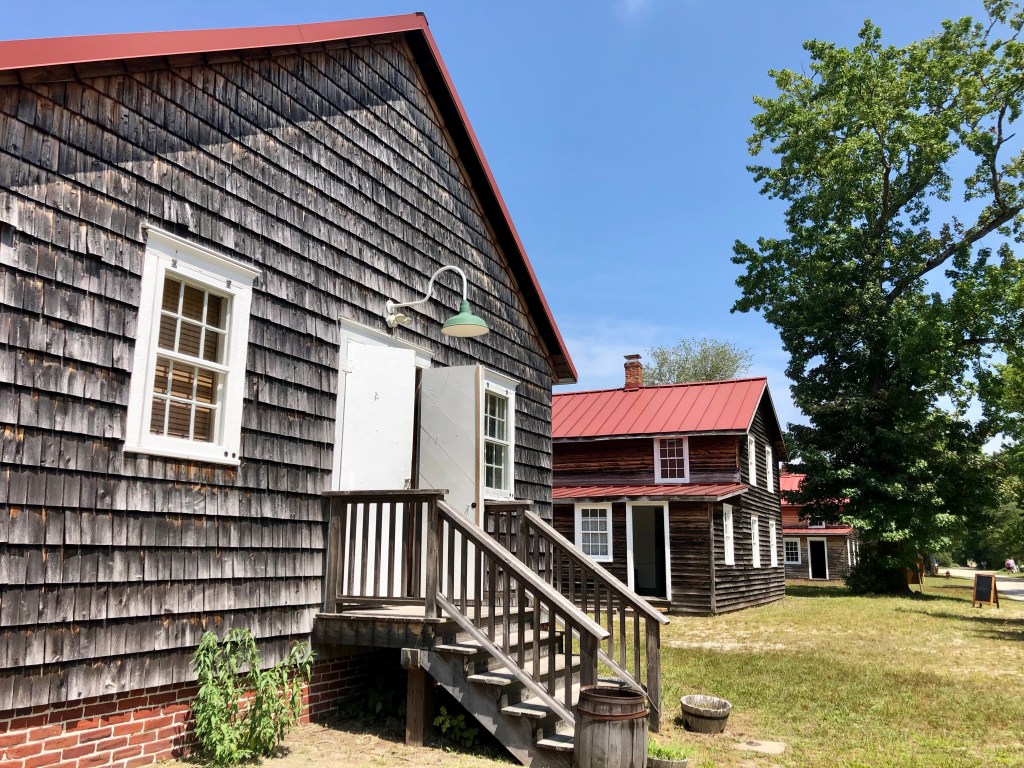
Smithville has buildings from a Victorian-era worker’s village once situated around a now abandoned factory (Smithville, NJ: A Bicycle Railroad & A Carriage-Pulling Moose ).
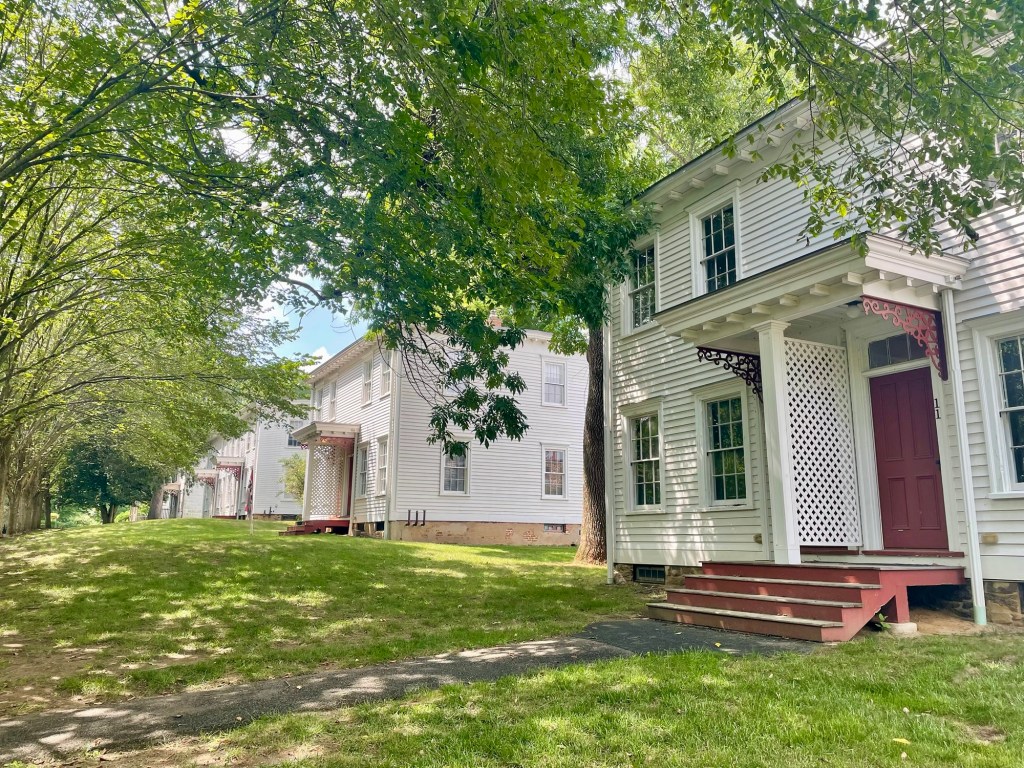
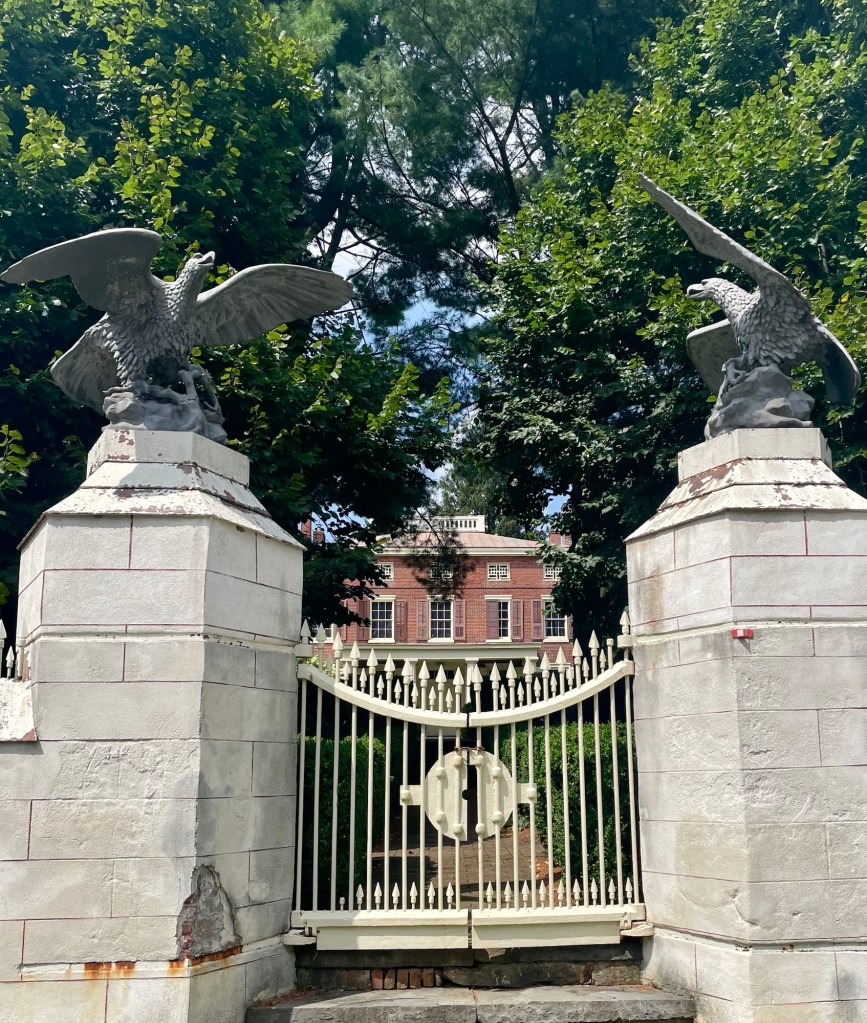
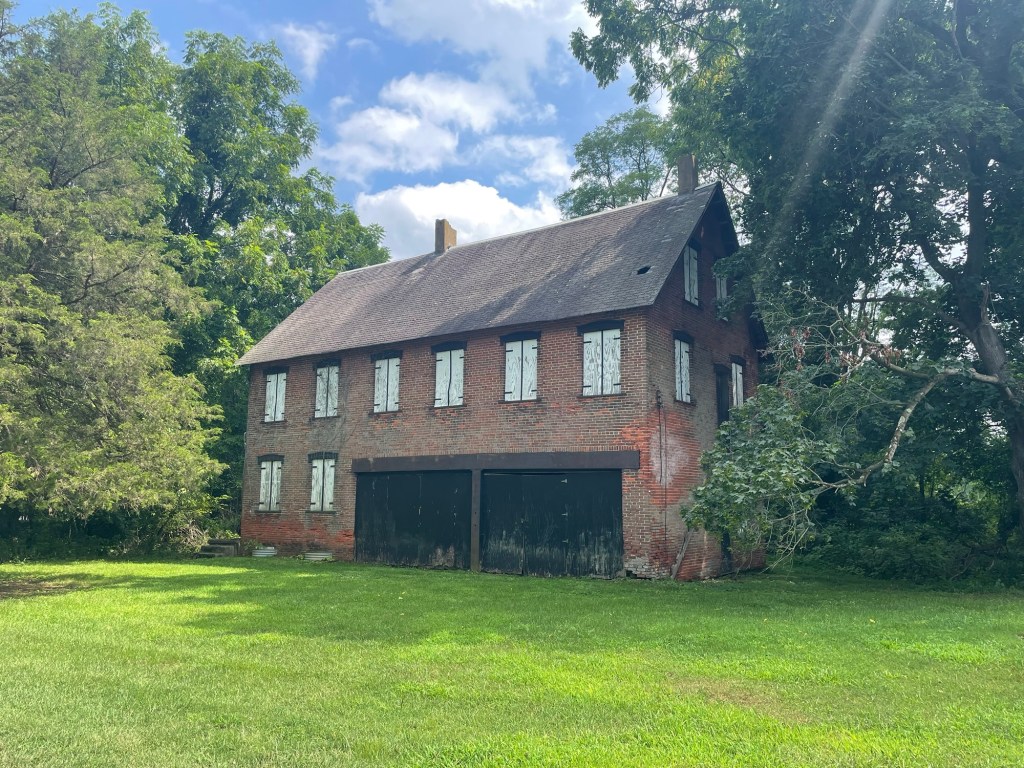
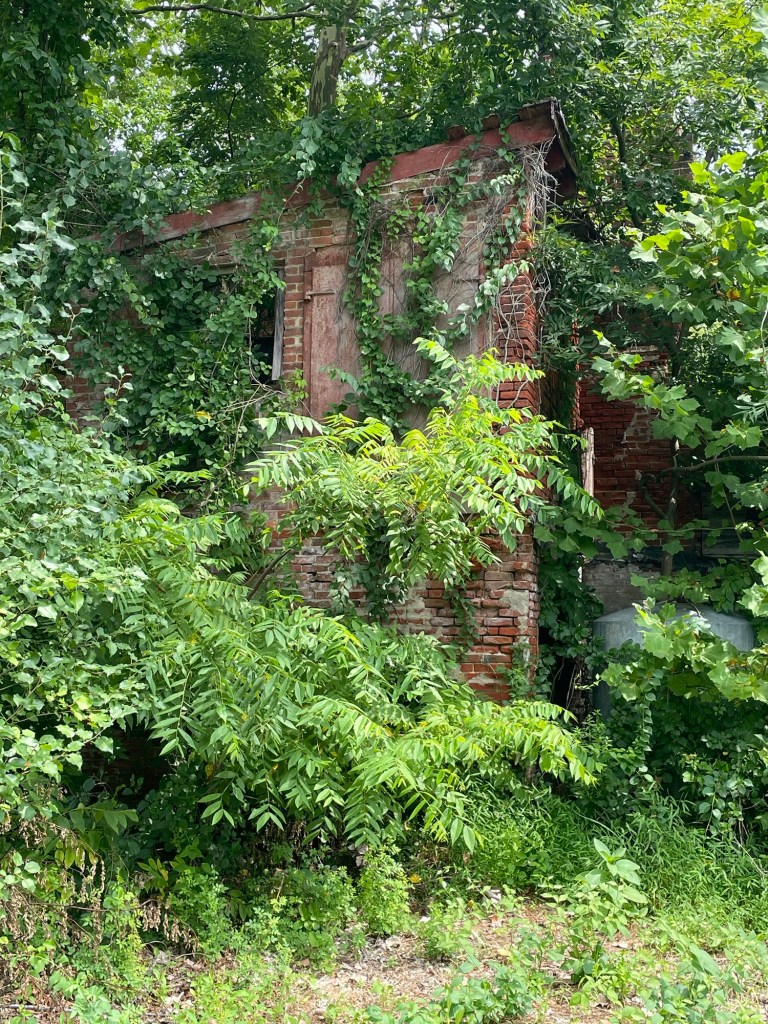
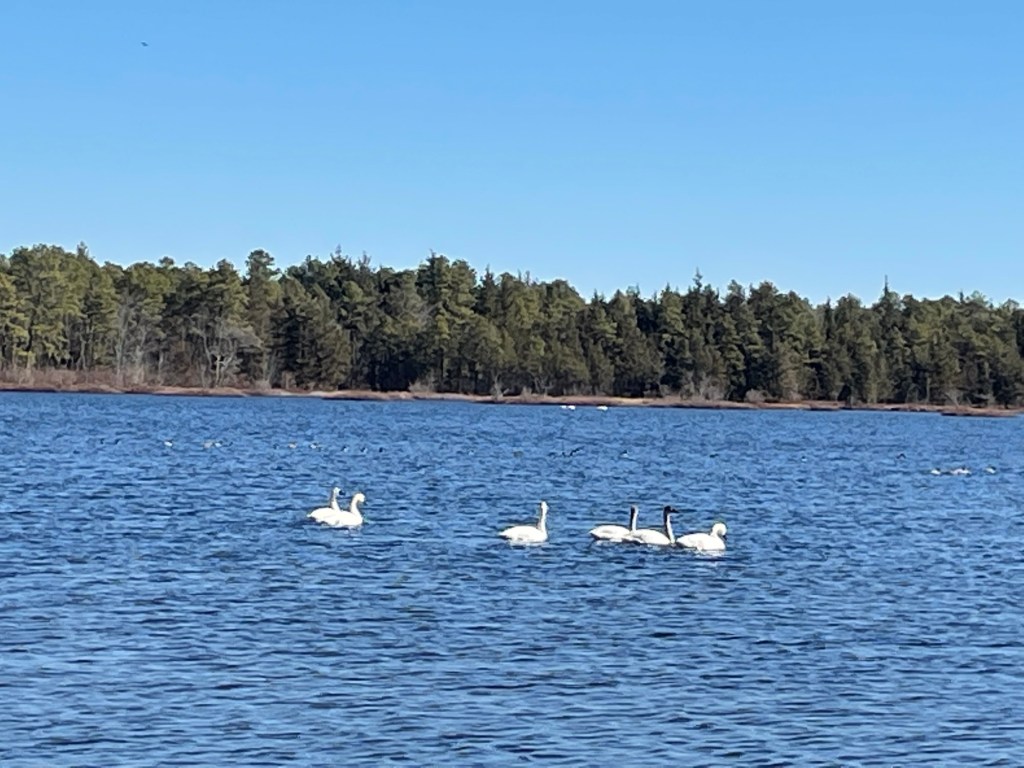
Whitesbog is all about the region’s primary agricultural industries: blueberries and cranberries. Once home to Elizabeth White, developer of the modern blueberry, it’s surrounded by what were once her family’s cranberry bogs and the blueberry fields where she conducted her trials (A Piney Adventure- Whitesbog: Home of the Cultivated Blueberry). In winter tundra swans often visit the flooded bogs.
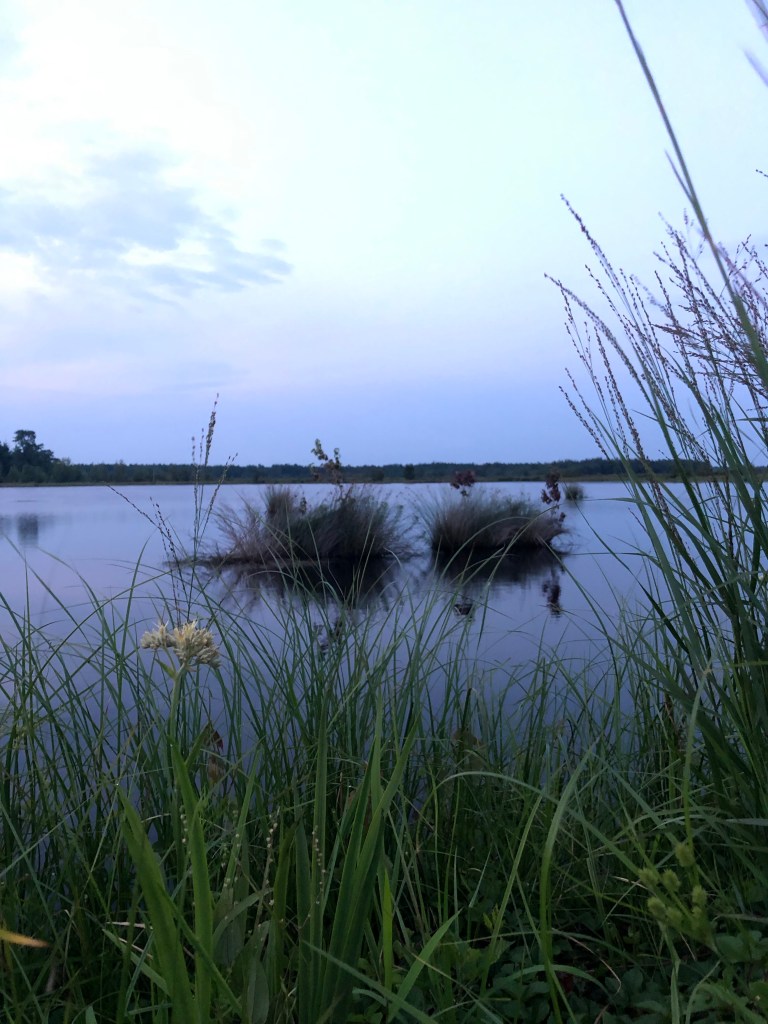

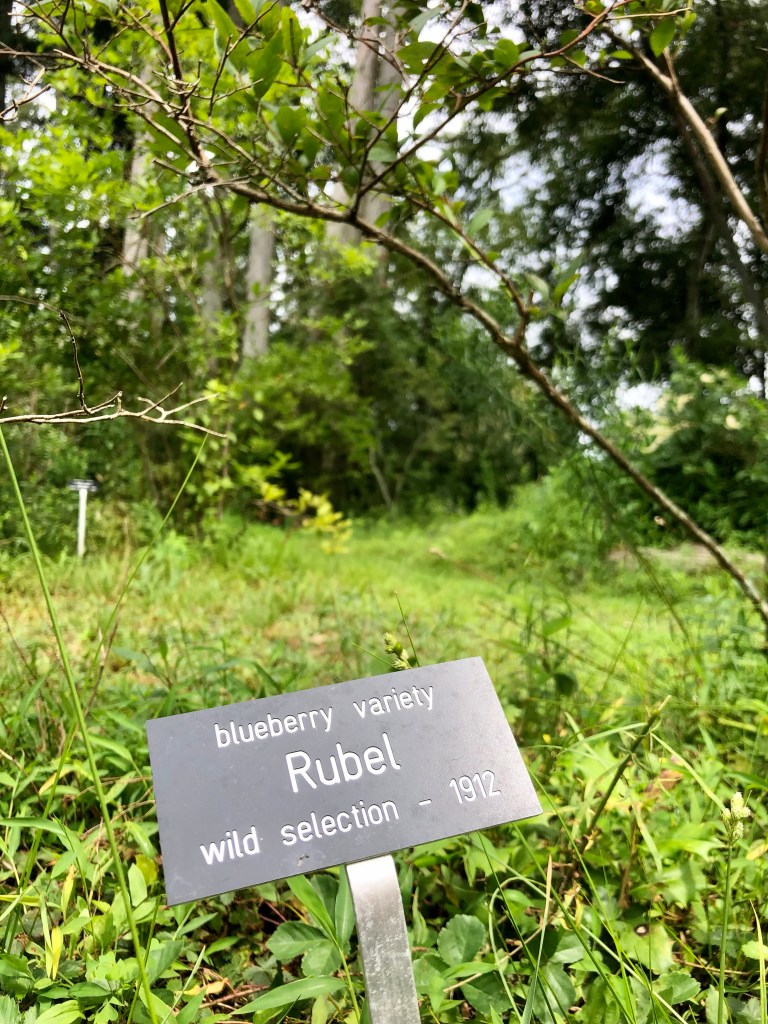
Franklin Parker has miles of trails meandering through abandoned cranberry bogs and blueberry fields. Everywhere are signs of the abandoned industry. If you’re lucky, a July visit will coincide with blueberry season, providing a mid-hike snack.
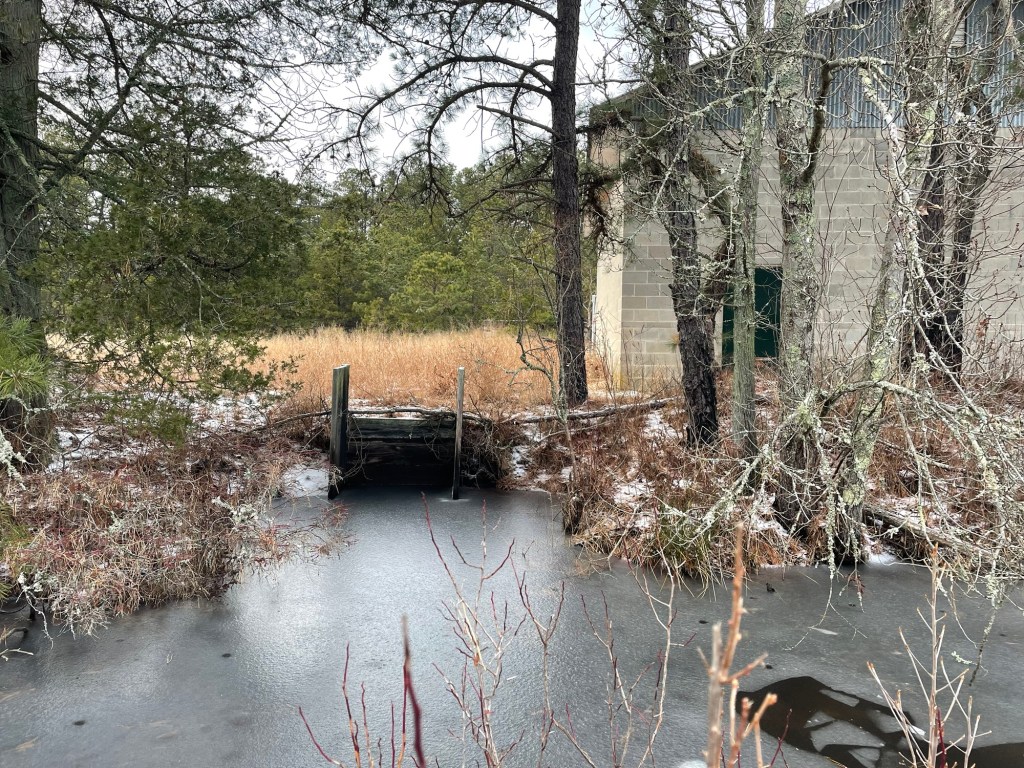
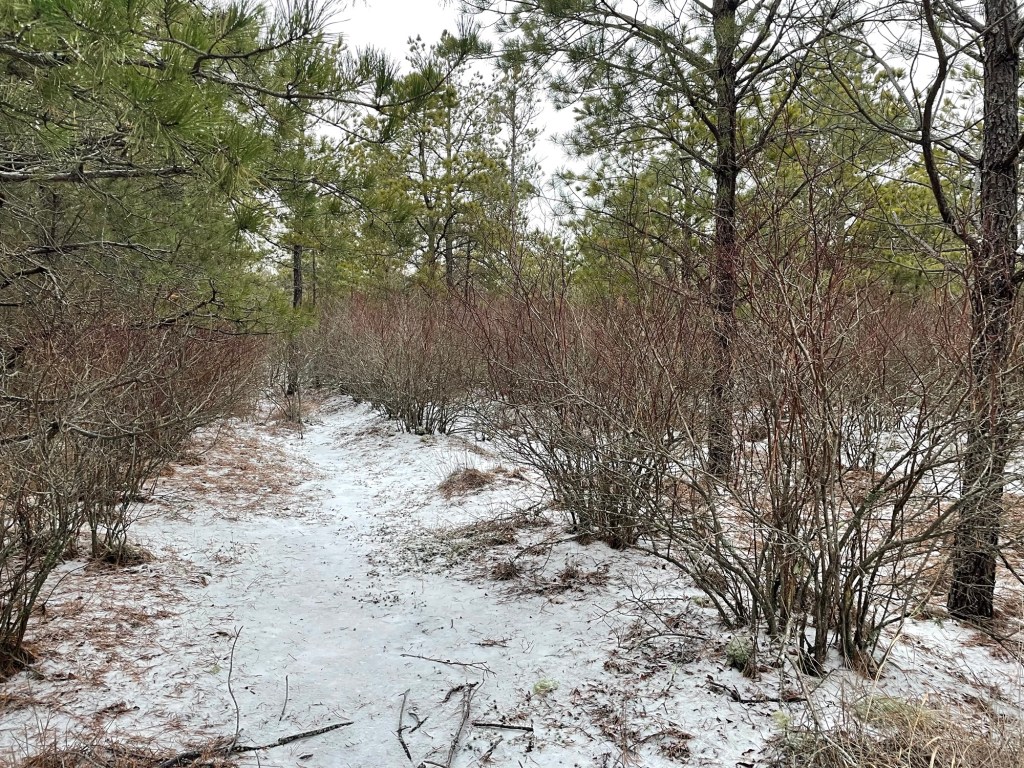
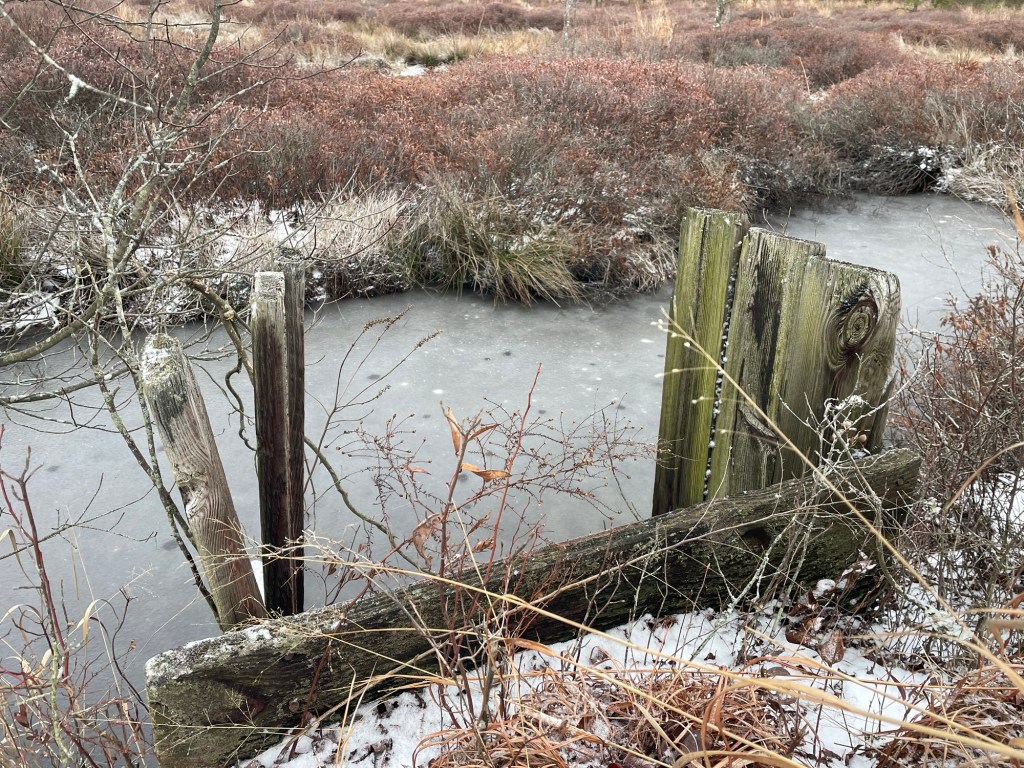

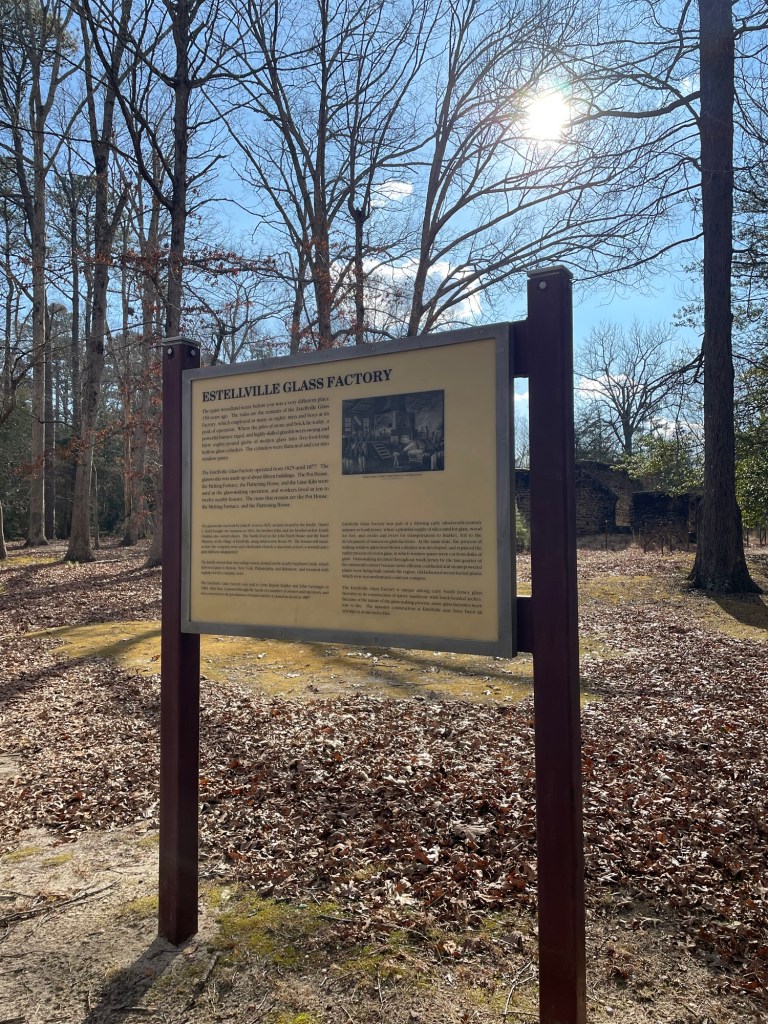
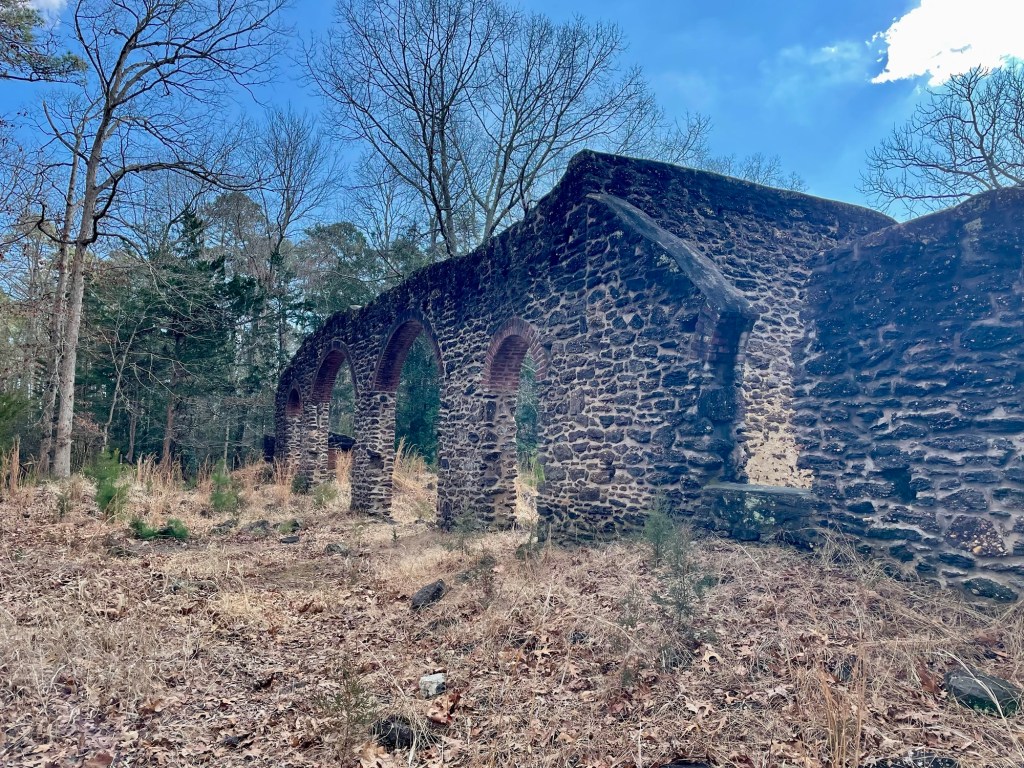
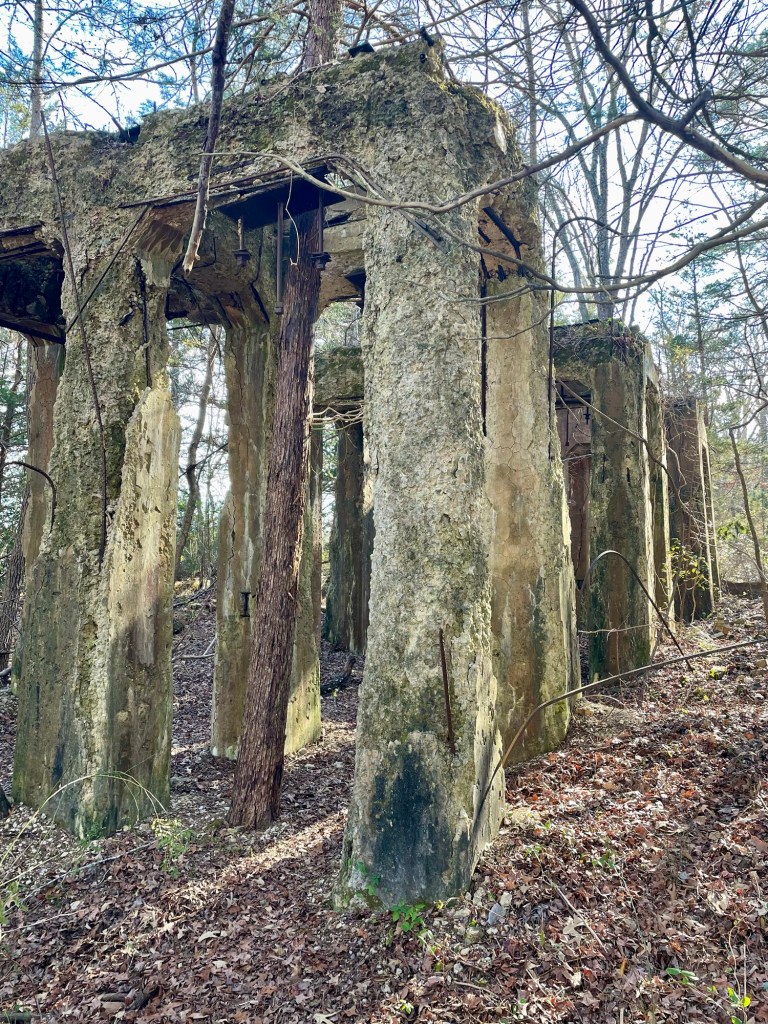
Estelle Manor is a two-for-one: ruins of a 19th century glass factory and remains of a World War I munitions factory, most of which are marked with information signs. This is also a great place in late spring for Mountain Laurel- but watch out for ticks and chiggers (a good rule for anywhere in the pines!).


A popular spot to launch canoes or tubes is along the bank of the Great Egg Harbor River among the remains of Weymouth Furnace, another 19th century iron furnace that produced weapons for the War of 1812, and which later became a paper mill.
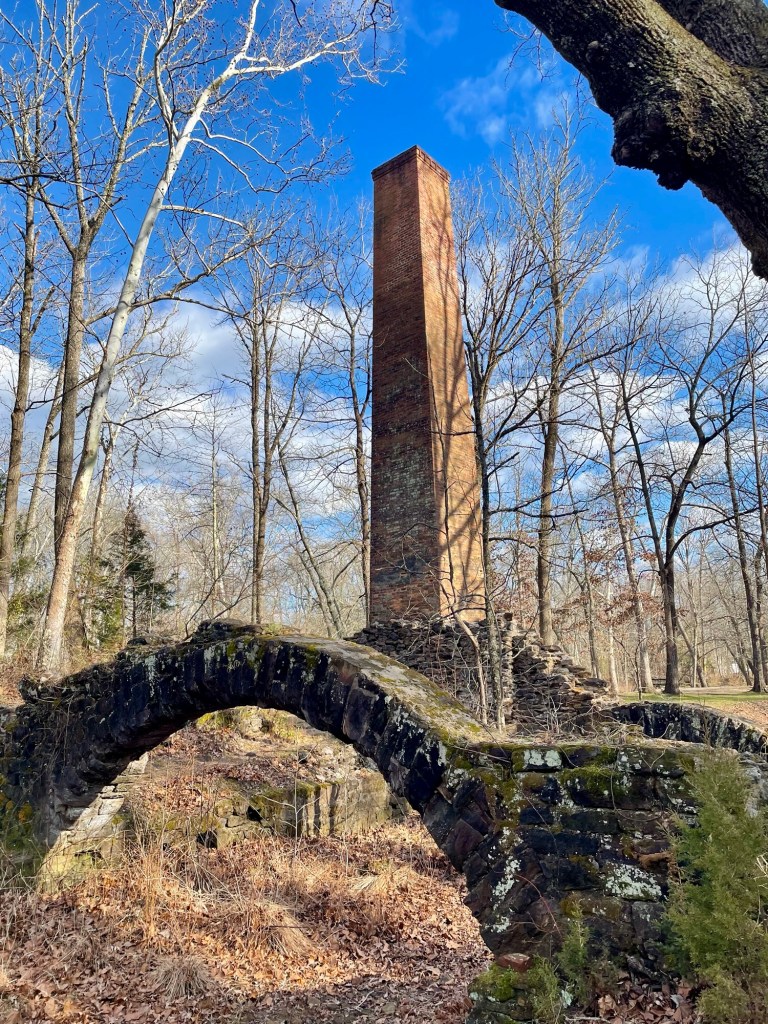
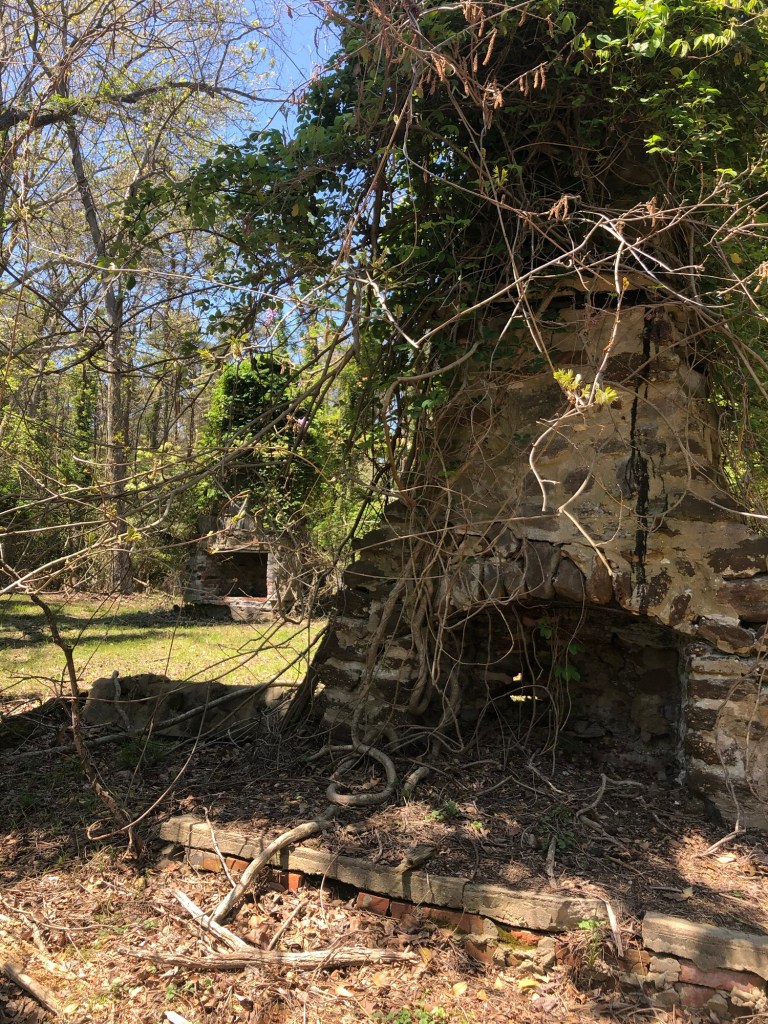
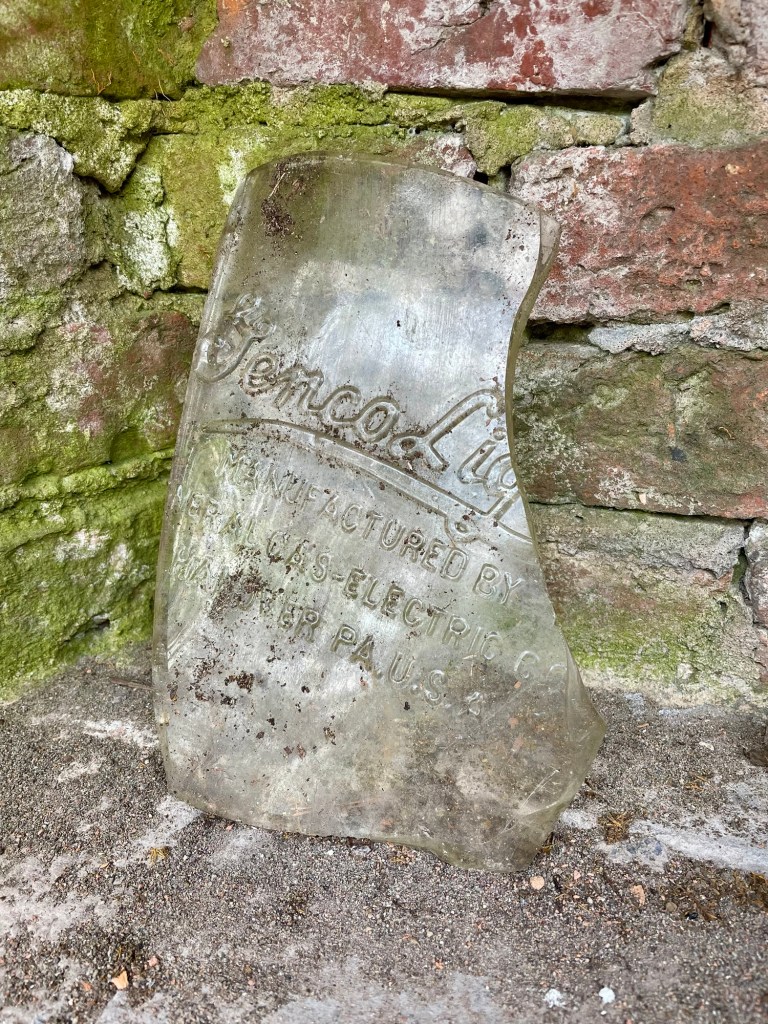
Adventurous hikers can go off the beaten path to explore the remains of a village, industrial site and blue pools in Fries Mill.


The natural world that supported these industries can seem monotonous, but a closer look reveals plants that thrive in its dry sandy soil. Spring brings orchids and other wildflowers, but my favorite are the carnivorous sundews and pitcher plants.


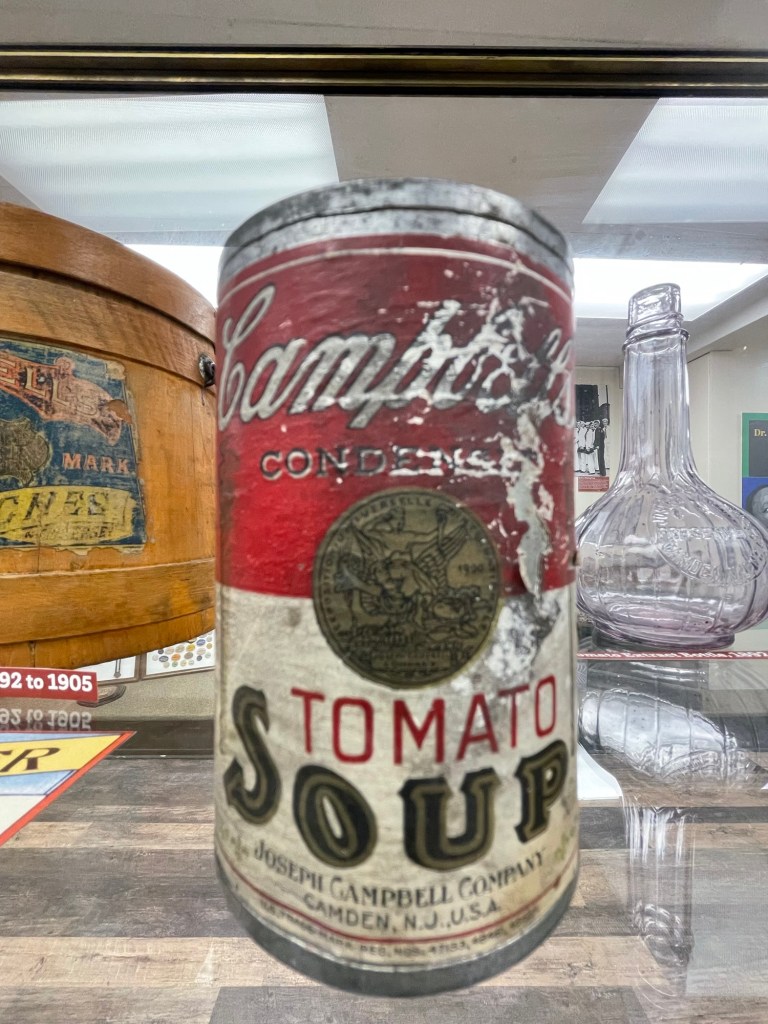
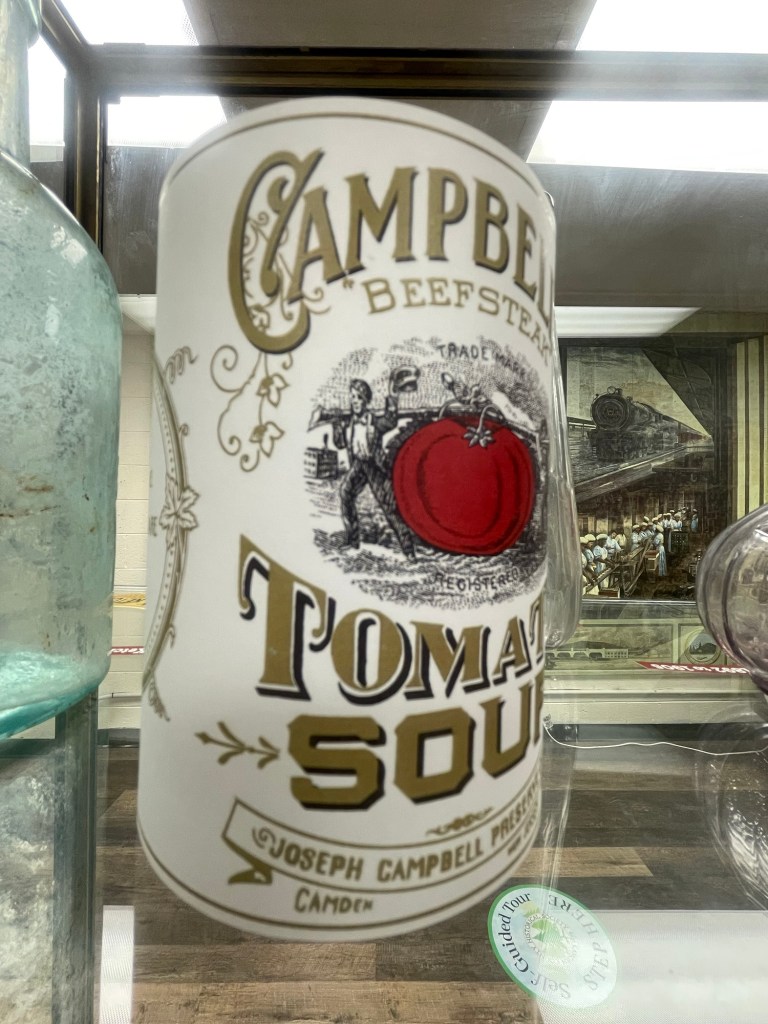
Although there are no abandoned ruins to explore, the pine barrens were ground zero for Campbell’s soup. It was in these sandy soils that the tomatoes for its tomato soup were originally developed, and their world headquarters is still located in nearby Camden.